Shownotes
Hello and welcome to this week's Wildlife Matters podcast. This week, we explore the complexities of hibernation.
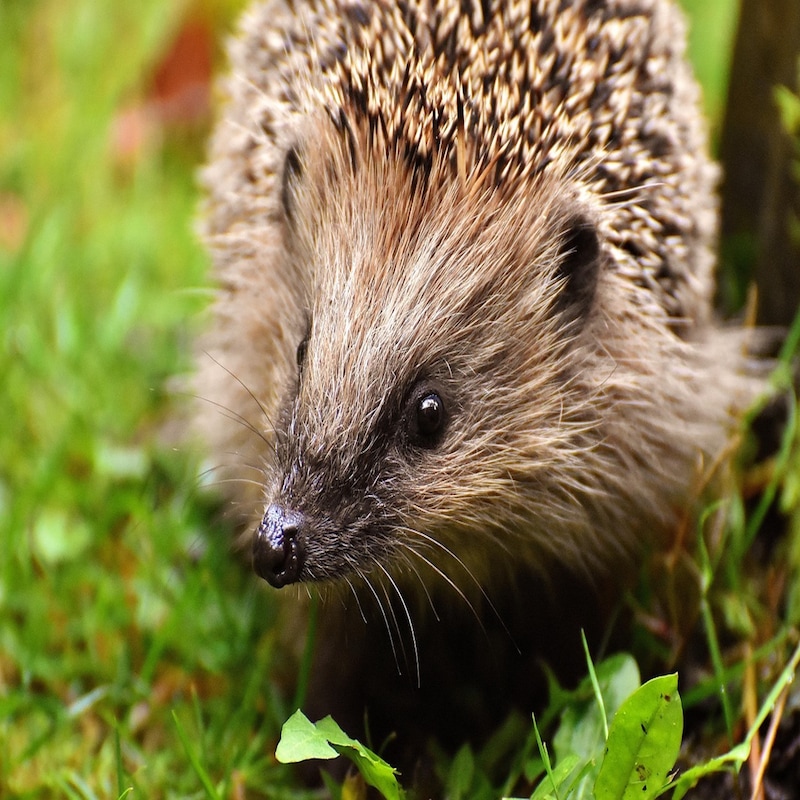
We will investigate why certain species, including hedgehogs, employ this survival method during the cold winter months. Then, in Part Two, we offer practical advice on how to improve your garden for hedgehogs as they prepare to hibernate, emphasising the importance of creating safe habitats and reducing disturbances.
The Wildlife Matters podcast also examines the impact of Bonfire Night and fireworks on local wildlife. As the 5th of November approaches, a discussion arises about the historical origins of this event, particularly the Gunpowder Plot of 1605, which has evolved into a modern celebration that often causes distress to domestic pets and wild animals.
The episode highlights the often-overlooked effect of fireworks on wildlife, including birds, foxes, and other creatures, who suffer extreme stress from loud noises and bright lights. To reduce such disturbances, the hosts suggest several measures to protect wildlife during this festive period, such as choosing public firework displays over private bonfires.
They encourage creating safer environments by providing shelters for animals and advise against building bonfires in gardens where wildlife might seek refuge. This segment reminds us of our duty to the natural world and the importance of coexisting peacefully with wildlife during celebrations.
Transcripts
Hello and welcome to this week's Wildlife Matters podcast.
Speaker A:As we release this episode, it's the 5th of November, so we'll take a look at the impacts of Bonfire Night and fireworks on wildlife and nature.
Speaker A:And for the first time, we have a two part Wildlife Matters main feature looking at hibernation.
Speaker A:In part one, we'll discuss why some animals employ this or similar winter survival strategies.
Speaker A:And in part two, we'll take a look at what you consider do to help hedgehogs hibernating this winter.
Speaker A:This week's Wildlife Matters mindful moment.
Speaker A:It's close to home for us as it was recorded at dusk in our garden.
Speaker A:But first, let's take a look at the wildlife and nature stories that have caught our attention in this week's Wildlife Matters Nature News.
Speaker A:Foreign welcome to this week's Wildlife Matters nature news.
Speaker A:Over 400 years after the failed gunpowder plot, November 5th remains an essential date in Britain, commonly known as Bonfire Night.
Speaker A:But why do we celebrate a failed plot from centuries ago?
Speaker A: November: Speaker A:Under torture, he revealed his true identity as Guy Fawkes, one of the conspirators aiming to spark an uprising, blowing up Parliament and its leaders, including the King.
Speaker A:But today, Bonfire Night celebrations have evolved as many more of us have pets and can see the impact on them from the noise of fireworks.
Speaker A:However, have you stopped to think about wildlife for one moment?
Speaker A:From the garden birds to local foxes, badgers and bats, the sound of fireworks and the sight and smell of fire are terrifying.
Speaker A:They will run for cover, often going without food or drink.
Speaker A:And some may choose to hide in that big pile of wood in the local green space or in your back garden.
Speaker A:So at Wildlife Matters, we have put together some tips to help you protect all wildlife this Bonfire Night.
Speaker A:Lots of animals hibernate in November, and a large pile of sticks, wood and garden waste often seems like the perfect spot for them to sleep through winter.
Speaker A:The best way to protect wildlife on Bonfire Night is to avoid having a bonfire at home altogether.
Speaker A:Why not check out the public bonfire event in your community instead?
Speaker A:You can still make a log pile in your garden, but instead of setting it on fire, leave it for the bugs, lizards and other small animals to shelter through the winter in.
Speaker A:And if you choose to have a bonfire in your garden, there are steps that you can take to reduce the chances of harming your local wildlife.
Speaker A:First, one, build your bonfire.
Speaker A:On the day many people pile up their garden waste over the weeks leading up to bonfire night and then set it on fire on the day.
Speaker A:And this is terrible news for hedgehogs and other animals who have chosen to shelter inside.
Speaker A:By building your bonfire just before you light it, you will know that no animals are sheltering inside of it.
Speaker A:Take apart your bonfire before you light it.
Speaker A:Just suppose you've been building your bonfire over the days and weeks leading up to bonfire night.
Speaker A:In that case, you should disassemble and rebuild it just before lighting it to ensure there is no wildlife inside.
Speaker A:If you do find wildlife inside, carefully move it to a quiet sheltered spot in your garden, such as a pile of twigs or your compost bin.
Speaker A:Build your bonfire away from trees.
Speaker A:Bonfires can easily spread to overhanging trees, harming the tree and any wildlife that shelters in it, such as birds.
Speaker A:Once a fire has spread to a tree, it could then spread to your neighbor's garden and even to your home.
Speaker A:Clear the ground of leaves before building your bonfire.
Speaker A:You should build your bonfire on clear ground, removing any leaves or other materials that could provide shelter for wildlife.
Speaker A:By raking these leaves away and placing them in your compost bin or in a quieter corner of your garden, you can allow any sheltering animals like caterpillars, to continue hibernation.
Speaker A:Light your bonfire from one side.
Speaker A:By lighting your bonfire from one side instead of from the centre, you give hibernating animals the chance to escape.
Speaker A:You should still build your bonfire on the day, though, to avoid putting sheltering animals through the stress of waking up to find their home is on fire.
Speaker A:You should always keep water nearby in a bucket or if possible, through a hose so that you can quickly put the fire out in an emergency.
Speaker A:If you have pets, you may already be aware that fireworks can be terrifying for them.
Speaker A:Like our pets, wild animals are also scared by the noise of fireworks.
Speaker A:Wildlife Matters recommends that instead of setting off your own fireworks that you consider attending a public firework display or enjoying the fireworks from your window or garden.
Speaker A:By reducing the number of individuals setting off fireworks, you will help decrease the disturbance to wildlife caused by the noise and lessen the plastic and air pollution generated by the fireworks.
Speaker A:You should always avoid setting off fireworks near wildlife.
Speaker A:Not only is it illegal to disturb certain animals such as barn owls and bats, but it is also cruel and insane sensitive to other sentient beings.
Speaker A:Always remember, if wildlife is nearby, don't set off fireworks.
Speaker A:Make the responsible choice for the well being of our natural world.
Speaker A:Our second story highlights a conservation success in Wales, as the Beaver Viewing Centre has been approved.
Speaker A:Following the designation of beavers as a protected species in Wales, plans are underway to construct a beaver observatory, the Cause Duvvy Nature Reserve in Derwentfleugh near Machalinnis, after Powys Council granted permission based on an application from the Montgomeryshire Wildlife Trust.
Speaker A:Beavers became extinct in Wales shortly after the Middle Ages due to over hunting for their fur, meat and scent glands.
Speaker A:By the end of the 16th 16th century they have become extinct in the wild across Britain.
Speaker A:However, in recent times the species has reemerged in fenced enclosures or reserves or has been discovered living in rivers due to unlicensed releases and escapes.
Speaker A:The proposal for the course Dovey includes the construction of an observation building, broadwalk access and a feeding station that will feature a ramp leading to the water.
Speaker A:Building will be elevated above ground level, equipped with solar panels on its roof and it will consist of a single room with seating.
Speaker A:The Montgomeryshire Wildlife Trust has committed to regularly monitoring the enclosure in accordance with its license from Natural Resources Wales Planning officer Aled Williams stated that although the site is located within a flood zone, it is not considered that the proposed works would cause any flooding implications and it is not a vulnerable development.
Speaker A:Wildlife charities are calling for the formal reintroduction of beavers into the wild as they can help mitigate the climate crisis and enhance water quality.
Speaker A:Beavers are known as a keystone species and they play a crucial role in enriching biodiversity by restoring and managing river and wetland ecosystem systems.
Speaker A:A new project from the Welsh Wildlife Trust aims to support reintroduction efforts by utilising beaver management strategies that have already been successfully implemented in Scotland and Devon.
Speaker A:And our third story is from one of our listeners, Phi Wharton from the Leicestershire and Rutland Wildlife Trust.
Speaker A:We've called it One Woman, An Osprey and A Story of Two Continents.
Speaker A:Phi's journey began when she was asked to develop a community species recovery pilot project as part of a river restoration initiative specifically focusing on the white letter hairstreak butterfly.
Speaker A:She had her concerns because she knew that the community engagement comes not from directing people on what to do, but from understanding what they want to do.
Speaker A:The first step is to capture their interest and engage them in the project.
Speaker A:As she had anticipated, the local communities showed little interest in the white letter hair street butterfly or indeed in planting disease resistant elms to help attract them.
Speaker A:Fee realized that local residents were not sharing their stories about nature and wildlife.
Speaker A:In fact, these topics ranked solo on their list of priorities, if they were even considered at all.
Speaker A:But in Leicester, a city rich in migration stories, diverse cultures and resilience, an idea began to take shape.
Speaker A:What if the key was not just wildlife, but the parallels between people's stories and journeys and those of the wildlife themselves?
Speaker A:With this in mind, Fee invited a group of local Leicester residents to Rutland Water to meet Maya, one of the resident ospreys that spends her summers there.
Speaker A:Maya is an experienced performer whose nest has been monitored by webcams for several years now, and her remarkable annual journey to and from Africa is followed by hundreds of people.
Speaker A:By sheer coincidence, that day, all 12 people who attended were from Africa.
Speaker A:The beauty of that experience was that they understood Maia's story and saw similarities reflecting their own journeys in her flight, resilience and return, and they sat in silence as they absorbed Maya's incredible story.
Speaker A:Later that afternoon, in one of the hides at Rutland Water, they expanded the conversation to include swifts, the high silhouettes that swooped through the Leicestershire during the summer.
Speaker A:Many in the group recognized the sights and sounds of the swifts, but did not know their name or that they shared an exciting backstory.
Speaker A:As they learned about the swifts remarkable lives, their migration patterns, their decline and the simple actions that could be taken to help, a sense of wonder filled the room.
Speaker A:Ideas and plans emerged on how they as a community, could support the swifts and other forms of wildlife.
Speaker A:And this is where the project truly began, not focusing on elm trees for butterflies, but on swifts.
Speaker A:Soon they were busy installing swift boxes and sound callers on mosques, churches, temples and community halls.
Speaker A:And now the seasonal swifts have plenty of options to build their nests and raise record numbers of chicks each year in Rutland.
Speaker A:This is the kind of positive news and success story that we love to share from our listeners on the Wildlife Matters podcast.
Speaker A:So if you do have a story you'd like to share with us, please do get in touch.
Speaker A:You'll find our contact details in the show.
Speaker A:Notes that has been this week's Wildlife Matters Nature News.
Speaker A:We hope our Bonfire Night tips make this Bonfire night a safer one for people and wildlife around Britain.
Speaker A:Please share them with anyone you know hosting a bonfire group this week we were thrilled to share the exciting news from Wales we where people will soon be able to observe wild beavers at a nature reserve.
Speaker A: six, episode three from June: Speaker A:And it was great to feature a listener's story on this week's Wildlife Matters Nature News and we would love to share many more.
Speaker A:So please, if you have a story, share it with us.
Speaker A:You can record your own story or send us a written version.
Speaker A:You will find our email address in the Show Notes now it's time for you to join me in the back garden, a small haven for local wildlife, to listen to the sounds of the garden at dusk on this week's Wildlife Matters Mindful Moments.
Speaker A:It's It's I hope you enjoyed the snuffling and the sniffling of our local hedgehogs as they came to feast on their cat biscuits and water just before dusk on an early autumn evening.
Speaker A:We have seen five at one time before, but tonight it was three A female, a young adult, and then a little later a large male who we call Alfie, a regular visitor to the garden.
Speaker A:Live hedgehog snuffles on this week's Wildlife Matters Mindful Moments.
Speaker A:Now join us for the first time for a two part Wildlife Matters main feature as we ask what is hibernation and why do some wild animals choose this to survive winter?
Speaker A:Before we take a deeper look at hedgehog hibernation and what you can do to help them in your garden or local green space this winter.
Speaker A:Hello, welcome to the first part of two main features this week.
Speaker A:That's the first on the Wildlife Matters podcast, the first part we are talking hibernation and why some animals use that strategy for winter survival.
Speaker A:You may have heard about hibernation and be familiar with some of the wildlife that hibernates in Britain.
Speaker A:But what are the differences between hibernation, aestivation, torpor and which animals actually hibernate?
Speaker A:In simple terms, many of us think that hibernating animals go to sleep in the autumn and wake up in the spring in time for the warmer weather.
Speaker A:But there's so much more to hibernation than that.
Speaker A:There are different states of hibernation in hot or cold environments, each with variable functions, durations and dangers to the animals who use this strategy.
Speaker A:Hibernation is a survival strategy employed by many wild animals, including butterflies and bats, to endure cold, dark winters without needing to search for food or migrate to warmer locations.
Speaker A:During hibernation, these animals lower their metabolisms to conserve energy, so it's important to know that hibernation is much more than just sleeping.
Speaker A:Depending on the species, the state of hibernation can vary from prolonged deep unconsciousness to short periods of inactivity.
Speaker A:However, hibernation comes with its risks.
Speaker A:Animals in a dormant state are vulnerable to predators and to unpredictable weather.
Speaker A:So which animals hibernate?
Speaker A:Well, small mammals such as dormice, hedgehogs and bats.
Speaker A:Also many insects, amphibians and reptiles.
Speaker A:Do all of Britain's mammals hibernate?
Speaker A:No.
Speaker A:There are only three types of animals in Britain that are true hibernators, which are the dormouse, the hedgehog and.
Speaker A:And bats.
Speaker A:It isn't a very long list and some omissions might surprise some people.
Speaker A:What about mice and voles, for example?
Speaker A:Are they active and alert all winter?
Speaker A:And squirrels?
Speaker A:Well, they just don't stay awake.
Speaker A:They actually breed in January.
Speaker A:Shrews should be the perfect candidates.
Speaker A:They're small and fast moving, with bodies that lose heat rapidly, a high metabolic rate and insectivorous diet.
Speaker A:But in winter, they simply sleep for longer, hunt mostly underground and rarely, if ever, depending on the species, go torpid.
Speaker A:They don't hibernate.
Speaker A:In the autumn, all the breeding adults die off, so that the year's youngsters are left to carry on the generations.
Speaker A:At the other end of the scale, the badger enters into a state known as winter lethargy.
Speaker A:Between November and February, it spends most of its time underground, gaining weight, and its body temperature may drop.
Speaker A:But that isn't hibernation.
Speaker A:Some insects, including butterflies, ladybirds and some of the bee species, survive the winter in their adult stage.
Speaker A:Among Britain's butterflies, nine species hibernate as eggs, 32 as caterpillars and 11 as pupae, and just six as adults.
Speaker A:The adult hibernating species include the brimstone red admiral, the small tortoiseshell comma peacock and the rare Camberwell beauty.
Speaker A:In the case of butterflies, overwintering teeters between simple torpor and diapause.
Speaker A:However, the insect appears outwardly to be an adult, but it may not yet be reproductively mature.
Speaker A:All these adult insects are liable to be roused by unseasonably sunny days.
Speaker A:It isn't unusual for peacock butterflies to be spotted flying around Christmas and New Year in gardens, with newspapers subsequently reporting on such activities.
Speaker A:And you might also find butterflies on the move inside a house where warm central heating has roused them from their hiding place.
Speaker A:Once again, this is neither unusual nor necessarily a problem for the butterfly, or indeed for you.
Speaker A:The subsequent drop in temperature may send them back into cover again to resume their dormancy.
Speaker A:However, there can be a shadow to sunny winter day forays.
Speaker A:A short arousal from torpor won't necessarily harm a butterfly directly, but the costs of the energy expended in flying about and looking for a new hibernation site may cause its stress, or later on, it might run out of its fat reserves and then die before spring.
Speaker A:So which Reptiles and amphibians hibernate in the uk.
Speaker A:Well, frogs, toads and newts all change their behaviour as soon as the frosts start.
Speaker A:From around October, all retreat to secluded spots on land away from direct exposure to the elements.
Speaker A:That could be under logs or piles of stones, inside a hole in the ground, or indeed in a compost heap.
Speaker A:The latter are particularly favored by slow worms, often in groups.
Speaker A:While other lizards hibernate alone in small hollows, Natterjack toads bury themselves into the sand, while all British snakes select sites such as disused rabbit burrows for communal quarters, which are known as hibernacula.
Speaker A:On occasion, toads, newts and lizards, and sometimes even snakes will all gravitate to the same hollow.
Speaker A:All of these exothermic vertebrates can be roused by warm winter days.
Speaker A:Frogs may hunt for food and snakes bask in the weak sunshine.
Speaker A:The common frog is unique amongst amphibians because adult males will often hibernate in the mud at the bottom of ponds during the winter.
Speaker A:They can breathe by exchanging gases through their skin rather than using their lungs.
Speaker A:Since they remain inactive during this time, they consume very little energy.
Speaker A:This arrangement works well in most winters.
Speaker A:However, it can be fatal if the pond freezes over completely.
Speaker A:Mammals prepare for hibernation by feeding heavily in late summer and autumn, storing fat to see them through the winter months.
Speaker A:But hibernation can be dangerous to them too.
Speaker A:Animals may die during hibernation due to a lack of fat reserves, severe weather conditions or premature awakening from hibernation.
Speaker A:Plus they can all be vulnerable to predation.
Speaker A: of occurred in the winter of: Speaker A:That's not sleeping away the winter.
Speaker A:That's sleeping away your life.
Speaker A:So how does hibernation work?
Speaker A:Well, hibernating animals experience significant changes in their metabolism and body functions.
Speaker A:For example, in squirrels, their body temperature can drop as low as -2 and breathing rates decrease.
Speaker A:And bats can see their heart rates drop dramatically, from around 400 beats a minute to just 11.
Speaker A:While many people believe that animals go to sleep in autumn and wake up in spring, hibernation is much more complex and mysterious than that.
Speaker A:In fact, it isn't conventional sleep in the traditional sense.
Speaker A:Take hedgehogs, for example.
Speaker A:When a hedgehog naps in summer, its body temperature, which is around 35 degrees C, drops slightly and its breathing slows.
Speaker A:But remains steady and regular.
Speaker A:In contrast, during hibernation, its temperature falls to roughly the same level as the surrounding environment.
Speaker A:Its metabolic rate decreases to just 2% of its regular summer activity, and its heart rate can drop from 110 to 150 beats per minute to anywhere between 5 and 70 beats per minute.
Speaker A:Breathing patterns change drastically as well.
Speaker A:When awake, a hedgehog breathes around 25 times per minute in a regular rhythmic manner.
Speaker A:But in deep hibernation, it can remain motionless for up to two hours hours without taking a single breath.
Speaker A:And when it does breathe again, it may take 40 to 50 rapid breaths that gradually taper off until the next long pause.
Speaker A:Hedgehogs consume a lot of food and gain substantial fat reserves before hibernation, which serves as a fuel during this period.
Speaker A:These changes are profound, long lasting and deeply embedded in their biology.
Speaker A:Ultimately, whatever hibernation entails, it is far from being simply asleep.
Speaker A:Do animals ever wake up during hibernation, Though the physiological changes are profound?
Speaker A:Usually no animal in hibernation remains completely torpid for more than about 30 days at the most, which is the case for the hazel dormouse.
Speaker A:Bouts of torpidity are regularly interrupted by periods of so called euthymia, during which the animal heats up, wakes up, and may even move around for several hours, possibly longer, breaking its hibernation.
Speaker A:And this is a good opportunity to expel waste products and in certain conditions to have a snack.
Speaker A:Bats, particularly pipistrelles, occasionally venture out on warm winter nights to forage for insects returning to their hibernation with a slightly fuller stomach.
Speaker A:They may also change their roosting sites during the winter if their current location becomes too hot or too cold.
Speaker A:Many people are surprised to learn that hibernation often includes regular periods of waking and activity.
Speaker A:Hedgehogs are roused naturally about once every five to 27 days, two to three times each winter.
Speaker A:They will use these breaks to relocate to another nest.
Speaker A:The onset of hibernation is generally governed by three day length, temperature and food supply.
Speaker A:There are also some gender and age differences.
Speaker A:Day length is usually the trigger for the deep seated endogenous changes and preparations.
Speaker A:If it were solely due to the photoperiod, the effects of warming would be mitigated.
Speaker A:The problem with climate change is temperature, particularly the warming in spring, because this causes hibernators to emerge too early from hibernation while their fat reserves are severely depleted and before there is enough food for them to sustain themselves in their environment.
Speaker A:A study of 14 species of hibernators showed that for every 1 degree rise in annual temperature, hibernation was on average 8.6 days.
Speaker A:Shorter.
Speaker A:Survival was also impacted, decreasing by 5.1% for every degree of warming over the same period.
Speaker A:Non hibernating rodents remained unaffected.
Speaker A:In Britain, it has been demonstrated that hazel dormice are now hibernating for five weeks less than they did 20 years ago.
Speaker A:Meanwhile, it is believed that warming is having a similar effect on hedgehogs.
Speaker A:Hedgehog experts have suggested that mild weather awakens the animals prematurely in spring.
Speaker A:Temperature conditions in autumn may encourage females to breed later and enter hibernation later with compromised fat reserves.
Speaker A:Among newts, the early spring migration to ponds is now a mid winter phenomenon.
Speaker A:And reports of frogs cooling in January are more common than ever before.
Speaker A:So how does this affect them?
Speaker A:Well, right now, nobody really knows.
Speaker A:Among insects, it is believed that warmer winters may encourage the proliferation of destructive pathogens.
Speaker A:At the same time, it is also possible that some flowers are blooming too early before the emergence of enough bees to pollinate them.
Speaker A:As with so many aspects of climate science, cause and effect are difficult to measure and prove.
Speaker A:Aestivation is similar to hibernation, but it occurs in animals living in hot climates that are seeking to avoid extreme heat or drought.
Speaker A:Many terrestrial and aquatic animals, such as lungfish, earthworms, snails, amphibians and reptiles such as tortoises, bury themselves in the sand or ground to protect themselves from the high temperatures.
Speaker A:In this state, they wait for the arrival of the wet season or cooler weather.
Speaker A:Some land snails even climb trees to escape the heat of the ground, sealing themselves inside their shells with dried mucus.
Speaker A:Unfortunately, a large number of animals that aestivate may perish due to prolonged drought.
Speaker A:So what is torpor?
Speaker A:Torpor is a temporary state of reduced physiological activity, typically lasting less than a day.
Speaker A:During torpor, an animal's breathing, heartbeat, body temperature and metabolism decrease significantly.
Speaker A:This response helps conserve energy in the short term, enabling the animal to survive brief periods of unfavorable conditions such as cold nights.
Speaker A:Various bird species, as well as small mammals such as bats, can enter torpid daily.
Speaker A:However, one risk with torpor is that animals become too sluggish to escape from their predators.
Speaker A:Also a cold spell that lasts too long.
Speaker A:In that case, the animal's body temperature may drop to dangerous levels, potentially leading to their death.
Speaker A:So that explains hibernation, the various types that animals go through, and why some species choose these methods to overwinter.
Speaker A:And in the second part of our Wildlife Matters main feature, we will look specifically at what you can do to help hedgehogs who may be looking to hibernate in your garden and that's coming up next on this week's Wildlife Matters Main feature.
Speaker A:Hello and welcome to this week's Wildlife Matters Main feature, which today is a comprehensive feature guide to helping hedgehogs during the darker winter months.
Speaker A:Hedgehogs are enchanting creatures that add a touch of joy to our gardens whilst providing an ecological benefit through their presence.
Speaker A:Just imagine the sheer delight of spotting one of these charming animals scurrying about in your garden.
Speaker A:This experience not only brings joy, but but also underscores the importance of our role in encouraging their visits and ensuring their well being.
Speaker A:As the temperatures begin to drop in October or November, hedgehogs enter a state of hibernation that generally lasts until March or April.
Speaker A:However, fascinating research reveals that these remarkable animals often shift their nesting locations at least once throughout the hibernation period, which means there may be times when you spot them wandering outside.
Speaker A:Even in the depths of winter.
Speaker A:And with the unpredictable effects of climate change, winter weather may become milder and hedgehogs might remain more active than they have done in the past.
Speaker A:This change could disrupt their hibernation pattern, causing them to stay awake longer or even not hibernate as deeply, which could affect their energy reserves and overall survival.
Speaker A:Hibernation is crucial for hedgehogs as it allows them time to conserve energy and withstand the harshest of winter conditions.
Speaker A:As dedicated wildlife gardeners and animal lovers, we can significantly contribute to their well being, comfort and indeed survival by taking thoughtful actions that create a nurturing environment during their hibernation period.
Speaker A:In this podcast, Wildlife Matters shares an array of effective strategies to provide a haven for hedgehogs throughout the winter months.
Speaker A:The first is creating hedgehog friendly habitats.
Speaker A:One of the best ways you can support hedgehogs during their hibernation is by creating suitable habitat within your garden.
Speaker A:Simply by incorporating a variety of hiding spots such as leaf piles, log piles or thoughtfully designed hedgehog houses, you can create a welcoming space that encourages these delightful animals to flourish.
Speaker A:Leaf piles serve as both potential nesting sites and a source of cozy bedding material for hedgehogs.
Speaker A:As you tidy your garden, exercise caution when handling these piles as they may already be home to a resting hedgehog.
Speaker A:Log piles are another excellent choice, providing a secure location for breeding or hibernation.
Speaker A:Additionally, the decaying logs attract beneficial insects which serve as a food source for hedgehogs all year round.
Speaker A:So gather any old dead wood from your garden or if permitted, collect some from local parks or wildlife reserves and neatly pile it in a quiet undisturbed corner of your garden.
Speaker A:The larger the pile the better as it will create a thriving habitat for insects, an essential food source for hedgehogs.
Speaker A:And remember to replenish the logs over the time as they do decay.
Speaker A:While natural habitats are ideal, establishing a hedgehog house is also a valuable addition and these can be purchased from garden centers or online, or you can even build one at home from wood.
Speaker A:Position the house in a quiet, sheltered and shaded location, preferably against a wall or a fence and as far away from potential predators as you can.
Speaker A:Make sure that the entrance is not north or northeast facing, that is to avoid chilly winds and leave a bundle of dried leaves nearby for the hedgehog to use as bedding.
Speaker A:Next, provide food and water because before hedgehogs can settle into hibernation, they need to stock up on food to ensure they have enough energy reserves.
Speaker A:By providing a reliable feed food source in your garden, you can help sustain them through the colder months.
Speaker A:Ideal food options include dry cat or dog food, which can be supplemented with wet dog or cat food.
Speaker A:There are specialist hedgehog foods available, but do be cautious as their quality can vary and always check the ingredients on the packaging.
Speaker A:Remember that milk and dairy products are harmful to hedgehogs because they are a lactose intolerant.
Speaker A:Additionally, avoid feeding them bread as it may fill them up without providing essential nutrients, leaving them vulnerable to the cold and illness.
Speaker A:If you notice that cats are eating the food meant for the hedgehogs, try placing the food under a shelter made of old bricks or use a container elevated on bricks with an entrance just wide enough for hedgehogs to squeeze through.
Speaker A:If any food remains uneaten overnight, make it a habit to remove leftovers each morning and replace them with fresh offerings every evening.
Speaker A:This practice helps avoid attracting unwanted wildlife and prevents overfeeding your or your neighbors, cats and dogs.
Speaker A:Research suggests that varying the feeding locations or scattering food more naturally can help reduce competition from other animals.
Speaker A:But most importantly, establish a consistent feeding schedule and remember to keep your dogs and cats indoors for at least an hour after you've fed the wildlife in the garden, as encounters with dogs can lead to serious injuries for hedgehogs.
Speaker A:The next thing to do is eliminate your garden hazards to create a more hedgehog friendly environment.
Speaker A:Take steps to remove potential hazards from your garden.
Speaker A:Firstly, look around the house and garden for drains that may have missing or broken covers and replace them as needed.
Speaker A:Also, cover any open holes resulting from building or garden projects.
Speaker A:And if you have roadworks nearby, always keep an eye on them as they can pose a risk to wandering hedgehogs as well.
Speaker A:Clear away any garden netting used to protect vegetables and neatly roll up nets on goal posts or other equipment to prevent entanglement of hedgehogs, foxes or indeed any other wildlife.
Speaker A:You should also always avoid using chemical pesticides or herbicides, as these substances can harm beneficial insects and accumulate harmful toxins in larger wildlife such as hedgehogs.
Speaker A:If you have a pond, then ensure it has a shallow edge that allows animals to swim to and climb out of easily.
Speaker A:Similarly, if you own a swimming pool, make sure it is securely covered and ideally drained to eliminate seamless safety hazards.
Speaker A:It's a good idea to encourage hedgehog access to your garden.
Speaker A:Hedgehogs are inherently curious and active creatures that thrive in environments where they can roam freely and forage for food, especially before or after their hibernation period.
Speaker A:To support their natural behaviors, it's essential to provide them with ample space to explore.
Speaker A:One way to enhance their habitat is by connecting your garden to your neighbors and ideally to the street and then onto a green space which will significantly increase their chances of survival.
Speaker A:And you can do this just by making small access holes in your fences or walls or under your gates which allow hedgehogs safe passage between your garden and your neighbours.
Speaker A:Now, these openings should ideally be around 13 centimeters square, which is approximately 5 inches square, to accommodate hedgehogs whilst preventing other larger animals, particularly cats, from entering your garden.
Speaker A:We would love to hear from you if you decide to take any or perhaps all of the actions we've detailed today to help you, your local hedgehogs this winter, because your efforts can contribute significantly to the survival of your local hedgehogs and these charming creatures in our shared environments, fostering a harmonious coexistence between hedgehog and human habitats.
Speaker A:And that has been this week's Wildlife Matters A main feature.
Speaker A:I hope today's Wildlife Matters main feature has broadened your understanding of hibernation and some of the other ways our native wildlife survive winter here in Britain, and that you will consider taking on some of the projects to help your local hedgehogs.
Speaker A:Why not share the podcast with your neighbors, family and friends?
Speaker A:Wildlife Matters will return in two weeks with another in our new series of a Wildlife Matters guide too, and this time it's our guide to how you can help wildlife in your garden this winter.
Speaker A:And don't forget to share your wildlife and nature stories for us to share on future podcasts.
Speaker A:You will find out email address in the show notes and as always, thank you for taking the time to spend with us today.
Speaker A:Please like and subscribe so you never miss an episode.
Speaker A:And please leave us a review wherever you get your podcasts as this helps us to reach new wildlife and nature lovers in this algorithm driven world.
Speaker A:Until next time, stay curious wild ones.
Speaker A:This is Wildlife Matters signing off.
