Shownotes
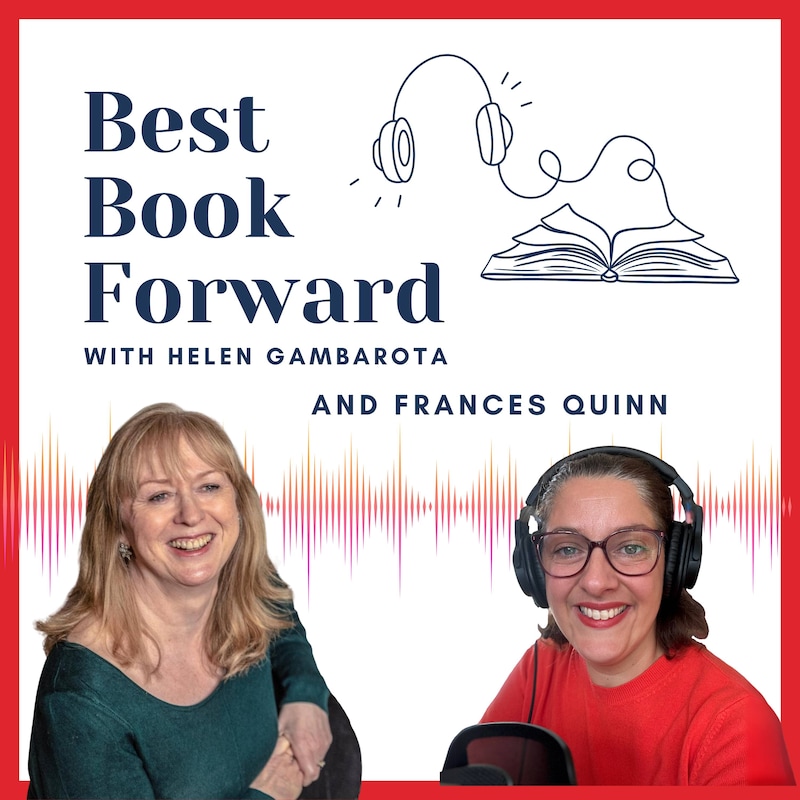
In this Christmas bonus episode of Best Book Forward, I’m delighted to welcome back Frances Quinn. If you missed our first chat you can catch up here listen now
We take a look back at The Lost Passenger and Frances gives us a sneak peek into her new book The Troublemakers which sounds amazing. You can you preorder your copy here: The Troublemakers
Of course, no episode of Best Book Forward would be complete without some irresistible book recommendations to add to your festive reading list. Here’s everything we discussed:
📚 Books by Frances Quinn
✨ Books Mentioned
- Pride & Prejudice by Jane Austen
- The Miseducation of Evie Epworth by Matson Taylor
- Identity Crisis by Nicola Gill
- The Correspondent by Virginia Evans
I really hope you enjoy listening to this episode as much as I loved recording it.
Tomorrow, I’ll be sharing another festive conversation in The Christmas Chapter series - catching up with another wonderful past guest.
In the meantime, if you’ve enjoyed this episode, please subscribe, rate, and review Best Book Forward, and don’t forget to tell your friends - it really helps new listeners discover the show.
See you tomorrow, and happy listening. 🎄
Listen & Subscribe Now:
https://best-book-forward.captivate.fm/listen
To stay in touch with Best Book Forward news please follow me on Instagram @bestbookforward or visit my website: https://bestbookforward.org/
Transcripts
Foreign.
Speaker B:Welcome back to Best Book Forward, the Christmas chapter in this bonus series.
Speaker B:I've invited some of my past guests back to find out what they've been up to since we last spoke, what they're working on at the moment, and to have a little festive fun with them today.
Speaker B:I'm delighted to be welcoming back Frances Quinn.
Speaker B:Frances was on the show back in June when she joined me to chat about her latest novel, the Lost Path Passenger, which I loved.
Speaker B:It's one of my favorite reads of this year.
Speaker B:Frances joins me now to look back on the Lost Passenger.
Speaker B:We'll share some reflections of her writing and reading life as well as finding out what she's working on now and the books that she's been reading and loving this year.
Speaker B:So without further ado, let's give Frances a warm welcome to the show.
Speaker B:Frances, welcome back and thank you so much for you and your very vocal cat who are joining us today for this Christmas special.
Speaker A:Thanks for having me.
Speaker A:I hope the cat won't be too noisy, but she probably will.
Speaker A:She's quite loud.
Speaker B:That's okay.
Speaker B:She's just having her say in the background.
Speaker B:So it wasn't that long ago since we last spoke.
Speaker B:It was June.
Speaker B:We got together to talk about your latest novel, the Lost Passenger.
Speaker B:We're recording this in October.
Speaker B:So do you want to give everyone who may not have picked it up yet a little flavor of what I've got, a hardback of what the Lost Passenger is all about.
Speaker A:So the Lost Passenger is a story of Eleanor.
Speaker A:She's the daughter of a millionaire, but he's a self made man.
Speaker A:So she's very rich, but she's not posh.
Speaker A:She's inveigled into marriage by the daughter of an earl only to discover that he only wants her for her money.
Speaker A:Horrible marriage, horrible in laws she kept from her child who's going to be brought up in the aristocratic way.
Speaker A:And she basically thinks she's trapped forever.
Speaker A:And then her dad gives her tickets for the maiden voyage of a ship called the Titanic.
Speaker A:And when the Titanic goes down, she sees that there's a chance to escape with her son and start a new life after stealing someone else's identity.
Speaker B:And it is such a brilliant read, isn't it?
Speaker B:I loved it so much and I was thinking about it before we spoke, actually it's one that I often think about.
Speaker B:I think Eleanor is such a memorable character.
Speaker B:So I just loved her.
Speaker B:Tell us, Frances, what's it been like now that it's out in the world?
Speaker B:What response have you had from readers.
Speaker B:Have there been any sort of really memorable moments?
Speaker A:Yeah, it's been lovely, actually.
Speaker A:I mean, I did, I think in.
Speaker A:In the book, I.
Speaker A:In the.
Speaker A:In the acknowledgments, all the thank yous.
Speaker A:I did say that, you know, if readers ever feel like getting in touch with an author, they always should because, you know, we're praise junkies and we love it and people have really taken notice of that.
Speaker A:So I've had loads of lovely messages and I had quite a few that come, like, at 2 o' clock in the morning and they'll say, I just couldn't go to sleep.
Speaker A:I've just read.
Speaker A:I've just finished the book and I loved it, you know, which is great, but probably could have waited till daybreak to fair.
Speaker A:But it's really nice to hear.
Speaker A:And then obviously it came out in America, so I've had messages from over there, which was really exciting, from sort of all over the place, you know, from places I've never been to.
Speaker A:So that was really nice.
Speaker A:And then it's just come out in the last few weeks in France and I've had a few messages from France and a lot of bookstagrammers writing about it on.
Speaker A:On.
Speaker A:On Instagram.
Speaker A:So, yeah, it's been lovely.
Speaker A:It's probably the biggest reaction I've had from readers.
Speaker A:Really nice.
Speaker B:All of your books are amazing.
Speaker B:But I, you know, we talked about it before and saying.
Speaker B:I did wonder whether this one would really be something that people relate to and are drawn to and it is that.
Speaker B:I mean, I remember sort of being torn between wanting to fly through, then not wanting to finish it too quickly, which is just the reader's dream, isn't it?
Speaker B:Yeah, that's the books we sort of just long for.
Speaker B:So.
Speaker B:So that was one of your dreams, wasn't it, to be published in.
Speaker A:It was, yeah.
Speaker B:Of the countries.
Speaker A:And in fact, since we last spoke, that it's also going to be published in Poland, which is.
Speaker A:That would be really weird because obviously I don't speak Polish.
Speaker A:I speak enough French that, you know, I can kind of look at it and make sure it's the same book, but.
Speaker A:But to have it published in a language you don't understand at all, I think will be quite weird because you get.
Speaker A:You don't get any kind of involvement, they just get it translated and then it comes out.
Speaker A:So it's.
Speaker A:That's quite weird, really, but nice.
Speaker B:Is this going to inspire you to learn another language?
Speaker A:I mean, now, like, probably, yeah.
Speaker A:I think I'll stick I'll stick with the one.
Speaker B:Be quite interesting, though, wouldn't it, to sort of work your way through and see.
Speaker B:I wonder if they make changes or they just translate.
Speaker A:Well, that's the thing.
Speaker A:You would never know.
Speaker B:Yeah.
Speaker A:I mean, they supposed to obviously just translate.
Speaker A:But it was interesting.
Speaker A:In the French one, she's.
Speaker A:There's a mention of the Pennines, there's mention of Blackpool Rock, and she hasn't accept.
Speaker A:She hasn't sort of tried to set that in context.
Speaker A:She's just done a footnote.
Speaker A:So I guess there are probably different ways of tackling it.
Speaker A:I don't know how she's translated.
Speaker A:I mean, Eleanor has like, quite a northern accent and I don't know really how she's translated that.
Speaker A:I can't tell.
Speaker A:So.
Speaker B:But yeah, it's so interesting, isn't it?
Speaker B:I love seeing, like, the different colors, because the French cover.
Speaker A:Yeah, the French cover is lovely.
Speaker A:Very pretty.
Speaker B:Yeah.
Speaker B:Really, really pretty.
Speaker B:But I love seeing all the different covers.
Speaker B:It's so interesting to see how.
Speaker B:And also when it.
Speaker B:Is it the same title in the us?
Speaker A:Yes, yeah.
Speaker B:Yeah.
Speaker B:Because quite often they change them, don't they?
Speaker A:Yeah, sometimes they.
Speaker A:Sometimes they do, but no, it was the same.
Speaker A:But again, very different cover.
Speaker A:Probably more like the French one, actually.
Speaker B:Oh, is it?
Speaker B:Yeah.
Speaker B:I love this and I love the.
Speaker B:The paper bag because it's basically the same.
Speaker A:But, yeah, I. I probably prefer the paperback, really.
Speaker A:I think it just stands out a bit more.
Speaker B:It's really pretty.
Speaker B:I mean, I love this as well.
Speaker B:But the paperback is beautiful.
Speaker B:The Lost Passenger is out now in paperback.
Speaker B:It's a perfect winter read.
Speaker B:And also a great gift.
Speaker B:I've bought one to give to somebody.
Speaker A:Mix of gold on the COVID Who would not want that under their Christmas tree.
Speaker B:Exactly.
Speaker B:And a great story.
Speaker A:Thank you.
Speaker B:It's not just a pretty cover.
Speaker B:It's a really good read and also a treat for yourself.
Speaker B:You know, we're all running around for Christmas.
Speaker B:It's like, nice cover.
Speaker B:Lovely to read as well, so I'd highly recommend it.
Speaker B:Okay, let's catch up on.
Speaker B:Frances, what you've been up to since we last spoke.
Speaker B:So we touched on last time what you were working on, which I remember being so excited about.
Speaker B:I know it's coming out in spring, so do you want to tell everyone what your next project is?
Speaker A:Yeah.
Speaker A:So I'm just finishing the very last edits on the Troublemakers, which is set in Victorian London, and it's inspired by the story of a lady called Nettie Honeybore who started The First British Ladies Football Club.
Speaker A:But she wasn't really called Nettie Honeyball and nobody knows who she really was.
Speaker A:And it's generally said that she took this pseudonym because, you know, it was a bit scandalous for women to be playing football.
Speaker A:But she got interviewed by magazines and had her picture in the magazine.
Speaker A:So I thought, well, that can't be right because obviously people would still know who she was.
Speaker A:So that gave me the idea, okay, why did she need a pseudonymous?
Speaker A:And so my book, A Bit like the Smallest man and that Bonesetter Woman, I've created a fictitious counterpart to her.
Speaker A:And the name she takes is Minerva Newton, Minnie Newton.
Speaker A:And I've given her a backstory that explains why she's got this pseudonym.
Speaker A:And it means that when she starts the football club and they quite quickly draw attention, that's what she wants.
Speaker A:But at the same time, the risk is that her secret might come out.
Speaker B:Oh, it's such a good hook because I was going to say to you, what is it?
Speaker B:What's the secret?
Speaker B:Why wouldn't she want to.
Speaker A:I can't tell you.
Speaker A:I'd have to kill you.
Speaker B:Not before Christmas.
Speaker B:That's a bit harsh.
Speaker B:You shared a picture of her as well on Instagram.
Speaker B:It's such a great picture, isn't it?
Speaker A:She's a great character.
Speaker A:I mean, I would love to know why she did take that name, unless she may have just done it.
Speaker A:It sort of for attention because obviously it's quite a sort of comic, quirky name.
Speaker A:But yeah, she was a formidable character because they came in for terrible kind of reactions from the press, I think was.
Speaker A:The Archdeacon of Manchester said they were scandalous and it should all be stopped.
Speaker A:And the medical profession said, you know, these women running around on football fields, don't they realize their wombs will drop out?
Speaker A:So they.
Speaker A:And it was.
Speaker A:It was huge for a.
Speaker A:For a fairly brief period of time, about a year.
Speaker A:They were massive.
Speaker A:They were attracting huge crowds.
Speaker A:And she was really the one that kicked it all off.
Speaker A:And she did it because, you know, she believed in.
Speaker A:She wasn't a suffragette, but she believed in women's emancipation.
Speaker A:And this was her way of showing.
Speaker A:Football is one of the things they say we can't do.
Speaker A:If we can show we can do this, we can show we can do anything else.
Speaker B:And it's so timely, isn't it?
Speaker B:As well.
Speaker B:You think of the lioness and the rugby, like women's force is just huge at the moment and doing so well.
Speaker B:So I think you need to send a Copy to, to all the lionesses.
Speaker B:Yes.
Speaker B:Maybe get them to, get them to read it as well.
Speaker B:It sounds, I mean, I can't wait to read it.
Speaker B:It sounds amazing.
Speaker B:I know it will be amazing.
Speaker B:And I'm going to pop a link for pre orders in the show notes as well.
Speaker B:So is it March?
Speaker A:It's June.
Speaker A:I believe it's March 27th.
Speaker A:Something like that.
Speaker A:Yeah.
Speaker B:Okay, perfect.
Speaker B:So the Troublemakers will be your fourth novel.
Speaker B:How do you think your approach to writing and research has changed from debut to now?
Speaker A:I try to be a bit quicker.
Speaker A:The Smallest man took me six years to write and it's not really sustainable to have a writing career if you take that long to write books.
Speaker A:So I try and be a bit more efficient, I suppose, and just you do learn a lot, so you.
Speaker A:I probably spend less time stuck because I know that however insurmountable a problem is, you can get through it, you can sort it out.
Speaker A:And then also, I suppose when I was writing the Smallest Man, I had a couple of writing buddies, but now I've got more and, you know, we all pass things around to each other.
Speaker A:I can just message and go, oh, can someone do a brainstorm with me today?
Speaker A:I'm really stuck.
Speaker A:So.
Speaker A:So I have a lot more help in that respect.
Speaker A:And yeah, I think you just learn as you go, really.
Speaker A:I wouldn't say it gets any easier because every book is different and every book has its own kind of problems.
Speaker A:So there's always time when you just think, oh, why did I choose this idea?
Speaker A:It's never going to work.
Speaker A:That's happens every single time.
Speaker A:But yeah, you just, you do realize you can just tell yourself, I've done this before.
Speaker A:And it's funny, when I was looking through my copy edits yesterday for the, for the Troublemakers and on every page you remember, oh God, that afternoon when I didn't think I could sort this out or the zoom that I had with a friend when we needed to, you know, deal with this problem.
Speaker A:So yeah, it's, it's a slightly traumatic experience reading it all again.
Speaker B:But that's lovely you've got that community because I guess otherwise it could be very lonely sitting there.
Speaker A:Yeah, I mean, you're basically sitting there with people who don't exist.
Speaker B:So yeah, Frederic Backman did a thing about that.
Speaker B:He's like, I sit in a room with made up characters.
Speaker A:Exactly, exactly.
Speaker A:And you do.
Speaker A:It's, it's surprising sometimes even, you know, you might do a brainstorm with someone and actually they don't necessarily come up with an answer, but just by kicking it around you realize, oh yes, that's the issue, and this is what we could do about it.
Speaker A:And then sometimes they do come up with an answer.
Speaker A:I can't remember any examples from the Lost Passenger, but there definitely were things that, you know, friends said sometimes it's things you can't see that you're going down a particular route and it's not working.
Speaker A:And they'll say, yeah, but why does he have to have a brother?
Speaker A:Or why do they have to meet then?
Speaker A:And then you suddenly realize, well, no, they don't.
Speaker A:So actually, yeah, there is an example in the Troublemakers, which is tricky without a spoiler, but I have two characters that I wanted to give a happy ending to and I just couldn't see how to do it.
Speaker A:And then right at the last minute the answer came to me and that was from, you know, talking to other people.
Speaker A:So yeah, it's, it, it gets more efficient, but not necessarily easier.
Speaker B:Well, whatever you're doing, it's working wonderfully, isn't it?
Speaker B:Great book.
Speaker B:So all of your books are very different.
Speaker B:So all historical fiction, but they're very different.
Speaker B:So when you're starting to look for your next ideas, what are you looking for?
Speaker B:Is it a person, a place, or something else entirely?
Speaker B:What sort of do you think is always your go to get started with it?
Speaker A:With all three?
Speaker A:Except the Lost Passenger, it was a person.
Speaker A:So I stumbled upon Jeffrey Hudson, who was the inspiration for the Smallest man, quite accidentally.
Speaker A:So he became the basis for that story.
Speaker A:And then because publishing likes the same but different, my editor said, can you find another little known historical character?
Speaker A:And I said yes, of course I can.
Speaker A:And then panicked because you can't exactly google little known historical character who'd make a good novel.
Speaker A:But I found one in Crazy Sally Mapp, who was the inspiration for that bonesetter woman.
Speaker A:And then again with the Troublemakers, it was.
Speaker A:So there's a brilliant account on what used to be called Twitter called the Atta Girls.
Speaker A:And they every day post about sort of forgotten women, trailblazers who people don't know about.
Speaker A:And Nettie Honeyball was one of them.
Speaker A:So that gave me the idea.
Speaker A:The one that was different, I suppose, was the Lost Passenger.
Speaker A:And that was, I think I probably said to you last time I really, really wanted to be published in America and I needed to think of a historical event that everyone in America would know about.
Speaker A:So I.
Speaker A:That one started with the Titanic and then Eleanor was born out of thinking who might be on The Titanic that needs to escape.
Speaker B:That's so interesting.
Speaker B:And what about.
Speaker B:We were talking.
Speaker B:I can't remember the name of this.
Speaker B:It.
Speaker B:Titanorax.
Speaker A:The Titanorax, Yeah.
Speaker B:Have you had any response from.
Speaker A:I actually haven't.
Speaker A:I. I think one.
Speaker A:There might have been just one person who commented on a review who said, oh, it was called the art.
Speaker A:Was called the RMS Titanic and not the SS Titanic, or vice versa.
Speaker A:But apparently there that no one can decide.
Speaker A:So I thought, well, okay, we'll just leave that.
Speaker A:But no, surprisingly, I haven't.
Speaker A:Although someone did say just the other day that Teddy, Eleanor's son, can't be the age that I say he is when they get on the Titanic.
Speaker A:And I'm.
Speaker A:I haven't checked.
Speaker A:I don't think she's right.
Speaker A:But those things, they're the things that you can really slip up on timelines because I, you know, I changed his age so many times because I needed him to be small enough he could go in the lifeboat and just be asleep because, you know, I didn't want to have a child rampaging all over the place.
Speaker A:Young enough that he wouldn't really remember Stoughton hall and he wouldn't be able to talk, but sort of big enough that he would kind of become a character.
Speaker A:So I did change his age a lot of the time.
Speaker A:So she may unfortunately be right, but no one else is notice.
Speaker B:So I think that's really interesting.
Speaker B:I think I must just be like, I'm not a very critical reader in that.
Speaker A:Good.
Speaker A:We don't want the critical ones.
Speaker B:I just want to be entertained.
Speaker B:I want a great story.
Speaker B:I mean, if there's like a glaring.
Speaker A:Plot hole, but often they're tiny.
Speaker A:They're so tiny.
Speaker A:And I just tend to think, look, I've given you the gift of feeling superior and that's a nice thing.
Speaker A:So.
Speaker B:Oh, I love that.
Speaker B:That's rising above it with class.
Speaker B:I like that.
Speaker B:That's brilliant.
Speaker B:It always surprises me that when people say things like that.
Speaker A:Yeah.
Speaker A:And some people just love finding a typo, you get quite.
Speaker A:On the book groups, you get quite a lot of people saying, I don't know what's wrong with publishing these days, I find typos all over the place and you just think, yeah, but you're quite enjoying that, aren't you?
Speaker B:Yeah, yeah.
Speaker B:It's a little gift then.
Speaker B:So, yeah, I like that.
Speaker B:So you have such an incredible skill for sort of blending fact and fiction, which just makes it as a reader, particularly if you're like me.
Speaker B:I just sort of just sit back and enjoy the journey.
Speaker B:How do you decide what.
Speaker B:How to blend it?
Speaker B:Where your imagination will take over?
Speaker A:Yes, it is a tricky.
Speaker A:It is different for every book.
Speaker A:It's.
Speaker A:It's tricky.
Speaker A:I think the closer you get to modern times, the trickier it feels.
Speaker A:So with the troublemakers, because of, I suppose, the success of the Lionesses, the Nettie Honeyball story has been.
Speaker A:It's been on the telly, it's been talked about on the radio.
Speaker A:So there are people who know about it.
Speaker A:So I felt a bit unsure about how much I could change.
Speaker A:And then when I sort of got started on the book, I realized there was a fatal flaw in my idea.
Speaker B:Oh, no.
Speaker A:And that was that they're the first British football Club, First British Ladies Football Club.
Speaker A:So who do they play against?
Speaker A:And they don't.
Speaker A:They don't.
Speaker A:They just.
Speaker A:They justify.
Speaker A:The idea was that, you know, other clubs would come up, but in the.
Speaker A:But they didn't last long enough for that.
Speaker A:So they just used to divide into two and basically play exhibition matches.
Speaker B:Right.
Speaker A:And obviously, really with that, my idea was one of those, you know, those kind of sports like films like Cool Running or that one about ladies baseball, where what you really want is it's all leading up to a match where the underdogs are facing a bigger team and are they going to win?
Speaker A:And there are high stakes.
Speaker A:That's where I wanted to go.
Speaker A:But they didn't have any matches like that because they.
Speaker A:It was just, you know, they were showing what they could do.
Speaker A:They had a lot of drama, but not the kind of drama that I wanted.
Speaker A:So, yeah, basically I had to decide this is not their story, this is inspired by their story.
Speaker A:And that's why I decided the main character couldn't be Nettie Honeyball.
Speaker A:So she's now the name she changes to because she's very.
Speaker A:She's a bit of a blue stocking.
Speaker A:She's very into her science and that kind of thing.
Speaker A:So the pseudonym she takes is Minerva Newton.
Speaker A:Minerva is, I think, the Roman God of science and wisdom.
Speaker A:And then obviously Isaac Newton, famous scientist.
Speaker A:So I gave her a different name and then that sort of gave me permission that, you know, we could change the story.
Speaker A:So, in fact, they have.
Speaker A:They really annoy a local men's football team and the men's football team try and sabotage them and then they have to take that on.
Speaker A:And so it builds up to a match between them and the men's team.
Speaker B:Oh, I can't wait.
Speaker B:I just can't wait.
Speaker B:It's that I love.
Speaker B:I love like Cool Runnings and.
Speaker A:Cool Running.
Speaker A:Yeah.
Speaker A:That was the vibe I really, really wanted.
Speaker A:That was exactly.
Speaker A:And that is kind of how it is now.
Speaker B:I don't know why, as I'm not particularly sporty, but I find.
Speaker B:I mean, I cry at the Olympics and everything.
Speaker B:But it's something so moving.
Speaker A:Yeah, exactly.
Speaker B:Watch things like that.
Speaker B:It's like even if you're not, you know, I don't really watch a lot of football, but when I do watch the lionesses, I find it quite.
Speaker B:It's really interesting, isn't it?
Speaker B:I think it's like that sort of coming together.
Speaker A:Yeah.
Speaker B:You know, dreams or, I don't know, Chariots of fire type sort of thing.
Speaker A:Exactly, yeah.
Speaker B:So as cool we're going off script.
Speaker B:Frances.
Speaker B:Sorry, dangerous territory.
Speaker B:As Cool Runnings, then, was one of the sort of inspirations.
Speaker B:Who would play Minnie in a movie?
Speaker A:Oh, that is really good question.
Speaker B:I'm trying to picture.
Speaker A:I haven't read her, so she's about 27.
Speaker A:I always.
Speaker A:I think because a lot of my characters are quite big, feisty personalities, I tend to think of actresses that are too old.
Speaker A:So.
Speaker A:Yeah, I don't know.
Speaker A:That's a really good question.
Speaker A:Somebody quite feisty, I guess.
Speaker A:Not particularly pretty.
Speaker A:I mean, she's not ugly or anything, but she's not.
Speaker A:She's not a massive, massively good looker.
Speaker A:I don't know.
Speaker B:Careful about naming people now.
Speaker B:They're.
Speaker A:Well, yes.
Speaker A:Yeah.
Speaker A:Yeah, maybe I should.
Speaker A:Maybe we'll say.
Speaker A:I'll give that some thought.
Speaker B:Yeah, it sounds like it would be.
Speaker A:Well, yeah, My editor did say this is the most filmable of your books.
Speaker A:So I'm really hoping.
Speaker A:And there is a. I won't spoil it, but there is one particular football match where they get their revenge on the men and that would be very filmable.
Speaker B:Oh, Francis.
Speaker A:So if.
Speaker A:If you happen to bump into Steven Spielberg at any point, just you know where to send him.
Speaker B:I have him on speed dial, so.
Speaker B:Oh, perfect.
Speaker B:So, okay, so I am getting ahead of myself because Troublemakers isn't even out yet.
Speaker B:But have you already started thinking, working?
Speaker B:I know you're doing edits now.
Speaker B:Is it too early for you to start working?
Speaker A:No.
Speaker A:So I'm think I'm thinking about ideas for the next book and I have three which I've just sent to my agent.
Speaker A:One is historical based on a real historical character.
Speaker A:So sort of in the vein of what I've done before.
Speaker A:One is contemporary, something I've been thinking about for a really long Time, but still very much in the sort of feel good arena.
Speaker A:I mean, I aspire to write books like Frederick Batman or Rachel Joyce, that kind of thing.
Speaker A:And this is a sort of feel good book.
Speaker A:Like that.
Speaker A: the middle and is set in the: Speaker A:Oh.
Speaker A:So kind of, because I think there's a bit of a.
Speaker A:Maybe it's because of the weird times we're living in.
Speaker A:I think people are liking a bit of nostalgia at the moment.
Speaker A:So.
Speaker B:Yeah, I mean, I'd happily read all three, if you don't mind.
Speaker A:Yeah, well, let's hope.
Speaker A:I mean, who knows?
Speaker A:We might see all of them.
Speaker A:We might not see any of them.
Speaker A:We don't know yet.
Speaker B:Oh, that's amazing.
Speaker B:Is that what you have to do, then?
Speaker B:Sort of pick a few ideas?
Speaker B:Is that how it generally works?
Speaker A:Yeah.
Speaker A:So I'll pitch them to my agent and she'll tell me if she likes them because obviously she's got to sell them.
Speaker A:She might say, I like them all, but this is too similar to something else that's coming.
Speaker A:Or, you know, I'd like this one, but that should be further in your career.
Speaker A:What I'm hoping is that she like.
Speaker A:Because I would be happy to write any of them.
Speaker A:I'm hoping that she will like all three and then, you know, she can pitch them to publishers and we can see what gets some interest.
Speaker A:So.
Speaker A:But yeah, I would be happy to write all three of them, so.
Speaker B:Oh.
Speaker B:So watch this space.
Speaker B:How exciting.
Speaker B:I can't wait to hear about it.
Speaker B:I'm sure whichever one she takes next time.
Speaker B:Yes.
Speaker B:Easter special.
Speaker A:Yes.
Speaker B:Okay.
Speaker B:So last time we spoke back in June, I asked you to pick the five books that you felt had shaped your life.
Speaker B:So we're going to look at those now and see whether they still stand, whether you'd swap any out or if you'd like to add a fifth one.
Speaker B:It's Christmas.
Speaker B:Okay.
Speaker B:Okay.
Speaker B:So we had five go.
Speaker B:Adventuring Again by Enid Blyton.
Speaker B:Adventures of the Little Wooden Horse by Ursula Marais Williams.
Speaker B:The Bomber by.
Speaker B:Is it Liza, Lisa, Mark.
Speaker B:Lisa Markland.
Speaker B:The Vizard Mask by Diana Norman and Bird by Bird by Anne.
Speaker A:It's not the moss, is it?
Speaker A:Yeah.
Speaker B:Lemon.
Speaker B:That's not right.
Speaker B:Autocorrect.
Speaker A:I would keep them all because they're not all the best books I've ever read, but they're all books that are significant to a particular time in my life.
Speaker A:They.
Speaker A:They all mean something to me.
Speaker A:So, yeah, I'm.
Speaker A:I'm afraid I would keep all my old.
Speaker B:No, that means you.
Speaker B:You did well the first time.
Speaker B:So you've passed, Francis.
Speaker A:If I can have another one, I would have Pride and Prejudice.
Speaker A:And not because I. I mean, such a, you know, cliche choice.
Speaker A:Not really, because I love the book, though, I do, but because it reminds me of my old English teacher who was.
Speaker A:Her name was Eileen Atherfold and she.
Speaker A:Well, at the risk of sounding like a Hovis advert, my school was in quite a deprived area of London and a lot of the local schools didn't have the highest expectations of pupils, but my school did, and Mrs. Atherfold was a brilliant example of that.
Speaker A:I remember her saying to us, you know, she'd gone to a teachers conference and other teachers from similar schools were saying, what are you doing teaching these kids Pride and Prejudice and Shakespeare?
Speaker A:It's not relevant to them.
Speaker A:They'll never get it.
Speaker A:And she was like, well, these are the best of English literature and my pupils deserve that as much as anyone else's do.
Speaker A:And she.
Speaker A:Yeah, she was so ambitious for us.
Speaker A:I mean, I still remember it came up the other day, someone quoted something from Macbeth, which was.
Speaker A:That was our other O level text, and I can remember more quotes from that on Pride and Prejudice than anything I ever learned at university.
Speaker A:So she really.
Speaker A:She had the knack of teaching to the exam because we needed to pass the exam without killing your love for the text.
Speaker A:So Pride and Prejudice will always sort of remind me of her.
Speaker B:That's the power of an incredible teacher, isn't it?
Speaker A:Yeah.
Speaker B:Like, it just shows.
Speaker B:Yeah.
Speaker B:I think that's amazing.
Speaker B:Do you know if she's still around?
Speaker A:I believe she is, yeah.
Speaker A:I did try and track her down when the smallest man came out, you know, to send her a copy, but I couldn't find her.
Speaker A:Oh.
Speaker A:So if anyone knows Eileen Atherfold.
Speaker B:Oh, wouldn't that be lovely?
Speaker B:It would, because when I spoke to Lucy Steeds, who wrote the Artist, she managed to.
Speaker B:She sent her teacher.
Speaker B:I think it must be so lovely for English teacher to be like, oh, I was right.
Speaker A:Exactly.
Speaker B:I saw something.
Speaker B:That's amazing.
Speaker B:So we were just talking about giving books.
Speaker B:I bought a copy of the Lost Passenger.
Speaker B:Are you going to be gifting any books this Christmas to anyone?
Speaker B:If they're listening, yeah.
Speaker A:I think it's quite hard to gift people books because obviously they're so personal.
Speaker A:But there's one that I have given to quite a lot of people and everybody has Loved it.
Speaker A:So it's great for those.
Speaker A:Sort of hard to buy for people.
Speaker A:And that is the Miseducation of Evie Epworth by Matson Taylor.
Speaker A:It's.
Speaker A:It's a brilliant book.
Speaker A:It's set in the 60s and the heroine is a teenager.
Speaker A:She's got a horrible stepmother and she's kind of trying to work out what to do with her life.
Speaker A:And she's such an irrepressible character.
Speaker A:It's really funny, really heartwarming.
Speaker A:And yeah, like I say, everyone I've given it to has loved it.
Speaker A:So I think that's going to be quite a safe bet for anyone who's getting a book from me.
Speaker B:Yeah.
Speaker B:I always think it's like, if you give something, it's got to be something that I've really loved.
Speaker B:Yes.
Speaker B:And then it's like.
Speaker B:Because I know very rarely do people give me books because I get so many as well.
Speaker B:When somebody does give me a book that they've loved, I get really excited because it's so nice, isn't it?
Speaker A:Yeah, exactly.
Speaker A:Yeah.
Speaker A:I had a friend of mine, turned 80 this year and couldn't think what to get her.
Speaker A:And then I got the idea to get her a book that was either written or set in every decade she'd lived in.
Speaker A:But it had to be.
Speaker A:Had to be a book that I had read and loved.
Speaker A:And it was like that gave.
Speaker A:I had as much fun choosing as she did reading.
Speaker A:And then, you know, each time she reads one, she rings me and we have a chat about it.
Speaker A:So, yeah, that was really nice.
Speaker B:What a lovely idea.
Speaker A:It really only works for people who are at least sort of 70, I suppose.
Speaker B:Yeah.
Speaker B:We did.
Speaker B:For somebody I worked with for her 40th in the office, we all sort of bought them our favorite book and then we wrote in the front.
Speaker B:Why it was special.
Speaker B:Yeah, she just got this big sort of collection.
Speaker A:It's a lovely thing.
Speaker B:Yeah, yeah, that's really nice.
Speaker B:And you are a huge reader.
Speaker B:You read an awful lot.
Speaker B:So what have been your standout reads this year?
Speaker A:My standout reads this year.
Speaker A:I mean, I've.
Speaker A:So I was a judge for the Historical Writers association, the.
Speaker A:The Gold Awards and we had, I think, over 150 entries.
Speaker A:So I read loads for that.
Speaker A:But I probably at this moment, the.
Speaker A:The short list has only just come out.
Speaker A:We don't know the winners.
Speaker A:I probably shouldn't mention any of those, but there were lots of them.
Speaker A:But I can say that everything on the shortlist is brilliant.
Speaker A:Which will be out by the time this comes out.
Speaker A:I would say my standouts this year were Identity Crisis by Nicola Gill.
Speaker A:Nicola is, full disclosure, she is a friend of mine, but she's also one of my absolute favourite authors.
Speaker A:She writes really feel good, but not fluffy books.
Speaker A:You know, she.
Speaker A:One minute she's making you, like, well up and the next minute you're laughing out loud.
Speaker A:An identity Crisis about.
Speaker A:It's about a woman who, basically, her life has gone to pot, everything has been a disaster and she.
Speaker A:She realizes one day she looks very much like a famous TV presenter who is kind of a thinly disguised Holly Willoughby, and she starts working as a sort of lookalike, celebrity lookalike.
Speaker A:And then one day someone thinks she is the celebrity and she just goes along with it and it escalates into a disastrous situation.
Speaker A:But, yeah, that was really good.
Speaker A:And then a very different book, the Correspondent, which.
Speaker A:Isn't it good?
Speaker A:Isn't it so brilliant?
Speaker B:Wonderful.
Speaker A:So, I mean, as you'll know, the heroine is an elderly lady who basically writes a lot of letters.
Speaker A:The whole thing is told in her letters to friends and family, to authors whose books she's liked or not liked.
Speaker A:She just writes to everyone and just very gradually this very moving, poignant story spills out of the letters.
Speaker A:Yeah, it's.
Speaker A:That's the sort of book that you think, oh, God, I wish I'd written that.
Speaker A:Why am I bothering.
Speaker B:You?
Speaker B:Recommended Last Time Swimming for Beginners, and I read it.
Speaker B:And that's.
Speaker B:Which was Nicola Gills.
Speaker B:Yeah, her debut, I think.
Speaker A:No, no, that's about.
Speaker A:I think that's about her fourth book.
Speaker B:Oh, is it?
Speaker A:Yeah, yeah, there are more to discover.
Speaker B:Yeah.
Speaker B:Oh, well, I ordered this morning.
Speaker B:Identity Crisis.
Speaker A:Oh, good.
Speaker A:I think you'll love it.
Speaker B:Yeah, I was like.
Speaker B:I was looking at my shelf.
Speaker B:I mean, I've got.
Speaker B:I mean, it's like going to a wardrobe and saying you have nothing to wear.
Speaker B:I have plenty to read, but I was like, I don't feel like I've got, like, something that's sort of really nice and feel good.
Speaker B:I'm gonna get.
Speaker A:Yeah, I mean, it's a.
Speaker A:It's a lovely one to sort of sink into when you just want to get away from life or, you know, gray weather.
Speaker A:Yeah.
Speaker A:I mean, I love Swimming For Beginners, but I think I like Identity Crisis even more.
Speaker B:Oh.
Speaker B:Oh, great.
Speaker B:I'm excited for that.
Speaker B:And then Virginia Evans was the first one, so she was on the same series as you, I think, earlier this year.
Speaker A:Listen to that.
Speaker B:She's going to be on the Christmas.
Speaker A:All right.
Speaker B:Special as well.
Speaker B:But she's.
Speaker B:I just think she was so lovely with.
Speaker B:Ann Patchett was such a.
Speaker B:You know, she wrote to her like a.
Speaker B:They actually do write to each other.
Speaker B:Yeah.
Speaker A:I think the lovely thing about her book is as far as I can tell, it's been very much a word of mouth success.
Speaker B:Yeah.
Speaker A:I mean, she, she hit the New York Times bestsellers five months after it came out.
Speaker A:That doesn't happen.
Speaker B:No.
Speaker A:So obviously it's people, because I've seen a lot.
Speaker A:I found it in one of the American book groups.
Speaker A:Someone had mentioned it, I'd not heard of it.
Speaker A:And lots of people are just finding it through groups, through recommendations.
Speaker A:And that's, that's.
Speaker A:That means it's a good book rather than it got a big marketing budget.
Speaker B:Yes.
Speaker B:Yeah.
Speaker B:And actually I saw a video.
Speaker B:Ann Patchett said that people were writing to her about it.
Speaker B:Oh, that's.
Speaker B:I just thought it was so lovely that.
Speaker B:You know, I just think it's so nice when people do reach out to authors.
Speaker B:You know, it's not even her book.
Speaker A:No, exactly.
Speaker B:That's so amazing.
Speaker B:Right, so we've got one last question for you.
Speaker B:So you obviously write incredible historical fiction and I know this is a tough one.
Speaker B:So I hope you've been thinking.
Speaker B:I did give you a heads up on this one.
Speaker B:If I were to send you back in time, which era would you most like to experience a Christmas in?
Speaker A:I think I would like to go back to, I'm going to say the 17th, maybe the 18th century, whenever there was a frost fair on the Thames.
Speaker A:Oh yes, I would love to see a frost fair.
Speaker A:There's a frost fair in that bonesetter woman.
Speaker A:And they've got like their bonfires on the ice and people are roasting chickens.
Speaker A:And I love snow.
Speaker A:And you know, I grew up in London and I mean, you'll never see snow now, but you didn't really see it then.
Speaker A:We might get a few flakes and you know, a minute a dog walk across, it was slush.
Speaker A:And I always dreamed of a snowy Christmas.
Speaker A:So, yeah, I would like to be whatever era you can take me to when London was snowy and there was a frost fair.
Speaker B:That is such a brilliant answer.
Speaker B:And actually I'm going to invite myself along.
Speaker B:Frances, I'm going to come with you.
Speaker A:Come, we'll go on the ice and have roast chicken together.
Speaker B:That sounds amazing.
Speaker B:Frances, it has been an absolute pleasure again.
Speaker B:I could chat to you all afternoon.
Speaker B:I just love chatting to you.
Speaker B:Thank you so much for joining us again.
Speaker A:Thanks for having me and Happy Christmas.
Speaker B:To everyone and to you.
Speaker B:I just loved chatting to Frances.
Speaker B:I really do think we actually need to do an Easter special with her because I am so excited about the Troublemakers.
Speaker B:Doesn't it sound fantastic?
Speaker B:If you love the sound of it as well, I've put a link in the show notes where you can pre order and what a lovely Christmas gift that would be for Frances to get.
Speaker B:Lots of fabulous pre orders.
Speaker B:Thank you so much for listening.
Speaker B:I really hope you enjoyed the chat as much as I did.
Speaker B:I'll be back tomorrow with another Christmas special and I really hope that you'll join me for that one as well.
Speaker B:As always, if you have enjoyed the show, please do take the time to rate, review, subscribe, and most importantly, tell your friends all about it.
Speaker B:Thanks for listening and see you tomorrow.



