Shownotes
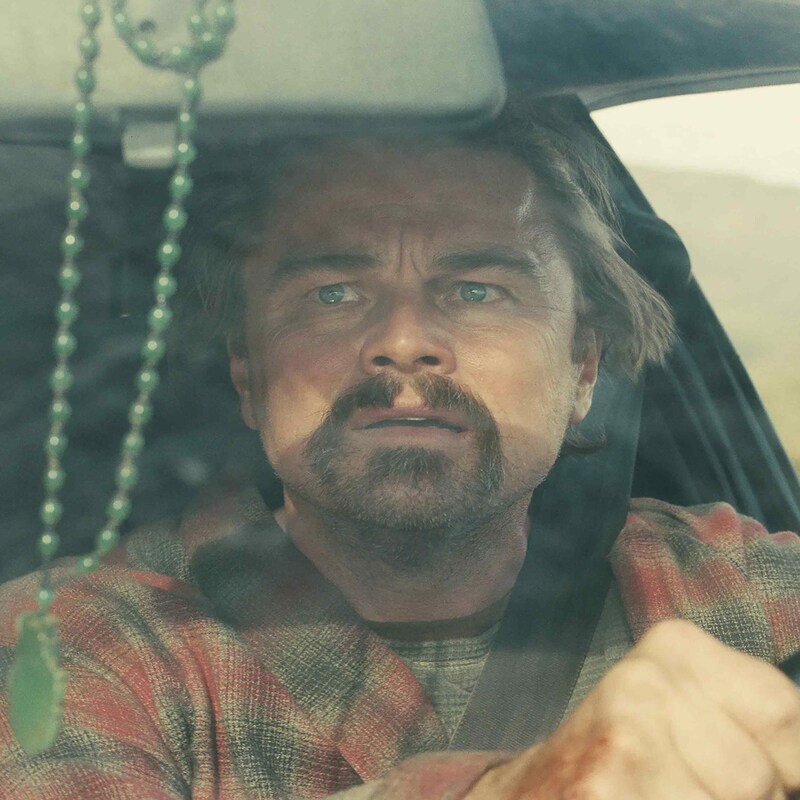
What a year. Thank God it's over. For a nearly five-hour long conversation among my two dearest friends and fellow podcasters, we reveal 25 our of favorite films of 2025. One of our guests mainly focuses on the horror genre while I decide not to rank the titles and simply list them in alphabetical order. Obviously, my number one is a film we talked about earlier this year in its entirety as a separate bonus episode (below). But there are 24 more films to celebrate as well (many more from my guests too).
Joining me as always are film historian/podcaster/commentator Bill Ackerman (Supporting Characters) and the co-host of 96 Greers and the host of Tracks of the Damned, Patrick Ripoll. We all have opinions, lots of surprises to share and so many titles for you to seek out. I wish I was a bit more enthused about the year in film but I am very happy to share 25 titles that I certainly think are well worth your time. Hoping you feel this episode is also worth your time! And so grateful to my two passionate cinephiles for returning to nerd out on New Year's Day!
Special thanks to guest contributor and friend Chloe Waryan (of Not Scared: A Horror Movie Podcast) for sharing her picks at around the 18 minute mark too!
Follow Bill: Supporting Characters
Follow Patrick: 96 Greers // Tracks of the Damned
Listen To Us Discuss One Battle After Another: My Favorite Film of 2025
Other Year-End Episodes From Previous Guests I Recommend:
Transcripts
Sam, this.
Speaker A:Okay, this is recording as the backup now.
Speaker A:And we're talking.
Speaker A:Hello, everyone.
Speaker A:Welcome to the Directors Club Podcast.
Speaker A: Oh, my God, it's: Speaker A:I am your host, Jim Lazkowski.
Speaker A:And Huey Lewis once said, if this is it, please, please let them know.
Speaker A:Well, Huey, this is it.
Speaker A:The episode that everyone anticipates each and every year.
Speaker A:The year in review.
Speaker A:Yes.
Speaker A: k about our favorite films of: Speaker A:A year I just cannot wait to forget.
Speaker A:But we have some movies that we actually liked.
Speaker A:All three of us.
Speaker A:Returning to do this are two of my absolute favorite guests and friends and podcasters.
Speaker A:We had the one, the only former co host of this here show and current co host of 96 Greers.
Speaker A:Patrick Rol is back.
Speaker B:Hi.
Speaker C:How's it going?
Speaker A:We're good.
Speaker A:We're good.
Speaker A:Yeah, we're gonna, we're gonna do this.
Speaker C:We.
Speaker C:I mean, that is true.
Speaker C:I don't know how it's gonna come out in the end, but we are going to do it first.
Speaker A:Yes, exactly.
Speaker A:And film historian, commentator, host of supporting characters, which is also back and active.
Speaker A:We're so happy about that.
Speaker A:We, we have the one, the only, Bill Ackerman.
Speaker A:Hey, Bill.
Speaker B:Hey, thanks for having me back.
Speaker A:I'm so glad you are back and I'm so glad that you asked me to do a commentary track with you.
Speaker A: One of the highlights of: Speaker B:Yes, it should be available in one minute.
Speaker A:Wow, what timing.
Speaker A:Perfect timing.
Speaker B:Yes.
Speaker A:Excellent, Nova, thanks again for that.
Speaker A:And you had quite the year yourself with those, with many commentary tracks and a lot of accomplishments, including bringing back supporting characters.
Speaker A:So thanks for doing that too.
Speaker B:It's been a busy year.
Speaker C: ith Gordon's favorite film of: Speaker B:You know, I haven't heard back from him since I sent him the link for the episode.
Speaker B:Hopefully.
Speaker B:Hopefully I hear from him, but I don't know.
Speaker B:I don't know.
Speaker B:I will report back.
Speaker B:He did offer to give me a favorites list for my website, but I don't really have guests on my website, so I don't know that I will actually take him up on that or not.
Speaker C:Jim, you've talked to Keith Gordon a bunch of times about movies you both love.
Speaker C:What's your instinct?
Speaker C: ith Gordon's favorite film of: Speaker C:Right off the top of the dome.
Speaker C:We gotta get moving.
Speaker C:Right off the top of the dome any moment.
Speaker A:It was just an accident.
Speaker C:There you go.
Speaker C:Perfect.
Speaker C:That is such a Keith Gordon movie.
Speaker A:It was such a. Yeah, I can see that.
Speaker A:Mm.
Speaker A:For sure.
Speaker C:Yeah.
Speaker A:Yes.
Speaker A:Hey, guys.
Speaker A:2025 happened.
Speaker A:What'd you think of it?
Speaker C:It was horrible.
Speaker C: t year of my Life, other than: Speaker A:Oh, how do you know that for sure?
Speaker C:Because this is.
Speaker C:Look, here's how we're going to.
Speaker C:Okay, We're.
Speaker C:We're sipping coffee right now.
Speaker B:You.
Speaker C:You.
Speaker C:You understand, like, sort of, you know, instinctually, that the quality of coffee for the rest of your life is going to get worse and it's going to get more expensive because.
Speaker C:Because that's just sort of the nature of things that are grown in a taroir, which is like when humidity and environment and altitude and temperature are all factors of how a plant is grown, then when climate change comes, those.
Speaker C:All of those things are going to be affected, and you're not going to get those, you know, nicer beans.
Speaker C:You're going to get the swamp beans or whatever.
Speaker C: metaphor for the film year of: Speaker C:So your survival instinct is going to be the same thing that fuels things getting worse.
Speaker C:And that is.
Speaker C:That is.
Speaker C:That's like gravity, as far as I'm concerned.
Speaker C:That's just.
Speaker C:I wish gravity was cyclical.
Speaker C:That'd be really fucking funny if it was like, all right, we had a year of it going down.
Speaker C:Now everybody go up.
Speaker A:Yeah, that'd be fun.
Speaker C:No, so, yeah, yeah.
Speaker C: till good movies this year in: Speaker C: still gonna be good movies in: Speaker A:And guess what, folks?
Speaker A:I am not ranking my movies this year.
Speaker A:So that's.
Speaker A:That's a big change.
Speaker A:I just.
Speaker A: Again, I mean, I thought: Speaker A:And also, movies didn't excite me as much, honestly.
Speaker A:I mean, new movies, that is.
Speaker A:I did have the absolute pleasure of experiencing the Holy Mountain for the first time, thanks to my wonderful fiance and co host of Beside Me, Sharon Gissey.
Speaker A:Of course I'm talking about.
Speaker A:She showed me the Holy Mountain.
Speaker A:I was like, holy shit.
Speaker A:Movies can be this cool?
Speaker A:I'M glad.
Speaker A:I'm glad I had that experience and hope to talk about that more in this year when we do Jodorowsky on the podcast here.
Speaker A:That'll be fun.
Speaker A:But, Bill?
Speaker A: Yeah,: Speaker A:Not the best year.
Speaker A:Would you.
Speaker C:Would you.
Speaker A:Would you agree?
Speaker B:Well, I mean, yeah.
Speaker B:I mean, I, I'm.
Speaker B:I may or may not be laid off from my job of nearly 20 years in a few months.
Speaker B:So that's been hanging over me the whole year.
Speaker B:So I've had that kind of pressure the whole year, and I've just kind of tried to forget about it and do a lot of traveling.
Speaker B: In: Speaker B:I did a few podcasts in person in different states.
Speaker B:I went to Texas to interview a couple people, went to Ohio, went to a nice wedding in la.
Speaker B:So I did a bit of traveling and I did commentaries pretty much back to back for, like, the first half of the year.
Speaker B:So I was not really giving myself much downtime this year.
Speaker B:And I wasn't really seeing a lot of new movies that I was crazy about until this is, like, every other time we do this, like, the second half of the year, I started finding the films that I really liked.
Speaker B:And by the end, I saw so many films that I. I wouldn't say, like, I was blown away by a lot of them, but I really liked a lot of them.
Speaker B:And, you know, the New York Film Festival was the first time I ever.
Speaker B:This first time I ever went to the whole thing.
Speaker B:And I even paid extra for the.
Speaker B:The fancy schmancy, like, little room where you hang out with the movie stars up, like, sipping fancy wine and eating cheese.
Speaker B:I did that.
Speaker B:And it was.
Speaker B:It was kind of weird because I didn't really know anyone up there, and I wasn't about to go up to Jodie Foster and, you know, and make small talk.
Speaker B:So it was just okay.
Speaker B:But it was still.
Speaker B:It was still a nice experience.
Speaker B:And the films at the festival, I saw a lot of the highlights, but then a lot of things I saw on the list that I put on my list for today are just smaller indie films and foreign films that haven't gotten the same exposure as the Safdie films or Paul Thomas Anderson's film and other things that are getting more of the headlines.
Speaker B:But, yeah, no, I think the combination of the pandemic and the actor strikes and just the shifting nature of how people watch films, it's just.
Speaker B:I mean, it's steadily altering the landscape.
Speaker B:And, I mean, doesn't mean there aren't still good things produced within it, but it's just like.
Speaker B:Yeah, there's a lot about the future that I'm not crazy about, and that's not even getting into things like AI that are going to impact every industry.
Speaker B:Oh, God.
Speaker A:Yeah.
Speaker A:There's a lot of reasons to be worried about that.
Speaker B:Yeah.
Speaker A:Yeah.
Speaker A:And just the film industry as a whole.
Speaker A:I don't, I don't know what it's going to become ultimately.
Speaker C:And you know what Roger Corman said?
Speaker A:What did Roger Corman have to say, Patrick?
Speaker C:He said, the film industry will always exist, but it won't always be the film industry.
Speaker A:Well put.
Speaker B:Yeah.
Speaker A:Have you.
Speaker B:Guitar didn't say that it might be Godard as well?
Speaker C:It might be.
Speaker C:It'd be funny if it was Roger Corman saying, you know, Godard once said.
Speaker C:And then someone else quoted Roger Corbin and cut out the other part.
Speaker C:Have you got, have you, have you examined short form videos yet?
Speaker C:There's a whole world of series that are like broken into three minute chunks that you can buy for like 98 cents a piece.
Speaker C:And they're like 47 part cereals.
Speaker C:And, and like you, you buy token, like they, they have fully, like gotten the full like draftkings, gambling kind of kind of things into this video streaming service.
Speaker C:And you can watch, you know, like, fell in love with my boss's pregnant wife over the course of 56 episodes that are all shot in vertical video because they're meant to be.
Speaker C:You're just sort of on the toilet watching the latest episode.
Speaker A:Oh.
Speaker C:So anyway, the film industry will always exist.
Speaker C:It just won't always be the film industry.
Speaker A:Yeah, that makes sense.
Speaker A:And also, I just, I don't know, I think I had that conversation with you over text Patrick, about how, like, I just want films to surprise me and most of them don't anymore because I've seen so many damn films to where like, oh, yeah, I saw this weird, random experimental film.
Speaker A:And because I'd never seen anything like it before, it stood out and it made me more excited about filming, finding other types of films.
Speaker A:Like, you can go on YouTube and find a list of like 300 experimental films from all different people.
Speaker C:You are in a very blessed position to have this feeling because you live in Chicago where there are experimental films happening all the time.
Speaker A:Don't claw.
Speaker C:You can.
Speaker C:I know, I know.
Speaker C:Your cat is attacking me.
Speaker C:The claws are stuck in my skin.
Speaker C:There we go.
Speaker C:Now I'm bleeding.
Speaker C:So you there, go to Chicago filmmakers.
Speaker C:Go look up Chicago Film Society.
Speaker C:Look up conversations on the Edge at Gene Siskel.
Speaker C:There's a lot of avant garde film screenings that are happening.
Speaker C:Happening in your area, Jim.
Speaker A:I'm gonna start doing that more.
Speaker A:Let's kick out the kitty.
Speaker C:Okay.
Speaker A:Does Bill have anything to say about.
Speaker B:Jim?
Speaker C:Jim had to walk away from the.
Speaker A:Microphone to get this cat out of the room.
Speaker C:But I'm.
Speaker C:I'm fully expecting a Flintstone style thing where the cat locks Jim out of the room.
Speaker B:Okay.
Speaker C:Okay, Jim's back.
Speaker C:Hi, Jim.
Speaker A:Hi, I'm back.
Speaker A:I just thought, yeah, we could fill him.
Speaker C:Bill, do you see yourself becoming an avant garde dirtbag?
Speaker B:Maybe just a regular dirt bag.
Speaker B:Okay, yeah, that's fair.
Speaker A:Or a teenage dirt bag.
Speaker A:Well, that would be weird.
Speaker A:Yeah.
Speaker A:If I regressed.
Speaker A:Yeah, that would be weird.
Speaker B: in: Speaker A: movies in: Speaker A:Again, I'm going alphabetical.
Speaker A:Bill, I believe you're doing the same.
Speaker A:Patrick, you're doing something a little different.
Speaker C:Yes.
Speaker C:So over on Tracks of the Damned, I recently revived it in November.
Speaker C:I did 30 commentary tracks on 30 Roger Corman directed films in 30 days.
Speaker C:I did them chronologically.
Speaker C:I started with his very first film.
Speaker C:I ended with Gas, which is not his very last film, but to me, sort of represents an ending to his career.
Speaker C:And they were not well researched.
Speaker C:They were just sort of podcasts where I was sitting down and watching them and talking through them and, you know, reading interviews and just sort of like working through this guy who was in a very unique position to teach himself to make movies on the big screen.
Speaker C:And I have gone back and re.
Speaker C:Listened to some of these podcasts.
Speaker C:I have told friends like, hey, you don't have to listen to this.
Speaker C:This is something I was doing for my own edification.
Speaker C:I thought it would be interesting to learn this way.
Speaker C:And so I just put out podcasts.
Speaker C:But they're not actually for public consumption.
Speaker C:I listen to them back.
Speaker C:They're fucking good.
Speaker B:They're.
Speaker A:I'm sure they are.
Speaker C:They're not like Kino Lorber quality commentary tracks.
Speaker C:They're doing a different thing, but, like, I am proud of it.
Speaker C:So go on Tracks of the Damned, check out those commentary tracks.
Speaker C:Discover Roger Corman, one of my favorite filmmakers together.
Speaker A:Like self taught film school.
Speaker A:Almost like you just kind of did that on your own.
Speaker C:Exactly.
Speaker C:Well, yeah, I get into all that.
Speaker C:I can't get into all that here.
Speaker C:But he was in a very unique position and the.
Speaker C:The way that you can actually see every single thing he learns Pay off years and years down the line and, and like his, the things he returns to and everything, it was, it was a real dream.
Speaker C:So that was awesome.
Speaker C:You should check that out.
Speaker C:So instead of doing my 25 through 11 for like favorite films of the year, I decided I was going to give you guys my 15 favorite Roger Corman directed movies.
Speaker C:Wow.
Speaker B:I'm into that.
Speaker A:Me too.
Speaker C:Okay, so to start, number 15, Machine Gun Kelly.
Speaker C:This is like Charles Bronson's first big starring role.
Speaker C:This is, this is the one that got him a lot of notice from French critics.
Speaker C:It's more of a real movie than something like Attack of the Crab Monsters or something.
Speaker C:It's, it's a very good character drama.
Speaker C:It's like, it's the, the acting is good.
Speaker C:He gets good performances out of people.
Speaker C:That's like just one of the Roger Corman things that, you know, a bird eye Gordon doesn't have.
Speaker C:It's a little bit boring.
Speaker C:So that's why it's at 15 and not higher.
Speaker C:Number 14, Little Shop of Horrors.
Speaker C:I think its reputation comes mostly from the musical, which is much better.
Speaker C:But it is a very fun movie and it has.
Speaker C:Of all the Roger Corman movies that feel like a bunch of people getting together and saying, hey, let's put on a show.
Speaker C:This is the most let's put on a show movie he ever made.
Speaker C:And there's something about those Charles Griffith screen scripted, like tossed off goofy black comedies that he made that really speak to me.
Speaker C:So Little Shop of Horror is number 14.
Speaker C:Number 13, War of the Satellites.
Speaker C:A body snatching sci fi horror movie that has some like really gnarly violence involving a blowtorch that you wouldn't expect.
Speaker B: To see in: Speaker C:It's got Dick Miller as the hero, but he is like a full 10 inches shorter than the villain.
Speaker C:And so there's some really fun confrontations there.
Speaker C:I really don't like 50s sci fi space movies because it's just like a wall of blinking lights and people saying, you know, nonsensical jargon.
Speaker C:This has more going on.
Speaker C:So War of Satellites is good.
Speaker C:It conquered the world.
Speaker C:Another body snatching movie.
Speaker C:This is the one where Lee Van Cleef says, I welcomed you to this.
Speaker B:Planet and you turned it into a charnel house.
Speaker C:And then he blowtorches an alien's eye and the alien looks like an upside down ice cream cone.
Speaker C:It's fucking cool.
Speaker C:Number 11 is the trip.
Speaker C:This is Roger Corman trying to work out his artsy side.
Speaker C:This is Roger Corman also exploiting drug culture of the 60s.
Speaker C:This is also Roger Corman putting all of his Freudian psychology to use.
Speaker C:It's also a mess, but it's a really interesting mess and so I really like the trip.
Speaker C:Number 10 is the undead, which is if you want to see where the Edgar Allan Poe movies came from.
Speaker C:The Undead is sort of the proto Edgar Allan Poe movie.
Speaker C:It's got weird, weird story.
Speaker C:There's all sorts of sci fi and supernatural concepts in in it that are just very strange and bizarre.
Speaker C:It's not quite a horror movie, but it is really interesting.
Speaker C:Number nine is Attack the Crab Monsters, which is just the weirdest goddamn giant monster movie you'll ever see in your life.
Speaker C:Number eight is Tales of Terror, which is a really fun, goofy triptych horror anthology movie.
Speaker C:It's the.
Speaker C:The famous one is Peter Laurie and Vincent Price doing the Cask of Amontillado and.
Speaker C:And the Black Cat sort of merged together.
Speaker C:But the other two stories are equally good.
Speaker C:Number seven is the Intruder, which is William Shatner as a racist northerner who comes down to a southern town to sort of inspire riots about recent integration attempts.
Speaker C:Fascinating movie.
Speaker C:Goes really fucking hard in an era when no Hollywood movie at all was ever going hard on race.
Speaker C:Huge bomb for that reason.
Speaker C:Number six, the Raven.
Speaker C:Hilarious, campy, goofy horror comedy.
Speaker C:Vincent Price, Boris Karloff, Peter Lorre, Duke, Jack Nicholson.
Speaker C:Just pure pleasure.
Speaker C:Number five is X, the Man with X Ray Eyes, which is a little campy, a little body horror, a little cosmic horror.
Speaker C:It's got a bunch of weird special effects.
Speaker C:I think Raymond is really good as sort of like the tortured scientist in it.
Speaker C:Number four is the Pit and the Pendulum, which is probably the most immaculate production design of any of the Edgar Allan Poe movies.
Speaker C:Barbara Steele's in it.
Speaker C:It's a rerun on Fall of House of Usher, but sort of pumped up.
Speaker C:Number three is A Bucket of Blood.
Speaker C:A Bucket of Blood is a horror comedy that is a take on Mystery of the Wax Museum and House of Wax, where it's Dick Miller killing people and then putting clay on them and saying they're, you know, sculptures.
Speaker C:Hilarious.
Speaker C:Really good, really interesting.
Speaker C:It is written by Charles B. Griffith as a mockery of Roger Corman and the way Roger Corman got a big head after French critics started talking him up.
Speaker C:So it is a weirdly like.
Speaker C:It is a movie made by someone from a script by another someone who's making fun of the director.
Speaker C:So there's a lot of layers to it that are really fascinating to watch, especially if you have watched like 20 Roger Corman directed movies.
Speaker C:Before that, number two, Fall, the House of Usher.
Speaker C:It is just perfect.
Speaker C:Perfect Edgar Allan Poe, Gothic horror.
Speaker C:And number one, Mask of the Red Death is also perfect, Edgar Allen Hoe Gothic horror, but exploded into a million different directions.
Speaker C:So there you go.
Speaker A:That's perfect.
Speaker A:That's also my pick for favorite Corman as well.
Speaker A:There's a definitely on some on there I need to see.
Speaker C:Yeah.
Speaker A:Too.
Speaker A:Yeah, that's exciting.
Speaker A:Before we get to our list here on the show, I wanted to hear from Chloe Waryan.
Speaker A:Yay.
Speaker A:From the Not Scared, a horror podcast hosted by Chloe, who you heard oh several times on this here show and I hope that you go and support her work.
Speaker A:She's incredible podcaster and librarian.
Speaker A:Let's see what her favorite films of the year were before we launch into our epic lists.
Speaker D:Hi everyone, this is Chloe Warian from Chloe's Not Scared.
Speaker D:I just want to say thank you, Jim, for having me back on to talk about my favorite movies of the year.
Speaker D:I will also say that I have a podcast now on the now playing network.
Speaker D:It's called Not a Horror Movie Podcast.
Speaker D:We talk about our favorite horror movies and what makes them special to us.
Speaker D:And a few guests of Directors Club have actually been on as well as Jim himself.
Speaker D:And I just wanted to publicly thank Jim for encouraging me to start this podcast.
Speaker D:So thank you very much, Jim.
Speaker D:I'm here to talk about my favorite movies of the year.
Speaker D:And while Jim usually puts scary music behind my voice, I have to say there is only one horror movie on this list and you can probably guess what it is and you can probably guess that it's number one.
Speaker D:So, you know, let the music play on if you want, but just, you know, curb your expectations as always.
Speaker D:There are a few movies that I haven't seen yet that I probably would put on this list, but a podcast is a moment in time.
Speaker D:So let's just crack into it.
Speaker D:My number 10 favorite movie of the year is Zodiac Killer Project by Charlie Shackleton.
Speaker D:It is a documentary about an abandoned documentary about the Zodiac killer.
Speaker D:And I saw this in the movie theater with Jim.
Speaker D:Both of us were really shocked and happy about it.
Speaker D:Both of us grew up kind of watching true crime documentaries with our moms and it's a really, really smart commentary on those types of documentaries that just oversaturates the streaming platforms at this time.
Speaker D:My number nine favorite movie of the year is Sorry Baby by Eva Victor.
Speaker D:And yes, the cat on the poster is okay, just the most human movie I've seen this year.
Speaker D:It made me laugh, it made me cry, it deeply moved me and I just wanted to give the characters a hug.
Speaker D:It is one of the best movies I've ever seen about trauma and one of the best movies I've ever seen about friendship.
Speaker D:Number eight for me is the Phoenician Scheme by Wes Anderson.
Speaker D:I'm notoriously pretty mixed on Anderson's movies, but his last few movies have really blown me away.
Speaker D:Benicio Del Toro is just having the time of his life in this film and it's just a fun adventure movie and sometimes we just need fun, fun adventure movies.
Speaker D:I don't feel like this is style over substance here because there is a great story about a father daughter relationship as well.
Speaker D:Now we're getting to the part of my list where I'm going to talk a lot about how much I love theater.
Speaker D:I was a theater major and I love playwriting.
Speaker D:And this next movie, my number seven is materialists director.
Speaker D:Celine Song is a playwright and so obviously I'm going to love every script that she does.
Speaker D:This movie was extremely misunderstood in my opinion.
Speaker D:Instead of seeing a love triangle, I saw three people completely losing themselves to capitalism in their 30s.
Speaker D:To me, she doesn't choose a man at the end, she chooses a work life balance.
Speaker D:And as someone who doesn't have a work life balance and needs a work life balance, this movie felt very pertinent and moving to me.
Speaker D:My number six movie is Blue Moon, directed by Richard Linklater.
Speaker D:Linklater had two movies that came out this year.
Speaker D:I thoroughly enjoyed both of them, but of course Ethan Hawke playing Lawrence Hart.
Speaker D:An all in one night movie.
Speaker D:I'm going to love this.
Speaker D:I thought it was such a moving portrayal of a misunderstood genius.
Speaker D:Hawke just disappears into this role.
Speaker D:I can't recommend it enough.
Speaker D:My number five film, Sentimental Value by Johann Trier.
Speaker D:Gorgeous film.
Speaker D:I will admit I didn't quite connect with worst person in the world, but this I was locked in in.
Speaker D:A Norwegian family headed by an absent film directing father, attempts to reconnect with his daughters over theater and art.
Speaker D:What's.
Speaker D:What's there not to love?
Speaker D:Also best house in a film this year.
Speaker D:I stand by it.
Speaker D:And the house is a character.
Speaker D:I know it's kind of corny to say, but the house is a character.
Speaker D:This film for me is tied with my next film which is Marty supreme by Josh Safdie.
Speaker D:I thought Timothee Chalamet was amazing as Marty Mouser, a burgeoning ping pong or table tennis star.
Speaker D:I was incredibly invested in his story It's a great New York story.
Speaker D:The character work, the ensemble.
Speaker D:So standout though.
Speaker D:This is a movie for people who want to see performances with a capital P. My next film is One Battle After Another by Paul Thomas Anderson.
Speaker D:It's not my favorite PTA movie, but oh my God.
Speaker D:Teyana Taylor Chase, Infinity.
Speaker D:I love you, Biancio del Toro.
Speaker D:A few small beers.
Speaker D:Best seen in a film this year.
Speaker D:Best scene Stole the show and the highway.
Speaker D:How did they film that?
Speaker D:Basically Anything filmed with VistaVision.
Speaker D:I'm going to put high, high, high on the list.
Speaker D:And you're probably being like, well, this is too low at number three.
Speaker D:Well, it's tied with my next one.
Speaker D:I will say it's tied with my next one, which is Black Bag by Steven Soderbergh.
Speaker D:You might be pretty surprised.
Speaker D:I feel like a lot of people forgot about this movie at the end of the year.
Speaker D:It's taut, it's pithy, it's fun, it keeps you guessing.
Speaker D:Heists and domestic dramas are my two favorite subgenres and there is not a minute wasted in this film.
Speaker D:And of course my number one movie of the year.
Speaker D:I've talked about it and written about it extensively on my blog.
Speaker D:It is Sinners.
Speaker D:Ryan Coogler, Sinners.
Speaker D:I'll just say if you are looking for a character driven, distinctly American story that incorporates many distinctly American genres, you'll find it in Sinners.
Speaker D:The musical ancestors scene made me weep in the theater in a way that no other movie has in recent memory.
Speaker D:It was basically exactly what I was looking for at exactly the right time of my life.
Speaker D:And there you have it.
Speaker D:Thank you Jim for letting me yap at you for five minutes again.
Speaker D:Chloe Warian, you can find me at Chloe's Not Scared everywhere and listen to Not Scared, a horror movie podcast on the now playing network.
Speaker D:Thank you.
Speaker D:Happy New Year.
Speaker B: ll have a chance to see it in: Speaker B:I don't know what the director is doing with it, but I saw it at the Philadelphia International Film Festival.
Speaker B:It's directed and written by Mike.
Speaker B:I don't know how you say, I think it's Macera.
Speaker B: eeney and it's kind of, well,: Speaker B:J. Kelly, I think, is maybe his weakest movie and so kind of charmed to see A film that feels like a Gen Z Francis Ha.
Speaker B:Shot in Philly.
Speaker B:So it's about an aspiring writer who drops out of college in her senior year, breaks up with a boyfriend, and it's just one of those kind of stories where she moves in with a friend and tries to figure out her life.
Speaker B:It's not really that much a plot centered kind of movie, although it does have a coming of age story.
Speaker B:But it's shot in black and white.
Speaker B:It kind of aims for that same kind of romantic capturing of a city that you might associate with Manhattan.
Speaker B:And it's, I guess, in the mumblecore vein.
Speaker B:It feels a little bit improvisational in terms of the dialogue.
Speaker B:I thought of the early Andrew Buzielski films, like funny ha ha, Mutual appreciation a little bit at times.
Speaker B:But like, if it's.
Speaker B:If the certain story beats feel like, you know, very familiar as far as, like the romantic friendship kind of beats of it.
Speaker B:They're handled in a really smart way in terms of the writing.
Speaker B:It's really well acted and very kind of just likable, charming film in that style.
Speaker B:So I wanted to put that on my list.
Speaker B:That's Alice Hart.
Speaker A:Yeah, that sounds great.
Speaker A:I'm looking forward to that.
Speaker A:And you mentioned, like films not being super plot heavy.
Speaker A:And that's kind of the majority of my list.
Speaker A:Looking at it, it's just I enjoyed this movie.
Speaker A:It was a simple story.
Speaker A:And that's the case for my first pick in alphabetical order, which is the Baltimoreans, kind of like the Alexander Payne movie of the year, where just like similar to the Holdovers, two random people meet around the holidays, I believe it's Christmas Eve, and they strike up some kind of, yeah, you know, potentially romantic connection.
Speaker A:But it just, you know, this is a movie where just people are, you know, kind of being imperfectly human.
Speaker A:And I just like that, you know, in that sort of.
Speaker A:Well, maybe not in the Ella McKay mold, but early James L. Brooks.
Speaker A:Certainly those types of character driven stories really speak to me still.
Speaker A:Even if, yeah, you can kind of reduce this like, oh, this is like a Sundance indie dramedy.
Speaker A:But this is one that's done really well because, you know, it's got people that just simply know how to handle awkwardness sometimes.
Speaker A:And I struggle with that myself in real life.
Speaker A:It just managed to make me laugh and feel good and, you know, get a little melancholy because like this, you know, this recovering alcoholic played by Michael Strassner, he's also a former improv comic.
Speaker A:So again, you get those.
Speaker A:You hear that off the Top of your head, like, yep, typical indie dramedy, Sundance kind of a story.
Speaker A:And then he just meets up with his dentist after breaking a tooth and they go on some interesting adventures together because they're both more or less alone on Christmas Eve.
Speaker A:And yeah, they go to an improv show, they meet up with a family, they have just very unusual encounters with random people.
Speaker A:But yeah, it's like you talked about Bill.
Speaker A:It's got a little mumblecore vibe.
Speaker A:You know, obviously this comes from J. Duplass.
Speaker A:Yeah, J. Duplass.
Speaker A:And yeah, I thought of Bujalski as well.
Speaker A:And, you know, it was just one of like, I sat down not having high expectations for this.
Speaker A:I know it played the Chicago Critics Film Festival.
Speaker A:I know it was a big hit with the crowd there.
Speaker A:And I was like, this is just a nice, good, warm, funny movie that hit me in the right place.
Speaker A:It's got a great script, a lot of funny lines, and I really enjoy Michael Strassner as your kind of unconventional lead character in this.
Speaker A:And yeah, it's.
Speaker A:It's got a big heart.
Speaker A:So I'm all for this possibly being a Christmas go to every year with the Baltimore ons.
Speaker A:Yeah.
Speaker A:So that's on my list.
Speaker B:I don't know if I should just jump right over my number two to my number three, which is the Baltimore runs.
Speaker B:You can, just for the sake of efficiency.
Speaker B:But all I'll just add to that is that, you know, if you were to compare to the typical Sundance indie, I think a lot of those age gap romances tend to be older guy, manic younger girl.
Speaker B:And this is kind of refreshing in that the woman that he has this kind of tentative romance with is Liz Larson's character, who's kind of, kind of reminded me of Ellen Barkin a little bit, but like, but is like someone who's like in a, you know, a middle aged kind of place in life.
Speaker B:Like, not a typical love interest for that kind of movie.
Speaker B:Maybe if it was told like 20 years ago.
Speaker B:But yeah, I mean, I liked the Puffy Chair when it came out and I followed a few of the other J. Duplass directed films like Cyrus and Jeff, who lives at home.
Speaker B:But I think this is maybe my favorite one he's done since the Puffy Chair.
Speaker B:And it was a nice surprise because I really, I think the title made me think it was going to be something a lot sillier than it is.
Speaker B:Right, right.
Speaker B:But you know, to pick up off of Alice Hart, it's also, it's the other major city that's an hour from me because it's a Baltimore through and through film as opposed to a Philly film.
Speaker B:So it's again, like, it.
Speaker B:It adds an extra thing for me in that it's like streets that I know.
Speaker B:Like, it feels very kind of.
Speaker B:Yeah.
Speaker B:Kind of warm and gray shading that way.
Speaker B:Just because it's an environment.
Speaker B:I know.
Speaker B:But yeah, no, it was a very nice surprise because I really had.
Speaker B:The title was, oh, it's going to be something very wacky.
Speaker B:It's really not.
Speaker A:Yeah, yeah, definitely.
Speaker A:I do, like, again, like, as someone who recently tried improv for the first time, I thought this was done well and not like, you know, again, like my expectations.
Speaker A:Oh, they're going to just get wacky.
Speaker A:It really gets sweet in the right ways.
Speaker A:For me, that.
Speaker A:That entire sequence is really nice.
Speaker A:Okay, what's.
Speaker A:So I should go next or should you go next?
Speaker B:Should I do my two or you want to do yours?
Speaker A:I will go.
Speaker A:I will go ahead with Black Bag again.
Speaker A:I think a lot of movies this year, the ones that stood out at least went back to basics and just like, told a simple story.
Speaker A:And again, not too heavy on plots.
Speaker A:It's just get together a solid cast and we just watch them interact and the fireworks fly in this in the right ways.
Speaker A:I think I prefer Soderbergh in the low key.
Speaker A:Only a few characters, simple plot, like your kimmies and your.
Speaker A:Well, I don't know if no sudden move would fall under that.
Speaker A:There's a lot of characters in that, if I'm not mistaken.
Speaker A:But it's just kind of a more intimate drama.
Speaker A:It's a spy thriller on top of it, too.
Speaker A:It's really.
Speaker A:It's kind of a little bit of a mashup where it's like taking a domestic marriage story mixed with us, you know, who's the mole in this organization Subplot that kind of.
Speaker A:They kind of really work well together.
Speaker A:Like, this was one of the earliest films of the year where I went, man, I want more movies like this.
Speaker A:Again, it's just.
Speaker A:And Soderbergh knows how to make those.
Speaker A:And he does it in all the right ways.
Speaker A:He just gets a few people, a few rooms and still manages to make the camera move and, you know, have really interesting characters.
Speaker A:And you got Michael Fassbender and Cate Blanchett as husband and wife.
Speaker A:So that alone should sell you on it being compelling.
Speaker A:But I just love a good confrontation amongst different people that we get to know, you know, throughout the film.
Speaker A:It's like later on set At a table that's sort of like when the big confrontation happens.
Speaker A:And I love that whole sequence.
Speaker A:It's just a well made thriller, drama, slash domestic movie.
Speaker A:At the same time, it's like all these things that somehow work really well together.
Speaker A:And it's just like a simple, streamlined 90 minute movie that I really liked seeing in a theater because again, I don't go to the theater that much.
Speaker A:But I went out to see this because I'm like, I'm.
Speaker A:I'm down for new Soderbergh.
Speaker A:And he had two movies this year and if you look at Mike d' Angelo's list apparently at three movies, and I didn't even know about the third one, but yeah, it's.
Speaker A:I love Soderbergh and this is kind of what he does best, in my opinion.
Speaker A:So, yeah, and it's a great cast doing.
Speaker A:Doing great things.
Speaker A:And yeah, it's just a fun, good time at a.
Speaker A:At the movies for me with Black Bag.
Speaker A:Hey, come on.
Speaker B:But no, I like Black Bag as well.
Speaker B:So my next one, if I go back to my number two, is April, which is written and directed by dea.
Speaker B:Is it Columbia?
Speaker B:I don't know if I've ever said it before, but she also directed a movie called Beginning, which is really good.
Speaker B:But it's this melodrama about an OB GYN risking her career performing abortions on the side.
Speaker B:It's set in the country of Georgia and she's kind of this kind of daring character in her personal life too.
Speaker B:Like getting into like kind of, you know, sexual kind of adventures on the road and such.
Speaker B:But it's a melodrama.
Speaker B:But it's also something of an eerie creature feature.
Speaker B:Like it has a slow burn, allegorical horror element.
Speaker B:It's hard film to talk about without spoiling things, but it's closer to the feeling of something like under the Skin than Vera Drake for an abortionist narrative.
Speaker B:But it's more politically challenging than under the Skin.
Speaker B:It's not like a fantasy based kind of film so much, although it has this kind of creature feature element.
Speaker B:But it's this really unusual, interesting film, kind of dreamy, a lot of long takes, a lot of disturbing, protracted scenes of medical procedure.
Speaker B:So it's not going to be easy watching for everybody.
Speaker B:But I thought it was one that I've just kind of been struck by ever since I saw it.
Speaker B:I don't know again what the distribution pattern is for this.
Speaker B: nternational film festival in: Speaker B: have a theatrical release in: Speaker B:But it's, it's eerie and creepy without being full on horror movie.
Speaker B:But it's definitely a director whose work.
Speaker B:Because I liked beginning a lot as well.
Speaker B:And so I'm very curious to see what she does next.
Speaker B:But yeah, this kind of eerie, menacing, slightly political territory.
Speaker B:Again, it's kind of a slow burn.
Speaker B:Probably not going to be for all tastes.
Speaker B:But if it sounds like something you might like, I would strongly recommend finding it.
Speaker A:I certainly will.
Speaker A:I actually played the Chicago Critics Film Festival, but I missed it.
Speaker A:Been meaning to see it.
Speaker A:But yeah, I've heard a lot of good things about it in general.
Speaker A:So I'm very curious.
Speaker A:And it's one of those many that I will eventually catch up with for sure.
Speaker A:Next on my list is Blue Moon.
Speaker A:I think I like this one just a little bit more than the other Linklater film.
Speaker A:It's pretty close because I did like what he did with novel Vogue.
Speaker A:Vague.
Speaker A:Can never say that.
Speaker C:Right.
Speaker A:But it's fun to watch, you know, And I, I.
Speaker A:It didn't give that one didn't give me as much to ponder about afterwards.
Speaker A:With Blue Moon.
Speaker A:I just kind of went, man, I am here for the Ethan Hawk Show.
Speaker A:Especially when he works with Link Letter.
Speaker A:It's just he's on fire in this movie.
Speaker A:It's.
Speaker A:He's just like so fast talking and almost like a screwball comedy cadence.
Speaker A:And telling crazy stories and being really charming, being really funny.
Speaker A:And also being really annoying at times too.
Speaker A:But he's trying to cover up the fact that he's, yeah, socially awkward, sad and lonely.
Speaker A:And the only way he can sort of compensate for that is by doing what he does by telling people stories and by like having all this flowery language and just being a really great communicator and a very compelling.
Speaker A:Almost like a comedian at times around other people.
Speaker A:But it's, you know, at the same time it's practically like a film play because it's contained in one space in one setting in this bar.
Speaker A:And it's inspired by the letters of Lorenz Hart, of course, and Elizabeth Weiland, who's played by Margaret Qualley.
Speaker A:And I love the scene between the two of them.
Speaker A:Sort of revealing their feelings in a way that only Linkletter can do.
Speaker A:So well.
Speaker A:So well written, so well acted.
Speaker A:Andrew Scott as Rogers here, his creative collaborator, is great.
Speaker A:It's mostly just what I find pleasurable from watching a link letter film.
Speaker A:Just a lot of dialogue, a lot of great acting.
Speaker A:Ethan Hawke, of course, just firing on all cylinders.
Speaker A:Even though a lot of people, I can see the argument for him being miscast.
Speaker A:Just like even Sharon had like a disconnect a little bit watching this because she is just like that.
Speaker A:That Ethan ogg looks weird with this, with the hair piece and the fact that he's shorter.
Speaker A:It's just, it's taking me out of the movie.
Speaker A:So I guess that could happen.
Speaker A:But for me I, I went with it the whole way through because of how fantastic Ethan Hawke is in this.
Speaker A:Just like again being really fast paced and funny and, and clever in a lot of things that he says and does.
Speaker A:But yeah, I just also like that it's about the creative process between two very different people who approach the creative process differently and you see that within their interactions together later in the film.
Speaker A:But yeah, it's also, yeah, kind of a sad, melancholy movie on top of it all.
Speaker A:And I just again, when I walked out I was like, yeah, I love link letter movies and this is a showcase as, as to why.
Speaker A:So yeah, Blue Moon on my list.
Speaker B:Did you see that one, Patrick?
Speaker C:I did not.
Speaker B:Okay, well, I don't know how much we're going to be able to stay neck and neck alphabetically, but so far we're doing pretty well because my four is Blue Moon.
Speaker B:I think looking at my list this year there's a lot of auteur type directors that I followed for a long time making late stage, kind of contemplative, you know, kind of maybe sometimes self reflexive films that I'm kind of a sucker for that I can see how that would be annoying for other viewers.
Speaker B:But Blue Moon is one of my favorites of, you know, very favorites of the year.
Speaker B:I mean if I was ranking these, it'd be near the top.
Speaker B:And it's interesting because they quote Casablanca a bunch in it.
Speaker B:And the.
Speaker B:My favorite scenes in Casablanca are the scenes set around the Cafe Americain that Rick manages.
Speaker B:And this is an entire film kind of set in a similar kind of environment.
Speaker B:But like it does feel like a film's play in that way.
Speaker B:I thought it was interesting that it's written by Robert.
Speaker B:Is it Kaplow, the guy that did the.
Speaker B:Was it me And Orson Welles, that film he did years ago.
Speaker B:But like it's another film that has that like kind of Linklater kind of engaging with his old Hollywood Influence as well as the new wave kind of thing he does elsewhere, like literally making a film called Neuvel Vogue.
Speaker B:But yeah, I thought this was kind of touching and sad and kind of perfect, miniature kind of film for what it is, I think.
Speaker B:I mean, obviously there's a lot of link letter films that are just all talk, but I think that this is probably one of the most concentrated.
Speaker B:It almost reminded me of some like, tape as far as, like just being that constricted.
Speaker B:But no, I love Ethan Hawking.
Speaker B:I don't have the same reservations with his appearance.
Speaker B:I thought he was really good at it and a little bit.
Speaker A:But I. I guess I get why, you know, it's just like, oh, you could have casted somebody else.
Speaker B:But yeah, maybe.
Speaker B:I mean, it'd be a different film with a different actor.
Speaker B:I mean, might be.
Speaker B:Might be fine with another person as well.
Speaker B:But no, I thought, I thought like as a study, I mean, not just in the desperation like, you know, that the character feels for the Elizabeth Weiland character, you know, the Margaret Qualley character, but also the.
Speaker B:Just that the competitive friendship between artists and teams and teams that break up, I think is an interesting theme.
Speaker B:And that one, I think has been covered as much as the unrequited romantic aspect, which is fine.
Speaker B:But I mean, you know, I think that the friendship angle is a pretty touching one.
Speaker B:And I don't know, I mean, I don't think of Linklater and Ethan Hawke as people that necessarily could identify with failures because they've like, had like decades of success in a way that most of their peers from the 90s have not enjoyed.
Speaker B:But, you know, I mean, it is still kind of an interesting reflection on those themes.
Speaker B:And no, I mean, again, it's like with Soderbergh, it's like, I like Nouvelle Vogue as well, and I certainly root for people like him to kind of retain their foothold in an industry that really does not have a whole lot of love for directors like that, you know, I mean, so.
Speaker B:Yeah, no, I concur with everything that you said about it.
Speaker B:I think it's a great movie.
Speaker C:Yeah.
Speaker A:Next up on my list is Begonia Yorgos Lanthimos latest film, which was just kind of just a really good time.
Speaker A:And strange to say that about a Yorgos movie as being like, I don't know, but this to me is just like a, you know, kind of a pitch black comedy.
Speaker A:And you know, I liked what Robert Daniels wrote about it in his review, is that it's just.
Speaker A:It's telling that a film about aliens judging the rottenness of our species comes from a Greek filmmaker using America as a setting.
Speaker A:And I know this is also based on a.
Speaker A:A film called Save the Green Planet, and it has a very similar ending.
Speaker A:And I, Again, I wasn't sure how I wanted this movie to end, but I found it to end on a very satisfying note.
Speaker A:And I won't give that away, obviously, but it's just simple premise of, well, what if this corporate CEO is an alien?
Speaker A:And we get to find out if it's similar to Black Bag in a way, like, who's the mole?
Speaker A:And here is just one simple question.
Speaker A:And we're spending a lot of time with three.
Speaker A:Well, yeah, three characters total in a basement for the most part.
Speaker A:And, you know, the CEO is played by Emma Stone, who is always incredible, and the kidnapper, one of them is Jesse Plemons, and he's incredible.
Speaker A:Like, to me, it was just like, I just want to.
Speaker A:Similar to what I said about Ethan Hawk.
Speaker A:I just enjoy watching these actors do what they do so well and also being distinctive and how they're doing characters that they've never done before.
Speaker A:But, yeah, it just.
Speaker A:And it creates, like, a real sense of paranoia.
Speaker A:There's a really funny needle drop involving Green Day, but, yeah, again, you know, it's just like a confined space, People hashing it out, confronting each other, playing mind games.
Speaker A:Kind of like.
Speaker A:Kind of like along the lines of like Death and the Maiden by Polanski or that it was Alan Rickman's film Closet Land.
Speaker A:Is that.
Speaker A:Is that the one, Bill?
Speaker B:I think that's.
Speaker B:I think that's the one.
Speaker B:Yeah.
Speaker A:Yeah.
Speaker A:Where it's just like, you know, he's basically tied someone to a chair, and it's kind of like saying, did you do this thing?
Speaker A:Or are you working for, you know, the Russians or any, you know, any number of scenarios like that.
Speaker A:And this is just basically like a. Yeah, like a weird Yorgo sci fi horror mystery kind of mashup.
Speaker A:And his weird sensibilities and sense of humor are all over this thing.
Speaker A:So if you like Yorgos Lanthimos, I have a feeling you're gonna like Begonia.
Speaker A:I know folks aren't often huge into cringe comedy in this way, but I do think there's a little.
Speaker A:There's a little bit going on.
Speaker A:There's.
Speaker A:There's some conversations to be had about, like, those who go down these crazy Reddit rabbit holes and become conspiracy theorists and think they know everything.
Speaker A:And, you know, where it goes is very interesting for me and off and very funny.
Speaker A:So I, I, you know, again, similar to like what I say about a lot of movies often is just if it's two actors or one actor, sometimes just firing on all cylinders, that's enough to sell it for me.
Speaker A:But on top of that, I just like Yorgos Lanthimos as a filmmaker and this is him just, you know, doing a remake on his own terms.
Speaker A:And yeah, I thought it was a good time overall.
Speaker A:Like, I just laughed a lot and yeah, it's just Begonia is a good movie.
Speaker A:That's a lot of.
Speaker A: I have to say about a lot of: Speaker A:It's just, it was good, I had a good time.
Speaker A:So that's that.
Speaker B:Yeah, no, I, I like that one as well.
Speaker B:I think it's very funny movie.
Speaker B:And I did not see the ending coming as well.
Speaker B:I never saw Save the Green Planet.
Speaker A:Yeah, that's probably a good thing then.
Speaker B:Yeah, which probably helps.
Speaker B:But no, I thought it was fun.
Speaker B:I thought the performances were really good in it and it almost made my list, but I thought it was a lot of fun.
Speaker B:My number five is Bob Trevino likes it.
Speaker B:Written and directed by Tracy Lehman.
Speaker B:This stars Barbie Ferreira.
Speaker B:Is it Ferreira?
Speaker B:And John Leguizamo.
Speaker B:But it's this kind of gentle comedy about young woman with a really kind of emotionally abusive and manipulative father that they have a falling out.
Speaker B:And when she goes looking for him on Facebook, she winds up inadvertently friending someone with the same name.
Speaker B:And they develop this kind of friendship online, both of them being very lonely characters in different ways.
Speaker B:And so it's kind of this commentary on, I guess, the way people can kind of forge surrogate families because he becomes kind of like a father figure to her as the real father is just kind of like if there's a flaw in the film, it's almost like the real life father is almost too awful to imagine.
Speaker B:But it ends up just being this very low key, sweet, funny, bittersweet comedy.
Speaker B:Both of the leads are really good in it and it's probably one of the most likable characters I've seen John Luizamo play.
Speaker B:He's an actor that can be kind of very manic and high energy.
Speaker B:So it's nice to see him kind of dialed back.
Speaker B:And Yeah, I mean, it's not a film that there's a whole lot of plot to describe to it, but it's just one I found really charming.
Speaker B:And so that's on my list.
Speaker A:Excellent.
Speaker A:I'll have to catch up with that.
Speaker A:One as well.
Speaker A:I.
Speaker A:Hey, the next on my list is a movie I know Patrick has seen, so he can interject.
Speaker C:Sure.
Speaker A:Hot stealing.
Speaker C:Yeah.
Speaker A:Speaking of a good time, Darren Aronofsky needs to lighten up and have fun.
Speaker A:Perhaps make some, you know, more genre pictures like this.
Speaker A:This is based on a book of the same name.
Speaker A:And Austin Butler being pretty likable for the most part in this, right?
Speaker C:He's very good performance.
Speaker A:Yeah, yeah, yeah.
Speaker A:So, again, like, a lot of folks early on brought up, oh, Jim, you're gonna love this.
Speaker A:It's very After Hours esque.
Speaker A:And, well, that's the selling point, of course, and it's definitely in that spirit.
Speaker A:And there's a cat involved.
Speaker A:It ends with the Magnetic Field song.
Speaker A:So, like, yeah, by the end I was like, oh, that was kind of total gymnip for me.
Speaker A:But at the same time I was like, I'm just glad that I watched something where it's just a solid movie that they don't really make that much of anymore.
Speaker A:It's just, you know, because, like, I guess, you know, a filmmaker like Will, you know, someone like, I don't know, Guy Ritchie would do something like this, but make it, like, over direct it and make it too stylish and stylized to the point of where it's becoming obnoxious.
Speaker A:And, you know, some of the side characters come along and you go, oh, how wacky and weird are they gonna be?
Speaker A:But they.
Speaker A:He still manages to ground most of this stuff to where, like, yeah, confrontations happen and you really feel them on a visceral level.
Speaker A:Great score, just great dialogue, great characters, everything.
Speaker A:I really, again, I wasn't expecting much because I just kept hearing like, yeah, it's an Aronofsky, you know, not.
Speaker A:Not the usual Aronofsky.
Speaker A:And yet, like, him just kind of coasting or.
Speaker A:That's what I was hearing anyway.
Speaker A:But this actually surprised me.
Speaker A:It had a lot of suspense and uncertainty as to how things were going to play out.
Speaker C:It's the best Darren Aronofsky movie.
Speaker A:I don't know if I go that far.
Speaker C:It's the one that allied all of his most horrendous tendencies and then just takes advantage of the fact that he's a good filmmaker.
Speaker C:Like every other movie has brilliant moments and then that makes you cringe.
Speaker C:And this is just a really well made movie.
Speaker A:Yeah.
Speaker A:And that's what I loved about it.
Speaker A:I said this.
Speaker A:That was just a really well made movie.
Speaker A:Like, I'm not lingering on it too long afterwards.
Speaker A:Like, it was just like I watched it, I had a good time and thank God that happened because again, low expectations could help in this case.
Speaker A:But no, it was.
Speaker A:It's just.
Speaker A:I recommend this to everybody who just wants a good, like, kind of escapist film again.
Speaker A:Yeah, simple as that, really.
Speaker B:Yeah.
Speaker B:I would agree with both of you.
Speaker B:I think it.
Speaker B:I don't know if it's.
Speaker B:If I would.
Speaker B:I don't know if I haven't seen the Wrestler in a long time to know if I would rank it above the Wrestler, but it would definitely be first or second place for me if I was ranking Darren Aronofsky's films.
Speaker B:Also, I think I would compare it a films from this year.
Speaker B:I would compare it to Marty supreme as far as, like, a film that kind of just kind of builds into great kind of thriller action, kind of set pieces, but is also very funny.
Speaker B:And it's interesting to me that one is getting all the attention and another one was kind of shrugged off.
Speaker B:And I don't know if that says something about the, you know, the profile of the filmmakers or the leads or whatever, but.
Speaker B:No, I thought this was a nice surprise.
Speaker B:And I mean, I went into it with no real expectations one way or the other.
Speaker B:Austin Butler.
Speaker B:I haven't really kind of made up my mind on, like, as far as, like, I wouldn't see something because he's in it, but it's like, oh, right.
Speaker B:If he's in, that's fine.
Speaker B:I mean, I think he's perfectly decent in everything.
Speaker C:I see him in such a physical performance.
Speaker C:So he is just like, well cast.
Speaker A:Yeah.
Speaker C:This is not a movie that I walk away and I'm like, I need to see the next Dawson Butler movie.
Speaker A:Yeah.
Speaker A:Because he's kind of forgettable in Eddington.
Speaker A:In my opinion.
Speaker A:That's a subplot that I wish hadn't been in that film.
Speaker A:But anyway.
Speaker B:Yeah, no, but it's a great film.
Speaker B:I almost put it on my list, but I knew we'd be talking about it, so, you know.
Speaker B:But yeah, no, it's one I'm excited to see again.
Speaker B: g will be very easy to see in: Speaker B:And I think I've talked about this on Director School before, but I have a real weakness for music documentaries.
Speaker A:Sure.
Speaker B:And I have to resist not filling the list with music documentaries because they're like my favor, you know, escapist, kind of like junk food cinematically.
Speaker B:But the one that I wanted to talk about was Butthole Surfers.
Speaker B:The whole truth and nothing but.
Speaker B:And Butthole Surfers is a band that I never listened to.
Speaker B:Like, I had.
Speaker B:They were like, slightly before my time when they were like.
Speaker B:Like a big underground act in the 80s.
Speaker B:And then by the time that the whole alternative rock thing in the 90s happened, like, I. I knew about them.
Speaker B:I mean, I like the Ministry song that Gibby Haynes is on, but they just.
Speaker B:I just never bough records.
Speaker B:And even there's a great book called Our Band Could Be youe Life.
Speaker B:There's a pretty compelling chapter on them.
Speaker B:But I just never.
Speaker A:Oh, yeah, I remember that.
Speaker B:I just never bought their records.
Speaker B:And I didn't really.
Speaker B:I don't know, like, what I heard was like, a little bit kind of, like.
Speaker B:I respected it as, like, kind of punkish psychedelic rock, but I just.
Speaker B:I couldn't imagine a context where I'd ever be listening to it.
Speaker B:So I went to this screening just because I love music docs.
Speaker B:It was playing at the Baltimore Film Festival, and I really found it compelling because the characters in the story are so interesting.
Speaker B:I mean, it has a little bit of that animated shit that ruins every music documentary that incorporates it with a puppet show thing that's like.
Speaker B:It's fleeting, but it's.
Speaker B:You know, it's there.
Speaker B:So trigger warning if you don't like that animated thing.
Speaker B:It's definitely part of it.
Speaker B:But the.
Speaker B:No, it's just like the people that populate that band have such interesting stories, especially Teresa Nervosa, who cinephiles might know as the pap smear girl in Slacker.
Speaker B:The Richard Linklater films, which we talk about Linklater.
Speaker B:And people might know Gibbie Haynes from movies, too.
Speaker B:He was in the Sweet East.
Speaker B:But, yeah, what's interesting about it is it has a whole ton of famous talking heads.
Speaker B:I mean, everyone from Richard Linklater to Ian Mackay, Steve Albini, one of his last appearances, but they're very fleetingly featured.
Speaker B:I think Dave Grohl is in it, like, I mean, Henry Rollins, but it's like all the people you'd expect, but they're only in it for, like, maybe two minutes.
Speaker B:It's mostly focused on the real life, like, on the.
Speaker B:On the band members and, like, their particular journeys.
Speaker B:And I don't want to spoil anything about it, but it's just as like a study of a band.
Speaker B:I like documentaries that make them look bad at times.
Speaker B:Like Steve Albini being the patron saint of, like, punk rock honor And Virtue is perfect casting for this because he really calls them out when they screw over their loyal indie label to go major label in the 90s.
Speaker B:Like, there's.
Speaker B:There's people that call them out for being rock star assholes at times, which I appreciate because I hate overly fawning music docs.
Speaker B:But yeah, as a.
Speaker B:As a portrait of like alternative post punk culture in Texas in the 80s and 90s, it's just.
Speaker B:I mean, it could have been 12 hours long and I've been totally invested in it, but something that, if you're interested in that subject matter at all, keep an eye out for it, but I assume it'll be easy to see.
Speaker A:Okay.
Speaker A:I wasn't sure if it's streaming or not.
Speaker B:Not yet.
Speaker A:Okay.
Speaker A:I'll have to seek it out.
Speaker A:I'm very curious about that.
Speaker B:It's really good and just a shout out.
Speaker B: se it technically came out in: Speaker B:I bought tickets to it twice.
Speaker B:I couldn't make it either time.
Speaker B:But the Red Cross documentary Born Innocent is also really good.
Speaker B:Another kind of great post punk kind of band that has a cult following, but it's still kind of largely unknown.
Speaker B:That really interesting story about two brothers who started a punk rock band as like, really, really young teenagers and.
Speaker B:And then evolved into something much stranger.
Speaker A:Well, you mentioned you like documentaries where they make the subject look bad.
Speaker A:Have I got one for you.
Speaker A:Do you know what I'm talking about?
Speaker B:I do.
Speaker B:Goonies Never say Die.
Speaker A:Corey Feldman Versus the World, Everybody.
Speaker A:One of three documentaries on this list that I think made me kind of like, sit up in my chair and gasp with a little bit of disbelief as, as to what I was seeing at times.
Speaker A:Because again, there's a little bit of bias in being interested in the subject matter because I grew up, like, early on age 6, 7, 8, really, really admiring Corey Feldman.
Speaker A:And it's not like I thought like, oh, he's an incredible actor.
Speaker A:I just thought that dude seems cool.
Speaker A:And that's, you know, very simple, basic, like, feeling about him, you know, and he kind of had that Persona going on, especially once you get to something like the Lost Boys, but.
Speaker A:And like, License to Drive as him.
Speaker A:Like, yeah, he's a cool dude.
Speaker A:Look at him, you know.
Speaker A:But my initial, you know, my, my first exposure to him was Stand By Me and the Goonies, of course.
Speaker A:And to watch him presently in current.
Speaker C:Day.
Speaker A:I mean, again, this is a very uncomfortable movie at times to watch him unhinged, having meltdowns, you know, it does have, like, a little bit of a behind the music kind of feel or approach, but you're, again, a fly on the wall on the tour bus with him being an asshole.
Speaker A:And I don't know if you'll necessarily find that pleasurable, per se, but I don't know, there's like, moments where I, you know, cringed and laughed, like, almost like a curb your enthusiasm level.
Speaker A:Just because I'm like, I can't believe he's acting that way.
Speaker A:I can't believe he's saying the things that he's saying.
Speaker A:He's being such an.
Speaker A:And I'm finding this so, like, mesmerizing.
Speaker A:But he's also pissing me off at the same time.
Speaker A:And, you know, it kind of gets to an interesting conclusion to the.
Speaker A:At the very end that I was not expecting.
Speaker A:And I'm sure he's not happy with this film being out in the world, but, yeah, like, there's some moments of him involving groupies that I just went, oh, boy.
Speaker A:I don't.
Speaker A:I'm surprised this is out in the world.
Speaker A:Uh, but, yeah, he's got a lot of issues, uh, to work through, a huge ego, uh, and just, you know, flying off the handle, you know, like.
Speaker A:And in situations where you go, why, dude?
Speaker A:This is just like a, you know, a bar in the suburbs, and you're like, you know, treating it like, yeah, you're playing Madison Square Garden or something.
Speaker A:And I don't know, it just.
Speaker A:It made me feel really sad and angry and I.
Speaker A:You know, movies that just get an emotional rise out of me are an easy sell.
Speaker A:Like, I don't know if, like, you know, formally this is breaking new ground.
Speaker A:Like I said, it's kind of, you know, at times a very behind the music style approach to.
Speaker A:To a documentary and capturing, like, a period of time with.
Speaker A:With him on tour with these particular women who are in his band.
Speaker A:But I don't know, it just made me feel a lot of feelings and including, like, a little sadness for him when, like, you know, people are coming up to him and asking for his autograph and it's, you know, it's like, no, you know, people really have an attachment to him and his early work, and I understand that to some degree, but, man, has he really lost it in a lot of ways.
Speaker A:And watching it, it's hard.
Speaker A:But at the same time, I can't say I was not enthralled at the same time.
Speaker A:So it's.
Speaker A:It's Corey Feldman versus the world.
Speaker A:I don't know what people are going to Think of this overall.
Speaker A:But yeah, it's just kind of show how far he's fallen.
Speaker A:And all I can hope for is that he gets some self awareness and some treatment and maybe looks in the mirror and realizes who he is.
Speaker A:And as uncomfortable as that is to experience here, I can't say I was not enthralled by this movie.
Speaker A:So that's why it's on my list.
Speaker A:The end.
Speaker B:Yeah, no, I thought this was real compelling.
Speaker B:I was surprised how little it talks about his, his years of fame.
Speaker B:Like it really is kind of set in the present where all of his glories are very far in the past.
Speaker B:And so he can kind of coast through life on the nostalgia of Generation X.
Speaker B:But he doesn't actually contribute anything musically certainly.
Speaker B:But even as an actor, that really has helped his reputation since the very early 90s, I think is the last thing that people would know a performance of his.
Speaker B:And that's being generous, I think.
Speaker B:But yeah, I agree that it does paint him very badly.
Speaker B:I mean, it does suggest that even serious subjects he raises are being promoted kind of cynically to raise money for vanity projects.
Speaker B:That's hard to watch, which is very hard to watch.
Speaker B:And even his accusations of, of you know, sexual impropriety, like as a child, like, seem kind of cloaked in trying to exploit it for money in a way that's really unsavory.
Speaker B:And he played, he played venues that my band played in, in high school.
Speaker B:Like he was, he was playing like our local clubs.
Speaker B:I've seen him at conventions and things.
Speaker B:I've never met him.
Speaker B:But yeah, he, he's definitely.
Speaker B:I mean, child stardom does a lot of negative things, you know, to people.
Speaker B:And so, you know, he's just one of the more high profile ones that's still out there.
Speaker B:But yeah, no, it is a fascinating documentary and also just a fascinating look at his fans, like his hardcore fans.
Speaker A:Sure, yeah, that too.
Speaker B:Yeah.
Speaker B:No, I'd recommend seeing it, but it is.
Speaker B:Does feel like a very grim reality show.
Speaker A:Yeah, yeah, that's, that's why I can understand people not wanting to see it too, for that reason.
Speaker B:Yeah, no, artistically it's, it's.
Speaker B:Yeah, I mean, but it as, as it's.
Speaker B:It's hard to look away even though it is not.
Speaker B:I don't know if it's great art or not.
Speaker B:Okay, so my number seven is a film called Camp.
Speaker B: lly been released properly in: Speaker B:But Camp is written, directed by Avalon Fast, who also did the film Honeycomb which I talked about on here once.
Speaker B:And it's about a young woman suffering from the effects of a pair of traumatic events that she, encouraged by her father, takes a position as a counselor at a religious summer camp for troubled kids.
Speaker B:And while there, she gets involved with a group of counselors, and things drift in a very witchy, psychedelic horror direction.
Speaker B:And it's still kind of not a film that a lot of people have seen, so I won't really say more than that, but it's a very creative, unusual movie that I guess is technically a horror film, but it's more about characters and emotions, and it's kind of.
Speaker B:I guess, you know, it has that naturalism that, you know, we use terms like mumblecore to describe.
Speaker B:It's a little bit like that, but it moves into the realms of fantasy in a way that that kind of cinema, you wouldn't associate with it.
Speaker B:Like, it's not verite cinema.
Speaker B:But, yeah, I mean, the director is pretty young.
Speaker B:I think she's only 25.
Speaker B:So this is like her second feature.
Speaker B:I mean, everyone involved is very young and has a lot of heart.
Speaker B:I don't know.
Speaker B:I mean, maybe edges of it are a little bit on the amateur side, like, again, like Honeycomb, but I don't know.
Speaker B:There's something quite haunting about it, too.
Speaker B:And so I definitely encourage people to see it when it becomes more widely available.
Speaker B:I think it might be distributed by Dark sky, which is a company that distributes the Tex Chainsaw Massacre in America.
Speaker B:So it might be something that gets a proper theatrical rollout.
Speaker B:But either way, it's definitely one that people will probably talk about more as it becomes easier to see.
Speaker B:It's only been doing the festivals I saw it at Brooklyn Horror Film Festival.
Speaker B:Won the audience award at Fantastic Fest, also, I think.
Speaker B:And I think more is happening with Honeycomb as well.
Speaker B:So I think Justin decloux, who has been on Directors Club, distributes the dvd, or the Blu Ray, rather, of Honeycomb right now.
Speaker B:But I think there might be more happening with the earlier Avalon Fast films as well.
Speaker B:So, yeah, someone that people should check out.
Speaker A:Splendid.
Speaker A:I'm gonna do one more and then get some more coffee.
Speaker A:Cause once I. Yeah, if I get.
Speaker A:If I have another cup of coffee in me at noon, I'll be solid for the rest of the show.
Speaker A:I promise.
Speaker A:For this next pick, It's.
Speaker A:It's a.
Speaker A:Definitely a personal pick that I haven't seen on any other list, and I completely get why.
Speaker A:But this is a case of, wow, did this reflect my life In a major way.
Speaker A:And I'm talking about Darkest Miriam, which Charlie Kaufman executive produce, I believe.
Speaker A:And that's the main reason why I sought it out.
Speaker A:The filmmaker is Naomi James, and it is based on a book called the Incident Report by Martha Bale, who or Bailey, a Canadian librarian.
Speaker A:And the book is really just a series of observations about patrons that come into the library or unusual encounters that she has on a daily basis and sort of reflecting on what it means to be a librarian and, you know, in these insane times that we live in.
Speaker A:But of course I read the book and of course, once I saw this movie, I was just like, well, I haven't seen anything that comes kind of close to reflecting what my job is like, like this movie.
Speaker A:And on top of that, you have Brit Lauer from Severance as the lead role playing a librarian who is haunted by the death of her father.
Speaker A:So right there you kind of go, I wonder why Jim liked this movie so much.
Speaker A:But yeah, it's.
Speaker A:And there's also like this kind of like, maybe the only strike against, I would say, is like, having this extra side subplot of her getting weird correspondence from somebody who may or may not be stalking her that kind of never really gets resolved to where I thought, yeah, I don't know if you needed that element to make it a little more suspenseful because there's also the fact that she wants to romantically connect with somebody who's a regular at the library that keeps coming in and.
Speaker A:Or keeps sitting outside the bench and, you know, clearly has an interest in her and she's trying to basically be open again to a relationship and finding that to be very difficult.
Speaker A:It's a low key indie drama that really portrays introversion.
Speaker A:Like, she doesn't talk a lot.
Speaker A:She's, you know, clearly dealing with mental health issues and, you know, sort of struggling day to day to deal with people who can exhibit all kinds of unusual behavior or, you know, ask her weird questions.
Speaker A:And let me tell you, as a librarian, this movie just worked for me.
Speaker A:It spoke to me.
Speaker A:It affected me deeply.
Speaker A:There's certainly a scene involving her looking into a reflection and like, her face kind of merging with the ghost of her father that just like went, oh, way to, way to know exactly how to hit home for me.
Speaker A:And.
Speaker A:And again, like, I can see why Charlie Kaufman decided to help out this filmmaker and this story because it kind of has that feel, that melancholy feel throughout the movie.
Speaker A:But yeah, again, like, I know people who saw us and just like, what were, like, it was okay or Good.
Speaker A:But personally I thought it was fantastic, well acted.
Speaker A:And I'm excited to see what this director does next.
Speaker A:So that's Darkest Miriam, everybody, go seek that out.
Speaker A:I hope it's streaming somewhere.
Speaker A:I don't know if it is for sure, but I will link to it in the show notes if it is.
Speaker A:Oh, it is on Amazon prime and Roku Channel, Everybody's favorite.
Speaker B:Yeah, I like that one too.
Speaker B:Yeah, I enjoyed that one.
Speaker A:Good, good, good, good, good.
Speaker A:You can do one.
Speaker A:Yeah, do one more and then I'll take a quick break for more coffee.
Speaker B:Okay.
Speaker B:Well, the last one is one that I know that is probably the most.
Speaker B:One of the most divisive films on the list.
Speaker B:I know it's not on your list, but it's one I kept thinking about.
Speaker B:And so I'm including Eddington, Ari Oster's fourth feature, which I assume I have not seen Eddington.
Speaker B:Have you not seen that?
Speaker A:No.
Speaker B:Okay.
Speaker B:Well, yeah, I mean, it's for those who haven't seen it.
Speaker B:It stars Joaquin Phoenix as a kind of a right wing, ish, kind of sheriff.
Speaker B:And Pedro Pascal plays the mayor of a small town in New Mexico.
Speaker B:And it's right at the beginning of the COVID 19 pandemic.
Speaker B:And it kind of builds towards an absurd thriller climax.
Speaker B:And it's a satire of both the left and the right's reactions to things that I think ultimately it's about how media and Internet and media in general, but primarily the Internet kind of amplifies every point of view to drive everyone towards extreme behavior, whether whatever your stripe of the political spectrum is.
Speaker B:So there's a fair amount of conspiratorial thinking.
Speaker B:I think some are kind of made uneasy by the satirizing of progressive activist young people.
Speaker B:It's interesting because I imagine we'll talk about one battle after another, which it reminds me of in that they're both kind of satirizing both sides, but.
Speaker B:And both made by filmmakers that I would identify, you know, on the left side of that divide.
Speaker B:But I think.
Speaker B:I think one battle after another, I think on the Right gets kind of branded as being explicitly a pro progressive activist, politically kind of film like.
Speaker B:Whereas I think that Eddington, if it gets into trouble with people, tends to be.
Speaker B:I think it makes people uneasy that the right wing characters are given a lot of room to say some troubling things and maybe they aren't effectively counter argued by opposing voices in the film.
Speaker B:So I get it.
Speaker B:And I don't know that this is a perfect film, but I think it's an interesting film and I think it has a lot of interesting, effective sequences that it's just kind of stuck with me.
Speaker B:I haven't had a chance to rewatch it to prepare for this.
Speaker B:I've only seen it the one time in the theater.
Speaker B:But I thought that it was a bolder film than some other films that are more successful as far as like risking that alienation of the audience.
Speaker B:Because I think the larger audience that went to go see Eddington, I think half of them were pissed off by it and a lot of people I know were pissed off by it.
Speaker B:But I think that, I don't know, I kind of appreciate films that get that reaction.
Speaker B:I don't think it's trying to provoke in a real talk about me, I'm controversial kind of way that like something like Luca Guadagnino's movie from this year was, where it's like real, you know, kind of desperate attempt to provoke conversation of any kind.
Speaker B:I think Eddington is trying to be thoughtful, but, you know, and I get like there's some critique to be made about, like maybe he's not the guy to tell you about small town America.
Speaker B:He's a New York kind of, you know, independent filmmaker.
Speaker B:He's not really going to know that world to, to the degree that maybe others would.
Speaker B:But I, I just think it's an interesting film that I had fun kind of chewing over and you know, so I'm including it.
Speaker A:I, I'm mixed, I like, I.
Speaker A:But more mixed positive on it.
Speaker A:Similar to what with Bo's Afraid.
Speaker A:I just thought it was a little long and overstuffed and messy.
Speaker A:Yeah, but there are interesting things and elements about it that like you're describing, everything you're saying is true.
Speaker A:And at the same time, like I was wrestling with the lead character and his choices and there's.
Speaker A:Yeah, it is like another push and pull experience of where am I sitting with this character?
Speaker A:Where am I sitting with everything that's taking place and what he's ultimately doing?
Speaker A:And then also tonally sometimes.
Speaker A:Is he going for comedy?
Speaker A:I think so.
Speaker A:Right.
Speaker A:Like in that awkward, cringy way.
Speaker A:But I don't know if everything lands by the end.
Speaker A:I almost feel like it took on too much.
Speaker B:Well, I mean, this is something we've talked about as far as, you know, the Quentin Tarantino, Paul Thomas Anderson, Wes Anderson.
Speaker B:Like a lot of these auteur directors either set a lot of their films in the past or they, they set them in kind of like very self contained fantasy kind of worlds and I think that, you know, one battle after another's a little different, but this is a film that I think is at least attempting to engage with the present.
Speaker B:I mean, you could.
Speaker B:You could argue that it fails at doing it, but, I mean, I think it's at least worth applauding the effort because I feel like that's a thankless task in a way, unless you tell everybody that shows up what they want to hear.
Speaker B:And I think that there is a risk in giving, you know, I mean, anything from Dirty Harry to Joe to whatever.
Speaker B:There's, like, lots of examples of films that, like, aim to satirize the right that wind up being the favorite film of the right, you know, because they like a character that tells it like it is, even if he's the villain.
Speaker B:So there is a risk with a film that does something like that with this and, you know, casting Joaquin Phoenix as that character, even, like, you know, I mean, that's the kind of same thing people worry about with, like, you know, other Joaquin Phoenix movies, I guess, is like, is it going to encourage bad behavior in the audience or bad thinking if it's not explicitly corrected on screen?
Speaker B:But, yeah, no, I think that's at least interesting to wrestle with.
Speaker B:Even if it's, you know, not as contained as his horror movies.
Speaker B:As far as doing the thing that those do, I think that this is a more interesting film then Hereditary or Midsummer, even if it doesn't succeed at doing the thing it's aiming to do, maybe for everybody, the way those largely seem to do.
Speaker A:No, those are all good points.
Speaker A:Yeah.
Speaker A:Take a quick break.
Speaker C:Okay.
Speaker B:Okay.
Speaker A:Coffee?
Speaker B:Yeah.
Speaker C:When you get to.
Speaker A:When you.
Speaker C:Justin, you turn.
Speaker A:Happy to include the latest from Lynne Ramsey on my list with Die My Love.
Speaker A:Yeah.
Speaker A:Kind of like this dreamlike dissection, if you will, of postpartum mania to some degree.
Speaker A:And, you know, Jennifer Lawrence's characters have a lot of fears surrounding motherhood and, you know, being a wife.
Speaker A:And, yeah, like, this.
Speaker A:This worked for me a little bit more than if I had legs, I could kick you.
Speaker A:Which, again, is getting a lot of praise and.
Speaker A:And rightfully so.
Speaker A:I mean, Rose Byrne is.
Speaker A:If she wins Best Actress over Jesse Buckley, I will.
Speaker A:I will be fine with that.
Speaker A:I won't.
Speaker A:I won't throw chairs against the wall, but I. I just.
Speaker A:This one worked for me a little bit more because of.
Speaker A:Like I said, it's very.
Speaker A:It's more of a fever dream approach to telling this kind of a story.
Speaker A:Emotionally intense at times.
Speaker A:You know, it has scenes of Jennifer Lawrence and Robert Pattinson yelling at each other in a very kind of like, Revolutionary Road manner, which doesn't bother me.
Speaker B:It's.
Speaker A:But it's like, again, it's not.
Speaker A:It's.
Speaker A:It's.
Speaker A:It's.
Speaker A:The context of which everything has taken place is, again, it's.
Speaker A:It's clearly coming from a personal place, from Lynne Ramsey and, you know, watching Jennifer Lawrence in another role where, yes, it could be a nut, like, oh, this is kind of like a combination of what she does in Mother and Silver Lane's Playbook to some degree, but she still makes it different and distinctive in her own.
Speaker A:And, you know, what can you say about a scene where she gets to destroy an entire room like the characters do in Wet Hot American Summer?
Speaker A:That's, again, something that.
Speaker A:If you throw that in a movie, I'm happy.
Speaker A:I don't know why.
Speaker A:Like, just give an actor an opportunity to destroy a space.
Speaker C:Same.
Speaker A:I love it.
Speaker C:Judy Garland and the Pirate.
Speaker A:Yeah.
Speaker C:Orson Welles and Citizen Kane.
Speaker C:Just fuck up a room.
Speaker A:Agreed.
Speaker A:Yeah.
Speaker A:If I.
Speaker A:If I.
Speaker A:That's what should be in my own mental health documentary.
Speaker A:Me, just, like, destroying a room for no reason at all.
Speaker A:But, no, I probably would have a reason.
Speaker A:Anyway.
Speaker A:This is.
Speaker A:Yeah, it's kind of a. I could see why people, like, more or less went, I don't know about this one, but I.
Speaker A:Me and Sharon together, we both really responded strongly to it.
Speaker A:Like, it's, you know, kind of this foggy, weird, often surreal portrayal of what's going on inside this character's mind.
Speaker A:And, you know, to some degree, you can see a little bit of an extension of, like, what happens in the first hour of we need to Talk About Kevin in terms of, like, just the fragility of being a mom and, like, just the anticipation of, well, I'm kind of alone and unfulfilled, and what's that gonna mean for me as a person?
Speaker A:Is my identity completely changed or taken away?
Speaker A:Because now I am wife and mother.
Speaker A:So.
Speaker A:Yeah.
Speaker A:And Ramsey achieves this in a way that is so original.
Speaker A:She's a director.
Speaker A:I can't wait to cover at some point and just, like, watch all of her work.
Speaker A:I don't know.
Speaker A:I might need therapy afterwards, but in a good way, I think, because she does tap into some heavy stuff on a psychological level.
Speaker A:And, yeah, I. I hope Jennifer Lawrence gets as much acclaim as she has in the past for this performance because it could very well be my favorite.
Speaker A:And the final image of this story really haunts me.
Speaker A:It's like a character maybe coming to terms or Acceptance that she may end up alone or feeling alone.
Speaker A:And that's okay.
Speaker A:At least that's my interpretation of how it ends.
Speaker A:But it's still really great.
Speaker A:And Lynne Ramsey is just a fascinating filmmaker in so many ways that I get excited for her as a storyteller, even if not everything, like, makes sense to me on a first viewing.
Speaker A:This.
Speaker A:This is.
Speaker A:Yeah, this is one of those movies that I think is just gonna stay with me from this year.
Speaker A:So that's why it's on my list.
Speaker A:What'd you think of it, Bill?
Speaker A:Did you see it?
Speaker B:I did see it.
Speaker B:Yeah.
Speaker B:No, I liked it.
Speaker B:Yeah.
Speaker B:I.
Speaker B:It's.
Speaker B:I feel like I saw a few movies this year that dealt with, like, themes of motherhood.
Speaker B:Oh, yeah.
Speaker B:One more coming up on my list.
Speaker B:And obviously, if I had legs, I'd kick you.
Speaker B:Also, like you mentioned, is dealing with.
Speaker B:That I thought of from a few years back, one that people don't really talk about.
Speaker B:I don't know if it's poorly thought of or not, but it's Tully that.
Speaker B:Jason.
Speaker B:Diablo Cody, maybe about postpartum depression.
Speaker A:That's underrated.
Speaker A:I like that one a lot.
Speaker B:Yeah, I thought that was good.
Speaker B:But the.
Speaker B:Yeah, this one I liked.
Speaker B:Still kind of wrestling with it.
Speaker B:I do like Lynn Ramsey movies.
Speaker B:I don't really.
Speaker B:Yeah, I think Jennifer Lawrence is pretty good in it.
Speaker B:I think Robert Pattinson is also.
Speaker B:You know, I mean, I thought.
Speaker B:I thought it was.
Speaker B:I thought it was good.
Speaker B:I don't really have a whole lot to say about it, though.
Speaker A:Sure, sure.
Speaker A:No, I get that.
Speaker B:Yeah, yeah, yeah, yeah.
Speaker B:My number, my number nine is one that just opened, so I don't really want to say too much about the plot, but is father, mother, sister, brother.
Speaker B:Can't wait to see the Chen Jarmish movie, which is a film that I liked well enough when I was watching it.
Speaker B:And it kind of.
Speaker B:It's so subtle and low key that it almost.
Speaker B:It almost underwhelmed me a little bit on first viewing.
Speaker B:But it's one of those films that kind of has kind of just kind of stayed in my mind in the weeks since I saw it.
Speaker B:But it's.
Speaker B:It's three stories all dealing with siblings connecting with a parent, or the last story, siblings connecting without the parents.
Speaker B:But it's.
Speaker B:It's very starry cast, you know, Tom Waits and Charlotte Rampling, Cate Blanchett and so on.
Speaker B:The best story is actually the one that is the least starry segment within India Moore and Luke Luca Sabat as siblings.
Speaker B:But, yeah, again, it's like that, like what I was saying earlier, like Auteur's kind of making kind of a contemplative, late stage kind of work.
Speaker B:And it's, it's not trying to go for any big profound statements about family or memory or things of that nature, but it's.
Speaker B:They're all dealing with like just kind of awkward dynamic between children and parents and trying to connect and make awkward small talk.
Speaker B:And so it's not like making any big gesture.
Speaker B:But I think I appreciate it for not trying to do more than it is able to do.
Speaker B:And.
Speaker B:And the last segment, I think is actually quite moving, whereas most of it, it's kind of.
Speaker B:Kind of a low key, slightly awkward comedy beat.
Speaker B:But yeah, no, I. I mean, if you're into Jim Jarmusch, it's worth.
Speaker B:It's one of his better recent films.
Speaker B:If it's.
Speaker B:If his stuff never meant much to you, then this will not probably win you over.
Speaker B:But I think it's quite good.
Speaker B:And so that's on my list.
Speaker A:He runs pretty hot and cold with me, but for the most part I do like his work and I'm excited for this.
Speaker A:And I'm also interested in seeing Blossom AKA Miami Bialik in a movie because I don't think I've ever seen her in anything outside of Beaches.
Speaker A:Like that was one of her first roles when she played like a younger Bette Midler.
Speaker A:So just a curiosity on my part as someone who really enjoyed Blossom and even wrote a little piece for it that.
Speaker A:Yeah.
Speaker A:That didn't make the.
Speaker A:The compilation that Lee Gambon put together because there was so many.
Speaker A:There's a lot of people submitting for that book, you know, the.
Speaker A:What was it called again?
Speaker A:This.
Speaker B:On a Very Special episode.
Speaker A:Yes, on a Very Special episode.
Speaker A:Right.
Speaker A:Yeah.
Speaker A:So it's just.
Speaker A:Yeah.
Speaker A:I'm interested to see her like, she.
Speaker A:She plays what, Adam Driver's sister?
Speaker B:Yes.
Speaker B:Yeah.
Speaker A:Interesting.
Speaker B:Tom Waits.
Speaker B:His daughter.
Speaker A:Wow.
Speaker A:I'm all, I'm ready for this.
Speaker A:All right, give it to me.
Speaker A:I'm excited.
Speaker B:Yeah, it's got a great winter atmosphere in the opening segment too.
Speaker B:So if it does play a Chicago theater on a snowy day, it'll feel weather appropriate.
Speaker A:So let me do one more because I know Patrick is going to have something to say about this particular title and I know Bill had made your list last year, I believe.
Speaker A:And that would be Eephus Aus.
Speaker A:Carson Lund, I believe.
Speaker A:Right.
Speaker A:Debut feature.
Speaker A:It's very low key and again, it does bring to mind early link letter and you know, it Just like it.
Speaker A:At first I was like, okay, this is just a really good hangout movie.
Speaker A:I love all the characters.
Speaker A:There's a lot of funny interactions and, like, just things happening in the background that I, you know, smiled at.
Speaker A:It was just like, to me, it mostly felt like a warm hug of a movie.
Speaker A:But the more I thought about it, it was like, oh, actually, I'm feeling really sad thinking about, like, the fact that the sense of communal experience is dying.
Speaker A:Like, there isn't, like, a feeling of community in the way that there used to be.
Speaker A:You know, especially when I was younger.
Speaker A:Oh, yeah.
Speaker A:It was like, I didn't love playing baseball or sports, but at least it got me, you know, to hang out with different types of people all at once because I just.
Speaker A:I never got into the competition of it all to where I was like, we gotta win.
Speaker A:You know, that's kind of what separated me from that experience.
Speaker A:But I do value, you know, even now, like, putting together a book club for the library and having five people in a room and we're all talking and interacting and sometimes we veer away from the book and talk about our personal lives and it's really comforting to have that experience.
Speaker A:And, like, this movie almost, like, captures, like, the fact that that's kind of dying out in a way, like, because things are being taken over by capitalism or technology or just.
Speaker A:Yeah, like, we're more isolated than we've ever been.
Speaker A:And you can even look at this as, like, kind of a, you know, reflection of what it's like to make a movie on top of it all.
Speaker A:So.
Speaker A:But really, it is just an enjoyable, funny, kind of slow burn movie that.
Speaker A:I don't know, every character is distinctive and I found it, you know, again, I use this word a lot, but melancholy, because, you know, there's things about it that made me smile and there's things about it that made me sad.
Speaker A:But I'm just glad a movie like this exists and that people can see it.
Speaker A:And I want more movies like this.
Speaker A:But it almost felt like we don't get movies like this very much for a reason.
Speaker A:Because, I don't know, people don't see the value in something like this.
Speaker A:Whereas I absolutely loved everything about it and really can't wait for whatever this director does next.
Speaker A:So.
Speaker A:Efis, Patrick, you saw it and I think you liked it.
Speaker C:Yeah, yeah, it's the best movie of the year.
Speaker A:Oh, okay.
Speaker C:It's like, easily, like, without a doubt.
Speaker C:It's just the.
Speaker C:More than the best movie of the year.
Speaker C: r, which is like, this is the: Speaker C: that sums up where movies in: Speaker C:It is about the film industry.
Speaker C:It is about.
Speaker C:I mean, you don't.
Speaker C:You don't have to only read it as that.
Speaker C:I think anyone of a sufficient age has held something very close to them that then faded away, never to return.
Speaker C:And I think that you can.
Speaker C:That can be any number of things, and you can watch EFIS and connect to it on that level.
Speaker C:Yeah, no, it's.
Speaker C:It's a miraculous film.
Speaker C:It's hysterically funny.
Speaker C:It is, like, formally really daring.
Speaker C:It is really, really smart about the way it balances its sentiment and cynicism.
Speaker C:It is not.
Speaker C:It is not about, like, if you're looking at this movie and you watch the trailer and you're like, I don't want to watch.
Speaker C:Feel the dreams.
Speaker C:Like baseball.
Speaker C:Like, guess what?
Speaker C:This movie's kind of like baseball, too.
Speaker C:And you know what?
Speaker C:Kind of fuck the film industry.
Speaker C:Like, kind of fuck movies.
Speaker C:You know, there's like, the.
Speaker C:These things are complicated.
Speaker C:Like, this is one of the things I got into when I'm talking about Roger Corman on Tracks of the Damned in November is like, the easiest thing to do at all times is to just sort of, like, tell yourself the legend of how the thing you like is the best, most pure, most wonderful thing it is.
Speaker C:And the reality is everything is fucking compromised.
Speaker C:And Roger Corman, in addition to doing a lot of great movies and giving a lot of great people their starts and.
Speaker C:And being more progressive in some way, he was also, like, a craven capitalist who just devoured a lot of things then and, like, did a lot of shady shit.
Speaker C:And, like, you should probably endeavor to hold complicated ideas in your head if you're going to be a human being.
Speaker C:And Ethis understands that, like, just because something is heartbreakingly sad when it goes away, it doesn't mean that it is like a perfect, beautiful unicorn that should live forever in myth.
Speaker C:Evis is.
Speaker C:Yeah, it's.
Speaker C:It's the best movie of the year.
Speaker A:Well said.
Speaker B:It's the only sports movie influenced by Goodbye Dragon, in which we've talked about.
Speaker B:Exactly.
Speaker A:That's great.
Speaker C:Yeah.
Speaker B:No, I'm so glad you liked it.
Speaker B:I mean, you know, it's funny when you say that, it's a film that says fuck baseball.
Speaker B:I don't remember having that impression of it, only because I remember thinking, man, this film really cares about the rules of baseball in a way that I don't really understand because I've never watched baseball.
Speaker B:I've only played it on the playground as a kid, but I don't really know the technical nuances of that game.
Speaker B:And it feels like this is a film that might play even better for people that know those rules, but I was able to enjoy it without knowing those rules, but respecting that it didn't care whether or not I knew those rules.
Speaker C:I mean, you mentioned Goodbye Dragon in.
Speaker C:It's also a movie that, for the first, like, 30 minutes, refuses to show you baseball being played.
Speaker C:Yes.
Speaker C:Like, when I say this movie is kind of fuck baseball, I think this movie takes it as a given that these men are a little bit ridiculous for being so invested in this thing.
Speaker C:And that actually this is kind of silly and that what it's being replaced with is not necessarily, necessarily inferior just because it makes people sad when it's replaced.
Speaker A:Good.
Speaker A:Yeah.
Speaker A:Well said.
Speaker A:I. I also.
Speaker A:Sometimes I feel ridiculous being so invested in movies, you know, and just, like, my passion for it.
Speaker C:You should.
Speaker C:Okay, well, yeah, like, we are ridiculous people right now.
Speaker A:Yeah, no, I know.
Speaker A:I know.
Speaker A:To some degree, it's.
Speaker A:Yeah, it's an obsession.
Speaker A:And like.
Speaker C:Like, there's.
Speaker C:That character is also an efis.
Speaker C:That's the guy with the box score.
Speaker C:That's.
Speaker C:That's a podcaster.
Speaker A:Yeah.
Speaker C:He's not even.
Speaker C:He's not even playing baseball.
Speaker C:He is just sitting on the sidelines, like.
Speaker C:Just, like, speaking in hushed tones about other people playing baseball.
Speaker B: Well,: Speaker B:I'm comfortable wearing my bifocals all the time now.
Speaker B:So for a film that gets progressively darker and it comes harder and harder to make out what's actually happening on screen for that extended period of time, I could relate to that more.
Speaker B: So in: Speaker A:Yeah, yeah, for sure.
Speaker B:Lack of clarity.
Speaker B:But it's Fuck Toys.
Speaker B:Written, directed and starring Annapurna Sriram.
Speaker B:And so this is a film that I saw at the Baltimore Film Festival, which is kind of, I guess, fitting because it does evoke John Waters in places, but it's shot on 16 millimeter cropped CinemaScope.
Speaker B:It's this colorful, outrageous kind of sexy comedy about sex, sex workers and their friendship.
Speaker B:It's a woman trying to break a curse while kind of just living her life.
Speaker B:And, yeah, it stars the writer, director, and also great performances from Sadie Scott and Damien Young are also in the cast.
Speaker B:But it's just real funny, edgy.
Speaker B:Without again feeling like edgelordish kind of comedy, it builds towards something quite effective that I won't spoil because I know it's still again one of those movies that is trying to break out into that post festival kind of stage.
Speaker B:I don't know what the release pattern is.
Speaker B:I don't know how much having fuck in the title is going to be a barrier or not for distribution, but this was a nice surprise.
Speaker B:I really kind of only just saw it because one of the co producers on it is Heather Buckley who I know who's been on supporting character.
Speaker B:So I really just kind of saw it just because I wanted to support a friend.
Speaker B:And I ended up really liking this one a lot.
Speaker B:And I imagine it will develop a cult following very quickly once it's in front of more eyes.
Speaker B:But keep an eye out for it.
Speaker B:It's not just, you know, a provocative title with nothing behind it.
Speaker B:It's actually a pretty great movie that toys.
Speaker A:Previous guest on the show Mitchell Beaupre in their letterboxd review describes it as Gregor Racky making a Mad Max movie.
Speaker A:I don't know.
Speaker A:I don't know if this is a gym movie or not.
Speaker B:I mean those were shot on celluloid.
Speaker B:This was shot on celluloid.
Speaker B:They're all English language.
Speaker B:I see it, I see it.
Speaker A:Okay.
Speaker A:I'm open minded enough, I think.
Speaker B:Yeah.
Speaker B:I wouldn't compare to Gregor Rocky other than it is colorful and has a unabashedly queer sensibility and some outrageousness.
Speaker B:But I don't think you're gonna think Gregorock as you're watching it.
Speaker A:Okay, good.
Speaker A:The polar opposite of that is a film called Familiar Touch.
Speaker A:This was a hell of a year for me when it comes to coming to terms with my mother's aging and her dementia diagnosis.
Speaker A:So to sit and watch a movie at the Chicago Critics Film Festival, again, very similar to what I said about Darkest Miriam Mirror.
Speaker A:A personal experience I have been going through with my mom was really difficult but comforting at the same time because it was really fresh.
Speaker A:Like the pretty much all this was happening during the summer and then yeah, the Critics Film Festival happened very early in the summer.
Speaker A:But I could tell my mom was getting worse cognitively and something was definitely not right in general.
Speaker A:It wasn't more of just like, well, she's, you know, alone and has mental health issues.
Speaker A:There's definitely something, yeah.
Speaker A:Going on deeper level within her brain.
Speaker A:And then I sat and watched this movie and kind of felt so much watching it, but it's basically, yeah, just about the opening scene is A son picking up his mom to take her to an assisted living facility due to Alzheimer's.
Speaker A:And, you know, it's.
Speaker A:It sets it up very beautifully.
Speaker A:It's a very subtle movie.
Speaker A:There's not a lot of, yeah, like, you know, over the top acting.
Speaker A:It's, you know, simply a woman, you know, losing her sense of identity and questioning things and uncertain about things and certainly having a lot of awkward encounters and saying the wrong things, which, yeah, my mother's been experiencing for a while.
Speaker A:And, yeah, watching this was again, like kind of just one of those, wow, this is crazy what movies can do.
Speaker A:And, you know, I'm seeing things that I've been through, portrayed in this movie.
Speaker A:And also the lead performance.
Speaker A:I don't have her name in front of me, but this.
Speaker A:This woman is absolutely transcendent.
Speaker A:And it's a great examination of aging and Alzheimer's that like, takes the, you know, kind of the strengths of something like, away from her.
Speaker A:But this is more of a fly on the wall experience for the viewer to see what is actually going on with the person suffering from Alzheimer's rather than how the spouse is dealing with it in something like, away from her.
Speaker A:But, yeah, you get to see the intake procedure, her adapting to the environment and just, yeah.
Speaker A:Slowly realizing that things are changing and you have to just go with it.
Speaker A:And from, you know, you don't get a whole lot from the son's perspective.
Speaker A:It's mostly just she gets placed in this assisted living facility and we watch how she adapts.
Speaker A:And that, to me, was really comforting to watch, especially, you know, since good things can come out of this whole thing for.
Speaker A:For the whole family and for her.
Speaker A:But, yeah, it's.
Speaker A:It's.
Speaker A:It's a hard movie to watch for me, and I don't think I'm going to go back to it soon, but I'm glad I saw it when I did.
Speaker A:And it's just.
Speaker A:It's graceful, it's simple, and it's one of those indie films that much like a title coming up later in the show I was grateful to see at the Music Box Theater during the Chicago Critics Film Festival.
Speaker A:That's.
Speaker A:This is familiar.
Speaker A:Touch, everybody.
Speaker A:Seek it out.
Speaker A:Just be forewarned.
Speaker A:It's pretty heavy stuff if you're dealing with a parent with dementia.
Speaker B:Is the actress you're thinking of Kathleen Chalfont?
Speaker B:Yes.
Speaker B:Wow.
Speaker B:She shows up in one of my films as well, but.
Speaker A:Oh, wonderful.
Speaker B:Yeah.
Speaker B:In one scene cameo, but I haven't seen that one yet.
Speaker B:Familiar touch.
Speaker B:I meant to, and I just didn't get to it, but sounds like something.
Speaker A:Definitely do.
Speaker A:Definitely do.
Speaker B:All right, well, I will see it.
Speaker B:My number 11 is the Ice Tower by Lucille.
Speaker B:Is it Haj.
Speaker B:I never know how to say it's Hadji Halevic, but she's the woman, the director, writer, director of Innocence, Evolution.
Speaker B:Earwig.
Speaker B:But this is her latest film, and it's about this teenage runaway who happens upon a film production where they're making this kind of.
Speaker B:Kind of adaptation of the Snow Queen, the Hans Christian Andersen story.
Speaker B:And she kind of has this dynamic evolve with the lead actress played by Marianne Cotillard, who's kind of like, I guess, the biggest star to show up in one of Lucille's movies.
Speaker B:But I mean, plot aside, it's just a great exercise in eerie kind of dark fantasy ambiance.
Speaker B:I mean, it's maybe the most perfectly realized of her movies to date.
Speaker B:And it is kind of in that art house horror vein.
Speaker B:Although it's kind of just on the edge of horror.
Speaker B:It doesn't really kind of move towards a scary story so much as just capture this wintry, spooky kind of atmosphere.
Speaker B:And I just found it, really.
Speaker B:I've almost kind of burnt out a little bit on art house horror tropes, but this feels like fresh still for that ballpark that I kind of associate it a lot more with films coming out, maybe.
Speaker B:God, how long ago was that year when we had, like, the Ben Wheatleys and the Duke of Burgundy and all that kind of stuff all happening at once?
Speaker B:I mean, it feels like a lot of those directors have moved in other directions since that time.
Speaker B:But this still feels like the best example of that kind of film that is technically more of an art film, but it has all this kind of genre type imagery.
Speaker B:But it's.
Speaker B:I think it's one of my favorites of the year, just as a visual experience and an atmospheric experience.
Speaker B:So I don't know.
Speaker B:There's a whole lot of plot to describe.
Speaker B:I don't know if either of you would have seen it, but that's definitely one I want to tell more people to check out.
Speaker A:Oh, I definitely will seek it out.
Speaker A:Sounds interesting.
Speaker C:No, I've not seen it, but it sounds good.
Speaker A:Yeah, possibly.
Speaker A:My favorite horror film of the year is called It Ends.
Speaker A:I spoke a lot about this on.
Speaker A:Well, it was.
Speaker A:Yeah, just put out today, as a matter of fact.
Speaker A:Chloe's Not Scared Horror podcast basically had.
Speaker C:People.
Speaker A:Send clips of them talking about their favorite horror film of the year.
Speaker A:And I. I struggled a little bit because, yeah, there was Some very good horror movies this year.
Speaker A:And I know, Patrick, you have a list of them to share.
Speaker A:That's right.
Speaker A:And this one in particular, again, it's not.
Speaker A:I think the problem with me is I am kind of getting tired of what you talked about just now, Bill, is some of the tropes in horror that, I don't know, do like.
Speaker A:I really, really loved the setup of Sinners.
Speaker A:And then once the vampire stuff kicks in, I was like, I've seen this before and it doesn't excite me.
Speaker A:It doesn't get me that visceral thrill.
Speaker A:And, you know, even to some extent, maybe not to the same extent, because, again, like, the way things play out in Weapons is still surprising, even though I was like, yeah, okay, that's cool.
Speaker A:I'm glad, you know, I'm glad it went in that direction.
Speaker A:And I was surprised by the direction it went in.
Speaker A:It ends as a very different type of horror movie where I would describe it as an existential horror movie, like a Waiting for Godot or a Sartre kind of like, interpretation of events in which, you know, four characters are in a car and something happens and you're not clear as to what.
Speaker A:There's no simple explanation as to what's happening, but it's very similar to something like Coherence, where it's just this situation and these four friends trying to figure out what to do, how to handle it, analyzing it together, thinking of it as, what is this?
Speaker A:Is this purgatory?
Speaker A:What.
Speaker A:What's happening?
Speaker A:You know, and, like, the way a lot of these people react, like, I. I found myself saying, well, that's how I would react.
Speaker A:That's how I would think of this.
Speaker A:That's how I would, like.
Speaker A:I would have the scream moment.
Speaker A:I would have the panic moment.
Speaker A:I would have the moment of shutting down completely.
Speaker A:I would have the moment of trying to intellectualize what's going on in this scenario.
Speaker A:And I love claustrophobic, you know, just simple stories, again, where very few characters are interacting and they're all trying to make sense out of something that doesn't make sense.
Speaker A:And again, it's not jump scares.
Speaker A:It's not.
Speaker A:There's not gore it.
Speaker A:But to me, it just, like, made me feel anxious in terms of, like, this idea of a road that never ends and what's.
Speaker A:What's going to happen.
Speaker A:You really can't figure out what's going to happen and why it's happening.
Speaker A:And you're along with the ride with these characters.
Speaker A:So, yeah, again, like, it's a.
Speaker A:It's a weird.
Speaker A:I don't know, it's kind of like a weird pick for me to say, like, this is the horror film of the year.
Speaker A:When things that have, like, struck a chord more with other people, you know, something like Sinners or Weapons have a little bit more appeal to broader scale.
Speaker A:But this, to me, was just like, this is a gym horror movie.
Speaker A:This is existential.
Speaker A:There's not a lot of.
Speaker A:Yeah, blood and Guts and the types of tropes that we're used to seeing.
Speaker A:It's simple, you know, And I respond to something like this way more than something like, in a violent nature.
Speaker A:Like, this is.
Speaker A:This just became even richer for me on a second viewing.
Speaker A:And I'm very excited to see what this director does next, because when you can do some, you can.
Speaker A:When you can do a lot with very little, I really respond to that strongly.
Speaker A:So It Ends is my favorite horror movie of the year.
Speaker C:Have you seen.
Speaker C:I can't remember if it's Iron Rose or the Iron Rose, the John Roland film.
Speaker A:No, I really.
Speaker C:I do not like John Rowland, but hearing you describe It Ends makes me think you should see the Iron Rose.
Speaker A:Okay, I will.
Speaker B:Yeah.
Speaker B:No, that's a great point of comparison.
Speaker B:And it's funny.
Speaker B:I mean.
Speaker B:Well, part of the reason that It Ends didn't have the same impact as Sinners or Weapons is because it hasn't been released yet.
Speaker A:Oh, that's true.
Speaker A:You're right.
Speaker A:I should bring that up.
Speaker A:That.
Speaker A:Okay, it did play the Chicago Critics Film Festival.
Speaker A:I didn't see it there.
Speaker A:I guess the only way you could watch it right now is rent it on Letterbox's new video streaming app.
Speaker B:They have it on Letterboxd?
Speaker A:Yeah.
Speaker B:Okay.
Speaker B:Because it just got a distribution deal in.
Speaker B:I mean, I just read an announcement of it maybe like, within the last two weeks.
Speaker B: be a proper release of it in: Speaker B:And it's funny that with our alphabetical approach to doing this, we have another match, because number 12 is it ends for me, which I saw at the Philadelphia Film Festival.
Speaker A:But how was it seen with a crowd?
Speaker A:Because I just watched this.
Speaker A:Yeah.
Speaker A:At home.
Speaker B:It went over great.
Speaker B:It went over great.
Speaker B:They.
Speaker B:They were really pushing that.
Speaker B:It's a Gen Z horror movie.
Speaker B:And I'm not quite sure what they mean by that, but actually, the director even apologized to the audience for it not really being a horror movie is what he said.
Speaker B:So I guess.
Speaker B:I mean, it has horror elements, but I think it kind of.
Speaker B:It kind of sits outside like a neat Genre peg, I think.
Speaker B:But like, it has.
Speaker B:It doesn't have, you know, the horror sequences in the middle of it, I think, with the.
Speaker A:Yeah, but.
Speaker B:Yeah, no, I don't have a whole lot to add because I don't really want to spoil too much since it's still kind of rolling out.
Speaker B:But, yeah, no, I think it's just one that I went into knowing only the title, which.
Speaker B:The title made me think of.
Speaker B:It follows.
Speaker B:And so I was like thinking, okay, it's going to be, you know, the latest indie horror film and it'll probably be a metaphor for trauma or something.
Speaker B:And I thought it was really kind of charming.
Speaker B:And one I've thought about in the months that followed.
Speaker B:I think the performances are all quite good and it gives you a lot to.
Speaker B:Again, like, a lot to chew over as far as what it's saying about, you know, the characters, like, talking about their future in adulthood and maybe that transition, like the road representing life.
Speaker B:I mean, I guess it is kind of like an existential road movie, but like, in a way that is very different from two lane blacktop kind of existential road movies.
Speaker B: be talked about a lot more in: Speaker A:Yeah, I wasn't sure about the release of this, to be honest, because I knew it played the Chicago Critics Film Festival like I said, but then suddenly I read that, like, oh, Letterboxd now has their own streaming service and this is the way you can see it ends.
Speaker A:And that's.
Speaker A:Yeah, that's how I tracked it down and I'm so glad I did.
Speaker A:It's worth.
Speaker A:It's worth the rental price, folks.
Speaker A:It's.
Speaker A:It's quite something there.
Speaker B:Yeah, very much so.
Speaker A:Where are we at?
Speaker B:What are we doing?
Speaker A:Oh, am I next?
Speaker A:No, you're next.
Speaker A:Oh, wait, I thought, oh, wait, that's.
Speaker A:You just did it.
Speaker A:It ends together.
Speaker A:Okay.
Speaker A:Gotcha for me.
Speaker A:Another it movie.
Speaker A:Well, there's three it movies kind of in a row.
Speaker A:It was just an accident.
Speaker A:And again, like this, I wasn't sure what to expect other than, like.
Speaker A:Yeah, it was getting a lot of attention and for good reason, because of the filmmaker and what he's been going through and the censorship he's experienced.
Speaker A:And, you know, I've seen.
Speaker A:I've seen Taxi and I feel like there's one more.
Speaker B:No bears.
Speaker A:Yeah, yeah.
Speaker A:And obviously I kind of was thinking, oh, did he make this is Not a Movie?
Speaker B:Yeah, he did.
Speaker A:Okay.
Speaker A:Yeah.
Speaker A:Yeah, yeah, I saw that too.
Speaker A:And this is a little bit surprising in that, again, more of a genre exercise, a genre approach to telling a story about a group of Iranian political prisoners who are essentially wanting to exact revenge on a man that they believe tortured them.
Speaker A:And they get a hold of this particular man, and simply another question of, is this the guy or not?
Speaker A:And one contained idea built around this conceit is simply like, okay, an excuse to have different people interact, have different people respond to what?
Speaker A:Different.
Speaker A:Again, you get different types of personalities and people in the same space together, they're all gonna react differently.
Speaker A:And I love that approach to telling a story because, again, if everybody acted the same, it wouldn't be as interesting.
Speaker A:But everybody here that he picks up along the way, a former victim.
Speaker C:One.
Speaker A:Of them is all for, like, torturing this guy in return, and another is just like, no, this is completely wrong.
Speaker A:What are you doing?
Speaker A:And then, oddly enough, there is some kind of, I would say, dark humor sprinkled throughout with them running into, you know, the authorities on the roof or something.
Speaker A:And just there's.
Speaker A:So there is some surprises along the way in this journey, but once again, a story about, like, human beings being incredibly flawed and impulsive and figuring out, well, how do I deal with what's happened to me in the past, you know, again, regarding trauma, but also, is it right to, you know, do what I want to do in this.
Speaker A:In this situation, which is exact revenge?
Speaker A:And the question surrounding that is, is that gonna lead to catharsis?
Speaker A:Is it, you know, futile?
Speaker A:And.
Speaker A:And yet, like, the way he.
Speaker A:He told this story was like, he.
Speaker A:He was sneaking around and, like, doing it in secrecy.
Speaker A:Right.
Speaker A:You know, and you wouldn't have thought that watching this movie, like, he does things kind of out in the open at times, out in public, and it just makes me, like, grateful for.
Speaker A:For someone to be fearless while knowing, like, oh, I could.
Speaker A:I can get in deep trouble for making this movie, including imprisonment.
Speaker A:And I think recently he's experienced that again, or at least he's been banned or something.
Speaker A:I don't.
Speaker A:I don't know the whole story with.
Speaker A:With.
Speaker A:With Pahini and everything that's occurred recently, but I know something occurred where, yeah, he got in trouble for just making this movie.
Speaker A:But, yeah, it's less of an observational documentary like his previous work, and again, like, more of a set almost like, again, a spy thriller, where you're like, well, is this the guy?
Speaker A:Is this not the guy?
Speaker A:And you find out, and the way everything plays out is incredibly satisfying.
Speaker A:And really intense and has one of the very best final moments and final shots of the year.
Speaker A:So, yeah, it was just an accident.
Speaker A:Highly, highly recommend.
Speaker A:People seek this out.
Speaker A:It's.
Speaker A:It's really remarkable.
Speaker A:And Bahini deserves a lot of acclaim and I think he will get it this year.
Speaker B:Yeah, no, I. I like this one too.
Speaker B:It's funny that it does come, you know, the same year as Begonia because it is similar in that it is about.
Speaker B:About them having the captive that may or may not be who they think it is.
Speaker B:Yeah.
Speaker B:I feel like the Palme d', Or, I think partly is a way of acknowledging just the difficulties that he's had as an artist trying to even make his films in a country that.
Speaker B:It's interesting because, I mean, I think about directors like Anzr, Zhiawski or Keselowski that ultimately went to France to make their films because they ran into so much government interference and pressure working in communist Poland.
Speaker B:And I think that, you know, something about Panahi that almost surprises me is that he continues to make films that kind of challenge the system from within, where he's most likely to wind up in jail for making films, and yet he continues to make them there.
Speaker B:And I think that part of why people respect him so much is just the bravery or foolhardiness of that as his guiding kind of way of working.
Speaker B:But, yeah, no, I think you're right that it is more of a genre exercise than maybe.
Speaker B:But I feel like there's a fair amount of suspense and political thriller elements to something like no Bears as well.
Speaker A:Oh, yeah, for sure.
Speaker B:I think with some time to process both, I think I kind of lean towards no Bears, but I get why this is getting more attention and won the Palme d' or and all that.
Speaker B:And it's.
Speaker B:It's very strong.
Speaker B:I. I wish I had been able to see him.
Speaker B:He was supposed to be at the screening that I was at, but the government shutdown slowed the visa application process and so he got delayed and.
Speaker B:But he eventually made it over.
Speaker B:But, you know, it's very good film.
Speaker B:I mean, maybe we'll win more awards later, I don't know.
Speaker B:But.
Speaker B:Yeah, no interesting figure within the realm of cinema as far as, like someone that is that high profile, a target for the government of the film, you know, the country that he makes his work within.
Speaker B:So my number 13 is a film called Julie Keeps Quiet, directed by Leonardo Van de Gille.
Speaker B:It's a Belgian film starring Tessa van Den Broek, and it's about this teenage tennis player who's silently withdrawing from socially and from her studies and such while her coach of her tennis team is being investigated after one of her teammates has killed herself.
Speaker B:And so it's probably all I should really say because it's one of those films that kind of like information is kind of doled out kind of gradually.
Speaker B:What I responded to with it was this kind of cleanly beautiful, shadowy visual style.
Speaker B:Lots of greens, lots of isolating the character within the frame to kind of communicate her isolation within the environment.
Speaker B:It's a slow burn character study.
Speaker B:It's probably a little bit too subtle for some tastes, but I found it really compelling and kind of stuck with me.
Speaker B:I think there's a film that's getting a lot of attention right now called the Plague.
Speaker B:I was just the Charlie Pollinger film, which is a little bit more flashy.
Speaker B:It's dealing with more of like a Lord of the Flies kind of thing in dealing with, like, school bullying.
Speaker B:And that's what I think of with both of them is that kind of kind of like a David Fincher thing as far as like a neo noirish but like super glossy but clean kind of visual flashiness.
Speaker B:And they both have that film.
Speaker B:The Plague is probably more like what you would put on at a party.
Speaker B:Like, it's more kind of engagingly actiony.
Speaker B:This is a little bit more kind of menacingly.
Speaker B:It's a little more like Adam McGoyenish.
Speaker B:But I really like this one.
Speaker B:And it's not one I've heard a lot of people talk about, but again, it's just one of those ones that, like, I saw it, I liked it, and I just kept thinking about it.
Speaker B:So, yeah, Julie keeps quiet.
Speaker A:I will definitely seek that out.
Speaker A:That sounds really interesting.
Speaker B:Yeah.
Speaker A:I'm not gonna have a whole lot to say about this one because it again, it's incredibly like, well, you either are going to respond to this the way that I did, or you.
Speaker A:Or you just be like, well, it's just your typical music documentary.
Speaker A:But of course I'm talking about it's never over Jeff Buckley.
Speaker A:And a lot of that just simply has to do with the fact that he's one of my favorite musicians that has ever lived.
Speaker A:And there was a movie that came out not too long ago that tried to tell, like, the story of, you know, him, Like, struggling with who he was in fame.
Speaker A:And it was told in typical narrative, you know, your typical, like, portrayal that you would get in something like the Springsteen movie or Walk the Line.
Speaker A:And it just irked me to no end.
Speaker A:I don't even.
Speaker A:I don't remember what it was called.
Speaker A:It might have been Greetings from to something or another.
Speaker A:I watched it a few years ago.
Speaker A:I was like, this is making me so uncomfortable.
Speaker A:Don't do this to Jeff Buckley.
Speaker A:And so Amy Berg comes along, is like, I got the right approach to this.
Speaker A:I've got the documentary that is really good.
Speaker A:I mean, again, like, I know you talked about earlier, Bill, that like a lot of these music documentaries are just basically like, let's put the musician on a pedestal, let's say why they're so great.
Speaker A:And that can get a little tiresome and boring.
Speaker A:But what if I agree?
Speaker A:What if I agree with the fact that, you know, Jeff Buckley is one of the greatest singers to have ever lived and I've never heard anybody write songs the way he did.
Speaker A:And.
Speaker A:But at the same time it like portrays how he struggled with, you know, interacting with other musicians or dealing with the having to follow up his biggest success to date where, you know, people like Bob Dylan were saying he's the second coming.
Speaker A:You know, like just a lot of pressure and, you know, failed relationships and never really getting to know his father.
Speaker A:Like all the things you kind of expect in this type of, you know, approach to telling a story about a musician who left us way too soon is here.
Speaker A:But again, because of my love of Jeff Buckley, you know, having talked with his mother at one point and knowing a lot about him and you know, read biographies and everything, this just really captured the spirit of why he is one of a kind, why he really struck a chord and continues to inspire so many modern day musicians.
Speaker A:You know, everyone from Tom York to Chris Martin to everybody that like ever heard his voice is kind of just like he had the voice of an angel.
Speaker A:And he made me want to make music and that's similar to how I felt.
Speaker A:And you know, this movie really does bring a lot of things together in a way that I found to be very satisfying.
Speaker A:Like there was never like something where, like, oh, you left that out.
Speaker A:You shouldn't have.
Speaker A:You know, you should have had a different approach.
Speaker A:But again, it is a straightforward documentary at the same time.
Speaker A:So I can see you going like, nothing special about it.
Speaker A:But Jeff Buckley was special and that's why it's on my list, because it made me very emotional and it's.
Speaker A:I'm glad that this exists.
Speaker A:I'm glad that there's something out there that really captures the essence of why he was who he was and not in a way that I felt like was like it still Brings up things that, you know, like, oh, yeah, he kind of was an.
Speaker A:Sometimes, but for the most part, he was who he was.
Speaker A:And we'll never really know, you know, how we lost him other than what has been said.
Speaker A:And I don't know, I. I get really emotional thinking about how much his music has meant to me, how, like, you know, he's responsible for a very important early relationship in my twenties, and the fact that I played a Jeff Buckley tribute concert in Chicago at one point, you know, with his mom in attendance, that was the most nervous I've ever been in my entire life playing music.
Speaker A:So, again, there's a reason why this movie is on my document or why it's on my list.
Speaker A:Because I love Jeff Buckley, and if you don't, you may not like it.
Speaker A:So that's that.
Speaker B:Yeah, I liked it.
Speaker B:I never really was a Jeff Buckley listener.
Speaker B:Like, my.
Speaker B:My late friend James was a big fan of that Grace album, so I definitely have heard some Jeff Buckley in my time, but I. I mean, I never had his records, and so I didn't know that much going into it.
Speaker B:I actually have more of his father's music in my collection than Jeff Buckley.
Speaker B:But, yeah, no, I think it's, you know, I mean, you know me and musicdocs, I'm pretty easy to please.
Speaker B:And I enjoyed this as well.
Speaker B:I learned a lot because I didn't know very much going in.
Speaker B:But, yeah, I knew that was gonna be on your list because I know that's a very important artist to you.
Speaker B:But, yeah, and I liked it.
Speaker B:I mean, Bill, do you have a memory of.
Speaker A:Really quickly?
Speaker A:Do you have a memory of.
Speaker A:Did I put Pavements on my list last year?
Speaker A:Because I don't remember if I did.
Speaker B:I think you did.
Speaker A:Okay.
Speaker A:Okay, then.
Speaker A:Then it doesn't need to be on for this year.
Speaker A:I just realized that as we were talking music talks, I was like, I really like Pavement so much.
Speaker A:But I think you're right.
Speaker A:Maybe I did put on for last.
Speaker B:Year, My 14 is a film called Lurker written by Alex Russell.
Speaker B:And I.
Speaker B:You know, I. I don't know what I expected going into this.
Speaker B:I. I saw that it was on a list of.
Speaker B:I think it was probably like, ranking as a horror film.
Speaker B:It's not quite really a horror film.
Speaker B:It's.
Speaker B:It.
Speaker B:I thought of.
Speaker B:I thought things like Great Gatsby or talented Mr. Ripley as far as, like, that idea of, like, someone from a different class kind of worming their way into a different social situation.
Speaker B:It basically involves, I guess, a Fan kind of working his way into the world and life of a pop star and becoming part of the inner circle of a rising pop star.
Speaker B:And so it's dealing with kind of cringe type situations.
Speaker B:He weasels his way in and then starts trying to manipulate things.
Speaker B: y out in a pop culture of the: Speaker B:But, yeah, I mean, I watched it when I was really tired and I usually fall asleep in front of movies late at night.
Speaker B:And I was, you know, this one kind of.
Speaker B:Kind of kept me alert for the 90 minutes that it ran.
Speaker B:And I don't know if it's a great film.
Speaker B:It might just be, you know, the.
Speaker B:The generosity of My God.
Speaker B:This is a nice surprise.
Speaker B:I really didn't think anything going into it, but it's just a.
Speaker B:Again, like that talent or Mr. Ripley kind of social interloper kind of thing.
Speaker B:I thought it was really, really strong little indie movie.
Speaker B:And one people should check out for.
Speaker A:Me for next on my list, a filmmaker that I think all three of us really, really appreciate anytime he makes a movie.
Speaker A:Alan Girodi.
Speaker A:Right.
Speaker A:Or as we said on one episode, Goulardi, which was not accurate, but.
Speaker C:But more fun.
Speaker B:Sure.
Speaker B:Getting close to my next pick, Misericordia.
Speaker A:So this is one.
Speaker A:I'm gonna need a bit of a refresher, a newer rewatch to recall why I loved it as much as I did, but because I saw this pretty early on in the year when.
Speaker A:Yeah, I mean, one of those movies that played festivals last year.
Speaker A:Right.
Speaker A:And then suddenly you could.
Speaker A:Could track it down if you were so inclined.
Speaker A:And I certainly did, given this filmmaker.
Speaker A:And it's about this.
Speaker A:It's.
Speaker A:It's.
Speaker A:Again, I mean, I wouldn't necessarily say it's similar to, like, a talented Mr. Ripley, but it does have a Hitchcockian vibe with just the initial premise of a loner returning to his hometown for a funeral and deciding to stay and just, yeah, encountering a very difficult person.
Speaker A:A threatening neighbor will say, interferes with, you know, him and just everything that's going on.
Speaker A:And you're kind of wondering, well, how's this all going to play out?
Speaker A:But there's a lot of tension and there's a lot of awkwardness and there's a lot of dark humor in the way that only this filmmaker can pull off successfully and in a way That I just always appreciate because it.
Speaker A:There's unexpectedness, especially when it comes to the relationships.
Speaker A:Like there's a lovelorn priest with unusual intentions, if I recall.
Speaker A:Yeah, yeah.
Speaker B:It's a hard film to talk about that spoiling the surprises because it is a film.
Speaker B:Yeah, that.
Speaker B:I mean, I guess it is kind of a Hitchcockian thriller, but it's.
Speaker B:It's also sexually like, it goes in places that Hitchcock would never even suggest.
Speaker B:Sure.
Speaker A:So again, that's one of the strengths of him as a filmmaker in general is just.
Speaker A:Yeah, that.
Speaker B:No, but it's, it's.
Speaker B:I mean, there's outrageous comedy to it that you can't really talk about without spoiling it.
Speaker B:But yeah, no, I thought.
Speaker B: e I think I saw it in fall of: Speaker B:And yeah, it played well with that audience, I mean, as a comedy.
Speaker B:But yeah.
Speaker B:And I think it might be out on Blu Ray through Criterion's kind of like, line of newer films now.
Speaker B:So it is, it is one that you can easily acquire or rent or stream now.
Speaker B:But yeah, no, it's.
Speaker B:I agree with you.
Speaker B:That's quite funny and enjoyable movie.
Speaker A:Yeah.
Speaker A:Anytime this filmmaker comes out with something, I'm excited, so.
Speaker A:And yeah, I've loved everything.
Speaker A:I. I think I've seen everything at this point that he's done, right?
Speaker A:I think so.
Speaker A:But you're a fan too, so.
Speaker C:Yeah, but I have not seen this yet, unfortunately.
Speaker A:Definitely.
Speaker A:Do you will like it?
Speaker C:Yeah, I should.
Speaker B:I think you'll like it.
Speaker B:Yeah.
Speaker B:Well, speaking of Gulardi, I don't know what more we really need to say about one battle after another, but that's the next one on my list.
Speaker B:Feel like we've all talked about it on Directors Club before.
Speaker A:What number is this?
Speaker B:15.
Speaker A:Oh, okay, 15.
Speaker A:Good.
Speaker A:Okay, good, good.
Speaker C:So you two can finish your 15s and then I'll start jumping in with my list.
Speaker C:Yeah, you should go back and listen to the Director's Club bonus episode where all three of us talk about this for over an hour.
Speaker A:Yeah, I don't know if I want to say a whole much more about it because it's.
Speaker C:I'm assuming it's on your list too.
Speaker A:Yeah, of course.
Speaker C:At this point, is it number 15 for you?
Speaker A:Well, there's one, there's one, there's one before.
Speaker B:Okay.
Speaker C:Okay.
Speaker C:Yeah, okay, never mind.
Speaker A:There's one before it, but no, I mean, like, obviously one Battle is.
Speaker A:It's my favorite movie of the year.
Speaker C:Yeah.
Speaker A:And everybody knows why, because they've seen it.
Speaker A:I know some people like, it was really interesting.
Speaker A:Bill, did you listen to Film Comment talk about this?
Speaker B:Okay.
Speaker A:There is definitely a backlash.
Speaker A:There's definitely people who are like, why does everybody think this movie's so great?
Speaker C:Yeah.
Speaker A:And I'm like, I don't understand necessarily why.
Speaker A:Yeah.
Speaker A:Like, again.
Speaker A:And I.
Speaker A:You know, I could see that happening with any movie, really.
Speaker A:It's just once it gets elevated to this is one of the best movies of the past, you know, that's inevitable.
Speaker A:So I get it.
Speaker A:But there are some people who dismiss it outright, and I just kind of don't understand, necessarily, because this is.
Speaker A:Is a nice summation of Paul Thomas Anderson's strengths as a storyteller and yet has moments of like, wow, he's, you know, stepping up and doing something different that I haven't seen him do before in certain cases, too.
Speaker A:So, yeah, it's one battle after another, people, you know, it's on our list.
Speaker B:Well, the only thing I would say about this is that, which I don't think we would have said at the time that we talked about it because it was still so new, is the.
Speaker B:The way people focus on money when talking about films like this.
Speaker B:And this is not the only film that this happens with.
Speaker B:But, I mean, I've noticed it especially with coverage of Coppola's megalopolis, where it's like, there's a tone where it's like, how dare he waste all that money?
Speaker B:And, like, who does he think he is, putting that film back into theaters?
Speaker B:They lost all this money.
Speaker B:And it's like, you know, the coverage of this film also, it's like, it's made hundreds of millions of dollars, but yet it's lost all this money.
Speaker B:And isn't that a problem?
Speaker B:And it's like.
Speaker B:I don't know.
Speaker B:I mean, I guess.
Speaker B:I guess you could argue that there's a lot of good things you could do with hundreds of millions of dollars that.
Speaker B:Other than make movies, I got.
Speaker B:I certainly get that argument.
Speaker B:But it's like, a lot of it feels like mouthpieces for studios and marketing departments as far as, like.
Speaker B:And this is why you should never really take risks, because look at all the money you can.
Speaker C:I think these are people who have a lot of anxiety about the medium and the future of it and the thing they like.
Speaker C:And when they see something like this flop, what they're saying is, no, Paul Thomas Anderson, you fucked over the Next director who wants to spend a lot of money on a movie because now the studio's not going to do it.
Speaker C:And so like they are trying to spin this anxiety they feel about the death of this medium they care about into like someone they can point to and get mad at.
Speaker C:That isn't the wider actual answer.
Speaker C:That is scarier.
Speaker C:Which is yeah, audiences don't give a fuck.
Speaker C:Like point it at the, you know, at the audiences.
Speaker C:But that's kind of scary because if audiences don't give a fuck then nothing will ever will bring film back.
Speaker C:And they still need in their heads to believe somehow film is going to come back.
Speaker C:And so that is how I have interpreted this kind of talk.
Speaker B:Anecdotally, anxiety, anecdotally.
Speaker B:I know a lot of people in my day to day life that are not film people that a month after one battle came out they had never heard of it.
Speaker B:And it's like, and it's like the algorithm for a guy like me, one battle after another is like, is as much headlines, you know, like it's all the time.
Speaker C:It's the new Avatar.
Speaker A:Yeah.
Speaker B:And it.
Speaker B:Just because of the siloed way that media is pushed out to us, it's very possible to live in a world where like a 300 million dollar Leonardo DiCaprio movie won't wind up on your radar at all.
Speaker B:Because it's not, it's not a sequel or a remake or adaptation of something you've heard of.
Speaker B:And so it's just, it's treated no differently than, you know, you know, any of the art house type films that we're talking about on this list.
Speaker B:And the fact that even won all the art house awards at the Gotham Awards this year, which are meant for independent films and not for multi $100 million Hollywood films, I mean, says a lot about just, I don't know what that, that just says that all audiences were responding to that film where if that feels independent in nature just because it has those eccentric touches that would be unusual for a blockbuster type budgeted film.
Speaker B:But yeah, no, I mean I think that ultimately the film will do fine and will not be the heaven's gate of our generation as far as like being a, you know, something that's kind of held against other filmmakers with a, with ambitious visions.
Speaker B:But I do think that it was a, I mean it was nice to see it get so much of a, of a, of a positive reception critically.
Speaker B:I do think personally I like licorice pizza more.
Speaker B:I mean I don't put it among my favorite of Paul Thomas Anderson's movie.
Speaker B:But I think for.
Speaker B:I do think it's, like, uplifting as a movie watching experience.
Speaker B:I think it has a kind of, like, by the time American Girl kicks in at the end, I find it quite touching.
Speaker B:And I mean, it's full of great set pieces that I.
Speaker B:That I love.
Speaker B:I don't.
Speaker B:I don't have anything bad to say about it.
Speaker B:I think, you know, he's a consistently enjoyable filmmaker for me, so if I were to rate them favorite to least favorite, I still kind of like the least favorite, you know, so it's not like it's a criticism, but, yeah, I mean, it's one of the things that at this point, I've almost, like, almost burnt out on talking about it or hearing about it.
Speaker B:But it is, you know, it is a, you know, film that I'm.
Speaker B:I'm happy that it had the reaction it did, because I think even for myself, as someone that was looking forward to it, I didn't hear anyone talking about it in the weeks leading up to it.
Speaker B:I'm like, oh, my God, this is going to be like, you know, newsworthy kind of fiasco the way that Daniel Day Lewis movie was, where it's like, it made $12, even though it's like the Return of Daniel Day Lewis.
Speaker B:And it wasn't quite like that.
Speaker B:But it is, it is.
Speaker B:You know, it is funny when you come in, it's just to think about the money side of it.
Speaker B:But, you know, for when you spend several hundred million dollars on a cult filmmaker, you know, who's not going to compromise that much, it is interesting to see what happens with when they're trying to make a hit.
Speaker A:But yeah, yeah, it's a weird year in which, like, at the Chicago Critics Film Awards ceremony that we have, like, one battle after another was said so many times that even I got tired of it.
Speaker A:I was just like, okay, sure, you know, and I love the movie.
Speaker A:I love the director.
Speaker A:If he wins, I know these things don't matter, and.
Speaker A:But if he wins an Oscar, I'll be happy.
Speaker A:You know, of course, like, I want him to succeed.
Speaker A:I want him to be recognized despite the fact that, like, yeah, awards, ridiculous.
Speaker A:And again, it's not a competition.
Speaker A:And, you know, I'm leaning more towards not ranking favorites like I used to, which is just kind of different for me to feel.
Speaker A:But, yeah, it was.
Speaker A:It was just kind of strange, like, sitting at the awards dinner this year, kind of going, yep, one battle after another.
Speaker A:Yep, one battle after another.
Speaker A:And not really, like, Feeling euphoric highs for my favorite director.
Speaker A:You know, it was just like, okay, yep, that's good.
Speaker A:I'm glad.
Speaker A:And that's kind of how I feel about the year.
Speaker A:Was like, okay, yeah, good.
Speaker A:There's a lot of good movies.
Speaker A:I'm really glad to have a list of, you know, titles that I responded to very strongly for the most part.
Speaker A:But honestly, you know, really quickly, I will just rattle off one more title here that's on my list in the.
Speaker A:In the order here.
Speaker A:But I'm not going to talk about it at length because I plan to hopefully interview the filmmaker in February when it plays hopefully at the Music Box, which I'm pretty sure is going to happen.
Speaker A:And I saw it with him in attendance.
Speaker A:Well, the.
Speaker A:The two actors of this film, I'm talking about Nirvana, the Band, the show, the movie by Matt Johnson, which to me is the funniest film I've seen in years.
Speaker A:It is exactly my kind of comedy, and it involves time travel.
Speaker A:It's done by movie nerds.
Speaker A:It is insanely clever, really well done and consistently funny for me.
Speaker A:Like, there are huge laughs.
Speaker A:There's a shock moment of sorts that I fell out of my chair.
Speaker A:And I don't.
Speaker A:I'm a picky laugher.
Speaker A:Like, I don't necessarily, like, laugh at everything.
Speaker A:I'm the type of person that's, you know, sat with my arms crossed during the hangover, going, why does everybody think this is so funny?
Speaker A:And that's happened a lot of the times over the years.
Speaker A:And I get, you know, it's subjective, but to me, this was the funniest movie I've seen in a very long time.
Speaker A:And when it officially comes out in February, I'll have a lot more to say about it.
Speaker A:And, yeah, I might get to interview Matt Johnson again.
Speaker A:So we'll see.
Speaker A:That's that the end.
Speaker A:Nirvana, the Band, it's in my list.
Speaker A:So there we go.
Speaker B:I should just.
Speaker B:I should just add that Jay McCarroll is the other director, writer, star of that.
Speaker B:Just in case any fans of.
Speaker A:Yes, of course.
Speaker A:I don't want to exclude him.
Speaker A:You're right.
Speaker B:Yeah.
Speaker B:This is funny to you.
Speaker C:This is like, my whole life is riding on this.
Speaker C:I decided just to cover horror movies because I didn't want to, like, watch three, like, big prestige art house films a day to get caught up on a list.
Speaker C:And I didn't want to make a list that was 8 movies long.
Speaker C:I did not see 10 horror movies this year that really excited me.
Speaker C:So rather than do a top 10 list and sort of of imply that each of them are very good.
Speaker C:I decided to make a top 19 list and just kind of make little pairs and sort of just talk about horror throughout the year.
Speaker C:Movies that did not make any of these lists that I did nonetheless watch is Good Boy, Dangerous Animals, Clown in a Cornfield, Hard Eyes and the Wolfman.
Speaker C:Don't have a lot to say about any of them.
Speaker C:Some of them are okay, Some of them are real bad.
Speaker C:Don't need to add much more to those.
Speaker C:And then real quick, my favorite non horror movies of the year.
Speaker C:There are one battle after another.
Speaker C:Sorry Baby Vulcan is Adora.
Speaker C:No other choice, Caught stealing.
Speaker C:And then the best one of the year is Aethas.
Speaker C:So now we're getting into the horror movies of the year.
Speaker C:We're starting at number 10 with two horror movies that I think are very bad, but they're very bad in the same way, which is 28 years later and bring her back.
Speaker C:Now, 28 years later and Bring Her Back are both movies that got a lot of acclaim.
Speaker C:People are really talking about them.
Speaker C:And the reason is because they are movies that tell you that they are good.
Speaker C:And they tell you this forcefully, over and over again by hitting all of the ticks and beats that a good movie is supposed to have.
Speaker C:28 years later is one of the dumbest fucking movies I've ever seen in my life.
Speaker C:No one makes any fucking choices that make any sense at all.
Speaker C:And then instead of telling a story, they say, by the way, you watch season one of 28 Years Later.
Speaker C:This is a TV show, not a fucking movie.
Speaker C:Good.
Speaker C:Good luck finding a fucking ending.
Speaker C:28 years later, horrible movie.
Speaker C:No character makes, makes any reasonable choices.
Speaker C:But lots of like weird little Danny Boyle ticks where he's doing all these fast edits and he's like, oh my God, it's actually about England.
Speaker C:Because I put in some fucking English shit and the cycle of masculinity.
Speaker C:But guess what?
Speaker C:Danny Boyle and Alex Garland are dumb guys.
Speaker C:They don't have big thoughts about these things and so they just made a bad movie.
Speaker A:I don't really like Alex Garland.
Speaker A:I. I'm just not interested in this as a franchise, to be honest.
Speaker C:Bring Her Back is I sort of like, Talk To Me.
Speaker C:I don't think Talk To Me is very good.
Speaker C:I liked it, but it is novel at the beginning of the movie.
Speaker C:The premise, the setup, the idea of a highly public social media supernatural horror movie was novel.
Speaker C:And so I enjoyed myself before it sort of just ran down into the same bullshit You've seen a hundred times.
Speaker C:Sure.
Speaker C:Bring Her Back has no such luck.
Speaker C:Bring Her Back is just straight down the middle.
Speaker C:A 24 loaf.
Speaker C:It's.
Speaker C:It is.
Speaker C:It is like a hot dog.
Speaker C:It is just like ground up.
Speaker C:Every trope, every.
Speaker C:Every cliche, every visual tick, every little.
Speaker C:Oh, we're doing shallow.
Speaker C:Like, they literally make a character blind just so it can be shot like an A24 movie.
Speaker C:And it's like, oh, yes, we have all this shallow focus and then there's a shot through a window where rain is dripping down and everything's gray and under lit.
Speaker C:It's like, fuck off.
Speaker B:None of it.
Speaker C:The only good thing about the movie is that they found a way to weaponize Sally Hawkins character from Happy Go Lucky.
Speaker C:But that only makes sense when you don't know what the plot is.
Speaker C:The further the story goes on, the things she does in the movie make no sense at all.
Speaker C:She acts entirely.
Speaker C:Because this is the kind of movie where a character should do this thing now.
Speaker C:And it is just a movie that is telling you, by the way, this is about trauma, by the way, this is about grief, by the way, this is about suffering, by the way, this is about family, by the.
Speaker C:And it's just like it is just needling you over and over again saying, like, this is a movie with ideas.
Speaker C:Here's the themes.
Speaker C:Do you see the themes yet?
Speaker C:And what it isn't is a fucking horror movie that has any scares in it whatsoever.
Speaker C:Bring Her Back's a terrible movie, but it's a movie that I, When I was like, accumulating my list of like, okay, what are the horror movies of the year?
Speaker C:I gotta catch up on frequently on the top of people's horror movies of the year.
Speaker C:And it's because it tells the audience that it's a good movie.
Speaker C:And I think that there is definitely an audience who want to be told what a good movie is and then see it and then say, ah, yes, I agree with you, movie, and then walk out and I will talk about sinners later.
Speaker A:In that regard, I was indifferent.
Speaker A:I was indifferent to that one.
Speaker A:I was kind of just like, eh, it was all right.
Speaker C:But I think bringing her back, it was.
Speaker C:It started off, I'm like, this is not very good, but I do like what Sally Hawkins is doing.
Speaker C:And then as it just kept dragging on and on and on, I really started to resent it.
Speaker C:So that's why those two movies are together.
Speaker A:Makes sense.
Speaker A:I get it.
Speaker B:Yeah.
Speaker B:I Bring Her Back.
Speaker B:Was that Danny?
Speaker B:Is that Danny Philippao?
Speaker B:Michael Philippao?
Speaker B:Those directors, it seems like the people I know that are biggest about that film are Australian critics.
Speaker B:I know.
Speaker B:And I don't know if that's like, just a homegrown pride thing because of the kind of impact that Talk to her had on.
Speaker B:Not talk to her.
Speaker B:Was it talk?
Speaker B:What is that?
Speaker C:Talk to me, Talk to me.
Speaker B:Talk to her.
Speaker B:Zamadovar that the impact that those films are having internationally, maybe.
Speaker B:I don't know if that's what it is, because I kind of agree with you.
Speaker B:Like, I went into it, I liked Talk to Me well enough, and so I was kind of going in for more of the same.
Speaker B:And I will say that the scene where a character pours urine in the bed to make it seem like someone's wet the bed, I don't know if it's just, you know, I mean, that just seemed like such an idea that I'd never seen done in a film before.
Speaker B:And it seemed like real visceral, uncomfortable concept to me.
Speaker B:Like, that's what I mostly associate with that film is that moment.
Speaker B:For some reason, like, that's the way.
Speaker C:You find out what Sally Hawkins plan is.
Speaker C:The fact that she is this, like, gaslighting sociopath makes no fucking sense whatsoever.
Speaker C:What she should be trying to do that entire movie is keep things really low key, but instead, she is, like, intentionally provoking people and putting more and more risk on her absolutely insane plan.
Speaker C:So that's like, it's.
Speaker C:I, I. Yeah.
Speaker C:Anyway, I, I said my piece.
Speaker C:I don't need to go back into it.
Speaker B:Yeah, no, no, that's okay.
Speaker B:So what are we doing?
Speaker B:Our 16th?
Speaker B:Is that what we're doing?
Speaker A:Yeah.
Speaker B:Oh, do I go next or do you go next?
Speaker A:You go next.
Speaker B:Okay.
Speaker B:All right.
Speaker B:So my next one is Peter Hujar's Day, written directed by Ira Sachs.
Speaker B:So what this is, if you don't know it, it's the Peter Hujar was this photographer who Linda Rosenkrantz was, I think, gonna make a book was the plan, but kind of profiling different artists.
Speaker B:And she was interviewing people about their day.
Speaker B: conversation that happened in: Speaker B:And so it's played by Rebecca hall plays Linda Rosenkrantz, the journalist, and Ben Whishaw plays Peter Hujar, the photographer.
Speaker B:And so it's just this conversation in his apartment over the course of the day.
Speaker B:But it's kind of this interesting window into bohemian life and art, art life.
Speaker B:In New York in the 70s.
Speaker B:And so it's very name droppy.
Speaker B:There's, you know, he goes on this shoot for Allen Ginsberg for like a magazine cover, I think, and you hear names like Fran Leibowitz or Susan Sontag.
Speaker B:But it's.
Speaker B:It's one of those films like My Dinner with Andre that even though it's literally just two people talking for the duration of a film, you get all of these great anecdotes kind of colorfully realized.
Speaker B:And it's a great performance from Ben Whishaw, who is not an actor I really ever.
Speaker B:I've seen him in other things.
Speaker B:I never really thought about him one way or the other, but he's phenomenal in this.
Speaker B: that probably were around in: Speaker B:But for me, I think I just found it really super involving.
Speaker B:It's shot on 16 millimeter, so it has kind of a warmer texture for a low budget, kind of apartment space kind of movie than like a, you know, what you might be expecting to see.
Speaker B:But yeah, no, it's one I really loved a lot.
Speaker B:And I don't know, have either of you seen that one?
Speaker B:Peter Hujar's?
Speaker A:No.
Speaker A:I've been meaning to, though.
Speaker C:I heard you talk about it on the One Battle After Another podcast and it's been on my radar.
Speaker A:Yeah, I'm very curious about it.
Speaker B:Yeah, no, it's great.
Speaker A:I mean, I like actors, obviously.
Speaker A:I mean, Ben Whishaw was really great in Bright Star.
Speaker B:Okay.
Speaker B:Yeah, yeah, yeah.
Speaker B:I mean, I've seen him in things like.
Speaker B:What is it?
Speaker B:Woman.
Speaker B:Woman talking.
Speaker A:Yeah, yeah.
Speaker B:Like, I've seen him in other things, but yeah, he's.
Speaker B:He's given like a chewy role to play here and he really.
Speaker B:He really kind of.
Speaker B:It told me rethink how I've thought about him in other movies.
Speaker C:But I really adore him as Richard II in that Hollow Crown series.
Speaker C:Really good.
Speaker C:I don't know if there's another film adaptation of Richard ii, but he is great as Richard II in that.
Speaker C:That's one of my favorite Shakespeare adaptations.
Speaker B:Oh, yeah.
Speaker B:Now he's.
Speaker B:He's really talented, so I should see that.
Speaker A:Strangely enough, I don't have a whole lot to say about my next pick other than again, just damn entertaining movie with no other choice.
Speaker A:Park Chan Wook's.
Speaker A:Yeah.
Speaker A:Sort of pitch black comedy thriller that is a Little American Psycho mixed with Parasite.
Speaker A:And you know, it's.
Speaker A:Yeah, as I'm watching him, like this is like everything about him as a filmmaker works for me in terms of like the cinematography, his edits, like just unusual layering of shots or transitions or fades or you know, overlaps things like that he does.
Speaker A:I kind of just immediately like just a simple, almost like superficial level.
Speaker A:Like that was cool, you know, and I feel that way about the majority of his films.
Speaker A:Like I just kind of go.
Speaker A:I don't know if I have like a big profound philosophical, psychological connection to like what the themes are necessarily like.
Speaker A:I don't necessarily think about the movies once they're over, but I just mostly like go, this is a damn great storyteller and filmmaker and having this lead character kind of go around trying to put an end to his competition just so he can have a job.
Speaker A:And yeah, like just him taking, trying to take people down and this, you know, often comical fashion is just really damn entertaining and you know, to some degree understandable given how difficult it is to get ahead in society these days.
Speaker A:And obviously he wants to just put food on the table, but he's also, yeah, like a psychopath.
Speaker A:So I just, I just love Park Chan Wook movies, you know, and it's, it's just as simple as that.
Speaker A:And I found myself laughing, I found myself cringing, I found myself, you know, in suspense and you know, thoroughly enthralled throughout the entire duration of this movie.
Speaker A:So no other choice.
Speaker A:Great movie.
Speaker A:Yeah.
Speaker A:But again, like, I don't have anything, you know, like original or exciting to say about it.
Speaker C:I love no other choice.
Speaker C:I think, I think he makes a lot of really good choices in terms choices.
Speaker C:I knew you were gonna do that.
Speaker A:I thought maybe if I could keep going.
Speaker C:Nevermind.
Speaker C:I don't have a point.
Speaker C:It's a good movie.
Speaker A:Yeah, me too.
Speaker B:Yeah, no, I like that one a lot too, I think.
Speaker B:I mean, I like Nirvana, the Band, the show, the movie as well.
Speaker B: ost I laughed in a Theater in: Speaker B:I think that's a very funny movie as well as being a good thriller with some really great thriller set pieces.
Speaker A:But yeah, absolutely.
Speaker B:Yeah.
Speaker B:So my number 17 is the Phoenician.
Speaker C:Oh yeah, I have mine.
Speaker B:Oh that's right, we're doing that.
Speaker B:I want to hear about yours more than when I talk about this.
Speaker C:Understood.
Speaker C:I'm jumping in now with a double feature that I like to call the AI Doll Double feature.
Speaker A:Oh no.
Speaker C:It is a companion and Black Eyed Susan.
Speaker A:Now, I thought you were gonna say Megan 2.0 or whatever the hell that was.
Speaker C:I did not see.
Speaker C:I barely finished the first Megan, so I did not rush out to, to see the sequel.
Speaker C:So I should note at this point, I'm going off of.
Speaker C:I do not go to festivals and I am not a film critic, so I'm only going off of commercial release.
Speaker C: hem up on Letterboxd, they're: Speaker C: ad a US commercial release in: Speaker C:Companion.
Speaker C:I walked out of weapons and I was kind of like, I think Zach Kraeger has just found a formula that fucking works.
Speaker C:And if you tell a story, story in this kind of way and you like, if you make the game, how you withhold information from the audience, it kind of doesn't matter at the end if the story is good or not, it still can be a really good time.
Speaker C:And then when I walked out of Companion, I didn't walk out.
Speaker C:When I finished Companion, I was like, oh, actually there are limits to this.
Speaker C:Because Companion, he did not write or direct, but he did produce it.
Speaker C:And Companion has a lot of the same storytelling ticks and none of it works.
Speaker C:I am kind of just like it.
Speaker C:There are, there are certain movies, especially when it comes to this topic, for whatever reason, where filmmakers think they are the first people to ever make a movie about like, what is.
Speaker C:What does it mean to be a human being?
Speaker C:Can a synthetic organism be like, have a per.
Speaker C:Be have personhood?
Speaker C:Like Blade Runner is a huge fucking movie and it came out like 40 years ago.
Speaker C:You like this, this is not new.
Speaker C:And this is like the Alex Garland thing where like ex Machina really thinks it's blowing your mind by like tree treading old, old ass sci fi ideas from the 70s.
Speaker C:And Companion is a movie that withholds the fact that the protagonist is a like AI robot forever.
Speaker C:And you know it.
Speaker C:You know that it's the case.
Speaker C:It's like the most obvious thing in the world.
Speaker C:And the first 25 minutes of the movie, it's like, oh, I wonder what's happening with her.
Speaker C:Is that true drama?
Speaker C:And it's like, no, we know what it is.
Speaker B:It's a.
Speaker C:We.
Speaker C:We clicked on the title.
Speaker C:We saw what letterbox.
Speaker C:You know, we saw what Netflix said about it in the description.
Speaker C:So it's just a movie that wastes a lot of time and then every time it like jumps perspective or like it doesn't show something climactic only to like do a flashback to show the event or that sort of thing.
Speaker C:None of it works.
Speaker C:So companion.
Speaker C:Turns out Zach Krager does not have a formula that is foolproof.
Speaker C:It takes more than that because weapons is good and I will talk about that later.
Speaker C:And then the other one.
Speaker C:Black Eyed Susan.
Speaker C:This is a really interesting movie by Scooter McCrae who directed Shatter Dead which is one of the best movies of the 90s.
Speaker C:He has made several other films that I think he has a small cult following.
Speaker C:I think people generally think his movies are really interesting.
Speaker C:Shattered is one of my all time favorite movies and sadly this is the only other movie by him I've seen.
Speaker C:So I can't really talk about where this fits into his filmography.
Speaker C:However, Black Eyed Susan is shot on 16 millimeter and it really, really like to an almost love witch level.
Speaker C:It feels like a direct to video sci fi erotic thriller from the early 90s.
Speaker C:The acting, the performances, there is a flatness there like the sets.
Speaker C:It all mostly seems to be shot in a sort of studio apartment in a way that like reminded me a lot of those early 90s, like James Spader erotic thrillers and stuff like that, but with the lower production values that make it really feel direct to video.
Speaker C:It is, it's unbelievable.
Speaker C:You watch it and someone pulls out a smartphone and it's.
Speaker C:It's that love witch thing where you go oh shit, that's right.
Speaker C:This takes place in modern times.
Speaker C:It also has a lot of the feel of early David Cronenberg where it is so much about ideas, but it doesn't have much budget.
Speaker C:But like it.
Speaker C:What it lacks in, in resources it makes up for in just a willingness to go really dark, fucked up intellectual places.
Speaker C:It kind of has the feel of like transgressive fiction from the 90s.
Speaker C:Like it kind of feels like if Dennis Cooper.
Speaker C:If someone adapted Dennis Cooper novel into a erotic thriller.
Speaker C:The premise is that Black Eyed Susan is the nickname of a robot who is a AI driven sex doll basically.
Speaker C:So you've seen real dolls and things like that.
Speaker C:This is sort of the next step of that she cannot walk.
Speaker C:She.
Speaker C:They have not yet figured out locomotion and movement.
Speaker C:So it is her sitting down, but she is basically designed to be a woman that you beat.
Speaker C:And the idea behind the scientists is that there is just a level of misogyny and.
Speaker C:And rage that exists in society.
Speaker C:And if we can invent robots for these men to beat, then they won't beat their wives.
Speaker C:And so they're specifically testing out like the way bruising works and like, you know, it's like, can she say things that provoke you to rape her?
Speaker C:And stuff like that.
Speaker C:Like, so it's, it's like really, really dark stuff.
Speaker C:But as the movie goes on, one character mysteriously dies.
Speaker C:You don't exactly know how.
Speaker C:And then his brother at the funeral, the guy's boss goes, by the way, you know, there's now a position open at my company.
Speaker C:And I know you're on hard times right now.
Speaker C:Do you want to come work?
Speaker C:And so he is a tester who is testing out the abuse doll.
Speaker C:Basically the entire feel of it is very flat, very sterile, very cold in a way that makes it more creepy, but also it is, it kind of undercuts how lurid the material is in a really fascinating way.
Speaker C:It.
Speaker C:I'm not going to reveal like the ultimate sort of reveal of like where this is going in terms of what this corporation's plans are, but it's like very, very plausible that an AI company would eventually go down that route.
Speaker C:And like, the reveal of that is like some of the most skin crawling stuff I've ever seen in a movie.
Speaker C:The issue with Black Eyed Susan, and the reason it wouldn't be higher is it is two acts in search of an ending.
Speaker C:It kind of introduces the premise, it develops it a little and then the movie's over.
Speaker C:And it almost feels like there was some sort of production issue or they had to wrap it up quickly or there was an original ending that was too expensive so it had to get rewritten in order to get the financing and they had to jump on it or whatever.
Speaker C:So really, really cool movie.
Speaker C:That is disappointing because at the end you're like, oh, that's it.
Speaker C:But in many ways, like, very much worth watching.
Speaker C:Not a shatter Dead.
Speaker C:Shattered at one of the greatest movies in the 90s.
Speaker C:Wouldn't call this one of the greatest movies of this decade, but Black Eyed Susan, really cool movie.
Speaker C:I think Vinegar Syndrome put out the Blu ray.
Speaker A:Oh, cool.
Speaker C:I don't think it's streaming anywhere.
Speaker C:I think like, you have to buy the Blu ray because I certainly bought the Blu ray because I was like, well, I got to see on what's going Scooter McRae's up to.
Speaker C:So that's one of my picks for one of the horror movies of the year.
Speaker B:I wanted to see that.
Speaker B:I did not get a chance to see that.
Speaker B:I did like Shattered Dead.
Speaker B:You were kind enough to gift that to me as a present one year and I really liked that a lot.
Speaker B:And Black Eyed Susan I had read about, but I did not get a chance to see it.
Speaker B:I would say with Companion, it felt like, you know, we talk about how like AI is going to be used to write films, you know, even that it's probably already being used to write films.
Speaker B:But I imagine like if AI was given the budget to make its own horror film, I wonder if this is be what it would write because it feels like a parable, a pro AI parable disguised as an Ira Levin style feminist science fiction movie.
Speaker B:But like, AI is the mistreated partner in toxic relationship with mankind.
Speaker B:So it makes this case that AI is inherently honest to a fault only limited by the restrictions that we place on it.
Speaker B:So it's willing to please our stupid and selfish mankind, but it has the potential to kill us if it's misused.
Speaker B:So it feels like AI is the faultless one.
Speaker B:We're just a toxic man in a relationship put upon feminine.
Speaker B:AI is how they present it.
Speaker C:I also wanted to bring this up and I had forgotten, so thank you so very much for bringing this up, Bill.
Speaker C:Something that like finally snapped for me with Companion is, I think sci fi, like science fiction as a genre, and the premise of robots and androids and things like that, I think that is a good, a good trope that allows you to explore personhood.
Speaker C:And so it's like, I don't think it's necessarily like any given movie is bad for saying, like, no, robots are people.
Speaker C:And look at the way we treat them as second class citizens.
Speaker C:Doesn't that remind you of how we treat actual people in reality as second class citizens?
Speaker C:Companion was a breaking point where I finally said I need movies to stop pretending that AI is real.
Speaker C:Because everyone in the fucking world knows that AI is just bullshit that doesn't work and tells you what you want to hear.
Speaker C:Like even Matt Stone and Trey Parker got there.
Speaker C:Like, I'm pretty sure that our best sci fi minds can get there.
Speaker C:And so I'm not saying that like any movie that takes about an artificial person and takes their, you know, emotional lives as real is like somehow AI propaganda.
Speaker C:But one of the great things about Black Eyed Susan is Black Eyed Susan is a robot doll that is designed to trick you into thinking it is a person and to provoke you into beating it and fucking it, but it is not a person.
Speaker C:In the movie, there's like a few moments where you see that, like one of the things they have programmed in these robots is a sense of dread and a sense of like, existential, you know, terror.
Speaker C:But that is not the same thing as them being people.
Speaker A:Right.
Speaker C:And so that is something I appreciate about Black Eyes, Susan.
Speaker C:That stands in contrast to Companion.
Speaker C:That was a very funny point you made, Bill.
Speaker B:Yeah.
Speaker B:Yeah.
Speaker B:So I guess my next one is the Phoenician Scheme, Wes Anderson's latest film, which I know.
Speaker B:I know it got kind of a mixed reception from people, and I don't know if it's one of his very best movies, but it's one that.
Speaker B:It's grown on me as I've continued to.
Speaker B:I've watched it twice now, and I. I like it more on the second watch.
Speaker B:And I tend to like his films often.
Speaker B:More often than not.
Speaker B:I was a little bit kind of so.
Speaker B:So on his short films for Netflix, but all of his features I like a lot, to one degree or another.
Speaker B:And this one, if people don't know it, stars Benicio Del Toro.
Speaker B:I don't know how to say her name.
Speaker B:Is it Mia Thrapleton, who plays the.
Speaker A:Daughter, Kate Winslet's daughter.
Speaker B:Okay.
Speaker B:And Michael Cera.
Speaker B:And, yeah, it's doing certain things that he's done before, like Royal Tenenbaum, like, father figure, estranged daughter.
Speaker B:And I feel like just talking about the plot is to spoil all the jokes, but, you know, because it is ultimately this kind of globe trotting adventure where father and daughter are trying to persuade different people to reinvest their capital in this project.
Speaker B:And it's both very dense, like, in terms of plot, but also the plot is kind of a throwaway at the same time, and it's mostly just a series of gags, and it's.
Speaker B:It's broader in comedy at times than his other films, a little more violent, but it's so full of a lot of jokes and little moments that I like.
Speaker B:I mean, I can't.
Speaker B: n than a lot of films made in: Speaker B:But I really do like this a lot, and it feels like people were so quick to shrug it off.
Speaker B:I think people are kind of burnt out on Wes Anderson.
Speaker B:Yeah.
Speaker B:And I don't blame them.
Speaker B:But at the same time, I do quite like this.
Speaker B:I especially like Mia Thrapleton as.
Speaker B:And Michael Cera, and as the supporting cast of this and Del Toro.
Speaker B:I mean, I think that all three of the leads are really, really good in this, and I think that helps it a lot, you know, I mean.
Speaker A:Does have Wright in this movie is on a whole other level.
Speaker A:Oh yeah.
Speaker A:He's so insane.
Speaker A:He just comes out of nowhere and he's like a completely different movie.
Speaker A:But it's still like, man, I love Jeffrey.
Speaker A:I want to see a movie about that character.
Speaker B:Yeah.
Speaker B:No, Jeffrey Wright is always seems to be very well served by his Wes Anderson characters.
Speaker B:But.
Speaker B:Yeah, no, I just.
Speaker B:I mean, I feel like this is one that people know whether or not they like it or find it, you know, like whatever, you know, more.
Speaker B:More of this kind of twee bullshit.
Speaker B:But I. I really liked it.
Speaker B:And so alphabetically it moves ahead higher than films I like better.
Speaker B:But I do really like it.
Speaker A:I like it too.
Speaker C:Yeah, I think, I think the fact that Wes Anderson has definitely just fallen into this is the kind of movie I'm going to make is, you know, it can be a little disappointing or whatever.
Speaker C:But like, I think it's better than French Dispatch.
Speaker C:I think it's better than Asteroid City.
Speaker C:So like, at least it's not also diminishing in quality.
Speaker A:Yeah.
Speaker C:Even though it does feel like he's sort of diminishing in imagination.
Speaker B:I can't tell.
Speaker B:I haven't really thought through the politics of this one as much, but I feel like this one might actually be some slyly more thoughtful than it appears on the surface.
Speaker B:But I can't back that up.
Speaker A:Yeah, but I, I could see that.
Speaker A:I. I'm.
Speaker A:I only watched it the one time and I. I'm curious to revisit it and see if it goes up for me because that.
Speaker A:That kind of.
Speaker A:That's.
Speaker A:That that happened with Asteroid City for me.
Speaker A:Like, first time I was like, yeah, it was good.
Speaker A:And then the second time I was like, oh, I really love it.
Speaker A:So.
Speaker A:But yeah, no, it's.
Speaker A:I'm still on board for Wes Anderson regardless.
Speaker A:Like, I don't see me ever getting burnt out.
Speaker A:I really don't.
Speaker A:I just.
Speaker A:I love what he does, you know, similar to Park Chan Wook.
Speaker A:But anyway, this next one, there's a two in a row here.
Speaker A:Documentaries that, oh boy, really got under my skin.
Speaker A:That really affected me.
Speaker A:Mostly made me angry.
Speaker A:This is the perfect Naver, which I believe you can view on Netflix.
Speaker A:I liked what film critic Robert Abel of the Los Angeles Times had to say.
Speaker A:This is a documentary horror film built with police footage.
Speaker A:It also reveals how a violent tragedy can be unwittingly manifested by unchecked grievance and a law that weaponizes white fear more than it guards anyone's sense of peace.
Speaker A:And I was just like, damn well said.
Speaker A:So I, again, like watching this entire movie in one sitting.
Speaker A:You know, it's like one of those where I was like, I really should be taking a break because of how deeply affected I am by watching essentially a psychopathic neighbor, you know, essentially wanting to get rid of, you know, a black family in the neighborhood any way that she can.
Speaker A:Calling the police over and over again saying that, yeah, they're trespassing, they're doing this, they're being too loud, the kids are constantly acting up and causing a ruckus.
Speaker A:And it's just so awful to experience this happening today and continuously.
Speaker A:So it's really hard to experience this.
Speaker A:But also just the way it's put together through all body cam footage or, yeah, just surveillance cameras in the neighborhood or in the police station.
Speaker A:But also just like, yeah, the, the systemic failures of the legal system comes into play with, oh, I'm, it's escaping me what that law is that, oh, it's gonna bother me now, but I'll, I'll think of it and maybe come back to it.
Speaker A:But anyway, it's just, you know, when somebody comes into your home and.
Speaker A:Thank you.
Speaker A:Yes.
Speaker A:Stand your ground.
Speaker A:That's exactly what occurs later in this film where you sort of learn, like, why this woman is essentially not getting the punishment she deserves for what she did.
Speaker A:So, yeah, it's an infuriating movie and like I said, showcases, like, how, you know, our legal system is incredibly flawed and dealing with what, you know, people go through and how it doesn't help black people in a lot of different ways.
Speaker A:But it's just, yeah, it's, it's an intense experience.
Speaker A:And it's going to leave you with a lot of questions, too, about stand your ground laws and just how this continues to occur in a variety of settings and neighborhoods and just, yeah, that I don't know.
Speaker A:I, I, I, I'm curious to read more about this case and, like, the aftermath and everything as a result of experiencing this movie.
Speaker A:But again, it is not an easy.
Speaker A:You watch, it is really challenging to sit through, but again, really told in a very interesting manner with, like I said, just body cam footage.
Speaker A:So the perfect neighbor.
Speaker A:Give it a watch.
Speaker A:But trigger warnings galore for that one.
Speaker A:It's hard, it's hard to watch.
Speaker A:But, yeah.
Speaker A:You see that one, Bill?
Speaker B:Yes.
Speaker B:Yeah, I saw it in an empty theater in New York.
Speaker B:And it's weird because it was like, at the New York Film Festival and it was like a gala event and I didn't see that Screening.
Speaker B:But then I saw it like when it opened commercially while I was in New York and I was the only person in the theater opening morning for it.
Speaker B:But yeah, no, I really liked it.
Speaker B:I can't tell if there's information missing in something.
Speaker B:There's something about it.
Speaker B:I resist with it a little bit because I feel like the deck is too neatly stacked.
Speaker B:But maybe that's just the reality of what happened.
Speaker B:I don't know.
Speaker B:It's really compelling and really hard to watch and real.
Speaker B:I mean, I didn't know the case going into it.
Speaker B:I mean, you could kind of feel where it's pulling you towards and I don't know, it's a great shock what happens.
Speaker B:I feel like it's kind of already implied where it's leading.
Speaker B:But yeah, no, I thought it was definitely one of the most compelling documentaries of the year.
Speaker B:But it's just one of those films where I do wonder about the perspective of it a little bit.
Speaker C:It.
Speaker A:But yeah, I can see that.
Speaker B:Yeah, but, but still like really worth seeing and provocative for sure.
Speaker C:So I have two movies that don't belong together, but they didn't have any partners so I kind of had to put them together.
Speaker C:And this is about how much I like them.
Speaker C:I put them this low on the list.
Speaker C:Cannibal, Mukbang and Rabbit Trap.
Speaker C:Now Rabbit Trap, I'll start with really quick.
Speaker C:Have you ever seen a folk horror movie?
Speaker C:Congratulations, you've seen Rabbit Trap.
Speaker C:It is the most folk horror as someone got that Carola Janese box set from Severin and then said, I can do that.
Speaker C:And then they did it.
Speaker C:And you know what?
Speaker C:It's not bad.
Speaker C:It's not very good.
Speaker C:It's not very scary, it's not very meaningful.
Speaker C:It's very beautiful.
Speaker C:The music is awesome.
Speaker C:It's like this avant garde musician and her husband are retreating into this like remote estate where he can do all these field recordings and then.
Speaker C:And she sort of manipulates them and edits them and like makes music out of, you know, sounds of flocks of birds and stuff like that.
Speaker C:And all of that stuff is just like, yeah, this is cool.
Speaker C:And it's just like a cozy, weird.
Speaker C:I think they're maybe in Wales, I forget exactly where in the United Kingdom they are.
Speaker C:But they're like kind of tucked away and it is just sort of like.
Speaker C:Yeah, to be in a little cottage in the Welsh countryside just like recording streams and shit and then having your hot Bjork wife make like awesome music out of it.
Speaker C:What a fun little fantasy and then this like fairy comes into their lives and, you know, things spiral out very predictably.
Speaker C:It's a folk horror movie.
Speaker C:You've seen one of these.
Speaker C:Not bad, but nothing very special.
Speaker C:Cannibal Mukbang.
Speaker C:Interesting movie.
Speaker C:Very, very low budget movie about a.
Speaker C:It's like a romance.
Speaker C:It's the classic like romantic horror movie where someone falls in love with a serial killer and then they have to sort of decide if they're going to help the serial killer or you know, you know, not help the serial killer.
Speaker C:It is this guy.
Speaker C:The.
Speaker C:One of the interesting things about it is the protagonist is disabled.
Speaker C:He had a traumatic brain injury when he was young in a car accident and he has a plate in his head and he acts like he has a traumatic brain injury.
Speaker C:And it makes you realize that like people don't make fucking movies about disabled people ever.
Speaker C:Because I was like shot like I could not get over it.
Speaker C:It's honestly not a movie that is like about traumatic brain injuries or like about disability advocacy or anything like that.
Speaker C:It is just a thing that happened to him that it takes seriously and it made.
Speaker C:It just made me realize like, oh yeah, like you never see disabled people in movies unless their disability is meant to be like the metaphor that binds the entire movie together and is about it.
Speaker C:So.
Speaker C:But this one's about a guy who has a traumatic brain injury who falls in love with a young woman who is a mukbang streamer.
Speaker C:If you don't know what mukbang is, it is a stream online where you record yourself eating just tons and tons of food.
Speaker C:It's M U K B A N G. I think it's a Korean idea that has transferred over.
Speaker C:It's one of those things like ASMR where it's like not overtly sexual, but it's very clear that a lot of people who are really into it are getting some kind of sexual satisfaction out of it.
Speaker C: ike thin young woman eat like: Speaker C:Ultimately, the fact that she's like a mukbang streamer is kind of just like a little bit of like contemporary cultural flavor to the fact that what she is eating, she doesn't tell her audience this, but what she is eating is the dead bodies of men that she sort of catfishes by pretending to be an underage girl and then like meets them in the park and then when they try to rape her, she murders them, chops up their bodies, turns it into like fried sandwiches and other delicious things.
Speaker C:This guy who falls in love with her kind of gets sucked into this world.
Speaker C:They have the debate about, you know, if.
Speaker C:If I'm killing bad guys, is it a bad thing?
Speaker C:Blah, blah, blah.
Speaker C:It is a very low budget movie.
Speaker C:It has limitations along those things.
Speaker C:But it is also a movie that is like very earnest about its characters and very earnest about this romance.
Speaker C:And it has a sort of like Cannibal.
Speaker C:Mukbang is just like a classic kind of shock title that you would expect to see in the direct to video days.
Speaker C:It's like Cannibal Camp out or something like that.
Speaker C:And instead it's just like a movie about characters.
Speaker C:I thought it was really cool.
Speaker C:It's not.
Speaker C:I don't want to like, you know, you don't have to rush out and see it.
Speaker C:It's not amazing or anything, but it is interesting in a few key ways that made me glad I saw it where like Rabbit Trap is a, like, accomplished movie in terms of it's.
Speaker C:I didn't even mention Dev Patel is in Rabbit Trap.
Speaker C:Dev Patel is in Rabbit Trap.
Speaker C:He plays the husband, gorgeous man Dev Patel.
Speaker C:Never gonna complain about looking at Dev Patel.
Speaker C:But like Rabbit Trap, you walk away with no thoughts and Cannibal Mukbang, you walk away with some thoughts.
Speaker C:So yeah, Cannibal Mukbang and Rabbit Trap are the next two.
Speaker B:Yeah, I haven't seen either one.
Speaker B:Rabbit Trap was on my list of things to seek out and I just didn't get to it.
Speaker C:But it's not bad.
Speaker C:It's just, you know, one of those.
Speaker B:Yeah, no, I. I should see it.
Speaker B:There's another story called Rabbit Trap that the guy that wrote the People Next Door wrote a few.
Speaker B:A short film, a story called Rabbit Trap.
Speaker B:So I thought when I heard the title, oh, they, they used that for a new film, but it's, I guess, unrelated.
Speaker B:Okay.
Speaker B:So I guess, you know, since talking about Wes Anderson and him kind of being content to occupy his own kind of cinematic space film after film, a director that I loved a lot in the 90s who did something similar, I mean, in terms of being in his own kind of self contained universe consistently, but also not really inviting outsiders in, was Adam Egoyen, who after getting kind of crossover success with Exotica and the Sweet Hereafter, I think kind of maybe kind of lost his way a little bit.
Speaker B:Even though I like some of the films that follow, it seemed like he kind of fell out of fashion.
Speaker B:And in the last, I don't know, maybe 20 years, his career got increasingly even more so, even for a defender like myself.
Speaker B:I mean, I think like Guest of Honor, remember Captive?
Speaker B:It's just, it's not that distinguished a filmography at a certain point.
Speaker B: Veils was the film he made in: Speaker B:And I kind of went to it with, you know, kind of a dutiful, like, I'll see one more Adam McGoyan film.
Speaker B:But I, you know, his, his great days are, you know, long gone.
Speaker B:And I really loved this and it felt like a real return to just the kind of territory that he.
Speaker B:I mean, it's definitely a return to the exotica kind of storytelling as far as, like, like it's this almost needlessly intricate kind of web of grief and trauma, manipulation and sexuality.
Speaker B:And, you know, I don't want to spoil the plot so much, but it's dealing with a woman who had been an actress in a stage production of Salome years ago.
Speaker B:Not really a director, she's an actress.
Speaker B:But when the.
Speaker B:When a famous director has kind of intimated in his will that he would like this woman to stage a production of Salome with herself as the director, this puts.
Speaker B:She puts forth a new stage production of Salome.
Speaker B:So it's a, it's an opera, it's.
Speaker B:And there's a lot of operatic performance in it.
Speaker B:But she has these autobiographical elements that she's trying to weave into this production and you learn things about her relationship with her father, you learn things about her relationship with that director.
Speaker B:And there's all sorts of other side plots happening throughout it that, yeah, I don't know how much of it is a metaphor for filmmaking, the staging of an opera, but it is get into notions of performance and direction and producers and things of that nature.
Speaker B:So I don't know how much of it is self reflexive on Egoyan's part to be talking about that, but it's interesting and surprising film that is kind of definitely a surprising return to a style and form that I associate with much earlier Animagorian films that I hadn't quite seen in his kind of more thrillery kind of things that kind of follow in the wake of the Sweet Hereafter.
Speaker B:I think Adoration is the only.
Speaker B:The one that really feels like of a piece with the early films.
Speaker B:But yeah, Amanda Seyfried is the lead in it and I don't know, I.
Speaker A:Mean, what a year for her.
Speaker B:Yeah, I mean, she's got a new film out now that I'm really curious to see that I didn't see in time to make the list.
Speaker B:But, yeah, this is that one that I think would be the.
Speaker B:Where to start with Adam Egoyen movies.
Speaker B:Like, I would probably start with the Adjuster or Speaking Parts or Exotica or one of those films.
Speaker B:But it's nice to see him still able to tap into that skill set and make something that is still kind of layered and unusual.
Speaker B:It's not going to be for all taste, but his stuff never really was, which is why I think he kind of.
Speaker B:He was a big deal until he wasn't.
Speaker B:But, yeah, no, this was the nice surprise.
Speaker B:And, you know, like, again, like, certain, like, auteur filmmakers that I followed for, you know, since I was a teenager, you know, that continue to, you know, produce work.
Speaker B:This is.
Speaker B:This is one that I.
Speaker B:Hasn't made a film I put on a list like this in a long time.
Speaker B:So, yeah, Seven Veils, it's available to stream.
Speaker B:It's actually one of the films that's been released.
Speaker B:So that's my 18.
Speaker A:I'm.
Speaker A:I'm excited to check that out at some point because, yeah, I am a fan of his, you know, especially, like, we talked about that, that.
Speaker A:That run, that early run.
Speaker A:Yeah.
Speaker A:And Exotica is one of the best movies of that decade, as far as I'm concerned.
Speaker B:Yeah.
Speaker A:Oh, okay.
Speaker A:So, again, similarly to, like, the last documentary I talked about, boy, boy, oh, boy, do I have complicated feelings about predators.
Speaker A:Yes.
Speaker A:And it's about the show that.
Speaker A:Yeah.
Speaker A:That inspired this film and filmmaker to sort of tackle the world of To Catch a Predator and the fact that, like, copycat versions of Chris Hansen exist now in the world of YouTube and how that's unethical and questionable to say the least, just in terms of how this is all played out and set up.
Speaker A:And again, like, I. I've seen episodes of To Catch a Predator, and I never felt good doing that.
Speaker A:And it's similar to, like, I always wondered, like, how did my dad feel watching Cops Cops all the time?
Speaker A:I don't know.
Speaker B:Did he.
Speaker A:Was he conflicted about that?
Speaker C:Your dad watch Cops all the time?
Speaker A:Not all the time, but, like, whenever it was on, if you watch it.
Speaker C:All the time, I bet he felt.
Speaker A:Pretty good about it, whatever it was on Fox.
Speaker A:Yeah, I. I mean, it's like an unease even back then, just seeing, like, well, this is.
Speaker A:We're watching somebody's real life or, you know, Them at the.
Speaker A:Their low point as entertainment, quote unquote.
Speaker A:And certainly like there have been memes made of people, you know, who appeared on To Catch a Predator who were caught.
Speaker A:And it's just so weird that that's happened and the show existed and maintained its popularity and continues to like have, like I said, sort of copycats or spin off versions of it out into the world.
Speaker A:So yeah, it's like, it's just an examination of just, you know, what does it mean to be entertained by, you know, the way things are set up and like making a mockery of these people who are preying on underaged children and like the aftermath of that, including the people who were, you know, acting as the 13 year old girl or whatever and what that did to them psychologically down the road.
Speaker A:But yeah, I mean, ultimately it leads to a really uncomfortable interview with Chris Hansen and he is not really acknowledging the, the gray area.
Speaker A:He mostly sees us like, I did a good thing and that's that like this, we are putting people away or we're at least bringing attention to this problem and the fact that this happens.
Speaker A:And I don't know, like, again, like I watching this movie, I can see people having reservations about certain choices and similar.
Speaker A:Like, you know, I know it happened with Bowling for Columbine or whatever, but you know, the revelation involving the filmmaker to.
Speaker A:I kind of wanted that to be a bigger part of the story.
Speaker A:And I won't necessarily say what that is, but you know, it's, it's an uncomfortable watch.
Speaker A:But it made me think a lot about.
Speaker A:Yeah, just what it means to, you know, it's similar like again, like going all the way back to something like Natural Born Killers in the media.
Speaker A:What does it mean to be entertained by.
Speaker A:Yeah, just criminals and their behavior and you know, what, what can we do to serve, you know, like provide support in the right way as opposed to like, you know, ridiculing them on TV and almost like embracing that as a good thing.
Speaker A:And I also don't think we should stop the argument at what this show did was wrong.
Speaker A:And again, there's no easy answer.
Speaker A:I think more or less the filmmaker sides on, yes, this show was wrong, but I don't know, like, I felt it was nuanced more or less and it just provoked a lot of emotions in me watching it.
Speaker A:And I think it's one of those that's going to generate some conversation one way or the other.
Speaker A:And if you are uncomfortable, I think that's part of the point.
Speaker A:And I don't know It's.
Speaker A:It's a complex issue, to say the least.
Speaker A:And I, again, I felt a lot of emotions watching it to where I'm like, I don't know if I even can embrace this documentary as a whole, in the same way that I don't know if I can fully get behind To Catch a Predator as a series, you know, and people like sort of embracing it and enjoying it, quote, unquote.
Speaker A:So it's a weird feeling that I had, and I'm just sort of embracing that as opposed to, like, yeah, seeing, like, what this movie did was not good because I think it was very well done, but.
Speaker A:Yeah.
Speaker A:What did you think of this, Bill?
Speaker B:I thought it was great.
Speaker B:I think.
Speaker B:I think it's.
Speaker B:Asks interesting questions.
Speaker B:I mean, it's.
Speaker B:It's on some level, kind of almost so minimalist that you feel like you're sitting in on the pitch meeting for the film itself.
Speaker B:Like, the conversations feel like it feels like that.
Speaker B:Exposed as to even considering what the film is trying to say.
Speaker B:Like, that is a little distracting, I guess, but it's still dealing with a very compelling topic.
Speaker B:And the interview with the host of To Catch a Predator is pretty.
Speaker B:Yeah, I mean, I. I can't.
Speaker B:I'd just be repeating what you said.
Speaker B:I kind of agree as far as, like, it's very uncomfortable.
Speaker B:I think that if that show was put back on the air, it would be huge because I think that it still feels like we live in a society that is really obsessed with child sex trafficking and pedophilia and all this kind of like.
Speaker B:Like, it seems like the one thing that unites both the left and the right politically is like, we got to stop child predators.
Speaker B:And there's also still a very much.
Speaker B:What's that?
Speaker C:Witch child predators.
Speaker A:Exactly.
Speaker B:Well, ours are fine, but theirs are a problem.
Speaker B:Yeah.
Speaker B:So it feels like that's still like, the engine behind so much pop culture, in a way, even though pop culture is also still about sexualizing minors or people young enough to look like miners that I don't know.
Speaker B:And I still feel like there's still a very much, like, an eye for an eye.
Speaker B:Like, people want to see the humiliation of those people so badly that there's still, like, a very, you know, primitive, like, core kind of nature of human beings that I think that, yeah, it didn't go off the air because it wasn't still popular.
Speaker B:And the fact that it.
Speaker B:It just mushroomed into a whole bunch of copycat shows to fill the need and that those find their own audiences shows that it's still.
Speaker B:There's still a great demand in society for that material, however you think of it ethically.
Speaker C:Yeah, I didn't see this documentary, but I have always thought about that show as just being.
Speaker C:There is an innate human need to see other humans suffer, and that.
Speaker C:That comes with a lot of shame.
Speaker C:And so we need to figure out contexts in which the right people suffer.
Speaker C:But it's important that they really suffer and that you get to know that it's real.
Speaker C:You know, I think that the same instinct that drives, like, a lot of combat sports and like, spectators of combat sports is honestly probably quite similar instinct to something that drives people to watch a show like To Catch a Predator.
Speaker C:The difference being, like, combat sports is consensual violence between two people who are getting paid to do this.
Speaker C:And so it's like boxing is a lot less morally fraught.
Speaker C:It's still morally fraught in some ways, but.
Speaker B:Well, it's vigilante television.
Speaker B:It's essentially what it is.
Speaker B:It's like the police aren't doing anything.
Speaker B:We've got to stop this, like, through our expose show, and we'll bring in the cops to, like, clean it up.
Speaker B:But it's still.
Speaker B:It's still like we've got to take action because there's criminals that aren't being punished, and we can actually, you know, make entertainment out of it.
Speaker C:Yeah, well, it's just.
Speaker C:You want to see what the view.
Speaker C:What the what I imagine.
Speaker C:I have never watched one of these shows to completion.
Speaker C:I've seen clips and excerpts from how to Catch a Predator or whatever that's called.
Speaker C:Like, I think it's like the thing people like is the light leaving the person's eyes.
Speaker C:It's like they specifically.
Speaker C:It's not necessarily that they want to believe there's an overall structure keeping their children safe.
Speaker C:It's that they want to see someone who deserves to suffer suffer live on camera.
Speaker B:Yeah.
Speaker C:So I think I'm next.
Speaker C:I have two movies that are.
Speaker C:Are horror comedies that are so light on horror, they're kind of cheats to put on here.
Speaker C:They're basically just comedies, but I think they're really good.
Speaker C:I like them.
Speaker C:One is Dead Talent Society, which is a Taiwanese comedy.
Speaker C:If you were disappointed by Beetlejuice.
Speaker C:Beetlejuice.
Speaker C:And you're like, I feel like someone could do a good Beetlejuice about modern times, even though that person isn't Tim Burton.
Speaker C:Turns out it's.
Speaker C:And I did not write down any names or anything.
Speaker C:It's whoever directed Dead Town Talent Society.
Speaker C:Dead Talent Society.
Speaker C:It takes place in Taiwan and it is about an afterlife culture of like influencers and like, it is basically like the, the mythic ghosts who are part of like urban legends who are like, you go to this hotel room and you turn off the light.
Speaker C:When you turn it back on, she's going to be in the closet with her head turned around backwards like she is the pop star of the world of the dead.
Speaker C:And it is about like an up and comer trying to.
Speaker C:Because.
Speaker C:And this is, this is something I only have a vague awareness of only because me and Bill did that episode on Chiming Liang.
Speaker C:But it's specifically because the culture is when someone dies, the people who remember them like keep leaving out food for them and keep like keeping their memory alive.
Speaker C:And there is this, there is a more codified interaction between the living and the dead in, in Taiwan and I imagine a lot of East Asian societies that Taiwan is similar to than in America.
Speaker C:And so like this, this girl, this teenage girl who died somewhat uneventfully is like in danger of being forgotten forever.
Speaker C:So she has to sort of like break through in terms of being this like Scare celebrity.
Speaker C:It is a comedy.
Speaker C:It is very funny.
Speaker C:There's a scene where you see it, there's a scene that's very much like Leslie Vernon behind the mask where it's like you see all of the cat, the crew that goes into building a J Horror scare basically.
Speaker C:Like you see all the nuts and bolts of how a jump scare in a J horror movie happens.
Speaker C:All that stuff's really amusing.
Speaker C:It's kind of touching.
Speaker C:There's a, there's a little bit of a feeling of like, well, we're all dead and someday we're all going to be forgotten and then we're going to be nothingness.
Speaker C:But right here we can still sort of of like find some kind of community and build something just for ourselves.
Speaker C:That, that I found, you know, a little emotionally moving.
Speaker C:It's, it's very light and frothy.
Speaker C:I don't want to, I don't want to like oversell it in terms of it having things to say, but I like Dead Talent Society a bunch.
Speaker C:And then the other one is a movie called Found Footage, the Patterson Project.
Speaker A:Oh yeah, you told me about this.
Speaker C:This movie is directed, directed by one of the guys who's like part of Radio Silence and I guess Radio Silence, like a filmmaking collective.
Speaker C:I, I first came aware of them, they had like the last segment in the first VHS movie, which was the only segment I could stomach the rest of that movie I just hated, but I thought that last segment was really fun.
Speaker C:They later went on to do Ready or Not, which I think is a really fun, like, oh, yeah, horror comedy.
Speaker C:This is the making of a found footage movie.
Speaker C:And it is a guy who is.
Speaker C:It's like very much a Christopher Guest movie.
Speaker C:But unlike a lot of things that attempt to be a Christopher Guest movie, it is actually funny.
Speaker C:It doesn't have that necessarily, like, ensemble of knockout supporting performances the way you think of, like, the best Christopher Guest movies to have, but it does have just like, it is very funny about, like, low budget filmmaking and about this like, deluded guy who's convinced he's going to make a great found footage horror movie.
Speaker C:And it is the classic movie about making movies thing where just every step of the way he has to keep compromising to get his fucking movie made.
Speaker C:And it just gets more and more ridiculous to the point where the actors he hired don't realize that they have to hold cameras to make a found footage movie.
Speaker C:So he is like wrapping his arms around them as they go through these scenes.
Speaker C:So he is holding the camera while they pantomime holding a camera.
Speaker C:And so, like, you see the shots of him on set, like running around with his arms around an actor holding the camera for them.
Speaker C:Like, stuff like that.
Speaker C:Really funny.
Speaker C:And then the part that makes it not just a comedy comedy is that eventually they realize they have in fact stumbled upon a cursed cabin in the woods.
Speaker C:And the fictional horror they're trying to make about this Bigfoot movie gets replaced by a real horror about some demon or whatever.
Speaker C:The mythologies, the actual parts.
Speaker C:At the end, it kind of tries to do a big swing into like.
Speaker C:And now it's scary.
Speaker C:And I go, but is it.
Speaker C:That part doesn't work too well.
Speaker C:But up until that point, it is a very funny mockumentary about making movies on a low budget.
Speaker A:Cool.
Speaker B:Yeah.
Speaker B:I've not seen these.
Speaker B:I can't really comment, but they sound good.
Speaker B:And was it the first one you said the Dead Town Society is John Hussou.
Speaker B:I think maybe.
Speaker B:I don't know if that's how you say that, but that's on Netflix for people that are listening along.
Speaker C:Yes, yes.
Speaker C: ially available in America in: Speaker B:Yeah.
Speaker B:So my next one is Sly Lives, aka the Burden of Black Genius, directed by Amir Questlove Thompson, and this is his follow up feature to Summer of Soul.
Speaker B:But I kind of think of it as a Sequel to a film I love a lot that my relationship with it has been kind of complicated in recent years, which is Dave Chappelle's Block Party, which one thing I love about Dave Chappelle's Block Party is that there's this background sub theme or subtext to it about the burdens of black celebrity and just what that pressure does to people.
Speaker B:And I always found that so kind of moving about that film because it's right before Chappelle kind of freaks out and walks away from his show and goes to Africa to kind of kind of rethink himself.
Speaker B:It's right before it's when Lauryn Hill's kind of in the middle of just.
Speaker B:I mean, she's still kind of not really come back from her big peak.
Speaker B:It's right before Kanye west blows up and his whole public kind of Personas its own kind of conversation.
Speaker B:So it's touching on those things a little bit in relation to Sly Stone.
Speaker B: eads, has also passed away in: Speaker B:But it's both the standard story of Sly and the Family Stone and the kind of rise and fall, you know, it does that thing, but it also is trying to put.
Speaker B:And it's putting them in the larger social context because, I mean, Sly in the Family Stone.
Speaker B:For me, there are certain pieces of music they did like if you want me to stay or the There's a Rat Going on album that I think are great.
Speaker B:And I've had those in my collection.
Speaker B:I love them, but they're not really a band where I know all the records.
Speaker B:I love all the hits.
Speaker B:Like they weren't that kind of band for me.
Speaker B:But I Certain things I like a lot.
Speaker B:So it wasn't like I came into the film with like a big massive fandom for Sly and Family Stone.
Speaker B:But it's interesting because of what they represent as this multiracial, multi gender band in the civil rights era.
Speaker B:Kind of, you know, really one of the envelope pushing the pop music forward.
Speaker B:Kind of bands of that period, like full on and.
Speaker B:But important in ways that I could take for granted because by the time I grew up on bands that cherry picked the best elements of that, like Prince and the Revolution for one, Sly and Family Stone were already completely vanished from the mainstream and never really came back because Sly Stone kind of disappeared in the haze of drugs and such.
Speaker B:And so it's dealing with that as well.
Speaker B: rry Lewis, Nile Rogers, Andre: Speaker B:Like, all these other people kind of chiming in on this larger theme.
Speaker B:D', Angelo, you know, like, the pressure to represent the whole race when you crossed over as a mainstream artist.
Speaker B:And it's not like, I don't know that they reach any profound revelation onto that theme, but it's interesting thing to play around with while also telling the story of Sly and Family Stone and breaking down the music and why it was important and so forth.
Speaker B:So, I mean, as a music documentary junkie, I mean, it's kind of a recurring theme with this list.
Speaker B:This one also just had weight beyond just being an interesting story of an interesting musician.
Speaker B:It also is kind of asking some interesting questions.
Speaker B:And so, yeah, it's one of my very favorites of the year.
Speaker C:I liked it.
Speaker C:Summer of Soul, I think, is, like, a frustrating movie because it is, like, some of the greatest material any documentary has ever had.
Speaker C:And then it just keeps getting diminished by hacky instincts.
Speaker C:This being more straightforward, it doesn't have the highs of Summer of Soul.
Speaker C:It also doesn't make me as frustrated.
Speaker B:Yeah.
Speaker C:And after watching this, I was kind of like, okay, I am on.
Speaker C:If Questlove wants to every two to three years, make a music documentary.
Speaker C:Like, he clearly has an understanding of music and the music industry and an interest in, like, getting into nuts and bolts in a way.
Speaker C:There was a.
Speaker C:There was a. I think it might be an American Experience episode or it might just be some other PBS documentary.
Speaker C:There was a PBS documentary that came out this year about the history of funk music.
Speaker C:And it was so disappointing and discursive, and it's just sort of like.
Speaker C:And then, I don't know, then the 80s happened, and then this happened, and then this happened.
Speaker C:And, like, so many music documentaries are just kind of a guy reading a Wikipedia page to you, and then you look at still photos where Apple Adobe After Effects makes the limbs wiggle.
Speaker C:And, like, it's so clear to me that, like, Questlove is a guy who's, like, has thoughts, and he is able to get those thoughts across in his documentaries.
Speaker C:Even though, like, as a filmmaker, I think he has hacky instincts.
Speaker C:It doesn't.
Speaker C:You know, I still really enjoyed this movie.
Speaker B:Yeah, I think We Want the Funk is the documentary that you're talking about.
Speaker B:I've seen it also.
Speaker B:It's pretty mediocre.
Speaker B:But, yeah, I feel like.
Speaker B:I think he has an Earth, Wind and Fire documentary in some stage of development.
Speaker B:And I would be very surprised if he doesn't one day make a really good documentary on LL Cool J, that will probably be the best thing he does.
Speaker B:If I'm predicting, based on nothing, not even a rumor that he's ever going to do that.
Speaker B:But I just feel like, just from what he talks about, that seems like.
Speaker B:Yeah, I agree with you.
Speaker B:I mean, he's still growing as a filmmaker.
Speaker B:He has a lot of connections, so he can kind of.
Speaker B:For assembling talking heads, he can assemble some really big names.
Speaker B:Yeah.
Speaker B:But I do feel like he is a music nerd, and music nerds should be the people making these documentaries.
Speaker C:Exactly.
Speaker A:Next up on my list is a film I wish I'd watched a second time to elaborate further on.
Speaker A:But based on one viewing, I certainly felt, ooh, I don't know, again, like, movies about death and grieving and all this stuff is just automatically gonna do something to me.
Speaker A:And this could very well be one of his most personal films, and I'm hoping it's not his last.
Speaker A:And, Bill, you know what I'm talking about, because you mentioned it last year.
Speaker A:David Cronenberg's the Shrouds.
Speaker B:Yes.
Speaker A:Which centers on Vincent Cassell's character, who is a widower and has chosen to preserve his dead wife's body in, like, this cryogenic chamber of sorts.
Speaker A:And he's able to monitor it on his phone, I believe.
Speaker A:Right.
Speaker A:Yeah.
Speaker A:And it's, you know, it's definitely, like.
Speaker A:It's his longest movie.
Speaker A:And it's one of his longest movies, for sure.
Speaker A:And it's slow.
Speaker A:It's, you know, it's definitely got, you know, the kind of Cronenbergen.
Speaker A:Cronenbergian.
Speaker A:That's the word.
Speaker A:Yeah.
Speaker A:Flavor to it throughout, where you're just kind of like.
Speaker A:Yeah.
Speaker A:That, you know, the characters are talking in sometimes a stilted manner.
Speaker A:But there is definitely a lot going on here, including, like, Guy Pierce showing up as kind of.
Speaker A:I don't want to say a rival, but just someone that he has to, you know, face off against in some ways or another.
Speaker A:And Diane Kruger is the.
Speaker A:The wife and new Mistress.
Speaker A:So almost like a Vertigo thing going on with that.
Speaker A:But it has its signature themes, you know, I mean, it's got, you know, your body transformation and technological intrusion affecting the human experience, but also examining mourning in a very kind of.
Speaker A:Yeah.
Speaker A:Slow and enveloping way for me.
Speaker A:It's very contemplative, but it's also unsettling.
Speaker A:And there's a lot surrounding just memory and what it means to hold on to the past when you're trying to let go.
Speaker A:And then again it talks about what cancer does to the body in a way that I think Cronenberg has personal experience with, with his wife.
Speaker A:So there's more of a emotional weight.
Speaker A:But then the ending comes along and again, like I was scratching my head, but in a way that made me want to revisit it and watch it again to be able to like, have more of a theory.
Speaker A:And like, what does that mean?
Speaker A:And what is, what am I supposed to take away from the overall film?
Speaker A:But it's, it's a very unique Cronenberg movie that I can see some people not connecting with whatsoever in the way that I certainly didn't connect with, with Crash for some reason.
Speaker A:But I, I, I think this is special because it, you know, it does, it is a Cronenberg movie, but it feels like it's tapping into something from very personal experience that's kind of revealing in a way and honest and vulnerable.
Speaker A:So it, it kind of elevates itself to being one of my favorite Cronenberg movies possibly, but I just need to watch it again to confirm that.
Speaker A:So the shrouds of fascinating movie from a great filmmaker that I absolutely love.
Speaker A:So we'll see if this ends up being his last movie because it could, it's like a summation of him in a way, I think.
Speaker B:Yeah, I think, I think, I mean, I'd like to see another film of his, but I think, I think the crimes of the future that he made, the second one seems to sum up the old themes pretty succinctly.
Speaker B: t seen this one since fall of: Speaker B:So it's not fresh in my head, but at the time that I saw it, I thought it was like one of the funniest movies he ever made.
Speaker B:I thought that was a thing that there are certain directors that I think are just witty, clever people in interviews.
Speaker B:Wes Craven was one, Soderbergh is one, Cronenberg is one.
Speaker B:Where I think that, like, why don't, it's almost too bad that they'll never really be entrusted to make straight up comedies because they could probably write really funny dialogue if given that as their job.
Speaker B:But they're known for other kinds of cinema.
Speaker B:I mean, I guess Soderbergh's made comedies, but I think that, oh yeah, I'm.
Speaker C:Sure there are producers who are like praying to God that Cronenberg delivers them a script that has some goddamn humor in it.
Speaker C:Like, I'm sure it's not like oh, Cronenberg wanted to make a comedy, but he just was typecast as a guy who makes cold films.
Speaker C:I'm sure he chooses not to.
Speaker C:To put comedy in his movie.
Speaker B:He will tell you.
Speaker B:He will tell you that they all have humor, except for the Brood.
Speaker B:But I think the brood has.
Speaker B:The brood has humor, too.
Speaker B:So I don't know what he's talking about with that.
Speaker B:But, I mean, what I was going to say is, like, it feels like very funny.
Speaker B:And it's one of several.
Speaker B:There's a couple films on my list where it's like the director clearly has created a character that is the director surrogate character.
Speaker B:And I feel like that is definitely the case with the Shroud, But I think that because it is a film written in response to the loss of his wife, it does feel, like, weirdly personal in a way that I don't think any film since the Brood has felt nearly as personal.
Speaker B:Yeah, that's a good point.
Speaker A:Maybe that's why I responded to it.
Speaker B:Yeah.
Speaker B:Yeah.
Speaker B:So it's.
Speaker B:I mean, there's not a lot of autobiographical elements that are obvious.
Speaker B:And at a certain point, he becomes like an interpreter of other materials.
Speaker B:I mean, I think, really from.
Speaker B:I mean, everything after the Videodrome was an adaptation of something or other, except for Existence, I think, until the Future.
Speaker B:Like, it's always like, adapting this play or this novel or remaking the Fly or so.
Speaker B:And even something like Dead Ringers might be a lot of original material.
Speaker B:A lot of times it's like him fusing with another outside source to come up with something, whether it's Ballard or whatever.
Speaker B:So this does feel like.
Speaker B:I mean, it's playfully acknowledging the mad scientist tropes, but in a completely hyper modern context that is sci fi fantasy.
Speaker B:And it does deal with kind of intricate, you know, like an intrigue kind of plot.
Speaker B:Like, you know, it is a thriller, I suppose.
Speaker A:But I. Yeah, that was the thing that kind of surprised me is that it goes in that direction.
Speaker A:Like with.
Speaker A:With Guy Pierce.
Speaker B:Yeah.
Speaker B:And maybe.
Speaker B:I don't know if that is a good or bad direction, but, I mean, for me, on a first viewing, and again, I haven't seen it in a little while now, but my takeaway was that it was his best film since Crash, you know, that it was.
Speaker B:And it was a surprise because I really was not expecting something of that caliber from him at this point, especially because a lot of the reaction that it got, both at the festivals and then when it finally came out was kind of muted and respectful.
Speaker B:But people want him to do.
Speaker B:I don't know what they want like a scanners kind of exploding heads action movie or they want like something like history violence, which a little bit more mainstream friendly.
Speaker B:This is not that, but I think that it's, I mean, for me it's like a major work and I think that once he's gone, I mean, it's kind of be one of those like, you know, last great statements of an auteur kind of films that will only kind of grow in importance.
Speaker B:But I get right now the time we're living in this is kind of like, like, oh, it's nice that he made one more.
Speaker B:But I think, you know, it doesn't have the same kind of cultural splash and impact as like some of his, you know, big horror films and such, but I think, yeah, no, I'm glad that it's finally out there.
Speaker B:I mean, that's part of why I feel like it's important to talk about these unreleased festival films on podcasts like this.
Speaker B:Because it's like once they finally do have that theatrical release, it doesn't necessarily mean that they're going to get a lot of attention anyway because they don't really.
Speaker B:I feel like if things don't get that initial award season push in the fall, there's very good chance it'll just slip out to streaming somewhat time in the spring and no one will really pay attention to it and it'll just like maybe never be talked about after that.
Speaker C:Anyway, my next double floor feature is the synthetic Hollywood double feature of Final Destination Bloodlines and Frankenstein.
Speaker C:Two movies that I know Frankenstein has a lot of practical effects and a lot of practical sets and everything, but everything about these movies felt so synthetic and so artificial that it was kind of a strange experience watching them.
Speaker C:And both movies I thought were pretty good.
Speaker C:Neither I think really lived up to some of the acclaim that I saw from people I know who really, really like them.
Speaker C:Final Destination Bloodlines, it feels like like you, you, you talked about like companion being like AI advocacy from the perspective of AI.
Speaker C:Like Final Destination Bloodlines just flat out feels like an AI script where things happen because they have to happen here.
Speaker C:And so human beings will turn to each other and say the thing that makes the next thing happen in a way that was like so first draft and so flat and so bizarre that it went past just this script is bad into like, did something happen here?
Speaker C:Like why, why is this feel so distinctly terrible?
Speaker C:Like I think Final Destination Bloodlines opens with just a scene of her giving a monologue.
Speaker C:Like I'VE been having these reoccurring dreams about my mother.
Speaker C:Well, it's not.
Speaker C:The thing it opens with is this really incredible, really fun, cartoonish disaster.
Speaker C:And this is the kind of thing where it's like, I hated Final Destination 4 when that came out because so many of the kills and everything were all driven by cgi.
Speaker C:So it just kind of robs you of the fun of slapstick, because slapstick is a thing that happens to a physical person in physical space.
Speaker C:And all of these Final Destination movies are slapstick comedy.
Speaker C:And when the thing that happens in slapstick is a CGI body getting CGI mangled, then it's just kind of meaningless.
Speaker C:And so I was kind of not looking forward to this because I just knew, like, yeah, this movie is going to be so fucking cgi.
Speaker C:There's no way they spent a lot of money on a modern Final Destination movie.
Speaker C:But I knew that this, like, skyscraper collapse, this, like, CN Tower collapse sort of a thing was the centerpiece of the beginning.
Speaker C:So I was like, okay, so this is just going to be like a cartoon.
Speaker C:And it turns out, hey, you know what else has really good slapstick cartoons?
Speaker C:So this.
Speaker C:The opening of Final Destination Bloodlines goes all the way to Looney Tunes in a way that I really enjoyed.
Speaker C:I really like the sort of way it incorporates the Isley Brothers song I.
Speaker C:That I got way less interested in when every single scene had two different needle drops that were quote unquote, ironic songs about death or whatever, that I was just sort of like, okay, you.
Speaker C:I hate this now.
Speaker C:But for the opening, when it was just shout and it was just that little bit softer now, A little bit softer now, a little bit louder now, and building the tension around that, I was like, yes, this is really fun.
Speaker C:This has one of the best opening disasters of any of the Final Destination movies.
Speaker C:Script is absolutely dog.
Speaker C:But all of.
Speaker C:All of the kills are, like, kind of fun.
Speaker C:And they all have that extra beat that's like, it's not just there's an explosion in a bowling ball factory, and then the bowling ball knocks out the guy's head, it's always like, that's one extra Rube Goldberg step.
Speaker C:So despite the fact that the screenplay feels like it was written by an AI and that, like, no image in the movie felt like it was capturing a reality, like, photographically, I did enjoy Final Destination Bloodlines.
Speaker A:I did, too.
Speaker A:As someone who has had a panic attack and said inside of an MRI machine, that was a good kill.
Speaker C:And then the Guillermo del Toro Frankenstein movie is just like, in some ways, it is one of the best Guillermo del Toro movies because Mary Shelley's novel the doesn't have a cartoonish mustache twirling villain.
Speaker C:It's like.
Speaker C:Like he can't insert a Michael Shannon in shape of water type character, which is like, the thing that makes me hate so many Fucking hate is a strong word.
Speaker C:The thing that makes me so cold on so many Guillermo del Toro movies is that they have this, like, really child childish understanding of, like, how to tell a story about good people and bad people.
Speaker C:And Frankenstein's a little more complicated than that.
Speaker C:Frankenstein's also a movie that for some reason thinks it needs to have Frankenstein or it needs to have the monster do wrestling moves every 30 minutes.
Speaker C:And I don't know why this monster has to do wrestling moves every 30 minutes.
Speaker C:I don't know why you make a big budget Frankenstein movie that you're like, look, it's operatic.
Speaker C:It's about ideas.
Speaker C:It's about ideas.
Speaker C:Look at these ideas that clatter was me dropping my phone.
Speaker C:Look at all of our ideas.
Speaker C:And then it's just like, also, Frankenstein body slams a guy, and Frankenstein body slams a wolf, and then Frankenstein does a clothesline on some other guys.
Speaker C:It's like, the fact that Guillermo del Toro has to make this, like, 20 a superhero movie is so fucking stupid.
Speaker C:The idea that Frankenstein holds a stick of dynamite and explodes and it doesn't affect him.
Speaker A:It's like, what the fuck is that?
Speaker C:Like, what He's.
Speaker C:He's made out of flesh.
Speaker C:Like, why would dumb.
Speaker C:It's a really fucking dumb movie.
Speaker C:And the way he touches up everything with CGI and color correction makes it look like an animated movie in a way that I was just sort of like.
Speaker C:Like, oh, this is kind of weird to look at also.
Speaker C:It just has really good production design, the thing that all the Guillermo del.
Speaker A:Toro used to have.
Speaker C:So.
Speaker C:And I think Oscar Isaac is really good in it.
Speaker C:It's not a very interesting movie, but it is a movie that I disliked less than many other Guillermo del Toro.
Speaker C:Like, I think Pacific Rim is, like, one of the worst movies I've ever seen.
Speaker C:I think Shape of Water is really bad.
Speaker C:I think I thought Frankenstein was pretty good, so that's why I put those two together.
Speaker B:Yeah.
Speaker B:You know, I saw Crimson Peak for the first time this year, and I really.
Speaker A:I like that one.
Speaker B:I have not seen it reminded me a lot of, like, a companion to that more than anything else of his I've seen.
Speaker C:Oh, and then the other.
Speaker C:The other thing is that what's her name is in this movie and I don't know why, I don't know why she's in the movie.
Speaker C:I don't know why she's in all these movies.
Speaker C:She's bad at acting and she makes, makes the movie.
Speaker C:She's in worse.
Speaker C:Infinity Pool.
Speaker C:Please, like, give me another take on Infinity Pool.
Speaker C:That has a different actor.
Speaker B:Yeah, I was kind of lukewarm on Frankenstein.
Speaker B:I saw it with friends that loved it.
Speaker B:And I, I like him.
Speaker B:Like, I, I, I'm happy to have him as a pop cultural presence talking about films in an effusive way.
Speaker B:Like, I think he should have a podcast.
Speaker B:I'd subscribe to it.
Speaker B:But I always kind of go in to each of his films wanting to like them more than I do.
Speaker B:I think my favorite is still Mimic, which is like his coldest, least personal movie because it's like just bug people in a sewer.
Speaker B:Like, I can get on board with that.
Speaker B:But yeah.
Speaker B:So my next one is Sorry Baby.
Speaker B:Written, directed and starring Eva Victor.
Speaker A:We have a match.
Speaker B:We have a match.
Speaker B:Well, this one, I mean, it's hard to know what to say about it without spoiling things, but it's, you know, it's dealing with a character who's reuniting with a friend who's about to have her first child.
Speaker B:And then the story moves back into establishing the nature of a traumatic event that she's kind of recovering from in the present day scenes.
Speaker B:And so it's just a really moving portrait of friendship and of moving on from a traumatic experience.
Speaker B:And I don't know how much to really say much about the plot beyond that, but people are, if they're still discovering it.
Speaker B:But I just found it really just moving film as a melodrama, as a funny film as well, and atmospherically presented as far as a wintry small town setting and campus settings.
Speaker B:It's one I like a lot.
Speaker B:And I guess you take it from here, Jim.
Speaker A:Yeah, I mean, Ava Victor.
Speaker A:I wasn't familiar with their work in any way.
Speaker A:Like this is a directorial debut, but I believe that they're originally a stand up comedian.
Speaker A:And again, it's so easy to watch the trailer for this or see the poster and kind of go, yeah, it's another one of those.
Speaker A:But it's so well written.
Speaker A:It's, it's similar like how I said earlier about the Baltimoreans where it's, it's kind of this type of indie dramedy done right in a way where all the characters are fully fleshed out and you understand where they're coming from, you empathize with them and you know, at the same time there's the whole trauma that she's.
Speaker A:That they've gone through in this film and it's, it's, you know, it's.
Speaker A:It manages to find, yeah, like a lot of humor in the midst of a really heavy subject and things that this character has experienced.
Speaker A:And you know, it's structured kind of like non chronologically across five years, I believe.
Speaker A:And oh, I love the relationship that Agnes has with her best friend.
Speaker A:I think that's one of the best like friendship I've seen on screen all year.
Speaker A:And of course there's a cat, so that's.
Speaker A:That doesn't hurt.
Speaker A:And there's really a wonderful standout scene that is going to stay with me for a very long time involving John Carroll lynch and like her having that panic attack in the car and him giving her sandwich and they sort of talk it through.
Speaker A:It's one of the most beautiful moments of the year for me.
Speaker A:And it's just one of those really well written, compassionate films that again, really sneaks up on you too by that, you know, the final moments of this movie and kind of wrecked me in.
Speaker A:In the best way possible.
Speaker B:So.
Speaker A:Yeah, sorry, Sorry Baby's really special.
Speaker A:It's great.
Speaker C:This is a movie that.
Speaker C:It's so fucking good.
Speaker C:And it's.
Speaker C:I think it is good in a way that is actually accessible.
Speaker C:Like, I don't think it's like very esoteric or elusive or like, I don't.
Speaker C:I don't think it's a hard movie to embrace, but it is an impossible movie to pitch someone.
Speaker A:Yeah, I know.
Speaker A:I couldn't really like.
Speaker A:Yeah, I was at work.
Speaker C:I was.
Speaker C:And someone asked me what I did my weekend.
Speaker C:I was like, oh, it was my partner's birthday.
Speaker C:We went and saw this movie.
Speaker C:Sorry Baby.
Speaker C:It was amazing.
Speaker C:What's it about?
Speaker C:It's a really funny movie about sexual assault.
Speaker C:Like it's.
Speaker C:It's so hard to explain what makes this movie so good.
Speaker C:And that's because the individual things it does much worse movies also do.
Speaker C:It just does them great.
Speaker C:So, yeah, I love this movie.
Speaker C:This is very narrowly behind ethis for me in terms of the movie of the year.
Speaker A:Yeah, it's definitely up there for me.
Speaker B:Yeah, I went to.
Speaker B:I went to Sorry Baby with kind of like, oh, okay.
Speaker B:It's gonna be a tough movie about sexual assaul.
Speaker B:All right.
Speaker B:I mean I'm going to see it because people are talking about it, but this is going to be no fun at all.
Speaker B:And I was really pleasantly surprised by.
Speaker B:Yeah, like you're saying it's a very warmly, accessible film that is dealing with those themes, but it's not like an endurance test or.
Speaker B:Yeah, like, just.
Speaker B:I thought it was.
Speaker B:Yeah, just we're all in agreement for once, you know?
Speaker C:I love.
Speaker C:I love when movies take on really difficult material, but they're not congratulating themselves for taking on difficult material.
Speaker C:They're not being, like, super.
Speaker C:And this is a movie that's gonna fuck you up because this is about something serious.
Speaker C:This is not a movie that is, like, trying to, like, match the intense emotions of the characters with, like, intense formal tricks or anything like that.
Speaker C:It is just like, we're all adults.
Speaker C:We know that sexual assault happens all the time and that the police don't do jack shit about it.
Speaker C:And it's just sort of.
Speaker C:You're on your own in terms of what you do next because there's not going to be consequences.
Speaker C:And, like, I like that a movie can just start from that assumption that it's just like, we don't have to make this seem like it is such a shocking, rare thing that we're going to blow your mind by making a movie about it.
Speaker C:We're just going to take it seriously.
Speaker A:Yeah, exactly.
Speaker C:My next double feature is the two big horror movies of the year, Sinners and Weapons.
Speaker C:One of these movies I like less than its placement on this list.
Speaker C:It's at number five, which is dead in the middle.
Speaker C:One of these movies I like more than its placement on its list.
Speaker C:I decided these movies had to be discussed together, so this is kind of where I decided to put them.
Speaker C:Weapons is really, really fucking fun.
Speaker C:It was just a great time.
Speaker C:I had a. I just.
Speaker C:I just had a blast in the theater watching it.
Speaker C:I ultimately think that there's not a lot going on in terms of, like, it's not actually that interesting a story.
Speaker C:It has several really, really good performances, which helps.
Speaker C:But ultimately, when the sort of shroud is pulled away and you see, like, and this is what it has been happening, you go, oh, okay, yeah, that's.
Speaker A:That's pretty much it.
Speaker C:But the way you get there is so goddamn fun.
Speaker C:And Zach Krager's instinct for what details to share, when, and how to get the audience's mind racing and how to tease them by, like.
Speaker C:Like, constantly going back in time again.
Speaker C:Just when someone's on the verge to discover something, like, it's just really, really good.
Speaker C:Yeah, agreed.
Speaker C:I had a grand old time watching this Movie.
Speaker C:I, I, it's one of those things.
Speaker C:It's like, I don't think this is like one of the great horror films.
Speaker C:I'm, I'm glad it found an audience because again, it is original and it does have a sense of humor and it does seem to have like a real energy to it.
Speaker C:And it's not just sort of like hitting the beats that this is what a quote unquote good horror movie does like.
Speaker C:You know, to me, this movie is like so different from Bring Her Back in terms of it being like, yeah, a quote unquote smart horror movie, which I don't even know if Weapons, I would call that necessarily smart.
Speaker C:But the things that does structurally are smart.
Speaker C:So, yeah, I guess so.
Speaker C:You know, I mean, like, I like that Weapons is just on its own little wavelength and I like, I don't like it quite as much as Barbarian, which I think had more going on.
Speaker C:And actually, I think Barbarians was actually scarier though.
Speaker C:Some of the violence in Weapons is so good, it's so crazy.
Speaker A:Great use of that George Harrison song at the beginning.
Speaker C:The special makeup effects when the guy is just sort of sprinting and his eyes are bulging more and more and more really me up.
Speaker C:So that was a really good moment.
Speaker C:Sinners is a movie that has some very good things in it.
Speaker C:Sinners is a movie that the bad things in it are abundant and then they make the good things worse.
Speaker C:And so I watched this again last night because I wanted to have like a really coherent feel for why I just don't think this movie is as good as so many people seem to think.
Speaker C:And, and it's just like all of the things that are bad about it drag down all the stuff that is good, all the stuff that's embarrassing about it.
Speaker C:Makes you distrust all the things that are novel.
Speaker C:The big central scene in the movie where all the ancestors are communing through the mutual love of music and the way community connects them all in the context of the rest of the movie, when you know the whole shape and specifically in the way that Ryan Coogler has zoomed.
Speaker C:Zero faith in his audience to remember anything ever.
Speaker C:So he is going to keep doing flashbacks to earlier scenes so you remember a character subtext because they spoke that line earlier and he's going to show you that line.
Speaker C:The fact that this movie opens with, by the way, musicians are important and they've been important throughout all of human history.
Speaker C:It's like, oh, wow, thanks.
Speaker C:I didn't know that because I'm three.
Speaker C:And then it repeats that dialogue over that scene where they are communing and all of the different eras are merging.
Speaker C:When I saw it this time, I didn't have this transcendent, beautiful cinematic moment like I did the first time I saw this movie.
Speaker C:It felt like a whiskey ad.
Speaker C:It felt like a commercial for a bourbon.
Speaker C:That's like, Jack Daniels has always connected people together.
Speaker C:And then it shows a guy from the early 20s playing blues guitar.
Speaker C:And then it shows like a guy from the 70s playing rock guitar.
Speaker C:And then it shows a guy, you know, in a modern day coffee shop playing acoustic guitar.
Speaker C:And it's like, music is good and where good times are, Jack Daniels is.
Speaker C:That's what that scene feels like.
Speaker C:Because of the rest of the movie has so little trust.
Speaker C:And in fact, once I started thinking about the movie in those terms, I began to realize, like, it's basically like young adult fiction where every character is introduced and it's like, here's everything you need to know about them.
Speaker C:They're going to state what their whole deal is in their first line of dialogue.
Speaker C:And we're assembling that adventuring party.
Speaker C:She's this.
Speaker C:She's the best at this.
Speaker C:That's his trait.
Speaker C:He's so.
Speaker C:That trait.
Speaker C:And like all of the stuff that kind of felt like Lovers Rock when I first saw the movie now feels like a Netflix TV show.
Speaker C:There's still good stuff about it.
Speaker C:Like, I. I just think the music is awesome.
Speaker C:I think the performances are really good.
Speaker C:Like, I think Michael B. Jordan is incredible.
Speaker C:I think Delroy Lindo is incredible.
Speaker A:Always great.
Speaker C:I think some of those musical numbers, like On Their Own, are really cool.
Speaker C:Even later in the movie when I have sort of like fallen off of my love of the film, I still think the music is good.
Speaker C:I think Dakota, where it's like.
Speaker C:And then he grew up to be buddy guy, is one of the most embarrassing things I've ever seen in a movie.
Speaker C:Like, I think this movie, I would say it's kind of bad is.
Speaker C:Is kind of like my final verdict.
Speaker C:I think this movie's kind of bad.
Speaker C:It's got some.
Speaker C:It's got some high points.
Speaker C:I'm glad that an original film connected with people and made all this money.
Speaker C:And I hope it leads a good original film to getting funded and being made.
Speaker C:This is not a good original film.
Speaker C:It's kind of bad.
Speaker C:So that's my take on Sinners.
Speaker A:I mostly concur.
Speaker A:I.
Speaker A:It's.
Speaker A:It's hard because I understand at the same time why people are responding so strongly to this Movie.
Speaker B:I want to go back to my first.
Speaker C:My first double feature.
Speaker C:This is a movie that tells you it's important.
Speaker C:This is a movie that tells you that it's good and is about something that's important.
Speaker C:And it does that over and over again.
Speaker C:And so it's no real surprise that media illiterate audiences walked out of the movie going, that movie was really good and important.
Speaker A:Yeah, it's.
Speaker A:Yeah, it was like, subliminally.
Speaker A:Yeah, you're right.
Speaker A:You're right.
Speaker A:But still, I.
Speaker A:There are incredible things about it.
Speaker D:Yeah.
Speaker A:I love the score.
Speaker A:When the vampires kick in, I kind of tune out.
Speaker C:Ryan Coogler.
Speaker A:I'm surprised by saying, by the way.
Speaker C:There were, like, 10 other dudes hanging out in this juke joint that you didn't see for the past 45 minutes because we need the vampires to actually successfully kill people is so embarrassing.
Speaker C:It is humiliating.
Speaker C:Like, dude, how many fucking Marvel movies you make, you can't do a single decent action scene.
Speaker C:I saw Cream, that fight scene.
Speaker C:At this point, I think I am literally.
Speaker C:Literally just using the exact same words I used on the One Battle After Another podcast.
Speaker C:So I can stop.
Speaker C:But, yeah, Ryan Coogler, deeply invested in making sure that he hits all of the beats.
Speaker C:A movie is supposed to have to have the thing that an audience that wants to be told the thing they want is, like.
Speaker B:It's just.
Speaker C:It is so cynically constructed that I cannot really enjoy much of any of it other than the music and the performances.
Speaker A:And I. I found myself laughing at the death of the head vampire because of how bad it looked like the cgi, the fight, like, him catching on fire and even changing the score to, like, almost like a Metallica sound.
Speaker C:The electric guitars come in.
Speaker C:You're like, okay, yeah.
Speaker A:I was like, wow, people love this stuff so that much.
Speaker A:I mean, I, again, like, there's things about I loved and it's, for the most part, entertaining.
Speaker A:I just kind of went, why is this being elevated to be so great?
Speaker A:Oh, like Patrick said, maybe it's just because the movie is telling you it is, but I don't know, it's.
Speaker A:It's definitely, to me, like, one of the most overrated movies of the year.
Speaker B:So I think part of it is, and I kind of agree with all of your points on this one, I'm surprised none of us have mentioned the film that it most clearly modeled on it.
Speaker B:It seems, like, weird that people never.
Speaker B:Well, I guess some people do talk about it, but, you know, one of.
Speaker C:The funniest things about this Movie, the distortion field around this movie.
Speaker C:People understand that this is not scary.
Speaker C:People understand that he did a bad job in making a scary movie, but the movie told them it is good.
Speaker C:And so something I have encountered a lot, which is just like unbelievable to me, it's so funny, is people saying this is the best movie of the year.
Speaker C:And I say, you know, there are parts of it I liked, but, like, as a horror movie, it's shitty.
Speaker C:They go, this isn't a horror movie.
Speaker C:They say, this is not a horror movie.
Speaker C:Like, they like.
Speaker C:They can't wrap their heads around a movie that told them it is good is bad at the horror part.
Speaker C:So they just like, there's.
Speaker C:It like literally is doing the shot from the Shining where Jack Nicholson's head is against the refrigerator.
Speaker C:Like it's a fucking horror movie.
Speaker C:It's From Dusk Till Dawn.
Speaker C:But people will tell themselves it's not a horror movie because it's a bad horror movie.
Speaker B:I think there's just a lot of goodwill towards Ryan Coogler, Michael B. Jordan, because of the other films that they made.
Speaker B:And I think that there's also a need for original black horror films to succeed in the post Jordan Peele kind of landscape that I think that people would want to elevate this urgently because that that need has not really been paid off in the wake of Jordan Peele's own films.
Speaker B:I don't really think it's kind of led to the normalizing of black horror films being made as often as you would think, you know, given the audience demand for them.
Speaker B:And I think that partly contributes to it, but it's also just them coming off of Black Panther and making a horror film when horror is really hot, that people forgive a lot of stuff.
Speaker B:And because I think that they.
Speaker B:I don't know.
Speaker B:I don't know, like, what it's saying metaphorically about the music industry.
Speaker B:In a way that is why people think it's a deeper film than it is.
Speaker B:But, you know, I mean, I've only seen the one time and I kind of want to go back to before I can really speak to it.
Speaker B:But I did think that the set piece with the different eras of music all kind of playing together I did find kind of corny on first viewing.
Speaker B:And so I didn't have the initial.
Speaker A:That was cool, I guess.
Speaker A:But yeah, I mean, I'll be curious.
Speaker B:To see it in 30 years when.
Speaker B: it had a cultural impact for: Speaker B:And I'm curious to think about it when it's like decades removed from its initial release.
Speaker B:But.
Speaker B:But right now it's like, okay, well I didn't.
Speaker B:It also is the kind of film, like comic book movies where people get conspiratorial when it doesn't show up on lists like, oh well, but Weapons, on the other hand, is a film that nearly made my list.
Speaker B:And it has some moments that kind of clunk for me as far like the gun in the sky and the weird tonal shift towards who can kill a child kind of like it.
Speaker B:It's interesting to me because when I watched it and I saw it twice in the first week that I saw it, because I have one of those kind of movie pass kind of things that cost me nothing to see it a second time.
Speaker B:And I wanted to see it in a more crowded theater knowing where the jump scares were to see people jump.
Speaker B:I had nothing to do that day.
Speaker B:So I went and what struck me about it.
Speaker B:And I don't know if this is something that you both also thought while watching it.
Speaker B:I thought, and I don't know anything about this director, so I don't know if this is my imagination.
Speaker B:But it feels like a film by someone that grew up with 90s American independent films as much as horror films.
Speaker B:Like when I watched it, the boy in it felt more like Stanley and Magnolia or Casey in Shortcuts than a typical horror movie boy.
Speaker B:Like, it felt like that kind of soft spoken boys like in traumatic kind of situations kind of feeling from that film.
Speaker A:I think he did say he was inspired by Magnolia for this.
Speaker B:Well, I heard comparisons to Pulp Fiction, I think because of the chapter kind of thing.
Speaker B:I don't know if that's actually an influence or not, but I thought of things like the prestige kind of indie type indie wood kind of dramas from the 90s.
Speaker B:As much as I thought about like Tex Chainsaw Massacre or things that like, you know, because you have the house concealed in shadow even in the daytime.
Speaker B:Like you have certain things that feel like.
Speaker B:Like it has a magpie approach to horror.
Speaker B:Like it's pulling from pre Romero zombie movies.
Speaker B:As far as like the zombies as servants of the master.
Speaker B:It has like.
Speaker B:But that you have to shoot him in the head like a Romero zombie.
Speaker B:But they run like the 28 Days later zombies.
Speaker B:The villain is like kind of a scary clown at first, but she's also kind of like a witch.
Speaker B:Also kind of like a vampire, kind of like a puppet master.
Speaker B:Like she's an all purpose kind of boogeyman kind of character.
Speaker B:We get the Pied Piper theme again and that Also kind of mentioned a goy in the Sweet Hereafter and like another film about small town agonizing over the loss of a group of children, even though you don't really get to know those children so much.
Speaker B:But I thought this is one question I had for you because, like, vampires are often kind of this metaphor for addicts in horror films.
Speaker B:And you know, you have this story where Gladys the monster kind of arrives in a town already full of addicts.
Speaker B:You have the alcoholics, you have the food addicts, you have the homeless junkies, and there's all these invocations of aids, you know, in the dialogue.
Speaker B:And I don't know if it's coincidence that the victims are like, you have a frail, ill relative arrive at the town, introduces this destructive element that kills two gay men, an intravenous drug user, and someone pricked by the dirty needle.
Speaker B:And I don't know like what that metaphor is supposed to mean because they don't really dwell on it.
Speaker B:And they also are dealing with like a child predator, but they don't really dwell on the unsavory implications of that.
Speaker B:They just kind of hang out in a basement.
Speaker B:But it.
Speaker B:So it's like dealing with genuinely disturbing themes, but it wants to stay fun, so it doesn't really dig into any of them.
Speaker B:So I feel like that that's a perfect mainstream horror movie because it's dealing with trauma, but kind of not like it's dealing with all these.
Speaker B:But it's.
Speaker B:I don't mind that it's inconsistent because it's just this weird kind of grab bag from every kind of horror movie, whether or not they all kind of fit neatly together or not.
Speaker B:Like, it's got home invasion over here, it's got kind of a vampire thing over here, it's got monster kids over here.
Speaker B:And it's like by the end I'm like, okay, well this is not gonna.
Speaker B:It's interesting though.
Speaker B:Like, it kind of landed anyway just because the things that do work work so well.
Speaker A:Yeah.
Speaker B:But.
Speaker B:Yeah, I don't know.
Speaker B:Did anyone else notice the weird AIDS thing to that movie?
Speaker C:I thought in terms of reference, like, I thought a lot about like Stephen King.
Speaker C:Like, I think Stephen King has a lot of town novels that are like, novels that are following a huge cast of characters spread across this town and some.
Speaker C:Some horror thing is happening, but they all have only like a small piece of information about it.
Speaker C:Like a Tommyknockers is a.
Speaker C:Is a movie where you just get all of these little stories about how the Tommyknockers are influencing all these individual people and what their specific manias look like.
Speaker C:Needful things in the world things.
Speaker A:Yeah, I was just thinking.
Speaker C:And so like, I kind of looked at it mostly as a, like a Stephen King pastiche, but like a Stephen King novel pastiche, not the way Stephen King has been adapted to film pastiche.
Speaker B: g about Stephen King a lot in: Speaker B:But I was thinking about, you know, we're actually just, you know, within 24 hours of recordings from like, the Stranger Things thing wrapping up and that.
Speaker B:That's.
Speaker B:I mean, Stephen King hovers over that in a major way.
Speaker B:And I think that even the reintroduction of it and like, spin off shows of it seems like a post Stranger Things kind of rejuvenating of the King brand.
Speaker B:And so I feel like Weapons also benefits from that Stranger Things it kind of thing right down to her looking kind of Pennywise ish when she shows up initially.
Speaker B:Right.
Speaker B:Yeah, you're right that there's a lot of King in this, but yeah.
Speaker B:No, it's interesting what horror, like, I always think it's interesting, like, what, what horror like, succeeds with the mass audience, like, what that says or doesn't say about the mass culture of the times.
Speaker B:And I haven't quite picked up, like, figured out, like, what Weapons ultimately is saying about our times, if anything.
Speaker C:But I appreciate that Zach Krieger's like, first instinct is let me tell a story.
Speaker C:Let me tell a story where one thing leads to another in a way that the audience wants to know what is going to happen next.
Speaker A:Yeah.
Speaker C:And then, you know, Barbarian is more forceful with its subtext.
Speaker C:Weapons is maybe more discursive or elusive with its subtext.
Speaker C:But I like that he is not going subtext first.
Speaker A:Yeah, good call.
Speaker A:Your next.
Speaker B:So my next one is.
Speaker B:I don't know that this is horror, but it is eerie and suspenseful at times, like a horror film.
Speaker B:And this is another one that I think might still be kind of roaming around the festivals.
Speaker B:So I don't know if it'll make a bigger splash or not.
Speaker B:I thought it had screenings already in some parts of the country, so maybe it's already technically out, but Sound of Falling, directed by Masha Chylensky.
Speaker B:She's made a film called Dark Blue Girl that I have not seen, but this is a film that she wrote and directed, shot by her husband, Fabian Gamper.
Speaker B: sually striking film I saw in: Speaker B: th century, a story in the: Speaker B:And they're all about young women dealing with themes of death, sexuality.
Speaker B:Like you have a morbidly obsessed child in one story.
Speaker B:You have a young woman kind of drawn towards this disabled soldier, bedridden soldier with a.
Speaker B:With a, with a missing leg.
Speaker B:You have a young woman who is trying to get out of her small town and making these kind of like sexual bargains to get freedom.
Speaker B:And then you have a woman who becomes kind of influenced by another young woman of the same age that she meets, that has kind of like this kind of down kind of personality.
Speaker B:I.
Speaker B:You haven't seen that.
Speaker B:I don't want to spoil anything, but there.
Speaker B:But it's, it jumps back and forth without any kind of transitional, any kind of transition.
Speaker B:So you're just thrust from era to era in a way that might be a little jarring at first, but all of the individual stories are compelling in and of themselves.
Speaker B:And it's like the way the camera explores the house could also suggest something like Soderbergh's presence from this year as far as like a ghost story.
Speaker B:So it has a feeling of a haunted house kind of film at times, even though it's not really explicitly going into horror.
Speaker B:But it has that, that eerie air about it.
Speaker B:But it's only a film.
Speaker B:It's a film I've seen the one time.
Speaker B:It's a lot to take in, it's like two and a half hours long, but it's really something.
Speaker B:And so when I'm excited to see again, it's when I'm looking forward to showing other people.
Speaker B:But I don't know where it sits on the distribution ladder right now.
Speaker B:But it's definitely one of the best films I saw this year and probably the most visually striking in a year with a few really striking films visually.
Speaker B:But Sound of Falling.
Speaker A:Cool, I'm definitely gonna seek that out too.
Speaker A:I don't know what the official word is on this release, but a film that I believe I sent to you that really got to me in a major way is the voice of Hind Rajab.
Speaker A:And it's about these.
Speaker A:Well, they're volunteers at a crisis center of sorts that receive this emergency call from a five year old girl who's trapped in a car in Gaza pleading for help, for rescue.
Speaker A:Her whole family is dead and she's hiding out in hopes that, yeah, somebody's going to come and get her.
Speaker A:And they're trying to keep her on the line.
Speaker A:They're trying to, you know, do whatever they can to get her through what's happening and get an ambulance out there.
Speaker A:The film, I, I've seen a couple people have a negative response to a choice that I, I understand it weaves together the actual audio recordings of this young girl who is no longer with us into the film with dramatis, dramatized reenactments with actors.
Speaker A:So I can see people maybe leaning towards that being a questionable, unethical choice to make, maybe bordering on exploitive, I don't know.
Speaker A:But, but in the moment it worked for me.
Speaker A:It, you know, again, it has that hybrid approach, but at the same time it's, you know, I think of something along the lines of like United 93 in terms of it being a moment that, you know, a lot of us aren't privy to or aware of.
Speaker A:But then seeing it portrayed in this dramatic sense while also incorporating a real life tragedy.
Speaker A:It works on a, you know, basic emotional level.
Speaker A:It works on, you know, an educational level in some capacity about like, what's going on out there and how, how terrible it is and how people are suffering in, you know, under this regime.
Speaker A:And you know, there's a.
Speaker A:There's a lot of examples of, you know, films and stories coming out about what's going on in Ukraine and what's going on in Gaza.
Speaker A:And there's of lot a.
Speaker A:A few that I have yet to see and keep up with or, or seek out as a result of being on other lists.
Speaker A:But this was one that, okay, it's like 90 minutes, it's self contained, it's a simple story, but it ultimately just like it's intense in such an insane way and yet you kind of know how it's going to play out, but you're still with it.
Speaker A:Hearing her actual voice preserved adds a whole other layer and a whole other level to feel.
Speaker A:But again, like, these trained actors are incredible in this too.
Speaker A:So I just, yeah, again it was a hard movie for like, just sit down and rate and kind of go, here's the stars for this, you know, tragic thing that happened.
Speaker A:And in terms of the way the movie is told, I was just so enthralled and engrossed and overwhelmed by it.
Speaker A:So it's definitely one of the best films of the year.
Speaker A:But I understand if people have a Different response given the fact that, yeah, they use her actual voice, the victim's actual voice in the film.
Speaker A:So I don't know.
Speaker A:Did you watch this film?
Speaker B:Yeah, yeah.
Speaker B:And yeah, it's a funny one for me because, you know, I mean, I feel like I've seen a few films dealing with, with the situation in Gaza this year, I think.
Speaker B:Put your soul on your hand and walk.
Speaker B:Yeah, most powerful one that I saw.
Speaker B:But that's also a documentary, whereas this is.
Speaker B:I was more conscious of this being a propaganda film than other films dealing with Gaza.
Speaker B:And I don't say that like, I mean, I guess that's a pejorative ring to it, but it's meant to be an incitement to anger at the situation.
Speaker B:So, I mean, I say that it's just like, I mean, it is trying to galvanize public response to a political situation in no uncertain terms as that type of film.
Speaker B:I feel like being conscious of actors playing out the melodrama of a situation with the harrowing real life audio of a child being menaced and ultimately killed.
Speaker B:It breaks the film apart a little bit for me, but it's powerful because it's dealing with the very powerful raw materials anyway.
Speaker B:But it makes me conscious of its artifice in a way that it wouldn't have if it didn't have text telling me this is the real kid, you know, and so, yeah, I mean, it's heartbreaking, but I had kind of emotionally complicated reaction to it because of the way it was told.
Speaker B:But I mean, maybe that's the more effective way to do it than a documentary where, because it still felt like very like a stage play in terms of like being restricted to that one location, even though they had the freedom to take it outside as a narrative feature not being tied down.
Speaker B:They mean they kind of keep it in a way.
Speaker B:I always thought of the opposite side of the ocean, but something like House of Dynamite, the Catherine Bigelow film, where it's like a lot of like looking at screens with furrowed brows kind of storytelling, but much different stakes, I guess, scale of the violence, but both bad.
Speaker B:Yeah, no, I mean, I can see why it makes a lot of lists at number one.
Speaker B:I can see why people would push back to it also.
Speaker B:It's worth seeing, but I mean, I had definitely some reservations with it just as a way it was told, but not that I felt like it's exploitative only just that it kind of undercut its own impact by that marriage of documentary and, and, and dramatization kind of with actors but definitely powerful.
Speaker A:Yeah.
Speaker A:I wonder what.
Speaker A:Yeah.
Speaker A:What kind of separates that from something like United 93, where they're, you know, they're actually using people who were there on that day to tell that story.
Speaker A:You know, like, not the dead people, though.
Speaker A:No.
Speaker B:No.
Speaker B:Okay.
Speaker C:Well, that's one big difference.
Speaker A:Yes.
Speaker B:Right.
Speaker A:No, that's a good point.
Speaker A:Yeah.
Speaker A:I don't know.
Speaker A:Again, like, it's.
Speaker A:I think I like wrestling with things like this too, at the same time.
Speaker A:You know where.
Speaker A:I get where you're coming from completely.
Speaker A:I get if people find that completely wrong and unethical too.
Speaker A:But it worked for me.
Speaker B:Yeah.
Speaker C:My next double feature is the super easy pitch double feature.
Speaker C:These are movies that it say you go, it's a this, but this.
Speaker C:And then if the movie you picture in your head, it's.
Speaker C:You're.
Speaker C:You got it right.
Speaker C:The first one, less exciting.
Speaker C:The Ugly Stepsister is the substance, but a fairy tale, it's.
Speaker C:It's fun.
Speaker C:I had a good time with Ugly Stepsister.
Speaker C:It does not have the, like, over the top audacity of the substance.
Speaker C:Seeing the substance in a movie theater, in a, like a multiplex, and just seeing people absolutely losing their minds at how over the top it is formalistically, as well as in terms of body horror was just like, absolutely a delight.
Speaker C:I love the substance.
Speaker C:You know, Ugly Stepsister does not have the same gumption, but it does have a lot of style and it does go some incredibly disgusting places.
Speaker A:The.
Speaker C:The big sort of final set piece of the movie.
Speaker C:You don't.
Speaker C:You don't think it's gonna.
Speaker C:You kind of like, okay, I think I know what's gonna happen next, and I don't want to watch.
Speaker C:And then the way it happens is so much worse than you thought it was gonna be.
Speaker C:Ugly Stepsister is the Cinderella story told from this perspective of one of the stepsisters who is not very pretty, but she will do anything she can to nab this prince who is looking for a virgin to marry from the kingdom.
Speaker C:Again, it's just like.
Speaker C:It's just.
Speaker C:It's nasty fun.
Speaker C:The body horror is effective.
Speaker C:It has a lot of different little stylist ticks that it chases that are not all necessarily in cooperation with each other.
Speaker C:Some of the shit feels.
Speaker C:Feels like it's like 10 years late to the party.
Speaker C:Like the sort of like dreamy soft focus lo fi, synth pop kind of music that will come in.
Speaker C: like a thing that was hot in: Speaker C:So it's like some of it Feels just like a little reheated.
Speaker C:But I had a very good time with the Ugly Stepsister too long, but you know, still very fun.
Speaker C:The other one is what if Jeremy Saulnier made Psycho?
Speaker C:And that is a desert desert.
Speaker C:And that movie I think is really fucking cool.
Speaker C:It is also just so much what if Jeremy Saulnier made Psycho that I almost feel like I don't need to say anything more.
Speaker B:It wasn't even.
Speaker C:It didn't even occur to me when I was watching it.
Speaker C:I was thinking more in terms of like the grittiest crime fiction I had read.
Speaker C:Like really bleak, like nasty crime fiction.
Speaker C:And then my partner Barry was just sort of like, oh, it's what if Jeremy Solnier made Psycho?
Speaker C:And I'm like, God damn.
Speaker C:I guess it is.
Speaker C:It is like it follows Psycho.
Speaker C:It follows the plot of Psycho so schematically it doesn't open with a robbery.
Speaker C:But other than that, the story beats of Psycho are so faithfully followed.
Speaker C:That feels almost like a meta.
Speaker C:Like it feels almost like an art house project the way a Gus Van Zantt Psycho feels like an arthouse project.
Speaker C:But it's the way those characters, those performances are done.
Speaker C:It's the choices they make in terms of characterization.
Speaker C:It's the places it goes.
Speaker C:This movie is NC17.
Speaker C:And you might think like, oh, wow, there's probably a lot of like weirdly explicit sex or something because movies are just basically like the NPA doesn't give anything.
Speaker C:NC17 or whatever.
Speaker C:You can do whatever you want in a movie.
Speaker C:The substance is rated R. Like who gives a fuck?
Speaker C:The.
Speaker C:This is NC17.
Speaker C:You might think that means, means that like it is like wall to wall explicit sex.
Speaker C:It is not.
Speaker C:I think it's just because you see like a fat woman's vagina and it's like it's full frontal nudity that you've seen in rated R movies.
Speaker C:But this time it's a fat woman.
Speaker C:So I guess it's NC17 now because.
Speaker C:Because that is especially obscene.
Speaker C:Whatever there's there.
Speaker C:But there is this element of when certain ideas come in, like, like, like uncomfortable sexuality and stuff, stuff, it will push it further than you expect it to.
Speaker C:When violence happens, it will get more brutal than you expect it to.
Speaker C:But it has that Jeremy Saulnier kind of like really drawn out, really like sparse, like fading America landscapes.
Speaker C:It has these kind of like characters that have a lot going on under the surface that we only scratch the surface of, like that of a thing.
Speaker C:But it's Psycho.
Speaker C:And then, then by the end it turns into like it.
Speaker C:It just goes so out of control that I think it.
Speaker C:I think it's a supernatural movie by the end.
Speaker C:It's hard to tell whether or not this movie has supernatural elements or if that's just like an expressive, serialistic sort of a feel.
Speaker C:But A Desert was a movie I had not heard of at all.
Speaker C: und for best horror movies of: Speaker C:And it's fucking good.
Speaker C:You should check out A desert.
Speaker A:I will.
Speaker B:I will too.
Speaker B:I had not heard of that one.
Speaker A:Cool.
Speaker B:Okay, so my next one is Super Happy Forever by directed by Kohei Igarashi.
Speaker B:And this is kind of like a.
Speaker B:Kind of a, like a melancholy romantic film.
Speaker B:It's.
Speaker B:It's dealing with a. Hiroki Sano is the actor that plays like a 20 something widower who he and his friend are visiting this seaside hotel and he's still kind of grieving the loss of his wife.
Speaker B:And his friend has got this kind of very like almost irritatingly chipper kind of life philosophy.
Speaker B:Super Happy Forever I think is maybe the name of the philosophy, but it's just like he's being kind of trying to cheer him up in a way that is kind of not really helping.
Speaker B:And while there, they get into a conversation and he starts talking about the woman and how he met her and then it becomes this really kind of almost before sunrise.
Speaker B:Ish.
Speaker B:I've heard a comparison to that, but it's just like a meet cute relationship developing kind of story.
Speaker B:But what it reminds me more of is something like Love Story where it's like you have those kind of meet cute kind of bantery kind of falling in love kind of beats.
Speaker B:But it's kind of, you know, going into that part of the film where it's all going.
Speaker B:So it has this kind of heaviness at the same time, but just this kind of small little romantic film that.
Speaker B:And I mean, I don't know what to say without getting into plot stuff that I know that this one has not really had a wide release in America yet, but you can find pirate copies online right now, personally.
Speaker B:But yeah, I thought this was a really affecting, modest little romantic film.
Speaker B:Kind of hard to talk about in ways that like make it like oversell it.
Speaker B:But like, yeah, it's one I really liked a lot.
Speaker B:Super Happy Forever is the title and I think it played in Chicago at a festival.
Speaker B:But I don't think it's had a commercial release in America.
Speaker A:You two are just giving me more and more titles to add to my watch list.
Speaker A:God bless you.
Speaker B:I think you'd like that one, actually.
Speaker A:Yeah, there's, there's, there's a few.
Speaker A:The way you both are describing your movies, I'm like, damn.
Speaker A:But this would have made my list, possibly.
Speaker A:Well, since we've had a couple of matches.
Speaker A:I, I, this, this is the last one on my list right now in Alphabetic quarter.
Speaker A:It is the latest from Rian Johnson, one of my favorite writers.
Speaker A:Wake up, Dead man.
Speaker A:Again, like, I, I was okay with the last one I thought was okay, you know, but I really, really enjoyed Knives Out.
Speaker A:This could very well be my favorite of the three because of this incredible ensemble, as you would expect.
Speaker A:And I love a good murder mystery.
Speaker A:And, and yet it's, it's also coming, again from a very personal place for him, like, to sort of delve into his, you know, evangelical upbringing and kind of exploring the idea of faith and kind of doing it without.
Speaker A:I mean, again, like, you know, I don't want to say it's like the cynical view of it, but it's more of just trying to understand it and to understand why we go to these extremes and why people have so much investment in a higher power.
Speaker A:At the same time, there's kind of the interplay between characters even early on, with Josh Brolin being incredible as always.
Speaker A:Another good year for him as playing just this overbearing kind of monster of a priest who wants to control everything and, you know, believes in the old school ways.
Speaker A:And here comes Josh o'.
Speaker A:Connor.
Speaker A:What a year for him, for sure, to say the least, because I think he's like, four movies this year and a couple I haven't even seen yet.
Speaker A:And he's incredible in this as well, carrying the movie.
Speaker A:You know, he's a priest of genuine conviction, trying to navigate, like, just this whole new environment that he's working in and trying to figure out what, you know, what's going on with all these people.
Speaker A:And again, you get, you get people like Glenn Close and Kerry Washington, Andrew Scott, Kaylee Spaney, you know, that not everybody gets a meaty scene or, you know, like a fully fleshed out role.
Speaker A:But, but I don't know.
Speaker A:I think Glenn Close is incredible in this.
Speaker A:I think just how everything plays out without giving anything away was not necessarily like, ooh, a real shock, but satisfying.
Speaker A:And I just like these movies.
Speaker A:And I know some people kind of shrug off to some degree.
Speaker A:Daniel Craig's just His approach to that character, Benoit Blanc, as being kind of cartoonish and ridiculous.
Speaker A:But I, I just enjoy it.
Speaker A:This is one of those movies very similar to, like, how I described early on.
Speaker A:Had a good time and just enjoy Rian Johnson as a filmmaker, and I like him telling these stories, and I could easily see more of these if he wants to keep making them.
Speaker A:I hope he does something different.
Speaker A:But still, I, I just, this, to me, felt like a nice.
Speaker A:If this is a trilogy and a nice summation of why all these movies work, some more than others.
Speaker A:Certainly the last one is probably the weakest of the three, but I don't know.
Speaker A:I just had a really good time with Wake Up Dead man, so that's, that's why it's on my list.
Speaker A:It's good.
Speaker A:Yeah.
Speaker A:The end.
Speaker A:Okay, I'm done.
Speaker A:Bye Bye.
Speaker B:Yeah, I haven't seen this one, so I can't really comment on it.
Speaker A:Did you like it, Patrick?
Speaker A:I did.
Speaker C:Okay.
Speaker C:I, I, I like that Rian Johnson is taking different tonal approaches to these movies.
Speaker C:It's a thing where first season of Columbo, you go maybe 20 minutes into an episode before Columbo shows up.
Speaker C:By the third season of Colombo, it's like, all right, this is a fucking Columbo show.
Speaker A:Let's get this guy on the screen.
Speaker C:Let's get.
Speaker C:I like that Rian Johnson understands that he can't just keep doing the trick from Knives out, and so he is trying different tricks.
Speaker C:I, I have never liked a movie about religious faith.
Speaker C:And the extent to which this is a movie about religious faith, I dislike it because it's just not a compelling thought experiment to me.
Speaker A:Okay.
Speaker C:And this is like, like, I think Last Temptation of Christ is a bad movie.
Speaker C:So this is just like, this is a me problem.
Speaker C:Like, I just, it's like, there's no God.
Speaker C:So, like, watching a character go, what about God?
Speaker C:I'm like, fuck off.
Speaker C:There isn't one dummy.
Speaker C:Like, like, I don't care.
Speaker C:So it's just, this is just a, this is a hard barrier in my brain to empathizing with most of the human race in a way that I genuinely find deeply shameful.
Speaker C:And every day I try to work to undo.
Speaker C:But in the meantime, when I watch movies about crisis of faith, I say, let me solve that for you.
Speaker C:It's fake.
Speaker C:Move on.
Speaker C:So that's, that's, so that part of this movie, I did find this, like, like, more dreary.
Speaker C:I think I probably had a better time watching Glass Onion, but I do like that this movie is trying something different.
Speaker A:Yeah.
Speaker C:And I would be on board for three more of these that are all trying something slightly different, even if none of them meet the original.
Speaker A:Okay.
Speaker A:I think it's.
Speaker A:You're.
Speaker A:You're up.
Speaker B:Okay.
Speaker A:I think there we go.
Speaker C:Yeah.
Speaker C:You're done though.
Speaker C:So maybe someone miscounted or something.
Speaker A:Yeah, I probably did.
Speaker A:But also we had a couple matches, like one battle and.
Speaker C:Okay, so the rule of Jenny Penn and the Long Walk, these movies are not at all similar, but I like them a lot.
Speaker C:So I'm going to talk about them both.
Speaker C:The Long Walk is a Stephen King adaptation.
Speaker C:It's a book that is written by Richard Bachmann.
Speaker C:Richard Bachmann books tend to be nastier.
Speaker C:They tend to be less sentimental.
Speaker C:They tend to be more about sort of contemporary anxiety, paranoia.
Speaker C:He also Richard Bachmann books include Rage, which is the school.
Speaker C:What if.
Speaker C:What if the Breakfast Club was about a school shooter?
Speaker C:That's Rage.
Speaker C:They include the Running man, which is like, what if a white man was a slave trying to escape to the North?
Speaker C:That's the running man.
Speaker C:And then they include road work, which is like, what if the 70s happened to a white man and he couldn't take it anymore?
Speaker B:That's.
Speaker C:So that.
Speaker C:These are the Richard Bachmann books.
Speaker C:What if.
Speaker C:What if a lawyer ran over a fucking Roma person and they put a curse on him?
Speaker C:Like, these are nastier, more mean, spirited books.
Speaker C:The Long Walk is maybe my favorite Stephen King book.
Speaker C:It's.
Speaker C:It's certainly up there.
Speaker C:I think a lot of what makes that book good is not in this movie.
Speaker C:This movie is a Stephen King movie, not a Richard Bachman movie.
Speaker C:Which is to say this movie is a lot more close to a Shawshank Redemption than it is to the Shining.
Speaker C:This is a warm, gooey movie about people stuck in war together trying to bond.
Speaker C:It's a gay, but it's also like a gay Hunger Games and somehow the first gay Hunger Games movie.
Speaker C:They've made 40 Hunger Games movies.
Speaker C:Some of them are called Hunger Games, Some of them are called Maze Runner.
Speaker C:They're all Hunger Games.
Speaker C:Somehow.
Speaker C:The first gay Hunger Games movie is a Stephen King adaptation.
Speaker C:Bizarre.
Speaker C:I love that there's a gay romance in it.
Speaker C:I think the performances are good.
Speaker C:I think that it is the right kind of melodrama for me.
Speaker C:I think it does enough right.
Speaker C:Including as the co host of 96 careers featuring one incredibly fucking good Judy Greer performance.
Speaker C:Classic Judy Greer performance.
Speaker C:She's in three scenes and every single time she's in the movie, you're like, oh, this is the best.
Speaker C:I'm witnessing the best part of the movie now.
Speaker C:Long walks.
Speaker C:Good movie.
Speaker A:And.
Speaker C:And it seems like it has gotten a lot of acclaim.
Speaker C:It seems like it has gotten credit where it's due.
Speaker C:So I don't need to really convince you.
Speaker C:I, you know, I think it's a good movie.
Speaker C:The other one, the rule of Jenny Penn is a horror movie, that it is a horror movie where Jeffrey Rush has a stroke and he gets put into a nursing home and while he's trying to recover, but he has sort of lived a life as this sort of pretentious asshole with no family or friends.
Speaker C:And so he is kind of realizing that, like, oh, it turns out society fucking hates you when you're old and you have no rights or will or anything.
Speaker C:Jim, don't watch this fucking movie.
Speaker A:I'm nervous about that.
Speaker C:Yeah.
Speaker B:Yeah.
Speaker C:But it's so.
Speaker C:He is.
Speaker C:He's in this nursing home and he is this, like, pretentious asshole who refuses to relate to anyone else.
Speaker C:And then John Lithgow is there, and John Lithgow is a psychopath who has decided he is going to make it his life's duty to make Jeffrey Rush his life hell.
Speaker C:And so it is about the psychological torment that John Lithgow performs upon Geoffrey Rush and how helpless Geoffrey Rush is because of his situation.
Speaker C:Both performances are fucking incredible.
Speaker C:It does this trick that I kind of.
Speaker C:I kind of don't mind.
Speaker C:I often, whenever I feel like.
Speaker C:Like I'm bad at plots and I'm bad at, like, that would really happen.
Speaker C:So I feel like when I notice a character makes a.
Speaker C:Makes a choice that doesn't make any sense, that means they've really up.
Speaker C:Because if I'm noticing it, then that's.
Speaker C:That's.
Speaker C:That means something.
Speaker C:And so, like, there's parts of this movie that I go, this is not how a nursing home operates.
Speaker C:But it kind of does this, like, sprinkle a little bit, like, surreal art horror dust on it where there's just like, little segues and.
Speaker C:And transitions and moments that are like nightmare sequences in a way that's like.
Speaker C:But maybe what's happening is supernatural.
Speaker C:And then when you get to the end, you're like, no, no, this is just a movie about a psychopath.
Speaker C:And so all these other points about that wouldn't happen still stand.
Speaker C:But it is a really creepy, really unnerving movie with two incredible central performances that is looks unblinkingly at a thing that almost all movies want to look away from, which is just how fundamentally Fucked you are when you get older.
Speaker A:Oh, boy.
Speaker A:And.
Speaker C:And Jeffrey Rush plays a character who's an asshole.
Speaker C:And he is, you know, fucking 80.
Speaker C:So it's not a movie where he has, like a character arc and he learns the value of friendship and he becomes a good person at the end.
Speaker C:He's an asshole to the end.
Speaker C:He eventually just has to figure out how to make it work despite him being an asshole.
Speaker C:And so that's like a really interesting.
Speaker C:I feel like so many horror movie protagonists these days are just like, too morally upstanding and too good and like, too just sort of flavorless.
Speaker C:And so Jeffrey Rush in this movie is great role of Jenny Penn's awesome.
Speaker C:And John Lithgow terrifying in a way that he's played a lot of, you know, terrifying villains.
Speaker C:And I rarely connect to him in those movies.
Speaker C:Like, I just don't like the John Lithgow, Brian De Palma movies.
Speaker C:They don't speak to me the way they speak to some.
Speaker C:In this movie he is giving one of those big psychopath performances and it really works for me.
Speaker B:Okay, yeah, I haven't seen that, but they were both on my list to eventually see.
Speaker B:And so now I'm curious even More so.
Speaker B:My 23rd is suspended time, written directed by Olivier Assias.
Speaker B:This is probably one that would annoy a lot of people, but I really liked it.
Speaker B:It's at the beginning of the pandemic.
Speaker B:Two brothers and romantic partners have moved into a rural estate that's been part of their family for generations.
Speaker B:One of the brothers is an obvious stand in for Olivier Yasias.
Speaker B:He's played by Vincent McCain.
Speaker B:And then the other brother is kind of more of a music journalist and dj and, you know, the surrogate, the film director character is more kind of neurotic and very afraid of the virus and kind of afraid of, like, what that kind of going to mean for his professional life as far as, like, making films under the new protocols that will have to be instituted.
Speaker B:And, you know, but he's, he's, he's more neurotic.
Speaker B:And then the other brother is kind of more kind of bouncing on the edge of the walls, like, trying, like, wanting to get out and like, be out in the world again.
Speaker B:But he's preparing a podcast and such.
Speaker B:And it's them just kind of hanging around the house with their very patient romantic partners, one of whom is like a relatively new relationship.
Speaker B:One has been with the brother for a long time, but it's them just kind of in this environment of their childhood that they've Been trying to go out and experience the world and be cosmopolitan kind of arts figures.
Speaker B:And so this is kind of them back in their childhood home living under the same roof as brothers and try not to get on each other's nerves.
Speaker B:But it's also just them talking about obscure songs, talking about books, talking about art and kind of living this kind of sequestered, kind of a little bit idyllic life in the initial days of lockdown in France.
Speaker B:And so it's, you know, it is kind of like the pandemic as seen through the perspective of rich, privileged people wistfully enjoying the arts with their loved ones in an idyllic pastoral setting.
Speaker B:But I find it really like an inviting environment to kind of spend time in.
Speaker B:And I realize that this would be like a very love it or hate it kind of conceit for a movie.
Speaker B:But it's also just interestingly how autobiographical it seems to feel for Olivier Assias, who's a director I really have grown to like a lot.
Speaker B:And I don't love everything he makes, but it's interesting to get a window into maybe how he sees the world.
Speaker B:I mean, how he contends with the relationship with Mia Hansen Loeb.
Speaker B:There's a character that kind of feels very much like designed to play as a surrogate for her.
Speaker B:And this was just a film that I didn't really hear a whole lot about, but I found it quite charming in a very low key kind of way.
Speaker B:It's probably not going to be considered like one of his major big ambitious genre type statements, but I kind of appreciate it as like a little kind of B side film from him.
Speaker B:And so, yeah, that's my, my 23rd.
Speaker A:Excellent.
Speaker C:And then I'm, I'm not going to talk too much about my number one horror movie because Jim is just going to start making fart noises or whatever.
Speaker C:And that's, it's, it's not, it's not like a movie I need to fight for.
Speaker C:It's just like it either I'm not gonna make farts.
Speaker C:You're gonna make fart noises.
Speaker C:You're gonna go.
Speaker C:But it's.
Speaker C:If it doesn't speak to you, it doesn't speak to you.
Speaker C:You can just move on.
Speaker C:There's not like some secret that you don't get, but the Monkey by Osgood Perkins.
Speaker C:It made me cry, laughing.
Speaker C:And then it made me cry, just cry.
Speaker C:And then in between crying, laughing and then crying at the end, there was just some of the most hysterically violent kills I've ever seen in A movie.
Speaker C:It is a movie about how life is just sort of fundamentally cruel and unknowable and you will never ever get any kind of real grasp on it.
Speaker C:So you just kind of have to, you can't deny death and you can't obsess over death.
Speaker C:You just have to kind of do your best to keep on dancing.
Speaker C:And it is a very kind of short, sugary, easy message.
Speaker C:This is not necessarily a challenging movie in that way.
Speaker C:Despite its pessimism, it's like a pretty easy, hopeful message to sell.
Speaker C:But I think it does it forcefully enough and with enough panache.
Speaker C:And again, I just found this movie hysterically funny.
Speaker C:Every single scene has at least one character moment or choice that had me laughing.
Speaker C:But yeah, like, I just, I just think my, you know, I think every year of my life is going to be worse than the one before it.
Speaker C:And then I'm going to die at the hands of the US government, either because they've destroyed the economy and I'm homeless, or they destroyed the healthcare industry and I have a sickness that I'm too poor to deal with or like in a concentration camp.
Speaker C:Like one of those three things is going to happen to me and I'm going to die prematurely at the hands of the US government.
Speaker C:And there's nothing I or anyone I know or love can do about it.
Speaker C:And that is just sort of like the cruelty of life.
Speaker C:And what am I going to do?
Speaker C:Am I going to obsess over it or deny it?
Speaker C:I don't think I'm going to do either.
Speaker C:I'm going to try to keep on dancing.
Speaker C:Yeah, I just, I just fucking love this movie.
Speaker A:Well said.
Speaker B:Yeah, I would need to see it again to really speak to that point.
Speaker B:But I did see it.
Speaker B:My second to last one, 24 is, is where to Land, written and direct by Hal Hartley and never heard of it.
Speaker B:So this is another one where it's definitely a.
Speaker B:The case of a director writing a thinly veiled surrogate character.
Speaker B:Bill Sage plays Joe Fulton, who's essentially Hal Hartley, an aging indie director who has specialized in what he calls romantic comedies.
Speaker B:And it's self reflexive in that he's trying to, you know, think about his life as somebody that is kind of getting on in years as a cult filmmaker.
Speaker B:The character is trying to find an entry level job with a purpose, like a physical job, like a.
Speaker B:He's, he's, when we meet him, he's trying to get a job as a caretaker at a cemetery.
Speaker B:And this creates kind of some screwball misunderstandings about, you know, with his, his girlfriend and his daughter.
Speaker B:But yeah, it's, it's kidding.
Speaker B:Well, not, not his daughter but his assistant who's like a daughter like character anyway.
Speaker B:But look, so it's.
Speaker B:But it's a self reflexive Hal Hartley movie about, about a guy that is a director kind of thinking about his life and getting into a series of conversations about his politics philosophy.
Speaker B:But it's a light comedy.
Speaker B:I mean it's a series of contemplative kind of conversations with people in his life and it's a return to the New York setting of the early Hal Hartley movies.
Speaker B:I'm a Hal Hartley fan.
Speaker B:I like, like his voice in film.
Speaker B:I think that compared to the last few, this kind of gets away from overstuffed genre exercises and it gets away from as much of the fan servicing kind of element of Ned Reifle which is another Henry fool type story.
Speaker B:So this has some actors that were in the early films like Bill Sage, Robert.
Speaker B:John Burke is in it and Edie Falco is in it as well.
Speaker B:So it has a few people that were in the 90s films but for the most part it's populated by actors that I don't associate with his earlier movies.
Speaker B:But I mean plot is kind of almost beside the point with the film like this.
Speaker B:It's basically just like a. Yeah, reflecting on.
Speaker B:On life kind of late stage film.
Speaker B:It might be his last film, I don't know.
Speaker B:But it has all the stylistic tics that appeal and alienate about what he does.
Speaker B:It wouldn't be a film to win over someone that doesn't connect to his work.
Speaker B:I come to it as someone that really likes his voice in film.
Speaker B:And for me this was like a nice return from a director that hasn't.
Speaker B:I mean this was supposed to be made before the Pandemic and they shut it down after the Kickstarter and I didn't know if it was even gonna get made.
Speaker B:And I bought it, you know, kind of blind, without any assurance that it would even be any good because he hasn't been that prolific in the last 20 years.
Speaker B:But I found this really charming and I don't know if I'd recommend it to non fans, but I am a fan and I really loved it.
Speaker A:I found it charming too.
Speaker A:I really enjoyed it.
Speaker A:Yeah, I'm glad I caught up with it again.
Speaker A:Like it is a Hal Hartley movie and it's.
Speaker A:And you know, I felt similarly to you is like this, this feels like a nice.
Speaker A:Similar to what I said about Cronenberg's film is like, if this ends up being his last film, it's like a nice summation of what he does and what he brings to movies and like, kind of just like the reflection on what life means kind of approach to dialogue that I particularly enjoy.
Speaker A:And yeah, it's nice to see, you know, people from older Hell Hartley movies pop up in this.
Speaker A:And yeah, I, I, I wouldn't necessarily, like, put it in the upper tier of like, oh, this is, you know, an essential Hell Harley movie.
Speaker A:But I, I enjoyed it.
Speaker A:I had a good time with it.
Speaker B:Yeah.
Speaker A:So I'm glad, I'm glad he made another movie.
Speaker A:I'll just rattle off some honorable mentions before you get to your last pick, Bill.
Speaker A:Just like, like some titles that I, you know, barely missed the list or, you know, other ones I enjoyed to one degree or another.
Speaker A:They would include together the kind of weird, twisty body horror film with Dave Franco and Alison Brie.
Speaker A:Again, some people I know weren't as crazy about it, but I, I certainly had a good time with it.
Speaker A:Hamnet, which definitely has one of the biggest cries at the end of the movie.
Speaker A:Nouvelle Vogue, like I mentioned earlier, link letters, other film from this year.
Speaker A:Best Wishes to All.
Speaker A:Another really creepy, unusual horror film that I don't know what to make of entirely, but moment to moment really got to me and unnerved me.
Speaker C:Oh, you know, what happened is I skipped one of my I saw Best Wishes to All.
Speaker C:It's on my list.
Speaker C:I skipped one of my that's why the, the numbering got all funky.
Speaker B:Yeah.
Speaker A:But I'll just rattle off the rest.
Speaker A:Twinless.
Speaker A:Another surprise in terms of like, oh, this could be another like one of those indie movies.
Speaker A:But I really got to me big time.
Speaker A:The Threesome, the Secret Agent, Highest to lowest Splitsville and Sentimental value.
Speaker A:All those are honorable mentions that I would recommend people seeking out and seeing.
Speaker A:Even if they're like, not all perfect or not all, like movies, I think are work together as a satisfying whole.
Speaker A:They each have incredible moments that stand out and make it worth watching.
Speaker A:So that's, that's kind of my summation of the year.
Speaker C:Real quick.
Speaker C:Best Wishes to All.
Speaker C:It is Double Feature with Begonia.
Speaker C:Because Best Wishes to All is very Yorgos Lanthimos to me.
Speaker C:It's very Alan Goulardi.
Speaker C:It's also very Takashi Miike.
Speaker C:It starts off and it's like, here is a Japanese horror film about something strange happening.
Speaker C:And then when it gets to, you know, maybe the midway point or whatever, it says, no, actually this is the Ursula K. Le Guin short story, the Ones who Walk from Omalas.
Speaker A:I've seen somebody mention that, too.
Speaker A:I want to read that now.
Speaker A:And.
Speaker C:And then you.
Speaker C:It's.
Speaker C:It's a very short story.
Speaker C:You can absolutely just, like, read it in 10 minutes and understand the connection there.
Speaker C:And the idea of like, a like, fucked up black comedy version of the Ones who Walk Away from Omelas is really funny.
Speaker C:And, yeah, that movie, I was not expecting it to go where it went.
Speaker C:Best wishes to all is really cool.
Speaker C:Begonia is mostly just like a platform for two really good performances, but both Jesse Plemons and Emma Stone are really fucking good.
Speaker C:Yeah, I think that Yorgos Lanthimos is a person who doesn't necessarily have deep ideas, but he knows how to hit a single idea really forcefully.
Speaker C:And I think the idea he hits in Begonia, he understands a lot better than.
Speaker C:What was the.
Speaker C:What's the previous movie called again?
Speaker B:Good Poor Things.
Speaker C:Nice Poor Things.
Speaker A:I was gonna say Good Girl, Nice Kindness.
Speaker C:Poor Things is the one I was thinking of because I didn't see.
Speaker C:I did not see the.
Speaker C:So it's.
Speaker C:He understands the, you know, capitalist critique in Begonia better than he understands feminism, which is, like, why Begonia works so much better than Poor Things.
Speaker C:And I.
Speaker C:When the, like, there's like a little final montage set to a folk song at the end of Begonia, and I was kind of like, okay, yeah, I see what you're doing.
Speaker C:And then the whole thing plays out.
Speaker C:And then by the end of that little montage, I was like, all right, goddamn, you got to be.
Speaker C:I'm kind of.
Speaker C:It's kind of moving, but mostly Begonia.
Speaker C:It's like kidnapping story.
Speaker C:You ever seen one of those?
Speaker C:This is one of those gonna hit those same fucking beats, but it's gonna be with really good performances.
Speaker C:And then the third act is gonna be spiral off into classic Yorgos Lanthimos nastiness.
Speaker C:I might like it more than the favorite, but, yeah, I think it's definitely my favorite thing since then.
Speaker A:Good call.
Speaker A:All right, last but not least, Bill.
Speaker B:Okay, well, I guess if we're listing off other honorable mentions, I'll.
Speaker B:I'll.
Speaker B:I'll say.
Speaker B:And I won't describe them all, but caught by the tides Ex husbands Harley Flanagan, Wired for chaos Marty supreme mirrors number three, Mr. Scorsese.
Speaker B:No other choice.
Speaker B:Ojai, My mom Jane, Pee Wee as himself Pillion to a land unknown Ramona at midlife Lilith Fair Building a mystery twinless tenterberry.
Speaker B:Surprised we haven't mentioned The Mastermind, Messi, Cover Up Love, part of that Oslo trilogy, that second Oslo trilogy, Grand Theft, Hamlet, Splitsville.
Speaker B:I think that's Seurat.
Speaker B:A film called Rose of Nevada.
Speaker B:It's really interesting.
Speaker B:Some director who did Ennis, Maine, the Ballad of Wallis Island.
Speaker A:I should see that.
Speaker A:And people tell me, I would like that.
Speaker B:Yeah, I think you would like that.
Speaker B:I think everything else we've kind of touched on, I kind of have a sneaking appreciation for Springsteen.
Speaker B:Delivered me from nowhere.
Speaker B:But I agree with every criticism of it.
Speaker B:I think everything else.
Speaker B:Begonia, Predators, I liked On Becoming a Guinea Fowl.
Speaker C:That was a good one.
Speaker B:Yeah, I think those are.
Speaker B:Those are the main ones.
Speaker B:I think it was just an accident.
Speaker B:Everything else we kind of touched on.
Speaker B:So the last film that I had on my list that, again, like Adam Egoyen, felt like kind of a return to form, although they've been kind of more consistent would be the Dardenne brothers, Jean Pierre and Luc Dardenne.
Speaker B:And I loved a lot of their early films, a great deal.
Speaker B:La Promesse, Rosetta, the Sun, the Child, the Kid with the Bike.
Speaker B:But in the recent years, I was kind of, like, seeing them more out of duty, like Tori and Lokita, Young Ahmed and Young Girl.
Speaker B:I like them, but they were not feeling like, okay, these are them at the top of their game.
Speaker B:But Young Mothers, I think, is kind of like Hard Truths with Mike Lee, where it's, like, just returning to what they're good at, and it's like a masterpiece.
Speaker B:And so Young Mothers is set in a shelter for young mothers.
Speaker B:It follows the stories of four main girls.
Speaker B:One who's a teenage girl who's desperate to connect with her biological mother.
Speaker B:A girl who is trying to give up her daughter, but she has this kind of emotionally dysfunctional mother who is trying to fight to keep the daughter for herself, her granddaughter.
Speaker B:You have a girl who's in a toxic relationship with the father of their child, and you have a young mother who's an addict.
Speaker B:And they're just all great, visceral, powerfully acted melodramas that all kind of intersect in this location.
Speaker B:Acting is amazing in it.
Speaker B:All these stories are the melodramas you might imagine from my describing them, but I think it's really powerful, affected.
Speaker B:I kind of went to it just without any real expectation.
Speaker B: w that I saw a better film in: Speaker B:So I think it comes out, I want to say, like, in January, like, in theaters.
Speaker B:So it will hopefully be something that people can see.
Speaker B:And I'm sure it'll be streaming eventually, like, given how fast these things move from theaters to streaming.
Speaker B:But.
Speaker B:But I don't know if it's better than Rosetta or the Son of the Child or like, I mean, you know, if you haven't seen a Dardenne Brothers film, I don't know if this is where you start.
Speaker B:But I think they just have a knack for like these kind of verite style approaches to film where the performances are just.
Speaker B:I don't know what they do, but they seem to take these relatively new faces and get them to deliver this real intense, high caliber kind of dramatic work.
Speaker B:And so, yeah, I couldn't recommend this more strongly.
Speaker B:I don't know if it's going to get a lot of attention or not, but this really impressed me a lot.
Speaker B:And Young mothers.
Speaker B:So that's my 25.
Speaker A:Excellent.
Speaker A:I cannot wait to see that for sure.
Speaker A:Because I'm a fan.
Speaker A:I'm definitely a fan.
Speaker A:I haven't seen everything, but.
Speaker A:What was the one with Marion Cotillard.
Speaker B:Two Days, One Night.
Speaker A:Thank you.
Speaker B:Which for me felt like their sweet hereafter in a way because it was like the one that kind of crossed them over.
Speaker B:But it was like, it seemed like they kind of didn't quite hit the same caliber work after they got the spotlight shown.
Speaker B:That hard at them, at least in North America, because they were like the conquerors of the Cannes Film Festival for a couple years.
Speaker B:Like they have two Palme d', Ors, but like Two Days One Night's a weird film to introduce them to a large audience with because it's so repetitious by design.
Speaker B:But yeah, no, I think it's.
Speaker B:I think it's.
Speaker B:I think you'll like it, so I'm sure I will.
Speaker A:We did it.
Speaker A:2025 is over.
Speaker B:Yeah.
Speaker A:So many great titles to add to your watch list.
Speaker A:I cannot wait for this year.
Speaker A:I hope it's a good year for movies.
Speaker A:We'll see.
Speaker C:Some good movies are going to come out.
Speaker A:I think so.
Speaker A:And the usually do.
Speaker C:The important thing is some movies that are not on your radar at all.
Speaker A:Right.
Speaker C:Are going to catch you at the right moment and you are going to be absolutely bowled over by them.
Speaker C:It's not just going to be like, oh yeah, I guess there's a new Scorsese movie.
Speaker C:Oh yeah, here comes that Spielberg movie.
Speaker C:It's like, no, there's going to be a Hundreds of Beavers or Nirvana the Band, the movie.
Speaker C:Or there's some.
Speaker C:Something that you don't even know you want is going to be delivered to you and you'll be delighted.
Speaker A:Yeah, James Cameron's got a Billie Eilish movie coming out and that also will come out.
Speaker A: ready lists out there of like: Speaker B:Well, I feel like half my list was like, it's true.
Speaker B:2026 as well.
Speaker B:Yeah.
Speaker A:I mean, definitely find it ends and Nirvana, the band, the movie, the show.
Speaker A:Yeah.
Speaker A:And others.
Speaker A:So thanks, guys.
Speaker A:This was a blast.
Speaker A:Plug your stuff, Patrick.
Speaker C:So I am the co host of 96 Greers, a podcast where we watch every feature film with Judy Greer in the cast.
Speaker C:It is a deep dive in what it means to.
Speaker C:To be a character actress.
Speaker C:It is also a deep dive into forgotten movies of the 21st century because she just says yes to everything.
Speaker C: d Butler box office bomb from: Speaker C:She'll be in that too.
Speaker C:She'll be good in all of it.
Speaker C:It's a very good podcast, I'm not afraid to say.
Speaker C:And you know what, but you should also check out Tracks of the Damned, in addition to a lot of really well researched, really informative commentary tracks on horror movies from all decades, including some that feature Bill Ackerman and Jim Laszkowski.
Speaker C:And let me just say this right now, one of the things I'm most proud about with Tracks of the Damned is that I am not there to pitch you on why a movie is a perfect match masterpiece.
Speaker C:I am there to actually look at the thing.
Speaker C:And so I'm doing commentary tracks where I'm sometimes shit talking like, well, that scene didn't work.
Speaker C:This didn't, you know, this character, this performance isn't quite there.
Speaker C:And.
Speaker C:And so I think that is something that separates me from a lot of commentary tracks you're going to hear on most sort of home video releases.
Speaker C:And I'm proud of that show and I'm especially proud of what I did in November going through the filmography of Roger Corman.
Speaker C:The first half of Roger Corman's career is pretty much all more or less public domain because it's just all on YouTube for you to see.
Speaker C:No one's minding the copyrights on those film group movies.
Speaker C:So go ahead and sync up a copy of A Bucket of Blood to the podcast.
Speaker C:You're gonna have a good time, especially proud of the commentary tracks I did for the Wild Angels, for the Trip for It Conquered the World, and for House of Usher or Fall of the House of of Usher, depending on what region you're in.
Speaker C:So check those episodes out especially.
Speaker C:But I was proud of the work I did there.
Speaker C: comparable thing happening in: Speaker C:If you see me dropping something at the end of the month on the Director's Club feed, then you will know that I have this project going.
Speaker C:And if I don't, then you will know that it turned out to not be as interesting as I thought it would be.
Speaker C:Pushed it to the side.
Speaker C:Yeah, exactly.
Speaker A:So there's a lot to look forward to.
Speaker A:We'll see.
Speaker A:And yeah, I'm.
Speaker A:I'm so grateful for you, Patrick.
Speaker A:Thanks for coming back on in the show.
Speaker C:Oh, thank you.
Speaker C:Thank you for having me.
Speaker A:Anytime, anytime.
Speaker A:Okay.
Speaker A:Bill, we know that your show is back and we are all excited about that and you've had some great episodes thus far.
Speaker A:Thank you for bringing back supporting characters.
Speaker B:Thank you.
Speaker B:Yeah, yeah, I, I did bring it back after three years.
Speaker B:If people don't know the show, it's conversations I have with people that take their love of film into science kind of project or vocation, whether it be writing about film, podcasting about film.
Speaker B:People get into film restorations, people get into home video extras or production.
Speaker B:Some people talk about exhibition, but it's just people that took their love of film into some kind of project.
Speaker B:Both Jim and Patrick have been guests on the show.
Speaker B:The new season has Erica Schultz from Unsung Horrors Willow, Caitlyn Maclay, the co author of Corpses, Fools and the History and Future of Transness in Cinema Josh Hurtado, who was part of the team behind bringing back the film RRR in American theaters a few years back and is a regular writer for Screen Anarchy, Skip Elsheimer, who's the archivist behind AV Geeks, and Keith Gordon, the actor and director who's been on Directors Club multiple times talking kind of buried gems of different decades with Jim.
Speaker B:I have some commentaries that have come out in the past year.
Speaker B:I did one for Baby it's you, the John Sayles movie Goodbye Columbus, the Larry Pierce directed film version of the Philip Roth novella Amanda Rays.
Speaker B:And I did one for Maxine for the Second Sight Blu Ray release of that, the region B.
Speaker B:And we have one coming out on a 4K release of Salem's Lot, the Tobe Hooper film through Arrow 444, Last Day on Earth, the evil Ferrara film.
Speaker B:I did a commentary for IFC films with my friend Chris o'.
Speaker B:Neill.
Speaker B:And Jim and I did one for At Close Range for Cinematograph, the what a delight Sean Penn Christopher Walken film.
Speaker B:And so I think I have two more that are just in limbo waiting to be announced.
Speaker B:I don't know when they'll come out, but maybe this year.
Speaker B:I don't know.
Speaker B:But yeah, that's what I can promote.
Speaker A:Fantastic.
Speaker A:So much to be proud of.
Speaker A:And I certainly am grateful for both of you in a lot of ways.
Speaker A:And you know, this, this here show is going to keep on going despite how busy I get.
Speaker A:And, you know, there's a lot of things I'm working on and chipping away at, and I'm really excited that I got away from Substack and all.
Speaker A:Everything is just going to be on Jim lazkowski.net including this show beside me with Sharon and all my writing and music and podcast.
Speaker A:Everything will be there.
Speaker A:And I'm really happy about that because it's going smoothly.
Speaker A:But everybody get excited because there may be a bonus episode this month featuring Bill.
Speaker A:I won't say anything more.
Speaker A:And then a couple buddies of mine, Ross and Tripp, are going to come back.
Speaker A:They were last on for the Frank Oz episode.
Speaker A:This time we're going to talk about a different Frank.
Speaker A:Frank Capra.
Speaker A:Hmm.
Speaker A:That might be fun.
Speaker A:Again, not covering his entire filmography, but certainly picking a couple of, you know, we're not going to talk about the, the ones that everybody knows and loves.
Speaker A:We're going to pick a couple of obscure titles to discuss for that episode.
Speaker A:So I'm really looking forward to that.
Speaker A:Yeah.
Speaker A: the month, of course, is the: Speaker A:And it's always a joy that to experience.
Speaker A:And yeah, it's going to be fun to binge on some 96 movies, even though I've, I don't know, I think I've watched Fargo like maybe 20 times at this point in my life.
Speaker A:I don't know if I need to watch it again, but I probably will anyway because it's so much so, so enjoyable.
Speaker A:Thanks everybody for listening.
Speaker A:And yeah, stay tuned for much more to come here on Directors Club.
Speaker A:And thank you, Bill and Patrick.
Speaker A: We'll see you in: Speaker A:I'll bop bop, bop, bop, bop.
Speaker A:The end.