Shownotes
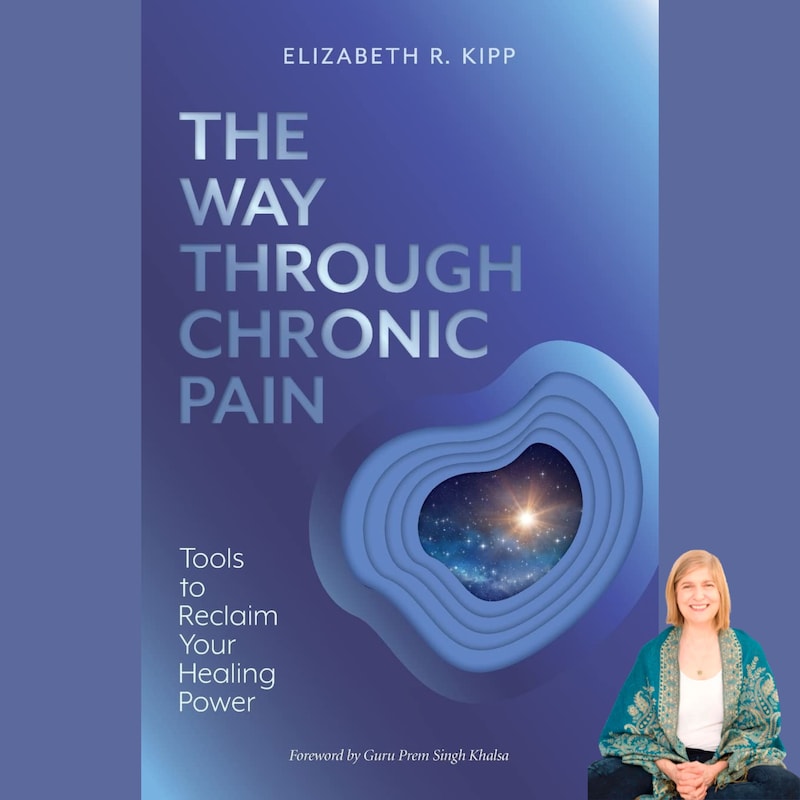
In this compelling episode, we delve into the profound insights presented by Elizabeth Kipp, author of "The Way Through Chronic Pain." Kipp articulates the unique challenges faced by chronic pain sufferers and emphasizes the critical importance of addressing the underlying psychological and physiological changes that accompany chronic pain. The discussion unveils her personal journey, during which she discovered effective, non-pharmaceutical methods to alleviate suffering and reclaim her life from the clutches of chronic pain. Kipp's book provides a wealth of practical techniques aimed at empowering individuals to take ownership of their healing journey. Through her narrative, we gain a deeper understanding of the intricate relationship between chronic pain, addiction, and the potential for recovery, ultimately inspiring hope for those navigating similar struggles. The discourse presented in the podcast centers around the profound challenges faced by individuals suffering from chronic pain, as articulated by Elizabeth Kipp, the author of 'The Way Through Chronic Pain.' Kipp elucidates her own extensive battle with chronic pain, which persisted for over four decades, culminating in a transformative healing journey that eschewed conventional pharmaceutical interventions. Her narrative is not merely personal but serves as a beacon of hope for others grappling with similar afflictions. The discussion emphasizes the necessity of understanding the intricate interplay between chronic pain and the brain, arguing that mere symptom management is insufficient without addressing the underlying psychological and physiological changes that occur in chronic pain sufferers. Kipp introduces a repertoire of holistic methods, including mindfulness, meditation, and self-care practices, aimed at empowering individuals to reclaim their healing agency. Central to her message is a challenge to the prevailing medical paradigms that often dismiss the potential for recovery from chronic pain, thereby inspiring both chronic pain sufferers and their caregivers to seek alternative pathways to healing.
Takeaways:
- The Book Fair at Bel Air is a significant community event celebrating the joy of literature and connecting readers with authors.
- Elizabeth Kipp's book offers valuable insights and techniques for those suffering from chronic pain, emphasizing a holistic approach to healing.
- The unique perspective of chronic pain shared in the book stems from Elizabeth Kipp's personal journey, highlighting the importance of understanding the mind-body connection.
- Healing chronic pain requires addressing the changes that occur in the brain, emphasizing that a comprehensive approach is essential for recovery.
- The podcast emphasizes the need for awareness and understanding among caregivers to support chronic pain sufferers effectively.
- There are numerous beneficial practices and methods discussed in the book that can help alleviate chronic pain and foster a healthier mindset.
Links referenced in this episode:
Transcripts
Before we begin today's pitch, I want to thank the Book Fair at Bel Air for sponsoring this episode. Every year, this free community event brings Together more than 100 authors and readers of all ages to celebrate the magic of books.
There are stories to discover, activities for kids, and plenty of chances to meet the writers who inspire us. To learn more or join their email list, visit book fairellaire.org what if discovering your next great read only took a few minutes?
Welcome to the Author Pitch, the short form podcast where writers from around the world deliver a powerful pitch for their book and read a standout excerpt in their own voice. I'm Rich Bennett. This is the Author Pitch and your next great read starts here.
Welcome to the Author Pitch where writers from around the world deliver a powerful pitch for their book and read a short excerpt in their own voice. I'm your host Rich Bennett and today's guest is Elizabeth Kipp, author of the Way Through Chronic Pain. How you doing Elizabeth?
Elizabeth Kipp:I'm great. Thank you so much. Appreciate you bringing me on.
Rich Bennett:Oh, my pleasure. And I've told people, you know, authors always struggle, especially when it comes to marketing in their book and that's why I started this.
I want to give you guys another platform. All right, so let's go ahead and start with your pitch. Give listeners a tight, high impact overview of what the book is, sure.
Who it's for, why it matters and what makes it unique.
Elizabeth Kipp:Sure. This book is for chronic pain sufferers and those who care for them, doctors, nurses, family members and friends.
It offers proven techniques to clear pain and live a life free from suffering. From a former chronic pain sufferer, me, who searched the globe for answers and found them.
I lived with chronic pain for over four decades until I learned non pharmaceutical methods to clear it and live a life free from suffering. These techniques work because chronic pain significantly changes the brain. Only by addressing these changes can healing occur.
In this book I share those techniques and my experiences insights using them as I healed. You'll learn how chronic stress and our reaction to it contribute to chronic pain and how to change your behavior to alleviate it.
You'll learn the proven methods that help heal chronic pain including a healthy mindset, focus, mindfulness, ancestral clearing, meditation and breath work. And you'll learn the critical elements for healthy self care including a daily practice.
It's unique because there are a lot of books out there about chronic pain. What I did here, it's not. This is not so much about my story. This is has a little bit of my story in it, really very little.
But it's really about what's happening in the mind and the brain and the body of a chronic pain sufferer. Because that's something people, they want to help, but they don't understand the landscape that they're working in.
Rich Bennett:Right.
Elizabeth Kipp:And so it's very difficult. So there's a lot of miscommunication that happens.
So there's a lot of books out there on like how to deal with pain, chronic pain, but you're not going to hear one that, that looks at it from the inside out. Right. And, and from somebody who's walked the, who's walked the journey.
Rich Bennett:And that makes a big difference. Makes a big difference.
Well, it's, I mean, when you're, and I've said this before, when somebody, when you see these, I guess you could say almost like a self help book, a guide, whatever, when somebody, when the author has lived it, then, you know, I mean it, to me, it makes more sense to read that book, to listen to what they're saying because they've been through it. All right, so now let's hear the excerpt that you brought for us today.
Elizabeth Kipp:Very good. So the full title of the book is the Way through Chronic pain Tools to reclaim your healing Power.
So understanding that title in the context of what I'm about to read will be helpful.
Rich Bennett:Okay.
Elizabeth Kipp:This passage is called Courage and the Chronic pain sufferer or Addict. Chronic pain and addiction are linked. Chronic stress, chronic pain is actually a kind of addiction in the brain. So they're, they're a linked thing.
Right. When you have known pain to the point where you dread it coming back, you have entered the dragon's lair and felt the heat of its fire.
The pain has cowed you, shocked you, terrified you. You begin to experience life from a place of worry and anticipation. I see that there is a dragon here.
I felt its fire before and it's fierce and terrible. When will I feel that fire again? Mind you not, what if I feel it again, but when will I feel it again?
When will the great pain dragon unleash its punishing flame of fire again and will I survive next time? These are the very real thoughts of a chronic pain sufferer or addict.
Ask anyone who's dealt with chronic migraine headaches, for example, or anyone who's felt the relentless insistence of wanting relief from the unendurable. You've been dwelling in dread for a long time. It can be a place of almost complete hopelessness.
You can see the incredible courage of someone in chronic pain. Somewhere deep inside of us, we must know the healing power and magic that lives in there. We may not be able to see it, it may not be conscious.
But if we didn't know it was there, on some level, our courage would have dried up a long time ago.
Yet that thread between our dread and the inner knowing that sustains our courage is the bridge that keeps us connected to ourselves and our higher power. We became isolated from the world, from our friends, from ourselves in many ways.
Yet through it all, we have this connection, even the slimmest of threads between the dire and hope. It may be subconscious, yet it remains. It is waiting for us to awaken.
It is a sweet healing voice of our higher power, turned down to a mere whisper in the confusion of our suffering. We get attached to our dread in a predictable yet twisted way.
It becomes so familiar that to drop it, to let it go, would mean giving up our very identity. Imagine how much courage it takes to let go of your identity.
Yet this is the kind of courage that an addict in chronic pain sufferer musters to awaken to their true identity. This is the kind of courage it takes to decide to put down the drugs and try something completely different.
Think about this the next time you meet someone who tells you they're a recovering addict or recovering pain sufferer. Chronic pain sufferer. They've entered the dragon's lair, felt its fire, dreaded its fury, and found a way to transmute that fire into a waterfall.
The struggle of a chronic pain sufferer and those in recovery is real, but optional, depending on how long we want to hang on to our stories and beliefs. And so long as we aren't lost in the mind, the transformation of our healing is epic in nature.
We do our practices because we want to feel okay and because we know the dread we would be in if we didn't. And we're all incredibly grateful to have such tools. Healing happens on its own terms once we put ourselves on its path.
Walking the line of the distinctly uncomfortable in our life of recovery and resisting the temptation to numb out or let it rule us, or shall I say, overrule us, accepting this as part of who we are. Here is a piece of learning how to live our recovery without controlling everything in sight. There is much information in this book.
I've done my best to lay out the landscape of the mind field, the battlefield of chronic pain. I've described the healing field and how to access it. I've included exercises to guide you into the felt experience of the healing field.
In conclusion, here are the golden gold, all the golden breadcrumbs that lead us through chronic pain into the healing field and into a thriving life.
Rich Bennett:Now, what made you choose that excerpt?
Elizabeth Kipp:I wanted the, I wanted the, the reader to understand the intensity of the chronic pain experience and how it hooks you and how it's scary, but we, we have the courage to face it anyway.
Rich Bennett:Right?
Elizabeth Kipp:That, that's, that's like, that, that's kind of like the, the. It's this, it's this fulcrum.
It's a really important part of the, of the healing process to kind of understand that chronic pains, people who are in recovery from, from on anything really, who have lived at that dark night of the soul level, they understand this maybe when they get on the other side of it and can think clearly.
But the people that are helping them, the, the all the, you know, support people, they need to understand who these people are dealing with, what they're dealing with. Right. That's why I chose that.
Rich Bennett:Now, for those people that may not know your story, what actually sparked this book for you?
Elizabeth Kipp:Oh, yes. So I, I had, I had chronic pain. And, and for the listeners, chronic pain is any pain that's felt 15 days out of 30 for three months or more.
Physical, mental, emotional, spiritual. The brain can't tell the difference between one kind of pain and another.
So a broken bone that's having difficulty healing for more than three months or more and. Or a broken heart, same thing in the brain. Right. So these things are the same. So I suffered with chronic pain for over 40 years of my life.
And the doctors, except the last one that I found, I'm so grateful to find him. They, they all told me that I was going to be in chronic pain for the rest of my life.
And for a little while, I believed them because they're the experts.
Rich Bennett:Right.
Elizabeth Kipp:But I had a science background. I was trained as a science researcher, and I knew it took me a while to get there.
I had to kind of deal with my own, oh, my God, I can't believe I'm going to be like this for the rest of my life thing. And there was another part of me that's like, wait a minute, there's something wrong with this picture.
And I realized that a sound scientific paradigms change, and they're operating in a scientific paradigm, and their model makes certain assumptions. And one of the assumptions is you can't heal from chronic pain.
And that's telling me more about the limitations of the model than it is about the body's ability to heal. And science can only talk about that which it can observe, measure, and describe. It can't talk about anything outside of that framework.
Rich Bennett:Right.
Elizabeth Kipp:But we live in the all that is, and we heal them on the all that is. And so I knew I was going to have. Have to reference the scientific framework part and the rest in order to find my healing.
Rich Bennett:And actually, how are you feeling today?
Elizabeth Kipp:Oh, my goodness. I went into a pain Management Program 13 years ago. Right. And I. He helped me get off the medication that I've been on for ages. And, and, and I.
But I went into that program with 40 years of chronic pain. I walked out 52 days later with no pain. Wow. And it wasn't like I was so special. That program. He had a 94 success rate. And that, that.
I talk about that in this book.
Rich Bennett:Yeah.
Elizabeth Kipp:And then he wrote this book. His name is Dr. Peter Prescott. He wrote Conquer Chronic Pain and Innovative Mind Body Approach was the doctory part of it.
And then my book is a really great companion to his because this is the patient end.
Rich Bennett:Okay.
Elizabeth Kipp:So that's. It's kind of a 1, 2 deal, but yeah, it's a quick answer to your question.
Rich Bennett:So what do you hope that readers feel after finishing reading your book?
Elizabeth Kipp:I hope that they feel empowered.
Rich Bennett:Yes.
Elizabeth Kipp:Right. Because somebody's saying you can't heal from chronic pain. I, I lost all my power in that moment. I allowed it.
But I'm just saying, like, I just, like, now what do I do? Oh, and here are your opiates and your benzodiazepines. This is what we've got for your best quality of life. Right.
So I was just like, you know, there's got to be something else here. So I was really fortunate to find it because there's still.
There's still a lot of people that are getting this message, you can't heal from chronic pain because it's not it. Dr. Prescott was sitting on the edge of the scientific paradigm around chronic pain. And there are more integrative.
They call integrative doctors that understand chronic pain now.
Rich Bennett:Right.
Elizabeth Kipp:But it's still not enough mainstream. So I feel like this message is like, you can heal from chronic pain. I did it. And you don't have to do it on medication.
Like, it's still a really relevant message.
Rich Bennett:Yeah, it's. Well, it's a whole nother podcast, but. And, well, you know, because on my other podcast, we've talked. We talk about chronic pain a lot. And there's.
When you're taking medication, all you're doing is numbing the pain.
Elizabeth Kipp:Well, they're doing a lot more, actually.
Rich Bennett:Well, they Are. Well, yeah, but you don't want to get rid of the pain.
Elizabeth Kipp:Yeah. It doesn't actually do that. It actually.
And it numbs the emotions and it, it's so interesting because these medications are really, they're only really supposed to be used short term.
Rich Bennett:Right.
Elizabeth Kipp:And they get to end up using long term. And, and the effect of them is it depresses our breath and now we can't get the, we can't get the oxygen and all.
We can't get the life giving prana into our body that we need and we can't, we can't respire correctly and we. Through the breath. This is going to sound crazy to people, but it's true.
We release 70% of our, of the waste that comes out of the human body by weight. Comes out of the breath.
Rich Bennett:Breath. Wow.
Elizabeth Kipp:So if we can't breathe properly now we've got toxicity like a whole. We've got not enough oxygen and we've got extra toxicity and now we've got, you know, we have a problem also with opiates. You can't, you can't. The.
It paralyzes. Digest. Digestive system. So now we're not digesting our food. So now we're not getting nutrients there. Right. And it dehydrates us.
So now we're not getting a water into this water into the cell and our mouth is dry and you know, so you've got. Tell me how any of that is healing now.
The value, the value of an opiate and I'll give you an example because I remember taking it when it was actually appropriate. Right. And it was just a, I just needed it. Just a. One thing.
I had a, I had a 4 millimeter kidney stone working its way through my ureter and it was painful and like really painful.
And, and I went to the hospital and they gave me an emergency room and then they, they diagnosed it and they gave me a shot of Dilaudid, which is an opiate. That's all I needed.
And I just needed to kind of get through the body moving through the barrier and then the rest of it was like, you know, I now got to drink a lot of water for a while, so works a way out. Right. So that was a one shot deal.
So it's, it's, it's fine when you're having, when you've had a trauma or you're having an event where you can't sleep, where you're, you know, the system is so stressed out that now that's the issue.
Rich Bennett:Yeah.
Elizabeth Kipp:But you know, in chronic pain. We're not there. We're not, we're not at that. Oh my God, I'm going to die kind of level of trauma. We're at this other place.
We got to find another solution because now actually the biochemistry, the, the physiology is very different. And it's not about, you know, putting out the fire because you're going to die otherwise kind of thing.
Rich Bennett:All right, so here's a tough question for you. What's next for you as an author?
Elizabeth Kipp:Oh, very interesting. Yeah. I actually do have a. I do have a. A manuscript in prep.
Rich Bennett:Nice.
Elizabeth Kipp:Called Only Love Raving's Diary of a Sacred Rebel.
Rich Bennett:I love that title already.
Elizabeth Kipp:And why is that? What is that? Right.
So I, you know, the, the little landscape in the world has changed pretty drastically pretty much since COVID And my, my question has been how can I live in this shifting sands and keep my heart open and not get pissed off and mad at. Part French, you know, not, not get upset and anger around all stuff? How do I. Right. How do I keep my heart open?
I'm not saying that I'm not allowing myself to feel those things.
Rich Bennett:Yeah.
Elizabeth Kipp:But I'm not gonna, like, live there. And so I, I was like, I gotta document the times. I, you know, like, you know, Heather Cox Richardson documents the times. Right.
And I'm not comparing myself to her, but I. By any stretch. But I am saying that the times I felt needed to be documented and I'm documenting them from my point of view.
And it's in this manuscript.
Rich Bennett:Nice.
Elizabeth Kipp:That's what that's about.
Rich Bennett:All right, so where can people purchase your book and follow you?
Elizabeth Kipp:Well, you can find, you can find the book on Amazon or any bookstore, really. Barnes and Noble, any of the bookstores. The audiobook and the Kindle are. Are on Amazon.
And you can find me and get an autographed copy of the book at my website, which is Elizabeth with a hyphen. Kipp K I P P dot com. You got to put the hyphen in there because you don't. You'll get the other Elizabeth Kip. So.
Rich Bennett:But you're the, you're the true Elizabeth Kit.
Elizabeth Kipp:Well, I'm the one that's so funny. She's a web designer and a photographer and she's amazing. But she's not this. Right?
Rich Bennett:Yeah. She's not you.
Elizabeth Kipp:She's not. She's not this Elizabeth kid. So. And I have lots of free information on the website.
Rich Bennett:Good.
Elizabeth Kipp:You can Book A, a 15 minute free introductory consultation if you want. I do ancestral clearing. I do stress management. I do recovery coaching. It's like, you know, we. I really just customize it for the. For the person.
Everybody's a little different. Right? Right.
Rich Bennett:Well, Elizabeth, I want to thank you so much. Those of you listening. You know what I'm going to tell you.
Once you purchase her book and after you read it and use it, make sure you leave a full review every place you can leave a review and then purchase copies for other people. And thank you for listening to the author pitch. I'm Rich Bennett. Until next time, keep turning pages and discovering new voices.
