Shownotes
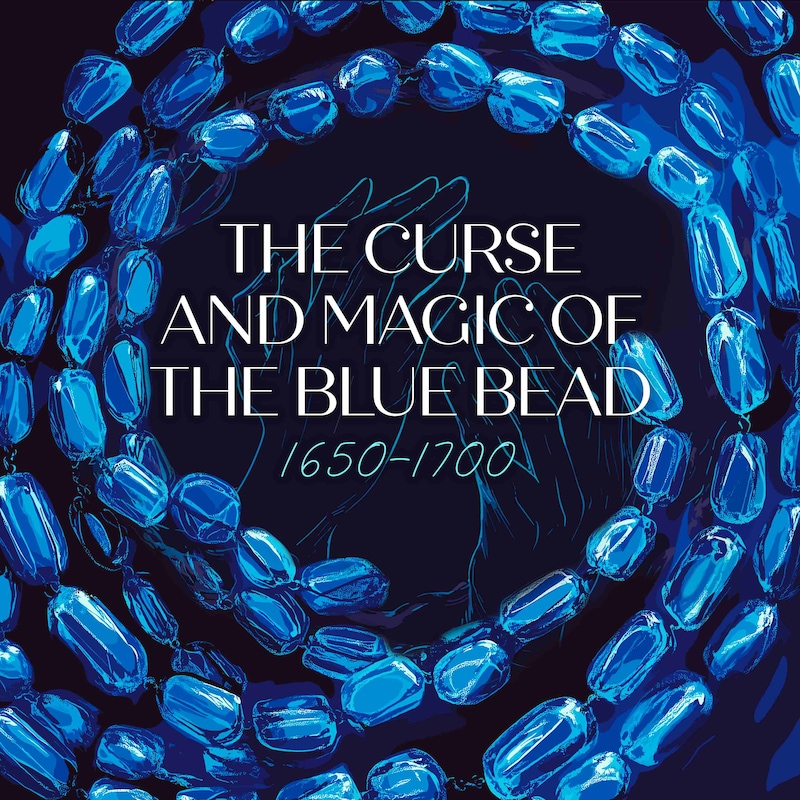
St. Eustatius’ blue beads carry stories of resilience, identity, and survival. Once symbols of African traditions, they became intertwined with the lives of enslaved communities, bridging distant homelands with the island's harsh realities. This episode sheds light on the darker sides of history while celebrating the strength of memory and culture. Join us as we explore the years 1650–1700, preparing for the island’s dynamic rise in the next chapter.
—
Produced by Simpler Media
Transcripts
>> Dr. Sahidi: You know, it's interesting because they're such a.
Speaker:They're such a common find,
Speaker:but we actually don't really know that much about
Speaker:them, especially in terms of the
Speaker:details.
Speaker:>> Unidentified (Podcast Host): Welcome to Whispers of the Past. I'm your host,
Speaker:Fi De Vit. We continue our journey along
Speaker:Syntastacea's historical timeline,
Speaker:arriving between the years 1650
Speaker:and 1700s. In this
Speaker:episode, the Curse and the Magic of the Blue
Speaker:Bead, we enter a new and intricate
Speaker:chapter of the island's past. Here
Speaker:we'll take a closer look at the mysterious
Speaker:bluebead, an object often whispered
Speaker:about in legends and folklore. And
Speaker:we'll examine its profound cultural, economic
Speaker:and symbolic significance.
Speaker:But before we begin, an important
Speaker:disclaimer. The stories we continue
Speaker:to share include the harsh realities
Speaker:of enslavement and, uh, at times,
Speaker:discussions of sexual violence.
Speaker:These truths are unsettling
Speaker:and may stir deep emotions.
Speaker:We do not recount them to cause harm, but to
Speaker:confront long hidden chapters of
Speaker:history. By speaking
Speaker:openly and sincerely, we seek to honor these
Speaker:individuals, especially women, who
Speaker:bore these injustices with unimaginable
Speaker:resilience. During this
Speaker:era, countless women,
Speaker:men and children on
Speaker:synthesias live beneath the
Speaker:crushing weight of enslavement.
Speaker:And for women in particular, this burden
Speaker:was compounded by physical, emotional
Speaker:and sexual violence. These are
Speaker:painful realities to acknowledge, yet they
Speaker:must be spoken about if we wish to see,
Speaker:hear and remember all sides of history.
Speaker:As the saying goes, mold grows in
Speaker:dark places, and by shining a light on this
Speaker:darkness, we can prevent it from festering
Speaker:and begin to lift some of the heaviness
Speaker:and inspire transgenerational collective
Speaker:healing.
Speaker:As we acknowledge these truths,
Speaker:it's important to remember that
Speaker:syntostacias did not exist in
Speaker:isolation. The hardships endured
Speaker:here were part of a larger pattern. They were
Speaker:woven into the economic, political and
Speaker:cultural tides that swept across the Caribbean
Speaker:and the Atlantic world. To understand
Speaker:why a single blue bead could hold such a deep
Speaker:meaning, we must first broaden our
Speaker:perspective and situate the island and its
Speaker:people within the wider currents that shape their
Speaker:reality. Historian and
Speaker:teacher Dr. Elaine will guide us through these
Speaker:broader historical landscapes, helping us
Speaker:place synthesias within the larger
Speaker:tapestry of forces at play during this
Speaker:pivotal period.
Speaker:>> Dr. Elaine: So this is an extremely important period in
Speaker:the history of Atlantic slavery because it marked
Speaker:the beginning of the legal codification of
Speaker:matrilineal inheritance of slave
Speaker:status. In 1662,
Speaker:the colony of Virginia, which was part of the British
Speaker:Empire, um, enacted a law that said
Speaker:children would inherit their mother's status
Speaker:as either free or Enslaved. So the
Speaker:name of this doctrine was partis sequiter
Speaker:ventrum. That's Latin. And the translation
Speaker:is offspring follows belly.
Speaker:The legal roots of this doctrine are actually really
Speaker:complicated. And there's a fair amount of, um, debate and
Speaker:discussion as to how much partis equator
Speaker:ventrum either broke with or, on the
Speaker:contrary, was an inheritance of Roman
Speaker:slave law. Um, and in my bibliography that
Speaker:I provided, I reference a few historians who kind of
Speaker:explore the roots of this doctrine. But
Speaker:regardless, for our purposes, the most important thing
Speaker:to know is that the 1662
Speaker:passage of this law set a
Speaker:precedent among all Atlantic
Speaker:slaveholding systems, or at least all American
Speaker:slaveholding systems, that inheritance of
Speaker:slave status would be passed from
Speaker:mothers to children. For
Speaker:enslaved women, knowing that their bodies
Speaker:gestated slavery shaped their
Speaker:experience of slavery. Slavery. On a really
Speaker:core level, it was really
Speaker:important for Europeans to sort of
Speaker:cast black women as
Speaker:inherently animalistic.
Speaker:So that the justification for
Speaker:enslaving them and their children was more
Speaker:overt. European, uh,
Speaker:writers who traveled to Africa and who
Speaker:were sort of invested in the racial apparatus
Speaker:of slavery slavery started writing and talking
Speaker:about enslaved women and increasingly
Speaker:animalizing and
Speaker:dehumanizing ways to sort of
Speaker:make the ideological separation between
Speaker:African women who were enslavable and white
Speaker:women who were not enslaveable. Right. So we start
Speaker:to see the descriptions of African women become
Speaker:more racist, more kind of
Speaker:violent, as slave labor becomes
Speaker:in higher demand.
Speaker:>> Unidentified (Podcast Host): Enslaved women faced a unique set of horrors,
Speaker:including sexual violence, which was
Speaker:both a tool of power and a method
Speaker:of control. Many
Speaker:women bore children who inherited their
Speaker:enslaved status through the doctrine
Speaker:the child follows the belly. This
Speaker:legal principle meant that enslaved women's
Speaker:bodies became sites of
Speaker:exploitation, perpetuating
Speaker:generational enslavement.
Speaker:This violence wasn't confined to women
Speaker:alone. Men also faced sexual
Speaker:abuse, often as a form of
Speaker:punishment. However,
Speaker:enslaved women's proximity to plantation
Speaker:households. Expose them to daily
Speaker:physical and psychological abuse.
Speaker:The legacies of these traumas continue
Speaker:to ripple through generations.
Speaker:Dr. Elaine shows us how deeply
Speaker:enslavement reach into every aspect of
Speaker:life, Shaping identities before birth
Speaker:and positioning women's bodies as vessels
Speaker:of oppression. Sexual violence,
Speaker:though certainly not exclusive to women,
Speaker:weighed especially heavy on them, leaving scars
Speaker:that echoes through generations.
Speaker:To understand how these brutal realities
Speaker:translated into everyday life, we need to
Speaker:consider the roles and expectations placed
Speaker:upon enslaved individuals.
Speaker:Who was permitted to learn a trade,
Speaker:to oversee others or move with
Speaker:relative freedom or even
Speaker:limited. And who was confined to
Speaker:grueling labor or domestic servitude with no
Speaker:refuge from violence and control?
Speaker:M By examining these distinctions
Speaker:between men and women's experiences,
Speaker:we'll gain a clearer view of how deeply
Speaker:gender influenced every facet of
Speaker:enslavement. Dr. Elaine
Speaker:will now continue to shed light on these crucial
Speaker:differences, guiding us further into the
Speaker:complex hierarchies that shape people's lives
Speaker:across the Caribbean.
Speaker:>> Dr. Elaine: Another difference between the experiences of
Speaker:enslaved women and enslaved men has to do with
Speaker:sexual violence. I just want to say I think it would be
Speaker:wrong to assume that enslaved men didn't
Speaker:experience sexual violence. We don't have a ton
Speaker:of archival evidence of this, but knowing
Speaker:what we know about how violence was such an everyday
Speaker:feature of Caribbean slavery, I
Speaker:suspect that men were victims of sexual abuse more than
Speaker:we know about. However, as in Caribbean
Speaker:slave societies were societies in which women
Speaker:were especially vulnerable to sexual
Speaker:violence.
Speaker:>> Unidentified (Podcast Host): As Dr. Elaine explains, the laws and
Speaker:perceptions that emerged during this period
Speaker:did more than define who was enslaved.
Speaker:They shaped the core of how an individual were
Speaker:seen, treated, and
Speaker:valued. Within this world, gender
Speaker:added another complex layer to the already oppressive
Speaker:structures of enslavement.
Speaker:To understand the lived realities of
Speaker:those here on Cintastasius, we must consider
Speaker:how these overlapping systems affected
Speaker:both women and men, often in distinct
Speaker:and deeply unjust ways.
Speaker:How did these societal frameworks translate into
Speaker:daily life for the enslaved individuals?
Speaker:Which rules could they access and
Speaker:which spaces were they forced to occupy?
Speaker:And most importantly, how did women and
Speaker:men's experience differ beneath the weight of these
Speaker:harsh hierarchies? By
Speaker:examining the difference in their labor, status
Speaker:and vulnerability, we gain a clearer
Speaker:sense of how power and violence
Speaker:shaped every aspect of their existence.
Speaker:Dr. Elaine will continue to elaborate on these
Speaker:insight as, ah, we explored these crucial
Speaker:distinctions.
Speaker:>> Dr. Elaine: One major difference between the experiences of
Speaker:enslaved women and enslaved men has to do with the kind
Speaker:of work they did. So Caribbean plantations were
Speaker:very hierarchical. White people were on top. But
Speaker:even among the enslaved, there was a hierarchy.
Speaker:And enslaved men had much greater access to than
Speaker:enslaved women to particular roles that afforded them a
Speaker:higher status. For example, some men worked
Speaker:as slave drivers, which meant that they oversaw and
Speaker:disciplined enslaved laborers as they worked. And
Speaker:this is not a role that women generally had
Speaker:access to. Enslaved men also had access to
Speaker:certain skilled trades, such as blacksmithing. And
Speaker:in the French Caribbean, enslaved men also had access to the
Speaker:position of chef. And this again, offered them more
Speaker:authority and status. One exception I can
Speaker:think of is that in the French Caribbean, enslaved women
Speaker:sometimes held nursing roles in plantation
Speaker:hospitals. This was a fairly privileged
Speaker:position. Um, while the majority of
Speaker:enslaved women worked in the fields
Speaker:alongside men, and in fact, in Certain parts of the
Speaker:Caribbean, at certain junctures, women actually
Speaker:outnumbered men among those who worked,
Speaker:uh, in the fields. A small number of women worked
Speaker:as domestics within plantation households.
Speaker:And there's this sort of long standing myth that
Speaker:enslaved domestics had easy lives or were
Speaker:in cahoots with slaveholders. And,
Speaker:you know, household work was indeed easier on the
Speaker:body than harvesting sugar cane, because harvesting
Speaker:sugarcane was notoriously, just
Speaker:incredibly physically taxing.
Speaker:Um, but one of the downsides to
Speaker:working in plantation households was that it placed
Speaker:enslaved women in close proximity to
Speaker:slaveholders. And, uh, this exposed them
Speaker:to extreme daily violence, physical violence,
Speaker:sexual violence, and psychological torture.
Speaker:There's a book called out of the House of the
Speaker:Transformation of the Plantation Household that
Speaker:describes this in the context of the United States.
Speaker:And I think the same thesis kind of holds true for the
Speaker:Caribbean.
Speaker:>> Unidentified (Podcast Host): Dr. Alain's words paint a troubling
Speaker:picture. Even in the roles considered more
Speaker:privileged than field work, enslaved
Speaker:women were not separated from brutality.
Speaker:Proximity to the enslaver's household meant
Speaker:proximity to profound emotional and physical
Speaker:harm. What seemed less
Speaker:taxing on the body often proved more
Speaker:harrowing for the spirit.
Speaker:This stark truth leaves no illusion.
Speaker:There was no safe haven from the oppressive
Speaker:grip of enslavement, and any appearance
Speaker:of comfort came at an unforgiving
Speaker:cost. These insights remind
Speaker:us that the reach of enslavement and the cruelty it
Speaker:fueled stretch far beyond a single
Speaker:place. To understand how they took root
Speaker:here on Sint Eustacea specifically, we must now return
Speaker:to the island's own narrative, one shaped by
Speaker:distant trade routes and imperial ambitions,
Speaker:yet formed by the fairy people who built its
Speaker:warehouses, worked its fields, and
Speaker:sealed its shores. We
Speaker:now turn to Mrs. Tutikao, a longtime resident
Speaker:and founding member of the island's archaeological
Speaker:research center. She will help guide us from
Speaker:the broad regional picture into the tangible
Speaker:changes unfolding here on
Speaker:Sintostatius.
Speaker:>> Dr. Sahidi: After the war with France in 1650, the
Speaker:Asia belonged to the Dutch, was
Speaker:raided several times by other people. But the
Speaker:Dutch began to establish. They first started
Speaker:raising crops. They actually raised
Speaker:tobacco, and they started raising
Speaker:sugar. Um, and when we
Speaker:were exporting those, they started building
Speaker:warehouses on the waterfront. By
Speaker:1700, there were already 20 warehouses on
Speaker:the waterfront. Those warehouses were
Speaker:exporting products. It was the beginning of the
Speaker:actual trade of, uh, project to and
Speaker:from Stacia.
Speaker:>> Unidentified (Podcast Host): As Mrs. Tsutakow explains, by the
Speaker:dawn of the 18th century, Sinter Statius
Speaker:was evolving into more than a distant colonial
Speaker:outpost. It was becoming a thriving center of
Speaker:commerce. Warehouses lined the
Speaker:waterfront, enabling a steady flow of goods
Speaker:in and out. Yet trade isn't
Speaker:defined by infrastructure alone. It, it's shaped
Speaker:by the objects exchanged, the values they carry,
Speaker:and the human stories woven through them.
Speaker:To understand how a seemingly humble
Speaker:glass bead could embed itself so deeply
Speaker:into this island's story, we now turn
Speaker:to archaeologist Dr. Sahidi.
Speaker:Having previously lived and worked here on
Speaker:Sintostatius, Dr. Sahidi has
Speaker:extensively researched the island's
Speaker:bluebeads. Specializing in post
Speaker:colonial community heritage, she
Speaker:brings valuable insight into their origins,
Speaker:significance, and the method used to create
Speaker:them, Starting with the exploration of what these
Speaker:beads looked like and how they were produced.
Speaker:>> Dr. Sahidi: So then they started producing these beads
Speaker:in different parts of the Netherlands. There were a couple of
Speaker:factories in Amsterdam, and there were
Speaker:also several, um, factories in Bavaria.
Speaker:But then when the beads came to Stacia, they were kind of
Speaker:entangled in this economy of enslaved people on the
Speaker:island. So the beads were made in a few different
Speaker:ways. There's two main types.
Speaker:One is called a furnace wound bead,
Speaker:where you would take a, uh, rod
Speaker:and then take a piece of essentially
Speaker:glass thread and, uh, wind
Speaker:it around the rod to make the shape of the
Speaker:bead. So when you find those big
Speaker:round beads that kind of have those very fine
Speaker:lines and crevices in them, those are wound
Speaker:beads. The five sided blue beads that
Speaker:we find on Stacia are hold
Speaker:beads. And so you would have a long rod
Speaker:of glass and then divide it
Speaker:into pieces and shape it. And so
Speaker:sometimes when you find those five sided beads, you'll find a double
Speaker:bead. And that means that that bead wasn't
Speaker:broken at the line where it was supposed to be
Speaker:broken. It just, um, stayed a double
Speaker:bead. So those are the main
Speaker:types in terms of the five sided
Speaker:beads that we see on Stacia. We call it the stacia
Speaker:bead. They are
Speaker:found in an unusually high concentration on
Speaker:stacia, but they're not only found on
Speaker:stacia. Um,
Speaker:unfortunately, with a lot of these
Speaker:histories that are tied to
Speaker:enslavement, we
Speaker:don't really have a lot of information apart from
Speaker:what we find in the archaeological record
Speaker:and from oral histories. Blue beads aren't
Speaker:really written about that much in the archives, and that's why oral
Speaker:histories are so important. As
Speaker:for why so many are on stacia, we don't really
Speaker:know. It seems pretty clear
Speaker:that bluebead hole was
Speaker:a shipwreck site
Speaker:because we find ballast stones at blue bead hole and a high
Speaker:concentration of stacia beads.
Speaker:Um, it's Possible that
Speaker:for a period that they were being produced, that was
Speaker:a time when there was a lot of trading happening in Stacia
Speaker:and many rounds of those beads were brought to Stacia, and
Speaker:that's what we find now.
Speaker:But there's so much to learn about them.
Speaker:>> Unidentified (Podcast Host): The underwater site Dr. Uh, Tsahidi refers to as
Speaker:Bluebeet hole remains an intriguing dive
Speaker:site here on Cintastasius where remnants
Speaker:of these beads can still be found today.
Speaker:The underwater site offers us
Speaker:a unique glimpse into the journey of these beads
Speaker:as they traveled across oceans and through time.
Speaker:As we continue tracing their path, we now turn
Speaker:to Mr. Richardson, the island heritage
Speaker:inspector. He will guide us further into
Speaker:understanding how these blue beads were first
Speaker:crafted in European factories, then
Speaker:carried along global trade routes and
Speaker:ultimately becoming an integral part to
Speaker:everyday life for the enslaved community here on um Sint
Speaker:Eustachius, and how they continued
Speaker:to hold meaning well beyond their material
Speaker:worth.
Speaker:>> Mr. Richardson: We know, of course, the whole story of them being
Speaker:produced in the Netherlands. I've seen some of the factories
Speaker:even still exist, one factory that many
Speaker:people maybe do not notice. But you know, the
Speaker:Mundplijn in Amsterdam, in the cellar of
Speaker:that building on the Munplein in Amsterdam was actually one
Speaker:of the factories where these beads were produced. So
Speaker:it's quite interesting that that is completely intact and has
Speaker:a different pur. And of course the bees
Speaker:origin were made as decorations in the yard,
Speaker:they were hung in trees, etc. Um,
Speaker:but they then trickled their way down of course
Speaker:into our island where they became really a
Speaker:commodity in trading, especially for enslaved
Speaker:people. If you go as early back
Speaker:as for example, the Egyptians, um, present day
Speaker:Iran, Persia, there was always bead trading in beads.
Speaker:We know the history of even quite modern Manhattan, um,
Speaker:being traded for a few beads by the Dutch. There was
Speaker:trading in beads before money became
Speaker:something.
Speaker:>> Unidentified (Podcast Host): The story of Manhattan's so called purchase
Speaker:with a handful of beads is one of those legends that
Speaker:completely oversimplifies a far more
Speaker:complex historical reality. In
Speaker:1626, when Peter Maynoot,
Speaker:acting for the Dutch West Indian company,
Speaker:arranged an exchange with the native
Speaker:indigenous Lenape people, the offer
Speaker:reportedly included items such as
Speaker:blue beads worth about 60 guilders
Speaker:at the time. Yet
Speaker:modern scholars suggest that the Lenape people
Speaker:likely understood this arrangement quite
Speaker:differently than the Europeans did, as
Speaker:their concept of land use did not align with
Speaker:European notions of permanent ownership.
Speaker:This account, reducing a nuanced
Speaker:negotiation to a simple story of
Speaker:Europeans outsmarting supposedly
Speaker:quote, unquote naive native indigenous
Speaker:people, highlights once again how
Speaker:Easily. Cultural complexities can be lost in
Speaker:translation over time.
Speaker:It mirrors the misunderstandings and
Speaker:the imposed narratives that often
Speaker:overshadows the intricate economies of the
Speaker:past. Much like the blue beads here on
Speaker:Cintastasius, the Manhattan legend
Speaker:challenges our modern assumption.
Speaker:It reminds us that value is never
Speaker:fixed. It's molded by perspective,
Speaker:purpose, and circumstances.
Speaker:With this in mind, we return to Mr. Richardson's
Speaker:insight into synthesis, where these
Speaker:rare cobalt blue beads, once part of a
Speaker:fast rate of networks, became woven into the
Speaker:fabric of the island's enslaved community,
Speaker:transforming from imported trinkets into
Speaker:tokens of commerce and identity.
Speaker:>> Mr. Richardson: What is interesting though, is that these blue beads, it
Speaker:trickles down into St. Eustatius.
Speaker:And the earliest record of blue
Speaker:beads that I saw on St.
Speaker:Eustatius, where it's noted in a government
Speaker:document then, of a ship bringing in blue
Speaker:beads, is one of the ship logs of 17, um,
Speaker:10. You see there's a ship coming in
Speaker:from Amsterdam that had a stop also in
Speaker:Harlem. And on its way, it also stops
Speaker:in a port in present day Belgium. And you see it's making these small
Speaker:little stops along the European coast before it
Speaker:descends straight into the Atlantic and it sails
Speaker:all the way to Saint Eustatia. So one of the first, one of the
Speaker:largest things on the the ship log
Speaker:that's extracted from the ship and brought onto the
Speaker:island. Blue or blue glass beads in
Speaker:tonnage. So that means amount of weight, et cetera, that these beads
Speaker:were, and they're being brought into the island and it
Speaker:says for trade. What's interesting is, of course,
Speaker:fast forwarding from 1710 onwards, you see that
Speaker:the Blue Petes are becoming more and more prominent
Speaker:on St. Eustatius, but not actually between the
Speaker:Dutch and external traders like the French, but more
Speaker:within the enslaved community. And then you
Speaker:see that the blue beads from around
Speaker:1710, that it's actually
Speaker:intertwined into the community so far
Speaker:that many people think it's more of an oral
Speaker:tradition, but it was actually kind of, you
Speaker:know, dictated to in the sense of the free people
Speaker:of color, but also the enslaved people of color
Speaker:amongst themselves started to also trade. So of
Speaker:course, above you had the general economy of trade
Speaker:going on, and then below that you had amongst the
Speaker:enslaved people also the trade that's going on. And I
Speaker:think that's also quite interesting because it's not really
Speaker:often expound upon enough, um,
Speaker:what exactly society of the enslaved people,
Speaker:what it was like for them. So you see that the blue beads
Speaker:started to become kind of traded among. And then you
Speaker:see from earlier records that for three
Speaker:fishes, you get two blue beads in one of the
Speaker:letters from the governor. But you also see that, indeed, you
Speaker:needed enough beads to put around your waist in
Speaker:order to be married. But then I
Speaker:tend to think that maybe in that
Speaker:description, that it's kind of lost in translation, because
Speaker:in African cultures, it was normal to have beads around
Speaker:your waist as well. So there's a lot of these things that
Speaker:you see popping up in different research. But I think,
Speaker:um, seeing that beads were
Speaker:also part of African culture before
Speaker:people were enslaved, I think it was also only
Speaker:natural that the enslaved people kind of use
Speaker:that as a kind of way to batter and
Speaker:trade amongst each other. And again, goes back to what I said in the
Speaker:beginning of taking things out of Africa, but
Speaker:taking especially memory with you out of
Speaker:Africa.
Speaker:>> Unidentified (Podcast Host): With Mr. Richardson's explanation, it
Speaker:becomes clear that the blue beads were far
Speaker:more than a simple form of currency.
Speaker:Instead, they were deeply woven into the
Speaker:social fabric of the enslaved community,
Speaker:reflecting cultural traditions that
Speaker:predated enslavement in Africa.
Speaker:These small artifacts embodied
Speaker:identity, memory, and
Speaker:resilience, connecting distance,
Speaker:homeland, with everyday life here on the island.
Speaker:To better understand how these vibrant
Speaker:traditions emerged and evolved, we
Speaker:turn again to the archaeologist Dr. Sahidi, as
Speaker:she offers valuable insights into the
Speaker:historical significance and cultural depths of
Speaker:the blue beads.
Speaker:>> Dr. Sahidi: Before Europeans colonized West Africa, there
Speaker:was already an intricate and advanced barter
Speaker:system that was used by different communities and
Speaker:kingdoms. So when Europeans arrived, they realized there
Speaker:was already a complex economic system in place
Speaker:where many different types of objects were being traded.
Speaker:And among those objects were beads.
Speaker:And they exploited that knowledge of the value of beads
Speaker:for different ethnic groups in west Africa and brought that
Speaker:to the Caribbean with the people that they enslaved. Different
Speaker:types of beads symbolize different things.
Speaker:Cowry shells, for example, um, they civilized
Speaker:wealth, power, fertility, protection.
Speaker:And often cowrie shells were passed down over many
Speaker:generations across different kingdoms
Speaker:and ethnic groups. Certain colors
Speaker:were also significant. So in particular,
Speaker:cobalt blue, like the ones that we find in
Speaker:stacia. Those types of that color of bead were
Speaker:associated with elite status and the heavens or the
Speaker:celestial bodies. So this bartering economy
Speaker:was based on traditional economic systems in West Africa.
Speaker:But when it was brought to the Caribbean, it prevented
Speaker:enslaved people from participating in the wider economy of
Speaker:the island. So instead of paying people
Speaker:directly for their labor and skills, they were given the
Speaker:beads. This prevented them from using their skills to build
Speaker:capital. For example, in other islands where enslaved people were
Speaker:paid, they could use the money that they received
Speaker:from their expertise, whether that was blacksmithing,
Speaker:Tailoring, ship, salvage, whatever. They used that
Speaker:money to purchase things. Sometimes they even used it
Speaker:to purchase their own freedom. So those abilities
Speaker:were restricted on Stacia because of
Speaker:colonial structures like the blue beet economy. And this is
Speaker:just one example of how colonists exploited West
Speaker:African systems for their own benefit. And then
Speaker:that was transplanted into the Caribbean.
Speaker:>> Unidentified (Podcast Host): As Dr. Sahidi explains, the blue
Speaker:beads reflect a complex history, one
Speaker:that began in the intricate barter system
Speaker:of West Africa. These beads
Speaker:carry deep cultural meaning, symbolizing
Speaker:status, protection, and even
Speaker:celestial connections.
Speaker:Yet once brought to the Caribbean by
Speaker:colonizers, these beads became tools of
Speaker:exploitation, replacing wages and
Speaker:restricting economic opportunities for enslaved
Speaker:individuals. But the
Speaker:story of these beads doesn't stop here.
Speaker:Their journey extends far beyond
Speaker:syntastaceous, revealing connections that
Speaker:span continents and generations.
Speaker:To trace this broader movement, we once
Speaker:again turn to Mr. Richardson as he
Speaker:explores how blue beads first came to
Speaker:Stacia, traveled across the Caribbean and
Speaker:beyond.
Speaker:>> Mr. Richardson: What's also very interesting is that they weren't found anywhere
Speaker:else. They're not found on any other Dutch
Speaker:colony. They're found maybe in very little
Speaker:quantities. And if they're found in a
Speaker:Dutch colony, it's because they were enslaved people
Speaker:from Saint Eustatius that ended up there or
Speaker:prior or after emancipation. To give you an
Speaker:example, um, there's a plantation in
Speaker:Suriname where bluebeets from St. Eustatius was found. But
Speaker:when you look at the year when the plantation
Speaker:came into existence, and you go into the slave records of
Speaker:Suriname, um, you see that for at one point,
Speaker:maybe 40 enslaved people were transported from St.
Speaker:Eustatius to Suriname. Um, if you look at former Dutch
Speaker:colonies like Tobago, you
Speaker:don't find any blue beads there, but you also don't find the
Speaker:exchange of enslaved people between that island and the Dutch
Speaker:islands. So it's quite interesting. You only find them where
Speaker:the enslaved people were living and where the Dutch were trading.
Speaker:So if you go to Brazil, again, there's a small quantity that would have
Speaker:been found there in archaeological sites of
Speaker:former plantations in Olinda. But what, again, what you see is
Speaker:when you look in the records, you will see there's always
Speaker:some kind of direct link, link to the island of Saint
Speaker:Eustatia. So the bees were really traveling with
Speaker:people off island as well, especially the enslaved.
Speaker:>> Unidentified (Podcast Host): As we conclude this episode and this chapter
Speaker:in time, the years between
Speaker:1650 and 1700s have
Speaker:revealed how a simple object like the blue
Speaker:bead holds stories far greater than its
Speaker:form, woven into the lives of the
Speaker:inspiration enslaved communities here on Cintastasius. These
Speaker:tiny artifacts remind us of
Speaker:resilience, identity and
Speaker:survival, bridging a distant
Speaker:homeland with the life here on the island.
Speaker:In tracing their journey, we've once again
Speaker:shed light on a darker side of history,
Speaker:confronting truths that are painful and
Speaker:necessary. Within these stories, we also
Speaker:find strength and the enduring power of
Speaker:memory and culture to adapt,
Speaker:persist and empower those who carry them
Speaker:forward. As we close this
Speaker:episode, we prepare, uh, to move into our next
Speaker:chapter, where the years between 1700
Speaker:and 1750 bring an even more
Speaker:chaotic period. Here on Syntostatius,
Speaker:as the island grows even busier,
Speaker:its role in the Caribbean trade
Speaker:intensifies.
Speaker:As we step away from this moment, let the
Speaker:whispers of the past continue to
Speaker:resonate, illuminating both the
Speaker:shadows of its history and the
Speaker:resilience of those who lived it.