Shownotes
Episode 20: Why QuickBooks Feels Confusing (And It’s Not Your Fault)
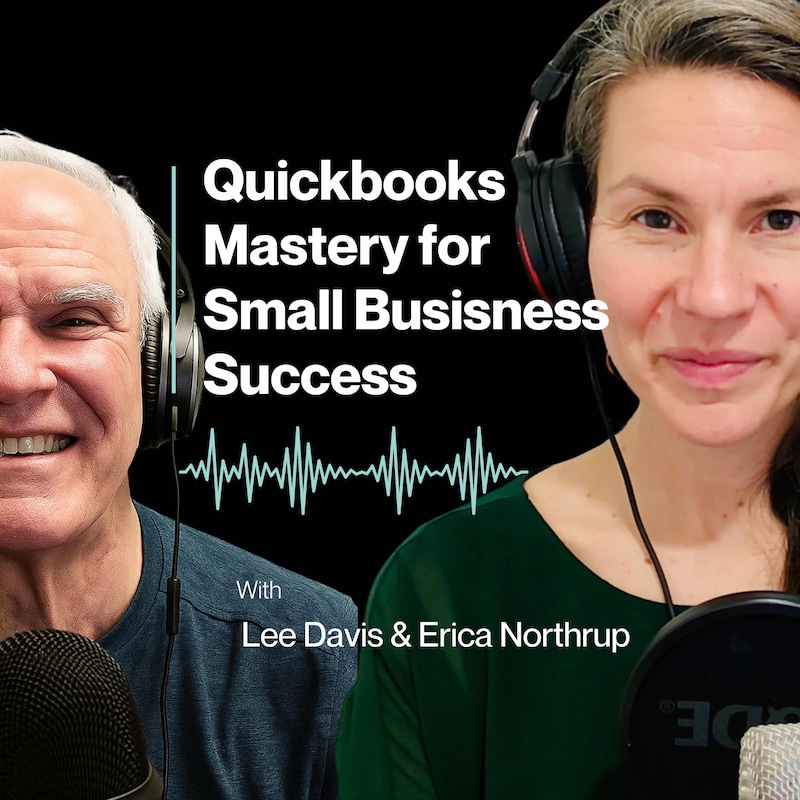
In this episode of QuickBooks Mastery for Small Business Success, father-daughter team Erica Northrup and Lee Davis break down why QuickBooks can feel so overwhelming for small business owners.
They explain why QuickBooks often feels more like a foreign language than a helpful tool, why so many business owners rely on trial and error, and why that approach usually creates more confusion over time. Erica and Lee also talk about what is really underneath the overwhelm: lack of structure, unclear workflows, and trying to fix problems one at a time without a system.
If you have ever felt like you should know QuickBooks better by now, this episode is for you. You will walk away with a clearer understanding of why this happens, why it is not a personal failure, and what first steps to take if your QuickBooks setup feels messy, disconnected, or hard to trust.
Key Takeaways
- QuickBooks is a powerful accounting tool, but it is not designed to teach business owners how to use it.
- Most QuickBooks confusion comes from missing structure, not from lack of effort or intelligence.
- Trial and error can waste hours and often creates bookkeeping problems that show up later.
- Small QuickBooks mistakes compound over time and usually become obvious during tax season.
- The first step is not fixing everything at once. It is identifying what needs to be fixed and in what order.
Questions to Reflect On
- Where does QuickBooks feel most confusing in my business right now?
- Am I relying on random fixes instead of a consistent bookkeeping system?
- What are the first one to three QuickBooks issues I need to address for better financial clarity?
Mentioned in This Episode
Free QuickBooks Clarity Scorecard
Download at: https://lee-davis-and-company.aweb.page/unlock-clarity-free-scorecard
Send Us Your Questions
Related Episode
Episode 5: How to Create a Simple Business Plan
Recommended Resources
- QuickBooks Clarity Scorecard
- Lee Davis & Company website
- Related episode on building a simple business plan
Timestamps
01:00 – Why QuickBooks Feels Confusing for Business Owners
03:00 – QuickBooks Is a Tool, Not a System
05:00 – How Business Owners Try to Figure Out QuickBooks
08:30 – Why Trial and Error Fails Long Term
11:40 – What’s Really Causing the Confusion
15:50 – The First Step to Fixing QuickBooks
Call to Action
If you enjoyed this episode, hit subscribe and stay connected with us at leedavisandcompany.com.
Download our free QuickBooks Clarity Scorecard to see whether your QuickBooks setup is giving you the financial insight you need.
Have a QuickBooks question? Send it to [email protected] — your question may be featured in a future episode.
Transcripts
Welcome to QuickBooks mastery for small Business Success.
Speaker A:I'm Erica Northrup.
Speaker B:And I'm Lee Davis.
Speaker A:I handle the tech and he handles the numbers.
Speaker A:And together as a father daughter team, we bring decades of experience helping small to medium sized businesses thrive.
Speaker B:We know that as a business owner, your time is best spent mastering your craft and growing your business, not getting lost in QuickBooks.
Speaker B:Managing finances can be confusing and you don't have hours to waste sorting through spreadsheets or fixing bookkeeping mistakes.
Speaker B:That's where we come in, helping you streamline QuickBooks so you can focus on building your business.
Speaker A:Each week we break it all down into simple, actionable steps so you can focus on growing your business, not fixing your books.
Speaker B:Let's embark on this journey together.
Speaker A:Welcome back to QuickBooks mastery for small Business Success.
Speaker A:I'm Erica Northrup, here with my papa, Lee Davis.
Speaker A:This is episode 20 why QuickBooks feels confusing and guys, it's not your fault.
Speaker A:I think this is something a lot of business owners feel but don't always say aloud.
Speaker A:QuickBooks is supposed to help you understand your business financially, but for a lot of people it ends up feeling confusing, overwhelming, and sometimes even frustrating.
Speaker A:Papa, after working with so many business owners over the years, why does QuickBooks feel so, so hard for so many people?
Speaker B:It's a pretty straightforward answer, Erica, and that is that QuickBooks is a foreign language.
Speaker B:Yeah, it's accounting software.
Speaker A:Right.
Speaker B:So if you don't understand accounting, it's not going to make sense to you.
Speaker A:Absolutely.
Speaker A:So let's break that down just a little further.
Speaker A:Let's get into the nitty gritty here.
Speaker A:So why does QuickBooks feel so confusing for business owners?
Speaker A:When we dig deeper into that, it's.
Speaker B:Not just for business owners, but it's for generally people that use it, a system, because it's overwhelming.
Speaker B:I was just coaching somebody this week and they were so overwhelmed with the front page of QuickBooks in the desktop, they really didn't understand what all those lines were.
Speaker A:Right.
Speaker B:Then when I explained it to them, oh, these are workflows.
Speaker B:I didn't know how you get from here to here, but I don't use some of those.
Speaker B:And it's because QuickBooks espouses that it's easy to use and quick, but it's anything but easy and quick.
Speaker B:And when you look at the way that QuickBooks is presented, you can accomplish tasks several different ways.
Speaker B:And unless you understand that and find the way that's most comfortable for you, you're going to struggle all the time because you haven't figured out how the menus work.
Speaker B:You don't know anything about the left chart panel.
Speaker B:Okay.
Speaker B:And when the terminology, you're lost, right?
Speaker A:Yeah, absolutely.
Speaker A:QuickBooks is a tool, it's not a system.
Speaker A:So this is why having a system that helps you navigate this really powerful tool is something that is very powerful for you.
Speaker A:I mean, it's not designed to teach you how to use itself.
Speaker A:It assumes that you have accounting knowledge.
Speaker A:It is really designed for accountants.
Speaker A:Right.
Speaker A:Correct me if I'm wrong.
Speaker A:I feel like as someone who's not an accountant, you know, you've not.
Speaker A:I can get a little lost in there.
Speaker A:And I've been so grateful.
Speaker A:I have learned a lot about QuickBooks over the last decade as we've worked inside of this incredible tool.
Speaker A:And the technology is not like you alluded to.
Speaker A:It's not always intuitive.
Speaker A:I think as a tech girl myself, even, I think sometimes that's where QuickBooks fall short, is that it's not intuitive.
Speaker A:So you put all those things together and the average person just cannot navigate QuickBooks easily.
Speaker B:Yeah, and I hate to say this, but it's the truth.
Speaker B:QuickBooks has been sold a number of times, and the most recent owner seems to be very interested in just selling things.
Speaker B:They're not necessarily interested in you as the customer.
Speaker B:They're just interested in sales and selling products.
Speaker B:And of course, that's not what you're interested in.
Speaker B:You'd like to spend the least amount of time in QuickBooks and get the result you need.
Speaker A:Right.
Speaker B:You want efficiency and you want something that works and something that's built with you in mind.
Speaker A:Absolutely.
Speaker A:And as a business owner, this needs to be our mindset about our customers that we need to know and desire.
Speaker A:What is the end user's problems that we are trying to solve?
Speaker A:Maybe QuickBooks needs that tagline integrated into what they do.
Speaker A:QuickBooks is a very powerful tool, as we talked about, but it's designed to teach you how to use it.
Speaker A:It assumes you already understand how everything should be structured.
Speaker A:And I feel, again, that is kind of where it falls short.
Speaker A:So when a business owner first starts using QuickBooks, what do they usually do to try and figure it out?
Speaker B:First of all, they're trying to figure out which product they need.
Speaker B:That's sometimes where they immediately fall short because they don't understand what each product does.
Speaker B:And really, they have to step back and say, what does my business need?
Speaker B:If I have no employees, I might need just the simple start.
Speaker B:Okay.
Speaker B:I might need to start at the beginning, and I don't need to have QuickBooks most expensive product.
Speaker A:Yeah.
Speaker B:I don't need.
Speaker B:Plus, I can start out just understanding where your business is and what you need and where you can grow from, Right?
Speaker A:Yes.
Speaker B:Just that very simple question might save you a lot of stress and because the more complex you get for the software, the more you have to understand how it works.
Speaker A:Right.
Speaker A:So having a really good understanding about your business first and foremost is probably the very first place you start.
Speaker B:Yeah.
Speaker A:And then I'm sure, you know, a lot of business owners, you know how they're trying to figure things out.
Speaker A:It's like how anybody these days are trying to figure things out.
Speaker A:They're Googling things.
Speaker A:Trial and error.
Speaker A:They're trying this, they're trying it this way.
Speaker A:It's failing.
Speaker A:They might be Googling specific problems, but then it's nuanced and they're not coming up with the right answer.
Speaker A:They're asking, like we talked about in our previous episode, we were talking about asking other business owners and taking advice from other business owners and in other industries.
Speaker A:And they have just different nuances in their businesses.
Speaker A:And so they might not give you the best advice.
Speaker A:All great intentions, but not the actual advice that's going to move the needle for you.
Speaker B:And they're going to spend a lot of time trying to figure out.
Speaker B:Many times they don't even understand the question to ask.
Speaker B:So they Google something.
Speaker B:They don't even understand what they're Googling.
Speaker B:And when Google comes back, it's a long, drawn out explanation.
Speaker B:And after they failed at that, then they call me and I said, no, you do this and this.
Speaker B:That's all.
Speaker B:They're two simple steps.
Speaker A:Yes.
Speaker B:And you could have saved yourself an hour, two hours.
Speaker A:Right.
Speaker A:And time is money.
Speaker A:Think about the time you spent on trying to figure out that QuickBooks problem or how to use QuickBooks.
Speaker A:You could spend that actually making money for your business instead of wasting it on this issue.
Speaker A:That really doesn't move the needle at the end of the day.
Speaker B:Yeah.
Speaker B:I have a client who just hired me for some training and really what they wanted was help with some complex issues they were running through.
Speaker B:And I see it over and over again.
Speaker B:This person was hired without any bookkeeping accounting background.
Speaker A:Yeah.
Speaker B:They took the job from somebody else who, when QuickBooks was set up, they had no understanding of how it was set up.
Speaker B:So now you've got somebody who set up QuickBooks who had no knowledge, who then leaves and somebody comes in who has no knowledge, and they're just going to plunge in and they Think that's a good solution until they finally realize, listen, we need help with these areas.
Speaker B:Let's get some expertise and get somebody who can teach us and then move forward.
Speaker B:So people, unfortunately have to go through the pain before they get relief, right?
Speaker A:Absolutely.
Speaker A:You know, it just feels like business owners are piecing things together as they go, trying to solve one problem at a time and it's just not working at all.
Speaker B:No.
Speaker A:Yeah, absolutely.
Speaker A:So let's dig a little deeper into that.
Speaker A:Why doesn't this approach really work long term?
Speaker B:Because sometimes you hit the tax man.
Speaker B:Okay, it is tax season.
Speaker A:Yeah, it is.
Speaker B:And the accountant looks at the books and says, no, something's wrong with your books and I don't have time to help you fix it.
Speaker B:You need to get it fixed.
Speaker A:Yeah.
Speaker B:And they're overwhelmed.
Speaker B:They don't know what needs to be fixed and the accountants are too busy to lay it out for them.
Speaker A:Yeah, okay.
Speaker B:Just get the professional to get it cleaned up, straightened out and get your financials in order.
Speaker B:Basically, people have QuickBooks for a number of things, but it is still software that helps you complete your tax process.
Speaker B:There's a number of uses of QuickBooks, but at the end of the day, your account needs to be to have access to your QuickBooks and to be able to download it into their software and get your tax planning and your tax work done, I'm sure.
Speaker A:Also, part of the problem is there's no consistent structure.
Speaker A:Not having that system to help you navigate QuickBooks.
Speaker A:There's gaps in knowledge, it's a powerful tool, and you might be missing so many of the great benefits of QuickBooks because you just don't know where they are.
Speaker A:You don't even know how to use them.
Speaker A:And.
Speaker A:And then with many things, small mistakes compound.
Speaker A:Even if an airplane is off just a tiny bit when it takes off from its destination, if it goes off course just a little bit over the course of a couple of hours of it flying, it is not going to hit its mark.
Speaker A:It's going to be way off course and it's going to have to majorly self correct and it's going to take more time to self correct.
Speaker A:Catching those mistakes up front was going to save you so much time and energy.
Speaker A:And I'm sure the other aspect is that everything feels disconnected.
Speaker A:You're just hodgepodging everything together and you don't have a clear way of doing things.
Speaker A:I have found this about running a household.
Speaker A:When I have a system that I put in place where I know where everything goes and I have A way that I run my days, everything just goes smoother.
Speaker A:And when I deviate from that system, from that plan, it's just chaos.
Speaker A:Everything is out of control.
Speaker A:And it is way better when I zero in on the system that works for our family.
Speaker B:Well, I think you have to keep in mind an entrepreneur who started a business didn't necessarily ever see themselves as learning QuickBooks.
Speaker A:Oh, absolutely.
Speaker B:Okay.
Speaker B:They have a trade or they have some kind of skill or something that the reason they started a business.
Speaker B:But then they realized there's more than just their trade or their skill.
Speaker B:They've got to now manage a whole nother set of issues on top of their trade, of something they enjoy, of what they feel like they can be profitable.
Speaker A:As an entrepreneur, you're wearing a lot of different hats.
Speaker A:That is definitely part of entrepreneurship.
Speaker A:You might fix one issue, but without that clear system, and I think this is what we keep coming back to, without that clear system, other issues start to build up underneath the surface.
Speaker A:And listeners, this is what we're trying to help you avoid.
Speaker A:So what's really going on underneath all of this?
Speaker A:Why does it keep feeling confusing even when people are trying their best?
Speaker A:Papa.
Speaker A:Why does it for them?
Speaker B:Because they avoid it.
Speaker A:Yeah.
Speaker A:Okay.
Speaker A:That's really clear to the point.
Speaker B:They avoid it.
Speaker A:Yeah.
Speaker B:Somebody else, they will take care of it.
Speaker B:I'm just gonna do what I know, and you know what, and we'll figure it out.
Speaker A:It will eventually all work itself out.
Speaker B:That's.
Speaker B:We'll work it out.
Speaker A:Yeah.
Speaker A:Yeah.
Speaker A:I feel like it's not just about effort.
Speaker A:I feel like people think I just got to work harder.
Speaker A:Right.
Speaker A:We talked about that earlier.
Speaker A:It's not about intelligence.
Speaker A:If you start a business, you've got some intelligence.
Speaker A:You are a smart person.
Speaker A:And it's not about the lack of structure, because I think if you have a business going, you've got some kind of structure.
Speaker A:But I feel like most business owners, they don't need more tips.
Speaker A:They need that clear system of how QuickBooks should be set up and used.
Speaker B:Yeah.
Speaker B:I tell you, probably my best example example is I worked with a large hospital system, and the CEO kept thinking when they hit various problems, they'd throw another piece of software at the person at the front desk.
Speaker B:And when I came in and met with the people at the front desk, the CEO had sent five different software applications.
Speaker B:They were still on the first one.
Speaker B:Okay.
Speaker B:The CEO may see something, and they may bring somebody in and pay a big amount of money and say, oh, yeah, you need this and this.
Speaker B:But the people on the front line, they're still trying to register the patient and put the Medicare number in and verifying that.
Speaker B:Okay.
Speaker B:Without that right.
Speaker B:Information, everything else falls down.
Speaker B:So you go back to the beginning and understand people.
Speaker B:Drive systems.
Speaker B:Systems do not drive people.
Speaker A:No.
Speaker A:It's so important as owners and as managers and as people that are helping and managing people to get into the trenches with them and understanding the problems firsthand, what they're actually dealing with.
Speaker A:I feel like that is what makes a great manager.
Speaker A:A great CEO is someone that has either been in the trenches or periodically, then goes back into the trenches and understands what's the current problems that their people are dealing with.
Speaker A:Awesome.
Speaker A:So for someone listening right now who feels like they should have this all figured out by now, what would you say to them?
Speaker B:I would say just identify the areas that you perceive that you're struggling with, because just understand those areas and write them down and then look at them and say, yes, I need to get some help with these.
Speaker B:If I've tried it a number of ways, I need to get some professional help.
Speaker B:And if that can move the needle, then great.
Speaker B:You can get somebody who can help you and teach you and you can do it yourself, right?
Speaker A:Yeah.
Speaker B:And you've moved on.
Speaker B:You can scratch that off the list.
Speaker A:Absolutely.
Speaker A:I think also for our listeners to know that you're not alone, that this is very common.
Speaker A:It is not your fault.
Speaker A:As we have talked about, QuickBooks is not intuitive.
Speaker A:It is not intuitive, people.
Speaker A:You are probably not an accountant first unless you started an accounting business of some sort like Lee Davis and Company.
Speaker A:This is not your forte and that most people were never taught this.
Speaker A:You didn't sit down an entrepreneur class and have a class all about QuickBooks and how to use QuickBooks.
Speaker A:That has just not been a thing.
Speaker A:So I think if there's anything we could impart to you is that you're not alone and it's not your fault.
Speaker A:It is absolutely not your fault.
Speaker A:I think we see this all the time.
Speaker A:It's not that business owners aren't capable.
Speaker A:It's that they were never shown how everything fits together.
Speaker A:Would you agree, Papa?
Speaker B:Oh, absolutely.
Speaker B:And I can tell you that part of what we do at Lee Davis and Company is we don't cast blame.
Speaker B:All right?
Speaker B:We simply say, oh, okay, let's pick up from here and here's the plan.
Speaker A:Right.
Speaker B:And we're gonna fix it, and we're gonna help you move forward.
Speaker A:Yeah.
Speaker A:And learn and grow from this.
Speaker B:That's correct.
Speaker B:Yeah.
Speaker A:Yeah.
Speaker A:Awesome.
Speaker A:So if the issues aren't the business owner and it's really about not having system.
Speaker A:What's the first step toward fixing that, Papa?
Speaker B:The first step is acknowledging the problem.
Speaker B:As always, I keep saying it, acknowledge the problem and look at the opportunity.
Speaker B:Because every situation or problem has an opportunity.
Speaker B:And just look at it, find it, and just decide that you can accomplish it.
Speaker A:Right.
Speaker B:You can make the step, you can change the way you are looking at it, and you can make decisions to move forward, Right?
Speaker A:Absolutely.
Speaker A:You know, we've been doing this renovation in our two story garage and we've been renovating this space.
Speaker A:And I've recently, within last like 10 or 12 months, I have picked up carpentry and I've never done this.
Speaker A:I had never even picked up a drill before 10 months ago.
Speaker A:I didn't really know how to even use one.
Speaker A:I don't know how I got to 43 without ever using a drill.
Speaker A:But here we are.
Speaker A:Anyways.
Speaker A:What people keep reminding me the old saying, Rome wasn't built in a day.
Speaker A:And I've been to Rome and Rome is massive.
Speaker A:It is huge.
Speaker A:And it wasn't built in a day.
Speaker A:And neither has my renovation.
Speaker A:It's taken a year and a half to get it to the point it is now and it's looking really good.
Speaker A:And so I think that's something to remember as business owners.
Speaker A:Don't try and fix everything all at once.
Speaker A:Get the system, but then start implementing the system slowly and roll it out for yourself or for the people that are on your team.
Speaker A:Roll it out and just understand things slowly and implement it as you go and focus on the key areas first.
Speaker A:What are the three big boulders in your business?
Speaker A:If you address these three big things, most likely it's going to trickle down and have an a lot of the other smaller things that are right below it.
Speaker A:What would you say, Puppet?
Speaker A:Do you think that's some good advice?
Speaker B:I would actually say that's good advice.
Speaker A:Yeah.
Speaker B:You know, Rome certainly was never built in a day.
Speaker B:There may be some things you have to be more intentional about.
Speaker B:Yeah, okay.
Speaker B:And understand that you need to make these changes because they have a financial impact quickly.
Speaker B:But you can also understand what needs to be done now and what I should focus on and then what I can put on the to do list.
Speaker A:I love that.
Speaker A:I think the first step is understanding what actually needs to be fixed and in what order.
Speaker A:And that really, again, goes back to that system and having a system that works and helps you to actually function fully and without chaos inside of your business.
Speaker A:And to then be able to grow.
Speaker A:Because that's the whole idea.
Speaker A:That's why you want to improve your business is so that you can grow and you can get to that next.
Speaker B:100,000 Or 200,000 so you can improve your financial situation.
Speaker B:Maybe you want to add employees, maybe you want to add a location, maybe you want to grow your business and you have in mind that there's a market for it.
Speaker B:But all these things need to have some structure to it.
Speaker B:And again, go back to the business plan, right?
Speaker B:And I know it's boring, okay?
Speaker B:I know people don't like it, but it's really a good tool, right?
Speaker A:It's about those basics.
Speaker A:And guys, if you have not listened to that episode, go back and check the episode out we did on a simple business plan because it just makes so much sense and we really break it down for you step by step on how to build that business plan.
Speaker A:I love it.
Speaker A:Okay, you guys, if you're listening and thinking, that actually makes a lot of sense.
Speaker A:I've just been trying to figure this out as I go.
Speaker A:You're definitely not alone.
Speaker A:And the first step is getting clarity and understanding where things currently stand.
Speaker A:That's exactly why we created the QuickBooks Clarity Scorecard.
Speaker A:It's a simple way to evaluate whether your QuickBooks setup is working the way that it should, whether there are major gaps that need to be corrected.
Speaker A:So you can find that QuickBooks clarity scorecard in our show notes and on our website at leedavis and company.com and in our next episode, we're going to talk about what to fix first in your QuickBooks.
Speaker A:If your numbers don't feel quite right so you have a clear starting point instead of trying to tackle everything all at once.
Speaker A:Have a great week and look out for that episode coming soon.
Speaker A:Bye for now.
Speaker A:Thanks for tuning in to QuickBooks mastery for small Business Success.
Speaker B:If you enjoyed this episode, hit subscribe and stay connected with [email protected] we know.
Speaker A:QuickBooks books can be overwhelming, so we've put together a free resource to help you get started right away.
Speaker A:Grab your copy at leedavis and company.com and when you do, you'll also get access to our VIP email list where we share exclusive QuickBooks tips, business strategies.
Speaker B:And support, and we'd love to hear from you.
Speaker B:If you have a QuickBooks question or a business challenge, send it our [email protected] we might feature it in a future.
Speaker A:Episode, though we're here to help you simplify QuickBooks and grow your business one step at a time.
Speaker A:See you next time.




