Shownotes
EPISODE OVERVIEW
Duration: Approximately 45 minutes
Best For: Trapped entrepreneurs who feel chained to the business they built and cannot remember the last time they took a Wednesday off
Key Outcome: Understand how to structure multiple ventures while maintaining the freedom you started your business to achieve
He runs an architecture firm, a construction company, a real estate development business, teaches at university, hosts a YouTube channel with 126,000 subscribers, and went fishing on a Wednesday.
THE BOTTOM LINE
You started your business because you wanted freedom. Somewhere along the way, that dream flipped. Now you are the first one in and the last one out. Your calendar owns you. Your phone never stops. And the idea of taking a Wednesday to do something you love feels like a fantasy reserved for people who do not have real responsibilities.
Lance Cayko runs five different ventures. Yesterday, he hiked 16 miles round trip to an alpine lake and put his favourite client on a trophy fish. He woke up at 4am, prayed, stretched, and spent his golden hours doing strategic work before anyone else was awake. He has not laid off a single employee in nearly 16 years. The thing is, Lance is not superhuman. He has simply built systems, vertical integration, and a discipline that creates freedom rather than consuming it. His architecture firm generates consistent revenue because he owns the construction company that builds the projects and the development company that can create its own opportunities. When one piece slows, another sustains.
WHY THIS EPISODE MATTERS TO YOU
You will discover how vertical integration means getting paid three to four times on the same client relationship, transforming feast and famine cycles into consistent cash flow
You will understand why the number 12 is the tipping point where customer service dies, and why staying deliberately small might be your path to freedom
You will learn the top of mind mentality that keeps Lance in motion rather than buried under an endless task list
You will see the real cost of staying trapped, because every Wednesday you spend chained to your desk is a Wednesday you will never get back
KEY INSIGHTS YOU CAN IMPLEMENT TODAY
Top of mind mentality changes everything. When something surfaces in your awareness, act on it immediately. Address it, delegate it, or complete it. Then it is out of your head and in motion. The trapped entrepreneur stays trapped because they collect tasks instead of completing them. Lance handles things the moment they arise, which means his mind stays clear for strategic thinking rather than endless mental inventory.
Vertical integration extends your client relationships and stabilises revenue. If you design something for three months, you get paid for three months. If you also build it, that relationship extends to nine months or more. Whatever business you run, ask yourself what happens before and after your core service. Can you own those pieces too? Can you refer them and earn commissions? The oasis metaphor matters here. When someone comes to you thirsty, figure out everything else they might need.
Discipline creates freedom, not the other way around. Lance goes to bed at 9pm and wakes at 4 or 5am. He schedules fishing trips, dinner with his wife, and time with clients outside of work. His father thinks the calendar is anal. Lance knows it is liberating. When everything is scheduled, nothing falls through the cracks and you are in control rather than chaos controlling you.
The golden hours between 5 and 7am produce your best work. The sun is coming up. Your circadian rhythm is resetting. Nobody is emailing or calling. This is when the marketing ideas that make real money emerge. This is when creative and entrepreneurial thinking flows. If you are currently spending these hours responding to yesterday's emergencies, you are giving away your most valuable asset.
Stay deliberately under 12 people if you want to maintain excellence. Lance has watched multiple firms explode past 12 employees and immediately drop from A grade customer service to C grade. They end up right back where they started, with all the headaches and none of the quality. He has chosen to stay at 10 and prioritise being the best rather than the biggest.
GOLDEN QUOTES WORTH REMEMBERING
"It depends on the day and time because as the moniker goes, serial entrepreneur. Sometimes I'm an architect, sometimes I'm a builder, sometimes I'm a real estate developer, sometimes I'm a podcaster, sometimes I'm a professor, sometimes I'm a professional fisherman, and sometimes I'm a philanthropist." - Lance Cayko
"Discipline equals freedom. My day is very structured, even though I have this sort of freedom." - Lance Cayko
"I'm in control instead of chaos being in control of me." - Lance Cayko
"There's never been a diamond that hasn't been created without intense pressure. And that's what you're doing right now as a startup entrepreneur." - Lance Cayko
"We should aim to get three things out of every project. A friend, a photo, and a fee." - Lance Cayko
QUICK NAVIGATION FOR BUSY LEADERS
00:00 - Introduction: Meet the serial entrepreneur who goes fishing on Wednesdays
03:30 - The friend, photo, and fee philosophy: Getting more than money from every project
07:15 - Why Lance started his own firm: Never wanting to feel laid off again
12:45 - Top of mind mentality: The system that keeps everything flowing
18:20 - The golden hours: Why 5 to 7am produces your best ideas and biggest revenue
24:00 - Discipline equals freedom: How rigid scheduling creates liberation
28:30 - Vertical integration explained: Getting paid three to four times on one client
34:15 - Using AI as a sandwich: Human bookends with technology in the middle
38:45 - The number 12 rule: Why staying small maintains excellence
42:30 - Starting in a downturn: Why the worst time is actually the best time
GUEST SPOTLIGHT
Name: Lance Cayko
Bio: Lance is a serial entrepreneur based in Colorado who runs an architecture firm, construction company, and real estate development business. He is also a university professor, philanthropist, and host of Colorado's most subscribed local fishing YouTube channel with over 126,000 subscribers. Having started his architecture firm during the 2009 recession, he has built multiple ventures while maintaining freedom and has never laid off an employee in nearly 16 years.
Connect with Lance:
Website: www.f9productions.com
LinkedIn: https://www.linkedin.com/in/lance-cayko-1227031a/
YouTube: https://www.youtube.com/@fishingwithlance/
YOUR NEXT ACTIONS
This Week: Identify three tasks sitting in your mental inventory right now. Handle each one immediately using top of mind mentality, then notice how much clearer your thinking becomes.
This Month: Map out what happens before and after your core service. Identify one adjacent offering you could provide or partner on to extend client relationships and stabilise revenue.
This Quarter: Restructure your morning routine to protect golden hours for strategic and creative work. Move all reactive tasks to after 11am and measure the difference in your output quality.
EPISODE RESOURCES
Book mentioned: 2 Second Lean by Paul Akers
Course mentioned: Architect as Developer by Jonathan Seagal
Software mentioned: Happy Scribe for transcription
AI tools discussed: ChatGPT, Grok
━━━━━━━━━━━━━━━━━━━━━━━━━━━━━━━━━━━━━━━━━━━━━━━━━━━━
READY TO ESCAPE THE TRAP?
Take the Freedom Score Quiz: https://scoreapp.atpbos.com/
Discover how trapped you are in your business and get your personalised roadmap to freedom in under 5 minutes.
Book a Free Strategy Session: https://www.atpbos.com/contact
Let's discuss how to build a business that works WITHOUT you.
━━━━━━━━━━━━━━━━━━━━━━━━━━━━━━━━━━━━━━━━━━━━━━━━━━━━
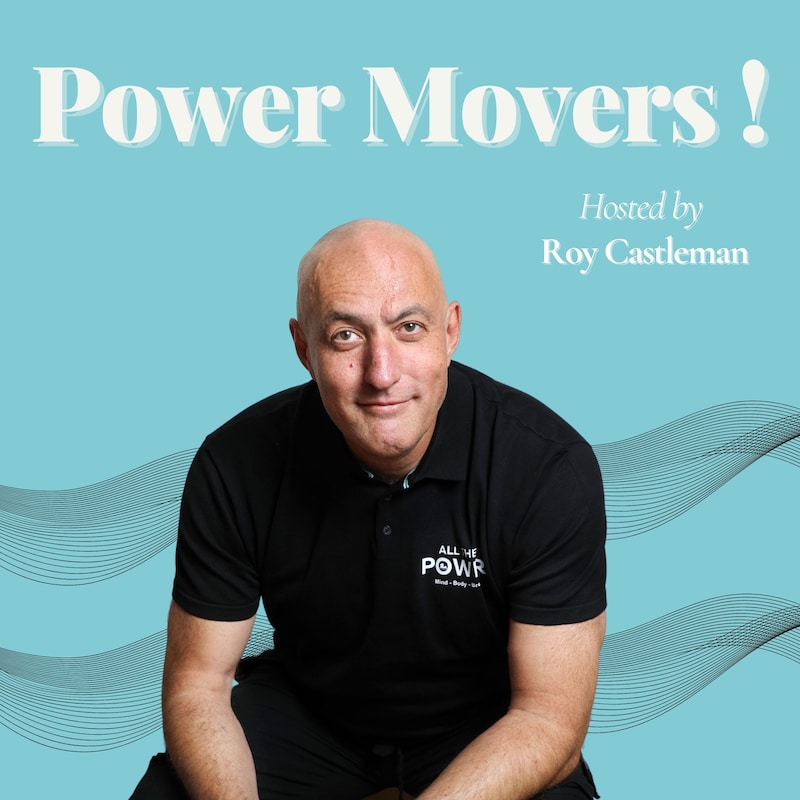
CONNECT WITH YOUR HOST, ROY CASTLEMAN
Roy is the founder of All The Power Limited and creator of Elevate360, a business coaching system for entrepreneurs ready to scale without burnout. As a certified Wim Hof Method Instructor and the UK's first certified BOS UP coach, Roy combines AI automation, wellness practices, and business operating systems to help trapped entrepreneurs reclaim their freedom.
Website: www.atpbos.com
LinkedIn: https://www.linkedin.com/in/roycastleman/
YouTube: https://www.youtube.com/@allthepowerltd
Transcripts
Hey, power movers, how are we doing? I'm here today
2
:with Lance, and Lance is a very successful business owner.
3
:He runs an architectural design company. He's in Denver and
4
:has an interesting story to tell us. So, Lance, give
5
:us. Well, welcome to the podcast. Thank you for being
6
:here. And tell us a little bit about yourself. Yeah,
7
:a lot of people ask me all the time. My
8
:moniker on LinkedIn is serial entrepreneur. My preferred pronouns are
9
:positive, reactionary, and people ask me all the time when
10
:they first meet me, after they tell me what they
11
:do, who they are and all of that. And they
12
:finally ran out of steam. And I go, how about
13
:you? What do you do? And I go, it depends
14
:on the day and time because as the moniker goes,
15
:serial entrepreneur. Sometimes I'm an architect, sometimes I'm a builder,
16
:sometimes I'm a real estate developer, Sometimes I'm a podcaster
17
:like yourself. Sometimes I'm a professor at university, sometimes I'm
18
:a professional fisherman. And sometimes I'm also a philanthropist. So
19
:I do a lot of different stuff. And then usually
20
:the next question I get is, how do you do
21
:all that stuff? So. Professional fishermen, I like that.
22
:Yeah, tell me about that. That's awesome. I tell you
23
:what. Yesterday I had a really amazing adventure. I had
24
:dated another architect at some another point in my life.
25
:And one of the fascinating things she told me, I
26
:will carry this through forever now. And I'm trying to
27
:instill that staff does this as well. For all of
28
:our clients, whether we're building for them or designing or
29
:whatever is, we should aim to get three things out
30
:of every project and it should be a friend, a
31
:photo and a fee. And so I've been really working
32
:hard on that. And yesterday I took my most favorite
33
:client. Currently his name is Robert. He's 67 years old.
34
:He moved from New York City out here to Colorado
35
:to he bought a house and in the foothills. It's
36
:just dreamy location. It looks out of the Front Range
37
:and you get this amazing panoramic view. And. And he
38
:and his wife Yumi hired us to architect and then
39
:also redo the interior and some of the exterior of
40
:their home. We're just modernizing it and that's a pretty
41
:big project. Million dollar renovation. But I've really worked really
42
:hard. I just really love that man. And I took
43
:him fishing yesterday and this isn't the first time that
44
:we've hung out outside of work. I invited him over
45
:for dinner with me and the missus within a month
46
:or two of starting their project. But yesterday he and
47
:I went on a 16 mile round trip hike. So
48
:eight miles up, eight miles down 2,000ft of elevation gain.
49
:We went from 9,000ft above sea level to 11,000ft and
50
:went to an alpine lake that I had been dreaming
51
:of ice fishing for about five or six years. It's
52
:very hard to get to super remote. We were the
53
:only people on the trail. We were the only people
54
:at the lake yesterday and he, I put him on.
55
:My goal was besides just being able to ice fish
56
:that lake and get up there is for the first
57
:time was to put him on a trophy fish because
58
:he's not like a fisherman or anything. He's definitely an
59
:outdoorsy person and he runs these amazing long like hundred
60
:kilometer races and stuff. He's in insane shape for 67.
61
:He's just incredible person. But sure enough he pulled out
62
:a giant 19 inch long alpine cutthroat fish.
63
:It's like pure red. You should see the photo. It's
64
:completely incredible. And just made my day. Made his day.
65
:I take. Send me that photo. I'm going to put
66
:it on this podcast. Oh, you should. Yeah, it should
67
:be. I think it should be like the preview. Yeah,
68
:he's just amazing. Yeah, it's a really eye catching. But
69
:yeah. So I, I have a YouTube channel called Fishing
70
:with Lance and we have a lot of sponsors for
71
:the channel. We help them sell their products. We give
72
:like podcasting. Right. And so We're Colorado's number one local
73
:subscribe to YouTube channel for fishing. We have 126,000 subscribers.
74
:I think something like that. And I don't guide professionally
75
:because I just do it through. I just get paid
76
:through promoting the other products and then from YouTube. But
77
:I take my best friends and the most people that
78
:are close to me up on these very special adventures.
79
:Yeah, that's, that's the fishing in the nuts. In a
80
:nutshell. When I'm next in Denver, I'm going to come
81
:and visit you. And you go we are fishing. Absolutely.
82
:I will take you. Right. 100 and I'll try. I'll
83
:take in an easy one. Yeah, please. My partner's daughter
84
:is in Boulder. Oh, cool. Yeah, we're right. We're right.
85
:We're actually, I say Denver because a lot of folks
86
:are like it's just a, it's a, it'd be like
87
:if I said Minneapolis for Minnesota. We actually, we're. I'm
88
:like 10 miles east of Boulder, so real close to
89
:Boulder. Yeah. Awesome. Awesome. Yeah. Lovely part of the world.
90
:And yeah. What always strikes Me, when I go there,
91
:you're at such a high elevation anyway. You do. Yeah.
92
:I can understand why the athletes go there to train.
93
:Come, come down to the sea level where it's really
94
:heavy air. That makes a big difference. Yeah, yeah. So
95
:just again, yeah, I love that. Entrepreneur. Yeah, Serial entrepreneur.
96
:It took me a while to actually accept that's what
97
:I was. Oh, really? Yeah. It's the strangest thing that
98
:always. Yeah. And it took me probably 20 years. I'd
99
:opened 20 companies in that time and the first big
100
:failure I had was an adventure center that I bought
101
:just before COVID I fought my way through that and
102
:it nearly killed me in a number of different ways.
103
:And when that failed, that was the switch in my
104
:head that said, you know what? I got up from
105
:this. I stood, I carried on. So, yeah, I'm an
106
:entrepreneur. Yeah. What does that mean to you, being an
107
:entrepreneur? Oh, it's freedom. I went fishing yesterday, it was
108
:Wednesday. Yeah, it's freedom. It's risk, it's reward. But yeah,
109
:at the core of it, it's freedom and really taking
110
:control of your own destiny. The reason why I even
111
:have my own architecture firm is because I was laid
112
:off by two schmucks in Boulder who were just awful
113
:at business and they were very short sighted in terms
114
:of I think what they were trying to build. Great
115
:designers, I would never say they were bad architects, but
116
:real awful business people, at least back then. As a
117
:matter of fact, they ended up break up Three years
118
:after I got laid off in 2009, 2012, they broke
119
:up and then we had started our firm in 2010.
120
:That's. I just never wanted to have that feeling again
121
:for myself. And then I also made sure I took
122
:the responsibility on of. That's good for you, Lance. Like
123
:you can't lay yourself off. It's your own business. You
124
:can fail, but it's not. You're not going to lay
125
:yourself off. The same thing goes for my employees. It's
126
:been 15 years, almost 16. It'll be 16 in January
127
:2026. And we haven't had one layoff. We haven't laid
128
:anybody off. And that's really good for an architecture and
129
:construction firm because it's very up and down in the
130
:United States. So yeah, that's, that's the primary reason is
131
:I'm just hyper paranoid about not having work and being
132
:able to eat and buy cool fishing stuff and support
133
:my family and my wife and all that good stuff.
134
:I think that freedom piece is so important. And yeah,
135
:this is why people get into being an entrepreneur. This
136
:is why people start on their own. And yeah, if
137
:you're not careful, your business becomes your prison. Right. Yeah.
138
:We go into it for freedom. We go into it
139
:because we really love this idea of freedom. We go
140
:from our eight or nine hour job into our 16
141
:hour job. We go from £200,000 a year salary to
142
:nothing. And we, if you don't do well at it,
143
:suddenly you realize you're in a way worse position than
144
:you were with a much, much bigger workload, more, way
145
:more responsibility. And this is 70% of business owners on
146
:your burnout. Yeah. They don't have the freedom. So what
147
:are your secrets to that? You built a very enterprise,
148
:as it were or. Yeah. So yeah. What have been
149
:the main things that you've learned from it? I used
150
:to say it was all about discipline and scheduling, but
151
:really I think at the core of it it's. It's
152
:that plus top of mind mentality. I've been trying to
153
:bring that to the forefront of if you're going to
154
:be an entrepreneur and you're going to be a successful
155
:one, especially you're going to be the head of the
156
:company or co head like I am of ours, all
157
:of them. And it's top using top of mind mentality.
158
:So if something comes to the top of your mind,
159
:I don't mean whimsical stuff. I'm saying like if my
160
:plumber calls me and says there's a problem and I
161
:talk to him and I acknowledge it, then I need
162
:to act on it like immediately. And that way it's
163
:top of mind, you're addressing it, then it's out of
164
:mind and it's in motion and you keep things flowing.
165
:There's a lot of. You're the stop gap. You are
166
:the person who keeps things flowing or not mostly. And
167
:when you're at the top of the food chain, so
168
:that's number one is I've really been trying to instill
169
:that using top of mind mentality. And it goes for
170
:personal too. Here's one that I like to tell people
171
:to do personally because it happens for a reason. I'm
172
:a believer, I'm a very much a Christian Catholic and
173
:I just believe that God is whispering, showing his fingerprints
174
:all the time in that sort of a way. And
175
:so if every once in a while what'll happen is
176
:I'll get somebody will pop into my head. It'll be
177
:somebody that I maybe haven't Talked to in 10, 20
178
:years for some reason it'll pop in my head. And
179
:I don't know how many times I've been. When they
180
:pop into my head, I send them a text, hey,
181
:just. Just reaching out. You popped into my head the
182
:other day. How are you? And they reach back and
183
:they go. Just thinking about you. Not only that, but
184
:thank you. Because I was having a really bad day.
185
:There's been. That's happened a lot. Been having a really
186
:bad day. And it was really interesting that you reached
187
:out. And then I've had it happen in my life,
188
:too, where people reach out in that certain way. Like,
189
:for instance, we had a troll on the fishing channel
190
:last week, the week before last week, just this awful
191
:person just ripping on us and all this other stuff.
192
:And then the next day, I had a fan reach
193
:out and he goes, hey, man, I've been watching you
194
:for three or four years. I really appreciate what you
195
:do. Like, you take us on these adventures and keep
196
:up the good work. And I go, oh, my God,
197
:thank you. Like, the timing of all of that was
198
:incredible. And I go, you want to go fishing sometime?
199
:And he goes, oh, my God, really? And I go,
200
:yeah. So I took him fishing, and it was the
201
:same sort of adventure I just described to you with
202
:my client Robert. Put him on these amazing fish, like
203
:kind of an adventure of a lifetime. Maybe he never
204
:would have got to that lake before. And then you
205
:make these really interesting connection. So top of mind is.
206
:Is number one, and the other one is discipline. Discipline
207
:equals freedom. And that's. I realize that's a jocko phrase,
208
:this American influencer, but it really does. And so I'm.
209
:My. My morning routine is. My kind of. My day
210
:is very structured, even though I have this sort of
211
:freedom. I don't drink, I don't smoke. I wake up.
212
:I go to bed early, 9 or 10, wake up
213
:at 4 or 5. And my routine is generally always
214
:the same. Wake up, big glass of water, start grinding
215
:the coffee, put the teapot on, getting ready for coffee.
216
:Then I go pray the rosary stretch, come back, coffee's
217
:about ready, and go to my computer. And I call
218
:those first two hours in the morning from 5 to
219
:7 or like 6 to 8 before everybody else gets
220
:up. The golden hours. And they. It's literal and metaphorical,
221
:right? Because the sun is coming up. I'm getting that
222
:circadian rhythm reset and setting, setting me up for success
223
:that day. But then also, that's actually when you come
224
:up with the golden ideas you make the most money.
225
:Where the real creative, entrepreneurial mindset comes from. And like
226
:you're sending out maybe some very. The marketing ideas that
227
:I come up with, like during that time are incredible.
228
:So those two huge factors I think in that routine
229
:are super helpful for. And then I schedule everything. I
230
:schedule fishing trips, I schedule time with my wife. It's
231
:all very organized. My family, who is like my nucleus
232
:family, like my mother, father, especially my dad, he's. He
233
:shrieks at seeing this calendar because he thinks it's anal.
234
:And I'm like. It's actually very freeing. Like I. I
235
:know exactly where I got to be and every time
236
:I'm not pulled, like, I'm in control instead of chaos
237
:being in control of me. Yeah, agreed. I love that
238
:sleep at 9 o'. Clock, I get up at 5
239
:o'. Clock. My morning routine is breath work, it's meditation,
240
:it's some pt, some. And then I get in the
241
:ice bath and yeah, I love this kind of that.
242
:That gold. Now, I think for me, I actually set
243
:my day in accordance with when I have the power
244
:in my mind to do things. So I know before
245
:11 o' clock I am way better in terms of
246
:my thinking, in terms of my creativity, in terms of
247
:actually getting things done. And after 11 o', clock, yeah,
248
:I'm lesser. So I said meeting is normally later on
249
:in the day. I think things that I can put
250
:less effort into or repetitive tasks, anything later on in
251
:the day. And yeah, I think we should all do
252
:that. I think we should actually have our energy map
253
:for the day, work out when we're better. My brother,
254
:he's a night person. Right. He's useless in the morning
255
:until midday. Yeah. And then late later, he's better. We
256
:all have these rhythms that work for us, but the
257
:other side of it. But yeah, for me, game changer
258
:when I started doing that. Yeah. So now, you know,
259
:let's dig into your business a little bit and. And
260
:not into your business. They say your journey of. You
261
:spoke about leaving and starting a company. Yeah. And I
262
:know you've taken on project on project and as these
263
:projects have gone up and grown, they've been successful in
264
:each day. How do you manage that level of different
265
:things? You said yourself before we, when we spoke, I've
266
:got all these things I'm doing and people like, how
267
:you doing all that? And for me, that's always the
268
:thing. Right. I think as entrepreneurs, we have the superpower
269
:called. Called adhd. We are. I don't. And then. Yeah.
270
:How do you manage? You've mentioned your calendar. Yeah. How
271
:do you Manage the ideas that come in. Because I'm
272
:sure if you're like me, you have probably a hundred
273
:ideas a day that are all awesome. Oh, that's a
274
:good question. Yeah, really good question. I've. I used to
275
:write them down but now I. Now we've got these
276
:just beautiful little computers in our pocket. I record myself
277
:talking a lot and then I'll actually you. My workflow
278
:is this. I will record myself talking about something, an
279
:idea, an architectural idea. Could be like how I could
280
:be a critique on a, an employee but there's an
281
:audio recording that happens. So how about this? I had
282
:a really recent example was my. I was coming down
283
:on Monday from the mountains. I was up there, sure
284
:enough checking on look conditions to see if I could
285
:go up on Wednesday and I had my business partner
286
:call me at 4:30 and we hit the record button
287
:on the iPhone now, which you can record the audio
288
:and you can also have it transcribe in real time.
289
:And so then what I'll do is I'll take that
290
:transcription and run it through ChatGPT or Grok and I
291
:will have it just bullet point it for me and
292
:condense it and then I take it from there and
293
:then I humanize it at the end. Another example of
294
:that was like we were applying for this special status
295
:with the feds here, the United States, and I had
296
:to basically recant three stories from when I was coming
297
:into the profession for whatever reason to just show qualifications.
298
:And so I told the stories to the audio in
299
:10 to 15 minutes each. And then I used a
300
:piece of software called Happy Scribe and I uploaded that
301
:to that and it transcribed it for me in writing.
302
:Then I put it into ChatGPT or Grok again, how
303
:to write a Story. And then I took it and
304
:did the final editing. So I like to sandwich, I
305
:like to use technology in the sandwich fashion where I'm
306
:with a piece of bread on either side. I'm the
307
:human and start of the loaf too. Like I'm in
308
:the end loaf pieces of a piece of a loaf
309
:of bread. So that's my workflow. I like that a
310
:lot. I love that. And I was just sharing on
311
:the previous podcast with somebody. I love the AI for
312
:a couple of reasons. I love it because I was
313
:never able to journal right. My handwriting is so bad.
314
:I should have been a doctor. And yeah, but I
315
:run around with all these ideas in my head. So
316
:in the morning I get up. Yeah, one of the
317
:first things I'll do is I'll just Do a massive
318
:brain dump into chatgpt or to. To one of the.
319
:Excuse me, one of the tools. And I'll say, I'm
320
:going to do a brain dump. I want you to
321
:help me order these things. These are my goals for
322
:the next two weeks. And, Yeah, I want you to
323
:put these things in order to make sure I get
324
:to my goals. Yeah. And I literally just blur it
325
:out there. And that just is so freeing for me
326
:because. Isn't it? Yeah, it just opens up my mind
327
:and it's just. Yeah. The new age journaling. Right. Yeah.
328
:Which people just. People are just looking at AI at
329
:the moment. And I love the US because the people
330
:that are meeting here are a bit further down the
331
:road with it. In the uk, people are still a
332
:little bit scared of it. Oh, yeah, yeah. But we
333
:seem to be a little bit further. I'm actually in
334
:Seattle at the moment. We seem to be a little
335
:bit further along the journey. And there's this elevation piece
336
:that AI does. It elevates your thinking. Yeah, I can
337
:actually think outside my brain now. Let me explain that
338
:quickly. Beforehand, what we needed to do. Yeah, yeah. We'd
339
:go to university, we'd learn a whole bunch of stuff
340
:and then we'd keep on learning. We bring the stuff
341
:into our mind, then we'd have to store the stuff
342
:in our mind. Right? Yeah. And then we'd go out
343
:and we'd create content. Yeah. So this was how we've
344
:been for so long and now we're evolving into, you
345
:know, a different way of thinking. Right. Because now we're
346
:saying, okay, I don't need to know all the stuff.
347
:Any information anywhere is now available to me. Right? Yeah.
348
:And it's available to me if I can just access
349
:it correctly. I need to know the problem, I need
350
:to know the context and I need to know where
351
:to look for the solutions. And I can now go.
352
:I've done probably seven years of work in the last
353
:six months. Right. Just because of that, I'm like, okay,
354
:this is my problem. This is what I've heard. These
355
:are the people that I like. This is the output
356
:that I'm trying to get to. I want you to
357
:be a thought partner here. I want you to be,
358
:you know, I'm going to remain the critical thinking partner.
359
:You're going to be my thought partner. I want you
360
:to tell me what things that I'm missing here. Don't
361
:be a yes man, because you are such a yes
362
:man. Right. And, yeah, just help me in my thinking
363
:here. Yeah. And you just get a totally different way
364
:of thinking. And then I can go out and I
365
:can build stuff, I can build automations, I can do
366
:stuff that I never thought possible. I'm not a visual
367
:person at all. You're a visual person. Obviously I'm not
368
:a visual person. This is a challenge that I've accepted
369
:in myself. Now I say to ChatGPT or I say
370
:to one of the other models, Rock, I like as
371
:well. Okay, I need you to help me build out
372
:this funnel. For example. I don't know anything about user
373
:design, I don't know anything about visuals. I want it
374
:to be visual for this icp, for this audience. And
375
:yeah. And I take a picture of it and say.
376
:Or take a screenshot. So this is what I've got.
377
:What do I need to do? Yeah. And it'll say,
378
:okay, what are your brand colors? What are your. And
379
:then we put those in and they say, okay, move
380
:this line here, do this and do. And literally I
381
:don't need to know the skill, I don't need to
382
:learn the skills out there for me to actually bring
383
:in. Yeah, yeah, yeah. The us is. That's an interesting
384
:perspective. I'm glad you. Thank you for just pointing out
385
:that maybe, I guess we're maybe just because we're on
386
:average more entrepreneurial and we just maybe are not afraid
387
:of it and using it as a tool. I think
388
:it's really important you don't let the tool pull you,
389
:that's for sure. I really have tried to rein it
390
:in like that. Really try to make sure that I
391
:feed it first and then I pull it back out
392
:and polish it. And I think that's the problem that
393
:a lot of people are not doing is they're either.
394
:They're not bookending it with humanism. And that's an issue
395
:100%. I think the opportunity in the next year, two
396
:years, we're going to see such a change. We're already
397
:seeing a massive change, but we're going to see an
398
:even bigger change. And you know, the change that we're
399
:going to see is that there's going to be a
400
:range of people that are going to go one way
401
:and they're going to let AI become the master and
402
:just do. AI says. And then there's a range of
403
:people that are going to get understand that what AI
404
:can do for us is it can automate those menial
405
:tasks and it can then from there we can be
406
:more human. Right. And this is our opportunity. It's not
407
:to use AI to do everything. It's to use AI
408
:to let us be more human. So I love your
409
:bookend thing. That. That's just amazing and very much what
410
:I do. AI is a 60 tool. It can do
411
:60% on the job and it'll allow you to do
412
:the job at a better output, more quality, more information
413
:in there. But it's only a 60% tool. Think of
414
:it as 100% tool, then you've lost the battle already.
415
:Yeah, 100%. So, like, for example, we do these podcasts
416
:and it used to take me, first of all, I
417
:paid someone, then it used to take me an hour
418
:and a half to get all this information up onto
419
:Captivate, which I use now. I'm like, okay, I spent
420
:probably a month doing this in and out and asking
421
:to help me building out an automation for it. So
422
:now I take the audio file from here, change the
423
:name on it, drop it in there, and it goes
424
:all the way through the process. I check that the
425
:show notes are right, I check that everything looks okay.
426
:I've got a blog at the end of it. I've
427
:got a LinkedIn, social media posts. I've got a whole
428
:range of other stuff. I use OPUS to get the
429
:clips out. And now it takes me three or four
430
:minutes rather than an hour and just run through that.
431
:So if you can use AI to actually spend more
432
:time with people and do more things with people, I
433
:think that's. Those are the people that are going to
434
:be really kind of powerful. And it's not AI that's
435
:going to take your job, it's the people that are
436
:using AI that's going to take it. Yeah, that's a
437
:really good point. I agree. Yeah, yeah. We go through
438
:and we have this as business owners, we see a
439
:problem. This is what I love about entrepreneurs, Right. And
440
:we see a problem in the world and we say,
441
:okay, we can help fix that problem. Yeah. And then
442
:we give everything we can to fix that problem. We
443
:build, we grow, we scale. And to your point of
444
:not letting people go, one of the tools I, or
445
:one of the things I do is I coach a
446
:business operating system, maybe across eos or any of those
447
:worth looking into. So there's A company called 90 and
448
:90 has a business operating system which is just. They're
449
:working on the business piece and gives a structure to
450
:working on the business. And there's people are scaling up
451
:and others. And the key piece there is people, right?
452
:Yeah. One of the key. One of the nine core
453
:competencies is people. And People are so important. And yeah,
454
:when I started out, I used to do this thing
455
:where I didn't. I'd hire a new person and I
456
:tell this new person, actually, by the way, just do
457
:this and I'll just run through it very quickly to
458
:them. And I didn't give them enough information. Then they
459
:come back to me and they haven't done it correctly.
460
:And I would say, oh, that's not right. Didn't you
461
:get it? And that the poor guy's sitting there, he's
462
:saying, yeah, I got it because I'm the boss. Yeah.
463
:And he has to say that. And so I'm really
464
:interested to understand how you deal with people and how
465
:you manage to go through all this growth, not letting
466
:anyone go. Well, we created a vertically integrated firm. I
467
:think that's number one. And then we try to survive.
468
:We try to. We've always tried to serve the 99/1%.
469
:So one of the reasons why I was laid off
470
:and one of the reasons why my business partner was
471
:laid off from the firm he was working for at
472
:the same at the time was those architects were not
473
:diversified with their workflow and their customer base
474
:and even their procurement, the means of procurement and sales.
475
:So a lot of them are just word of mouth.
476
:That was really shocking, I think, to understand is that,
477
:oh, wow, you're not even. You don't even want to
478
:think about this like a business. And it's just word
479
:of mouth. And that's how people are finding you. And
480
:they can't just go search for architect. And they also
481
:didn't want to. They had this highfalutin. We're not going
482
:to deal with the average person coming in and needing
483
:an architect, which is real. There's a lot of small
484
:business owners that we serve who open up their first
485
:coffee shop, their first dog grooming shop, stuff like that.
486
:And we try to make it happen with fees that
487
:are reasonable, but still make us 10% at least, type
488
:of thing. So there's that base layer of it, but
489
:then there's also the vertical integration. So that where that
490
:comes into play is. I'd always wanted to do a
491
:real estate development because one of my architectural heroes is
492
:Jonathan Seagal. He operates out of San Diego and he
493
:vertically integrated. When I was in college, he was. He
494
:made this course called Architect as Developer. And he was.
495
:What he was really trying to do is he was
496
:trying to go back to what the original word architect
497
:even means, which is master builder. Back in the day,
498
:that's what it was. It's like if you're an architect,
499
:then you're also like even Frank Lloyd Wright did it.
500
:If you're, you actually build, go out there and work
501
:with your hands and or at least direct the team
502
:and understand how it's built. And maybe you're even putting
503
:your own money. And then you're wearing all three hats,
504
:right? So from 2010 to 2007, during our first seven
505
:years of startup, we did do to design, build projects
506
:that laid the groundwork for us. Then formally vertically integrate
507
:and after that and then start the, the construction firm
508
:and then the real estate development firm. So for those
509
:people that might not understand the term vertically integrate, just
510
:give us the summary of that for us. I'll give
511
:you the example. The example is if you're an architect,
512
:you get the client first, then usually the drawings get
513
:handed to a builder and the builder has his own
514
:separate company and goes and builds the things. And then
515
:the other way it can work is if your client
516
:is a real estate developer and the real estate developer
517
:buys the land, then he hires you, the architect, and
518
:it gets handed off to the developer or to the
519
:builder in our case, since we own all three companies.
520
:F9 is the architecture firm. F14 is the construct builder
521
:in F12 Productions is the real estate developer. It's incestuous
522
:in that we're hiring ourselves, but all of a sudden
523
:we're getting paid three, maybe even four times depending how
524
:you, how you structure it. And so it's this ecosystem
525
:that is much more sustainable, especially if you can maintain
526
:the work. So the most precise that we don't do,
527
:we won't. We've actually only done one real estate development,
528
:but from that spawned the full fledged construction company. And
529
:what we do is we, we don't build for everybody
530
:that we architect for. We only build for a certain
531
:select amount of clients because that's all we need to
532
:do anyway to make what we want to and sustain
533
:the firm and all of that good stuff. And it
534
:extends the longevity of those projects, right? So if we're
535
:designing something for somebody that takes three months instead
536
:of us just only having cash flow for three months.
537
:And then if we, but if we end up being
538
:their builder too, all of a sudden we cash flow
539
:for another six, six months on top of that. And
540
:that's how the vertical integration can work. So you're trying
541
:to find whatever company you are. Let's say you make
542
:widgets. Can you also be the miner of the products
543
:that go into the widgets? And then can you also
544
:be the distributor of the widgets. And that's how you
545
:try to cover your bases. And. And even there's a.
546
:An example or a way to describe it, which I
547
:really love. If you're a guy that's busy wandering around
548
:in the desert, right? And you're like, you've been wandering
549
:around for a while, you got. You're really done, and
550
:you see an oasis and you walk up to the
551
:oasis and as you get to the oasis, this guy
552
:comes wandering up to you. He's like, hey, how are
553
:you doing? How can I help you? And the guy's,
554
:oh, I'd love some water. Yeah. Then as the guy
555
:standing there in the oasis, you're the business owner, you
556
:need to be thinking, what else might you want? So
557
:how else can I help you? I'd love to call
558
:my parents, I'd love to call the family people I
559
:know. I'd love somewhere to stay. I'd love a meal,
560
:I'd love. What are all the things that. That one
561
:person could possibly want from you that it could make
562
:it the best possible kind of example or best possible
563
:outcome for them? Yeah. And then even if you don't
564
:have the ability to provide all those things, obviously if
565
:you do have the ability to provide those things, have
566
:the answer where to get all those things. Because you
567
:can make commissions, you can make referral fees, you can
568
:make all sorts of things on all these different kind
569
:of approaches. Right. I think that vertical integration and that
570
:being being able to really serve your client in a
571
:way that the problem is properly solved is so important
572
:in business. Right? Yeah, 100%. Yeah. I'm not going to
573
:keep you for too much longer. Where's the future? Obviously
574
:you're living the life you love and I love that.
575
:That's the whole thing. I spent a couple of weeks
576
:ago, I was in France for a week and then
577
:before that I was in free diving in the Red
578
:Sea. And what I actually want to do is go
579
:up into your lake and do some diving in there
580
:when it's frozen, because I've done that in Finland. I
581
:do cold exposure. We went. Whoa. We went to Finland
582
:and we were free diving under the ice and wow,
583
:what a mind. That would be intense. I would. That
584
:would be amazing. I would love to see footage of
585
:that. Yeah. Yeah. I'll send you something. Yeah. And yeah,
586
:it was. It's just this. How can you push your
587
:mind and your body to those next levels? Because we
588
:are so capable of doing so much and we just
589
:limit ourselves all the time. But anyway, yeah. What are
590
:the next stages? Yeah. Well, how does long go forward?
591
:Great question. Yeah, I had thought so we're at a
592
:staff at ten right now. Eight architects, two interior designers
593
:and then Betsy architecture firm. And then Alex and I
594
:are the general contractors in the construction firm. But then
595
:also. But then our project architects and our interior designers
596
:do construction administration and we end up billing the construction
597
:firm. That's how it all works. But I had the
598
:reason I'm painting the picture for everybody is I had
599
:thought I'd wanted maybe more than 12 people at some
600
:point, at one point. And now I don't. And here's
601
:why. What I've noticed is and this is from I've
602
:tried to. One of the smartest things you can do
603
:is you can I learn from somebody else's mistakes. And
604
:I've saw my engineers, multiple firms, I think
605
:three now where it's these guys or gals will break
606
:off from this big engineering firm. And by big, that's
607
:30 or 40 people. That's pretty big in the United
608
:States. And they break away, they create their own little
609
:firm, one or two people to start out with and
610
:maybe we work with that their new firm because that's
611
:who we were used to working with them or whatever.
612
:And it's an amazing experience for the first couple years.
613
:They're fast, they're nimble, they are the opposite of the
614
:big firm. They're providing high quality customer service. They're enthusiastic
615
:about their work, they're enthusiastic about business. They're. There's an
616
:energy that everybody gravitates to because they're like a breath
617
:of fresh air. And yeah, and then I see them,
618
:everybody, then a lot of people start gravitating to them
619
:to the point where the growth is so explosive as
620
:soon as they hit the number 12 and they go
621
:past that in terms of that many people working in
622
:that company, the customer service goes from A to B
623
:and then eventually down to C and they're right back
624
:to where they started. So my learning lesson is we
625
:are a class A firm when it comes to customer
626
:service. If you go look on Google, there's nobody that
627
:has more five star ratings for either off either of
628
:our offices or Longman office or Denver office for architect
629
:in the state of Colorado. We're number one in customer
630
:service and I want to stay that way and I
631
:am a firm believer now that like in the number
632
:of 12 or less for what we do, which is
633
:boutique architecture, boutique homes, boutique multifamily developments, boutique commercial
634
:industrial buildings, small ones and I really like the pocket
635
:we're in. I'm not sure I want to do the
636
:huge stuff that's just not for us. So I think
637
:for us it's on that note then we do want
638
:to establish an office in the. And actually in the
639
:mountains so that we can get work up and Aspen
640
:and all of that. But even then it would just
641
:be a core of three people. And then maybe we're
642
:split between the two Front Range offices with four in
643
:each office, and I think we're sitting pretty good. But
644
:that's what's in the future for us is I actually
645
:want to just try to now maintain this very high
646
:level of customer service that we have established and made
647
:a name for ourselves on in Colorado. And I'm, I'm
648
:talking to people about this quite often on the AI
649
:front. They've got 10 people, they've got 15 people, they're
650
:turning over 5, 10 million, whatever it is, at that
651
:stage. And the conversation I have is, right, let's learn
652
:AI. And I know because I'm going to have to
653
:let people go. And, and I said to them, why
654
:don't you look at it this way? Now with AI,
655
:you can do 10 times the work, Right. So how
656
:do you actually automate what you're doing? Keep the human
657
:in there, let your staff work. Instead of working 10
658
:hours a day, let them work six hours a day
659
:and do 10 times more with the same stuff and
660
:bring the human into it. How can I automate the
661
:processes that need to be automated? Leave it. Rest out.
662
:I guess for architectural stuff that's a little bit different.
663
:I'm sure there's a lot of tools and things coming
664
:in at the moment that are. Yeah. Going to enable
665
:that. Does that kind of resonate 100%? Resonates, yeah, yeah,
666
:absolutely. I think there's just something about being nimble that's
667
:really important to me because you asked it. So you
668
:asked earlier too, and I, about how do you do
669
:all of these various things and do them well? We
670
:talked about top of mind, but it's also putting systems
671
:in place through software that have allowed us to. And
672
:then also creating even just a culture of Systems. Paul
673
:Akers 2Second Lean really transformed our office culture. We read
674
:it, I think six years ago now, and if people
675
:haven't read it, they should read it if they're growing
676
:businesses. He basically went to Toyota, examined them, understood how
677
:Toyota SERP was crushing American car manufacturers because they had
678
:two, two second lean processes. So they, they figured out,
679
:they go, look, if we're making this part a million
680
:times. How can we lean it by 2 seconds? It'll
681
:increase our bottom line. We can still put out a
682
:great product and that philosophy just are through line in
683
:what we do. Amazing. All right, it's been great chatting.
684
:If you were to give new entrepreneurs just one tip,
685
:what would that be? If you are. If you started
686
:your business in the Great Recession or in a downturn,
687
:keep your head up because every day is a better
688
:day. There's actually. That's actually the best time to start
689
:a business because you'll be just like me. You started
690
:it during a great Recession with zero clients, zero portfolio,
691
:and every day is better than the next. You'll never
692
:be hungrier. There's never been a diamond that hasn't been
693
:created without intense pressure. And that's what you're doing right
694
:now, is a startup entrepreneur. Amazing. Thanks very much for
695
:being on Lance. I'll put Lance's details below. We can
696
:follow his fishing channel. I'm looking forward to that. And
697
:maybe I'll come up and see you in Denver and
698
:we can go diving in the lake. There you go.
699
:Sounds great. Thanks for having me. Right. It was a
700
:pleasure.

