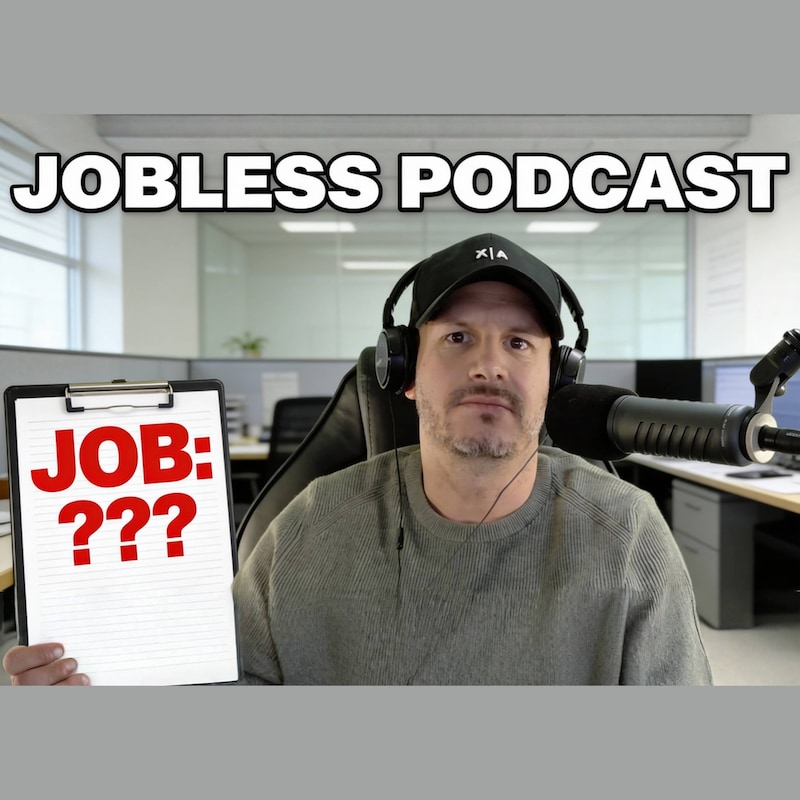
Shownotes
Most B2B podcasts don’t actually have a job.
They exist because someone, somewhere, decided the company “should have a podcast”. Not because anyone decided what it was meant to do.
I’m Neal Veglio, and in this episode of B2B Podcasting Insights, I’m asking the grown-up question almost nobody asks before they hit record...
In this episode, I break down:
- Why so many B2B podcasts quietly become jobless
- How interviews often mask a lack of strategy
- What changes inside a business when a podcast becomes operational
- A simple test to tell whether your podcast is earning its keep — or wasting attention
If you’re responsible for a B2B podcast and can’t clearly explain what should change after someone listens, this episode will help you spot the problem — and decide what to do next.
Useful links:
Visual breakdown: https://podknows.co.uk/jobless
Podcast Growth Diagnostic: https://podknows.co.uk/diagnostic
Timestamped summary
00:00 Why most B2B podcasts don’t have a job
01:20 The question nobody asks before launching
02:26 Why “brand awareness” isn’t a job
03:22 What an operational podcast actually does
05:00 How podcasts end up jobless
09:20 What changes when a podcast has a job
12:40 The disappearance test
15:40 The Podcast Growth Diagnostic
Mentioned in this episode:
Chapters
This podcast uses chapters in apps that support them.
Transcripts
Most B2B podcasts don't actually have a job. Get
Speaker:a job. Why are you just sitting here? He's completely
Speaker:useless. Go find some work. Yeah. Stop being so
Speaker:lazy. They exist because someone somewhere
Speaker:decided at some point this company should really have a
Speaker:podcast. But in most cases, nobody actually
Speaker:decided what the podcast should do.
Speaker:When a podcast doesn't have a job, it quickly becomes what
Speaker:I call pamphlet podcasting. It's kind
Speaker:of like a stakeholder within the company sitting down in front of
Speaker:a microphone and reading out company literature.
Speaker:And who wants to listen to that? Certainly not me. The
Speaker:truth is, with some podcasts, the sole
Speaker:duty is to fill space in the content
Speaker:calendar. It makes the company LinkedIn page
Speaker:look a little bit busier, but it doesn't change anything for the wider
Speaker:business. Not really. And that's what I want to talk to
Speaker:you about today. Welcome to
Speaker:B2B Podcasting Insights with Neil Velio,
Speaker:founder of PodKnows, a podcast agency helping you get better
Speaker:results from podcasting. So let's get into it.
Speaker:Why is your podcast jobless? I want
Speaker:to ask you a grown up question that nobody tends to
Speaker:answer when they start a podcast. And it's this. What
Speaker:job is this podcast actually meant to do
Speaker:for your business? Ask yourself right now. Do it
Speaker:while I'm with you. What job is this podcast
Speaker:meant to do for my business? You might be
Speaker:forgiven for asking, what on earth do you mean by a job?
Speaker:How does a podcast have a job? When I say a podcast
Speaker:needs a job, I mean it doesn't need to be something
Speaker:vague or polite. A podcast's job is not
Speaker:really brand awareness. That's a facade, not a
Speaker:function. A podcast's job is not really
Speaker:thought leadership. That's just a label that people use
Speaker:when they don't want to be specific about things. And it's
Speaker:definitely not furnishing you with more content. I mean, that's a
Speaker:given. It's content. A podcast's
Speaker:job is something operational. And a
Speaker:podcast's job looks something kind of like
Speaker:shortening sales conversations, aligning
Speaker:expectations internally within the business before someone ever
Speaker:books in to have a chat with you, pre educating
Speaker:any prospects that you might have coming in so that
Speaker:you're not starting from scratch within your sales calls.
Speaker:So really it's about building their belief in you
Speaker:before there's any direct contact.
Speaker:Here's the line I come back to time and time again when I'm talking to
Speaker:my corporate clients. If nobody inside the business
Speaker:can tell you what should happen after someone listens to your Episodes,
Speaker:then the podcast doesn't really have a job. I mean, it might well sound
Speaker:good, it might even get compliments from your regular listeners,
Speaker:but it's not doing any actual work for your business.
Speaker:And it may well have become your most overpaid,
Speaker:underdeveloped member of staff. So how do
Speaker:podcasts end up jobless?
Speaker:Well, you see, this is where things you usually go sideways when
Speaker:it comes to starting and producing
Speaker:a podcast as part of a business. First of all,
Speaker:the podcast gets handed over to the marketing team, and that's
Speaker:not really the best way of treating it. Not because it's wrong for
Speaker:marketing to be involved. Of course it is. It's a marketing tool.
Speaker:It's a marketing asset. But that's not why it's ended up with
Speaker:them. It's usually because no one else quite
Speaker:wants to take responsibility for it. They don't understand it, it's
Speaker:uncomfortable. And it also seems like a heck of a lot of
Speaker:work. Someone within the team has probably realized that
Speaker:it's gonna have to have weekly content, and they're already at breaking
Speaker:point with having to get the weekly email newsletter together.
Speaker:And nobody has time within the business to come up with more
Speaker:original content for the podcast. You know, even if it's a case of just
Speaker:uploading the content from the email newsletter into ChatGPT
Speaker:and getting it to repurpose it for reading
Speaker:on a podcast. And they probably realize even then,
Speaker:surely it's just gonna sound like someone reading out our company emails.
Speaker:Good instincts. So then what happens is it defaults
Speaker:to interviews, because interviews feel easier.
Speaker:You send an email, you ask somebody to be a guest on your show, and
Speaker:then you sit back and let someone else do all the talking, all the work,
Speaker:and it still feels productive. It fills the gap in
Speaker:your social media content marketing calendar. Oh,
Speaker:and let's not forget the KPIs. I mean, the success gets measured purely
Speaker:in downloads, because downloads are easy to understand.
Speaker:You can see them, they're a number in a dashboard.
Speaker:And so once the show is actually live, it's published to
Speaker:an RSS feed, and it's in the podcast apps. Nobody really owns
Speaker:the strategy anymore. It just plods along,
Speaker:continues aimlessly. There's a routine built around it.
Speaker:Oh yeah, we record Monday, we publish Fridays. And I want to be
Speaker:clear, not all of these podcasts are that bad. Some are
Speaker:actually really well produced, well intentioned,
Speaker:perfectly pleasant to listen to. I listen to these kinds of podcasts
Speaker:all the time. They're great for some free advice now and again, but
Speaker:they're strategically jobless. None of them shift me from being
Speaker:a casual listener once a week to being a
Speaker:paid customer. If you think about it as another staff
Speaker:member, they're kind of the person that rolls in every
Speaker:single week. Nobody really knows what they do, but they sit at their
Speaker:desk, they do stuff, and then they go home at the end.
Speaker:They're showing up to your business as required, but they're not
Speaker:anchored to a real business outcome. Now I've put together a
Speaker:visual on what it might look like when a podcast doesn't have a job
Speaker:compared with when a podcast does have a job. And you can find
Speaker:that@podnos.co.uk,
Speaker:that's podnows.co.uk
Speaker:and of course I'll put the link in the episode description for you. So
Speaker:what changes when your podcast does indeed have a job?
Speaker:Let's get into that.
Speaker:So when your podcast does have a job, this is the bit that people
Speaker:don't really expect. When a podcast has a
Speaker:clearly defined job, it behaves differently
Speaker:inside any company. It doesn't matter whether it's a small business,
Speaker:a medium sized business, or a massive corporate with
Speaker:thousands of employees, maybe around the world. You will
Speaker:start to quickly notice the benefits of having the podcast,
Speaker:which in my experience is one of the biggest challenges
Speaker:of a company running a podcast. Nobody gets
Speaker:the benefit of it. This is that thing that takes us time to
Speaker:make and then we don't really get any measurable results from it.
Speaker:Here's what it might look like. Episodes start getting
Speaker:shared internally as a form of stealth team
Speaker:building. You know, the CMO might pick up on something that
Speaker:somebody did on the podcast that was really great
Speaker:and share it around the team. Hey, listen to what
Speaker:Helen talked about on last week's episode. Well done, Helen.
Speaker:Round of applause. And that makes them feel good.
Speaker:Sales teams start to send specific links to podcast episodes
Speaker:instead of explaining things from scratch to their would be
Speaker:clients. And if you're really on fire with this thing, well
Speaker:then prospects start referencing episodes on calls without
Speaker:being prompted. You'll start to hear things like I already
Speaker:know how you guys work, so we're definitely aligned. When can
Speaker:we start? Or that episode you just put out this week
Speaker:completely answered the question I was going to ask you today. When can we start?
Speaker:You might even get someone saying to you, I feel like I'm talking to a
Speaker:celebrity. It's happened more than once with my clients. When
Speaker:you've got a podcast that's doing its job, your conversations
Speaker:don't start from building trust. It starts
Speaker:when trust is already established. And this is the key distinction,
Speaker:I think, for me, the best B2B podcasts,
Speaker:they don't just create demand, they accelerate
Speaker:decisions. Once that demand has already been met,
Speaker:they don't need to compete with other shows to convince strangers.
Speaker:They help the already interested move faster along your
Speaker:sales pipeline. And then, of course, they'll have more confidence to make
Speaker:a final decision. That's your podcast's job.
Speaker:I want to give you a test for this podcast now. Not a framework,
Speaker:not a worksheet, a test. You can do it in your
Speaker:own time. And here it is. If your podcast
Speaker:disappeared tomorrow, how would that affect the business?
Speaker:Would sales conversations suddenly get longer? Would prospects be
Speaker:a little bit harder to qualify? Would you lose a shared
Speaker:internal language for explaining what it is that you guys do
Speaker:and how you work? Or would nothing actually be
Speaker:affected at all? And if the honest answer is nothing,
Speaker:that's not a failure as such, it's just
Speaker:information. But it does confirm your podcast
Speaker:doesn't currently have a job. And that's something that you need to think about
Speaker:changing if you're going to continue with that podcast
Speaker:over the next 12 months. If you're
Speaker:responsible for a B2B podcast, whether it's your own business
Speaker:or or as part of a wider brand, and you can't
Speaker:clearly explain what is meant to change inside
Speaker:the business, that uncertainty doesn't stay
Speaker:theoretical. It shows up as longer sales
Speaker:conversations. It shows up as content that feels
Speaker:busy but inconclusive. It shows up
Speaker:as a podcast that keeps running on empty
Speaker:without ever quite earning its keep. The
Speaker:Podnos Podcast Growth Diagnostic exists to
Speaker:resolve that. Let me briefly tell you a bit more about it. It's a single
Speaker:session designed to answer one key question for you,
Speaker:and that is, is this podcast actually doing a useful
Speaker:job for our business, or is it just taking up our attention?
Speaker:By the end of the session, you'll leave knowing whether the show is
Speaker:worth doubling down on, maybe simplifying somehow, or
Speaker:rethinking altogether. And it will also help you understand what you
Speaker:can safely stop investing any more time and money in. This
Speaker:diagnostic is not about improving the podcast. I have my
Speaker:audits for that. The diagnostic is about removing the
Speaker:uncertainty so decisions get easier
Speaker:afterwards. If that's the kind of clarity you'd like to
Speaker:have before you keep publishing more episodes this this year,
Speaker:the details to book for your session will be in the
Speaker:episode description or go to
Speaker:podnose.co.uk
Speaker:diagnostic that's
Speaker:podnose.co.uk
Speaker:Diagnostic. And remember a podcast
Speaker:without a job actively wastes
Speaker:attention, yours and your listeners. And
Speaker:we all know that attention is the most expensive
Speaker:thing in a B2B business and marketing in general.
Speaker:So if you're not quite sure what job your podcast is meant to
Speaker:be doing, that's literally what I will help you untangle.
Speaker:Stop making a pamphlet podcast and start making an
Speaker:operational asset that helps move your business forward.
Speaker:Again, the link is in the episode description.


