Shownotes
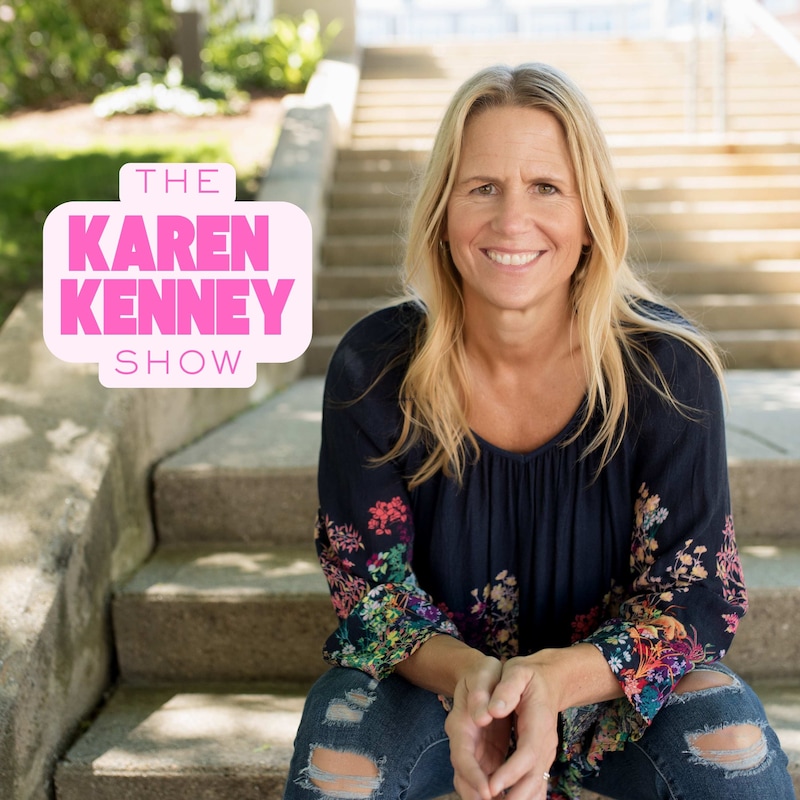
On this episode of The Karen Kenney Show, I talk about how to stop abandoning yourself.
Self abandonment shows up in lots of ways, like:
When you say yes when you mean no (like going out even though you're exhausted), or by people-pleasing, joy sucking perfectionism, and always putting yourself last.
If you’re ready to build better boundaries, deepen self-trust, and practice more self-compassion, then this episode of The Karen Kenney Show is for you. ❤️
KAREN KENNEY BIO:
Karen Kenney is a writer, speaker, podcaster, certified spiritual mentor, and coach.
She’s known for her dynamic storytelling, her sense of humor, her Boston accent, and her no-bullshit approach to spirituality, self-development, and transformational work.
Karen helps people to navigate this whole “being human” experience using a variety of resources - including practical tools, personal stories, and universal principles.
She's been a yoga teacher for 25+ years, has been a Thai Yoga Massage practitioner since 2008.
She's also a Gateless Writing Instructor, the creator of WRITE CLUB , and the host of The Karen Kenney Show podcast.
She coaches clients individually in her 1-to-1 program: THE QUEST and in her HEART-TO-HEART DAYS using Voxer. She also leads a group program and community called THE NEST.
CONNECT WITH KAREN:
Website: http://karenkenney.com/
Podcast: https://www.karenkenney.com/podcast
Facebook: https://www.facebook.com/karenkenneylive/
Instagram: https://www.instagram.com/karenkenneylive/
YouTube: https://www.youtube.com/@KarenKenney
Transcripts
Hey, you guys. Welcome to the Karen Kenney
Karen Kenney:Show. I'm so excited to be here with you today. And let's start
Karen Kenney:off with a little question or two. So, let me ask you this:
Karen Kenney:Have you ever said yes to something when, like, everything
Karen Kenney:in your body was going like, no, no, I don't really want to do
Karen Kenney:this, but out of guilt or shame or whatever weirdness is going
Karen Kenney:on inside of you, you say yes and you do the thing, okay? Or
Karen Kenney:how about, do you ever like suck it up and stuff it down like all
Karen Kenney:your feelings in order to keep the peace or not make other
Karen Kenney:people uncomfortable or to not seem like odd man out or
Karen Kenney:whatever, or do you ever just like continuously go above and
Karen Kenney:beyond, and you circus delay yourself into every kind of
Karen Kenney:position? You contort yourself, you show up for things, you do
Karen Kenney:everything for everybody else, you don't say no, you like
Karen Kenney:basically exhaust yourself in service to other people, but you
Karen Kenney:don't make your own needs a priority, because if that's the
Karen Kenney:case, you might be caught up in this self-abandoning kind of
Karen Kenney:behaviors, and I am no stranger to this myself, and I wanted to
Karen Kenney:talk to you about this, first of all, because I just think it's
Karen Kenney:important, and I think these kinds of behaviors, and I say
Karen Kenney:this kind of jokingly, but also I think there's an underlying
Karen Kenney:thing to this. This is the kind of shit that leads us to an
Karen Kenney:early grave, right? This is the kind of stuff that puts so much
Karen Kenney:stress on ourselves when we self-abandon, and we're going to
Karen Kenney:talk about this today, because of a couple of things that
Karen Kenney:happen. You know me, I love to do a little story time, story
Karen Kenney:time. So, two things happened that led me to wanting to talk
Karen Kenney:about this today, and the first thing that happened is I saw a
Karen Kenney:little story online, so I'm kind of fascinated, and I don't know
Karen Kenney:if it's because my mother was adopted as a baby, and she never
Karen Kenney:knew her mother. She never knew who her father was. She, you
Karen Kenney:know, she - her whole quote unquote, I would say, real
Karen Kenney:family. And we can, we can argue about blood relatives versus
Karen Kenney:whatever, but I mean her biological family - she didn't
Karen Kenney:know them, and this is always kind of struck me, in for
Karen Kenney:several different reasons, in several different ways. Is it
Karen Kenney:left a little ache in my heart for my mom, and I know on some
Karen Kenney:level it, it, it was distressing or bothered her too. We can get
Karen Kenney:into that another time, but just for the, for the point, I think
Karen Kenney:there's a tender, a tender spot in my heart for that. So I love
Karen Kenney:these shows when I see people getting reunited with their
Karen Kenney:family members, especially when they wanted to find each other,
Karen Kenney:right? Not like when it's awkward or weird, and then it's
Karen Kenney:like, but when people genuinely wanted to find their birth
Karen Kenney:parents or their siblings. I love that. So, it was a short
Karen Kenney:little clip, it was like three minutes long, and I saw this
Karen Kenney:story of a guy, and he's talking to the woman who runs the show,
Karen Kenney:who like finds the people and helps people reconnect, and this
Karen Kenney:one guy starts to find out that his mother is dead, that his
Karen Kenney:father is dead, but he comes to find out he has four biological
Karen Kenney:siblings that he didn't know anything about, and I assume
Karen Kenney:that he was like the first born. I'm like, okay, he must have
Karen Kenney:been the oldest, and maybe the mother or whoever gave him up
Karen Kenney:for adoption or sent him away, or whatever the thing was,
Karen Kenney:because I didn't have all the details yet. But come to find
Karen Kenney:out, here's the bottom line of this story. So, not only does
Karen Kenney:this guy find out that he had four siblings, but he finds out
Karen Kenney:that he had an older brother, and they're all biological, they
Karen Kenney:all have the same parents, so just think about what a trip
Karen Kenney:this is. So he finds out that is he has an older brother who's 10
Karen Kenney:years older than him. So apparently the mother and the
Karen Kenney:father had one kid and decided to keep this child, but then he
Karen Kenney:was the second born and he was given up.
Karen Kenney:Okay, so this is all we know at this point. He's given up, and
Karen Kenney:then he comes to find out he has two younger sisters. So, imagine
Karen Kenney:being this guy and finding out, okay, well, they chose to keep
Karen Kenney:my older brother. They went on to have two youngest siblings.
Karen Kenney:Why did they like get rid of me, and so you're watching this
Karen Kenney:story, and you find out from the host that his siblings want to
Karen Kenney:meet up with him, they want to get to know him, he's overcome
Karen Kenney:with emotion, the whole thing, like, I cry every time I watch
Karen Kenney:these things, he's like balling, right, oh my god, crying over
Karen Kenney:strangers, but that's my daily existence, so he ends up meeting
Karen Kenney:with the siblings, and it comes to find out, and I'm sure he had
Karen Kenney:so many questions about, like, why me, and there's a whole
Karen Kenney:story as to why, right? The father was in the army, and he
Karen Kenney:was gone a lot, but I guess the mother hid her pregnancy with
Karen Kenney:him, so the older brother. Never even knew that the mother was
Karen Kenney:pregnant, and supposedly, as the story goes, is she had the baby
Karen Kenney:in a public restroom somewhere, and then she took him and she
Karen Kenney:dropped him off. I don't know if it was at a fire station, but at
Karen Kenney:a public place. So he is what you considered being a
Karen Kenney:foundling. You are a baby that is given up anonymously. Nobody
Karen Kenney:knows who your parents are, and he was taken in by whoever,
Karen Kenney:like, ended up finding him or taking him into the fight of
Karen Kenney:whatever it was. So, when he's meeting with the siblings, and
Karen Kenney:the older brother says, I feel so guilty because I didn't know,
Karen Kenney:and I'm thinking, oh man, you were 10 years old, man. Your
Karen Kenney:mother could have just worn big dresses or hit her belly, or
Karen Kenney:what? Do you know? You know, and so this woman delivered this
Karen Kenney:baby, unbeknownst. And then the two young assemblings, the two
Karen Kenney:daughters, two young, you know, his sisters didn't know about
Karen Kenney:him. But when they're all talking about him, the older
Karen Kenney:brother says, "I feel really guilty. And one of the youngest
Karen Kenney:sisters just starts to cry, and she says, and when I found out
Karen Kenney:that you were a foundling, she's like, it just broke my heart,
Karen Kenney:and she started to cry, and I just kept thinking about this
Karen Kenney:idea of being a foundling. There's something that is.. I
Karen Kenney:don't know, maybe I'll write a story about it someday, but it
Karen Kenney:just really moved me, this concept of being a foundling,
Karen Kenney:and that made me think, and we're going to talk about
Karen Kenney:abandoning ourselves, but I want to set this up as to why it's on
Karen Kenney:my heart and my mind. So the very same day, and this is how
Karen Kenney:it works, right? My spiritual team always has, I always say
Karen Kenney:they have a wicked funny sense of humor. So the same day, my
Karen Kenney:sister sends me a video in, like, on Facebook in private
Karen Kenney:messages, and all she writes is maybe you are related to him
Karen Kenney:with a question mark, and I'm like, oh my god, I already
Karen Kenney:probably don't know where this is going, but the fact that she
Karen Kenney:sends me this video on the same day that I'm crying about this
Karen Kenney:guy being a foundling makes me laugh. So, in this video,
Karen Kenney:there's two - I wrote down the dialog back and forth between
Karen Kenney:these two younger brothers, so it's an older brother, I'd say
Karen Kenney:he's probably about 12, and a younger brother, I'd say he's
Karen Kenney:probably about like nine or 10 or something, and the older
Karen Kenney:brother's in the front seat, and he's looking back at the younger
Karen Kenney:brother, and the older brother says, We found you in a garbage
Karen Kenney:can, and whether you're an old assembly or a young assembly,
Karen Kenney:you might be able to relate to this, but in this scenario, I am
Karen Kenney:the youngest sibling, right? So he says, "We found you in a
Karen Kenney:garbage can, like dead serious. And the little boy in the back
Karen Kenney:seat goes, "I wasn't found in a garbage can. And then the boy in
Karen Kenney:the front seat says, "But you was adopted, and that's why you
Karen Kenney:don't look like none of us.
Karen Kenney:He says, "Somebody just left you on the front porch, and Mama
Karen Kenney:just took you in, and the little kid in the back seat goes, and
Karen Kenney:he goes, all right, just go ask, right? This is what the older
Karen Kenney:brother says, and I was just like, I was cracking up
Karen Kenney:laughing, although it wasn't that funny to me when I was a
Karen Kenney:kid, but when I was a little kid, my sister used to say to me
Karen Kenney:that I was found on the side of the road, that I was adopted,
Karen Kenney:that my mother found me on the side of the road, and they felt
Karen Kenney:bad for me, so they took me in. Then she would tell me that the
Karen Kenney:police were my real parents, that I didn't belong to this
Karen Kenney:family. The police were my parents, and they reached out to
Karen Kenney:my mother, and she felt bad for me, so she took me in, and while
Karen Kenney:you're denying it as a little, little kid, some part of you is
Karen Kenney:also like thinking, like, but is it true, it can't be true,
Karen Kenney:right? And the funny thing is, is that I have a biological
Karen Kenney:sister, my sister Kim, we have the same parents, but then I
Karen Kenney:have two half brothers, and we all have the same father, but we
Karen Kenney:have different mothers, right, except for my sister Kim and I,
Karen Kenney:we have the same exact parents, but BJ and Chris, they have the
Karen Kenney:same dad as me, but they have different mothers, right? And my
Karen Kenney:sister Chris, so it's like Kim, Chris, and BJ, they all have
Karen Kenney:what we jokingly say is like these pumpkin heads, they have
Karen Kenney:bigger heads, they have rounder heads than I do, and I have this
Karen Kenney:picture one time, of the four of us together, we were out
Karen Kenney:watching my sweetie play. This was years and years and years
Karen Kenney:ago, because my brother BJ lives in Illinois, and I like never
Karen Kenney:see him, so he was up visiting, or whatever, and we're all out
Karen Kenney:at this bar, like watching my sweetie gig, and there's a
Karen Kenney:picture of the three of us, and literally, when you see this
Karen Kenney:picture, you can just start singing that song from like
Karen Kenney:Sesame Street or Electric Company, it's just like one of
Karen Kenney:these things just doesn't belong here. One of these things just
Karen Kenney:doesn't belong. Yeah, it's me. I look different than them because
Karen Kenney:I have a lot of my mother's DNA, right? Like the adopted side of
Karen Kenney:the family DNA. It's this whole funny thing, so I start to think
Karen Kenney:about this, though, about how you know my sister told me this
Karen Kenney:story of me being abandoned as a child. I wasn't wanted by my
Karen Kenney:original family, but that I was taken in out of sympathy, or
Karen Kenney:whatever, but this idea of abandonment, of being a
Karen Kenney:foundling, like this. Stayed with me like throughout my whole
Karen Kenney:lifetime, and there have been so many times where I didn't feel
Karen Kenney:like I belonged or I didn't feel like I fit in, and that's a
Karen Kenney:story for another day, but I want to come back to this
Karen Kenney:concept of abandoning, because I think so many of us walk around
Karen Kenney:with like this wound of feeling abandoned, and whether it's
Karen Kenney:because your parents got divorced when you were a kid, or
Karen Kenney:you were adopted, or you were in the foster care system, like
Karen Kenney:literally abandoned, right, physically abandoned, or
Karen Kenney:emotionally abandoned, like your parents were not emotionally
Karen Kenney:intelligent, and they didn't know how to hold you tenderly,
Karen Kenney:they didn't know how to be compassionate, they didn't know
Karen Kenney:how to see you, and really care for you, and love you in the way
Karen Kenney:that you need it. There are ways that we are physically
Karen Kenney:abandoned, emotionally abandoned, mentally abandoned,
Karen Kenney:all of these things often because our earliest caregivers
Karen Kenney:and caretakers did not know how to love us and care for us and
Karen Kenney:nurture us and nourish us, but there's also a point where it
Karen Kenney:comes where we stop feeling right, it's not so much as
Karen Kenney:important about what the other people did growing up. It's
Karen Kenney:about the patterns that we keep perpetuating to ourselves as
Karen Kenney:adults, and I know when we think about this concept of
Karen Kenney:self-abandonment, it's like, well, what do you mean, K.K.
Karen Kenney:like I am with myself all the time, like, how can I abandon
Karen Kenney:myself? Like, I don't really get it.
Karen Kenney:But the thing is, is that when we start to do things, let me
Karen Kenney:give you an example. I'm going to give you a bunch of examples
Karen Kenney:of how we don't trust ourselves, but one of the biggest ones is
Karen Kenney:when we diminish or discount our own feelings because we think
Karen Kenney:they don't really matter, because that's kind of the
Karen Kenney:conditioning that we came up with, right. We especially, I
Karen Kenney:always say, like little mass hole kids, we like learn to suck
Karen Kenney:it up and stuff it down, right? What we wanted, what we felt,
Karen Kenney:our tender feelings, those those parts of us that were sensitive
Karen Kenney:in, you know, tender, and needed more mercy and compassion. They
Karen Kenney:were not nurtured and nourished, right? It was like, suck it up,
Karen Kenney:stuff it down, this is just how it is. I'll give you something
Karen Kenney:to cry about, stop your belly ache, and all that stuff, right?
Karen Kenney:Weren't allowed to feel our feelings. They were not welcome.
Karen Kenney:Nobody was asking us to sit down and express ourselves until,
Karen Kenney:tell them how what we thought and what we felt, right, like
Karen Kenney:that was not a big thing growing up, right, my generation, Gen X,
Karen Kenney:but also just in certain cultures, right, in Lawrence,
Karen Kenney:Mass, or Boston, wherever you grew up, right, I know a lot of
Karen Kenney:East Coast kids have had this experience, especially Northeast
Karen Kenney:Coast kids, you know, and I think about that song by Noah
Karen Kenney:Kahn, where he says, you know, like, please forgive me, I was
Karen Kenney:born in little light, or with little light, right? And I think
Karen Kenney:about that, it's like, yeah, that northeastern kind of
Karen Kenney:coldness and toughness, there's a beauty to it, don't get me
Karen Kenney:wrong, there's a beauty to our resilience and our strength and
Karen Kenney:our fortitude, our loyalty, these things, they were forged,
Karen Kenney:right, but there's also something where the sensitivity
Karen Kenney:gets lost, and we get lost to ourselves and our own needs. We
Karen Kenney:start to abandon them. So, here's some concepts, right. We
Karen Kenney:can abandon ourselves when we don't value ourselves. We can
Karen Kenney:abandon ourselves when we don't know how to comfort ourselves,
Karen Kenney:to support ourselves, to encourage ourselves. We can
Karen Kenney:abandon ourselves when we make choices that aren't actually in
Karen Kenney:our own best interest, because we become people pleasers,
Karen Kenney:because we want to serve other people, because other people's
Karen Kenney:needs have become more important than our own. So, here are some
Karen Kenney:examples. I have a list here, because I wanted to make sure I
Karen Kenney:like to make notes, just, you know, sometimes, so I can be
Karen Kenney:effective here, because I never, ever, ever want to waste your
Karen Kenney:time, and if you're listening to this, I want it to be helpful in
Karen Kenney:some way. Okay, when you don't speak up for yourself, when you
Karen Kenney:don't take a stand for yourself, when somebody is like saying
Karen Kenney:things about you that aren't true when somebody's being kind,
Karen Kenney:when somebody is, you know, just not making your needs a priority
Karen Kenney:at all in a relationship. So, when you don't ask for what you
Karen Kenney:need, when you let other people take advantage of you and your
Karen Kenney:kindness or your capacity, right? Like, some of us are able
Karen Kenney:to work long and hard hours, and so people will kind of just
Karen Kenney:start to go like, oh, she'll do it, she doesn't mind, or they'll
Karen Kenney:take care of it, because they always do it, because a pattern
Karen Kenney:has been established, right. So, when we let other people take
Karen Kenney:advantage of us, when we don't enforce healthy boundaries, good
Karen Kenney:boundaries, learning to say no, when we don't ask for what we
Karen Kenney:need, that not speaking up for ourselves is one of the ways
Karen Kenney:that we can abandon ourselves when we suppress our own
Karen Kenney:feelings, when we like suck it up and stuff it down, when we
Karen Kenney:don't allow ourselves to feel the uncomfortable feelings, or
Karen Kenney:the ones that we label bad, like anger or rage, or whatever. I
Karen Kenney:never want you to be inflicting that stuff on other people,
Karen Kenney:right, but to. Able to have a safe place to express our
Karen Kenney:feelings when we push them away, and we don't allow ourselves,
Karen Kenney:when we deny ourselves to, as I say, taste the rainbow of your
Karen Kenney:full emotional experience, right?
Karen Kenney:When we, you know, start to do like the drinking and the
Karen Kenney:drugging at extreme levels and stuff like that, when we start
Karen Kenney:to alter our mood out officially, because we don't
Karen Kenney:know how to express ourselves or take care of ourselves. When we
Karen Kenney:avoid feeling big feelings, all of these things are ways that we
Karen Kenney:can abandon ourselves when we don't acknowledge that our needs
Karen Kenney:matter too. Now I'm not saying you have to put yourself first
Karen Kenney:all the time. There are just times in relationships where
Karen Kenney:it's a give and take, but when you don't recognize that your
Karen Kenney:needs matter, that they're valid, that you're allowed to
Karen Kenney:have them. When you don't take good care of yourself, when
Karen Kenney:you're constantly maybe feeling not just that like you don't
Karen Kenney:deserve it, that you don't feel like you are worthy of self care
Karen Kenney:and caring for yourself and putting your needs first. These
Karen Kenney:are all signs, sometimes, of like maybe abandoning ourselves
Karen Kenney:when we do things. So, in the nest, we were just talking about
Karen Kenney:the big three, our core values, and how important our values are
Karen Kenney:when we find ourselves start to agreeing to things or doing
Karen Kenney:things that are not in alignment with our own values, when we do
Karen Kenney:things to please other people, but end up kind of injuring
Karen Kenney:ourselves. If it's going against your true beliefs and the things
Karen Kenney:that matter to you, that's a form of self abandonment. The
Karen Kenney:people pleasing we know about, right? That's when we just,
Karen Kenney:like, we're always trying to, like, seek validation outside of
Karen Kenney:ourselves, and we want to be good, and we want the reward of
Karen Kenney:them, like giving us attention, or whatever. It's like you, when
Karen Kenney:you, when you give up your own self interest, like to please
Karen Kenney:other people, that's a red flag. We want to look at that.
Karen Kenney:Sometimes perfectionism is a way that we abandon ourselves,
Karen Kenney:because we don't allow ourselves to be human, we don't allow
Karen Kenney:ourselves to have to have flaws, or we don't allow ourselves to
Karen Kenney:sometimes have character defects, and when we have those
Karen Kenney:character defects, of course, we want to work on them and stuff,
Karen Kenney:but you do not have to be perfect, it's not realistic, and
Karen Kenney:it sucks the joy out of life, and if we don't allow ourselves
Karen Kenney:to feel worthy, unless we're accomplishing certain things,
Karen Kenney:right, that can be a way of self-abandoning,
Karen Kenney:self-abandoning. When you put, I did an episode one time called A
Karen Kenney:You, a high ba jumper, where you don't ever let yourself see
Karen Kenney:yourself for what you've actually already done or
Karen Kenney:accomplished, when you set these really high expectations for
Karen Kenney:yourself, where you can never actually meet your own level of
Karen Kenney:expectation, so that's kind of that's not soothing, when you're
Karen Kenney:a wicked hat on yourselves, when you're wicked self-critical,
Karen Kenney:when you're highly over, like, judgmental, when you tear
Karen Kenney:yourself down, when you say what's self-deprecating things
Karen Kenney:to yourself constantly, like as a joke. When you say mean things
Karen Kenney:to yourself, when you don't ever just acknowledge yourself and
Karen Kenney:love yourself, and you abandon parts of yourself, right? Like,
Karen Kenney:we have these younger parts of ourselves that just want to know
Karen Kenney:that we made it, that we're now in our 30s, 40s, 50s. We
Karen Kenney:survived it. We're doing well. We have friends, we have people
Karen Kenney:who love us. We have these younger parts of ourselves that
Karen Kenney:have been burdened, they've been exiled. Right, it's just like
Karen Kenney:you are not allowed to show up here, you and your old stories,
Karen Kenney:and your pain, and your trauma, and your suffering. We just like
Karen Kenney:stuff it down into this corner until some illness, some
Karen Kenney:therapy, or some coaching, or mentoring, right? Like, happens
Karen Kenney:where we're allowed to let those exiled parts of ourselves have a
Karen Kenney:voice, but up until that, we can really self-abandon a lot of
Karen Kenney:different parts of ourselves, and we don't trust ourselves.
Karen Kenney:That's another form of self-abandonment, when we
Karen Kenney:overthink and we second guess everything, and we ruminate, and
Karen Kenney:we let other people tell us how we should live our lives, and we
Karen Kenney:ask them to make the decisions for us, because we don't trust
Karen Kenney:ourselves when we give away our own power, and when we assume
Karen Kenney:other people, everybody from your friends, your siblings,
Karen Kenney:your parents, doctors, whoever, right men, people outside of
Karen Kenney:you, you give them the authority, and you think that
Karen Kenney:they know what's better for you than you do. That's a way that
Karen Kenney:we self-abandon our own brilliance and our own
Karen Kenney:intuition, and stuff like that. And, like, sometimes we can hide
Karen Kenney:parts of ourselves. We start to feel like this is why I always
Karen Kenney:say, in the nest, like, all parts of you are welcome here.
Karen Kenney:You don't have to show up perfect. You don't have to show
Karen Kenney:up as a know-it-all. You don't have to show up like not having
Karen Kenney:any history or flaws. It's like all of your parts are welcome,
Karen Kenney:right? And when we feel like that's not true, we will hide
Karen Kenney:aspects of ourselves, and a lot of times, you know, I just want
Karen Kenney:you to hear this. Even though, as adults, we might still be
Karen Kenney:grappling with this, a lot of this behavior stuff. In
Karen Kenney:childhood, it starts when our parents, again, they didn't meet
Karen Kenney:our emotional needs, our mental needs, our physical needs. We
Karen Kenney:felt abandoned, and we learned, we learned at a young age that
Karen Kenney:we didn't feel worthy, we didn't feel lovable. And so then our
Karen Kenney:actions over time start to be a representation of the beliefs
Karen Kenney:that we have, and this is how we kind of create identity and all
Karen Kenney:this other stuff, because we tend to repeat the things that
Karen Kenney:we learned in childhood. This is why I often say that, as a
Karen Kenney:mentor and a coach, like, yeah, I work with adults, but really
Karen Kenney:I'm just working with little kids in adult bodies, because
Karen Kenney:we're just basically repeatedly repeating the patterns, and
Karen Kenney:sometimes those patterns turn out to be the relationships that
Karen Kenney:we also choose, right, because they're mimicking like what we
Karen Kenney:knew when we were little kids, and as we get older, it's like
Karen Kenney:we start to just do the things that other people did to us, but
Karen Kenney:we just start doing it to ourselves, we take on that role,
Karen Kenney:and it's a learned behavior, and this is wicked good news,
Karen Kenney:because anything that we learn we can also unlearn, because the
Karen Kenney:brain has neuroplasticity, and we can put like new neural
Karen Kenney:networks in place through repetition, through kindness,
Karen Kenney:and compassion repeatedly over time, right? So all those times
Karen Kenney:when we like make fun of ourselves, or ridicule, ridicule
Karen Kenney:ourselves, or put ourselves down, or we become chameleons. I
Karen Kenney:was a fantastic chameleon when I was younger. I could, like,
Karen Kenney:again start to slay myself into whatever I needed to be in
Karen Kenney:whatever situation, and I'm not saying that that sometimes isn't
Karen Kenney:a skill set that is beneficial, right? But we don't want to
Karen Kenney:abandon the truth of who we really are, and I'll often say,
Karen Kenney:what you see is what you get with me. You might see me on
Karen Kenney:stage, that's still me, or you might see me on a podcast, or
Karen Kenney:doing something. I'm like, that's still me. It's just my
Karen Kenney:personality is dialed up a little bit louder, or bigger, or
Karen Kenney:whatever, but the core of it is still me. I'm not interested in
Karen Kenney:circus laying myself or being a chameleon anymore. I like, I
Karen Kenney:know that there are times, like I talk about it, like with
Karen Kenney:swearing a lot, right? Like, I'm not gonna probably get in front
Karen Kenney:of your grandma and start dropping F bombs all the time,
Karen Kenney:you know? I try to be respectful, I'm not an idiot,
Karen Kenney:hashtag evolved mass hole, but if I'm just with like people in
Karen Kenney:my PS, I'm gonna be who I am. Do you know what I mean?
Karen Kenney:I try to like hashtag read the room, you know what I mean, but
Karen Kenney:we want to break out these out of these ideas that we aren't
Karen Kenney:deserving of love and compassion, because it can be
Karen Kenney:self-destructive, and it can contribute to all kinds of
Karen Kenney:things, like low self-esteem, right, not feeling like we're
Karen Kenney:enough, for some people it can, it can cause, or it contribute,
Karen Kenney:that's a better way to say, contribute to anxiety or
Karen Kenney:depression, or being choosing partners, or friendships, or
Karen Kenney:relationships, or jobs, or gigs that are just not in alignment,
Karen Kenney:and so it's not helpful to do the self-abandoning thing
Karen Kenney:anymore. So we're going to talk about, let's talk about some of
Karen Kenney:the ways that we can stop doing this, and I'm going to make
Karen Kenney:these pretty brief, right, but we start by starting to have a
Karen Kenney:better relationship with ourselves. And when I think
Karen Kenney:about what a relationship really needs, it needs trust, right? It
Karen Kenney:needs trust, it needs love, it needs compassion and kindness.
Karen Kenney:There needs to be room to grow, there needs to be room to make
Karen Kenney:mistakes, right, all the things that we might naturally extend
Karen Kenney:to other people, the freedom to express yourself, the freedom to
Karen Kenney:be who you are. You know, you got to start showing up for
Karen Kenney:yourself, and it's like, how do I do that? Like, one day at a
Karen Kenney:time, man, like, pick one thing, it might be you start to pay
Karen Kenney:attention to how you talk to yourself, and you're like, "Wow,
Karen Kenney:I'm really hashed towards myself, I don't want to do that
Karen Kenney:anymore, right? So you catch yourself, you allow yourself to
Karen Kenney:have feelings, and you allow yourself to have needs. It's not
Karen Kenney:selfish, it's not selfish for you to have feelings and needs.
Karen Kenney:It doesn't mean the whole world has to stop and fulfill those
Karen Kenney:needs, that they now become like, oh, well, let me, let me
Karen Kenney:wait on you hand and foot, right? No, it's like everything
Karen Kenney:with balance, everything with reason, like you know, be I'm
Karen Kenney:like be a reasonable adult and think about this, but you want
Karen Kenney:to listen to your feelings, you want to acknowledge that you
Karen Kenney:have them, then you want to try to meet them in a healthier and
Karen Kenney:happier way. All right, so just identify your feelings when
Karen Kenney:they're happening throughout the day. Oh, I noticed that I'm
Karen Kenney:feeling sad, I'm feeling excited, I'm feeling anxious. I
Karen Kenney:like anxious is visiting me, as I like to say sometimes. Right?
Karen Kenney:Treat yourself with compassion. Oh my god, please don't be so
Karen Kenney:hot on yourself. Everybody, everybody deserves to be seen
Karen Kenney:and heard, to be met with great care, to be met with, you know,
Karen Kenney:comfort when they're suffering. Just be kind to yourself, do
Karen Kenney:your best to do that. Don't judge or criticize yourself so
Karen Kenney:much. I wrote these down for myself. We weren't taught a lot
Karen Kenney:of times self-compassion. We were taught compassion for other
Karen Kenney:people, we were sometimes taught compassion for animals, but we
Karen Kenney:aren't, weren't a lot of times taught compassion towards
Karen Kenney:ourselves. Of except if you watched mr. Rogers and if you
Karen Kenney:watched Bob Ross, some of my heroes. So, here's the thing: we
Karen Kenney:want to, we want to be kind to ourselves and allow yourself to
Karen Kenney:be who you are, flaws and all, as they say, warts and all. You
Karen Kenney:get to be a full picture of a person, not like your mistakes
Karen Kenney:are not the total sum of you, so you get to be flawed, you get to
Karen Kenney:make mistakes, you get to make amends, you get to apologize,
Karen Kenney:you get to grow, and you get to be better, right? But don't be
Karen Kenney:beating yourself up all the time, okay? It's really
Karen Kenney:important. So, here's the thing: we got to be paying attention,
Karen Kenney:notice when we're struggling, notice when we need help, notice
Karen Kenney:our feelings, notice our bodily sensations. We got to stop
Karen Kenney:numbing things out and sucking them up and stuffing them down,
Karen Kenney:right? So start to notice these things. Be kind to yourself.
Karen Kenney:Recognize that everybody suffers, and you're one of them,
Karen Kenney:right? So you get to be kind and extend the compassion that you
Karen Kenney:would naturally extend towards others, also towards yourself.
Karen Kenney:Okay, learning how to have more self love and self trust.
Karen Kenney:Here's one of the big ones: having healthy boundaries, not
Karen Kenney:saying yes when you mean no, not doing things out of guilt and
Karen Kenney:shame and blame, doing them because you really want to do
Karen Kenney:them. So, not showing up out of resentment. You're going to get
Karen Kenney:there, you're going to do the thing you didn't want to do, and
Karen Kenney:then you're going to resent it, and then you're going to be
Karen Kenney:like, I abandon my own self, I abandon my own needs once again,
Karen Kenney:and I know we can be afraid, especially if you've been a
Karen Kenney:people pleaser for a wicked long time. We can be afraid to say no
Karen Kenney:to people or to offend them, or we're afraid, like, oh my god,
Karen Kenney:if why, if I do this, they're not going to love me anymore. So
Karen Kenney:we become a little doormatty, we kind of let people like walk all
Karen Kenney:over you a little bit. We don't want to do that. Other people's
Karen Kenney:needs matter too, but they don't have to be more important than
Karen Kenney:yours. We get to consider all paths. We get to say, like,
Karen Kenney:yeah, I'm willing to do this, but not on Wednesday. I'm able
Karen Kenney:to do it on Thursday. You don't have to keep abandoning yourself
Karen Kenney:to make other people happy, and if other people are going to
Karen Kenney:leave you or dump you or not want to be friends with you,
Karen Kenney:because you put some healthy boundaries in place, that's a
Karen Kenney:really good red flag, because you start to realize, oh, it was
Karen Kenney:only a good relationship for them when I kowtowed and did
Karen Kenney:everything for them and allowed them to take advantage of me,
Karen Kenney:and usually when you put a boundary in place with a person
Karen Kenney:who has been benefiting from your lack of boundaries, they
Karen Kenney:will not like it, and they'll be like, "You've changed your
Karen Kenney:moment. Yep, I have changed, because I'm having more
Karen Kenney:self-love and self-trust, and showing up for yourself,
Karen Kenney:prioritizing your needs, not saying you just, you know, make
Karen Kenney:yourself number one and become incredibly selfish and arrogant
Karen Kenney:and all that. I'm not saying that balance people, nuance,
Karen Kenney:nuance, here, you know what I mean. Use your smarty pants
Karen Kenney:brain, right? But can you comfort yourself? Can you take
Karen Kenney:good care of yourself? Can you stop abandoning those younger
Karen Kenney:parts of yourself, those parts that you've exiled, and give
Karen Kenney:them a voice, and give them a good listen. These are all of
Karen Kenney:the little ways that we can stop abandoning ourselves. We don't
Karen Kenney:want to pick up where people earlier in our life, like, left
Karen Kenney:off, right? And maybe you had, you know, your family again,
Karen Kenney:your father didn't show up when he was supposed to pick you up
Karen Kenney:for visitations when you're in a two, you know, divorced family,
Karen Kenney:or whatever. Maybe people let you down, maybe you again. We
Karen Kenney:get conditioned at a young age, but this is such an important
Karen Kenney:thing. I've always kind of loved this little quote: become the
Karen Kenney:adult that you needed when you were a child, and self-parent.
Karen Kenney:This is about re-parenting yourself and really learning
Karen Kenney:that you matter, what you feel matters, what you think matters,
Karen Kenney:your experience matters, and we want to stop abandoning
Karen Kenney:ourselves. You, like I always say, like foundlings, like let's
Karen Kenney:refined ourselves and let's take extra good care of ourselves,
Karen Kenney:going back to the beginning, right? I have a soft spot in my
Karen Kenney:heart for foundlings who, you know, get, get, get, get found.
Karen Kenney:First of all, and then are taking good care and go on to
Karen Kenney:lead beautiful lives. So, it's not too late for us. I always
Karen Kenney:say, if I'm above ground and I'm still conscious and I'm still
Karen Kenney:breathing, there's an opportunity for me to grow and
Karen Kenney:change and get better at loving myself and loving others and
Karen Kenney:loving the animals and stuff. So, don't give up on us yet,
Karen Kenney:guys. We're still in the fight, we're still in the race. So I
Karen Kenney:hope this was helpful to you in some way. I hope you have a
Karen Kenney:fantastic rest of your day. Thank you for listening. And you
Karen Kenney:guys, I have so many cool things going on right now. I'm doing a
Karen Kenney:three part series of it's called Podcast Summer School. I'm doing
Karen Kenney:it with Emily Aborn. It's happening in Concord at the 11th
Karen Kenney:letter. We're doing a workshop in June, July, and August, all
Karen Kenney:about starting a podcast.
Karen Kenney:And then the next one is about growing your podcast, and the
Karen Kenney:next one is about, do you want to be a better podcast guest and
Karen Kenney:host? I'm wicked excited. And, of course, we have Right Club
Karen Kenney:coming back also in June. It's Saturday. June, I think it's the
Karen Kenney:27th from one to 4pm That's also happening at the 11th Letter
Karen Kenney:Writing Gallery in Conchid. But if you want to find out about
Karen Kenney:all these things and get the podcast sent to you directly
Karen Kenney:into your inbox every Thursday morning, then you just go online
Karen Kenney:to Karen kenney.com/sign up one word, and you can get on my list
Karen Kenney:and find out when all the shenanigans are happening. All
Karen Kenney:the events you can find pretty much online, the Pad Podcast
Karen Kenney:Summer Series. If you want that direct link to sign up, just
Karen Kenney:shoot me an email or go to the contact page on my website,
Karen Kenney:Karen kenney.com/contact You'll find it all. I'm really easy to
Karen Kenney:find. Shoot me a message, send me a DM online, and I will get
Karen Kenney:you the link or links, all right. Thank you so much for
Karen Kenney:tuning in. Wherever you go, may you leave the animals and
Karen Kenney:yourself and the people around you and the planet and the
Karen Kenney:environment better than how you found it. Wherever you go, may
Karen Kenney:your energy, your love, your presence, and your good care
Karen Kenney:towards yourself. You're no longer abandoning yourself. That
Karen Kenney:energy you show up with when you are acting in that way, in a
Karen Kenney:loving way, towards yourself. May all of that be a blessing.
Karen Kenney:Bye bye.



