Shownotes
📺 Watch & Subscribe on YouTube
Ever wish you could find more joy—rather than stress—in building a business or podcast, even when the obstacles keep coming? Let’s get real about what it actually takes to grow, adapt, and stay inspired.
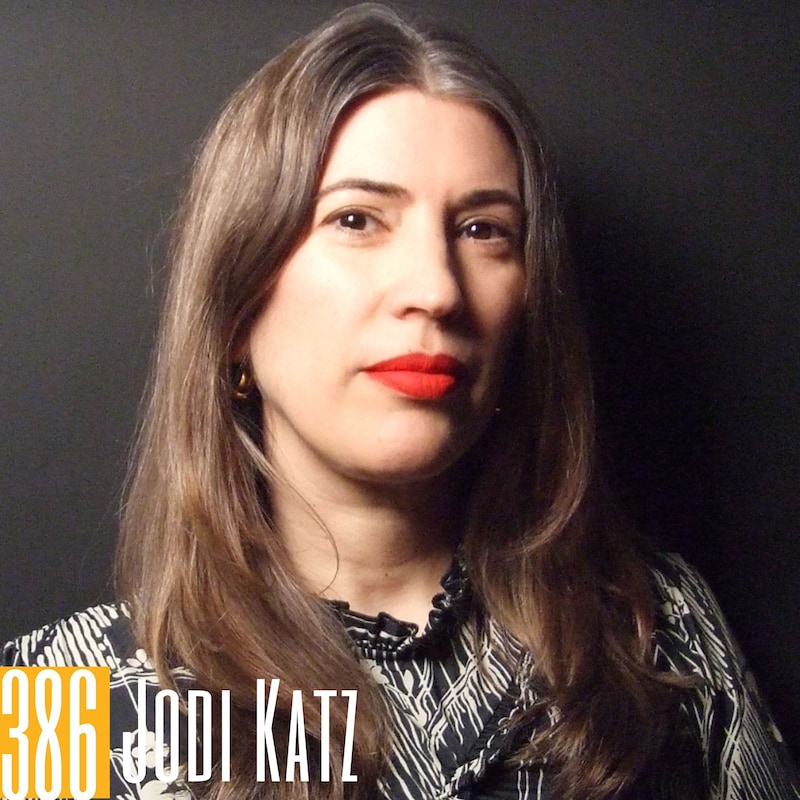
In this episode, host Harry Duran welcomes Jodi Katz, founder of Base Beauty and host of the “Where Brains Meet Beauty” podcast. Jodi is a pioneering creative force in the beauty, wellness, and personal care industries, and her show is a staple for candid, career-focused conversations with the people shaping the beauty world.
The main focus of the episode centers on how staying agile and being willing to pivot are essential skills for longevity as a business owner and podcast host. Jodi opens up about her nearly two decades of leading an agency, the evolution of her podcast through in-person, virtual, and live audience formats, and the “therapy” she gets from deep, honest conversations that serve both herself and her listeners.
Beyond that, Harry and Jodi dive into the nuts and bolts of running a creative agency, the rise of influencer marketing, how to build meaningful industry connections without traditional networking, and the real anxieties that come with leadership—plus her strategies for staying well, centered, and resilient behind the scenes. You’ll also hear her thoughts on why vulnerability and measured confidence matter more than ever.
Ready to feel seen, inspired, and entertained by honest stories from the trenches of entrepreneurship and podcasting? Listen now and hear strategies you can use to boost your own creativity and find more joy in the journey!
Episode Sponsor
FullCast – https://fullcast.co/
Key Takeaways
Embrace Change and Agility in Business
Jodi Katz emphasizes the absolute necessity of being able to pivot and remain agile. Staying ahead of the trends and proactively evolving your processes, services, and expertise is vital—if you sit still, your business becomes stagnant.
Build a Podcast Format That Works For You
The evolution of Jodi Katz's podcast—from remote recordings, to studio sessions, to live "listening party" events—demonstrates the value of experimenting with formats. Find the setup that brings you joy, engages your audience, and matches your strengths.
Leverage Your Podcast as a Relationship and Learning Tool
Jodi Katz uses her show as “free business coaching and free therapy,” focusing on genuine, one-on-one conversations. Use your platform not just to educate others, but to learn, build connections, and grow yourself.
Know Your Audience and Target Guests Beyond the Usual Suspects
From the outset, Jodi Katz chose to spotlight not just celebrities and figureheads but also behind-the-scenes experts and lesser-known industry contributors. This approach gives voice to a wider community and builds more authentic relationships.
Prioritize Preparation and Self-Care for High-Performance Days
When hosting back-to-back live podcast recordings, Jodi Katz recommends explicit self-care strategies: prep healthy snacks and drinks, hydrate, get solid rest, and build in reset moments between sessions. This prevents burnout and keeps your energy consistent for both yourself and your audience.
Tweetable Quotes
"We build belief systems for our clients so that this community of fans has something to grab on to. They're part of the culture too. We do that with value and velocity, because everything has to happen so fast."
"In my podcast, I get to be me. I am just myself. The way I am with you is the way I am at CVS, and I just want to be me in my day job too."
"My superpower is listening so closely that it makes the conversation feel complete. I want to make sure that my listeners close the loop, that the questions inspired get answers."
Resources Mentioned
Instagram - https://www.instagram.com/basebeautycreativeagency/?hl=en
LinkedIn - https://www.linkedin.com/in/jodi-katz-7526933/
Podcast Junkies Website: podcastjunkies.com
Podcast Junkies YouTube: https://www.youtube.com/c/Podcastjunkies/
Podcast Junkies Facebook Group: https://www.facebook.com/groups/podcastjunkiesjunkies/
Podcast Junkies Facebook: https://www.facebook.com/podcastjunkies
Podcast Junkies Twitter: https://twitter.com/podcast_junkies
Podcast Junkies LinkedIn: https://www.linkedin.com/company/podcastjunkies
The Podosphere: https://www.thepodosphere.com/
Podcast Index, Value4Value & NewPodcastApps: https://podcastindex.org/
🎙️🎙️🎙️
Podcast Production & Marketing by FullCast
Discover the best podcast services in the world at The Podosphere: https://www.thepodosphere.com/
Transcripts
1
::So what's essential in this business and what hasn't changed since day
2
::one for me is like, we need to be able to pivot. We need to
3
::be agile and nimble, and we are. Like, we keep evolving
4
::the way that we do our work from the process, the types of
5
::work that we do, the services we offer, the type of experts
6
::that we need. Because if we sit still, we're dead, right?
7
::Like, that's the truth. But if we evolve with the
8
::times and try to stay ahead of what's coming next, then we're going to be
9
::able to deliver that service to the client that they're looking
10
::for.
11
::Welcome back to Podcast Junkies. Today I'm joined by Jodi Katz. She's the founder of
12
::Base Beauty and the host of Where Brains Meet Beauty. It's a long-running niche
13
::podcast built around conversations, candid conversations, career
14
::journeys, and the people shaping the beauty industry. And Jodi, you've
15
::created a show with a really clear point of view and a strong sense of
16
::community. So I'm really, really excited to dig into how it started, how you
17
::positioned it and what it's taken to sustain it over the long haul. So welcome.
18
::Thank you so much. This is so fun to be here. So you've built a
19
::really distinctive show with Where Brains Meet Beauty, and it feels like
20
::something that's rooted in maybe your career journeys, the people you've spoken
21
::to, honest conversations. And I get the sense you're building up this sense of
22
::community. So I'd love to start at the beginning. What was happening in your
23
::world when the idea for this podcast first came to you? What made it feel
24
::like it was a conversation worth creating? I love answering a question
25
::like this because it was not my idea. The show was actually
26
::the idea of my business coach who I had just started working with like
27
::2 months beforehand. And this was about 10 years ago at
28
::this point. And he was teaching me like the
29
::basics of like leading a business. And I've had my business now for
30
::19 years. So this was not day 1, right? I was already had a
31
::business and I just kind of felt stuck in it. So I hired a coach
32
::and he would try to be teaching me and telling me to like go to
33
::all these networking events. And I'm like, Alan, I don't want to go to a
34
::Fashion Week party. Please don't make me stand at the bar and try to fight
35
::for conversation. Like, I just want to go home after the workday, put my
36
::PJs on and watch The Real Housewives. And I
37
::told him I'm just not that great in groups. Like, I
38
::don't know how to navigate, like, getting like part of the
39
::conversation when there's a lot of voices. But I told him I was really good
40
::one-on-one. So he took that note back
41
::with him and he woke up the next morning and he called me and he
42
::said, Jodi, you should start a podcast. And I would, I said, Alan, why would
43
::I do that? He said, because you'll get to talk to people one-on-one. Yeah. And
44
::I believed him. So my team and I Googled how to make a podcast
45
::and that was, you know, 9 years ago and 300+ episodes
46
::later, I've gotten the chance to use the show
47
::selfishly as free business coaching and
48
::free therapy because we talk about real-world
49
::stuff. Like, we are not robots in this business, right? We're all human
50
::beings. We might have kids and dogs and cats and, you know, other things to
51
::do and be focused on outside of work. And I really
52
::need other human beings helping me navigate my life. So
53
::I have it for selfish reasons, but I do get great feedback from our listeners
54
::that these lessons and wisdom or applicable to their world as well. I love
55
::that story and it's something that I harp on. Obviously we, you know, started
56
::roughly around the same time. This show's been going on 11 years. I call
57
::podcast your virtual stage, which I love because it's like you decide
58
::yourself. You don't have to wait for opportunities to be on other people's stages. You
59
::can decide how you wanna build those relationships. And for me it was in the
60
::podcasting space 'cause I came in with zero visibility, but I quickly
61
::realized in those early days there was only Skype and call recorder,
62
::so there was no, I could get the video, but I couldn't record it. But
63
::I, I knew from day one that I wanted a video. I said, if I'm
64
::gonna spend an hour with this person, I want them to see my face. I
65
::want them, I wanna build this relationship. And then I'd go to like Podcast Movement
66
::and they'd be like, hey Harry, like thanks for that chat. It was really nice.
67
::And I'm sure it's some, an experience you've had as well. Well, we've had so
68
::many formats through the years as the technology has advanced like you. So in the
69
::early days it was, I don't know, a Zoom-like thing. I don't remember what
70
::it was called. And then we made the move to doing
71
::live recordings, like face-to-face in a room together, which I love
72
::so much. So we would rent some spaces and
73
::studios in New York, and when that became like cost prohibitive, 'cause it, it
74
::really adds up, we realized that in our WeWork there was a
75
::room that we could use as a, a recording studio. So we used that for
76
::a while. Then we, when we built out the office that we're in currently, we
77
::built out a studio within the office so we have a place to do it.
78
::There. And of course, during COVID we had to, you know, move to online.
79
::But the face-to-face experience has been so
80
::meaningful for me that we actually made the decision last year to move all of
81
::our recordings to not just live with the guests, but actually
82
::in front of an audience. So we record all of our episodes at what we
83
::call listening parties, and we invite industry friends
84
::to sit in the audience and watch the show get made. That sounds like a
85
::lot of fun. And a lot of different pivots in terms of the
86
::formatting. And I know that you have our opening question that says, "What'd you want
87
::to be when you grew up?" So, that's such a great entry point. What made
88
::that feel like something that would be like, like an icebreaker or the right way
89
::into a conversation? Thanks for noticing that. It's actually become quite
90
::fun to track these. We started this during COVID because we had been in
91
::person with our guests for many years at that point. Then we had to be
92
::virtual. And given that this is a career journey show, it just
93
::became obvious that like we all think about like, you know, our careers very,
94
::very early in our our lives, right? We have these dreams. I want to be
95
::an astronaut. I want to be a dancer. I want to be a soccer player.
96
::And I just asked it on a whim without any, like, actually planning or
97
::deep thought about it the first time. And like, oh my God, like, there's something
98
::here. So we've been doing this probably for, at this point, half the
99
::life of the show. And it's fascinating
100
::because a lot of times our guests will say, you know, they were daydreaming when
101
::they were 10 years old. And it's, you know, not that far off from what
102
::they're doing now. They might not be, like, a professional athlete, but the reasons why
103
::they wanted to be a professional athlete is actually completely tied
104
::to this sort of like performance that they deliver in
105
::their work every day. We've had a lot of people who wanted to be dancers,
106
::singers, and they actually do perform. You know, they're on QVC
107
::or they're on TikTok selling their products, right? It's really kind of fascinating.
108
::So now that we have AI at our fingertips, the team is gonna do
109
::a deep dive through all those transcripts with AI and ask it to
110
::pull out like all of the responses so that we can start to have data
111
::on like 50% of beauty industry leaders wanted to be
112
::astronauts when they grew up and things like that and have a lot of fun
113
::with the data. So when you first started the show, how has it
114
::changed? Like, who specifically did you want to pitch
115
::it to? Like, did you have an ideal listener in mind when you started? We
116
::always wanted to have a show that was a platform for
117
::people that were not just the household names,
118
::right? So we're happy to have the household names on our show, right? There are
119
::some notable people who have started and lead beauty brands or
120
::some celebrities, right, who have their own brands and happy to have those
121
::people on our show. But it was really important to us
122
::that we also have those people who are behind the scenes because
123
::I always felt like an outsider in the beauty industry. I didn't work at
124
::Estée Lauder or Coty and any of these big companies. I was sort of like
125
::a different path. So I didn't want this to be just another
126
::vehicle for notable people. I wanted to make sure that we were elevating the
127
::voices of the people who are working hard every day. And we stayed true to
128
::that through the years, which I'm really proud of. And, you know, those are our
129
::clients on the agency side. We have our own agency called Base Beauty,
130
::and we've had that— I've had that business for 19 years. So who are our
131
::clients? It's not the celebrity. The celebrity is not in the thick of the work
132
::with us, right? It's the people behind the scenes who are super smart and very
133
::passionate. And I want to make sure their voices were heard. So I definitely want
134
::to give you the opportunity to plug the agency as well. So without going too
135
::deep into the weeds here, but talk a little bit about How it started and
136
::who do you serve? Great question. I love this. So I'll tell you what we
137
::do first and then I'll go back in time. We are a creative agency and
138
::we focus in 4 categories. That's beauty, wellness,
139
::personal care, and aesthetics. So those are the only places we play. We're
140
::not working on fast food or automotive clients, but within those
141
::categories, we're experts in creative, social media,
142
::influencer, and PR. And we choose those areas of focus because
143
::that's where we're able to build trust and relevance with the consumer. And
144
::without trust and relevance, you have nothing, right? You just have, you know, some goop
145
::in a jar. So that's what we focus on every day. And I created the
146
::agency 19 years ago because I saw a white space. I was
147
::working as the creative director of a French beauty company. I was in
148
::New York and I needed to give overflow work to agency
149
::partners who can help us with our workflow. And I couldn't find any
150
::specialists in beauty and fragrance and skincare. I only
151
::found a whole bunch of like sort of fashion boutique agencies. So it
152
::got me thinking, well, if there's a white space, why don't I fill it?
153
::So from that first moment after I left that full-time role, we at
154
::Base Beauty have been focusing on those categories: aesthetics, beauty, personal care,
155
::and wellness, and being as robust in our offering as
156
::possible so that the benefit to the client is a really strong partner
157
::across all those different functions. You said 19 years?
158
::19 years. Yeah. Well, congrats on approaching the 20-year mark. I know as
159
::an entrepreneur myself, it's, uh, A series of ups and downs for sure.
160
::Well, interesting you've mentioned that cuz I can't do this without the
161
::business coaching that I've had now for 10 years and weekly therapy.
162
::And I'm also not afraid to be vulnerable. Yeah. So we'll go there together now,
163
::Harry. It's taken me 19 years to get
164
::to the point where I had this idea in my head this weekend. Why am
165
::I expecting it to be easy? Yeah. Like, So it took me
166
::19 years to realize like my perfectionist tendency
167
::is sort of trying to paint a picture of a story of what it's like
168
::to run a business. And it's false. It doesn't make any sense.
169
::So as of today, you're meeting me that first day where I am going to
170
::move through the world knowing that there's bumps in the road, knowing that that's
171
::to be expected, 'cause that's where we learn and we grow. And
172
::hopefully realizing this and accepting it will
173
::make those hard things a little less hard for me. I love that. And it's
174
::so true. And, and unless you've been in the trenches and doing it, it's hard
175
::to relate. And it's, you know, that first day when you don't get that check
176
::deposited in your account, you know, as a paycheck and you're like, oh, like I
177
::gotta figure this out myself. And then the journey that goes on from there. But
178
::I appreciate you being vulnerable. What do you think shifted for you to
179
::have that realization? I wish I knew because maybe I would've
180
::had more serenity. The past 19 years if I was able to
181
::realize this. You know, I'm definitely a recovering perfectionist and I
182
::thought a lot of those tendencies sort of washed away.
183
::And I realize this is really deeply rooted in this idea
184
::that like there is a perfect out there, that we shouldn't be
185
::uncomfortable. And that's just not real life. And it's
186
::certainly not business, right? Even if I wasn't running the business, if I was
187
::an employee in a business, not every day is easy. Right? So I wish
188
::I knew why I couldn't peel that onion sooner, but I'm
189
::glad that I did today. And I look forward
190
::to, you know, moving through this entrepreneurial life and growing in
191
::the agency with that acceptance so that I can have more
192
::serenity and also more joy and fun in the work. Yeah, that's so important,
193
::especially now with everything that's happening in the world, that if we don't have the
194
::opportunity to enjoy what we're doing, then we should be questioning why we're doing it
195
::in the first place. Right. Howie, that's actually something I work with my
196
::coach on a lot. When I feel stuck or really frustrated,
197
::he points me back to my joy. Like, where is my joy in this?
198
::And it's a common thread through the past 10 years
199
::because I'm not doing this because someone forced me
200
::to, right? I chose this path. I really believe
201
::that Base Beauty is excellent at what we do and that more and more clients
202
::should come and find us and use us as a resource. And I believe this
203
::business can grow in the way that I imagine. But I
204
::don't want to feel like it's torture. I want to have joy in my
205
::work. I want to show my team how fun this can be, this
206
::adventure. I want to show my kids and, you know, be a role model for
207
::my kids that, like, hard work pays off. So I do
208
::need that reminder, though, to find my joy. And we're always able to find it.
209
::We're always able to pinpoint, like, one thing, even in a really hard situation where
210
::I can tap into that joy. Well, I appreciate you reminding me because,
211
::and hopefully I don't have to wait another 8 years to
212
::find my serenity. I think conversations like this are sometimes serendipitous
213
::and, you know, having them in the right time. So, you know, the more I
214
::was looking into like your backstory, I was like, I'm excited to like have this
215
::conversation. And it's one of the reasons why I love the platform so much
216
::and having this stage. So I'm curious in your role as
217
::a host, what have you noticed? Like how have you developed? How have you grown
218
::from those like early day one recordings to how you feel comfortable behind the mic
219
::now? Well, thankfully now I have a producer
220
::who is really focused on making it
221
::easy for me to do what I do. So we have
222
::organized our show into quarterly themes and we build quarterly
223
::themes around either things that interest us or something that's happening in the industry.
224
::So, uh, for example, our theme for Q1 this year was called Power
225
::Duos. And we brought guests that actually like
226
::work together as a duo. So we have had some husband and wife
227
::teams, sisters, people from different generations, but they work
228
::very closely together. And, or like unlikely
229
::pairings, you know, someone who's like super finance-minded versus, and someone who's
230
::super creative-minded and how they work together. So it was a theme that was
231
::interesting to us cuz when we get, would get pitched guests, we're like, oh, isn't
232
::that interesting? They're sisters, they're husband and wife, you know, they're brothers.
233
::So that power duo's theme really sets the tone for like then
234
::what— her name is Natasha— what Natasha and I do together, which is, you know,
235
::reach out to our network for guests. So we get pitched by publicists, but we
236
::also know a lot of people. So we go out to our friends in the
237
::industry and ask if they have recommendations. Then what we do to
238
::build the listening party is we have 6 slots for recording all in
239
::one day. So we're recording 6 episodes in one day, back to
240
::back in front of a live audience. So this is why
241
::I need Natasha, because if I had to do all of those
242
::intake calls myself, prep all of those questions myself,
243
::and then like be on a stage right in front of an audience for
244
::6 straight hours, I don't think it would have— it would be
245
::sustainable for me. Right. I really need that partner in the work. Where are you
246
::recording? We record in our office. So Base Beauty has an office in Midtown New
247
::York, and we set up a really pretty
248
::space for— it's almost like a horseshoe format.
249
::We are at the table, I'm at the table with my guests, and then in
250
::a horseshoe format, the listeners are sitting there. And then we have food and
251
::drinks in another room. So in between episode recordings,
252
::people are taking pictures with our guests and, you know, meeting people, but then they're
253
::also able to get snacks. We always want to feed people. And it's an open
254
::house format. So people are coming and going, you know, based on their schedule,
255
::they pop in for an episode or two, then they go, you know, finish their
256
::work for the day. I love that format. And is there, there's an audience there
257
::too, so you invite people into, into the office, right? So it's a way for
258
::us to celebrate our network, right? We have a lot of friends in the
259
::industry, clients, former clients, so we invite them to
260
::sit in the room and they become part of the show too, right? There's
261
::a lot of interactivity between the guests at the table recording with me and the
262
::people in the audience. People are laughing and clapping or
263
::shouting things out. And that's a dynamic that I need too. You know,
264
::after 300 episodes, I don't wanna hear myself anymore,
265
::right? I really want to hear the voices of the people that I'm interviewing
266
::and our friends and industry, other industry leaders who
267
::can contribute. Have you noticed in yourself your ability
268
::to hold, maintain, continue conversations has improved?
269
::Because for myself personally, I find that now I can be a better listener,
270
::ask more open-ended questions, pull threads. And I'm curious if you've noticed like that skill
271
::for you. I think it's my superpower. I, I'm
272
::a really excellent listener, which is where the energy is
273
::required, especially for the back-to-back recording. I'm
274
::really listening so hard because I'm genuinely curious.
275
::And I'm genuinely curious because I need your help,
276
::right? If you're in the chair as a guest, I need your help. You might
277
::not know it. You don't know. You might not know you're my therapist for the
278
::day, but all of my questions, all my
279
::curiosity is coming from a really authentic place, which is I'm alone in
280
::running this business, you know, as the sole CEO. I've been doing this a long
281
::time. This industry is wackadoo sometimes. There's pressures, you know,
282
::outside of anything that we can control that we have to navigate. Every
283
::minute of the day, something changes in algorithms or whatnot of what
284
::best practices are. So I come to it with that genuine
285
::curiosity, supported by the fact that Natasha has done a lot of prep for me.
286
::And we talk to each other through the computer screen that I have to my
287
::side when I'm interviewing, right? So if something is said by one of the
288
::guests and it comes up and it's relevant, so, you know, something that's important to
289
::me, she'll leave me a note or highlight something. Which is actually, you know, for
290
::me, it's super fun. I'm like, I have a friend on the other side of
291
::the wall who's helping me here, and it makes me smile. But yeah, my
292
::superpower is, I think, listening so closely that it makes the
293
::conversation feel really complete. And,
294
::Hari, that comes also from the fact that I've been in so many rooms where
295
::these panel discussions and moderators doing their job,
296
::and the guest will say something, and like, I'm like, the obvious
297
::follow-up question is to ask ABC, and they just move
298
::on to their, to their next question. The card's like, oh my God, this is
299
::the secret to the universe, and you could have asked that question and we could
300
::have gotten that answer. So I've been frustrated and
301
::disappointed so many times that like, I wanna be that for my
302
::listeners. I wanna make sure that they close the loop, right? That the questions that
303
::are top of mind that are being inspired, that they get answers.
304
::Everyone needs a Natasha. Yeah. I always say in a
305
::podcast conversation, there's 3 people, the host, the guest, and the listener.
306
::Thank you, Laura. Like one person is listening to us having this conversation now. And
307
::if we don't lose sight of that, and you have a live audience, you have
308
::the benefit of seeing the people that are listening in that moment, but it's always
309
::helpful to make it like an all-encompassing conversation. 'Cause it's not
310
::as much as like we're having this conversation, you and me, it's eventually gonna get
311
::published. And I always wanna create that environment for folks as
312
::well. So, well, Hari, I think about that because very early on, like year
313
::1 of the show, I got a note from someone in my network who said
314
::she listened to the show and what was being discussed was so important to
315
::her and she was driving at the time, she pulled over to the side of
316
::the road and started taking notes. Okay, so that's what I think about. Are all
317
::of my listeners pulling over to the side of the road to take notes? Probably
318
::not, but somebody is, right? And
319
::I am in service to them to make sure that they get, you know, if
320
::I wanna glean wisdom, I want them to as well. So that's what's always on
321
::my mind is that type of listener who's like really desperate and
322
::craving for that humanity. In understanding their career journey
323
::within the beauty industry. Did you always have that superpower? My
324
::superpower is like the overall one. And if you
325
::go to my LinkedIn, it says under my name, I'm a fortune teller.
326
::So it's seeing 10 steps ahead and I'm listening for what's 10
327
::steps ahead, right? So the listening comes out of that, right? I have a
328
::really strong trust of my instincts. I piece things
329
::together very quickly. I see trends very quickly.
330
::And I'm able to create something that actually means
331
::something out of all these inputs. And because I'm able to do that,
332
::it makes the listening skills really strong, right? Because
333
::I'm listening for what's next. Does that make sense? Yeah, yeah, I can definitely relate.
334
::And how far back can you remember, like, doing that? Well,
335
::early in my career, I would call myself like a brat or a
336
::jerk, like in my 20s. I, you know, graduated from
337
::college, got a good job, thought I was smarter than everybody who had
338
::been working in the industry for 30 years. And
339
::I was, you know, probably pretty disrespectful. I didn't understand
340
::hierarchy and I didn't respect it. Kind of some of that is this,
341
::though. You know, it's like there is something inside of me that said, like, you
342
::guys are missing something, right? You're not seeing the whole picture. You're only seeing this,
343
::like, you know, this moment in time. You're not thinking about what's next.
344
::And that trend would follow me through the years where, you know, I think it's
345
::sort of, I had no choice but to become my own, you know,
346
::business owner and not have a boss and to set my own sort of
347
::intentions in my work that I could see through to the end
348
::without, you know, interruption from other people's positions or
349
::decision making. So yeah, I think it's like there was just
350
::something inside of me since I was, you know, much younger. That
351
::knew something was out there. I couldn't have articulated it then. I really was, you
352
::know, a brat. But, you know, once I started, you know, being more serious
353
::in the marketing space and the beauty industry, you know, late 20s, early
354
::30s, I saw this skill developing. And then over time, I just
355
::decided to trust it. So if I spoke to your parents or your close friends,
356
::they wouldn't be surprised by what you did? Well, interesting.
357
::Like, my parents, I'm sure, like, not surprised, but
358
::I show up in the world very differently now than I did, you know, in
359
::my earlier career. I am so measured
360
::in my work and I really just wanna find the point from A to B
361
::that can create the most success for us, but also the most
362
::serenity. And I think this is one of the reasons why
363
::I love like watching reality TV, like the Real Housewives and all these shows,
364
::Below Deck and stuff, Summer House. I love these shows because these
365
::people make, you know, throw temper tantrums,
366
::right, as a part of their daily life. And I don't, right? I'm
367
::choosing measured because I know measured is better for me, even though I want to
368
::throw a temper tantrum, right? And the work is hard, so there's plenty of moments
369
::for temper tantrums. But watching these people throw their temper
370
::tantrums, like, it feels so good for me. It's like an outlet.
371
::But I will always choose the measured path. And it's something I'm sure
372
::that's lessons learned over the years that have a hard effect.
373
::How big is the agency now? We're about 20 people. We're based in
374
::Midtown New York and our clients are all over the country
375
::and we have 3 divisions. There's the creative team, the
376
::social media team, and the PR and influencer team, and they work very holistically
377
::together for our clients. It's been a lot— it's a tumultuous industry, isn't it? Like
378
::beauty and trends and obviously with everything happening with social, there's prob—
379
::I mean, you were there for the birth of it and I'm so happy Facebook
380
::wasn't around when I was growing up. There's stuff that I see
381
::online right now that just people are posting everything. So talk to me a little
382
::bit about that, like growing up in that era when that wasn't a
383
::function of our daily lives and how that's connected to what's
384
::happening in your space. Well, this is so interesting because we were
385
::there for the birth of social media being a marketing tool. My team
386
::years ago actually built the first influencer programs ever. Our
387
::client at the time was Clinique, which is one of the biggest beauty brands out
388
::there. And we built like what influencer marketing looks like. And many
389
::of those tactics we developed early on are still best practices today.
390
::So yeah, we've been on the front lines of this work for, you know,
391
::much longer than many agencies even existed. And what that
392
::gives us is incredible institutional knowledge and very, very deep
393
::industry knowledge. So when these changes happen
394
::and they happen every day, things out of our control in the marketing ecosystem,
395
::we can rely on that foundation, right, to make informed
396
::decisions about how to handle what's coming next. And the
397
::kind of funny thing about being a marketing LMPD or any other category
398
::is that when something new hits, right, a new algorithm, a new
399
::platform, a new whatever, nobody knows the answers, right?
400
::An agency with 1,000 people doesn't know more than we know. But
401
::what we can rely on is all of those years of that institutional and industry
402
::knowledge to inform like, Hey, well, we had this other thing, you know, that
403
::was invented and launched 5 years ago, and this is how we handled it. Let's
404
::try to modify something around there, you know, use what the data that we
405
::have to inform our decision making. So
406
::what's essential in this business and what hasn't changed since day one for me is
407
::like we need to be able to pivot. We need to be agile
408
::and nimble. And we are like, we keep evolving the way that we do
409
::our work from the process, the types of work that we do,
410
::the services we offer. The type of experts that we need, because
411
::if we sit still, we're dead, right? Like, that's the truth.
412
::But if we evolve with the times and try to stay ahead of what's
413
::coming next, then we're going to be able to deliver that service to the client
414
::that they're looking for. That's an interesting way to have been in that space early
415
::on, then seeing that the influencers were an important part of this
416
::area as well. There's a company called Glycen. I'll connect you with them later,
417
::but I'm an advisor to them and they focus on the influencer space. And help
418
::you find and work with influencers and do a lot of AI-based
419
::research into trends and stuff, which is a fascinating space to watch as
420
::well. And I imagine with the beauty space, with the new
421
::administration in terms of like what we can put in beauty products now
422
::or what needs to be taken out of products, I'm sure companies are like really
423
::scrambling to figure out how they compete or how they
424
::reposition themselves in this new environment. Well, the scrambling is
425
::happening for a whole lot of reasons, right? Tariffs and, you know, the tariffs
426
::coming and going is very complicated for our clients. You know, what
427
::we offer our clients is our true
428
::understanding of culture, right? So beauty is like
429
::fashion at the center of culture. And my team's
430
::language is culture, right? So they know like how much
431
::cultural gravity is created by like a service, a product, a
432
::treatment that you love. And it forms a belief system. So that's what
433
::we do. We build belief systems for our clients
434
::so that this cohort, this community of fans have something to
435
::grab on to. They're part of the culture too. So we do
436
::that with what we call value and velocity, right? Because everything has to happen
437
::so fast. And by the way, like no one's spending the amount of money on
438
::marketing they used to, right, 20 years ago. So we have to do more with
439
::less, but it has to be high quality. It has to be intentional. It has
440
::to be high performing, right? So there's a lot of pressures on the
441
::team to get this right. And our clients have a ton of pressure too, right?
442
::If the campaign doesn't work, they're scared they're going to lose their job. Right. These
443
::are real concerns. But we're at the center of culture and we're
444
::at the— our work happens where culture converts. So
445
::in beauty, and maybe beauty is unique here versus other industries,
446
::you cannot be a brand and market in a surface-level way.
447
::It doesn't work like the customer sees through it. They know you're not real
448
::or you're not invested. What happens when culture converts is we're
449
::speaking to the cohorts within a target
450
::that are like genuinely deeply interested in investing their
451
::time and their money into your skincare product or your haircare
452
::product or your, you know, fitness studio. So we actually,
453
::we have a chart in our capabilities deck that's like all these different
454
::cohorts, right? The biohackers, the longevity fans, the
455
::fragheads, the skin enthusiasts. All these different cohorts and they
456
::behave a little different from each other and we have to talk to them in
457
::really unique ways. Those are our fans, those are our future customers.
458
::That's where loyalty is built and that's where we're able to tell those
459
::stories around trust and relevance. I was making
460
::sure I could keep up with all of the cohorts. I almost lost you at
461
::Fragheads, but is that fragrance? Okay. Fragrance, right? Big fragrance
462
::fans. Then there's Skinthusiasts. So this would be— I'm sure you have some friends like
463
::this. They're not estheticians, they're not dermatologists, but by the way they
464
::speak, you think that they are, right? They're so invested in the education
465
::around skincare and high-performance medical-grade skincare. So they're the
466
::person that you turn to if you're like, should I get Botox? Should I get
467
::filler? And then there's, you know, there's biohackers are always looking for ways to
468
::improve like their longevity and their health, right? So I mean,
469
::that's just a small segment of who's out there, but that's what the work my
470
::team is doing because we're at the center of culture, right? And that drills down
471
::really deeply into these individual cohorts. Yeah, it seems like you have to people
472
::who keep their finger on the pulse with what's happening, not only in terms of
473
::the industries themselves, like for the biohackers community, that's obviously big in the entrepreneurial
474
::space as well. And all these longevity clinics that are opening up and,
475
::you know, it feels like people are becoming more, taking more responsibility for their
476
::health. So with AI, they're like, like I did myself, I dropped my results
477
::into ChatGPT and I'm like, you know, I'm having a longer conversation with
478
::ChatGPT than I am with my doctor because I, because they're going deeper, you know,
479
::and I can ask questions that I feel like I'm imposing. So, what trends, you
480
::know, obviously AI could be one of them, but what are you seeing that are
481
::the big trends that are affecting your space now? Well, I think that the trends
482
::are really about how we deliver information to customers, right? So
483
::because we have so many cohorts and they're all sort of unique in what
484
::they're looking for, we have to find ways to make our
485
::clients' resources go further than ever. Right. So
486
::maybe you're a brand with a Gen X target that's not the
487
::end of it, right? Like, what world are they part of? Are they skin enthusiasts
488
::or are they, you know, people who would— they call skip care, meaning like they
489
::want one product that does 9 things. They do not— they don't want to spend
490
::a ton of time doing their skincare. Like, we need to understand where
491
::those customers are, like what they relate to, and then we can tell really rich
492
::stories. So then the team is creating, you know, ad campaigns
493
::really targeting that customer. They're developing social media programs
494
::really targeting those customers. We're doing PR and influencer programs very
495
::targeted to those customers. So like I said, we can't be surface here,
496
::right? In this industry, we have to be very specific. But if we can win
497
::over one target and one cohort, well, then we can take those learnings and
498
::be like, oh, you know what, Gen X was our initial target, but we think
499
::that the millennials will like this because X, Y, Z. Let's replicate what we're doing,
500
::but for that audience, right? So we're able to test and learn with one
501
::audience and then bring those learnings and apply it to others and build more
502
::momentum for our clients. Yeah, it sounds like you have to have folks on the
503
::team who can keep their finger on the pulse of even naming
504
::what the current generation is named to, because I lose track at some point.
505
::That's right. Well, my team loves this world, right? People who work at Base
506
::Beauty just really want to be at the center of culture. That comes with
507
::also like all the tea spilling, right? Like we're— they're so close
508
::into like who these people are, who's moving the needle
509
::and You know, some of these people become friends of my team, right? Like
510
::they're people in their world. Our clients are at the center of culture. We
511
::have, you know, clients who are notable people. So there's something that's really
512
::quite fun about moving pop culture forward and the fact that we get to do
513
::this in an industry that makes people feel good and informs them,
514
::helps them make decisions. It's really quite fun. It sounds like the way
515
::you describe the show and the conversations, you really want to
516
::give a stage to people who are in this industry who have stories to tell.
517
::And are there any common threads that have been happening through these conversations,
518
::success stories, people talking about the same issues that you've noticed over time?
519
::Yes, great question. The theme, and we just heard from Power Duos, which
520
::was a Q1 show, was all about trust,
521
::right? We were talking to two people who work together closely,
522
::and the word trust kept coming up in so many conversations
523
::and used in multiple ways, right? I have to trust that my business
524
::partner, you know, will make the right allocation decisions for
525
::product in the warehouse. I have to trust my business partner that they're going to,
526
::you know, develop content and marketing that's going to help us sell the product that's
527
::sitting in the warehouse. Right. So the trust theme is really quite beautiful
528
::to see. Like I said, we had sisters, we had husbands and wives,
529
::we had life partners, we had best friends, and then unlikely
530
::pairings as well. So That was actually really reassuring for
531
::me in that moment because, you know, I have to have trust in my team
532
::too, right? Like, I can't do this alone and I
533
::don't want to do it alone also, right? That would be a really kind of
534
::sad way to run a business. So that's a very
535
::fruitful theme for Power Doers, and I would imagine that's going to continue. I think
536
::it's also a theme that's relevant to where we are today. Like, the world is
537
::topsy-turvy. You really just need to trust in someone and something
538
::to be able to get through the day. And as you've been having these
539
::conversations and over the years and the show has grown, was there
540
::a point where it was like an inflection point or like, I can't believe this
541
::just happened at the show, like a milestone moment? Or— I'd say one of the
542
::milestone moments for me was this is pre-COVID. So the show is about
543
::maybe 4 years old, 4 or 5 years old at this point. And
544
::we knew that doing the show, you know,
545
::one-on-one or over a Zoom-like tool is fine.
546
::But we also thought like, you know, there's people who really wanna be around the
547
::show as it gets made. So I had a friend who introduced me to
548
::the head of beauty at Saks Fifth Avenue, which is a notable department store.
549
::And this woman, Kate, said yes to my idea. And my idea was,
550
::let's bring the podcast onto the retail floor and invite your
551
::customers and our industry friends to come and watch the show get made, you know,
552
::and to be a part of it. And because it's Saks, every
553
::single show that we did there— and we did many on the floor in New
554
::York City at their flagship— their beautiful events and
555
::every time every single seat was filled. And of course, you know, it was like
556
::they had waiters passing hors d'oeuvres, they had a DJ, like they had
557
::gorgeous decor. They like really made it a moment and they understood the
558
::power of drawing in this event to also then
559
::push people to the retail floor. Right. So then they were able to collect data
560
::on, well, if we animate the store in this way, will it drive
561
::sales? And the answer was yes. So what I'm also really
562
::proud of from all of those shows, and I would always do like an informal
563
::survey at the top of the recording, I'd ask like, who is here just
564
::because they wandered by and then took a seat? Or were you here because, you
565
::know, we marketed the event and you showed up? And 99% of
566
::everybody who responded to my informal survey said they came for this
567
::purpose. So that shows me like retail has the opportunity
568
::to animate in a new way beyond just having products on a shelf or behind
569
::a counter. Animate in a new way, bring events like our podcast to
570
::their stores and to their floors and bring in
571
::new customers that would not have been wandering in otherwise. I love that. It's like
572
::it seems like your marketing brain is always like on for these opportunities.
573
::Well, I mean, I love retail, you know, and retail is, you know,
574
::Saks and other stores. It's a very challenging time for them. They really
575
::needed to pivot a long time ago. Right. So the businesses are really struggling.
576
::But this type of discovery that you can have and that feeling you
577
::have when you find something you like in a store that you like, it's entertainment,
578
::right? It makes you feel good. And I'm actually like a perfect
579
::target for this because I actually hate shopping. Like, I don't want to try things
580
::on, you know, I don't want to return things if they don't fit. You know,
581
::it just sort of feels like a hassle. But if you can engage me in
582
::a shopping experience, you can engage anybody. So I would love to
583
::see our show move back to some retail floors
584
::and bring in that entertainment and education value to
585
::the environment and draw in more shoppers. I love that. If we're having this
586
::conversation a year from now, what would need to have happened for you
587
::to be happy with the progress of the show? Oh, just like keep doing it.
588
::Like, like I said, it is free therapy for me. It's free business coaching.
589
::I get to, you know, first of all, I get to invite friends to the
590
::show, right? People I've known for a long time. I get to twist the arms
591
::of friends that I've known for a long time who've been resistant to come on
592
::this show, and then they do and they like it. I get to meet so
593
::many new people, people I would never have met, you know, with all the conferences
594
::and all the meetings I have, I still can't meet everybody, right? So I
595
::get to sit down and have really honest, frank, vulnerable
596
::conversations with people that, you know, you can't do that over
597
::the phone. You can't be like, hey, like, let me send you an email and
598
::you'll talk vulnerably to me. Like, that doesn't happen. Somehow magically happens on a
599
::podcast, right? Well, I had a client for many
600
::years and we did, you know, photo shoots together and
601
::like created content together. So we were in front of each other quite a bit
602
::for many years. But when you're in these work environments, like, the work is what
603
::we're doing, right? That's what's coming first. When she came onto my show,
604
::I learned so much about her, things that she never revealed, and I really
605
::couldn't ask. Yeah, like, you know, sitting there watching the
606
::photo shoot happen, right? But because of the podcast, because the
607
::topic of the podcast is really about you,
608
::career journey, right? It's not about what you're selling at work, right? It's about you.
609
::It opens the door for people to drop their guard and
610
::relax into the fact that like they actually do wanna talk about this and they
611
::need someone to talk about it with too, right? Because they're, you know, alone in
612
::their head just as much as I am. Regarding the show, what do you wish
613
::someone had told you earlier? Well, you know, it's interesting because
614
::with this show I had no preconceived notion of
615
::what this could become. Harry, with my business, like,
616
::that's where all the anxiety and the stress and like mentalness
617
::comes into play, because in my head the business was supposed to do X, Y,
618
::and Z in a certain amount of time, blah, blah, blah. But with the podcast,
619
::it's like, I'll just give it a try. I don't, you know, there's no expectation
620
::here. So I would say the podcast has taught me that I can
621
::sort of rewrite what the business purpose is, right? I
622
::can, like I said earlier, like drop my guard a little bit on what the
623
::story of the business is, relax into it more, not
624
::pretend that perfection is even attainable, relax into
625
::the bumps in the road. So having the podcast and like the way I behave
626
::with the podcast and my sort of like lightness about it and how much I
627
::enjoy it, it's really taught me that I can try to achieve some more
628
::of that in my business. So how's it changed? And it sounds like it has,
629
::like how you lead. Well, in my podcast, I
630
::get to be me, right? Like, I am just me. This is just who I
631
::am. The way I am with you is the way that I am, you know,
632
::at CVS. And I just want to be me in my
633
::day job too, right? And sometimes it's like, well, I'm— there's
634
::the CEO Jodi. Yeah. And then there's the Jodi Jodi, the
635
::CVS. And right, this is Jodi.
636
::And well, sometimes I have to be CEO Jodi, right?
637
::But for the most part, I really just want to be CBS Jodi
638
::or, you know, see you in town Jodi or like see you at the gym
639
::Jodi. So I have this outlet that lets me be myself and ask the
640
::questions that are really top of mind. I would say like I do get to
641
::be that way mostly in my business except, you know, when CEO Jodi has
642
::to step in and my COO Sarah would, you know, sometimes
643
::present like a challenging decision to me and I'd say to her,
644
::well, Jodi, Jody wants it this way. She's like, but I need to know what
645
::CEO Jody wants, right? So, but for the most part, I get to be
646
::myself. And earlier in my career, I was playing a
647
::role, right? I wasn't really me. I was like who I thought I'm supposed to
648
::be. So this being the host of a podcast, it's really
649
::relaxed me into just like, you know, I love myself, I like myself, I want
650
::to show up as myself. I just have this tendency to bounce between the entrepreneurial
651
::questions and the podcast questions, but What was your most important hire
652
::at the agency? Oof. I mean, that's like sort of like seasons,
653
::right? So most important early on was actually just being able to
654
::hire somebody, right? There was, so there was me and then I would have a
655
::whole bunch of freelancers, right? So I'd only pay them when I had a project
656
::for them and that's fine, but you know, chaotic. And then I was
657
::doing that with, you know, someone again and again and she turned to
658
::me and she was early in her career. She's like, I really need a full-time
659
::job. And I'm like, I don't know if I can give you a full-time job,
660
::right? So being able to get to the point where I gave somebody a full-time
661
::job was amazing. And then, well, then she needed
662
::healthcare, right? I'm like, oh my. So it was like, oh, now I can provide
663
::you healthcare. I can figure that out. So those early moments
664
::of this actually becoming real and rooted, that's
665
::really like very special. But then it's also like these other
666
::seasons in the business where I'm like, hmm, for me to get from point A
667
::to point B, like I'm gonna need a different type of thinker. I'm gonna need
668
::a different level of expertise. That's
669
::expensive. How am I gonna afford that? Right? So being able to build up the
670
::revenue in the business and the stability of the business to be able to make
671
::those hires with experience, I mean, that's thrilling. Yeah. Right there.
672
::There's things that happen in my business every day that I don't know
673
::about, but I used to know everything. Yeah. Right. And I had to, 'cause I
674
::was, you know, one of very few. I get so tickled and like
675
::so many feelings of delight when I find out things I didn't know. Right. Because
676
::I I have this incredible team that puts out great work and that makes our
677
::clients happy and, you know, creates growth for them at the center of
678
::culture, right? So all these things that are important to my team. So yeah, I
679
::like it. My heart like gets all like tickly and happy when I hear
680
::these things. And there's, you know, there's problems that happen that I don't know about
681
::that get fixed. That's a delight. I mean, that's so
682
::exciting. Yeah, it's always a great feeling. It must be to have things
683
::being taken care of. Things that are— maybe you'd probably do them the same
684
::way, but now that you've had people under you that you've trained in your
685
::vision and what you, you know, how you like to do things,
686
::when they can start to do them unaided, that's got to be a really good
687
::feeling, right? Well, I have a team now where like we have
688
::like experienced leadership and that doesn't
689
::always just apply to the client work. Certainly does on a daily basis,
690
::but problems in the office, problems with staffing, like to be able to turn to
691
::people who have experience and I'm not in it alone, right?
692
::Like I have people who've been there to talk to.
693
::I mean, that feeling will never fade, you know, because for so many years, you
694
::know, I was really like the decision maker on everything and I was sort of
695
::felt like I was making decisions in the dark, you know. And then when
696
::I brought on an experienced COO and
697
::CFO all of a sudden they flicked on the light switch
698
::and, you know, what they found was kind of scary, but they fixed it, you
699
::know, and now we make decisions in the light, you know,
700
::informed decisions. It's such a good feeling. It's such a special feeling. So
701
::I would, you know, to answer your questions more succinctly, there's different seasons, different moments
702
::of people, and that will continue. There's going to, you know, there's things in the
703
::future where like I'm going to set my sight on a next goal and we're
704
::going to need, you know, a different type of hire for that. I can't wait.
705
::I'm so excited. Well, I, I really have enjoyed this conversation and to
706
::hear about your journey. It's been inspiring and a lot of fun, and I love
707
::the enthusiasm and the energy you've brought to this conversation and that you bring to
708
::your podcast as well. I think that's what makes it fun for you to keep
709
::going. And I have a couple questions I ask as we wrap up these
710
::conversations. The first one is, what is something that you've changed your mind about
711
::recently? Harry just asked me a very hard question, which is why there's
712
::silence. And I love silence in the podcast because I, I
713
::remind people that's what happens in a real conversation.
714
::Right. So Harry asked me what recently I've changed my mind about,
715
::and I'm a little stumped. I'm a very
716
::decisive person and I'm not afraid to make
717
::decisions, even the hard ones. I also
718
::have learned to trust myself. So nothing is
719
::coming to mind because, you know, certainly I've made decisions that like maybe didn't go
720
::our way. But like, that's the learning, right? And I do know that
721
::like every brick wall I run through has like a lot of valuable learning, like
722
::almost like equal to money on the other side. But I'm stumped here, Harry.
723
::I mean, sometimes people give me answers that are as simple as I switched from
724
::coffee to tea. I don't drink coffee, so I
725
::don't think I ever will. What is the most misunderstood thing about you?
726
::Oh, okay. So the most misunderstood thing about me I
727
::think it's that people think that this is all easy for me,
728
::right? I told you I show up measured and I have a lot of joy.
729
::So usually with a smile. And I actually have like a
730
::ton of anxiety about this. Like, this is so hard
731
::and like it would be hard on a normal day, but you have to add
732
::in the volatility of the marketplace to it, right? Every client we have
733
::has a CFO who's decided, no, we're not spending money because of the volatility. Which
734
::means, well, how do we make money, right? So, and that's just
735
::one place where there's instability in the marketplace. There's many others.
736
::So, you know, I go to sleep at night thinking about, you know,
737
::these, you know, scary thoughts about like, you know, what kind of pivots do we
738
::need to make to be able to keep the business or get the business in
739
::these business— in these marketplace conditions? I wake up in the morning with those
740
::same concerns. Are we staffed right for this work? Are
741
::we, you know, do we have the right timeline for this work, right? Even though
742
::I'm not in the work every day the way I was years ago, well, it's
743
::certainly still on my mind, right? So I think people would think
744
::like it's just kind of easy breezy for me and it's really not.
745
::Well, I appreciate, you know, I love these long-form conversations 'cause they're an opportunity
746
::for you to be honest about what's happening in your world and not
747
::try to paint a picture of something that's not there. And I think people
748
::listening also can appreciate, especially if you're, whether it's on the podcasting
749
::side or business side or career side, like I think
750
::we need to be more upfront about saying these things out
751
::loud and the fact that it's okay. Like therapy has been extremely
752
::helpful for me and I've talked about my coming out of the spiritual closet
753
::journey as well on the show and just all these little things that in the
754
::past would be taboo. And I think we need to realize that there's a
755
::human being on the other side of these conversations that are struggling with stuff.
756
::And I've had that same experience of like waking up anxious because of
757
::business-related stuff or losing a big client. And it's just like,
758
::I wasn't, you know, and it's on the days you least expected and least wanted.
759
::So I appreciate you being open to that as well. Well, no one
760
::ever wants to lose a client, but I can tell you that like, if
761
::I'm like well fed and hydrated and I had enough sleep,
762
::when these things happen, I really am able to see them as like
763
::opportunities. Right. And we've had times, you know,
764
::growing pains or like we had a client that was very high
765
::profile, had very, you know, significant needs and we were not meeting their
766
::needs. And it was a mess and it was a really important client to me.
767
::And, but what I learned from that is like, oh, we don't have the right
768
::process, we don't have the right people. And I like, where can you get that
769
::lesson, right? And first of all, the client's paying us, so we're being paid to
770
::learn in some sense, right? So we completely rebuilt the way that
771
::we do our work and the way that we staff our work so that we
772
::can be great at this. 'Cause I knew we could be, right? It hurt that
773
::we weren't, being great at it, but we rebuilt it
774
::and now we are beyond great at it. So if I'm not well fed,
775
::if I'm not well rested and not well hydrated, I'm not, I'm not
776
::able to see the positive. But you know, once I sort of get myself
777
::rooted in those basics, I'm able to realize like how fundamentally
778
::exciting it is to be able to live that way. Nobody wants to be in
779
::the hangry zone. No, I'm not good as hangry.
780
::You don't wanna be around the hangry person. Well, thanks again, Jodi. I really, really
781
::enjoyed this conversation and getting to know you. And about the show and about the
782
::agency. Is there anything else that you haven't shared or anything that's coming to mind?
783
::Yeah, I want to give something that I learned. If anyone out there
784
::wants to do these like marathon days of live recording in front of an audience,
785
::I want to share my like checklist of how I actually get through the day,
786
::okay? Because I had to work through this in therapy and coaching to get there
787
::because it is a big day. First of all, the night before I do like
788
::food prep, you know, as if I was like going to a sports thing. Like
789
::I make like an almond butter sandwich. I get my
790
::coconut water bottle ready. I make sure I have a big
791
::water bottle. I make sure I have all the snacks that I need, and I
792
::try to get a good night's sleep. Then in the morning, I will have like
793
::a really hearty breakfast, like a bacon, egg, and cheese, you know, something that's like,
794
::like so hearty there's no way I'm getting hungry anytime fast. Right,
795
::right. And I will take preventative
796
::Excedrin. So I take Excedrin with my breakfast.
797
::Because it has the caffeine, which is nice too, but it's going to help with
798
::any migraines that are going to come on. And inevitably they will come
799
::on because of all that intense listening, right? I'm
800
::not breathing, right? I'm like listening but not breathing. So
801
::I take the Excedrin early in the day to prevent that migraine that will ultimately
802
::have come later when, when the adrenaline wears off. And then
803
::in between each episode, I go into a closed-door room
804
::on the other side of the event space. And I take a deep breath, I
805
::take some sips of that coconut water, I have some snacks, and then
806
::I take a deep breath and then go back out there and do the next
807
::episode. So this has worked for me every single time. I've
808
::walked out of my events without a migraine, which is such a delight.
809
::And I'm not like starving for lunch, you know, because I had that really hearty
810
::breakfast and I'm very well hydrated. I love that checklist.
811
::And whether you're doing a show in your format or even like solo, casters, I
812
::think it's a reminder. Mm-hmm. Because I've made the mistake of booking several
813
::back-to-backs of these remotely and I see them on the calendar and it's like, oh,
814
::I don't have any breaks. I don't pull those in. And I think, yeah,
815
::having that reset time is helpful. So thank you for that. And we'll make sure
816
::that's outlined in the show notes. Again, truly enjoyed the conversation and
817
::connecting with you. I'm really glad your team reached out. Appreciate it. Where's the best
818
::place for folks to connect and learn more about what you're working on? Well, they
819
::can go to basebeauty.com, but the other option, I am big on LinkedIn. You know,
820
::that's my place. I actually don't have any personal social That's the
821
::only one. So I'm very active on LinkedIn and happy to answer anyone's
822
::questions. Okay. I'll make sure all those links in the show notes. Thanks again, Jord.
823
::Thanks again, Jodi. Awesome. Thank you. It was really fun, Harry. All right.




