Shownotes
Welcome back to Fraudology.
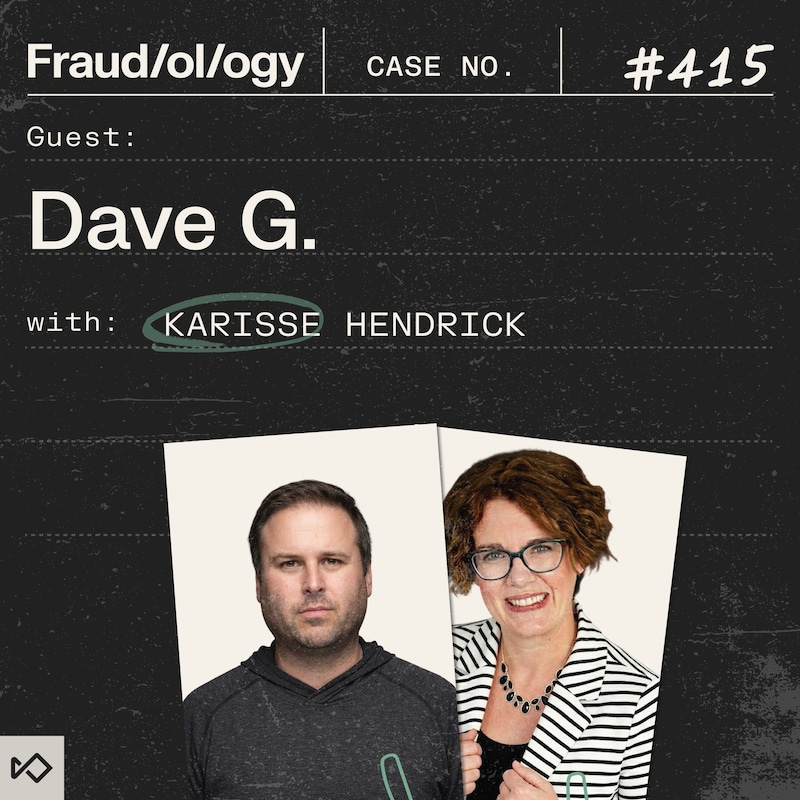
This week I’m joined by Dave G., who spent years investigating money laundering, wire fraud, and scams before moving into e-commerce and, eventually, directly into crypto. Dave was on the ground floor of Bitcoin back when the white paper first came out, and he brings a rare vantage point on stablecoin fraud risk as someone who has watched a payment technology evolve from a niche curiosity into the backbone of a real conversation about agentic commerce.
We start with a story that sets the tone for the whole conversation. It demonstrates how unpredictable this space has always been, and how easily it is to miss where the real value and the real risk end up landing. From there, we get into the heart of what a stablecoin actually is, and why stablecoin unit economics change the payment fraud conversation entirely. They function less like a new currency and more like an infrastructure upgrade.
That capability sounds abstract until you follow it to its logical endpoint; agentic e-commerce. Everyone wants to talk about AI agents buying jackets, concert tickets, or collectibles, the high-consideration, emotionally driven purchases people actually enjoy shopping for. But Dave argues the real volume, and the real fraud exposure, is going to show up in the boring stuff. Bread, milk, and eggs. The things nobody wants to spend time discovering, just delivered. And when those transactions are worth pennies instead of dollars, low-dollar transaction fraud stops looking like a nuisance and starts looking like a scalable business model for criminals willing to take a cent at a time instead of hundreds of dollars at once.
That shift exposes a chargeback liability gap that already has real victims. A reminder that new payment technology fraud adoption always follows the same pattern: whatever gets built, someone tries to exploit before the guardrails exist.
What you'll hear in this episode:
- How Dave went from investigating money laundering and wire fraud to working directly in crypto, and the story of accidentally giving away roughly $1.5 million in Bitcoin at industry conferences.
- Why stablecoin fraud risk needs to be understood separately from Bitcoin fraud history, and how stablecoins function more like an infrastructure upgrade than a new currency.
- How stablecoin unit economics make micropayment fraud economics viable at a scale traditional card and ACH rails were never built to support.
- Why the agentic e-commerce conversation has it backwards, focusing on high-consideration purchases like jackets and concert tickets instead of the low-dollar transaction fraud risk hiding in everyday purchases like bread, milk, and eggs.
- A real chargeback liability example where a cardholder admitted an AI agent made the purchase, and the merchant still had no compelling evidence chargeback rules to fight it.
- Why device-based identity verification is a weaker foundation than the industry treats it as, and an early look at an emerging protocol for verifying AI agent identities.
- How consortium fraud data sharing can create real, sometimes irreversible fraud blacklist consortium risk when a label gets attached to the wrong entity.
- A subscription chargebacks story involving an antivirus company that charged customers for software that did nothing at all.
- Why every new payment technology, from ACH to stablecoins, follows the same pattern: fraud arrives before the guardrails do.
You should listen to this episode if you:
- Work in payments, fraud risk, or chargeback management and want to understand where stablecoin fraud risk and agentic commerce actually intersect.
- Are responsible for card network relationships or dispute strategy and want to understand the chargeback liability gap in agent-initiated purchases.
- Are evaluating identity verification strategies and want a real critique of device-based identity as a long-term solution.
- Participate in a fraud consortium and want to better understand the risk and responsibility that comes with labeling data.
- Are trying to get ahead of new payment technology fraud adoption instead of reacting to it after losses show up.
- Want a grounded, practitioner-level conversation about crypto fraud and payment fraud that goes beyond the hype cycle.