Shownotes
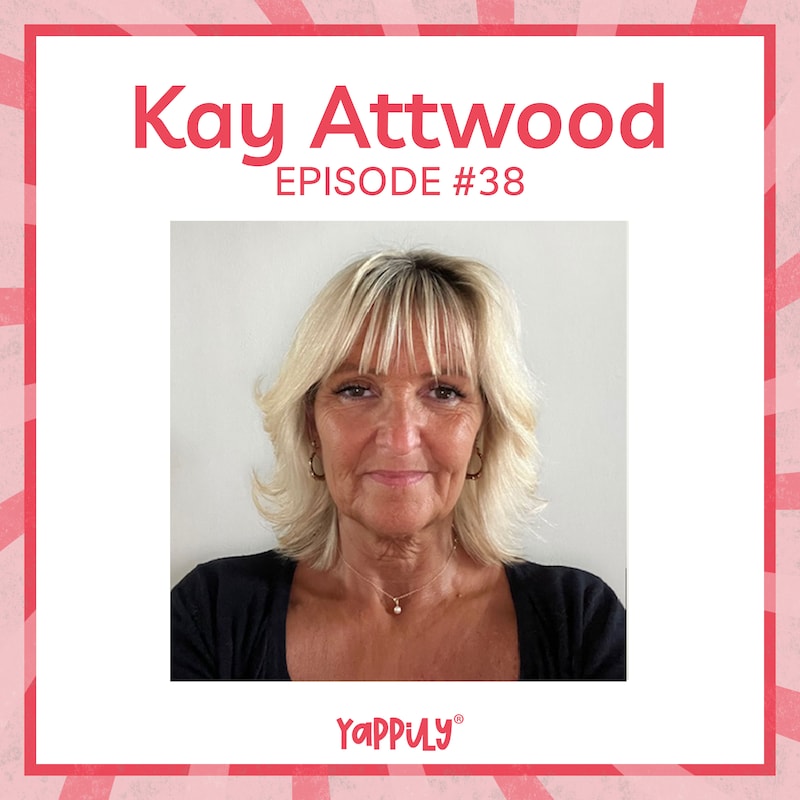
In this episode, Nathan is joined by Kay Attwood, founder of K9 Services and author of Canine Cognitive Skills, to explore a genuinely fascinating approach to dog training: Canine Cognitive Behaviour Training (CCBT). Kay explains how giving dogs the freedom to think, problem-solve, and make choices can transform behaviour from the inside out, particularly for anxious and reactive dogs. Whether you are a seasoned dog guardian or just starting out, this conversation will change the way you see what is going on behind your dog's eyes.
What you'll learn in this episode:
✅ What Canine Cognitive Behaviour Training (CCBT) actually is and how it differs from conventional reward-based training
✅ The difference between the "play brain" and the "reactive brain" and why it matters for your dog's behaviour
✅ Why giving dogs real choices builds confidence and reduces stress hormones
✅ Simple, low-cost games you can try at home using everyday household items
✅ How cognitive enrichment can support anxious and reactive dogs without medication
✅ Why slowing down and letting your dog think is one of the most powerful things you can do as a guardian
Key takeaways:
- Dogs are continually looking for solutions; they are not trying to be difficult
- Enrichment is not just about keeping dogs busy. It is about giving them meaningful mental engagement and genuine downtime
- You do not need expensive equipment. A bag of plastic cups or empty water bottles can be the start of a cognitive training journey
- The relationship between dog and guardian improves dramatically when both learn to communicate, not just instruct
Connect with Kay Attwood
Cognitive Canine Skills book on Amazon
🐾 Find ethical, qualified pet professionals near you at Yappily the directory for dog guardians who care about doing right by their dog.
🎙️ Enjoyed this episode? Subscribe to The Yappy Hour and leave us a review — it helps more dog lovers find us!
Transcripts
Welcome to the Yappy Hour, powered by
Yappily, the podcast for dog lovers
2
:who want to better understand and
connect with their canine companions.
3
:I'm your host, Nathan Dunleavy, and
today we're diving into something
4
:truly fascinating how our dog.
5
:Think joining me today is Kay Attwood,
founder of K nine Services and
6
:author of Canine Cognitive Skills.
7
:Kay is a lead in voice in canine
cognitive behavior training and an
8
:approach that helps dogs learn to
solve problems, regulate emotions,
9
:and build confidence free thinking.
10
:Not just repetition, whether you are a
dog, parent or a pro, this episode will
11
:give you a whole new perspective on what's
going on behind those eyes and how to
12
:help your dog thrive in a thinking world.
13
:So grab a cup of tea, settle
in, and let's get started.
14
:Nathan Dunleavy - The Yappy Hour: Back
to the Yappy Hour, powered by Yappily.
15
:I'm your host, Nathan Dunleavy,
and I'm so excited to bring you
16
:another episode of The Yappy Hour.
17
:Today.
18
:Joining me is the amazing Kay Attwood.
19
:Hi.
20
:Kay.
21
:Welcome to the Yappy Hour.
22
:Kay Attwood: Hi Nathan.
23
:Thanks for having me.
24
:It's my pleasure.
25
:It's lovely to meet you finally.
26
:Nathan Dunleavy - The Yappy Hour:
It is lovely to meet you as well.
27
:So I've really been looking
forward to this chat, Kay.
28
:Because it is an area a subject
that I don't know nothing about.
29
:And you've got your book and we're
gonna talk about that as well.
30
:But the power of cog canine cogni
cognition, it's a bit of a mouthful.
31
:So cognitive canine
cognitive behavior training.
32
:So we're gonna shorten that to CC.
33
:BT.
34
:So it's such a fascinating area,
cognitive work within dogs.
35
:So for those that may be new to it.
36
:Kay, could you start by just
explaining what canine co cognitive
37
:behavior training actually is?
38
:The CCBT, what is it?
39
:Kay Attwood: Well, even now, it's
something that is fairly new on the scene.
40
:I mean, a few years ago people
didn't even talk about it.
41
:I never heard anyone say about
cognition or cognitive skills
42
:or anything like that, and now
43
:Nathan Dunleavy - The Yappy Hour:
A bit of a mouthful.
44
:I was struggling with it.
45
:Kay Attwood: Yeah.
46
:And now, you know, a lot of people are
talking about it, and rightly so, because
47
:not only is it a really exciting avenue
of all sorts of possibilities, but
48
:it's because when I first started, I.
49
:it.
50
:Really it was for something different
to do with the people in my classes
51
:and something a bit bit more fun to
do with the dogs, then it, it quickly
52
:became apparent the possibilities on
how you can actually change behavior
53
:by doing this cognitive therapy.
54
:And it happens because
55
:Nathan Dunleavy - The Yappy Hour: Yeah.
56
:Kay Attwood: of happens organically
because it's all it things
57
:that happen within the circuit.
58
:The central nervous system intrinsically
with all these different hormones
59
:that the, that the dogs make and
that, and that we also make, they
60
:make you feel good, et cetera, as good
hormones, bad hormones, et cetera.
61
:more importantly that I found out.
62
:And that I found a huge benefit
to, and it just fascinated me.
63
:I had to know more is how a dog
can go from the play brain or the
64
:to the reactive and vice versa.
65
:Now, I was interested in how do we go
from the reactive brain to the play brain?
66
:do we go from creating a good pattern?
67
:process pattern to change
behavior, how do we do
68
:A long lasting effect?
69
:So for me,
70
:Nathan Dunleavy - The Yappy Hour: Yeah.
71
:Kay Attwood: exciting possibilities
to teach a dog to do that switch.
72
:It's also
73
:Nathan Dunleavy - The Yappy Hour: Yeah.
74
:Kay Attwood: to do anyway because the
exercises are far removed from obedience.
75
:Because we need to
76
:The dog and empower the dog and
motivate the dog to try harder,
77
:which then instills confidence.
78
:So it's, it's, you know,
it play in the play brain.
79
:It's all about emotion
learning and, and wellbeing.
80
:And, you know obviously when
81
:That, they kind of get stuck in that
reactive brain phase when they're
82
:Nathan Dunleavy - The Yappy Hour: Yeah.
83
:Kay Attwood: You know, all the
hormones associated with stress.
84
:So for me it's, it's, it really
is a valuable tool to have in
85
:your toolbox for any trainer,
86
:Nathan Dunleavy - The Yappy Hour: Yeah.
87
:Kay Attwood: You do classes or not,
or you are just a, a guardian that
88
:wants to care better for their dog.
89
:Nathan Dunleavy - The Yappy Hour:
Yeah, brilliant.
90
:I love not heard that analogy of a
play brainin or reactive brain before.
91
:So reactive brain is more about like, the
courts or the stress and things like that.
92
:But the play brainin, like you
say, is more about wellbeing
93
:and how they're feeling.
94
:Kay Attwood: of get stuck
in that reactive part.
95
:Nathan Dunleavy - The Yappy Hour:
Oh, okay.
96
:That's really interesting.
97
:Kay Attwood: switch over into play, and
98
:Nathan Dunleavy - The Yappy Hour: Sure.
99
:Kay Attwood: then you feel all the good
100
:Nathan Dunleavy - The Yappy Hour: Yeah.
101
:Kay Attwood: with that.
102
:Nathan Dunleavy - The Yappy Hour: Lovely.
103
:Kay, what first inspired you to explore
cognitive based approaches in your work?
104
:Kay Attwood: Well, I kind of
fell upon it, to be honest.
105
:I'll be absolutely honest with you.
106
:I,
107
:Nathan Dunleavy - The Yappy Hour:
That's what we all, that's
108
:what happens to us all.
109
:Kay Attwood: I had been running
classes and you know, from puppy
110
:all the way through to advanced,
and I had the same set of people.
111
:thank, thank you Lord.
112
:They kept coming back for more
and I kept thinking, well, I can't
113
:keep doing the same things with
114
:Nathan Dunleavy - The Yappy Hour: Right?
115
:Kay Attwood: every six weeks.
116
:I'm gonna have to think
117
:The box and find new things to do.
118
:Well by then, I'd got to know
119
:Nathan Dunleavy - The Yappy Hour: Yeah.
120
:Kay Attwood: really well and I had
some that I knew they had triggers
121
:and we'd been managing them.
122
:Nathan Dunleavy - The Yappy Hour: Yeah.
123
:Kay Attwood: been managing them
in class that that was going
124
:Nathan Dunleavy - The Yappy Hour: Lovely.
125
:Kay Attwood: fine.
126
:'Cause if it wasn't, they
wouldn't come, keep coming back.
127
:But I had to new things to do with these
people and I thought, well, there's
128
:only so much obedience you can do.
129
:So I started to think
130
:Nathan Dunleavy - The Yappy Hour: Yeah.
131
:Kay Attwood: games and I thought,
I'm gonna really stretch them.
132
:And it stretched me.
133
:Which was, you know, great,
134
:Nathan Dunleavy - The Yappy Hour: Yeah.
135
:Kay Attwood: too.
136
:And I quickly found that the
dogs that were, that I knew were
137
:triggered by certain things.
138
:They weren't being
139
:And the distance that they
140
:Nathan Dunleavy - The Yappy Hour: oh.
141
:Kay Attwood: be from
the rest of the class.
142
:Was getting smaller and smaller
and they were coming, those
143
:dogs are a little bit nervous.
144
:Were coming out of their shell
more and coming out of their,
145
:they, they're all given little
areas to work with and they're not
146
:allowed to go into each other's.
147
:But these dogs that were behind
barriers were quite happy for a few
148
:of those barriers to, to disappear.
149
:So I, I
150
:Nathan Dunleavy - The Yappy Hour: Wow.
151
:Kay Attwood: something happening here.
152
:And that's when I, I kind of realized
that they were going from not being
153
:stuck in this reactive part of their
brain where they were habitually
154
:using everything associated with
reactivity and now starting to learn
155
:Nathan Dunleavy - The Yappy Hour: Yeah.
156
:Kay Attwood: to be empowered and
make choices and good choices.
157
:So that for me was how.
158
:I kind of fell into it and just
started to learn more and more
159
:about it for my own shall we say,
my own learning curve really.
160
:So.
161
:Nathan Dunleavy - The Yappy Hour: Yeah.
162
:I love that.
163
:Yeah, I love that.
164
:Kay, and please tell me and our
listeners, 'cause I've not really
165
:come across you much before.
166
:I've seen your name, like, and I know
you appeared on another podcast, but
167
:please tell me and our listeners about
like how you got into dog training,
168
:a little bit about your journey.
169
:I love a journey.
170
:Kay Attwood: wow.
171
:Oh gosh.
172
:I'll give you a, a whistle stop talk.
173
:Nathan Dunleavy - The Yappy Hour:
Whistle stop talk.
174
:Kay Attwood: Okay.
175
:was al
176
:Nathan Dunleavy - The Yappy Hour: Yeah,
177
:Kay Attwood: the corporate
world and I was I had a busy.
178
:Nathan Dunleavy - The Yappy Hour: I'm same
179
:Kay Attwood: so I, I was a PA
for an international company
180
:and absolutely loved it.
181
:then I I was burning the
candle at both ends with work.
182
:So I would get up in the
183
:Nathan Dunleavy - The Yappy Hour:
as you do
184
:Kay Attwood: the early train into London.
185
:I would leave on the nine o'clock train.
186
:I would work till the small hours, go
to bed, have a couple of hours, and then
187
:go back and it would all start again.
188
:And I was a real workaholic.
189
:I loved it.
190
:But then sadly, I also.
191
:going through a divorce and then
one thing had to give and it
192
:Nathan Dunleavy - The Yappy Hour: Oh gosh.
193
:Kay Attwood: Unfortunately,
with the stress of that, that
194
:caused, I had heart attack,
195
:Nathan Dunleavy - The Yappy Hour: Yeah.
196
:Kay Attwood: I started.
197
:Nathan Dunleavy - The Yappy Hour:
Oh my gosh.
198
:Kay Attwood: So I, I work from
home and all the time I was
199
:working from home, I thought, oh
great, I can finally get a dog.
200
:'cause I wouldn't have one all the time.
201
:I was obviously working stupid hours.
202
:Nathan Dunleavy - The Yappy Hour: good.
203
:Kay Attwood: took
204
:Nathan Dunleavy - The Yappy Hour:
No, that makes sense.
205
:Kay Attwood: him to a local dog
training school and loved it.
206
:Absolutely loved it.
207
:Ended up helping them run their
class and then after a while I
208
:was running all their classes.
209
:Loved it.
210
:Nathan Dunleavy - The Yappy Hour: Wow.
211
:Kay Attwood: And the
212
:Nathan Dunleavy - The Yappy Hour:
Oh, I love that.
213
:I.
214
:Yeah, I was in corporate, I was in
corporate banking with Barclays.
215
:So I was there for 13 years and I used
to go up to London, like head office
216
:and I started off taking one of my
poodles to dog training classes and then
217
:started helping out and with a class.
218
:And that's how.
219
:That's how I came about.
220
:So some similarities there.
221
:So that's great.
222
:So that was all part one,
finding more out about yourself.
223
:Kay.
224
:And the cc BT sort of
model, what it's all about.
225
:So we're gonna be moving on to part two.
226
:What is CCBT?
227
:So how does CCBT differ from
traditional other training approaches?
228
:Kay Attwood: Okay.
229
:Well, usually in obedience training or
typical obedience classes, you might give
230
:the dog an instruction on what to do.
231
:All right.
232
:But more with, with cognitive
skills or, or that type of thinking.
233
:You give the dog a
choice and you allow him.
234
:To decide what choice you're
gonna make and whatever his choice
235
:is, we are gonna go with that.
236
:We'll run with it.
237
:If it's the wrong choice, we'll help
him out as if to say, try again.
238
:when the dog quickly learns what is
reinforcing for him and what isn't.
239
:He learns to make better choices
because he wants to choose the right
240
:thing he wants to be successful.
241
:And if he's successful, that means that
he re, he earns more reinforcement.
242
:Whether that reinforce, now that
reinforcement for a lot of dogs, as
243
:you know, can be all sorts of different
things, and for some dogs, I found in
244
:these classes is that it was the, the
ability to be able to make a choice again.
245
:Off their own back.
246
:And that to some dogs
was a huge reinforcer.
247
:Some it was all
248
:Nathan Dunleavy - The Yappy Hour: Yeah.
249
:Kay Attwood: what a
wonderful job they'd done.
250
:And for some you know, a bonus was,
would be a piece of chicken or a bit of
251
:sausage or something along those lines.
252
:So
253
:Nathan Dunleavy - The Yappy Hour: Yeah.
254
:Kay Attwood: it's training that
is nothing like obedience because
255
:we are not gonna actually.
256
:Tell them what to do.
257
:Sometimes we might show them something
and then say, right now, tell me
258
:what you want to do with that.
259
:Or, tell me what you
260
:Should do.
261
:If you get it wrong,
nothing's gonna happen.
262
:Nothing.
263
:We don't even say anything because
then the dog, you are kind of forcing
264
:them into a thought PR pattern
of going well, can't be right.
265
:She hasn't said anything.
266
:She hasn't done anything.
267
:She hasn't given me anything.
268
:So it can't be that.
269
:It must be that because if you
only give them two choices, if
270
:one is right, other one's wrong.
271
:So if they choose the wrong one, go, oh,
well it doesn't matter that one's right.
272
:So it means that they learn far
more effectively and and quicker.
273
:So,
274
:Nathan Dunleavy - The Yappy Hour: Yeah.
275
:Kay Attwood: that builds confidence,
but it, it uses their brain chemicals
276
:because they, they're, they're
277
:They're having fun.
278
:They're being empowered.
279
:They're being, they're learning
that they've got a choice.
280
:And it doesn't matter if they
make the wrong choice, 'cause
281
:nothing bad is gonna happen at all.
282
:So it it, it deals with
283
:Nathan Dunleavy - The Yappy Hour: Yeah.
284
:Yeah.
285
:Kay Attwood: brain, the
hormones that they make.
286
:That they start enjoying themselves
and that's when they come out of
287
:Reactive brain and into the play
brain to go, this is great fun.
288
:Let's do the, or, you know, do this
289
:Bit more.
290
:So it's, you know, that part, the
nervous system is responsible for
291
:thought process and memory and learning.
292
:So it enables that communication between,
and coordination from, from dog to
293
:owner or dog to handler and throughout
their body for them to learn how it.
294
:They are in control of how they can feel.
295
:Nathan Dunleavy - The Yappy Hour:
Yeah, I love that.
296
:Is there just two parts, two
brains that play in reactive,
297
:or is there other brains?
298
:Kay Attwood: There are, it gets a bit
complicated, so that's the easiest
299
:way to explain it really, because.
300
:Nathan Dunleavy - The Yappy Hour:
That's fine.
301
:Yeah.
302
:We like it that way.
303
:Kay Attwood: brain regions are all
different, responsible, but they're
304
:all talking to each other all the time.
305
:But the I, the
306
:Like to explain it to my customers
that I'm working with for reactivity is
307
:they understand what I'm talking about
when I talk about the play brain and
308
:the reactive brain because they know
all about their dog's reactive brain.
309
:They've seen it, they're
well versed in that.
310
:Nathan Dunleavy - The Yappy Hour: Yeah.
311
:I bet they see that one more than the
play, I guess then don't they really?
312
:Kay Attwood: they do.
313
:Nathan Dunleavy - The Yappy Hour: Yeah.
314
:Kay Attwood: dogs don't,
don't know how to play.
315
:They have to learn how to play.
316
:The only time I met one dog in
particular, he, he knew how to play.
317
:Of course he did.
318
:He'd been playing with his owner
at home, but he could only play
319
:in his home environment as long
as there was no one else at home.
320
:Just him and his one.
321
:He, he had one lady owner,
just him and his lady owner.
322
:If any visitor came over.
323
:He couldn't play.
324
:He went into reactive brain.
325
:If he was outside of the
home, he couldn't play.
326
:He went into reactive brain and that
was because that was a, an old set
327
:response to triggers and it was an
old way that he'd got stuck basically.
328
:we had
329
:Him really, really easy games or
teach her really, really easy games to
330
:play with him so that he could start
331
:Of these, this new skill set.
332
:And that's what cognitive therapy
is all about, is learning a new
333
:skill so that he could learn to
334
:Nathan Dunleavy - The Yappy Hour: Yeah.
335
:Kay Attwood: outside of the home and in
the home when there was someone else.
336
:If she had a visitor, for example,
he couldn't even play on his own.
337
:So that for that one
338
:Nathan Dunleavy - The Yappy Hour: Wow.
339
:Kay Attwood: was absolute gold.
340
:Nathan Dunleavy - The Yappy Hour: It was
a bit of a somber thought when you said
341
:that some dogs dunno how to play that.
342
:Just, that just made me feel a bit sad.
343
:I.
344
:Kay Attwood: I know.
345
:It is sad, isn't it?
346
:Nathan Dunleavy - The Yappy Hour:
That's a shame
347
:Kay Attwood: to learn how to play because
348
:Nathan Dunleavy - The Yappy Hour: we do.
349
:Kay Attwood: how to play a game
or knowing or, being able to
350
:recognize that something is in an
actual factor game and not threat.
351
:Nathan Dunleavy - The Yappy Hour: Mm-hmm.
352
:Kay Attwood: look at
353
:Nathan Dunleavy - The Yappy Hour:
Yeah, definitely.
354
:Kay Attwood: bits of apparatus that
we use in to play with our dogs.
355
:Now, not every dog recognizes
that, that whatever it may be is,
356
:has the ability to get play from.
357
:They just go, oh, that's a bit suspicious.
358
:I don't know that.
359
:So not, not
360
:Recognizes the ability or recognizes the
potential of a game or play, which is sad.
361
:I.
362
:Nathan Dunleavy - The Yappy Hour: Yeah.
363
:Brilliant.
364
:So why do you think it's such
a powerful approach for those
365
:emotionally and complex dogs?
366
:Kay.
367
:I.
368
:Kay Attwood: Because just like humans,
we are more in tune with mental
369
:health and wellbeing, and that is
exactly the case that we are learning
370
:about that our dogs have that.
371
:Years ago when I first got into
in:
372
:training, you know, if someone had
said, well, how does the dog feel?
373
:We'd all go.
374
:I
375
:Nathan Dunleavy - The Yappy Hour: Yeah.
376
:Kay Attwood: does, does he, does he feel,
but yeah, we absolutely know that they
377
:do feel, you know, that it's, it's all
about emotions and that type of thing.
378
:Just as we are more in tune with
our own, we are far more in tune
379
:with, with our dog's emotions.
380
:And that I think is absolute.
381
:to understanding how your dog
functions and how he thinks and how
382
:he learns and that type of thing.
383
:So it's, it's all about a bit
more of a supported learning
384
:approach for our dogs Really.
385
:Nathan Dunleavy - The Yappy Hour: Okay.
386
:Yeah.
387
:Brilliant.
388
:What does a cognitive based
session typically look like?
389
:Hey.
390
:Kay Attwood: Oh, gosh.
391
:It could have all sorts of things.
392
:I like to I've, I've got this real
thing about using everyday items because
393
:they're readily available to everyone.
394
:You know, I don't expect
395
:To go out and spend 50 pounds
on a, singing, all dancing.
396
:of equipment.
397
:I like to use that you've got hanging
around the house, for example, in my
398
:puppy classes to start that, that play
Brain Off in coming out of Fear Brainin.
399
:I like to use empty plastic water bottles.
400
:Everybody's got loads of
401
:Nathan Dunleavy - The Yappy Hour:
Oh, okay.
402
:Kay Attwood: and I
403
:Nathan Dunleavy - The Yappy Hour: Yeah.
404
:Kay Attwood: I do like we bottle bowling,
so I, I line them up like they're skittle.
405
:Nathan Dunleavy - The Yappy Hour: Oh
406
:Kay Attwood: And underneath the each
407
:Nathan Dunleavy - The Yappy Hour: yeah.
408
:Kay Attwood: is a little treat.
409
:And of course, the dog approaches
410
:Nathan Dunleavy - The Yappy Hour: Right.
411
:Kay Attwood: thinking, oh, I don't
recognize that this is a game.
412
:Oh, I don't think this is play that.
413
:I just see this as really scary.
414
:Oh my God, they move, oh my God.
415
:Oh, there's a treat.
416
:So as all these bottles go flying
everywhere and they make a racket.
417
:For some dogs I have to do it on
a towel or a bit of carpet so it
418
:doesn't make such a big noise.
419
:But that instills confidence to motivate
them to try it again, do it again.
420
:'cause you know there's
treats under there.
421
:You can smell them, but you've
got to knock all the bottles over
422
:to if you want to eat them all.
423
:So that motivates them to keep trying
and it teaches them, take your time.
424
:There's no rush you can do.
425
:You
426
:Nathan Dunleavy - The Yappy Hour: Yeah.
427
:Kay Attwood: your time, you'll get there.
428
:So that's
429
:Nathan Dunleavy - The Yappy Hour: Yeah.
430
:Kay Attwood: thing that it could look
like, but it, it could take all sorts
431
:of forms into, it might be pictures that
are taped on the wall and we are teaching
432
:the dog look at a picture and identify
it by its name, just by a picture.
433
:Not an item, a 3D item, but an actual
flat picture that is just on a wall.
434
:So it could, it could be
all sorts of things really.
435
:Nathan Dunleavy - The Yappy Hour: Yeah.
436
:No, I love that.
437
:I love that.
438
:Like you say, you're telling people
to make use of their everyday items.
439
:It doesn't have to cost money.
440
:And just, yeah, think outside the
box a little bit and I love that.
441
:One of my dogs was just barking,
so I said we were chatting offline
442
:and Kay's pet sitting at me, she
said, oh, the dog's with a yak chew.
443
:And I was like, oh, that's okay.
444
:Mine are probably gonna start barking.
445
:So it wouldn't be the yappy
hour without some yappy dogs.
446
:It's if our listeners just heard
some barking, that would've
447
:been my Milo heard a noise.
448
:Of course they got a bark.
449
:Oh, okay.
450
:Maybe they may want to hear it, but
I'm just now like sounding like what
451
:the hell's he getting all about?
452
:But yeah, heard a noise and then just
alerting me and letting us know, right.
453
:Lovely job.
454
:So moving on to part three, which is all
about empowering the dog in front of you.
455
:Okay.
456
:How does CCBT support anxious or
reactive in inverted comm docs?
457
:Differently from standard obedience
training, yeah, like that reactive work
458
:that means, could mean a lot of things.
459
:So anxious nervous dogs compared to
your standard obedience training.
460
:Kay Attwood: Well
empowerment, but also choice.
461
:E, even though
462
:Nathan Dunleavy - The Yappy Hour:
I love that.
463
:Kay Attwood: choice, but also the
choice of whether you part or you don't.
464
:'cause if the dog says to
465
:No, I can't do that right now, or Do you
know, I'm just not feeling it right now.
466
:I'm not up for it.
467
:I just go, okay, fair enough.
468
:Let me know when you are.
469
:So it's
470
:Nathan Dunleavy - The Yappy Hour: Yeah.
471
:Kay Attwood: part of choice too, because I
think sometimes, I've certainly known some
472
:dogs, I've had dogs of my own that have.
473
:Said, do you know, I don't really wanna
do it, but I'm gonna do it 'cause you are
474
:asking me, just 'cause you've asked me,
475
:Nathan Dunleavy - The Yappy Hour: Okay.
476
:Kay Attwood: I'm, I don't really want to.
477
:And I, how have I known that?
478
:Because you know your
dogs really, really well.
479
:And for ex here's a good example.
480
:I had one of my dogs, Flynn, who was a
border colleague, cross Jack Russell.
481
:A tenacious little dog,
482
:Nathan Dunleavy - The Yappy Hour:
Interested.
483
:Kay Attwood: clever little dog.
484
:Loved a ball.
485
:I used to roll the ball across the
grass to him, but once he'd had
486
:enough, he wouldn't bring it back.
487
:He would stay at a distance and
lay down and that's when I'd
488
:go, okay, you've had enough.
489
:Then you don't, he wouldn't bring it back.
490
:'cause he knew if he brought
it back, I might roll it again.
491
:we didn't bring it back going.
492
:I'm not bringing it back 'cause I
don't want you to roll it anymore.
493
:I've had enough.
494
:So that was his way of telling me.
495
:So I would just go, okay, we're done.
496
:And then he would get up with it in his
497
:Nathan Dunleavy - The Yappy Hour: Yeah.
498
:Kay Attwood: and just walk beside me.
499
:He wouldn't drop it in
case I picked it up.
500
:So it's,
501
:Nathan Dunleavy - The Yappy Hour: Okay.
502
:Kay Attwood: that communication
skill that's, that communication
503
:to me is a two way street.
504
:I communicate with you and
you communicate with me.
505
:If we don't communicate to each other,
then we're not having a conversation.
506
:And it should be a little dance of skill.
507
:You, you bring your skill to the table
and I'll bring my skill to the table
508
:and look what we can achieve together.
509
:So.
510
:You know, it's, it's
511
:That.
512
:Envi up the envi environment to matter
to both you as a learner and the dog as
513
:a learner, I still learn every day from
514
:Nathan Dunleavy - The Yappy Hour: Yeah.
515
:Every day is a school day.
516
:And we're seeing that word
choice, consent agency.
517
:They're really big buzzwords
at the moment, aren't they?
518
:And I'm loving that.
519
:We're seeing a shift towards that more.
520
:Kay Attwood: Yeah.
521
:You know, I think it
used to be about choice.
522
:When we thought of choice, we, we think
of choice totally different now, which
523
:I think is, can only be a good thing.
524
:You know, when you would used to
think of choice, it was choice
525
:of whether you do or you don't.
526
:there are far more choices to be made.
527
:Like, I like to teach a dog to
show me what your choice is.
528
:I'll ask the question and you
tell me what your choice is.
529
:than me tell you
530
:Choice is gonna be.
531
:That's how we used to train years ago.
532
:Nathan Dunleavy - The Yappy Hour: It
was, and like it was when I used to do
533
:puppy classes in person stuff, I'd be
like, oh, identify a high value treat.
534
:So you are almost telling the dog,
well, this is your high value treat.
535
:So then I used to do the taste test
and I say, put things under a cup and
536
:let the dog choose what they want.
537
:So it could be they choose all
three, or choose two or one.
538
:But rather than us say, well, chicken's,
your high value treat, let the dog
539
:make that choice for themselves.
540
:Kay Attwood: but also learning
that today it might be chicken
541
:and tomorrow it might be cheese.
542
:Nathan Dunleavy - The Yappy Hour:
Yeah, that's okay.
543
:Kay Attwood: Yeah, absolutely.
544
:that's what you wanna work for.
545
:Fine.
546
:I always come,
547
:Nathan Dunleavy - The Yappy Hour:
I love that.
548
:Kay Attwood: to my my customers in
my obedience classes, I used to say,
549
:come with lots of denominations.
550
:Don't just come with pound coins.
551
:Come with five pound coins and
two pound coins and 10 pence
552
:pieces and come with all sorts
553
:Nathan Dunleavy - The Yappy Hour:
I love that.
554
:I love that analogy.
555
:Different denominations.
556
:Kay Attwood: dunno what
you're gonna have to pay with.
557
:Nathan Dunleavy - The Yappy Hour: Exactly.
558
:I love that.
559
:Kay.
560
:What are the benefits of giving our
dogs more say in their own learning?
561
:Kay Attwood: Wow.
562
:That's a great question.
563
:And to you see, to me it's obvious,
but to not everyone is obvious and
564
:that's why I love doing what I do.
565
:The value of it is, is to teach the dog.
566
:That the ch that there are many
different types of choices to make
567
:Take part or not?
568
:And either answer is a good answer.
569
:There's no wrong answer.
570
:You either do or you don't.
571
:If you don't,
572
:We'll go, we'll try.
573
:I'll ask you again later.
574
:Okay.
575
:But.
576
:If, if he makes a hundred
percent choice all the time,
577
:he learns, he has that choice.
578
:It means that you are encouraging
him to think, and that means you are
579
:encouraging him to problem solve.
580
:If he's thinking and he's
solving problems, he's going
581
:through a thought process.
582
:If he's going through a thought, if you.
583
:If you know how he thinks, you know how
he feels, you know what he's going to do.
584
:So it comes down to think,
feel, do one drives the other.
585
:You, you you think therefore
you feel, therefore you behave.
586
:How that denotes you see what I mean?
587
:Nathan Dunleavy - The Yappy Hour:
Yeah, definitely.
588
:Kay Attwood: So
589
:Nathan Dunleavy - The Yappy Hour: Yeah.
590
:Kay Attwood: creates feel good hormone.
591
:So it has a, a knock on effect.
592
:And it's a, it's a circle.
593
:You end up back where you are, where
the dog just goes, well, let's, let's
594
:see if we can do that with this.
595
:And you know, like there used to
be a thing I, the, the actual.
596
:Words describe it escape
me right at this moment.
597
:But we used to, when we first used to
do clicker training, we used to give a
598
:dog a cardboard box and we used to just
click choices of what, what the dog does.
599
:'cause he does it 'cause
he's choosing to do it.
600
:And then you would end up shape shaping.
601
:That's what it is.
602
:You would end up shaping behavior.
603
:Well, it kind of is a little
604
:Nathan Dunleavy - The Yappy Hour: Yeah.
605
:Kay Attwood: that, but you are.
606
:You are doing a little bit of guiding
and a little bit of shaping, but
607
:mostly you are allowing that dog.
608
:behavior therapy is more organic because
it comes from within, that means the only,
609
:the good thing about that is, is that
not, not every dog, of course, is that
610
:because it's organic, times out of 10, you
don't need to go down medication route.
611
:And that can only be a good
thing 'cause medication.
612
:know, not only does it cost money,
but if you don't need all sorts
613
:of medications, then you should
try to avoid them if you can.
614
:If cognitive behavior therapy is
all about remodeling the brain.
615
:From one area of the
616
:Reactivity to play, then great.
617
:That's, that's the, the way that
I would go down every single time.
618
:I'm not saying that I don't use medication
for behavior modification programs.
619
:do that with hand in hand with that,
with my client's vets, of course I do.
620
:But most of the time with cognitive
skills, we don't need any medication.
621
:It happens organically.
622
:I.
623
:Nathan Dunleavy - The Yappy Hour:
That's good.
624
:Yeah.
625
:And obviously with medication there
comes potential side effects as well.
626
:Kay Attwood: Oh yeah.
627
:Nathan Dunleavy - The Yappy Hour: Yeah.
628
:Are you able to share an example
at all where a dog's behavior
629
:changed dramatically through
cognitive engagement at all?
630
:Kay Attwood: I, I mentioned earlier
that in my classes, some of the
631
:dogs that I knew that had triggers.
632
:Whatever
633
:Nathan Dunleavy - The Yappy Hour: Yeah.
634
:Kay Attwood: may be, but I did notice
that they weren't having to, we
635
:weren't re reliant on such a big area
for them to, to work in, and that the
636
:Nathan Dunleavy - The Yappy Hour: Okay.
637
:Kay Attwood: comfortably come
outta their area momentarily with
638
:their handler comfortably, and
then return back at his will.
639
:I noticed
640
:Nathan Dunleavy - The Yappy Hour: say,
641
:Kay Attwood: were quite happy to
stay of their comfort zone, they
642
:were relying less reliant on having
that comfort zone to retreat back
643
:into whenever he felt a little
644
:What's the word?
645
:Don't ever get menopause, Nathan.
646
:It's awful.
647
:You, you get, need a little bit.
648
:My cognitive skills at the moment are.
649
:It's a little bit of nerves,
but, but you know, when,
650
:Nathan Dunleavy - The Yappy Hour: Oh
651
:Kay Attwood: when he you know, when
he would have to go back into that
652
:little area for safety, I, I could see
653
:Nathan Dunleavy - The Yappy Hour: yes.
654
:Kay Attwood: having to use
that area of safety as often.
655
:Nathan Dunleavy - The Yappy Hour:
That's really good.
656
:That's so good
657
:Kay Attwood: And they,
658
:Nathan Dunleavy - The Yappy Hour: that he
felt comfortable not to need it as much.
659
:Kay Attwood: but you could see that
they were trying really hard, that
660
:they were motivated to give it a go,
whereas before they kind of switched
661
:off and said, no, that's too difficult.
662
:I can't possibly think about doing that.
663
:Nathan Dunleavy - The Yappy Hour: Mm-hmm.
664
:Kay Attwood: so it
665
:Nathan Dunleavy - The Yappy Hour:
Yeah, that's.
666
:Kay Attwood: all really,
really good stuff.
667
:Huge of huge value, value to these
dogs, but value to these owners because
668
:these owners could suddenly see a light
at the end of the tunnel that their
669
:Nathan Dunleavy - The Yappy Hour: Yes.
670
:Yes.
671
:Kay Attwood: for the better.
672
:Nathan Dunleavy - The Yappy Hour: Yeah.
673
:That's what they wanna see.
674
:Kay Attwood: Yeah.
675
:Nathan Dunleavy - The Yappy Hour: That
must be so rewarding as well, helping
676
:like guardians come to that realization.
677
:Kay Attwood: Yeah.
678
:Nathan Dunleavy - The Yappy Hour: I.
679
:Kay Attwood: biggest thing for
me, and I think it, it still to
680
:this day, is a big thing for me.
681
:It's not only watching the transition
these dogs, but also seeing that there,
682
:there's a light bulb moment goes on in
their own head that says, I thought my dog
683
:was thick, I thought it was just a badden.
684
:I thought he was just naughty, but he was.
685
:He is neither
686
:Or a bad dog, or thick.
687
:Nathan Dunleavy - The Yappy Hour:
definitely not.
688
:Kay Attwood: he's quite intelligent I
689
:Nathan Dunleavy - The Yappy Hour: Yes.
690
:Kay Attwood: oh my God, I
thought he was just thick.
691
:Nathan Dunleavy - The Yappy Hour:
Oh bless.
692
:Oh, brilliant.
693
:Thank you so much for that.
694
:So we're gonna be moving on to part four,
which is all about thinking at home.
695
:So everyday cognitive enrichment.
696
:So we might have touched on this already
with some of the bits that we can
697
:just use, obviously household items.
698
:But are there any games or
activities that you'd recommend to
699
:someone new to cognitive training?
700
:Kay.
701
:Kay Attwood: Well, I think the golden rule
is when you first start is keep it simple.
702
:Don't try and reinvent
the wheel straight away.
703
:Keep it really, really simple.
704
:And I always like to start people off
with either the empty bottles or I,
705
:Nathan Dunleavy - The Yappy Hour: Oh yes.
706
:Kay Attwood: if you've got a little
pound shop, go to the pound shop and buy.
707
:You can buy for 99 p you can buy a pack of
50 plastic cups and they're really thin pa
708
:Nathan Dunleavy - The Yappy Hour:
Oh, okay.
709
:Kay Attwood: cups.
710
:Alright?
711
:And then you do treat towers.
712
:So you'll put a row of say, five cups
upside down or the treat under each
713
:one, and then a cup on top of that
so that you make a little pyramid.
714
:a little bit like your bottle bowling,
but again, it's just with different cups.
715
:And then you can also
716
:Once the dog learns the concept
of there's treats under the cups,
717
:you can then move it around to
718
:Nathan Dunleavy - The Yappy Hour: Yeah.
719
:Kay Attwood: maybe three cups, but only
one of them's got a treat underneath.
720
:And without touching the, the dog,
without touching the cups, start to
721
:tell me which one you think it's under.
722
:So you'll be moving them around and you
might lift the cup up and say, there's
723
:the one with the treat underneath.
724
:And then move it around and
let them watch that cup.
725
:Now, don't make it too complicated.
726
:Don't move them around really,
really quickly, let the dog learn.
727
:Oh, I need to watch that one cup.
728
:then they all come to a standstill
and they go, well, which one is it?
729
:And the dog goes, it's that one.
730
:So he is not allowed to knock
it over and help himself.
731
:But then you lift it up and then when
it's correct, you let him eat it.
732
:You then increase the difficulty.
733
:So the dog has to really pay attention.
734
:But that's for focus and concentration.
735
:But what a, what a, a great little
gain just to teach those two skills.
736
:I mean, if they're not life
skills, I dunno what are
737
:Nathan Dunleavy - The Yappy Hour:
Yeah, definitely.
738
:Kay Attwood: so.
739
:Nathan Dunleavy - The Yappy Hour:
How can the
740
:Kay Attwood: Sorry, go on.
741
:Nathan Dunleavy - The Yappy Hour:
No go on my love.
742
:Kay Attwood: I was just gonna say
little, little everyday items like
743
:that, I can usually go go anywhere in
a house or I love a pound shop mate.
744
:Or I can go anywhere and look at
something and go, oh my God, I can
745
:see a game and I can find a game.
746
:Nathan Dunleavy - The Yappy Hour:
Oh, really?
747
:Kay Attwood: most things I can find again.
748
:Nathan Dunleavy - The Yappy Hour:
I love that.
749
:Brilliant.
750
:How do these little moments of thinking
benefit day-to-day life with a dog?
751
:Kay Attwood: Well, if the dog isn't
sure of the answer, will usually ask.
752
:'cause I usually say to
people, don't help him yet.
753
:Don't let him, give
him some thinking time.
754
:And puppies have a shorter thinking
time before they'll give up.
755
:And older than older dogs,
756
:Nathan Dunleavy - The Yappy Hour: Yeah.
757
:Kay Attwood: 'cause of brain development.
758
:But I'm, I'm always saying to
people, just, just hold on.
759
:Just let him think.
760
:Just give him time to think.
761
:Nathan Dunleavy - The Yappy Hour: Yeah.
762
:Kay Attwood: not sure,
763
:Nathan Dunleavy - The Yappy Hour: Yeah.
764
:Kay Attwood: ask you.
765
:And then a lot of people say,
766
:Nathan Dunleavy - The Yappy Hour: Yeah.
767
:Kay Attwood: he gonna do that?
768
:He'll just stop and look at
you as if to go his hand and
769
:wait for him to look at you.
770
:And when he stops what he's
doing to look at you, that's him
771
:saying, can he give me a clue?
772
:Don't show him what to do, but guide him,
773
:Him in that general direction
of whatever the game is.
774
:So.
775
:They'll start, they'll offer behaviors.
776
:Some dogs will go at it like
a bull in a a China shop.
777
:They're the ones that you need
to slow down brain activity.
778
:All right.
779
:Some
780
:Just let them find their own flow.
781
:dogs, you have to slow it down
because with their brain activity
782
:is too fast, then you get
incorrect choices being made now.
783
:Now that's not the dog
784
:Incorrect choice because he's going,
I'm just gonna make any odd choice and
785
:you'll tell me what the right one is.
786
:That's 'cause he's not just not
learned to slow down and think.
787
:Far more effectively when he can slow it
788
:Nathan Dunleavy - The Yappy Hour: Yeah.
789
:Kay Attwood: and he gets it
right first time, every time he
790
:goes, Eureka, I'm now a thinker.
791
:can think things through.
792
:It means my, route to reinforcement has
now become faster and that at the end
793
:Nathan Dunleavy - The Yappy Hour: Yeah.
794
:Kay Attwood: he wants.
795
:So for some
796
:To slow them down.
797
:Some of them.
798
:You have to speed up a little bit, but
that's, I've, I've, I don't think I've
799
:met many dogs that you have to speed up.
800
:They just get there in the end.
801
:They get faster.
802
:They think they think more faster
as you leave them alone to get on.
803
:Nathan Dunleavy - The Yappy Hour: Yeah.
804
:I was thinking that it probably
helps with the relationship and the
805
:bond with the caregiver as well,
806
:Kay Attwood: yeah.
807
:Nathan Dunleavy - The Yappy Hour:
types of games.
808
:It probably really helps strengthen,
when you invest in that time.
809
:It helps with the
relationship, I'd imagine him.
810
:Kay Attwood: because if you know,
you, you, if you, if you become more
811
:educated on how better thinker your
dog is, means that you allow them that.
812
:Flexibility to think things through.
813
:And that means that your dog
814
:Can you, you know what it's like when you
go, oh, what was that film with Tom Hanks?
815
:And oh, don't tell me.
816
:Don't tell me.
817
:Hang on.
818
:It's on the corner.
819
:And then someone goes,
oh, that was for Gummy.
820
:Oh, I was nearly there.
821
:That is so frustrating,
822
:Nathan Dunleavy - The Yappy Hour: Yeah.
823
:Kay Attwood: Yeah.
824
:So can you imagine how frustrating it
is for a dog when he's almost there
825
:and you go, there it is right there.
826
:it's like,
827
:Nathan Dunleavy - The Yappy Hour: Oh no.
828
:Yeah,
829
:Kay Attwood: knew.
830
:You mean
831
:Nathan Dunleavy - The Yappy Hour:
just gimme a minute.
832
:Kay Attwood: I swear I've seen a dog go.
833
:I knew, look at the owner if to go.
834
:Nathan Dunleavy - The Yappy Hour: Yeah,
I like what you said about obviously,
835
:just give them a minute because the
thing is like, we are in a world now
836
:where we want things done quickly and
everything's gotta be quick and it's
837
:all, and but like, if you're gonna like
for some basic cues, like asking the dog
838
:to sit or down, rather than saying Sit.
839
:Sit.
840
:Sit.
841
:Just give him a minute to bloody
process what you've asked for him to do
842
:before you keep re repeating the word.
843
:Because then you're just
gonna poison the cure.
844
:And they ain't gonna have a,
they're not gonna know what to do.
845
:Kay Attwood: only that,
repeating cues makes dogs lazy.
846
:And it it 'cause what it teaches
847
:Nathan Dunleavy - The Yappy Hour: Yes.
848
:Kay Attwood: teaches them is you
don't need to think what that means.
849
:She'll tell you in a minute.
850
:They just go, I'll wait patiently.
851
:You'll soon get fed up and
then you'll just tell me what
852
:it is and then give it to me.
853
:Rather than go, think I
ought to be doing that.
854
:'cause I always say be still.
855
:don't speak.
856
:Whoever speaks first is gonna lose.
857
:Trust me, I earned that from my sales
day when I was in sales years ago.
858
:But if you speak at that moment
in time, you interfere with
859
:that thought process of the dog.
860
:not only that, if you repeat cues, you
just teach them that the cue for sit
861
:is sit, sit, sit, rather than just.
862
:but not only that,
863
:Nathan Dunleavy - The Yappy Hour: Yeah.
864
:Kay Attwood: dogs to be lazy and go,
well, you know, you'll give it to
865
:me anyway in a minute, so I'll wait.
866
:Nathan Dunleavy - The Yappy Hour: Yeah,
867
:Kay Attwood: want them
868
:Nathan Dunleavy - The Yappy Hour:
that's no good.
869
:Yeah, definitely.
870
:What or do you think enrichment
is sometimes undervalued when
871
:compared to structured training?
872
:I.
873
:Kay Attwood: Yes, we all love a bit of
874
:And sometimes enrichment.
875
:it doesn't include you, it's just
your dog his self, enrichment
876
:that can be for the dog.
877
:It can be a bit of downtime.
878
:Now, I've done, I've just done some
879
:Skills with you.
880
:I'm feeling a little bit tired.
881
:I'd be, I'm more than happy for
you to just give me my calm and
882
:you go and do the washing up.
883
:I'm gonna enjoy this
calm, so for downtime.
884
:In it, it has, its its value.
885
:Yes, of course it does.
886
:But problem solving can be this,
if you start simple, you think
887
:of it as your dog's me time and
downloading what he's just done.
888
:So it's time where you can just
switch off and do something.
889
:But you're, you are doing
something, but you are, you are not.
890
:Your brain function isn't at
such a high level as it was.
891
:As it was say a moment ago when
you were doing a bit of training.
892
:So enrichment can be undervalued.
893
:It definitely has its place, but if
you give too much enrichment, how much
894
:of it are they having to work for?
895
:So sometimes it should be easy.
896
:Downtime and other time that
enrichment could be where he has to
897
:think it, think it through, whether
it's with you or without you.
898
:So there's all different
levels of enrichment as well.
899
:Nathan Dunleavy - The Yappy Hour: Yeah,
I've never really thought of or heard of
900
:enrichment being downtime, but you get,
you can't, that makes sense because they
901
:could have been doing something that's.
902
:Increase their arousal, and
obviously enrichment helps
903
:bring that arousal level down.
904
:So yeah, kind of downtime decompression.
905
:Yeah.
906
:I love that.
907
:Brilliant.
908
:So part five is all about deepening
the connection through cognitive work.
909
:How does cognitive training
shift the relationship between
910
:the dog and the guardian?
911
:Kay.
912
:Kay Attwood: It makes
them a better partnership.
913
:They work better together in as
914
:Nathan Dunleavy - The Yappy Hour:
Love that partnership.
915
:Kay Attwood: yeah, sometimes if
you've got someone that isn't.
916
:Their dog isn't coping very
well, and they're stuck in that
917
:reactivity part of the behavior.
918
:And their owner doesn't under, not
only do they not understand it, but
919
:they don't know how to help the dog.
920
:That causes frustration in
both the dog and the owner.
921
:So if you,
922
:You then start to deepen your
connection through cognitive
923
:work, it means that you work.
924
:Better together because your understanding
of each other is, is, is better round.
925
:Nathan Dunleavy - The Yappy Hour: Yeah.
926
:Kay Attwood: as soon as you are a
better partnership, your together are
927
:more, you enrich each other really.
928
:So instead of kind of
929
:Nathan Dunleavy - The Yappy Hour: Yeah.
930
:Kay Attwood: with each other all the
time, I dunno how to help you, you
931
:dunno how to be helped, et cetera.
932
:You, you enrich each other.
933
:So we're back at enrichment
again, aren't we?
934
:Nathan Dunleavy - The Yappy Hour: we are.
935
:No, I love that.
936
:I love it should all be
about a partnership and Yeah.
937
:Enriching each other's lives.
938
:That's a really nice sort of thought.
939
:Yeah.
940
:That's lovely.
941
:What what's one of the most
rewarding transformations that
942
:you've witnessed through this work?
943
:Kay.
944
:Kay Attwood: I think I mentioned it
before is that people who realize that
945
:their dog isn't naughty or stupid.
946
:Nathan Dunleavy - The Yappy Hour: Yes.
947
:Yes, absolutely.
948
:Kay Attwood: Exhibiting is
born from something else.
949
:So let's address what is
950
:It.
951
:And that means that the behavior
will change and nine times out.
952
:Well, we all know that, you
know, emotion can drive behavior.
953
:So if we can change the emotion,
the dog changes its behavior because
954
:we can't force it to do anything.
955
:He has to make that choice to change.
956
:So cha choosing to change because of how
he feels differently through, you know,
957
:cognitive behavior therapy has to be key.
958
:Nathan Dunleavy - The Yappy Hour: Yeah.
959
:Yeah.
960
:I love that.
961
:Can CBT help prevent behavior
problems before they've even started?
962
:Kay Attwood: they can, you know, if
it's something that your dog enjoys
963
:that they, they will choose to do them.
964
:You might, some people might say,
well, he chooses to be reactive
965
:to the postman every five minutes.
966
:He seems to enjoy that, but it's,
you know, that it's, that's not
967
:strictly ch Some dogs enjoy that.
968
:Yeah, I'm not denying that.
969
:But if they enjoy an activity,
they will choose to repeat it.
970
:But what is driving that?
971
:So we still need to look at the
driving force behind it that yes,
972
:it can help before they start.
973
:If you know that your dog is going
to bark at the postman, then maybe
974
:when you know the postman is due, put
the dog in a different room or bring
975
:your letter box and put a cage on it.
976
:Or, there's lots of things you can do
to change things before they start,
977
:if you know that they are a problem.
978
:But.
979
:For young dogs, if you can
teach them all about choice and
980
:problem solving, you probably are
981
:To avoid various types of
behavior starting going forward.
982
:Yeah.
983
:Nathan Dunleavy - The Yappy Hour: Yeah.
984
:And also obviously, in Richmond
scent work, nose work that helps
985
:with brain and mental stimulation.
986
:Does this cognitive work
on a similar premise?
987
:I.
988
:Kay Attwood: Yes it does, because
it's all about their you know,
989
:their senses and things like that.
990
:And we know that, that can create
good hormones that make them
991
:feel good, and dogs are natural.
992
:They're, you know, they're really
good at finding things through their,
993
:through scent and that type, and it's
something that they do enjoy doing.
994
:So we know that it can prevent
various behaviors happening.
995
:If we can tap into the things that
you already know your dog enjoys, what
996
:activities do they enjoy and you know,
to, it can be very satisfying to a
997
:dog to find something on man trailing
or to find a scent within a, a wall
998
:of bricks and that type of thing,
because they get reinforced for it.
999
:But it's the actual searching and the
finding that is also a reinforcer.
:
00:44:56,478 --> 00:45:01,008
Not, or it could, it doesn't need to
be something that they can eat to find.
:
00:45:01,008 --> 00:45:04,338
It could be the, you know, they find
their ball and they get to play with it.
:
00:45:04,338 --> 00:45:07,188
Or the, it could do, you know what the.
:
00:45:08,493 --> 00:45:13,323
The openings that are
available to us are so huge.
:
00:45:13,563 --> 00:45:15,273
We can't go down.
:
00:45:15,303 --> 00:45:16,803
We can't be blinkered, visioned.
:
00:45:16,983 --> 00:45:17,973
We really can't.
:
00:45:18,274 --> 00:45:18,694
Nathan Dunleavy - The Yappy Hour: Mm-hmm.
:
00:45:18,783 --> 00:45:19,833
Kay Attwood: that's the exciting
:
00:45:19,924 --> 00:45:20,214
Nathan Dunleavy - The Yappy Hour: Yeah.
:
00:45:20,373 --> 00:45:23,373
Kay Attwood: about it all, is
that there's no holds bars.
:
00:45:23,373 --> 00:45:28,533
There's no right or wrong for every dog in
every act, every owner, or every handler.
:
00:45:30,439 --> 00:45:31,009
Nathan Dunleavy - The Yappy Hour: Yeah.
:
00:45:31,459 --> 00:45:31,969
Brilliant.
:
00:45:32,659 --> 00:45:33,079
Wow.
:
00:45:33,079 --> 00:45:36,289
Literally, we have sailed
through this episode.
:
00:45:36,289 --> 00:45:38,179
It is been jam packed with.
:
00:45:39,004 --> 00:45:39,484
Wow.
:
00:45:39,484 --> 00:45:41,734
Amazing information about this.
:
00:45:41,764 --> 00:45:46,064
This particular type of training,
my mind is blown and I'm buzzed.
:
00:45:46,214 --> 00:45:48,524
I've literally find it so fascinating.
:
00:45:48,524 --> 00:45:52,894
So we're gonna spend the last sort of
five or so minutes wrapping up and with
:
00:45:52,894 --> 00:45:55,294
some final sort of questions and thoughts.
:
00:45:55,294 --> 00:45:55,804
Kay.
:
00:45:56,134 --> 00:46:03,124
Kay, what's one thing you wish every dog
Guardian knew about how their dog thinks?
:
00:46:03,124 --> 00:46:03,154
I.
:
00:46:03,888 --> 00:46:09,048
Kay Attwood: That they are capable of such
thoughts and they should be encouraged to
:
00:46:09,048 --> 00:46:14,478
do so that they, that they are con dogs
are continually looking for solutions.
:
00:46:15,318 --> 00:46:17,448
not looking to make problems.
:
00:46:18,228 --> 00:46:23,478
like problem solving, but they're not
looking to be difficult or make trouble.
:
00:46:23,658 --> 00:46:25,968
They're looking for solutions.
:
00:46:26,238 --> 00:46:29,928
It might be that the solution that
they're looking for isn't the same
:
00:46:29,928 --> 00:46:31,698
solution that you are looking for.
:
00:46:31,998 --> 00:46:35,238
You need to find an even ground,
but it's that, that they are
:
00:46:35,238 --> 00:46:38,838
capable of thought and harness it.
:
00:46:39,138 --> 00:46:39,888
Go with it.
:
00:46:39,918 --> 00:46:40,518
Love it.
:
00:46:43,024 --> 00:46:44,674
Nathan Dunleavy - The Yappy Hour:
Yeah, I love that.
:
00:46:44,854 --> 00:46:46,534
Gimme solutions, not problems.
:
00:46:46,908 --> 00:46:48,323
Kay Attwood: Oh, I was always saying that.
:
00:46:48,719 --> 00:46:49,219
Nathan Dunleavy - The Yappy Hour:
Oh my God.
:
00:46:49,299 --> 00:46:51,419
I think that must be from my
corporate background as well.
:
00:46:52,599 --> 00:46:52,889
Okay.
:
00:46:53,934 --> 00:46:54,894
Give me solutions.
:
00:46:54,894 --> 00:46:56,094
I don't wanna hear your excuses.
:
00:46:56,094 --> 00:46:57,654
Gimme solutions, not problems.
:
00:46:58,024 --> 00:46:58,654
Right.
:
00:46:59,044 --> 00:46:59,764
Kay.
:
00:47:00,064 --> 00:47:02,314
Where can our listeners find your book?
:
00:47:02,374 --> 00:47:04,649
Tell us about your book, first of all.
:
00:47:05,103 --> 00:47:05,853
Kay Attwood: Okie Coke.
:
00:47:06,103 --> 00:47:13,303
You can buy it from my website,
which is www.kaynineservices.co.uk.
:
00:47:13,753 --> 00:47:16,873
Or you could buy it on
Amazon if you just search K
:
00:47:17,109 --> 00:47:17,329
Nathan Dunleavy - The Yappy Hour: Yes.
:
00:47:17,353 --> 00:47:18,673
Kay Attwood: or cognitive skills.
:
00:47:19,093 --> 00:47:23,293
If you, you can contact me via
email or social media and I'll
:
00:47:23,293 --> 00:47:24,733
point you in that direction.
:
00:47:25,468 --> 00:47:26,608
But you can also buy it
:
00:47:26,789 --> 00:47:27,449
Nathan Dunleavy - The Yappy Hour: Yeah, I,
:
00:47:27,538 --> 00:47:28,978
Kay Attwood: Performance Dog uk.
:
00:47:29,428 --> 00:47:31,438
They're on Facebook and everything else.
:
00:47:32,999 --> 00:47:35,039
Nathan Dunleavy - The Yappy Hour: yeah,
I'm glad you said that because I've got it
:
00:47:35,039 --> 00:47:39,509
in my Amazon basket, but then I've noticed
it's a bit cheaper on Performance Dog.
:
00:47:40,258 --> 00:47:43,708
Kay Attwood: Ah, sometimes
Amazon can be a little bit more,
:
00:47:44,098 --> 00:47:45,298
but you, you, you might even
:
00:47:45,389 --> 00:47:46,079
Nathan Dunleavy - The Yappy Hour: Yeah.
:
00:47:46,288 --> 00:47:47,038
Kay Attwood: on my website.
:
00:47:47,038 --> 00:47:47,638
I don't know.
:
00:47:47,668 --> 00:47:48,538
You'd have to have a look.
:
00:47:49,349 --> 00:47:51,509
Nathan Dunleavy - The Yappy Hour: Oh, well
I'll have to have a look on your website.
:
00:47:51,509 --> 00:47:52,469
I didn't check on that one.
:
00:47:52,469 --> 00:47:52,859
Yeah.
:
00:47:52,859 --> 00:47:53,249
Brilliant.
:
00:47:54,269 --> 00:47:55,019
Oh, okay.
:
00:47:55,199 --> 00:47:58,649
So where can our listeners
find out more about you?
:
00:47:58,779 --> 00:48:00,399
You've said your website,
but please do repeat.
:
00:48:00,399 --> 00:48:04,959
How can they connect with you or
learn more about K nine services?
:
00:48:05,133 --> 00:48:08,093
Kay Attwood: All sorts of
social media obviously.
:
00:48:08,153 --> 00:48:08,543
I.
:
00:48:08,603 --> 00:48:10,073
Love people to contact me.
:
00:48:10,073 --> 00:48:13,283
I'm more than happy to for
people to email me, text me or
:
00:48:13,283 --> 00:48:15,563
whatever, or message inbox me.
:
00:48:15,873 --> 00:48:20,313
But also if you've got a local dog
school that you go to, it might be
:
00:48:20,313 --> 00:48:24,873
that they've either hosted me before
or that they might consider hosting me.
:
00:48:25,113 --> 00:48:29,403
And that means that I would then come to
your part of the country and we might get
:
00:48:29,403 --> 00:48:31,653
to meet and work with you and your dog.
:
00:48:31,923 --> 00:48:33,513
So I do I ha.
:
00:48:33,863 --> 00:48:39,983
I, I'm very fortunate that people do
pay me to travel and teach workshops
:
00:48:39,983 --> 00:48:41,843
at their own dog training schools.
:
00:48:42,143 --> 00:48:42,653
So,
:
00:48:43,144 --> 00:48:43,924
Nathan Dunleavy - The Yappy Hour: Wow.
:
00:48:44,213 --> 00:48:44,603
Kay Attwood: So then
:
00:48:44,674 --> 00:48:45,304
Nathan Dunleavy - The Yappy Hour: Yeah.
:
00:48:45,503 --> 00:48:45,773
Kay Attwood: me.
:
00:48:47,584 --> 00:48:48,094
Nathan Dunleavy - The Yappy Hour: Yeah.
:
00:48:48,124 --> 00:48:48,694
Okay.
:
00:48:48,754 --> 00:48:51,244
So just back off, just
going to your website then.
:
00:48:51,244 --> 00:48:51,694
Yeah.
:
00:48:51,743 --> 00:48:52,073
Kay Attwood: Yeah.
:
00:48:52,354 --> 00:48:53,434
Nathan Dunleavy - The Yappy Hour:
To find out more.
:
00:48:53,453 --> 00:48:55,163
Kay Attwood: you, if you want
to know more about hosting,
:
00:48:55,163 --> 00:48:56,483
then obviously just email me.
:
00:48:58,324 --> 00:48:59,704
Nathan Dunleavy - The Yappy Hour:
Do you wanna just tell our listeners
:
00:48:59,704 --> 00:49:01,024
what your email address is?
:
00:49:01,024 --> 00:49:01,054
I.
:
00:49:01,173 --> 00:49:05,793
Kay Attwood: it's info at
ka y nine services.co.uk.
:
00:49:08,044 --> 00:49:11,069
Nathan Dunleavy - The Yappy Hour: And just
repeat your website again for us as well.
:
00:49:11,391 --> 00:49:15,391
Kay Attwood: www.kay9services.co.uk
:
00:49:18,139 --> 00:49:18,469
Nathan Dunleavy - The Yappy Hour: Lovely.
:
00:49:18,469 --> 00:49:20,389
We'll put all that in
our show notes as well.
:
00:49:20,389 --> 00:49:20,959
I love that.
:
00:49:20,959 --> 00:49:23,059
Your KAY nine services.
:
00:49:23,059 --> 00:49:24,954
I love that little spin on it.
:
00:49:25,503 --> 00:49:26,673
Kay Attwood: Born for the Job,
:
00:49:26,964 --> 00:49:27,314
Nathan Dunleavy - The Yappy Hour: Right.
:
00:49:28,259 --> 00:49:29,429
You were right.
:
00:49:29,459 --> 00:49:34,709
Kay Attwood, thank you so much
for joining me on the Yappy
:
00:49:34,709 --> 00:49:37,799
Hour, powered by Yappily today.
:
00:49:38,069 --> 00:49:41,169
I've absolutely loved
speaking to you today.
:
00:49:41,169 --> 00:49:42,669
It's been so fascinating.
:
00:49:43,069 --> 00:49:44,299
Thank you for your time.
:
00:49:44,408 --> 00:49:45,968
Kay Attwood: thanks for
having me on, Nathan.
:
00:49:47,784 --> 00:49:48,949
Nathan Dunleavy - The Yappy Hour:
You are most welcome.
:
00:49:48,949 --> 00:49:50,004
We'll chat again soon.
:
00:49:50,078 --> 00:49:51,158
Kay Attwood: look forward to it.
:
00:49:56,052 --> 00:50:00,092
That was such a brilliant and eye-opening
conversation with Kay Attwood.
:
00:50:00,972 --> 00:50:04,362
Here are a few of my
favorite key takeaways.
:
00:50:04,662 --> 00:50:09,492
Number one, dogs need to think
not just follow, encourage, and
:
00:50:09,492 --> 00:50:13,872
problem solving, how reduce stress
and builds emotional strength.
:
00:50:14,382 --> 00:50:18,072
Number two, cognitive
training deepens your bond.
:
00:50:18,342 --> 00:50:20,172
It's not about control.
:
00:50:20,172 --> 00:50:23,292
It's about conversation and understanding.
:
00:50:23,652 --> 00:50:27,732
Number three, you don't need
fancy tools to get started.
:
00:50:28,092 --> 00:50:34,272
Enrichment can be simple, creative,
and fun, and makes a huge impact.
:
00:50:34,542 --> 00:50:39,912
Number four, this approach creates
a calmer, more confident dogs
:
00:50:40,302 --> 00:50:42,432
and more confident humans too.
:
00:50:43,392 --> 00:50:43,932
Kay.
:
00:50:43,992 --> 00:50:49,272
Thank you so much for sharing your passion
and giving us all so much to reflect on.
:
00:50:49,782 --> 00:50:57,042
For anyone interested in learning
more, head to KKAY nine services.co
:
00:50:57,282 --> 00:51:01,212
uk or checkout Kay's book K nine.
:
00:51:01,347 --> 00:51:06,597
Cognitive skills and, and as
always, if you loved this episode,
:
00:51:06,867 --> 00:51:08,637
don't forget to subscribe.
:
00:51:09,027 --> 00:51:12,597
Leave a review and share
it with fellow dog lovers.
:
00:51:12,987 --> 00:51:16,592
This has been the yappy hour,
and I'll see you next time.
