Shownotes
Episode 89: The Future of Autoimmune Research with Victoria Shanmugam, Director of the Office of Autoimmune Disease Research
Autoimmune disease affects an estimated 50 million Americans, yet for decades these conditions have often received less attention, coordination, and funding than other major chronic diseases.
That landscape is beginning to change.
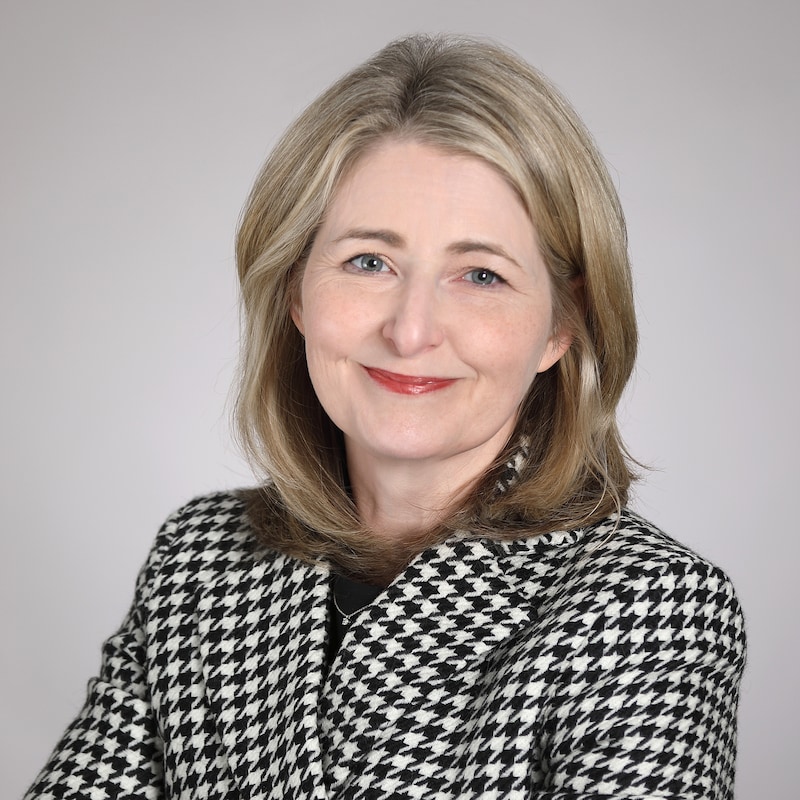
In this episode of the Autoimmune Wellness Podcast, Mickey Trescott is joined by Dr. Victoria Shanmugam, rheumatologist, physician-scientist, and Director of the Office of Autoimmune Disease Research (OADR) at the National Institutes of Health. Created by Congress in 2023, the OADR was established to coordinate autoimmune disease research across the NIH and help accelerate progress in understanding, treating, preventing, and ultimately curing autoimmune diseases.
Together, Mickey and Dr. Shanmugam discuss why the office was created, how autoimmune research is evolving, and the most promising areas of innovation currently underway. They explore everything from environmental triggers and large-scale data platforms to early disease detection, CAR-T therapies, and the future of personalized autoimmune medicine.
This conversation offers a hopeful and practical look at where autoimmune research is headed—and what that progress could mean for patients over the next decade.
In this episode, you'll learn:
- Why the Office of Autoimmune Disease Research was created and what its mission is
- How autoimmune diseases intersect with every organ system and NIH research institute
- What the first NIH-wide Strategic Plan for Autoimmune Disease Research includes
- Why studying multiple autoimmune diseases together may accelerate discoveries
- How environmental exposures may influence autoimmune disease risk and progression
- The role of large-scale collaborations and data-sharing platforms in research
- Why early detection and preclinical autoimmune disease are major areas of focus
- How Type 1 diabetes research is shaping new approaches to prevention
- What CAR-T therapies and other immune-targeted treatments may offer in the future
- Why patient participation and advocacy remain essential to research progress
- What researchers hope to achieve over the next five to ten years in autoimmune medicine
Resources:
- Office of Autoimmune Disease Research (OADR)
- NIH-Wide Strategic Plan for Autoimmune Disease Research
- OADR Quarterly Community Updates (Must Attend Live)
- NOURISH Challenge Initiative
- EXACT Plan Network (Environmental Exposures & Autoimmune Disease)
Episode Timeline:
00:00 – Why autoimmune research is entering a new era
01:41 – Introducing Dr. Victoria Shanmugam
03:29 – What is the Office of Autoimmune Disease Research?
04:58 – Why autoimmune diseases have historically been under-researched
07:19 – Goals of the OADR and coordination across NIH
09:54 – Studying more than 140 autoimmune diseases together
12:00 – The NOURISH challenge and nutrition research initiatives
14:07 – Promising areas of autoimmune disease research
16:09 – Environmental exposures and the EXACT Plan Network
17:28 – Autoimmune Centers of Excellence and cross-disease collaboration
18:34 – New clinical trials and prevention-focused research
20:02 – Early detection and preclinical autoimmune disease
21:18 – Data platforms and large-scale collaboration efforts
25:18 – How patients should think about research progress
26:32 – What the next 5–10 years may bring
28:49 – How patients can stay informed and engaged
30:16 – Why patient voices matter in research
31:00 – Wrap-up and closing reflections
Transcripts
Mickey (2): Autoimmune disease affects an estimated fifty million Americans.
Speaker:That is more people than are living with cancer, heart disease, and many
Speaker:other major health conditions combined.
Speaker:And yet for decades, autoimmune diseases have often existed in
Speaker:the shadows of medical research.
Speaker:Patients have faced long diagnostic delays, limited treatment options,
Speaker:and too often the feeling that their condition wasn't fully understood.
Speaker:But that landscape is beginning to change.
Speaker:In recent years, we've seen growing recognition that autoimmune diseases
Speaker:represent a major public health challenge.
Speaker:New research initiatives are emerging, large-scale collaborations are
Speaker:bringing scientists together across specialties, and as of 2023, the
Speaker:National Institutes of Health has a dedicated Office of Autoimmune Disease
Speaker:Research focused on coordinating and accelerating progress across the
Speaker:entire autoimmune disease spectrum.
Speaker:Today, we're talking with the person leading that effort.
Speaker:Dr. Victoria Shanmugam serves as Director of the Office of Autoimmune
Speaker:Disease Research within the NIH Office of Research on Women's Health.
Speaker:She's a physician scientist, rheumatologist, and a recognized
Speaker:leader in autoimmune disease research.
Speaker:In this conversation, we'll explore why the office was created, what it's working
Speaker:on, where the most exciting areas of research are emerging, and what all of
Speaker:this could mean for people living with autoimmune disease in the years ahead.
Speaker:Welcome back to the Autoimmune Wellness Podcast.
Speaker:I'm your host, Mickey Trescott, and today I'm honored to be joined by Dr.
Speaker:Victoria Shanmugam, director of the Office of Autoimmune Disease Research
Speaker:at the National Institutes of Health.
Speaker:Dr. Shanmugam is a physician-scientist, rheumatologist, and a leader
Speaker:in autoimmune disease research.
Speaker:She earned her degree in physiology from Oxford University and her
Speaker:medical degree from Imperial College School of Medicine in London,
Speaker:graduating with honors in medicine.
Speaker:She completed her internal medicine residency and rheumatology fellowship
Speaker:at Georgetown University, where she later joined the faculty and built
Speaker:a distinguished career caring for patients with complex autoimmune
Speaker:diseases while also leading research and medical education initiatives.
Speaker:Throughout her career, Dr. Shanmugam has been deeply involved
Speaker:in advancing our understanding of autoimmune and rheumatic diseases.
Speaker:Prior to joining the NIH, she served in a number of leadership roles in academic
Speaker:medicine and is widely recognized for her work in systemic sclerosis, vasculitis,
Speaker:and other autoimmune conditions, as well as for her commitment to improving
Speaker:patient care and accelerating research.
Speaker:Today, she leads the Office of Autoimmune Disease Research, which was established
Speaker:to strengthen coordination across the NIH and help advance research efforts
Speaker:spanning the many different autoimmune diseases that affect millions of people.
Speaker:I'm so excited to learn more about the work happening behind the
Speaker:scenes, the opportunities that lie ahead, and how patients can better
Speaker:understand the evolving landscape of autoimmune disease research.
Speaker:Before we begin, a quick reminder that this podcast is intended for
Speaker:educational and informational purposes only, and is not a substitute for
Speaker:medical advice, diagnosis, or treatment.
Speaker:Always consult your healthcare team regarding any medical
Speaker:questions or decisions.
Speaker:And with that introduction, let's welcome Dr. Victoria Shanmugam to the podcast.
Victoria Shanmugam:Oh, thank you, Mickey.
Victoria Shanmugam:That's such a great introduction, and I'm really delighted to
Victoria Shanmugam:join you on the show today.
Mickey:Awesome.
Mickey:Well, let's just jump right in.
Mickey:Can you share a bit about your role and what the Office of Autoimmune
Mickey:Disease Research is and why it was created in the first place?
Victoria Shanmugam:Absolutely.
Victoria Shanmugam:So I am the director of the Office of Autoimmune Disease Research, also
Victoria Shanmugam:fondly known as OADR at the NIH.
Victoria Shanmugam:The office, as you mentioned, is quite young.
Victoria Shanmugam:It was formed at the direction of Congress in the Consolidated
Victoria Shanmugam:Appropriations Act in 2023.
Victoria Shanmugam:And it was tasked with six specific directives: to coordinate the development
Victoria Shanmugam:of an NIH-wide strategic plan for autoimmune disease research, to identify
Victoria Shanmugam:emerging areas of innovation and research opportunities, to coordinate
Victoria Shanmugam:and foster collaborative research across the NIH, to annually do an evaluation
Victoria Shanmugam:of the NIH autoimmune disease research portfolio, to provide resources to
Victoria Shanmugam:support planning, collaboration, and innovation, and to develop some form of
Victoria Shanmugam:publicly available, centralized repository for autoimmune disease research.
Victoria Shanmugam:And we can talk a little bit more about that as we get deeper into the podcast.
Victoria Shanmugam:But those six directives, along with some of the findings of a National
Victoria Shanmugam:Academies of Sciences, Engineering and Medicine report, looking at enhancing
Victoria Shanmugam:NIH research on autoimmune disease, were what really guided the establishment
Victoria Shanmugam:of the office and are foundational to the work that we're doing today.
Mickey:Awesome.
Mickey:Well, thank you for that, and I'm sure everybody's really interested to know
Mickey:kind of where this work came from.
Mickey:Autoimmune disease affects so many people, yet historically it hasn't
Mickey:always been a central focus of research.
Mickey:I'd love to know from your perspective what has contributed to that and
Mickey:what do you see changing now?
Victoria Shanmugam:Yeah.
Victoria Shanmugam:So there are, as you mentioned in the intro, about 50 million Americans
Victoria Shanmugam:estimated to be living with autoimmune disease, and the rates are increasing.
Victoria Shanmugam:We don't exactly know why, but we also are struggling to know the
Victoria Shanmugam:exact prevalence of many autoimmune diseases because we don't have good
Victoria Shanmugam:comprehensive longitudinal data sets.
Victoria Shanmugam:When we take together all of the autoimmune diseases, as you
Victoria Shanmugam:mentioned, this is one of the most common groups of chronic conditions
Victoria Shanmugam:affecting the American people.
Victoria Shanmugam:But we don't have a good coordinated structure for studying them.
Victoria Shanmugam:These diseases are quite often systemic, and when we look at the body as a whole,
Victoria Shanmugam:we recognize that autoimmune disease research really intersects with every
Victoria Shanmugam:organ and system in the body and therefore intersects with the mission of every
Victoria Shanmugam:single institute and center at the NIH.
Victoria Shanmugam:So a coordinated approach is really essential.
Victoria Shanmugam:I'm excited to tell your listeners that in July of 2025, we published
Victoria Shanmugam:the first ever NIH-wide strategic plan for autoimmune disease research.
Victoria Shanmugam:And and that's really giving us a guiding framework and a roadmap
Victoria Shanmugam:for how to approach the scientific priorities over the next five years.
Victoria Shanmugam:We identify in that plan some specific priorities, objectives, and
Victoria Shanmugam:cross-cutting themes that the NIH thinks are important to focus on.
Victoria Shanmugam:And within those priorities, there is an objective to expand autoimmune disease
Victoria Shanmugam:research focused on the many autoimmune diseases that co-occur with each other,
Victoria Shanmugam:as well as the comorbid conditions that co-occur alongside autoimmune diseases
Victoria Shanmugam:such as endometriosis, fibromyalgia, often with other autoimmune diseases.
Victoria Shanmugam:And again, the pathogenesis for many of those conditions are, are really unclear.
Mickey:Wonderful.
Mickey:Yeah, as somebody who is a representative of the three autoimmune diseases
Mickey:club, I'm really excited to hear about that, and I know a lot of our
Mickey:listeners are very curious about those conditions that seem to tag along with
Mickey:autoimmune conditions even though they might not be autoimmune themselves.
Mickey:So thank you so much for sharing that.
Mickey:What are the main goals of the Office of Autoimmune Disease
Mickey:Research, and how is that helping to coordinate efforts across the NIH?
Victoria Shanmugam:Well, the mission of the Office of Autoimmune Disease
Victoria Shanmugam:Research is to support high-priority autoimmune disease research, identify
Victoria Shanmugam:emerging areas of innovation, and really foster collaboration across the
Victoria Shanmugam:NIH institutes and centers or ICs or ICOs, institute centers and offices.
Victoria Shanmugam:As I mentioned, autoimmune disease research really intersects
Victoria Shanmugam:with the work of every single institute and center at NIH.
Victoria Shanmugam:But that means that the research is touched by all the ICs, but really
Victoria Shanmugam:led by none, because it isn't, kind of owned by any single IC.
Victoria Shanmugam:The actual largest funder of autoimmune disease research is the National
Victoria Shanmugam:Institute of Diabetes, Digestive, and Kidney Diseases, so NIDDK.
Victoria Shanmugam:In part due to the very large Type I diabetes appropriation, which
Victoria Shanmugam:really had transformative impact on the management of people living with
Victoria Shanmugam:and at risk for Type I diabetes.
Victoria Shanmugam:And what that tells us and has shown us is that with investment, we can really
Victoria Shanmugam:shift the paradigm in understanding, not only diagnosis and treatment, but also,
Victoria Shanmugam:potentially even get to prevention, for these diseases and has been able to get
Victoria Shanmugam:there in Type I diabetes and tells us it's probably possible in, in many of
Victoria Shanmugam:these other autoimmune diseases too.
Mickey:Wow.
Victoria Shanmugam:As I mentioned, we do all of our work in partnership
Victoria Shanmugam:with the ICs, and the roadmap for that work is the NIH-wide Strategic
Victoria Shanmugam:Plan for Autoimmune Disease Research.
Victoria Shanmugam:If you pull it up online, and I think there's a link in your show notes,
Victoria Shanmugam:you'll see there's five main priorities.
Victoria Shanmugam:We want to accelerate scientific discovery and diagnosis, treatment,
Victoria Shanmugam:prevention, and cure, and we spend a lot of time thinking about that word
Victoria Shanmugam:cure and was it really possible, and we decided we needed to include cure.
Victoria Shanmugam:To promote research focused on enhancing health for people living with
Victoria Shanmugam:and at risk for autoimmune disease.
Victoria Shanmugam:To support research to understand this full complexity of autoimmune
Victoria Shanmugam:diseases and indeed the complexity across the lifespan as well.
Victoria Shanmugam:To build and maintain capacity for autoimmune disease research.
Victoria Shanmugam:And then, the fifth objective is really a, a critical one, to build
Victoria Shanmugam:and strengthen our partnerships and interdisciplinary collaborations across
Victoria Shanmugam:the autoimmune disease community.
Mickey:I love that.
Mickey:That is all just such an important scope of work that you guys are
Mickey:collaborating on there, and probably pretty overwhelming when you
Mickey:consider all of the single diseases.
Mickey:And that's actually the next thing I really wanted to talk about is the
Mickey:challenge in autoimmune disease, really just how many different conditions fall
Mickey:under the umbrella of autoimmune disease.
Mickey:How does the office approach research across such this vast range of diseases?
Victoria Shanmugam:Yeah, it's a great question.
Victoria Shanmugam:The autoimmune diseases, as you say, are an incredibly varied group of conditions.
Victoria Shanmugam:They affect every part of the body.
Victoria Shanmugam:Many of them manifest at different points in the life course and
Victoria Shanmugam:some across the life course.
Victoria Shanmugam:There are more than a hundred and forty known autoimmune disease and there may
Victoria Shanmugam:be more that we have not yet defined.
Victoria Shanmugam:And the symptoms obviously vary extensively, based on organs involved
Victoria Shanmugam:and the different diseases involved.
Victoria Shanmugam:But because the immune system traffics into every organ, we know
Victoria Shanmugam:that autoimmune diseases can affect any system in the body, sometimes
Victoria Shanmugam:many systems simultaneously.
Victoria Shanmugam:And I think what that really calls out to us is that this is an amazing
Victoria Shanmugam:opportunity to really understand the immune system as that missing link.
Victoria Shanmugam:We are approaching things very broadly.
Victoria Shanmugam:When the office was formed, we convened a coordinating committee for autoimmune
Victoria Shanmugam:disease research, and that committee has really a brain trust of experts from
Victoria Shanmugam:every single institute and center at NIH.
Victoria Shanmugam:And they come together every month to discuss, both what our strategy should be
Victoria Shanmugam:in terms of our approaches, and then also to think about not only what can we do
Victoria Shanmugam:today, but what can we do for the future.
Victoria Shanmugam:And I think one of the points that we really thought about quite deeply when we
Victoria Shanmugam:were putting together the strategic plan and as we start new strategic initiatives
Victoria Shanmugam:is, not just what the scientists and patients can do today, but what will the
Victoria Shanmugam:patients of 2030 and 2050 wish we'd done today to ensure that autoimmune disease
Victoria Shanmugam:research can really push the boundaries of what's possible as we move to the future.
Victoria Shanmugam:We have a fairly modest budget in the Office of Autoimmune Disease Research,
Victoria Shanmugam:but we try to use it really wisely, across and in collaboration with the institutes
Victoria Shanmugam:and centers to support a wide range of research, from fundamental immunologic
Victoria Shanmugam:research, that looks at the mechanisms of autoimmunity and autoimmune disease.
Victoria Shanmugam:We have supported a number of projects investigating preclinical
Victoria Shanmugam:autoimmunity, studies that are focusing on treatments, both improving treatments
Victoria Shanmugam:and then also helping those treatments reach patients across America.
Victoria Shanmugam:And then we also support some infrastructure for autoimmune
Victoria Shanmugam:disease research, as well as some novel public-private partnerships
Victoria Shanmugam:to improve engagement for people living with autoimmune disease
Victoria Shanmugam:in the research continuum.
Victoria Shanmugam:One of the initiatives that I know you were engaged with, Mickey, in 2025
Victoria Shanmugam:to 2026 was the NOURISH initiative.
Victoria Shanmugam:This was the Nutrition for Our Immune System Health Autoimmunity Challenge.
Victoria Shanmugam:The beauty of challenge mechanisms are that they have a slightly lower bar of
Victoria Shanmugam:entry in terms of complexity of submitting an application, which means we can
Victoria Shanmugam:make them quite open to our community.
Victoria Shanmugam:So this was a crowdsourced ideation challenge for our community to
Victoria Shanmugam:submit some ideas on how to better integrate diet and nutrition
Victoria Shanmugam:into autoimmune disease research.
Victoria Shanmugam:We were really excited to see the ideas that came in, and if you didn't catch
Victoria Shanmugam:the webinar live, I really encourage you to watch the winners' webinar.
Victoria Shanmugam:The link is still live on our nourishchallenge.org website.
Victoria Shanmugam:You can watch the video and see the winners talk a
Victoria Shanmugam:little bit about their ideas.
Victoria Shanmugam:But that was something where, you know, we had a unique opportunity, to
Victoria Shanmugam:really bring our community in to this kind of dynamic research paradigm,
Victoria Shanmugam:and work together to come up with some ways to move this field forward.
Mickey:Yeah.
Mickey:I love that, and I love that it sounds like you guys are really looking for
Mickey:the common threads in really trying to help improve the lives of people
Mickey:with all of the scope of autoimmune disease instead of honing in on one
Mickey:or two that affect the most people.
Mickey:So I know the community is really appreciative of that.
Mickey:And I loved participating in that challenge and hearing
Mickey:about everybody that won.
Mickey:That was just such an inspiring group.
Mickey:So thank you for doing that.
Mickey:What are some of the most promising areas of autoimmune disease research right now
Mickey:that patients like me should be aware of?
Victoria Shanmugam:Oh, I'm so thrilled that you asked that question 'cause I
Victoria Shanmugam:have so many good things to tell you.
Victoria Shanmugam:So, OADR is small and fairly new, but I'm really pleased that we've been able to
Victoria Shanmugam:do some amazing things and support some incredible projects since we started.
Victoria Shanmugam:Back in 2023, one of the inaugural funding opportunities from OADR was a
Victoria Shanmugam:program called the EXACT Plan Network.
Victoria Shanmugam:National research collaborative focused on understanding how
Victoria Shanmugam:environmental exposures shape autoimmune disease risk onset and outcomes.
Victoria Shanmugam:And the goals of this network were to build a system-level view of how
Victoria Shanmugam:different factors across our lifespan, like chemicals, infections, diet, other
Victoria Shanmugam:exposures, interact with our cells and tissues and organs and place us at
Victoria Shanmugam:risk of multiple autoimmune diseases.
Victoria Shanmugam:There were a number of exploratory and developmental projects supported through
Victoria Shanmugam:this initiative, and they were really designed to help research institutions
Victoria Shanmugam:lay the groundwork for studying this over the longer term, building partnerships,
Victoria Shanmugam:strengthening infrastructure, and trying to develop the scientific capabilities
Victoria Shanmugam:needed to contribute to a kind of larger research mission in this area.
Victoria Shanmugam:That network is still working together, helping to move beyond studying one
Victoria Shanmugam:autoimmune disease at a time and really integrating understanding of
Victoria Shanmugam:how different environmental factors at different points in our life
Victoria Shanmugam:might trigger and shape disease across the many different autoimmune
Victoria Shanmugam:diseases and across our lifespans.
Victoria Shanmugam:Another really exciting award that we have been co-funding in conjunction with the
Victoria Shanmugam:National Institute of Allergy Infectious Diseases, or NIAID, is the Autoimmune
Victoria Shanmugam:Centers of Excellence, or ACE program.
Victoria Shanmugam:And the ACE network is a long-standing program of NIAID, but through funding
Victoria Shanmugam:from our office, we were able to bring an additional center online within
Victoria Shanmugam:that group, and that center focuses on autoimmune endocrinopathies,
Victoria Shanmugam:so Type I diabetes, autoimmune thyroid disease, and a number of
Victoria Shanmugam:other endocrine autoimmune diseases.
Victoria Shanmugam:And that's really exciting because typically those researchers would
Victoria Shanmugam:not have collaborated with the people studying rheumatoid arthritis and lupus,
Victoria Shanmugam:and other rheumatologic autoimmune diseases, and they typically would
Victoria Shanmugam:not have interacted closely with the basic science immunologists.
Victoria Shanmugam:But by bringing this additional center into the ACE network, it's
Victoria Shanmugam:really catalyzed opportunities for collaboration, studies looking at the
Victoria Shanmugam:immunologic mechanisms of these diseases, most importantly, across diseases.
Victoria Shanmugam:So really getting to that point that you made earlier, that you're one of
Victoria Shanmugam:the people who has multiple autoimmune diseases, this is really common.
Victoria Shanmugam:And as a rheumatologist who used to see patients in the clinic, I have seen
Victoria Shanmugam:this many times, and yet we have not got a great mechanism for studying those
Victoria Shanmugam:co-occurrences of autoimmune disease.
Victoria Shanmugam:And this is a way that we can actually really accelerate
Victoria Shanmugam:the science in that arena.
Victoria Shanmugam:I wanna tell you also about a couple clinical trials that we're supporting.
Victoria Shanmugam:That again, is like another place where we can really invest to
Victoria Shanmugam:support accelerating the science.
Victoria Shanmugam:One that we're particularly excited about is the AVERT study, stand for
Victoria Shanmugam:Atrioventricular Block Elimination by Rosanoliximab Treatment.
Victoria Shanmugam:So that's a mouthful.
Victoria Shanmugam:But this is looking at a new treatment for women with the SSA
Victoria Shanmugam:antibody or Sjogren's antibody.
Victoria Shanmugam:We see this both in Sjogren's disease and then also in lupus, and
Victoria Shanmugam:sometimes in rheumatoid arthritis.
Victoria Shanmugam:Women who happen to carry this autoantibody are at risk of having a
Victoria Shanmugam:baby that is affected by a condition called congenital heart block.
Victoria Shanmugam:The antibodies from the mother can cross the placenta and cause a problem
Victoria Shanmugam:with the baby's heart formation.
Victoria Shanmugam:And they very often can develop stillbirth, unfortunately.
Victoria Shanmugam:So through funding from the Office of Autoimmune Disease Research in
Victoria Shanmugam:conjunction with the National Institute of Arthritis, Musculoskeletal and Skin
Victoria Shanmugam:Diseases, or NIAMS, we've been able to support this clinical trial that's
Victoria Shanmugam:looking at a new monoclonal antibody, given, during the pregnancy, during
Victoria Shanmugam:that critical window when the antibodies can cross the placenta and cause the
Victoria Shanmugam:problem with the baby's heart formation.
Victoria Shanmugam:And this therapy, looking very promising, as something that might be
Victoria Shanmugam:able to reduce that antibody burden, and reduce the risk to the baby.
Victoria Shanmugam:This particular study is led by Jill Byon New York University and
Victoria Shanmugam:is really focused on trying to study this in women that are at high risk.
Victoria Shanmugam:We also have been working to try and support studies that are looking at
Victoria Shanmugam:earlier detection of autoimmune diseases.
Victoria Shanmugam:We're increasingly recognizing that many autoimmune diseases have this prodromal
Victoria Shanmugam:phase, and I think patients living with autoimmune disease will recollect
Victoria Shanmugam:this in themselves, where there are abnormalities in the immune system,
Victoria Shanmugam:even before the doctors can really detect a definable autoimmune disease.
Victoria Shanmugam:If we could better identify those at highest risk through biomarkers,
Victoria Shanmugam:through autoantibodies, through immune profiling, we potentially
Victoria Shanmugam:could get to a place where we can diagnose disease earlier and hopefully
Victoria Shanmugam:intervene perhaps before progression.
Victoria Shanmugam:That's the paradigm that we've seen be successful in Type I diabetes,
Victoria Shanmugam:and I think with continued work in this field, then we could potentially
Victoria Shanmugam:see this in other diseases as well.
Victoria Shanmugam:There's lots of exciting things coming down the pike in autoimmunity,
Victoria Shanmugam:as you probably have been hearing.
Victoria Shanmugam:New monoclonal antibodies, new disease-modifying treatments, some ways
Victoria Shanmugam:to harness the immune system itself, alter the immune responses through chimeric
Victoria Shanmugam:antigen receptor or CAR T-cell therapy and even regulatory T-cell therapies
Victoria Shanmugam:where you engineer the T-cells to kinda dampen down the immune responses.
Victoria Shanmugam:This area of science is evolving really rapidly, and I think shows
Victoria Shanmugam:great hope, both as treatment and potentially as a durable remission for
Victoria Shanmugam:people living with autoimmune disease.
Victoria Shanmugam:We really need to be able to support the studies and the
Victoria Shanmugam:research that must be done.
Mickey:Wow.
Mickey:Yeah, that is, that is so much.
Mickey:The one thing that really stands out to me as somebody who recently in the
Mickey:last year got diagnosed with my third autoimmune condition that I started having
Mickey:symptoms 15 years ago, we all know how long it takes sometimes for your body to
Mickey:really express enough factors in order to get a diagnosis, so I'm particularly
Mickey:excited about that research for early detection and diagnosis and helping
Mickey:people get on their feet faster, right?
Mickey:So thank you so much for describing all of that.
Victoria Shanmugam:No, it's so important, and we're so excited to do the work.
Victoria Shanmugam:So yes, we hear you, and I think you're not alone.
Victoria Shanmugam:I've seen this many times myself in my own clinic, and I hear it, from many patients.
Victoria Shanmugam:So I think it's really important work.
Mickey:Yeah.
Mickey:Thank you so much.
Mickey:So another thing that we're hearing about are things like data platforms
Mickey:and large scale collaborations.
Mickey:Basically, what do we do with all this information?
Mickey:How are these changing the pace or the direction of the research
Mickey:that's being done right now?
Victoria Shanmugam:So glad you asked that question.
Victoria Shanmugam:This is something our team and certainly our coordinating committee
Victoria Shanmugam:for autoimmune disease research has been thinking really deeply about.
Victoria Shanmugam:As I mentioned, the six congressional directives that set up the office,
Victoria Shanmugam:number six was this task to develop some form of centralized repository for
Victoria Shanmugam:autoimmune disease research, and we really approached this with a very broad lens.
Victoria Shanmugam:As you and your listeners know, many conditions that we currently group
Victoria Shanmugam:under one diagnosis are likely made up of biologically distinct subtypes.
Victoria Shanmugam:And as we mentioned, people who have one autoimmune disease are at
Victoria Shanmugam:a higher probability of developing other autoimmune diseases.
Victoria Shanmugam:And so really important that we have mechanisms to allow us
Victoria Shanmugam:to look at shared pathways that could contribute to autoimmunity.
Victoria Shanmugam:We're at this really pivotal time.
Victoria Shanmugam:There have been these amazing advances in genomics, proteomics, and other
Victoria Shanmugam:molecular tools that are helping us define subgroups of disease more precisely.
Victoria Shanmugam:But we're also very fortunate because computational power that we have
Victoria Shanmugam:today far exceeds what was possible five years ago, even ten years ago.
Victoria Shanmugam:And we really wanted to bring those two pieces together in a complementary way.
Victoria Shanmugam:So through funding from the Office of Autoimmune Disease Research, we have
Victoria Shanmugam:been collaborating with the National Library of Medicine, or NLM, establish
Victoria Shanmugam:a federated digital data ecosystem.
Victoria Shanmugam:Right now, that's stood up within the walls of the NIH, within the
Victoria Shanmugam:National Library of Medicine, and we've called it the Autoimmune Disease
Victoria Shanmugam:Analysis Platform Testing Space.
Victoria Shanmugam:That stands for ADAPTS.
Victoria Shanmugam:We picked that name because the immune system adapts, and we were looking
Victoria Shanmugam:for something that could adapt and grow with the science over time.
Victoria Shanmugam:And we know that as we learn more, we're gonna need to use this ecosystem and this
Victoria Shanmugam:computational platform to do different things, and we thought that was a good
Victoria Shanmugam:kinda metaphor for where we were heading.
Victoria Shanmugam:The purpose of this platform is to allow researchers to analyze
Victoria Shanmugam:distributed datasets for studying autoimmune disease research.
Victoria Shanmugam:So what we're wanting to do is help researchers collaborate on these complex
Victoria Shanmugam:analyses that they could not do with a single dataset or they could not do alone.
Victoria Shanmugam:We're doing this right now within the walls of the NIH simply because we have
Victoria Shanmugam:a structure that allows us to do this and kind of put it through its paces,
Victoria Shanmugam:test it out, so that we can learn, where do we need to invest a little
Victoria Shanmugam:more, what parts work easily, what parts are more complex, to sort of get
Victoria Shanmugam:a little bit of control to the system.
Victoria Shanmugam:But the beauty of this system is it supports governance and
Victoria Shanmugam:privacy protection by design.
Victoria Shanmugam:You don't move any data, so the federated model is that the computational power
Victoria Shanmugam:really goes to the data to do the analysis and run the algorithm, but the data stays
Victoria Shanmugam:in place, and there is no kind of exposure of the data to any outside entities.
Victoria Shanmugam:We hope that with continued investment, that will be something that we can scale
Victoria Shanmugam:more widely, so that we can have something that allows the entire autoimmune disease
Victoria Shanmugam:research community to come together.
Victoria Shanmugam:That will take time, and I think it's something that we will be kind
Victoria Shanmugam:of, trying to develop over time.
Victoria Shanmugam:But right now, working with this group of intramural investigators to really put
Victoria Shanmugam:this through its paces and test whether or not this is gonna be the right model
Victoria Shanmugam:to use for autoimmune disease research.
Mickey:Oh, that is really impressive, and I'm really excited to hear
Mickey:that you guys are using technology to its fullest potential to help
Mickey:solve some of these problems.
Mickey:So that's really exciting to hear about.
Mickey:So my next question is for somebody living with autoimmune disease
Mickey:today, how should they be thinking about progress in research?
Mickey:What does that actually look like from your perspective?
Victoria Shanmugam:Yeah.
Victoria Shanmugam:So research is rarely a straight line.
Victoria Shanmugam:And one of the things that really struck us as we were putting together the
Victoria Shanmugam:NIH-wide strategic plan for autoimmune disease research was that if we start with
Victoria Shanmugam:what matters patients, then we're gonna be answering important biologic questions.
Victoria Shanmugam:And the other thing that I really want to emphasize for everyone listening
Victoria Shanmugam:is that if we're partners in this, then every study, even negative
Victoria Shanmugam:studies, will add to the knowledge base that moves the whole field forward.
Victoria Shanmugam:People living with autoimmune disease should really know that
Victoria Shanmugam:their experience, their questions and involvement are actually vital
Victoria Shanmugam:to accelerating better treatments and ultimately prevention and cures.
Victoria Shanmugam:And this could not be done alone.
Victoria Shanmugam:And I think it's really important that we see this as a partnership,
Victoria Shanmugam:because together we can do a lot more than any of us could do alone.
Mickey:I love that so much.
Mickey:Calling us all in, right?
Mickey:I love it.
Victoria Shanmugam:We, it needs everyone.
Mickey:Yeah!
Mickey:So when we look ahead, what feels realistic to you for the next five
Mickey:to 10 years in terms of research and potential patient impacts?
Mickey:'Cause I know people are pretty used to things moving pretty slow, but you've
Mickey:told us about a lot of good things.
Mickey:What do you see coming?
Victoria Shanmugam:Yeah.
Victoria Shanmugam:There's a lot of potential.
Victoria Shanmugam:NIH is committed to advancing progress in autoimmune disease.
Victoria Shanmugam:And to achieve that mission, you know, it takes multiple avenues.
Victoria Shanmugam:So we are continuing to support fundamental research to identify
Victoria Shanmugam:new therapeutic targets.
Victoria Shanmugam:But it's also essential to support translational research that turns
Victoria Shanmugam:those targets and new discoveries into clinical treatments that can
Victoria Shanmugam:ultimately improve the health of people living with these diseases.
Victoria Shanmugam:On top of that or layered on top of that, it's really important to build capacity
Victoria Shanmugam:for autoimmune disease research through, not only the development of new tools,
Victoria Shanmugam:new techniques, new methods and skilled workforce, but also the infrastructure
Victoria Shanmugam:allows us to run clinical trials and to bring therapies to our patients.
Victoria Shanmugam:These priorities are just vital for advancing and translating scientific
Victoria Shanmugam:discoveries into improved outcomes for people living with autoimmune disease.
Victoria Shanmugam:As I mentioned, that interest and research into the preclinical phase
Victoria Shanmugam:of disease is another area of focus.
Victoria Shanmugam:And I think we've learned a lot from the Type I diabetes community where
Victoria Shanmugam:they've been able to not only identify the individuals that are high risk
Victoria Shanmugam:for progressing from preclinical Type I diabetes to full-blown Type
Victoria Shanmugam:I diabetes, but they also were able to identify a target to alter
Victoria Shanmugam:the immune system in that phase.
Victoria Shanmugam:That is now an FDA-approved therapy for people at risk for Type I diabetes
Victoria Shanmugam:to prevent progression to full-blown Type I. And that's completely shifted
Victoria Shanmugam:the paradigm for that disease.
Victoria Shanmugam:And that success really tells us what's possible for these other
Victoria Shanmugam:autoimmune disease conditions.
Victoria Shanmugam:So I wanna kinda land on the thought that the future is really bright.
Victoria Shanmugam:I think in the next five to ten years, we're gonna see huge advances in research
Victoria Shanmugam:and potential impact for our patients.
Mickey:I love that.
Mickey:So here's a question that I know you'll have a great answer to
Mickey:because I've been following you and some of this work for a while.
Mickey:But I know our listeners would love to know the ways that patients or communities
Mickey:can stay informed about or engage with these ongoing research efforts.
Victoria Shanmugam:Oh, perfect lead in.
Victoria Shanmugam:Yes.
Victoria Shanmugam:We'd love for all of your listeners to join us.
Victoria Shanmugam:Actually every quarter.
Victoria Shanmugam:The Office of Autoimmune Disease Research hosts an open updates on OADR session.
Victoria Shanmugam:Uh, it's typically held about a week after our internal coordinating committee meets.
Victoria Shanmugam:We give a fairly high level update on what's going on in the life of the office,
Victoria Shanmugam:and then there is a little bit of an open session where we let people unmute and
Victoria Shanmugam:tell us what's going on in their lives and the lives of their organizations.
Victoria Shanmugam:It's a really nice way for our community members to engage, share
Victoria Shanmugam:their thoughts and experiences.
Victoria Shanmugam:We always learn a lot from our who attend those sessions.
Victoria Shanmugam:And it's really a, a very open forum.
Victoria Shanmugam:Anyone can speak, just raise your hand and unmute.
Victoria Shanmugam:You do have to attend live, so those sessions are not recorded.
Victoria Shanmugam:But we are happy for people to drop in when they can, and I
Victoria Shanmugam:hope that you guys can join us.
Mickey:I love that so much, and we'll have the links to that in the show notes.
Mickey:Lastly Dr. Shanmugam, this has been such a great interview.
Mickey:Is there anything you'd like listeners to better understand about autoimmune disease
Mickey:research or where things are headed?
Victoria Shanmugam:Oh, I would just say your voice really matters.
Victoria Shanmugam:I think it's really important to continue talking about how important
Victoria Shanmugam:autoimmune disease research is.
Victoria Shanmugam:Continued sustained funding is essential to support and expand the work both of
Victoria Shanmugam:OADR and the NIH more generally, and to ensure that scientific discoveries
Victoria Shanmugam:reach the patients living with autoimmune diseases across the United States.
Mickey:Thank you so much.
Mickey:That's such a perfect closing message.
Mickey:Dr. Shanmugam, thank you for joining me today, for sharing your perspective on
Mickey:the future of autoimmune disease research.
Mickey:What really stands out to me from this conversation is there's so much more
Mickey:coordination, collaboration, and momentum in this field than ever before, and it
Mickey:sounds like you've got a lot of work ahead, but it's so encouraging to hear
Mickey:about the investments that are being made to better understand autoimmune disease
Mickey:and ultimately improve the lives of patients like myself in this community.
Mickey:So thank you so much for sharing with us.
Mickey:For everybody listening, we're going to include links in the
Mickey:show notes to everything we referenced today, like the Office of
Mickey:Autoimmune Disease Research website.
Mickey:You can sign up for the email list, learn about some of the quarterly
Mickey:webinars and any other public events, and stay up to date on the latest
Mickey:initiatives and research opportunities.
Mickey:As somebody who has spent many years in the autoimmune community, I
Mickey:have personally enjoyed seeing more opportunities for patients, advocates,
Mickey:researchers, and organizations to all come together around these conversations.
Mickey:Staying connected and informed is one of the ways we can all
Mickey:help move this field forward.
Mickey:So thank you everybody for listening to the Autoimmune Wellness Podcast.
Mickey:If you enjoyed this episode, be sure to subscribe, leave a review, and
Mickey:share it with somebody who might benefit from the conversation.
Mickey:Until next time, take care!
