Shownotes
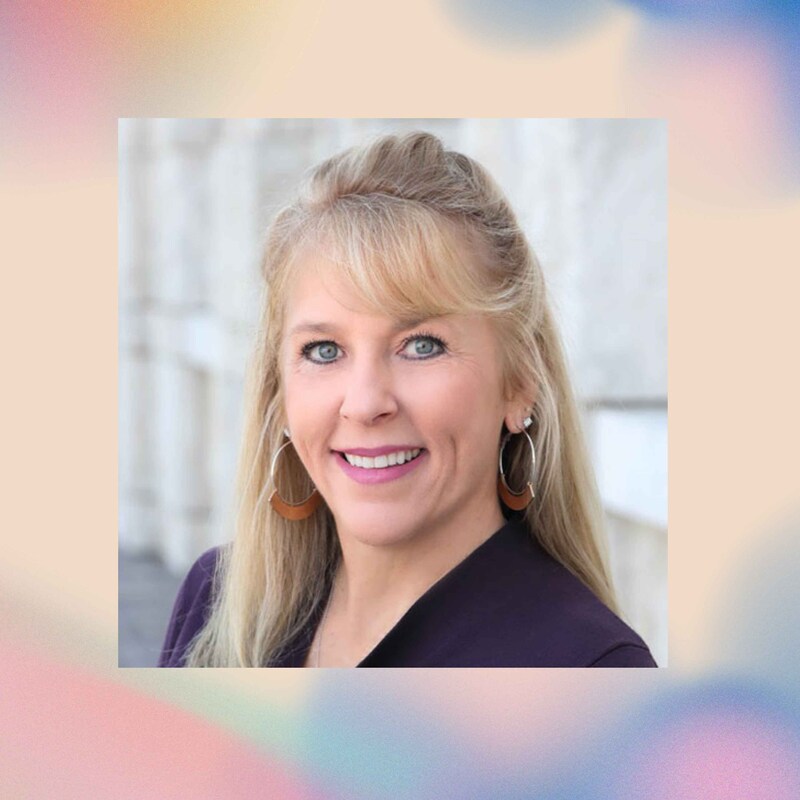
Today's guest is Shellee Howard, the brilliant founder and CEO of College Ready, a global college consulting firm that’s all about helping students find their academic soulmate! With over a decade of experience under her belt, Shellee has made it her mission to transform how families approach the college search, and she’s got the stories to prove it. We’re diving deep into her unique approach, which emphasizes understanding each student’s individual gifts and passions before even thinking about their college applications. Whether your kiddo dreams of an Ivy League or wants to fit in at a cozy local college, Shellee believes that no two students are alike, and neither should their college plans be. So, buckle up as we explore the ins and outs of navigating this wild ride we call college admissions, all while keeping it fun and stress-free!
Takeaways:
- Today's episode features Shellee Howard, a college consulting expert who helps families navigate the complex world of college admissions and financial aid.
- Shellee emphasizes the importance of personalized college strategies, believing that every student has unique gifts and needs that should shape their college experience.
- One major takeaway is that families should start preparing for college much earlier than senior year—ideally in middle school — to ensure the best opportunities.
- Shellee shares her belief that college is not just about getting a degree, but about helping students discover their passions and prepare for adulthood without incurring massive debt.
- Understanding the college admissions process is crucial, and Shelly highlights that many families overlook key factors that can significantly impact their choices and outcomes.
- Finally, Shellee advocates for a proactive approach to financial planning for college, encouraging families to explore scholarships and financial aid options long before applications are submitted.
Links referenced in this episode:
Transcripts
Today's guest is someone who's helping students and families build bridges to brighter futures.
Shelly Howard is the founder and CEO of College Ready, a global college consulting firm that helps students find their perfect match academically, financially, and socially.
With over a decade of experience and a passion for personalized strategy, Shelly has traveled the world guiding students toward their ideal college experience.
Whether it's competing for Ivy League admission or find the best fit college for a student's unique gifts and passion, Shelly believes that no two students are the same, and neither should their college plans be. Her work transforming how families approach higher education.
And today, we'll explore her journey, her insights in how she's helping students thrive, and one of life's most important transitions. Well, Shelly, welcome to the podcast.
Shellee Howard:Thank you so much for having me. It is my pleasure to be here, so.
Rev. Dr. Keith Haney:Pleasure to have you. I'm looking forward to this conversation. This is important time in people's life. I remember how stressful my college experience started out was.
So if we could help make a little easier for somebody else, that would be great.
Shellee Howard:Absolutely.
And I hope, you know, for the listeners, I can give them a sense of peace that it's not as crazy as the media has made it out to be, nor is it as expensive. And so I look forward to giving trip tricks and tips and just letting families know how to play the game.
Rev. Dr. Keith Haney:All right, looking forward to that. We're going to start out with my favorite question. What's the best piece of advice you've ever received?
Shellee Howard:Oh, gosh, so much wisdom. I would say the first thing that came to my mind is when I was trying to decide if I was going to go to college because neither of my parents did.
And I sat them down and I said, so what do you guys think about me going to college? And my. My mom says, no, you need to go get a job. And my dad says, you know, I wish I would have went.
And the reason being is I made all kinds of mistakes on my dollar, and I would have loved to skip all of that and do it on somebody else's dollar. And I'm thinking, now that makes a lot of sense. And so that does make a lot of sense.
Rev. Dr. Keith Haney:There you go. I love that. I remember thinking, I got a chance in college to figure out what I didn't want to do and what I did want to do.
So it was kind of a nice experience for me. So, yes, for sure.
Shellee Howard:Yeah. It was a big decision for our family. My parents were unsure, and it was wise advice. There's no doubt about It.
I am definitely an entrepreneur at heart, but I didn't know how to write a business plan until I went to college, so there was a lot that I had to learn.
Rev. Dr. Keith Haney:Well, that goes to my next question. What inspired you to start college Ready?
Shellee Howard:Oh, one of my favorite stories. And I'll give you the brief version, because we don't have several hours, we're going to make this the brief version.
My firstborn came home in eighth grade, spring of eighth grade, and says, mom, I know exactly what I want to do after. After high school and exactly where I want to go to college. And I'm like, wow, I'm a great parent. First thing that came to my mind.
And then I'm like, so, please tell me. And he's like, yeah, I want to be a brain surgeon. I want to go to one of those Ivy things.
And I'm thinking, whoa, I did mention that I changed my major five times and I only applied to two schools, and I was the first to go to college. Right? He goes, yeah, but, mom, you told me I could do anything I wanted to do, and this is what I want to do. Will you help me?
And that is what started college ready?
Rev. Dr. Keith Haney:Wow, that's interesting. So it was. It was born out of a real sense of this is really personal and, you know, how do I help get people get ready for that. I love that story.
Shellee Howard:Yeah. You know, we do things for our family that we would probably never do for ourself.
But when he came to me with such a big wish and a hope and a dream, I just, I said yes. And then I figured it out. And then I've been doing it 18 years, helping other families do the same.
Rev. Dr. Keith Haney:So I've talked to other people who are college recruiters, college transition helpers. What makes your approach to this important work so unique?
Shellee Howard:There's a lot of things that College Ready does differently or our approach, but I think the one that I'd love to share with your listeners is we first help the student figure out who they are, what matters to them, their core values, their gifts and talents, and what they advocate for. So we first help them figure out who they are before they try to figure out who they're going to be.
And most people in the space of college admission support are, you're good at math. Go to MIT and figure it out. We don't do that. We first help the child figure out who are they? How have they proven it?
What is a good major, a great career? But, you know, college is a stepping stone to life.
We're more interested in how do we help this young person bridge that gap to adulthood, learning along the way, and ultimately getting to where they get to live their passion, live their purpose, and do it without going into college debt. That's what makes our program very unique.
Rev. Dr. Keith Haney:I like that. I have a question, because I know, as I think about, suppose I know who I am, there are thousands of colleges around the country.
How do you get to know what makes this person's unique abilities and talents and their passions fit with a particular college?
Shellee Howard:Sure. So the beauty is we do have lots of options, but that's also sometimes really difficult for families.
After doing this 18 years and touring 25 colleges a semester, I have been to so many of them that I can show, verbalize, explain pros and cons to at least all the ones these kids know about. That's why I'm currently in Montana, touring colleges here, because it's one of the states I have not been to.
And the college system here is so unique. And I think students need to understand who are they? So they know do they want a big school or a small school? Do they want public or private?
Do they want east coast, west coast, middle of the states? If they don't know this, they're going to pick a school based on a location or a football team or a basketball team or their school colors or their.
You know what I'm talking about, Keith. So my job is to help them. I'll give you an example, because sometimes this gets hard for families.
I met with a student last week, and I always say, so it's the dream. Let's. Let's go for the dream. Why not? She goes, oh, University, California, Santa Barbara. I'm like, fantastic school. And I said, but why?
She goes, have you not seen the view from the dorms? It's amazing. And I was like, yeah, so why do you want to go to that school? And she goes, I just told you. And that's when the light bulb went on.
And her parents looked at me and I looked at her parents, and I'm like, we have some work to do here, right? College is not just a place to go and live somewhere really cool.
I mean, that could be part of it, but they didn't even have her major that she wanted to do. So here's a student who was going all in on a school that didn't even have the academic fit. And that's where we have to help families understand.
There's the academic fit, right? There's the social fit, there's the Financial fit could be the athletic fit.
And so we first have to really figure out who is this child and what are they looking for? Do they want to go on to get their MBA, PhD, law? Then they need to graduate at the top 5% of their college class.
Well, if they're going to Harvard, that's going to be pretty hard to do. And I want them to know this is what you're going to have to do. And then they get to say, oh, maybe that's not the best fit school.
And I never tell a student no, but I sure can educate them so they can make wise choices.
Rev. Dr. Keith Haney:So for parents who are hearing this going, I want to be there for my kids. I didn't go to college. But what are some key factors that families often overlook when choosing a college?
Shellee Howard:So the first thing is your child has no idea how to do this. I know as a parent, we wish that to be true. It's kind of like the first time you taught them how to play baseball, right?
You hand them a glove and a ball and a bat, and then you go, say play. They would be like, what? How? What are the rules? It's the same thing parents are doing. Not all, but a lot of parents are doing for college.
They're saying, just go get good grades and then figure it out.
And they're going, well, well, what about test scores and community service and leadership and extracurriculars and letters of recommendation and essays? And they're like, I don't know how to do this game. And the parents like, I don't know how to do this game.
And then they both hope that their high school counselor is going to help them.
Well, I want to squash that myth really quick, because the high school counselor is dealing with the truancy and the dropouts and the anxious and mentally stressed student. So when your child comes in with, you know, A's and B's, they're gonna be like, you don't need us. You're good.
And then the child's gonna be like, now what? And that's what happened to my son. And that's why he came home to me and said, mom, nobody's gonna support me. And I have no idea how to do this.
So the number one thing is, parents, don't think your child's going to know. Don't think their high school is going to help them.
And if you, the parent, don't have time or desire to go back to college and become an independent college strategist and a financial strategist and, you know, understanding The FAFSA and the CSS profile. Like it's okay, right? You can hire a bookkeeper or CPA to help you with your taxes. You can help a real or hire a realtor to do your home purchase.
You go to a car, you know, salesperson to help you make sure you buy the right car. It's all about preparation and research. So if you're going to do it on your own, start reading now. Start researching now.
I have written two best selling books for parents who want to try to do it on their own, or students who want to try to do it on their own, or aunts and uncles and grandparents. I. I realize not every family's in the same situation. I get that I help foster care kids, but they don't know how to do this.
And that's why I do these podcasts, because I just want to let people know, if you don't plan for college, you will go into massive debt and you will end up at a school that the student doesn't really want to be at. And then they may transfer and then they may take on more debt. Then they may marry somebody who has debt. Now they're double debt.
And on the story goes, and on it goes. And I'm on a mission to change the way that we've been doing this for way too many years and help families understand they need a village.
This is not do it on your own, bootstrap it, figure it out. No way. They need to understand that there's a lot at risk here, financially, academically, socially. That's what I want families to understand.
It's like save starting to save for retirement when you're 70. It does not work out very well.
Rev. Dr. Keith Haney:Unless you die at 71.
Shellee Howard:You got that?
Rev. Dr. Keith Haney:So, Shelly, I'm curious because, you know, my child went to a school that was kind of college prep is kind of how they saw themselves.
But they were frustrated, too, because they would host every year these college preparatory things with the parents and the students, and they would start with the freshman class and, and I remember the school counselor coming to me saying, why are no parents coming to this?
And we're trying to get them ready in freshman year and no one's here, but at junior senior year, everybody's in the room who's thinking about college. How do you get parents to understand that it starts really before you even get into high school preparing for college?
And how do you get your students thinking that way, walking into the door?
Shellee Howard:Well, that explains why I've been a guest on 62 podcasts. This year I'm on a mission. I'm an international public speaker.
I have traveled globally to let families know there are 10 colleges that are tuition free. Nobody talks about those. You can go, right? You can go to Europe and get a dual US and European degree in three years for $20,000 in total.
There's so many ways that this can be done that it's. Parents are guardians, don't want to deal with it. They're dealing with raising teenagers.
And that's just one more heavy conversation they don't necessarily want to have. So what I tell parents is this.
If you don't, it will be really bad when they're a senior and then they may not want to come home for Thanksgiving or Christmas. So that would motivate me if anything else. The other thing is we start students in seventh and eighth grade.
We start them in ninth grade, 10th grade, 11th grade, and unfortunately, yes, we still have some 12th graders that start with us at the last minute. But what I can tell every one of them. Do you want scholarships? That's how I motivate families.
If you do, here's some genius things I want your listeners to understand. Your student needs to take the PSAT their freshman year, their sophomore year, and the junior year's the money round, the free education round.
Okay, are you listening now, listeners? Because I'm giving you, like, why you want to start early, right?
For those students who have already taken Algebra 2, it's time for them to take a real SAT or ACT. They don't need to wait until their junior year when they have all the AP, IB dual enrollment and heaviness.
Take it when they're a freshman, take it when they're a sophomore. What about community service hours? Colleges want to see at least 200 hours in something they're passionate about.
Are you going to wait until they're a junior or a senior and put that on top of their academia and the boyfriends and the girlfriends. Let's get honest, right? And then we talk about big scholarships. Students can start applying to college scholarships in eighth grade.
So if you don't want to think about this till 9th, 10th, 11th, or you're missing out on years and years of money. So, parents, if you want money, what are you waiting for?
Rev. Dr. Keith Haney:Wow, you've given me a lot to think about. So why is it college is such a mystical over the top process? Why is it so complicated? Why is no one.
Why didn't more people like you that we know about who are unpacking the mystery of college for us and Making it simple so that more people can tap into this.
Shellee Howard:So the easiest way I can tell you is just straight up, and that is college is a business. They need your money to stay in business. So why would they give you any tips and tricks? They need your money to stay in business. Right.
Parents, if you're a business owner, would you go and give everybody else all of your intellectual property and teach them the tips and the tricks to. To pay less to you? Of course you would not.
And so many people look at college as a, you know, a shield of honor, a badge of honor, or my kids, I'm wearing the sweatshirt, you know, like, and it's an emotional thing. Parents. And I get it. I have four kids. I'm right there with you. We. My first went to Harvard pre med. Second went to University of Alabama.
She's now a nurse. Third went to San Francisco State. Fourth went to the Czech Republic of Prague.
So, yes, after wearing the Harvard badge of honor, I realized that it was a real thing. Like, these people are real. I didn't know about it, but it was pretty cool to be in their club, right?
And so I like parents to know the club at Alabama was pretty awesome. We rolled tight. Like, it was amazing, right? Football, the whole thing. And so I have to remind families, college is a business.
They need your money to stay in business. You need them to give you acceptance and free money. Okay? So that's two colliding forces, which is why it's, in your words, a little mystical. Right.
A little out there. And you have to think it all comes down to the bottom line of there's bills to be paid on both sides.
And they have to pay, you know, the teachers, they have to pay the staff, they have to pay for the lights to be on. We get, we being. I'm a parent, I get super frustrated because it's like, there's no way it costs that much to run a college. Right?
That's where I'm coming from. And then I look and I can tell you there are a lot of generous colleges out there. My son had seven full ride offers.
Harvard matched a full ride offer, and that is how he got in and out for free. Okay. So we do financial negotiations, we do reconsiderations. We approach it as a business and not as an emotional badge of honor.
Rev. Dr. Keith Haney:Wow. So let's dig into the Ivy League thing, because I'm always curious, you know, are there people who have this Ivy League dream?
I want to go to an Ivy League school. How do you help students to really navigate that Competitive nature of being in an Ivy League school.
Shellee Howard:It actually brings me a lot of joy because it's the first time I get to sit and inspire a teenager. They're in the thick of it, they're in the trenches, and they're like, will this ever be worth it? That's what they all tell me.
But I can show them based on last year's admittance. This is the GPA you need. This is the test score you need. This is a passion with purpose project that got them in.
This is the amount of leadership that you need. This is the amount of extracurriculars. This is the essays that got them in. Do you want to do that work? And it's a long pause.
It all sounds really lovely until you look at what it takes. And that's what I want families to understand. Yes, it is really amazing. I'm not going to lie.
I mean, being part of the Harvard family, and it is forever an incredible alumni group. My son will never go without a job. There's lots of good things.
But I will tell you, I was very worried when he left for Harvard because he had never got a B before, ever in his life. And I knew he was going to get one, right?
And I, I remember the first week he was there, he called home and he says, mom, I, I, I don't know what to do. And I'm like, oh, no, it's coming. He said, my English Teacher, there's 12 kids in the class. One of us is going to get an A.
And he looked around and he says, I'm going to get my first B, and I'm okay with it. And you need to have that mentality that I'm okay with who I am. And then we learn later on that Cesar degrees even at Harvard.
So nobody asks him what his GPA was at Harvard, right? So you have to change your mindset, right? And he did. He got, he got a few B's.
Not a lot because he wanted to get a medical school, but it's a, it's a real thing. And there's a lot of kids. Even if they get in, the pressure's too much.
It is, they are the, the, you know, creme de la creme, the best of each school. And there is a lot of competitiveness, but there's so much collaboration.
My son is still best friends with 15 of his final club members because they don't have fraternities there, they have final clubs. And he, I mean, he rode crew there, so he did have time for fun. He went to the Yale, Harvard, football game and basketball game.
So he did manage to have some fun, but he did have to work harder than he did in high school. And I told him before he left that we needed to have that conversation because his mental health was not going to be at risk.
It was not going to be worth it to me at least. And he honestly did not. He'd never felt that that was a problem. He, he, his academic fit was ready.
He had taken enough I AP classes and dual enrollment classes. He said the academia wasn't harder, the competition was harder. That's the only difference.
Rev. Dr. Keith Haney:Wow, that's interesting. So you've worked with not just students here in America, but around the world.
How do cultural differences shape college planning and success in the process?
Shellee Howard:So in the United States, colleges are looking for students who, they want to know who is the student, what matters to them and what have they done to prove it. In Europe? They don't care about any of that. They want to see what is your GPA and what is your test scores. That's it.
So culturally it is a massive difference because my students who don't want to do community service or extracurriculars or leadership or all of that, they love the idea of just a nice juicy big GPA and test score. Right? So that's what I want families to understand. Putting your child no matter where in the world they want to go is the right thing to do.
Rev. Dr. Keith Haney:And what's the difference for those who do study abroad? You say you've had a child study abroad. How do you prepare them for life outside of our culture in us?
Shellee Howard:Wow, that was hard. I'm not gonna lie. It was harder for her father than for me.
Protective daddy was like, my little 17 year old daughter is gonna be a real far away from his, you know, his protection.
So we started in about, I would say, the end of her sophomore year and I put together a list of 20 things she had to accomplish to prove to her father she was ready to live in another country. And they were hard. They were really hard.
Like booking a flight, getting on a flight, getting off a flight, booking your hotel, like all of the potential things that could happen. And it was, it was a little hard for him, but we were able to do it gently and slowly over time. And her success was she hit all 20 of them.
And they agreed that if she did that he would let her go. He still wanted to hand deliver her to her university, which he did.
And he met the, you know, the people that she was going to be living with and the the administration and I have to say it was the perfect fit for her. She wanted, she wants to be an entrepreneur, she wants to be international. There was no better playground for her than doing it.
She did got, she got to travel all over Europe on the weekends. Her maturity, she's the baby of the family.
So out of all of them I was most concerned because she was the most sheltered and she is just, just doing so much better than we ever had dreamed for her. And the beauty is she got in and out in her major US and European degree for $27,000 in total. The return on her investment is phenomenal.
Rev. Dr. Keith Haney:Wow, that is impressive.
One thing we, we just touched on but we didn't dig into deep and I think we want to cover that because I'm sure people listen going this is all fine and good but let's get down to how do we make sure college is affordable? And talk about financial navigating financial aid and scholarships for families for sure.
Shellee Howard:This is something that I am truly passionate about. And it all started with my firstborn when he was applying to schools.
I knew that our family could not incur $63,000 a year in debt for him to go to Harvard. So my fear was he was going to get in and I wasn't going to be able to pay for it. And then I had the big L on my forehead like loser parent.
That's what I was worried about.
And so I, I learned early on that if we approach it like any other business transaction, we have to look at what is the return on investment for, for the amount of time, the amount of money and, and what he is going to be able to take away with him to see is that going to make sense. So I told all four of my children that if they did not get to go on a full ride that they were going to stay local and live with me.
That was their punishment and they, that wasn't very exciting for them. They were, they were not jumping up and down saying yes, that's what I want to do.
So that's the one thing I was really upfront and I think a lot of parents have a lot of shame around that they can't afford it where I just put it on the table and I'm like, listen guys, listen ladies, listen gents, this, this parent of yours, I, I don't, I can't send each of you for that amount of money. Like it's impossible and you all have no assets so you can't take a loan without me co signing. And I want to Retire someday.
And so we're not spending mama's retirement. And so we had these conversations at the dinner table of you have to pick a major that has a career that is going to pay you well.
So if you do take any kind of loan, you can pay that off quickly so you can buy a home, buy a car, start a family, right? So number one, parents, you need to have the conversation. Yes, it's not as comfortable as the birds and the bees. I get it. None of it's fun.
We didn't sign up for it. But you have to do it. You really have to do it. The second thing is start scholarships.
Now there's a scholarship for $10,000 if you're a vegan, there's scholarships for the color of your eyes for. I mean it's endless. There's so much scholarships.
I will tell you there are more scholarships that go without anybody applying than anybody will talk about. Harvard has $53 billion. If you get into Harvard, they pay 100%. So just know you have to get accepted and you have to do the work.
And if you do the work to get accepted, you use that story to apply for scholarships. Now there's buckets of money.
There's independent scholarships, there's merit scholarships, there's institutional scholarships and there's need based scholarships. That's a lot of buckets of money. But I want you to think about this, parents.
If you own a business and I come to you and I say, Keith, I really want to work for you, you're the man. I heard you're the best. I want a job. And you say great, Shelly, can I see your resume or cv?
And I'm like, well, kind of spent the summers hanging out on the beach and you know, gaming and shopping and I didn't really get around to that. You're going to say, well Shelly, I'm sorry you're not really prepared, but I like you and I'm going to give you a 30 day probation.
But I'm going to pay you minimum wage, right? That's what we would do. As a business owner, guess what colleges do, right? That's it. It's the same thing.
People don't think about it as you can't do in. If you don't prepare, they're not going to pay you. That's it. It's as simple as that, right? So hopefully that helps you parents understand.
Rev. Dr. Keith Haney:It makes a lot of sense.
Shellee Howard:It's not that your child is not amazing, but guess what? Somebody's going to have the same GPA and test score, what else have they got?
The colleges are looking for students not to come in, sit at a desk, and leave. They're looking for them to come and make their campus alive. So everybody's talking about, oh, you need to go to this school.
Then you graduate, you put the diploma on the wall, and now you're advertising. It's a business.
Rev. Dr. Keith Haney:That makes a lot of sense. I hadn't thought of it that way. That's really good.
So, Shelley, with all that in mind for this college student who's hearing this podcast and overwhelmed by the process, we've given a lot of pieces of information. What are some of the key things a college student needs to be working on to make themselves that appealing prospect for a college?
Shellee Howard:So the most important thing is starting as early as you can. And when. I mean, start early.
I mean, when they're young and you're doing bath time, put your cell phone away and open a book, or at least hide your cell phone in a book, because they're watching you. And reading opens up vocabulary, that opens up essays, that opens up opportunity.
Okay, so parents, if you're on your cell phone or technology 24 7, and everybody's going to use AI, where is the intellectual curiosity? Where's that drive to learn and that desire to want to absorb? Right? Everybody wants to skip right to college. And I'm like, whoa, whoa, whoa.
We need to put that foundation of loving to learn before they even get there.
Then the next piece is when they're in middle school, make sure they're taking challenging classes in the areas they're gifted in, not things that are going to sink their ship. If they're not good at math, don't put them in advanced math.
Because what happens is that teacher's going to talk to the high school teacher and they're going to say, no, you can't put Johnny in that class because he can't even handle this class. So it's. It's a. It's compounding, right? So the earlier you can start this process, the more fun it is, the better prepared the family is.
And that's why we start working with students in middle school now. And we don't talk about what college do you want in middle school? We talk about what are your gifts and talent that you've been given?
What are those things? What is your passion? What is your purpose? Why are you on Earth? What are you going to do with that gift?
Now they're starting to test the water in seventh and eighth grade, and they're like, wow, I am a good leader. People like to follow me. Amazing. And then the adults in their life are like, you are Susie. You are an amazing gifted leader.
Guess what happens to Susie? She wants to jump into leadership. These are the things that colleges want. And so it's not what people think.
Just running your kid ragged to go from soccer practice to drama to robotics to. I mean, these poor kids are getting not enough sleep for their brain to be developed. The poor parents are running a Uber service.
That's not what needs to happen. What needs to happen is your child needs to grow and expand and lean into who they are and what matters. So.
So when they adult, they're going to skip all of those. Well, I picked the wrong major, I picked the wrong college, I picked the wrong career, and now I'm in debt. Now what am I going to do?
Skip all of that and start with the child.
Rev. Dr. Keith Haney:That's amazing. So, Shelly, I have to ask you my favorite question.
This has been a phenomenal conversation and I think I've learned so much and hopefully the audience has too. Well, what legacy do you want to leave behind?
Shellee Howard:I want to inspire our next generation. I speak teenager. I love them all. Never met one that I didn't love. Then I want to teach them how to be the change they wish to see in the world.
Don't get frustrated with the world that they've been left with. Step into it. Don't complain about it. Be that, that voice, that change maker. And then I want to lead them to do that.
And so what I've done is I've started a nonprofit called Empower Education World. And I encourage your listeners to look it up. I meet with students every Sunday evening.
Myself, the founder and CEO of College Ready, and I inspire them. We have raised over $48,000 in two years. We have built a school in Uganda, Africa.
We are educating 850 little people who would never have had an education because these students were inspired. They had a voice. And that impact will change their life. That's my legacy.
Rev. Dr. Keith Haney:Wow. That's powerful.
Shellee Howard:So.
Rev. Dr. Keith Haney:So as we wrap up, season six has a new addition to it. We have a surprise question. Pick a number between one and ten for your surprise question.
Shellee Howard:Five.
Rev. Dr. Keith Haney:Five. First time somebody picked five today. Oh, I love this one.
If you got stuck in an elevator and were forced to listen to only one song, what song would you pick?
Shellee Howard:Oh, man, that is a good one. Probably a song by Bob Marley called One Love and most people are shocked.
Rev. Dr. Keith Haney:Oh, I think I heard that song.
Shellee Howard:When I quote Bob Marley. But he was so such a beautiful speaker, well beyond his, his time. And that song talks about the world's going to be okay as long as we have love.
And it's important to find that and find it early. So that would be the song that I would want to listen to.
Rev. Dr. Keith Haney:I love that. That's great. So, Shelley, where can people connect with you on social media and where can they find your company and you?
Shellee Howard:So for your listeners, I have a few special gifts. The first one is if they would like a checklist. I just, I want to do this myself, Shelly, but I just want to make sure I haven't messed anything up.
Right? No regrets. All they have to do is go to collegereadyplan.com/checklist, send it right off to them. Free resource, right?
That way they check all of the boxes. That way they know who's in charge of what. The second thing is, I'd like to give them 30 minutes for a complimentary discovery call.
And that's collegeradyplan.info where they can hop on a call with us and get their questions answered. And that way they feel empowered. Right? That's how I'm changing the trajectory of what's going on.
And then Finally, I have two best selling books on sale right now for 99 cents on Amazon. One of them is how to send your student to college without losing your mind or your money.
And the second one is the college admissions plan simplified. Those are the foundation of the house and your students and yourself will be ready to step in and enjoy the process.
Rev. Dr. Keith Haney:Well, Shelly, thanks for that. I'm sure the audience won't make use of that and it's going to be a blessing to them. Thank you for being a guest on the podcast.
This has really been an enjoyable conversation. Shelly Howard is not just helping students get into college. She's helping them discover who they are and where they were meant to thrive.
Her work is powerful reminder that education is more than a destination. It's a journey of purpose, strategy, and transformation. Thank you again, Shelly, for being a bridge builder in the lives of so many.
Shellee Howard:It's been my pleasure. Thank you. Keith Sa.






