Shownotes
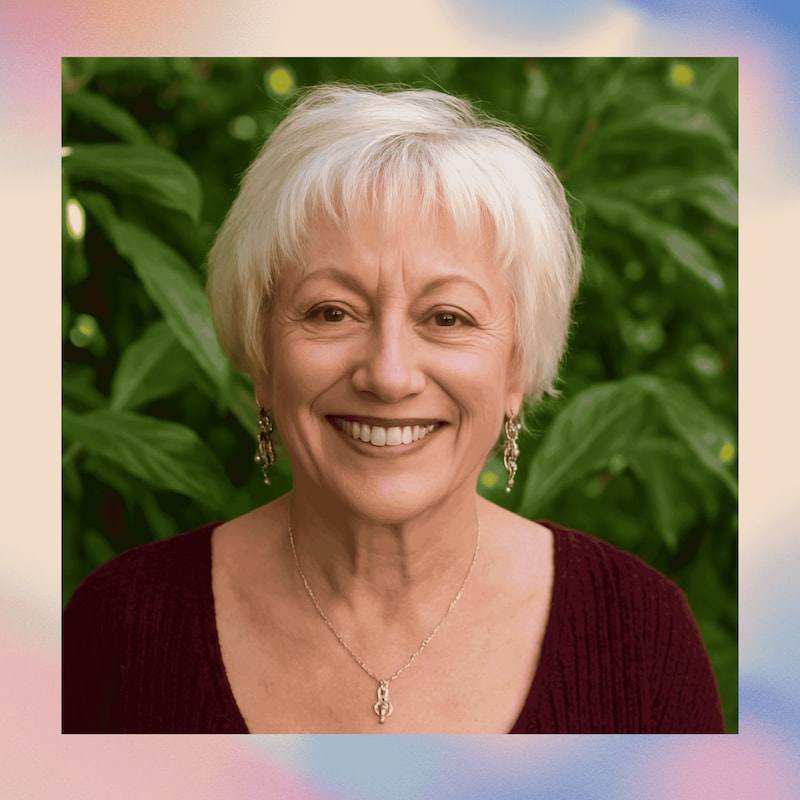
In this episode, we explore why cultivating self‑compassion is essential—especially for women balancing the many demands of their personal and professional lives. I’m joined by Arlene Cohen Miller, an accomplished leadership coach and holistic consultant whose work centers on helping people navigate life’s complexities with confidence and clarity.
Our conversation takes a deep dive into emotional intelligence and the power of compassionate leadership. Arlene shares how leading with empathy not only creates more inclusive and supportive workplaces but also boosts overall well‑being and productivity. She also highlights the importance of listening to and reshaping the internal narratives that can hold us back, encouraging a journey toward greater authenticity and vulnerability.
Ultimately, this episode invites us all to slow down, reflect, and foster understanding—within ourselves and within our communities—so we can enrich our collective human experience.
Takeaways:
- The podcast emphasizes the importance of self-compassion in leadership, particularly as individuals navigate the complexities of their emotional landscapes.
- Arlene Cohen Miller articulates a multifaceted approach to healing, advocating for the recognition and processing of negative emotions as a pathway to personal growth.
- The episode discusses the necessity of fostering inclusivity in coaching, acknowledging that while Arlene primarily works with women, she also extends her expertise to men in professional contexts.
- Listeners are encouraged to consider the significance of creating environments where individuals feel heard and understood, thus enhancing workplace dynamics and personal relationships.
- Arlene shares her journey from law to holistic coaching, highlighting the interconnectedness of her experiences and the transformative nature of her professional evolution.
- The conversation underscores the notion that effective leadership is rooted in emotional intelligence and the ability to cultivate compassionate communication within teams.
Links referenced in this episode:
Transcripts
Welcome to Becoming Bridge Builders, the podcast where we explore stories, strategies and insights that help us connect, lead and build bridges in our community and workplaces. I am your host, Keith Haney. Today we have an extraordinary guest joining us, Arlene Cohen Miller.
Arlene is the CEO of Jewel Consultancy, a work life, harmony and leadership coach who empowers women to lead themselves compassionately and wholeheartedly.
She's a professional certified coach with an Intentional Coaching Federation, an AV related Colorado attorney, and a certified meditation facilitator with a diploma in transformational holistic consulting from Australia. Her mission, helping women create lives that truly work and feel right for them. Arlene, welcome to the podcast.
Arlene Cohen Miller:Thank you for having me.
Rev. Dr. Keith Haney:I'm so glad to have you on. This should be an exciting conversation. I'm looking forward to learning about what you do and how you help people. So this is gonna be fine, right?
So I'm gonna ask you.
Arlene Cohen Miller:I don't, I just, I just wanted to clarify one thing. I do work a lot with women, but I do work with men too. So most, mostly about the women is more the healing, the stress from the inside out.
But the negotiation stuff that I do is for men and women and focuses like on law firms and tech companies and stuff like that. So I don't exclude the men.
But the women's stuff is because just what I went through as a young mother, being in a new, you know, attorney with my own law firm. So anyway, anyway, I just wanted to add that to the picture so the guys don't go, well, it's not about me today.
Rev. Dr. Keith Haney:That's right. It's not about me because we just kind of tuned up. It's not about us.
Arlene Cohen Miller:Right, right. We do.
Rev. Dr. Keith Haney:So I'm going to ask you my favorite question. What's the best piece of advice you've ever received?
Arlene Cohen Miller:I guess one of the best pieces of advice I've ever received is that I'm not my feelings. Because we can be feeling happy, sad, grief stricken, just terrorized with stress or whatever.
You know, I'm like a soul having an experience in this human form. And you know, the feelings are, don't define who I am and they're not really who I am.
They're just something I'm here to experience and move through to be like more of my best self.
Rev. Dr. Keith Haney:Well, I like that. And how do you apply that? I'm sure, because I'm sure it means a lot to you. How do you apply that in your daily work?
Arlene Cohen Miller:Well, I sort of work with this process called Feeling is Healing and basically it's just getting ourselves in a really heart centered space where we're really grounded and fully present.
And so whatever I feel, I just sort of just let it move through me and then I will call in, you know, love or kindness or patience or whatever really feels that I want to fill my body up with where that fear once was and just, you know, let it go. And hopefully it's usable energy for the planet. But however it works, it works. But just to.
Because I think what I did a lot in my younger life is I just tried to push all that stuff away and then what would happen is that something would happen and all those fear based feelings would come back and really, you know, hit me in the head like a two by four.
And I thought there's gotta be a better way than this because I, you know, I really wasn't taught how to deal with that kind of stuff when I was growing up. I wasn't taught how to deal with unpleasant feelings. And so it's a way that I've learned and the more I apply it, the better it seems to get.
Like anything, you know.
Rev. Dr. Keith Haney:Yeah, I like that. And it's helpful because we do have a lot, we bring a lot into every situation, our past.
If we don't know how to deal with the things that have happened to us, like you said, learn to forgive our, that little self in us that's been hurt by things in the past, we just keep bringing up in different relationships all over and over again.
Arlene Cohen Miller:Right. So it's a fun way to heal.
And it's also, you know, another way we can do this that might resonate with your audience is that sometimes I just say, well, how old is this person inside of me? You know, she 8 year old, 9 year old, 15 year old Arlene.
And I turn around and I hug her and I love her because I find that most of us are really good about doing that with other people, but not so good about doing it with ourselves. So it took practice at first it felt really weird and like I was like being fake.
But I find that when I really love these bits of myself, they sort of like they're still there inside of me, they're still a part of me. Then everything sort of like chills out and you know, I get that same sort of healing space as well.
Rev. Dr. Keith Haney:So let's talk about your journey. Cause I'm curious, you've gone, you have an incredible career from law to holistic counseling to leadership coaching.
Kind of walk us through what inspired those transitions and how do they connect to the current work you're doing now.
Arlene Cohen Miller:Well, it really wasn't exactly a transition. It was like one sort of synchronistic event after another.
But when I was 15 years old, I announced to my family, I just had this inspiration, I'm going to be an attorney. And they sort of looked at me like, yeah, really? Okay. But I did, you know, I went to. I got a BA in political science.
I went to law school in my home state of Kentucky, got my diploma, my degree, my JD or whatever it's called, and I started practicing law. So I've had a. I've worked for other attorneys for about three years.
And then I opened my own law firm when I was 29, solo practice in a suburb of Cleveland, sold it when my son was 9 and moved to Longmont, Colorado to be in a small partnership.
And so I've been both a family law attorney, which was really hard for me because I came from a really suburban, you know, two parent, no one got divorced in my community kind of family. And then to deal with people that had alcohol and drug problems and kids that, you know, should they be with these parents or not? It was really.
It was hard, you know, and the legal system when it comes to dealing with families is less than stellar when you have parents that aren't competent to be parents or are not getting along with how the children should be raised or how much time you should have. So it was really difficult. And so I did that for 12 years. And then I went into commercial law, which is about which I.
So I. I help businesses collect their debts. I think that people should be paid for their services and products. And I found that really fun.
I got there was business meetings all over the country. These people became like my family. I got to collect money and settle things for people.
I got to do what I loved, which I got to negotiate on the phone. And I also got to travel and market my company.
And I guess where it all started was I felt that there was a real gap in the law with how a lot of attorneys treated people, whether they were their clients, whether they were the opposing counsel, whether they were someone like I. A lot of the people that I dealt with were businessmen and women who had fallen on hard times and couldn't pay their bills.
And I was kind of appalled by how a lot of they scripted collection agencies to talk to people because they were sending us business, law firms were sending us business. And so I just felt that part of my mission was an attorney was to treat people with dignity and respect.
And you know if they were rude or obnoxious to me, I still had the whole legal system behind me, but I was going to give them the benefit of the doubt. And most people were so grateful. You know, they were traumatized. Something had happened. They miscalculated things. They weren't bad people.
They just couldn't pay all of their bills. So I felt really grateful then to be in the practice of law, you know, to be in that kind of commercial area of law.
And I hope I made a mark there somewhere. And about, I don't know, six years before I. We sold our business, we. I was a practicing attorney for a little bit over 31 years.
Now I'm retired from that, but I'm still licensed. I still have my preeminent status that kind of follows me for the rest of my life, thank goodness. But I had really amazing women in my life.
And one started her own coaching school. She had gotten certified.
Another started her own counseling school, and another had come to college in the US and they did a lot of meditation, stuff like that. And she was. Was also from Australia, and she was facilitating, you know, how to be a meditation facilitator.
And I just realized that I was stressed out. You know, I had a husband then I had. We had a small staff. My son. I had a son to raise. And I was a working mom, and there was a lot going on.
And so I felt.
And I also really came to the realization, with my friend's help, who was a coach already with, like, the International Coaching Federation, that my listening skills were less than stellar. I thought they were great. They were not. I wasn't taught how to listen. You know, it's.
It's a skill to know how to probably, as a reverend, you know, how to sit with people and really ask, you know, powerful questions, reflect back, be empathetic, how to really listen to someone without thinking about what you're going to say when they're talking and bringing the conversation back to you. I didn't have any of those skills. I didn't realize it. I got my diploma in coaching and mentoring then.
And then one of my friends, I just felt like, you know, the counseling degree that I got from Australia, I can't apply it in the US Unless I get my master's in counseling. So I was like, I don't want to do that, but I want the skills.
So I really felt that the counseling gave it to me from the other end, because counseling is different from coaching. You can delve into the past, you can explore someone's history Coaching is more the present and the future.
And I thought, you know, I could really use those skills, too. And so I did that. And then I was like, I need to. I have always avoided meditating, you know, because I thought I couldn't do it.
I'm too much Type A. I'm too much on the. Ooh. Was it the. The right side of my brain? Is that the one that thinks all the time? And it really helped both.
All of these threes helped to balance me out, you know, with the masculine and the feminine and the right and the left side of the brain. And I found out that with meditation, you don't have to sit there and go. You can go for a walk in nature really slow, enjoying the beauty around you.
And I slowly worked up to be able to do things longer. But I think people have a misconception about how healthy meditation can be.
It can be simply, you can be out in your garden loving the plants you're planning and watering and just being really still and enjoying a beautiful tree in your backyard. It's a form of meditation. So, yeah, I did all those things. And then I just really felt like.
And I had a small, you know, I was doing some coaching on the side. I just felt like I'd had enough, that I done everything I could do in law.
And I had already formed dual consultancy, but it was very kind of like on the side kind of thing. And I just. So we sold our business and we sold it to our associates, and they made it. They kept it going, doing a great job. And.
And so that's my story.
Rev. Dr. Keith Haney:I love that. So tell us about what was the. What was your mission at Jewel Consulting? I'm just kind of curious.
What led up to you starting that company and what were you trying to accomplish as a vision for that?
Arlene Cohen Miller:I have to be really honest, I don't know. I didn't know what my frigging vision was when I first started out. I'm just like, I love coaching. I love mentoring. There's got to be something here.
And it's been a process. You know why I love to work with women, you know, like, especially train that stress and anxious and overwhelm into more serenity.
But I do work them with it now, too. Is that it was really stressful, you know, at 29, I opened my own law firm. I was a solo practitioner.
I was sharing office space with a couple of attorneys and employment agency.
And this pastor who had decided that he doesn't like working within the structure of the politics of churches and was Selling collection packages to businesses and wanted me to be the attorney that they could turn to if it didn't work out with the letters. I said sure. So but I was, you know, it was, there weren't computers back then, There weren't anything, you know, so I had a secretary in an office.
And then I found out a month into it I was pregnant. So I'm like. And my ex husband was doing his residency to be a doctor. So he was, he was flat out, you know, 70 hours a week, no sleep.
And I was like, how am I going to do this? All my tribe is in Louisville, Kentucky. My parents, his parents, my friends, my colleagues.
So I know what it feels like to be under stress and to start something new. And you know, I really just wanted to give back. You know, a lot of women are, you know, they love their work, but they love you family too.
So how do you, how do you balance it all? And I don't even know if you can balance. It's more like finding harmony within yourself and how you do things.
But that's how I got started with that and the negotiation and stuff that I do to help people be better listeners.
Because a lot of law firms and tech companies, you know, there's a lot of high stress jobs and they put thousands and thousands of dollars into training people and then they leave because they don't know how to listen to them. They don't know how to provide a lifestyle that's conducive to doing the work that you love and being there for your family.
And so that's sort of how I got into. But it took time. It wasn't like, oh, I know, I didn't know.
So I don't want to tell people that want to start their own business that you have to know everything, you know, I think it's a process.
Rev. Dr. Keith Haney:Yes. Good.
Because we sometimes get the impression that everybody starts a business has this big bold vision and they have a clear five point objectives and they have a five year plan. Sometimes you start something and you let the momentum of whatever you're doing, whatever takes traction, guide you into the next step.
So yeah, it's good to know that you don't always have to have it all figured out before you start something.
Arlene Cohen Miller:I don't understand people who are like that. I can't. I'm like, how do you do that? Because even writing those business plans gives me a headache.
You know, I would rather, because I feel like if you flow from your heart and you sort of take one small step forward at a Time, you're going to be a different person, have a different business by the end of the year. And for me it's a lot less stressful. How can I possibly know everything before I even start? I don't know who, I don't.
I'm really curious about how people really do that.
Rev. Dr. Keith Haney:I haven't, I don't know either because it's not me either. I kind of like, I love to know where I'm going. It makes me less anxious, but I'd always know where I'm going, so.
Arlene Cohen Miller:Right. I mean, I have a feeling idea, but I don't really know how it's all gonna play out.
Rev. Dr. Keith Haney:Right. I wanna go back to something. We started this conversation out with this idea of leading oneself with compassion.
And I think part of what you talk about that you do is you help people to be compassionate with the voices or the feelings that they are dealing with. How does that work as you work with people in practice, especially with the leadership?
Arlene Cohen Miller:Well, I mean, we all have things that we learned in childhood. I mean, I think we all do. They just weren't helpful because our parents, I mean, my parents were wonderful. I loved them, they were fantastic.
They were very supportive of me. They, you know, they did so much for me, I can't even begin to say.
And you know, they were raised by their parents and so we all come up with quirks that just don't work anymore or, you know, or the voices in our head of what we can do or what we can't do. And a lot of it's a lot of negative self talk. And so the first thing is just to recognize that we have that self talk and it's not helpful.
You know, it's not about love, it's not about compassion. And when we can start to learn how to.
I mean, I always say that we have to fill our own cup up with love and share the overflow with other people because otherwise we're going to be like a well run dry and we're going to get frustrated, angry, take it out on other people, feel guilty and start the cycle again.
So I think sometimes a lot of people are compassionate and kind, but maybe it's been taught out of them as, you know, a professional or an executive and they have to really be brought back to it, that this is a profitable way to be.
Sometimes you have to approach people like that because, for example, teaching or facilitating something where professionals and executives learn how to listen with compassion and with kindness for themselves and for whoever they're talking to and not Jump in and try to change and do the power over and make it about them and lay down the law.
You know, they're going to find that economically your situation is going to improve because people will feel understood, they will feel heard and they will want to stay. And a lot of people that I work with, they can first learn how to apply it to others and then we can say, well let's.
How can we apply it to your life to make you feel, you know, more calm and loving and enjoying your life and let a lot of that stress and anxiety go because then they have an example in front of them, oh, I can do it for other people and look at the benefits to myself and my company because that's people are still greatly influenced by their bottom line and that gives them the impetus. But when they really get the experience of how different it is, we have long term relationships.
Instead of just doing something and getting your way and then, you know, who knows where it goes. They can feel and see the benefits and then begin to be willing to apply it to themselves.
Rev. Dr. Keith Haney:I talk to a lot of people who work with leaders, especially high level leaders, and one of the things I hear a lot is we don't do a great job, especially leaders at high levels of having emotional intelligence to understand the people that we're called to kind of oversee, manage, lead, guide. How do you help executives be, have create a more compassionate, kind environment workplace for their, their employees?
Arlene Cohen Miller:Well, it really depends where they're coming from. They have to be, I think a lot of executives have a lot of, and professionals have a lot of stress on them.
You know, they're higher up in the company, they're more responsible for the bottom line. And that's why I was talking about the bottom line to begin with.
You know, if they see statistically are company records how much money they've lost in the past three to five years by people leaving because they weren't giving them what they needed and how much it costs to retrain and how much the company is losing because of that. That's just one example. At first they might be more willing to do it because it's economic.
And then as I was sharing, then you can go, then you can weave in the personal and the stuff that would really help them to be a different person. But just to hit them with that initially can be like, you know, a big wall. It really depends on the person.
And also it's just not them alone for most people. Most of these people are from medium to large sized companies and they're not the only voice.
So they have to work with all these other voices that, you know, there's a lot of same things.
So in order to make a change, it has to be, you know, working within the system in a way that, you know, they don't just slam the door in your face and you can actually get in and do some good, which is what they're really looking for.
I don't know if I'm making any sense here, but you gotta take people from where they're at and how they are presenting on the outside and how they have to be in business is not necessarily how they are truly in the inside, but they're sort of stuck in a system and I need to give them a way to help open the doors for that.
Rev. Dr. Keith Haney:I love that you mentioned that you do work a lot with women.
Arlene Cohen Miller:I do.
Rev. Dr. Keith Haney:And what are some of the common challenges that you've. Women are experiencing today that you try to help them to process in your work?
Arlene Cohen Miller:I don't think it's that. Well, when I was growing up, my mom's parents were very poor and so she sort of reached middle class when she married my father.
And they both got college educations. I don't think either sets of parents. Maybe my father's father did, but. And so she had made it by being able to be a stay at home mom and she did.
Worked a lot of the financial stuff for my father's company and stuff. But a lot of women don't have that choice today, not with the economics of the, of the country.
So, you know, a lot of the professional and executive women I work with, they love what they do, but they're also torn.
You know, they might have a partner, they might be single, A lot of them have children or they have parents that are aging and a lot of those responsibilities still fall on women. I really feel that. I mean, in my ideal world, men and women walked hand in hand as equals.
And we use the strengths and gifts of both working together. But that's not how the world always is. And so they feel torn.
And so it's like a way to find out, you know, if they have the money to do some things to, you know, help take care of things. You know, when my son was young, I got like a babysitter. He was really talented in chess.
And I live in Longmont, Colorado and Fort Collins is about 45 minutes down the road. And that's the expert who was, he was taking chess lessons from.
And I, I got someone to drive him, you know, because all it really was to drive them and drive them back. So I. I found ways to be able to still be a mom because I was my own entrepreneur and still have help. You know, we had.
We had the money to have someone clean our house. So if they have money, we talk about that. If they don't, you know, what are your priorities? You know, how do you want to do things?
And I think a lot of women, you know, they just need a tribe. I really believe that we're better together.
And if you hear that your problems aren't, you know, they're just not yours, and then it's a better situation. And one example is I'm a member of the Colorado Women's Bar Association. I'm the only grandmother there.
And once a year, they have, like, a mother's gathering. And I thought, I'm a grandmother. I don't care. I'm going to this. And they.
We're all at round tables, and there was different cards you could pick, and you would talk about something and we would share stuff, and, oh, my God, it was so amazing. And because, you know, everyone, even the judges that were there, there's quite a few judges that are a member of the Colorado Women's Bar.
You know, they have kids, they have responsibilities, and it's not easy. And just to be heard and understood by your peers is huge, because then you know that you're not alone. And if other people can do it, I can do it.
I know there's something really, really comforting about that.
Rev. Dr. Keith Haney:When I talk to people who are trying to balance, especially women trying to balance the workforce, home, mom situation, they talk a lot about mommy guilt. How do I make sure that I have enough time for myself but still take on the responsibilities of mom, wife, husband, you know, provider?
How do you help women process that? It's okay to even talk about the whole idea of meditation and mindfulness.
How do you get them to give themselves permission to say, yeah, this is good for you, healthy for you to be able to take that time for yourself?
Arlene Cohen Miller:Well, of course, there's a difference between mentoring them and coaching them and coaching them a lot to talk things out and see where they want to go. Mentoring I can share, but it's a lot of what I just shared.
You know, a lot of us, there's that, you know, guilt feeling that I'm doing something wrong, that I'm not being there for them all the time. And, you know, when we find ways to fill our own cup with love. With me, I was a runner when I was young, and now I Do yoga.
That just, that was the way that I did my own little private time.
Some of my women friends, you know, like to do pottery or whatever it is you, if you don't give, give that self, give that to yourself, you're going to be an empty cup. And then you're going to act in ways that you feel bad about and you will take things out on other people. So we've got to take care of ourselves.
And I have found that more I take care of myself, the better of a mom that I can be. Now, my son didn't always agree when I was growing up and, you know, but now that he's a father of his own son, he sees things a lot differently.
So, you know, we can't please all people all the time. It's impossible. You know, people are going to be upset with us.
But I find that if we do our best to be a loving, compassionate person, it's a lot easier if there's self care and it doesn't have to take that long. You know, when I was a runner, I could leave the house, go run for a half an hour, come back and do what needed to be done. So.
Or even you're walking around the block or for half an hour with your dog. There's ways to handle it. And you know, I give you a great example. There are other in.
During the school year when I like drive to go do yoga in the morning because I do my own hours as a, you know, a coach. There's always this woman. She has one, two, she has four children. She's a runner. She has two in the push buggy thing sitting there.
She has one kid riding the bike in front of her, one kid riding the bike behind her. And that's how she goes to and from school every day for her kids. So she gets her exercise. I'm like, you go, girl, you.
I never would have thought of that. But, you know, there are ways to make it happen. And, you know, when I was a runner, a lot of my friends that I ran with were mothers.
You know, we went to a rec center. Our kids were in the daycare center, daycare, part of that rec center, together, playing, you know, while we ran for 45 minutes.
They were, they were fine. We were fine. So there's ways to make it happen, to take care of ourselves in a way that everyone's provided for.
Rev. Dr. Keith Haney:That's great.
If you could think of for someone who's feeling overwhelmed right now, feeling like life is just closing in on them, what is one practical step you would recommend they take today to start creating a life that works for them.
Arlene Cohen Miller:Oh, my gosh.
Well, I do find, you know, sometimes we just need outside help, you know, like a counselor or coach or something like that, or I'm sure you talk to people as well as a reverend to help. Sometimes people just need a listening ear in order to step forward.
But I find that, you know, even if you have kids, you know, turning off their little iPads and cell phones and yours and going out in the backyard and playing with them or, you know, going on a walk with them or going to the park where you're out in nature, I find nature is so healing. You know, if you're at some park and they're running around screaming and yelling, you know, they're getting out their energy, too.
So there's a way to let go. And we need to get away from the computerized stuff and do that. And, you know, even when you're out there, you can just go.
I'm so grateful to be here. Because, you know, another thing that we can do is just find little things to be grateful for. We don't have to wait to be grateful for something.
You know, you have a bed to sleep in. You have a roof over your head. You have hot running water. You have food in your fridge. We're going to make it. You know, it feels stressful.
There is a lot to do.
I understand why you're overwhelmed, but sometimes these little things that we can do for ourselves, I call them like little intermezzos in life, like sorbet. When I was younger, I don't know, I don't do it anymore. I went to these big, fancy restaurants. You'd have a beginning thing.
You'd have an appetizer, something to clean your palate, and then something else. So it's a little sorbet to clean your palate in the middle of your busy day. And wherever that is, it doesn't have to take a long time.
But find something that gets you away from the environment, that's causing you stress and do something that good for you, good for your family, you know, however, you need to work that for yourself and then come back to it.
Rev. Dr. Keith Haney:I like that. So the title of this podcast is Becoming Bridge Builders.
I'm curious for you, as you work with leaders, how could they become bridge builders in their organizations or communities? And what would that mean for you, being a bridge builder?
Arlene Cohen Miller:Well, I hope that I can help people build bridges so that they can communicate better with themselves and with the people around them in a way that really nurtures everybody. And so a way that people, you know, really have to take people where they're at. You know, where are you now?
You know, where would you like to be, you know, by the end of our time together, however long we're working together?
And lots of times I like to work in groups because there's a lot of synergy in groups and, you know, and how will it feel different on the other side? Because there's a lot of wisdom in.
I don't know if I'm answering your question fully, but if you visualize and know that you're already on the other side of where you want to be, it's a lot easier to get there than putting all those roadblocks in our mind. So I guess that that's how I help people to be bridge builders for themselves, knowing that the future is already happening, it's already possible.
Let's visualize it, let's feel it, let's know it's already so and then begin to feel and decide how we're going to make that happen.
Rev. Dr. Keith Haney:I like that. So I love to ask my guests this question. What do you want your legacy to be?
Arlene Cohen Miller:I saw that question and, like, that's the one I really had to think about. And, I mean, quite frankly, I'm not famous.
I don't really care if anyone remembers me, but I feel that all of us make, like, an imprint on humanity when we're here. And so I guess what I would love my imprint on humanity to be is that, one, we're better together.
And two, you know, when we listen to each other with the whole heart, and we're not trying to bring it back to ourselves, or we're not trying to show how much we know. We're just listening and then taking the conversation from there, and the people feel heard and understood.
You know, that's a way to really harmonize relationships between people and groups and to make this world a better place.
Rev. Dr. Keith Haney:I love it. So on season six of the podcast, we have something new, a surprise question. Pick a number between 1 and 10 for your surprise question.
Arlene Cohen Miller:Number 8.
Rev. Dr. Keith Haney:Number 8. What book belongs on everyone's shelf?
Arlene Cohen Miller:Oh, my goodness. It depends on whether it's from my childhood or not. I really love Richard Bach.
I know he's a little bit out there as an author, and I've read, I think, all of his books. I think the one I reread for most recently was Illusions, where he was a. It was like, back, I don't know, in the 40s or 50s.
He was a little pilot and he was going from town to town and giving people rides around so they could be his own entrepreneur. And he didn't have to rely on anybody and met this guy that was like his.
Became his mentor and learned more about life and what's important and how he could carry on this guy's legacy. And so, yeah, I like that book. I don't know if I have a favorite book of all time, but I did reread that one recently.
Rev. Dr. Keith Haney:Oh, cool. Well, Arlene, is there anything we haven't covered that we should have covered?
Arlene Cohen Miller:No, I think we covered a lot. I always have a quote I like to share. It's not mine. I think it might have been Richard Bach, who it's attributed to.
A mentor of mine shared it with me and I use it a lot in my life. And that's. Any disaster can become a blessing. Any blessing can become a disaster. And there's always a better way.
So if you got a blessing, work with it and don't piddle away. So it's nothing if it's disaster. You can turn it around to something that's really wonderful.
You know, a lot of people in horrible situations have done that when something happened to their kids and they made a foundation. And as we're. If we're always evolving and growing, we're gonna. We're gonna find better ways to do things and to experience life.
Rev. Dr. Keith Haney:Arlene, thank you for sharing your wisdom and your insights with us today. For those who want to learn more about your work, connect with you and explore Jewel Consultancy. Where can they find you online?
Arlene Cohen Miller:Well, if you Google Arlene Cohen Miller, you can find all the places on social media I am located. And also just come to Juul Consultancy. I guess that'll be in the notes somewhere. It's Jewel and then consultancy.
And my phone number's there, my email address there. I don't hide that. So you can text me and let me know that. Doctor Is it Fanny? I might pronounce your last name right, Haney. I'm sorry, that's not.
You can't do that. You can't know that from reading something online. So sorry about that that we had this conversation.
So I know who you are and I'm happy to text or whatever or chat and take it from there.
Rev. Dr. Keith Haney:Thank you. Yeah, my last name is Irish, so if you're not familiar with.
Arlene Cohen Miller:Oh, really?
Rev. Dr. Keith Haney:You can't tell by my look I'm Irish?
Arlene Cohen Miller:But anyway, no, I guess, no, you can't. But, you know, we all. We all. You know, I think my, my son did one of those genetic things.
I didn't want to do it, but I was like, I was really surprised. All my genetic links all over the place. So it was, it was interesting. We just don't know.
Rev. Dr. Keith Haney:We just don't know. And for our listeners, if you think thank you for tuning in to becoming bridge builders.
If you enjoyed this episode, please subscribe, Share Leave us a review until next time, keep building bridges that bring people together and create lasting impact. Arlene, thanks so much for being a guest on the podcast.
Arlene Cohen Miller:Thank you for having me.






