Transcripts
Sonia: Welcome to Working with Languages. My name is Sonia Kampshoff. I'm your host and a multilingual digital marketing consultant. On this podcast, I talk to people like us who use their language skills in the work they do in the widest possible way.
Together with my guests, I will discuss why languages are even more valuable in the age of AI and how we can all make languages a meaningful part of our career journey.
Let's dive in.
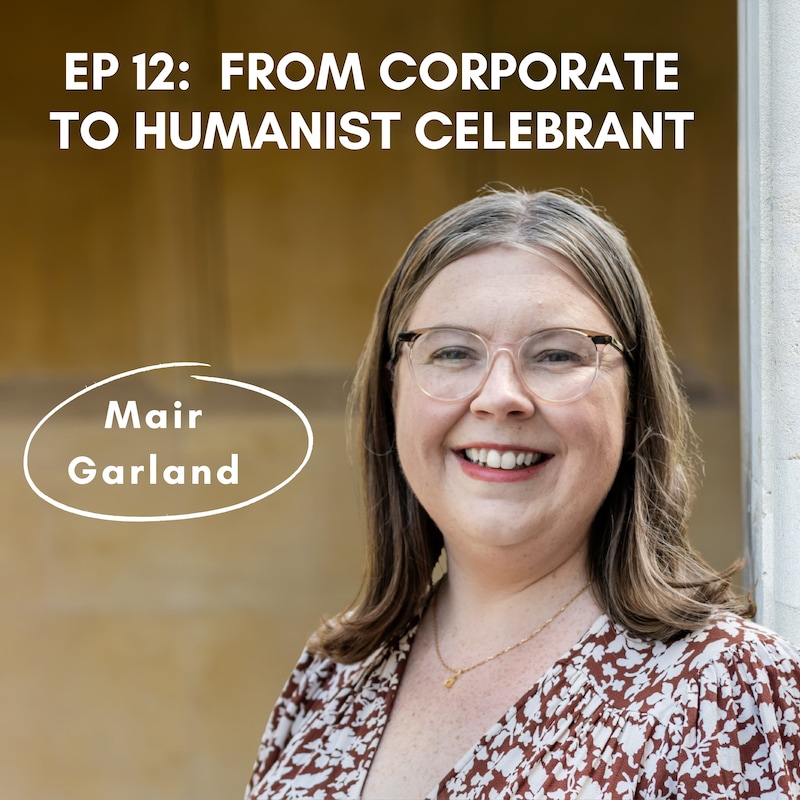
In today’s conversation we wander over to Wales, France and England. My guest Mair grew up in Wales and studied at the University of Oxford before spending 10 years in the corporate world. While there she developed a side interest that flourished into a real business.
Her story is a wonderful example of how languages can support career changes, flexibility and following someone’s passions.
I hope you enjoy the conversation.
My guest on the podcast today is Mair who is British from the UK and specifically from Wales, and she grew up speaking English as well as Welsh, a real linguist who worked first in the corporate world and now has a new life chapter and is embracing once again all her language skills. I don't want to give away too much.
So first of all, hello Mair and welcome.
Mair Garland: Hello and Sha as we say in, and first of all, I wanted to thank you for your beautiful pronunciation of my name as well. It's, it so often gets, but I get called me Moira Maria, all sorts. So thank you so much for that.
Sonia: I must say that your little audio clip on LinkedIn helps a lot, um, to get it right.
Mair: Yeah, that's definitely one of my favorite features on LinkedIn for sure. Yeah. Yes, it makes it really easy.
Sonia: So thanks for coming on the podcast. As you know, I like to start with what I like to think of as a fun question. What is your favorite word or phrase in a language that you speak?
Mair: So in Welsh, I would definitely say, and it's probably a little overused now, but it's cwtch.
Um, so that is a hug in Welsh, um, which I think is different from a hug. It's kind of warmer. It's really close. And ever since I met my husband who's English doesn't speak Welsh, it's a word we kind of really embraced in our relationship. And now we have our son, he's nearly two and he's just started. He could say cwtch as well.
And even when we see his grandparents on my husband's side, they've started using the word as well. So it's become a word that's really important to us as a family. And one, I'd feel that non-Welsh speakers kind of embraced as well.
Sonia: Oh, that's beautiful. I didn't know Welsh people hug differently. Oh yeah.
Oh yeah. Cwtch so much better than hugs and definitely better than Cuddles, for sure.
Sonia: so you are from Wales. Tell us more about your upbringing.
Sonia: Yeah, sure. So, yeah, I grew up in South Wales in a small town called Llantrisant which is about 10 miles from Cardiff. It's where the Royal Mint is. It's getting bigger and bigger than I think from when I was growing up there, but it's not a particularly Welsh speaking area.
It is becoming more and more Welsh speaking as more children are going to Welsh medium schools. But, um, both of my parents came from North Pembrokeshire. My dad went to uni in Cardiff and wanted to stay in the area. So it was quite unusual really for me to have grown up in that particular part of Wales with two parents, um, that spoke Welsh. That wasn't really the experience of my classmates generally.
Sonia: And you did go to a school that was taught in Welsh?
Mair: I did. So both, uh, well for all my education up until that point. So nursery, that was Welsh medium primary school all the way up to secondary school. So, uh, people are always surprised when I say, you know, even maths and science and those kind of subjects, they were all taught through the medium of Welsh.
Sonia: So interesting. So you grew up really bilingual speaking both languages from the very beginning.
Mair: Yeah, definitely. I can't remember a time where I couldn't or didn't speak or understand English. I assume that Welsh would've been my really dominant language when I was very little. But I suppose when I then started school, I started mixing with more families, uh, who weren't from that while speaking background.
It probably would've increased more and more, but we'd have always had, you know, English books and English. TV on in the house and stuff. So I do feel, you know, pretty early on I was, I was fully bilingual in both.
Sonia: Do you have any subject or any areas that you prefer to speak in Welsh or in English?
Mair: Well, that is so interesting and I think as I've got older, and I've not lived in Wales since I was 18, and there's quite a lot of that really kind of. Basic day-to-day vocab, which sometimes if I try and speak to my son, for example, in Welsh, it takes me a little while now to to reach for some of that vocabulary.
But I guess in Welsh, a lot of us would say, if you ever come across a baby, a small child, or a really cute dog or cat, it feels very instinctive and natural to start that conversation in Welsh for some reason. Where it's something small and cuddly you want to look after that is the language that I always reach for.
Sonia: That's wonderful. So you've had an interest in languages from the very beginning, from when you were a child and then you went to university, uh, to the University of Oxford to study French I think it was.
Mair: Yeah. French and Linguistics. Um, yeah, so I started studying French, uh, in year seven in high school, so from the age of about 12, which I guess compared to a lot of European countries, it's pretty late.
But I really loved it immediately. I then started Spanish when it came to picking subjects for GCSE, so I did both French and Spanish to A level. And yeah, in that time I was really interested in how languages work in a really more general sense, which led me to wanna, uh, look at linguistics as well. So yeah, it was a great course and like every language student I got to do a year abroad and worked in the Champagne region where a lot of the big champagne houses are.
And I also spent a couple of months as a tour guide in the, uh, Chateau of the 16th century writer Michel de Montaigne, which was amazing. I really enjoyed his work, uh, studying those at uni. So that felt like a dream come true, doing that as well, and my French, I think it just got so, so much better in that year abroad.
There's a lot of people who say, you know, I think my French kind of transformed from being quite sort of literary and you know, quite bookish and studious to something a lot more natural. And again, you know, learning those everyday words and kind of feeling quite shocked actually that, you know, I was moving to France and yet, you know, there were some really ordinary words like kettle or plug, but I just didn't know until I actually moved there and started living in the language as well as studying it.
Sonia: Yeah, I remember when I did my university exchange, when I went to Dublin to Trinity College, my English was fairly good, but I remember coming back and thinking that this sort of the knot on my tongue had gone, so that I was, I didn't have to think about, uh, what I wanted to say before saying it. I would just speak it, and that was fascinating. After less than a year.
Mair: Definitely, and I think the, the milestone that people always talk about is when you've had your first dream in a different language, people get so excited when that happens. I definitely had that experience as well. And you kind of catch yourself starting to think in that language as well when you are, you know, when you're immersed in it every day. So it's, it's a really exciting experience.
Sonia: That's wonderful. And after you graduated from uni, what did you do?
Mair: I really sort of struggled to know what I wanted to do after uni. I think as a languages student you are kind of presented with the option of translating, which, you know, people keep saying was a really lonely job. Maybe it's not the greatest of jobs when you're in your early twenties, um, or teaching, which I enjoyed doing during the year abroad, but I, I kind of knew it wasn't gonna be the right career for me. And my first job was for a trade association representing small shops. Uh, kinda convenience. Yeah. It was called the Association of Convenience Stores.
And, uh, the role was kind of looking at the relationship between, uh, this association and governments and what were the policies impacting on that association? So, completely different, completely new for me. I had an interest in politics.
I mean, especially coming from Wales. And, um, you know, I can remember the Senate, the Welsh Parliament, that building opened when I was in primary school. My school choir did a performance there. So I kind of feel like I've grown up with the Senate. So that kind of, uh, gave me a natural interest in, in politics and in this role. And I was, um, able to do some work with the Senate even though the role was based in England and having Welsh actually was really useful, um, in building some of those relationships with, uh, with standard members. But with that first job, I didn't use any French and I really, really missed that.
Sonia: Okay. Uh, so there was no opportunity to use any of your language skills?
Mair: Yeah, I mean, um, the association did a little bit with, well, at the time we were still members of the EU and, you know, we were part of a, a larger EU organization as well as sometimes there were events in Brussels and things where, you know, there, there was the opportunity to have kind of casual conversations in different languages. Maybe, but, you know, it, it wasn't expected and it kind of, you know, it, it wasn't a core part of, of the job there.
Sonia: So when you moved job, when you looked for a new job, was that something that you paid attention to?
Mair: Uh, being able to use the languages?
Sonia: Yeah
Mair: definitely. And I think, you know, I still had those same thoughts as, as I was, you know, before graduating, going, you know, how can I find a job where language itself isn't the job, like in teaching or translating, but I can use those language skills in that job, that was kind of ideally what I wanted to do.
And then I came across a role with a company called Kingfisher, that's in the uk. They're the parent company of B&Q and Screwfix. Um, and then they also have different brands in France, Spain, Poland in, in several countries, um, which I hadn't really appreciated until I learned more about the company.
But, um. They were recruiting for a job, which was pretty much what I was doing at a slightly higher level. And then ideally they were looking for a French speaker. Um, so you know, it, it was as if the job description had been written for me. There was something quite serendipitous in that, and I, in, in the first year or so, I didn't use my French all that much, but then, um, I did have the opportunity to go, I was sent to Paris for a few months as well, which is a really brilliant opportunity to learn, you know, my craft in France.
And also just things like how to sign off an email in front of the hierarchy and then, uh, you know, the politics involved with those kinds of things, which again, you don't really learn at a university degree. And just having that experience of working in French, which again is kind of slightly different from the year abroad experience as well.
And, uh, yeah, I stayed there for 10 years. So yeah, as I say, there were some years where I used my French a lot more than others, but there were lots of French people, the Brits, who were French speakers in, in the company. So it was something that was really valued. So it was really lucky to be in an environment like that where people really appreciated the fact that you were bilingual and, um, you know, French colleagues were always happy to, to kind of let you practice their French with them.
Um, I speak some Spanish as well, other colleagues in, in, in Spain, but I, by that point my Spanish had sort of deteriorated, but I felt less confident with it. Um, but I, I still, you know, tried where I could to speak that as well. So, yeah, I think it, it, it ticked those boxes in terms of the work being really interesting as well as being able to, to use my French as part of the job.
Sonia: Oh, that's great. I love it when people are able to do a job, have a job, and integrate it with languages. I think that's the whole idea behind the podcast, how we can, you know, uh, which jobs are out there and how can we find a job where we can use the languages as an added skill. Yeah. And it feels quite rare in the uk.
Mair: I mean, I remember. Just before graduating, a friend of mine getting advice, some advice from a tutor saying that you're probably better off moving to France and using your English skills than you are getting a job using French in the UK. And that, you know, that was sort of quite shocking, surprising to me, um, because I, I kind of knew, I, I, I wanted to say in the UK.
To use my French, but it sort of felt like unless I was gonna be a French teacher or translation translator, that wasn't necessarily gonna happen. So I'm really glad that I managed to find, find a way to do that.
Sonia: So you were there for 10 years, so that, uh, sort of covers the period before and after Brexit. Uh, is that right?
Mair: It is. Yes. And um, because I was in that kind of government relations role, um, you know, I was quite involved with the company's response to Brexit, though I was on secondment to Paris when the vote happened. So I remember, you know, I'd been working in Paris and Lille during the week of the referendum, it must, it must have been on the Thursday that I'd come home to vote and thinking, yep, this is in the bag. We're gonna stay in. It's all good.
Um, and then of course, you know, we all know what happened and then I went back to, I think I went, I was working in the office on Monday morning and colleagues were so sweet.
They were very kind of commiserate because I think that, you know, they knew that me personally, um, that, that I devoted remained so, you know, no hard feelings towards me. Um, but that kind of feeling of collective shock, um, on both sides of the channel really. Um, and then trying to work out, you know, as, as a multinational company, how do you respond?
Um, so the changes that, that, that happened. So it was really interesting to, to be a part. And trying to work through that complexity. Um, and then a few years later, of course, COVID came along. So that was another really big seismic event that, you know, that had a profound impact on us all personally and professionally. Um, so yeah, definitely some really key memorable moments from that time.
Sonia: Oh, that sounds you had a lot of experience, uh, different experiences in those 10 years.
Mair: Oh, definitely. I look back on it really fondly.
Sonia: So now, um, you're not working there anymore, now you have a new chapter in your career. Can you tell us more about that?
Mair: So, and it's something that I'd started alongside, um, my corporate work, which is, um, I work as a humanist celebrant, so I lead non-religious weddings, funerals, and baby naming ceremonies, which is just a really lovely job. And I started off with the weddings and the naming ceremonies. Whilst in the corporate world, I thought I couldn't really do funerals 'cause they mostly happened during the week, so I wouldn't be able to, um, to do all of that.
But um, uh, when I had my son last year, I kind of thought, you know what, this is probably the best time to start something new. Um, and yeah, give a real go at the celebrant work and become fully freelance, which was always an eventual ambition of mine. I wasn't sure, you know, quite how that was gonna take shape, but you know, that this felt really natural for me.
Um, having done it, you know, part-time on weekends for a couple of years to then trying to, to grow it more into a full-time business. It's just been really exciting. Lots of, lots of things to learn from there, but I'm, I'm sure you know, as, as we'll talk about, um, languages is it has been a key part, um, of that for me as well and in this next stage of my career, which is lovely.
Sonia: so you do wedding funerals and uh, baby naming ceremonies in Welsh and English as well as English and French?
Mair: Exactly, exactly.
Sonia: Do you also do English only?
Mair: I do do English only. Um, I would say for weddings especially, the vast majority of the ceremonies I've been doing this last year or so have been bilingual, more so French and English.
Um, I have had one ceremony this year, which is English and Welsh in London, which is, you know, for me was really dreamy and I have another one coming up next year as well. So the demand is definitely there and it's, I think for those couples, you know, that they don't necessarily, you know, that they are looking for somebody who can offer them that.
And when they find me, they're just so pleased. It's just really nice, um, you know, that I can offer them something that means something to them and their, and their relationship, um, which is so lovely.
Sonia: Wonderful. Would you say you do more weddings or funerals, baby naming ceremonies?
Mair: What's it's a real mix. I mean, I started off doing baby naming ceremonies, festivals, so I probably still do, um, more of those and then I guess with funerals as well, because the turnaround is quite quick. You know, you normally, you know, you, you, you make contact with a client two to three weeks before.
So that lead time therefore means that, you know, there tends to be more of those, whereas at weddings, you might be starting talking to somebody a year to 18 months out, which is lovely 'cause you, you really end up building that relationship with them and getting to know them really well. So by the time they're walking down the aisle to you, you know, you're kind of greeting them as old friends, which is really lovely. I mean, they're all very different and I enjoy them. I really enjoy them all for lots of different reasons.
Sonia: Do they normally ask you to write the text as well, that you will read? Or do they write it themselves? Or is it a creative endeavor that you do together?
Mair: Yeah, it's, I definitely would say it's a co-creation, so I kind of lead on it and, um, you know, I'll, I'll write them a first draft of their script and it's really kind of based on conversations that I have with them.
So if it's, uh, a wedding, for example, you know, I, I'll ask the couple everything about their relationships so far from when they first met, how they got engaged and what their values are as a couple, their hopes for their future. And I create a script from that. So every script I end up writing is completely unique because all of these couples and families I work with are so different and unique, which is really special.
And then as you know, the day comes closer, we kind of work in tandem together to make sure that it's something that they're completely happy with. Um, and for a wedding, the couple, they quite often write their own vows as well. And you know, the stuff they come up with is just so gorgeous. Oh, that's great.
Sonia: Do you have any anecdotes that you can share?
Mair: Sure. Yes. And I, I guess from the language perspective as well, it's really interesting how couples approach it. 'cause I have some couples who want to do the ceremony entirely bilingually. Um, and then I have some couples who just want the second language kind of peppered in and then I had a wedding a few months ago, so the bride was French, the groom was English. They met as flatmates. And so the first time they met, they signed their tenancy agreement together. Uh, and so what we did instead of signing a kind of traditional certificate, we got their two old flatmates to witness them signing what we were calling a marriage agreement.
So it was just really lovely and personal to them and we were, you know, we were able to have those personal elements as well as making it bilingual, which to them it felt really authentic and having friends and family members come up to me afterwards and say, oh, that was, that was so them, which is just the best compliment you can guess as a celebrant.
Sonia: That's wonderful. Absolutely. Do you have people also referring you on to their friends and families? Do you have people contacting you directly?
Mair: Yeah. And what's nice, um, with children especially, I quite often have people, if they've chosen me as their celebrant for their first child, if they go on to have more children, I then come back and do the ceremony for their second child.
So just this last weekend, um, I, I did the ceremony for the second child of a family I've worked with before and just, you know, just see how they've developed as a family. And of course, you know, the first child has just grown so much from a baby. Normally it's a toddler. And just sort of seeing how that family progresses and you know, when, when, when we're creating the script for the second child, what that evolution and that their, their journey as a family has been.
It's just a real privilege. I mean, sometimes even I'm at a wedding and then afterwards I'm, I might get a relative come up to me and say, oh, that was great. Oh, I'd love you to do my funeral. Which, you know, you kind of don't expect at a wedding, but you can see that people are, people are maybe thinking about it, I guess, you know, those big life milestones do make you think about, you know, the big events in your life and you know, other weddings you'll have been to in the past and other big family moments, and then of course to the future and what that looks like.
So it's, again, it's a really big compliment if somebody's seeing me and goes, oh yeah, actually I think, I think you'd be great for my funeral.
Sonia: Um, I think, I think that's awesome. Really. Yeah. That's also thinking ahead.
Mair: So, yeah, definitely. And I think in the UK in particular, we're quite shy about talking about death and I think since. Starting on funerals it's been really interesting to kind of get more into those conversations and, you know, there are organizations called Death Cafes, for example, where people meet up and, and talk about death.
And it can be really practical things like, how would you go about writing a will, planning your funeral to very kind of philosophical questions about, you know, what happens after death and all this sort of stuff. Um, so it's, it's been really insightful from that perspective just to, to learn about that more and to get people talking and thinking.
And I had a funeral just this week where the person who died had written quite clear instructions to the family in terms of the songs they wanted, the poetry they wanted to be read. They'd even written a letter to be read out. And that for the family just made it so much easier because they knew exactly what their loved one wanted rather than, you know, you're in the middle of grief and funerals are a really big thing to organize anyway, without having to kind of second guess whether, you know, your loved one would have liked, um, what you're arranging.
So actually, you know, trying to think about these things ahead of time, just, you know, makes things easier for your family as well. So it's something that I really encourage.
Sonia: Do you also do ceremonies in Wales directly?
Mair: I haven't yet, but it's definitely something that I would love to do. I'm very open to doing, you know, I still have lots of family in Wales and, and go back fairly regularly. So it's definitely something I'd like to do in future, but it does sort of surprise me just how many families, how many multilingual families are living, you know, locally where I live.
And um, you know, when I started I wasn't sure if there'd be demand, especially for. Um, Welsh ceremonies in London. Um, I think I'm the only celebrant who is based in London who speaks Welsh. It's a really nice niche for me. Um, and, you know, for, for, for people to be able to find me and, you know, the fact that there are.
Those, um, couples and families there who, who, who are looking for, for, for a Welsh celebrant are really nice. And sometimes actually the families themselves might not even speak Welsh or be themselves, but I did a funeral recently for a lady, um, and her mother was Welsh, so her family said, oh, they'd have loved the fact that you were wealth.
So even having that kind of connection can sometimes be really valuable, even if they don't speak the language themselves. So it's just really interesting. You know what, what attracts people to, to you to, to choose you for, for their service. Even if they don't want that particular service directly, it's still something that attracts them.
Sonia: And do you find that there are cultural differences as well between Welsh, English and French?
Mair: Yeah, I would say so. And. I mean, even within the English speaking world, I mean, I, I work with quite a few, um, Americans, for example. So the last wedding I, I did was for an American bride and a French groom and learning about some of the kind of, uh, American traditions of things like, you know, in the UK for example, it's still quite traditional for the bride to work to, to walk down an aisle, often with a father or these days with both parents.
Uh, whereas in the states the groom also has an entrance, you know, if it's a bride and a groom of course it's, it's different if it's a safe sex couple. But, and then at the end of the aisle, um, the couple will normally kind of do a bit of a, uh, an embrace or a dip that they call it in the middle of the aisle.
So it's been really interesting to learn, you know, not just about French traditions whilst traditions, but also traditions from, uh, from, from all parts of the globe, which is, which is really cool. And I think with these types of weddings as well, for couples to know that they can inject. You know, their heritage and their culture to their ceremony, which is something that makes it more meaningful for them. Um, hopefully it's something that really adds value and, and is special and, and that they'll remember years after the event. Yeah.
Sonia: Do you also do second weddings?
Mair: Yeah. Indeed. And it's always good actually to kind of acknowledge what's, what's come before. And, you know, sometimes couples feel a bit more freedom if it's the second time or if they're a bit older, if they have children that they don't necessarily feel as much pressure to adhere to some of.
You know, those, those really, you know, the, the tra the traditions that their family might expect them to follow for a first sermon. So actually a second time round can be quite fun, very relaxed. And I think sometimes couples are at, at that mo moment of their life, could feel a little bit more confident to really do things their way, which is really lovely to see.
Sonia: And uh, you mentioned earlier same sex couples. Do you, do you work with them as well?
Mair: Yeah, absolutely. And I think that's one of my favorite parts of being a humanist celebrant, especially because, uh, the organization I work with, Humanist UK were very key in campaigning for, uh, equal marriage in, in the UK and were performing the same sex marriage ceremonies long before they were, they were legal.
Um. So that, that's always been really important to me, and especially now when it comes to naming ceremonies. I, I have same sex parents as well, um, who, who are using my services and it is just really beautiful to see the different kinds of families that are coming through. And I'm really proud to, you know, I want to mark the occasion that they've been able to create this family that they've wanted.
And, um, I've, I've also worked with people who are solo parents, for example, who've, who've decided that they want to raise their child on their own. And again, just sort of seeing the makeup of these different types of families and celebrating that in the community, I think is really important and powerful.
Sonia: That sounds so fascinating to me. I, you know, until a few years ago, I never thought that, uh, such a profession existed because coming from a, a Christian Catholic background, so it's something completely new to me that I learned only a few years ago that actually you can have a humanist non-religious ceremony to get married.
And of course for your funeral and, uh, a naming ceremony, that is something you know fascinating. Totally fascinating, and I find it wonderful that you, uh, do it in different languages and that you, that you really fully embrace how families are and how individual and personal everything can be.
Mair: Yeah, thank you. No, it's such a lovely job and to be honest, in the UK it's still not something that, um, I'd say the majority of people know about. But every time I have somebody go to a naming ceremony, for example, lots of people still don't know that, you know, there is this alternative to a christening if you're not religious.
And, um, you know, family members will come up to me afterwards and say, oh, I didn't know such a thing existed, but how lovely. So hopefully the, you know, the more ceremonies that we celebrate the more we, the more we can spread the word. Um, but in Scotland, for example, humanist wedding ceremonies are legal and are now, I think, more popular than register office weddings, which is, which is really cool.
Um, they're not yet legal in England and Wales, but there's lots of campaigning happening. The government have said that they intend to make it legal, but we don't know yet how and when that will happen. But I think. Having that in place will again really raise awareness and demand, I think for humanist marriages.
Sonia: So when you say that in England the, um, humanist wedding is not legal, does it mean that you would need to work with someone else to make it legal?
Mair: Yeah, exactly. So, so usually couples will have a second ceremony at the register office and you know, a lot of couples, they will go for the kind of really minimalist option at a register office, which is usually kind of half an hour during the week.
You have your two witnesses and you just say the kind of legally binding words and that, that is it. And then combine that with a humanist ceremony, which sometimes they'll do kind of within a couple of days or a couple of weeks afterwards, which they kind of count as their ceremony. Also, they decide to have two wedding anniversaries, one for their legal ceremony and one for their humanist ceremony, which, you know, again, is really nice and, and, and more of an opportunity to celebrate.
But of course, for a lot of people, the thought of having to organize two ceremonies, even if you're having a fairly basic register office one, it is. You know, it's, it's, it's extra money, it's extra time, extra admin. Um, which of course, you know, it's, it's really tricky for couples when they've already got so much else on their plate when organizing a wedding. So hopefully as and when this happened, this is gonna be something that's gonna make that process so much easier for couples.
Sonia: Can you nowadays in England have the two, uh, happen at the same time? So a registry office and someone like you performing the humanist side.
Mair: Yeah, you can. I think it really varies according to which local authority that you're gonna be working with to make that happen. There needs to be a very clear distinction between, you know, which is the legal section and which is the humanist or celebrate section. Um, so sometimes, you know, there, there's no sort of set order, but there might be. Um, for example, might do the humanist ceremony first, and then the couple might go off to a smaller room with a registrar to then do the legal section or vice versa.
So it's definitely possible. Um, but I do, I do find people tend to do it on separate days, but there's no sort of right or wrong way to do it. But again, it does really kind of vary. I think different, different councils have different ways of doing things, but you know, celebrants, we're always open to, you know, whatever makes life easier for the couples, that's what matters.
And I'm guessing that by now you can advise a couple on which councils are more inclined to be open to it. Um, I guess so. I mean, even, you know, I work within London and there are so many different, different boroughs. Um, and sometimes it can depend on your individual registrar as well. But you know what?
Whoever they've chosen. Um, you know, I'm always open to, to working closely, you know, with, with the local council to, to make sure that the event happens as smoothly and in a way that the couples really want it to happen. That's this kind of, you know, my, my is in serving them.
Sonia: The baby naming ceremonies, are there any names in particular, uh, that you found the most interesting ones?
Sonia: Oh, that is such a good question. And being in this job, I am such a name geek and I've had a few where they've had. Welsh kind of inspiration. So for example, there's a Welsh name, Eira, which means snow, which is becoming quite popular now. And, um, I worked with a family a couple of years ago with a little girl with this name.
Um, but they changed the pronunciation to Ira, so they still use the same spelling. And you know, that they said they were really inspired by the original Eira saying, but they kind of changed it in a way, uh, that, that, you know, that, that they thought was a good fit. For their families, so kind of using their roots and sort of.
Adapting it to, to new, new ways and new traditions. It's, you know, which is great. Yeah, I'm, I was thinking as you said, the, the Irish, the Eira name. I was thinking, how do you spell that? And it's interesting that they chose the easier, well, I don't know, easier, but English spelling. Yeah. It's an interesting debate, isn't it?
Because there's some people would say, oh, but you know, surely if you're gonna be using that name, you should be using. The original pronunciation, but you know, language is so fluid and dynamic and you know, it, it lives, doesn't it? It it isn't set in stone. So it's only natural that that names as well as other types of words, um, will change as people move communities.
So I think, you know, even having. That kind of Welsh route. I think it's, it's still, I think it still sparks a conversation as to, oh, where does that spelling come from? Where does that name come from? And people say, oh, you know, I'm, I'm, I'm of Welsh heritage. And you know, that's gorgeous. Wonderful. It's been a wonderful conversation.
Sonia: Is there anything else that you would like to add?
Mair: No, thank you. No, it's just been really nice. It's not often, actually, I get the chance to talk about. My love of language and, and how I've been able to incorporate that in my career. So it's been really nice to reflect Also. Thank you for the opportunity and for the conversation.
Sonia: It's been wonderful to have you on. Thank you very much for coming. Thank you.
Mair is so passionate about languages and supporting couples and families in celebrating special days in their lives.
The reason I was keen to talk to her on this podcast is that her work as a celebrant is not one that we often think about. With a clear vision she was able to make it her own niche and embrace her language skills.
If you enjoyed this episode, please give it a 5 star rating on Spotify, Apple Podcasts or any other platform where you listen to your podcasts.
And if you have a question, do let me know in the comments below.

