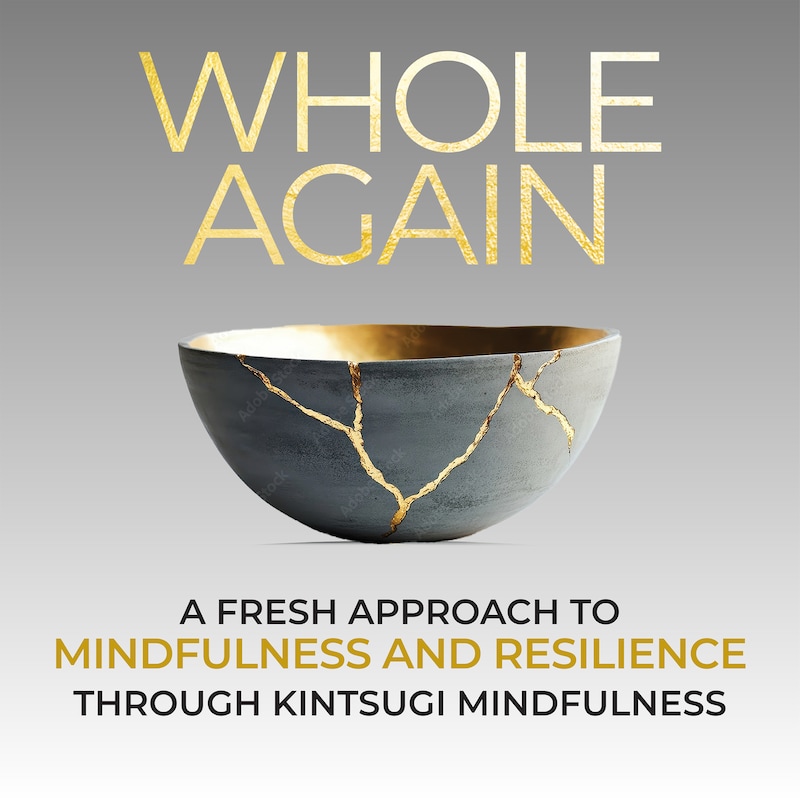
Shownotes
What if the hardest seasons of change are not meant to break you—but to reshape you into something more whole?
Change can feel disorienting, especially when the identity, work, or systems you once relied on no longer fit. Whether you’re navigating personal reinvention, leadership shifts, cultural backlash, or uncertainty about what comes next, this episode offers a more human way to understand change—not as something to outrun, but as something to listen to, learn from, and move through with courage.
In this episode, you’ll discover:
- Why meaningful change is often less about speed and more about surrendering shapes, identities, and structures that no longer serve you
- How nature, stillness, and discomfort can teach us what to release so new growth can emerge
- Why community, shared wisdom, and connection are essential for healing, reinvention, and creating better work culture
Press play now to explore a wiser, more grounded approach to change—one that can help you move through uncertainty with more clarity, courage, and grace.
Discover more about Jennifer: https://jenniferbrownspeaks.com/meet-jennifer/
Pick up your copy of The Shape of Change.
You can now download my Pause Breathe Reflect App with Microdose EQ for FREE on Apple’s App Store or Google Play. Discover how to spend less time on your phone and more time on things that bring you joy. Also, find the support you need to navigate today’s uncertainty with more calm and grace.
Receive a FREE copy of my book: “My Last Bad Day Shift.”
We can also connect on LinkedIn.
Subscribe to be sure you don’t miss any of the micro-meditations, wellness tips, and guidance that I publish every Monday, Wednesday, and Friday at 7:11 am.
Transcripts
Hey there, it's Michael. Welcome to Whole again, the show that can help you navigate today's uncertainty with more mindfulness, resilience, and grace. In this episode, I'm so excited to share my conversation with Jennifer Brown. With you, we talk about the topic we love to hate change. As a member of the L-G-B-T-Q-I-A community, Jennifer has been a long time advocate for inclusion and belonging at work and society in general.
gressive backlash starting in: initiatives, especially since:They actually missed the mark badly, and we didn't include half the population, at least from my humble opinion. That's one of the reasons why Sean and I came out with our book, because we want everyone to be involved and we need to lose the shame and blame that keeps us separated so we can find a way to become whole again.
In our conversation, we move beyond simply talking about leadership in DE and I and the programs that I just love that Jennifer put forth. She is one of the people that I think really got it. That said, as a industry, as a purpose or a mission, it's under assault and we dive into deeper conversation.
Really what it means to change what sparks change, especially when old structures no longer fit. We explore nature as a teacher because I believe that nature is medicine. On that as we go through spring and into the summer, we also talk about the courage to let a familiar identity be or simply let it go, and how to move forward when we don't have clarity, when it's still uncertain as it is today, if you've ever felt like you're in a season of change.
Given all that we're going through, well, this conversation and Jennifer's teaching, I believe could just be the thing you most need to hear right now. So if you're ready, I'll invite you to take a generous breath in and a releasing breath out
and settle in and get to know Jennifer Brown.
Jennifer, so great to see you. Welcome to whole again.
Thanks Michael. I love the title of this show, by the way. Mm. So good.
Well, thank you. I, I actually did something today. I got my vanity license plate plate, or ordered it uhhuh from the state of New Jersey. And I was able to get kazuki, which is really cool.
I'm totally stoked. I was, I had this desire, 'cause we have a, a few, uh, I guess they call them vanity or special license plate plates. So we have a couple in our car, some are cycling related. Uh, some one is about going green for my wife's hybrid. And I was like, I, like I, I want another vanity plate. And I put in a couple different things like pausing and I.
Breathe and well pausing. I just put pause in it. 'cause you can't put the ING, it's too long. And then it kept on playing back to me. Can't, can't have that one. Can't have that one. Can't have that one. It's already taken. Already taken. And I was like, oh, what about ksu? But I had to drop the eye, the first eye because the, the whole word kazuki would be too long for Jersey.
So, but we get, we get kazuki. So pretty cool. So,
so cool.
So I'm, I'm pretty, I'm pretty happy with myself today as we sit down and we talk about change, which is a, it fits so perfectly. So,
exactly, exactly.
Now I believe that nature is medicine. So nature also helps us feel grounded and connected and, and the whole spirit of coming back and feeling whole again.
So I'd love to know as we start, is there a place in nature that really helps you feel grounded and connected and stable?
Yeah. I mean, Michael, you know, where I live? Like,
yes.
I, I moved from the concrete jungle of Manhattan for 27 years, specifically to the Catskill Mountains because I needed a different diet, you know, environmentally and, uh, for my own journey, the, whether it's the quiet or even the wisdom.
I mean, initially it was the quiet and now it's like, ooh, the, the wisdom that is accruing to me from just being in the presence of this place, um, and walking around and in wonder, you know, in wonder at. The flowing of the rivers here, the melt from the, the mountains and the way, um, that water like runs through every single piece of this place.
And that it's a very resilient ecosystem. Um, it, it is, it was chosen as the source of New York City water a hundred years ago. And yes. Did they have to wipe out entire communities to build the reservoir system up here? Yes. And that's a whole different topic that deserves that we know about it. Um, however, the, the living here now, the balance of this place, the way everything works together, and, you know, it doesn't flood, it doesn't, it absorbs, it adjusts, it goes through these cycles that make so much sense to it.
And I think in this nonsensical world and time to leave our human capitalistic consciousness, business consciousness, and move into that. To appreciate the timeless, to appreciate the wisdom of a system that continues to be in balance and to then be reminded we are a part of that. We don't, yes, we've destroyed a lot of it as a, as a humanity, but we are from that.
We're of that. And, and, and therefore we have the same kind of wisdom about cycles. And when I feel hopeless, I turn to that wisdom. And I think it very much provides me comfort and a reminder and a, to be hu humble and to recognize that, um, that things are happening in all seasons, that are, are formative, that are forming, that are, um, that are percolating and that are always full of possibility.
Because the only constant is change. You know, se the seasons are marching on. So that is also comforting. 'cause I think we've been in a really hard season too.
Yeah. We have, we have. I so appreciate your answer. I know we're gonna get into your new book, the Shape of Change, and within the subtitle you call out resilience.
And when we think about nature, one thing that gives me great hope is actually something that came out of the pandemic when we all shut it down. We were forced to be still, nature found a way to bounce back. It's, we saw her natural resilience when we, when we changed our pace, and we allow nature to do the things that nature does.
And to your point, we are nature. We, we, we come from nature. We're not getting out into nature. This is who we are. We just fail to listen to it most of the time. But I, I don't know really anyone that doesn't go. I'll say it this way, goes into nature even for a mom comes up to the catskill during Catskills during fall foliage.
Mm-hmm. And doesn't feel renewed in some way. Nourished in some way. And, you know, getting out into nature more frequently, I think can do us human beings a world of good. So, uh, yeah. So we'll, we'll talk further about that once we get into your book, uh, and we'll hit pause on that for a bit. For those that don't know you, who are you?
Jennifer Brown. Let's take your professional stuff, your speaking, your authorship off to the side. So for those that don't know who you're, how would you describe who you're,
how would I describe who I'm well. I've been an activist in, you know, since my twenties, but I'm also a singing artist, performing artist.
So I was, for a period of time an opera singer, uh, who lost her voice and had to reinvent and, um, thus began. I think this continuing metaphor of the voice and the stage and facilitating dialogue that would take many shapes subsequently, um, leading me to be a keynote speaker, um, where, which is such a comfortable place for me, it feels like almost like that's where I need to be.
Um, and the other, the other part of who I am is the, um, is being in the L-G-B-T-Q community. And speaking of voice, speaking of agency, speaking of, you know, the, um, courage to be authentic. Uh, I, I struggled with that as a performing artist because there was no one I could look to that was out. Uh, and then in the corporate world, I, you know, I finally, I think I have been living into reconciling all of that.
Pretty fearlessly now. Uh, so that's been a super formative journey with the voice as well. Um, and to bring voice to the voiceless and to what hasn't been voiced in systems, uh, that has not been attended to cared for, who has not been cared for, uh, who has not been catalyzed and, um, really nourished and nurtured in this by the systems.
And the question is that, you know, now I'm kind of really revisiting things because of, you know, the wisdom is coming every day, right? About like, wow, what happened? Like, what, what did I just spend the last 25 years of my life doing? And I think in the light of day now with the perspective, I was really trying to change a system that didn't want to change and was deeply entrenched and had extreme wealth and power.
And, uh, when I was younger, I really wanted to fight that and really, um, go up against it. And I, I think I am reevaluating where I'm best, where I can be best of service, and also what's not going to exhaust me. Hmm. And, um, so when I describe my quixotic quest to, you know, battle it out, to be heard, to be seen, to enable others to feel seen, to protect, to challenge, to tell the truth, to afflict, the comfortable as they say, that almost feels in the light of day today with everything that's happened, like my younger self.
And I am approaching things with this break. You know, you said the stillness, right? The stillness is so critical and the book talks about this that we have to. Things have to be stopped because we don't want them to stop. We are gonna fight tooth and nail just to keep pace, right? Mm-hmm. To keep distracted, to stay on the surface, to keep things status quo.
But when you are truly stopped in your tracks, like I have been, and my entire field and my last 25 years of work, it forces a level of reckoning and, um, hopefully wisdom uncovering that equips you for the next, you know, you cannot tackle the next without a deep kind of reconciliation. And, uh, you know, that begins with a breakage.
So, you know, otherwise you're just kind of, you know, moving the deck chairs around, so to speak. And I, I, I have to be grateful for what's happened and who did it to us, for us, you know, I don't know. I mean, I, I've moved from victim to anger to all the stages of grief. To why me? To why us, why this work? You know, it doesn't make sense, you know, whatever, whatever.
Bargaining, and then acceptance and appreciation is, I think where I'm, where I'm, I am mo most days, not all days. Um, but it's really hard. It's hard to be on the vanguard of, of any, a lot of us, I think were on the vanguard. I mean, and yes, I'm not, I'm not alone. And there are so many of us still that are so brave every single day.
And there's, there's a price to pay with that. But there's also this tremendous, I mean, you, the tremendous pride in the life you live in, the integrity that you have every single day and what you're fighting for is, is so deeply satisfying. It makes me very peaceful, even as maybe my financial needs aren't met, or commercial needs are all in flux and
mm-hmm.
You know, it's okay. It's okay. What will, when it is meant to be clear, it will be it.
Yeah. Thanks for sharing.
Yeah.
Appreciate that. So the book, the Shape of Change, you've sort of already alluded to like, like why now? Really, based on this, the season that we happen to find ourselves in, I found the, the title to be, uh, interesting in a cur curious way.
You know, 'cause a lot of leadership books, the title would be The Speed of Change,
right?
Or, or some other verb that shows power and acceleration. And certainly we live in a time where it does feel that like, wow, uh, we keep on going faster and faster. And there's obviously much talk about AI and how quickly AI will change things.
And everyone wants to make a prediction and no one really knows, but everyone wants to make a prediction. The people who are making predictions, someone will be right. And then they'll claim how right they were in order to make more money about their rightness. Why did you decide to title the book? The Shape of Change
Change has always fascinated me.
Uh, it underlies, uh, the DEI work, I did actually, I mean, it's really a foundational piece. Um, when I did change management in grad school, I, it was my favorite thing that we studied, and little did I know really that I would weave it always throughout the way we approached inclusive leadership in organizations because we're, we're, we're inviting people to the change table, like we are inviting, um, a very courageous reckoning with who am I, who do I wanna be?
What kind of legacy do I wanna leave? What's hard? Where am I blocked? Um, so it's change management for the individual even to evolve. And all the, the, the things that happen along the way. And then it's also obviously in the org, org context. It's, it's a change. Um, changing it with the times, um, you know, refreshing or challenging their culture to be different, like that's happening at the systems level, and then the individuals going through the process too.
So what fascinated me, I, I think the shape of it then is, is we, we, a shape appears for a period of time when it's useful. And the shape of my old company was the shape that I decided it would be 20 years ago. Sure. Yeah. You know, and that's not me anymore. It's not what I would build again. And in fact, the shape felt confining at some point.
And this was not just recently, this was not just since it's been attacked and the field has been challenged, the very shape of what I built, answered a need and felt protective and felt vindicating for me, felt powerful for me. Felt like I was making a point to the people that I really wanted to make a point to.
And I'm not even talking about business. This is like personal stuff, family stuff. Sure.
Yeah.
I mean, really like I'm a girl in the world, like feeling all the vulnerabilities, all the, my response was always, I'm gonna be stronger than you. I'm gonna be stronger than you and I'm gonna build something bigger and you cannot mess with me.
So, but we all know if you've done any level of therapy, like what you needed and the thing you built is the house that no longer serves you as you grow and you grow up and you get bigger. And it's, the Alice in Wonderland image always comes to mind with her arms and legs sticking out of the windows and the door and her head picking, sticking outta the roof and being like, how did I get here?
How did I become the prisoner of something that doesn't fit me anymore? So the shape, allowing that shape to dissolve regardless of what's, what happened to my field. And two. Like the career that I built, that was the forcing function. Like that was the instigator of the breakage. But my job was to surrender to that process and surrender the shape.
And the caterpillar surrenders the shape right, and goes into the cocoon and has no idea what's on the other side. And so the, the book is about the process of that, how that feels and why it's so hard to do and why, you know, I, I, believe me, I regret not dismantling the shape that I had built sooner because then I was a victim of change.
It happened to me and I, when I think about how, what my wishes for humanity and myself is that we somehow develop the discernment to change the shape while we're healthy, while it's still working for us. Because inevitably the shape will change, right? Mm-hmm. And the question is, are you gonna be a gambler and are you just gonna like, wait for the timing to be right, or are you going to have a discipline about, I'm done with this, this is a phase that's done.
It wants to be done, it wants to end. And I think like I was outgrowing that house for a while, like we're talking years.
Sure. Yeah.
So, um, because I dunno if any of us are really, I dunno if any of us are really meant to be in the same career in the same shape for years and years. Like, that's kind of a vestige of I think, old generational stuff, right?
Right. We're Gen X probably, I'm not making an assumption. Yeah.
We're a gener X, but I, I think you're right. Like in those past generations of like, I, I do this job.
Yeah.
I give loyalty to the company. The lo the company promises a pension in return. And I live my life. I retire at such an age. Social security was set up at a time when people live to 67 years old, not 65.
Right. But not beyond that. Right. So you retire at 65, you so security bet on like you are going only gonna live for a couple years. Right? Wow,
that's amazing.
But I think it was like, this is what you do, right? And generations went on. And then I think what's happening now with, we'll call it Gen Z, is they, they've seen our generation, the Gen Xers sort of following in the footsteps of their older boomer parents to say, okay, this is how it works.
You get a job, you stay at the job, you get a pension, they take care of you. You give your loyalty, you go above and beyond. And Gen Z is saying, Hey, listen, mom, dad, I saw how you gave everything to your company. You worked around the clock. You were constantly connected to your computer, and then all of a sudden the company decided you no longer were needed.
And like, we're not signing up for that. Like, like you gave all your loyalty and then when it came time for the company to give loyalty back to you, they were not there. And so I, I, I, so I see, I see that fracturing as far as like the sensibilities is like, I'm not, I'm learning from my elders. Yeah. I'm not going to write that same story.
Thank goodness. Thank goodness. Yeah,
thank, yeah. Yeah. It's highly disruptive, but yeah. Thank goodness.
Right. And, and you know, the fact that they come and go like that from their employment based on values, based on, you know, the, the health of a culture and the everyday experience, all that is like, is really putting pressure on companies to create a better experience.
Right. To be more accountable. I, I do think we're in a moment though of the power shift having shifted to employers again versus where I would say we were maybe five years ago where the power shifted to the employee.
Sure, yeah.
You know, um, but that pendulum is gonna swing back and forth and it will swing again.
But I do believe though, look, companies can't exist without a consumer base and without, so far, without human employees. So the question ha, you know, remains for now, you know, how are we intelligent about these and culturally competent. About these demographics that we are selling to. And um, you know, do we wanna ignore that?
Does it matter to us? Do we think it has anything to do with innovation or, um, you know, the bottom line? And some companies get it and some don't. Uh, but most I think do get it. And they may just not be talking about how they get it right now, but they're absolutely still in the same conversations about that as they should be.
As they should be, because the world is changing and, yeah.
Yeah, they just relabeled it from diversity, equity, inclusion to culture and talent to employee experience. I think most company leaders believe what Peter Drucker believed, that culture eats strategy for breakfast. That you, you can't do anything by yourself.
You, you need a connective team. Uh, businesses love to use sports analogies, and so there are a ton of sports analogies about togetherness and unity and teamwork and bringing together different skill sets. Not everyone plays shortstop. There are nine positions mm-hmm. On a baseball diamond. So all the need is still there.
E even though the wins may have, uh, changed directions. So when it comes to change, this is one other thing I'm curious about from your perspective, because I read in the book you just referenced it, just the whole chrysalis theory, caterpillar. Goop butterfly do, in your opinion, and also from a kazuki perspective, the pottery breaks has to find a way to come back together.
Do you feel like someone has to go through a great deal of suffering coming from a mindfulness space? You know, there's suffering in life, um, there's pain, there's dissatisfaction, however you wanna say it, but does it have to be so strong that it really does wake you up before you're able to make the change?
Like how, how do you, how do you, what's your take on the level of, of pain necessary to make change, move forward? If that makes sense?
Yeah, no, it does make sense. I think about it a lot. Um, I just. I don't, it's sort of that urgency, like change management is, is like they create the burning, the burning issue, right?
If there's not a burning issue, how do you create
Yeah. The burning platform.
Yeah, exactly. Like this is a question in marketing and branding and um, anything that kind of instigates change and people paying attention and, and this sort of, if we don't do this, then what? Right. And sometimes you've got an external catalyzer for that and sometimes you have to kind of create or, or find a unifying thing that gives energy to it, fire to it.
Right. Um, I guess for our us people, humans, I wish, I would wish for all of us that it's weird. Like I'm, I'm of two minds. Like I don't want breakage for everybody. Like I don't want, I don't want Humpty Dumpty to have to fall off the, you know, the wall and shatter into a million pieces. Um, and yet if we look at nature.
How severe winter is, and yet the resilience that it builds, you have to sort of wonder with humans, you know, is it, is it something you can, is it something you can somehow learn to welcome in? Um, I know we're afraid of it too, right? So we avoid it. We avoid the deep unsettling questions or the big choice, right?
Um, we avoid the upset, we avoid, like upsetting the apple cart, like, and turning it like the cards in the air. Like, you know what, I'm gonna go for broke. I'm gonna start my own company. I'm gonna leave something that's secure. I'm going to honor, I'm gonna, I'm gonna break it because I think there's something that I have yet to discover and I won't.
I know that I won't do that work, that discovery work, if something doesn't change. My day to day life. Right. And so I don't know if the breakage has to be so like physical or economic or whatever, but it does kind of beg the question, especially us older generations. We are, um, we're not as agile to change, I think maybe as younger, younger generations.
And we get set in our ways. We get used to things, we get spoiled with our material goods. We, we assume that the salary is always going to be there or just whatever, you know. And I think this is a, this is like a Rumpelstiltskin like waking up kind of, hold on. Like none of this I can count on. And if that's true, how am I laying the groundwork for like, something else in its place?
And um, and how much time can I devote to that when I'm so busy keeping all the plates spinning in the air of the thing of the old thing? And so I, I don't know. I guess it's up to each one of us to really assess that and to say. If I don't break it, it's going to break for me. That's a question, right? To just sit with.
If I don't, if I don't proactively push myself off the wall, um, that beautiful piece of pottery will never be, will never be created of me and the pieces of me, it's like we have to disassemble to assemble again.
Yes.
Into something very beautiful and unexpected like the butterfly. So, um, by, but breaking your life or breaking your career or, you know, ending something and leaving it, or proactively saying, you know, I had a great run.
And that the sort of days are numbered on this. And anybody that's looking right now at the world has to be saying. These things to themselves. Like, I fear that if I stay here, I will not be developing the, the, whether it's the skills or the strategies or the whatever that I'm gonna need for the next, like the degree of change is so fast that I, I worry about anybody that's been in the same form or shape for a long time.
Like it's, it's, it's hard to innovate from that place. Um, so I, I think you've got a be there's a risk reward here, but, um, I don't know. It's such a great question. I, I don't know what you think about that. Like, well, how would you answer that question?
Yeah. The reason why, uh, I'd love asking this question because I get asked this question all the time because you do, of my original big accident.
That I've labeled my last bad day, nearly lost my life. SUV hit me head on riding my bicycle when I was out in New Mexico for a company offsite meeting. So like, life was pretty good. I was 33, had a pretty good job in pharma marketing director. I was doing the thing, I was doing, the thing that I was supposed to be doing.
At least that's what I thought. Mm-hmm. And then, then accident happened, and then I literally got broken in multiple places and shattered in the whole, the whole shebang.
Mm-hmm.
So yeah, I've been asked like, well, do you need to go through something like that to bring about change? My feeling is no. And the part of the why I say that is that you know my story, like I broke and then I was fortunate enough to recover in the way that I have and that I get to share the story creates a bias that, well, if you break like that.
You know, and if you do these things, Aila, you'll be a new person. But not everyone that goes through that makes the change. I could have easily at my pivot point and my threshold as you write in the book, decided, well, I'm not, not take the path that I eventually took. I'm gonna go down the path of being a victim.
This was so unfair and it, and never heal. My pottery never comes back together. There is no tsui and that happens all the time, right? So we have bias, it's set up in just our overall narrative of how we talk about things in society. So I don't think you have to go through that level of discomfort. I think there has to be some level of discomfort.
A change formula I use a lot in my corporate days was D times f. Times V has to be greater than R. I'm not sure if you know this formula.
No.
So there, there's actually two people. I'm gonna give proper credit in the show notes, but as we speak right now, I forget who I should give it credit to. It's not my formula, although I've adapted it a bit.
So the D equals dissatisfaction.
Okay?
So you have to have a certain level of dissatisfaction with the current state. That could be a burning platform, or it could just be a really hot, a hot platform. You saw injustice in the world as a 20-year-old and you're like, Hey, I'm dissatisfied with this system.
People.
System, yeah, system.
Through mult, the multiple lenses that you view society, you're like, unacceptable. We're gonna, we're gonna speak up and speak out, right? Mm-hmm.
Mm-hmm.
So dissatisfaction, the V is the vision for the future. Where do you wanna go? Right. I'm gonna put words in your mouth. Correct me if I get these words wrong, but you saw a world where people saw each other, people hurt each other.
People loved each other, people welcomed each other. There was inclusion, there was belonging, there is togetherness. This is the world I want. It's more peaceful, it's kinder, it's more mindful. It's more resilient. We're gonna go far people, if we get here, the F is the first step. Mm-hmm. So a lot of people might be like, yeah, I want change and I, I'm not happy with what's going on.
But the first, like, what are you gonna do now? What's called for now? Like, what's the first step that has to be that sum or that product, if you will, has to be greater than R, which is the resistance that keeps us in the status quo.
Ah, I didn't expect that for the R. So good.
Now I've put some perens around the D times, F times V, and in Perens it's the power of P.
I'm a cyclist. The power of the Peloton, the P power of community. So when you have a community coming together that is dissatisfied, that knows where it wants to go, and knows what first step to take, that becomes even more powerful than the resistance that keeps us in the status quo.
That's for sure.
So, so I, I think about this, I think of the dissatisfaction has to be there.
The vision for the future has to be there. Mm-hmm. And we need to know what's the first step and maybe the next step. And I, so I see like our current environment is that in certain parts of the population.
Mm-hmm.
Because some people think like, what's happening is, well this is pretty good. Like true, you know.
Approval rates by, by one measure is like, there's a, let's call it a third.
Yeah, yeah.
A third of the population is like, nah, this is, this is good, this is good. Um, I like it exactly what I want.
Mm-hmm. Mm-hmm.
Then there's a part of the populations like, you know, yeah. Not good at all. Maybe, you know, and there, then there's a section in the middle, right?
So
mm-hmm. Mm-hmm.
So there, there are people who are like, uh, this is outrageous, highly dissatisfied. Right? And then you go into certain geographies like Minnesota, highly dissatisfied, like unacceptable. And that tour goes from city to city to city. As we see over the last, you know, uh, what, 14 months? I'm not sure if there's been a great articulation about what we want in the future.
The vision.
Yeah.
Um, and I think people struggle with what, well, what, what can I do? So we don't do anything. We're pissed off, we're worried, we're unsettled. And it's like, well, all right, it seems broken.
Mm-hmm.
It seems like we're go, right? The go of the caterpillar, the broken pottery. But then it's like, okay, what do I, what, what do I do now?
Hmm.
Um, and I think that can be really exhilarating. Like, wow, like it's not tabla Raza, it's not a blank slave because there's still like history here, but there is a blank page. There's a chance to write a new chapter. Um, and it, and it's also really scary. So that can be really paralyzing. 'cause we don't know, and we're uncertain.
And what about if we do this? What about if we write this chapter and people don't like it? So that's sort of how I see it. So I think there's gotta be a level of dissatisfaction.
Mm-hmm.
But we also need to understand where we wanna go. Uh, we, um, we often talk about, we're all on this journey.
Mm-hmm.
But I think people are on, I, I, I think too, sometimes when we talk about journey, we, we, um, emotionally bypass the hard stuff.
'cause usually when we talk about on a journey, we usually are making reference to the hard stuff. You know, we like when it's all happy and joy. Joyful moments. Not a journey. We don't, we, we don't say it's a journey. We're like, oh my God, this amazing thing happened to me. I got promoted. You know, I'm on a journey.
It's usually all the crap. Like, you know, I got, I got laid off. It's all, it's all part, I'm on a journey, right? Mm-hmm. It's journey. And so I think it's helpful to know like, where, where do we wanna go? Um, uh, maybe not an exact like, pinpoint destination and sometimes that destination will change over time, but like, some idea of like where we wanna go and how we actually wanna do the, the journey.
So,
um, I
think too, that's, that's sort of my take on it.
That's so good that I think the journey is not synonymous with needing to know the destination. You know, I think in these times, my circles, I think we are all talking about the liminal space right now, and. Just allowing, like not doing the capitalist thing of trying to bring things to a point, you know?
So I love the vision thing. I love the vision thing. 'cause I think it's like so important. It's such an important like instigator for movement and first step and, you know, it's, it's motivating and all that. Um, and I know what it's like to have a vision 'cause I've held one strongly for like 25 years. But I think like there's something really different about this moment that it, it defies the vision because it's so ambiguous in such a way like.
I can't hook into something quite yet. Like, so that, and I think that's a common feeling about this time right now is there's so many incomprehensible things going on that I don't think we can actually as human operating systems get our heads around it. Um, and that might need to be okay for now. What we can do, I think, on the journey, like you said, um, is, is at least we can know who, who energizes me.
What energizes me along the way? What nourishes me? Where do I, where am I attracted to? What conversations am I attracted to? Um, what interests me? What do I spend my time doing? What feels replenishing for me? So while we don't know how this is all, it's the liminal space, like it may not want to be understood at this moment.
It feels very much to me like that. 'cause look, I, every day I ask for clarity because I can't work with a, I can't work with you and me,
both Jennifer, you and me both. I'm like, you're
like, I check the
mailbox every day. I'm like, did the up ups deliver any clarity today? I'm like, give it to me. Like,
is there
a drone
is coming?
Like, what's
happening?
Jeff Bezos, are you listening?
Anyone? Anyone?
Yeah.
Yeah. It's that moment. But I, I do think, um, maybe that is part of what this moment is meant to teach us is that that traditional, that want for clarity. Direction to be given to us is part of what's being challenged right now. And I, and I, and I, um, so I actually challenge myself in the want for that because I, I want it, I'm addicted to it.
I know I need it to move forward. I've held a very clear vision for 25 years and, um, but it's not my job right now to nail something down and to be like, we're going like, here's my flag. Like, let's march. You know? I was that, and I think I, I just think that leadership in general, and this may be the thing we're percolating on, is that it needs to be different.
Like, it, it just this time is to, is meant to kind of slow us down to the extent that we are literally like, how comfortable are we in pieces with no form? Like, and how
long
can we stay here?
Yeah. I think that's, I think we're actually experiencing the pain. I think we're. The pain is there. We're just, we're numbing or medicating our way around just by like going, uh, hustle, grind, common vernacular.
But I think there are plenty of ways for us to numb the pain. But I think we're hurting. All you have, all you have to do is read Gallup's latest survey results to say, at least in the workplace, we're hurting. We can see the data as a greater society. We're hurting. E even e even I would say, I can say this, the white guy, like the, the middle aged white guy, he is hurting too.
He just doesn't know how to express it. He'll just, you know, do do his ways to numb it. But I think we're all like, in a way hurting. The only people that may not be hurting are the people in the top 1% of the 1%, but even. They, I think experience hurt because they're clinging to their status and they desperately don't wanna lose it.
Right? And so there's. There's the aversion, like through a mindfulness lens. There's the pushing and aversion to the things that we don't like, the fighting, and then then whatever we happen to resist, right? As the saying goes, persists, it fights, pushes back, and then there's a just a battle. But there's also this clinginess of like the status that we have or the job that we have.
We hold onto that so dearly and anyone who's been, we'll use journey again on a car ride journey. And if you grip the steering wheel too tightly, you're wiped out by the time you get to the. Of your journey. 'cause it's a, a very exhausting way to drive, right? So we need to find a way, maybe not to let go of the steering wheel completely, but ease our grip and mm-hmm.
Have a notion of like what direction we wanna go and maybe not necessarily knowing precisely.
Yeah.
So we can take some movement that maybe aligns to all the wonderful virtues and qualities that you speak about in your book to say, okay, well we might not know exactly what all this is, but we, we know how to take steps, forward steps that help us create some stillness, um, or thoughtfulness or.
Reflection of how we wanna show up and how do we wanna treat each other in a time where we wonder. I think the jury wishes to come back into the courthouse to share its verdict that we're not treating each other very well. And, and I think people are thirsty for that, but, you know, we're, we're stuck. But I, I do think there's a level of, um, numbing that we're, we're doing and I think workplaces are, are feeling it.
Uh, you know, and, but I think the real scary thing, I think one of the things that I love about in the book, especially as we sit here in winter and where we sit in our geographic locations, winter has definitely said, Hey, I'm here.
Oh yeah. I,
I might have been gone for a few seasons, but hey baby, I'm back.
Like, it's so true. Lemme just tell you we're gonna, we're gonna cool things off. Right. Um,
it's true,
but I. But what you share in the book is just this notion of like, let's slow it down.
Mm-hmm.
Let's invite some stillness and some space so we can be really clear in our thinking about how we, what we do next.
And so you share that in the book. I'm like, yeah. Amen. And then you, you have business leaders that, you know, I've, I saw one of your talks, we, you brought this up. And they're like, yeah. Um, but, um, but
my, my KPIs and
my Yeah. The KPIs and, uh, we got stuff to do and we gotta, we gotta win this AI race and the, the stakeholders and shareholders want better results next quarter.
So, Hey Jennifer, I get it. Like the whole slowing down and creating space and taking a breath, like, it's awesome, but like, we don't have time for that. And what I worry is that. Almost like the pandemic is like, if you don't take time for it now you're gonna be forced to take it one day. And that medicine is much more painful.
Exactly. Yeah.
Now I think that's why, like to me, like when I read your book, I'm like, Jennifer is like calling this out. Hey, people calling,
Hey people.
I don't know what this is gonna look like, but I know if we don't change how we show up for ourselves and show up for each other that whatever we face next is gonna be much more painful then taking these steps right now.
And
yeah.
You know, it's, uh, a little like, what, as they say, like an ounce of pro uh, prevention is worth a pound of cure. Like I, I see like. You are sharing in your, in the book, like take, these are things that can be like ounces of prevention that can help us, um, find a middle way together, um, that can benefit our nature, our own personal nature, but also the greater, I would say mother nature.
Yeah. Like the, well, it's hygiene perhaps, right? Yeah. It's the, it's those of us who have built a habit in the past for health or financial savings or anything that requires like discipline and sacrifice. Um, you're right that, and I love the steering wheel. Holding the steering wheel lightly. Like imagine that metaphor for business leaders the harder you clinging.
Yeah.
Like you can't lead and clinging. So if, even if we could just get business leaders to say, how do you like sit in the storm that's happening around you. And be grounded in it. And be thoughtful and be present and, um, consider every moment, consider a choice you make and say, am I making an old choice?
Is this an old me? Am I making a new choice? Am I, am I getting, I used to say an inclusive leadership a lot. Are you, are you comfortable being uncomfortable? And I don't mean uncomfortable, like in a bad way. It's the stretch, it's the, you know, it's the, um, it's the edge and it's not the edge of, oh, I'm gonna do more and I'm gonna torture myself and I'm gonna, I have to strive more.
And it's more productivity and it's not more, more, more because we will break. Mm-hmm. We'll break. Yeah. Mm-hmm. So we have to do it in a different way. And I think part of it is actually paradoxically relaxing in the midst of like, you know, you can't tell me that like a performance athlete isn't like, yes, they have adrenaline, but they're relaxed.
Like they're relaxed. I think they are. When I'm on stage. I'm relaxed actually. People are like, aren't you nervous? You know, whatever. And I'm like, actually, I'm like, so at home you watch my blood pressure when I'm up there or my pulse, I'm completely in the zone. And I feel so wise, I feel really powerful.
I feel really steady and I feel that I can access my best. And it is in a situation that is in very, very pressured. So I wonder, you know, you and I are both kind of performance athletes in that way. Like we know how to handle those moments and um, but the response is not holding tighter. It's not pedaling faster.
It's not like me, like psyching myself up and, you know, jacking up my nervous system and putting myself into fight or flight and all of those things. It's actually relaxation and trust. I mean, there's a lot of trust in that. There's a lot of faith in that. I mean, what I'm saying is' an easy, but it is, um.
It is tapping into a different way of operating, um, that, that, that takes care of your system and your internal system. And then also prioritizes the systems of others and make sure that there's like a health to it. There's a, there's a balance to it. And, um, otherwise people are burned out already. I mean, you said it like the numbers show, the data shows that like everything is breaking, way worse.
Get, it's getting worse. So trust has been broken. People feel overwhelmed. They don't, they're not happy. They're suffering. They ha they're in fear. I mean, honestly, it's even more than suffering. It's like fear. I mean, I think fear is corrosive. Hmm. And people are in fear, the Maslow hierarchy right now. Like they're in fear of like, this is not just even, this is why it's so interesting what we're going through.
'cause this isn't just like the top of the h the, the pyramid of self-actualization. Wouldn't that be nice? I, I think it's literally food, shelter, water, feed. My family, this career that I've built. You know, is it all just gonna come down when a company sort of capriciously decides that like, my job doesn't matter anymore.
Um, this is what we're dealing with. And, uh,
oh yeah. Amen to that, Jennifer. I think, I think that's the real stuff. I think the Instagram reels of people with great privilege going off to Costa Rica and finding their great awakening or whatever, just as an example, that is a sliver of like, what's out there.
I think for most people it's, to your point, the basics, like, how do I. Like, how do I get my kids through college? Um, am I gonna have a job if I send my kids to college? Will they have a job? My parents are getting older and no one gave me the playbook of how to parent my parents. And oh, by the way, that's expensive.
So I think there's a lot, like, how do, how do I, how do I make it? And this is why I say even men are hurting.
Mm-hmm. Mm-hmm.
Is because many men have a value of, I want, you know, for generations, I want to be a provider to my family. And I'm, I'm terrified that I won't be able to do that. And if I can't do that, then what will I be able to do?
And so you have parents working multiple jobs trying to make ends meet. It's, yeah. It's a scary time. And that's, that's, if your skin color is white.
Yeah,
if your skin color is any other shade, there's even greater fear, right? And if you are in a social economic class that's lower below, you know, um, middle wage or the median, uh, it's even even more fear.
So there's there, there's a lot there. But I to your point, I think we could benefit from just easing our grip a bit so we can be more thoughtful. And we sit here in the Olympics are going on, and I think one sport that really sort of plays into that is a sport of biathlon, right? So the, the biathletes have to skate on their cross country skis super fast, right?
Mm-hmm. But then they have to find a way to like, bring everything down, almost down regulate, bring their heart rate down so they. Can shoot their rifle with precision at the target. And I think that is just part of our reality right now. We, there is a, there is a need to keep moving.
Mm-hmm.
And there's also an ability that we need to develop to slow everything down so we can be really precise on things that really matter.
And I think we're in this, this phase of, everything's a reaction. It's like everything's a reaction. It's moving a thousand miles an hour and we we're not making really wise decisions and then we're pushing or clinging and pushing and clinging and
mm-hmm.
Um, that makes it, it makes it hard to, um, you know, turn into that beautiful, beautiful butterfly as you're write about, or that beautiful piece of Kintsugi art.
Mm-hmm. Um, because it stays, the pieces stay broken or we stay as goop.
Right.
Until, until we find a way to like, ah, yeah, I see you. Like I, I hear you. Like, alright. Like,
I remember you, everybody,
I remember you like, like this whole idea of like coming together and creating a stronger work team and creating a bigger table where everyone has a seat at it, um, that's welcoming.
Um, you know, it's hard to get there if we're in fear. I,
I wanna build on, um, the p that you added to the model quickly. Yeah. Um, in the community, the community piece, because I had this vision as you were talking of Kintsugi, the pieces. Right. And, um. What about appreciating going around and revisiting and appreciating each one of those broken pieces?
Like, and what about maybe making different choices about which it's not, the goal is not to just reassemble something in the same shape. What if the goal were, when that happens, as often as it happens, which it will in the future? I fear, or maybe I'll, I'm grateful that it will, I don't know, but like, making choices about the pieces you do wanna carry, the pieces you do want to put back together.
And then what about if we were all cons, Sugi and all of our pieces were lying there and we could actually reconstruct from each other? Yeah. Like what about if it weren't so individualistic? You know, it's like, oh, my vase, right? Yeah. My vase breaking, my vase being put back together. My shape not changing.
So I would sort of, this is cons, Sugi 2.0, but it's like thinking about. How can we do this differently? Is the goal to reassemble something in its old shape? Is the goal to reassemble with all the pieces? I can't forget this piece. I can't forget this piece or whatever. It's not, I don't know. Because I think we constantly, in our reinventions and evolutions in our lives, we, we shed things.
We say, you know what, peace, thank you so much. I'm gonna put you over here. And you know what? Maybe somebody in the community needs you.
Mm, I like that
here.
Yeah.
You know, and let me create something and then let me, it's kind of an exchange, right? It's like, oh, could I have that piece? Here's one piece of my right.
Whatever. Like, it's so much more mutual. And it's a group effort because we, I have, we also have to really like remember like we are here for each other and we do not use each other. We don't in meaningful ways. And we don't remember that each other are here. Like, I just think this society does it to us.
It isolates us. We, you know, unwittingly, it's not our fault. We've been separated from our each other.
Yes.
So, you know, anyway, I just had this vision as you were talking of like, does every piece matter? Is that the point? Am I just recreating the old shape? Like Yes. Is it beautiful in a different way? Yes.
But, um, I don't know. Is does it go far enough?
I think that's a really good question. You know, I've, I've sat with that myself, just, you know, as I see, like, I have my Katsuga bowl right here on my desk. You know, it, it started as a bowl, you know, it goes through repairs. It's the same pieces, just, you know, so I think there, I think the wonderful thing about all of this is that there are, there are bits of like all these different metaphors that we can really use to sort of shape our thinking.
And I, I love that. I think there is a community piece to this, and I don't think we need to bring everything forward. There's a great Buddhist story about letting go of the raft. You know, like a great traveler in, in short, a great traveler. She's traveling, she reaches the body of water. She builds a raft.
The raft helps her get across the body of the water. And then she is, she's faced with a question, um, what do you do with the raft? The raft was so essential for her to continue her journey. As we've talked about journeys. Does she carry the raft with her over the land, which is really heavy and cumbersome?
Or does she thank the raft for doing its job and let it be? Right? So I think we, we all have things and what Buddha talks about, it's like sometimes even the dharma, the stories, the suta, sometimes we need to even let those things go. Like certain beliefs go, certain stories go. They served us to this point, and now we get to come up with new stories and we, we let the raft be.
And so, um, so one of the things I love about your book is the last chapter is around hope. And, uh, we have like, hope is a big thing for me. Uh, we have a dog named Hope, um. So, uh, hope is, hope is one of my values. I see it differently than optimism. So you end on a very hopeful note. Mm-hmm. So as we sit here in winter, uh, in every neighborhood there is a flower or a tree.
That's the first one to bloom. It's the first sign to spring, right? So there are, so in every neighborhood, in any, any town, we, we know like, okay, we know spring is coming because this one particular tree in our block is the first one to start to blossom, or the daffodils come up for the first time. So when you're thinking about, obviously this season of We're in winter, it's somewhat dormant.
It's asking us for us to be thoughtful. What are the signs of spring you're looking for? To say, Hey, you know what, we're, we're moving from winter and now we're, I see the signs of the new season starting. Is there anything that comes to mind?
And that's not in na, literally in nature, are you talking about or are you talking
about like Yeah, I'm really talking about like this moment of society of Yeah.
The work that you're doing. The change. This is the question probably in a much more concise way. I, I wanted to ask you at the event.
Hmm.
Um, but so we, we end on hope and I, we know like there's, there's, there are signs like, oh, I, I see that, that, okay. Spring's, Springs about to come and maybe in a few weeks.
So is there anything that pops up for you?
Well, I mean, I have to reference. I have to reference like the, the joy that the, for example, the protestors all over the place have been accessing the way the protests have been going of celebration and art and music and joy. Like joy in the midst of the pain.
Yes.
Like just the, the way humans are showing that they, they're, this is our birthright, you know? Um, I think that is so beautiful and so inspiring out of so much darkness and sadness and heartbreak that people are able to do that and that they find like refuge in that, and community in it, and creativity in it.
Creativity in the midst of, of loss.
Mm-hmm.
Literally, like I, so anyway, I, I Minneapolis, I know we won't all forget what it has felt like to see that in this winter time. Like metaphorically and literally in the cold, like literally in the blistering cold, like cold that, you know, we we're not even able to cope with.
You know? That's just incredible that the monks that are on the walk for peace, you know, they're coming into Washington DC Yeah. That's incredible.
Yeah,
I mean, every day I watch that and listen to the way they understand their talk about journey, they understand their journey, why they undertook it, what it means, what their message is for us.
Um, so I think there have been these beautiful, um, tendrils for, uh, these, these gifts that we've been given, um, to see humanity, like to see it and be reminded like what we are really made of and what we're capable of. And, um, when push comes to shove that we. We, we tap into these unexplored reserves and I, I hope we all feel, we all feel and remember that we have those, it's like the caterpillar, I just was talking to somebody about the imaginal cells are in the caterpillar soup when everything else dissolves, the imaginal cells like find each other.
And that's the intelligence that comes together. And actually like is the blueprint for the butterfly.
Mm-hmm.
Yeah. And we, we, that belongs to us. We actually know in a very like indigenous way, like how to do that. We have forgotten. And we, the system doesn't want us to remember, but we know how to get strength from each other and we know how to celebrate in darkness and we know how to celebrate the darkness actually.
So anyway, I, I think, I think those are beautiful, um, things that have kept me going. Um, I mean even just to date this episode, the, the Super Bowl halftime, I have to say the joy. Of that performance perform was palpable. And it was a, it was, it was, it was a, a celebration of the what's true, what's universal.
Um, and also remembering kindness is, I hope kindness is the way of the world. You know, the arc of the moral universe is long, but it bends towards justice. You know, I've, I've had my own challenges with that saying recently, because I feel sad and betrayed. I feel like I had a vision and then there was somehow kind of a, it didn't happen in the way that I really wanted it to, I guess from, as a result of my work, you know?
And that's very e that's ego-based. That's selfish. That's, wait a second. You know, it was supposed to go this way and I've, you know, I believed this and I've said, you know, whatever, whatever we do, you know, but I, but I'm like, you know, no, there's a long, long game unfolding, and I'm just a small part of it.
It doesn't mean that saying's not true anymore. But it does mean that I maybe wasn't mature enough and wise enough to understand what was meant. The arc of a universe. I mean, that is a very long unfolding, mysterious process. Mysterious. So anytime we think we know and we can predict, by the way, the destination you and I were talking about, the whole point is it's changing and it will change.
And there's no way we can know what it is. So the vision, vision is not the same as a destination. Maybe we really need to say what a vision is. Right. The hope. It is the hope, but it isn't something maybe concrete. It's not, you know, it's not a physical, uh, destination, but it is, it is a compass, not a map, as I say in the book.
And I, I love that. That makes sense to me. Day.
Yeah. So much goodness in what you just shared. Maybe the arc twists towards justice and doesn't bend. So maybe it's like a pretzel twist and we're just in one of those pretzel twist bends right now. But I do, to your point, Jennifer, I think when we look up and around, I had an executive client that I used to coach.
He would talk about looking up, you know, as opposed to looking down and looking down at his phone or looking down at his device or what have you. It's like, look up, look around. And I think if we look up and look around, there are wonderful signs of spring to come and hope. And we see it in the humanity that we all share there.
There is still goodness. And yeah, we can focus in on all the darkness, but one of the coldest, darkest places. This country, this country, at least during the winter, is Minnesota. And I think Minnesota tried to wake us up
Yeah.
Close to six years ago.
Yes.
And I think it's trying to wake us up again. Wake us up to our shared humanity, and then there's goodness.
And we, we find a way to turn into that beautiful butterfly. We find a way to turn into our kintsugi and we, uh, we take a different shape as we change. And I, so I just love, I love the continuation of your work. Maybe it's not in the same form as it once was, but I so appreciate you still leaning into this work.
And the qualities that you share in the book are, even if people just took two, three, or four of them and just. Sat with them and tried to weave them into their lives, I think we would have a more peaceful, kinder planet and society. So thank you for doing so.
Thank you. This was so beautiful, Michael. I really appreciate it.
Yeah. Thanks for coming on and, uh, hope to see you again in real life. Life. Be well. Peace.
Peace.
Well, there you have it. The shape of change. As I mentioned, upfront change is a topic that we love to hate, but we simply can't escape it. In fact, we're all slightly different now than how we were at the beginning of this episode. I would love to hear what you're taking away from what Jennifer shared for me, I have three.
One is change isn't necessarily about speed, although that would be a great business leadership book title, especially in today's age, the speed of change, as I mentioned when I was talking with Jennifer, Jennifer, reminds us that some change takes on new shapes and sometimes we need to surrender the old identity so we can let growth happen.
Our new identity won't become visible until we have the courage to shed the old one. The second thing I took away from our conversation and Jennifer's book, the Speed of Change, is that we don't need a destructive or catastrophic event like my last bad day to evolve to change. But we do need enough awareness.
We need to be able to open up our aperture and ask honest questions about what still fits and possibly what doesn't. The third thing I took away was something that speaks directly to what we're trying to do here on Whole again, and through our pause, breathe, reflect community, and that is community.
Community is part of the repair process. It's part of the healing process. It's also part of the growth process Change rarely is a solo endeavor. We need shared wisdom, shared courage, and from a lens of katsuga shared pieces, it's the quality of togetherness that really is called for now, even when we don't necessarily see eye to eye.
We can still find a way to be connected. I'll encourage you to follow Jennifer on all the different places where she could be followed. You might wish to pick up a copy of her book, the Shape of Change. I'll put all the links in the show notes because this, after all is a podcast. And what's a podcast?
Without show notes. If you haven't yet, join me over on Substack. I hope you will. The handle over there is Milkshakes with Michael. You'll find my writing over there, plus a live tutorial once a week and live practices, live meditation practices that I host throughout the week. It's one way you can be part of our whole again, and pause, breathe, reflect communities.
Again, thank you for being here, and thank you for putting a beautiful ripple into the world. I hope you'll continue to join Jennifer and me in creating better work culture because when we change how we work together, we can change how we live together. Again, thanks for being here. I appreciate you
and if you wish to learn more about creating beautiful ripples and how to prevent a bad moment from turning into a bad day, please visit my website, Michael O'Brien schiff.com and sign up for my newsletter called The Ripple Effect, and join us each Monday, Wednesday, and Friday here at Whole Again, and discover how you can heal, grow, and become more resilient and celebrate our scars as golden symbols of strength and resilience.
Until then, remember, you can always come back to your breath. You've got this, and we've got you.