Shownotes
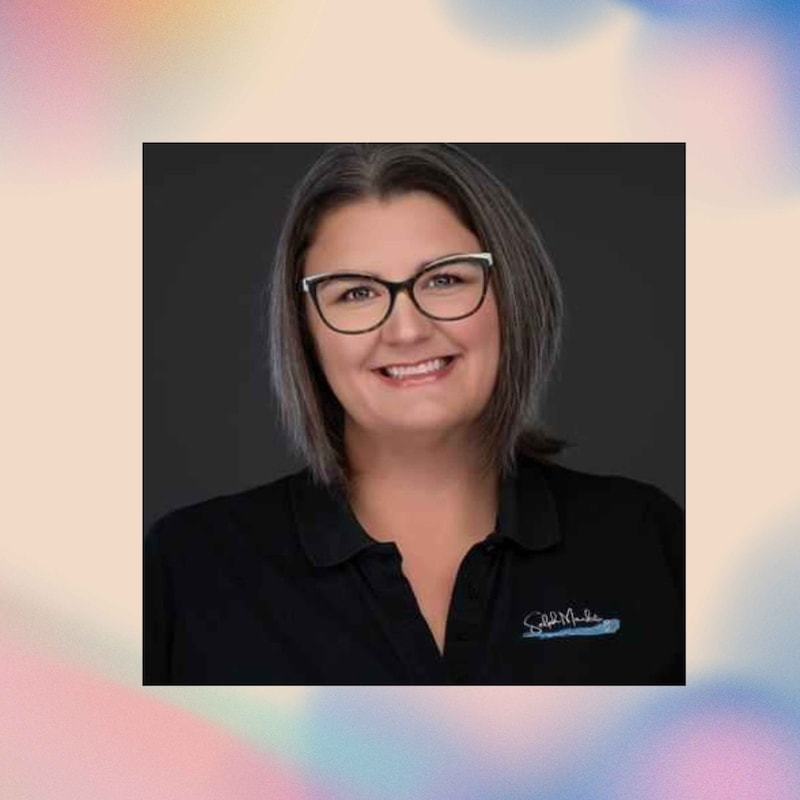
Today, we’re diving into a heartfelt conversation that every parent, advocate, and entrepreneur should definitely tune into. We’ve got Reasa Selph with us, a fierce advocate for patient safety and an award-winning business strategist, sharing her personal journey after her son Nicholas faced a life-threatening battle with sepsis. Just days after being sent home from the ER without proper treatment, Nicholas collapsed and spent over a month in intensive care, a harrowing experience that left him with permanent injuries. Reasa's story isn’t just about survival; it’s a call to action for parents everywhere to trust their instincts and advocate fiercely when the healthcare system falls short. So, grab your favorite snack, get comfy, and let’s unpack this powerful tale of resilience, advocacy, and the urgent need for change in our medical systems.
A heartfelt journey unfolds as we hear from Reasa Selph, a passionate advocate for patient safety and a business strategist who found herself battling not only for her son's life but for systemic changes in healthcare. When 11-year-old Nicholas was sent home from the ER despite showing alarming signs of sepsis, Reza's instincts screamed that something was wrong. Just two days later, Nicholas collapsed into septic shock, leading to a grueling month in intensive care filled with surgeries and uncertainty. This episode dives deep into the moments of fear, helplessness, and eventual empowerment that Reza experienced as she navigated the healthcare system that failed her family. Reasa shares crucial warning signs every parent should recognize and emphasizes the importance of trusting one's gut feelings, especially when it comes to advocating for a child’s health. Her story is a stark reminder of the vulnerabilities inherent in medical systems and the resilience required to push for change.
But it’s not just about the struggle; Reasa’s journey is also one of hope and determination. As she continues to run her marketing agency, she exemplifies how personal challenges can fuel professional growth. It’s this duality of personal tragedy and professional ambition that creates a powerful narrative of resilience, encouraging listeners to become advocates not just for their own families but for all families navigating similar challenges. Tune in for a candid discussion that reminds us of the importance of vigilance, advocacy, and the strength found in community support as we all fight our own battles against the healthcare system.
Takeaways:
- In this episode, we explore the heartbreaking journey of Reasa Selph and her son Nicholas, who faced a life-threatening battle with sepsis after being sent home from the ER.
- Reasa emphasizes the importance of trusting your instincts as a parent, especially when it comes to your child's health and advocating for necessary medical attention.
- We learned that sepsis can escalate rapidly, so recognizing warning signs like low blood pressure and confusion can be crucial for timely intervention.
- Reasa's experience sheds light on the systemic issues within healthcare, highlighting the need for accountability and mandatory protocols to prevent similar tragedies from happening to other families.
Transcripts
Welcome back to the show. I am your host, Keith Haney. Today's episode is one that every parent, advocate and entrepreneur needs to hear.
r patient safety. In December:Just two days later, he collapsed in a septic shock and spent over a month in intensive care undergoing multiple surgeries to save his life. Now 12, Nicholas lives with permanent injuries. Reza has turned her family's fight into a mission.
She's here to share her story, the warning signs every parent should know, and how to advocate fiercely when the system fails. At the same time, she continues to empower small businesses through her agency.
Proving resilience can fuel both personal and professional professional growth. Let's dive into this powerful conversation. We welcome her to the podcast. How you doing today?
Reasa Selph:I'm good. Thank you for having me.
Keith Haney:So good to have you on. Well, we're going to begin with my favorite question. What's the best piece of advice you've ever received?
Reasa Selph:Trust your gut. Something that I think we forget a lot, but it's probably one of the most powerful things as a human that we have.
Keith Haney:Yeah.
And especially probably in your situation, you got to start, you got to trust your gut because sometimes it's telling you something's just not right here. Right.
Reasa Selph:Yeah. Relationships, business, healthcare, whatever. Just especially a mom gut. I mean it's mom guts are pretty, pretty good. So.
Keith Haney:Right. So, Kent, let's dive into your story. Tell us what happened with your son Nicholas and why as sepsis was missed at the er.
Reasa Selph:So one I'd like to start with saying I don't feel like it was missed. I feel like it was ignored.
Keith Haney:Okay.
Reasa Selph:And they had all of the information, they just chose not to use it. So we had gone to the ER on December 14, Nicholas had the flu, very basic. He needed some fluids. He just needed to be hydrated.
So we get home and you know, he's starting to feel better. We even do some volunteer work. And then on the 22nd, he just really regressed and couldn't really figure out why. So we watched him on the 22nd.
On the 23rd, he could barely walk. He just, you knew something was wrong. And so we decided to go back to, we went to a Methodist of South Lake.
So it's part of this, the large Methodist group here in North Texas. And we went back to them because, you know, it was a trusted hospital in our area. And we had.
We were just there two weeks before, and we thought, you know, they'll. They'll have all of this information. So we go. We're there a little less than two hours.
ave some, you know, very good:So my. My ask to her was, can we still get the lab work? And she says, I think she was a little frustrated. She's like, well, let me talk to the doctor.
And she comes back and she says, don't worry about it. The doctor said, it's a virus. Y' all go home. So we go home and we trust the hospital, right?
So paying and, you know, things that you would all think it would all be normal. Well, he slept most of the day. The 24th and then the 25th. Our oldest son was home from school, and he's like, mom, I. I gotta wake him up, right? I.
My gut tells me I need to wake him up, and plus, I want to open my gifts. So we got her, got him, got him up, and he could barely walk down the stairs.
And he kept saying how his arm and stuff was hurting and how he felt dizzy. And I think he was, like, saying, dizzy, confused. So I was up.
Let me take his blood pressure, took it, and it was so low, I thought the machine was broken. And so I'm putting new batteries in it. And I turned and looked at him, and he was yellow.
And so, like, gosh, is my mind playing a trick to, like, what's happening here? So we call our pediatrician at home. And I said, you know, I'm sorry to bother you, but we really need stuff. I don't know what to do.
She said, take him to Cook's right now. And. And so that's what we did. So that. That's how it started. And when.
When we arrived at Cook's, I think Nicholas knew something was wrong, but as a mom, I couldn't really capture that in my head. But. Because he said, you know, please don't leave me. And I was, gosh, I'm not leaving until you leave. And. And I was committed to that.
And I had no idea that it would be almost 40 days. But. So we go in. In the wheelchair, and they take his blood pressure, and I can't remember if it was his temperature. There was something else.
And that's when she said, we're activating sepsis protocol. And all of these people came in and just started taking over. So there was 10 or 15 medical professionals in there.
That's when they knew we were going to have a problem.
Keith Haney:Wow. So tell us, for those who don't know, what is sepsis? Just to kind of.
Reasa Selph:Sepsis is, you know, back when I was a kid, they would call it like a blood infection. Right. So it's where your immune system is overcompensating and it. For an infection that's in your, essentially blood. And so it's.
Your organs start to shut down and eventually you will die if you don't get what you need, which is antibiotics. So as we're there, Nicholas, they put him on a ventilator. That was really tough. He vomited a pint of blood.
There was a moment where he said, you know, do you see Jesus as lamb in the corner? And I was like, not today you don't. And he would say things like, it's okay if I die. So it was.
There was a lot happening and there was a lot of days they didn't know how he was going to be okay because CDC doesn't have a lot of kids that have survived septic shock. And so it was. It was a lot of tough days.
So probably on about day, I don't know, 12ish, as I felt things maybe have calmed down a little bit, I asked somebody, I asked one of the doctors, how do we go from we were just at an ER 48 hours before, to you put my son on a ventilator when we got here. And he said, I want to show you something. And he showed me the records from the Visit on the 23rd.
It turned out that Nicholas, his kidneys were already failing, his heart was already in distress, his liver and kidney functions were grossly off already. And they didn't tell us any of that.
Keith Haney:Do you know why?
Reasa Selph:Well, the hospital has never once come out to acknowledge that they. That they ignored it. I have some suspicions and just, I don't know, a week or two ago, we learned that at another hospital in the same.
In the same network or the same group, another young man, but he passed away and had pretty much all of the same signs and symptoms. He passed away on day two, so the same as Nicholas, but Nicholas just ended up on a ventilator. So I think it's something.
I have no idea why they would not tell us.
Keith Haney:So as a parent who's maybe hearing this, what are some early signs that people should be aware of if they're dealing with sepsis.
Reasa Selph:Low blood pressure, respiratory rate being high, abnormal labs, recently ill. So if they've had the flu, you know, a few weeks before, or if they're immune compromised, inability to urinate is another big deal.
But just trust your gut and push. If they're not activating sepsis protocol, it's a simple blood test and antibiotics to solve the problem.
Keith Haney:You. You must have gone up, felt like you were fighting a big beast and trying to fight the system.
What was that like trying to go up against this behemoth of a system you were dealing with?
Reasa Selph:So we're still going through. Has been. I almost feel like David and Goliath. I mean, they have all the money, they have all the resources. They are fairly litigious.
So they're doing, you know, I think they have 25 open cases right now. So they're doing this professionally. And I. I'm fighting back because it's the right thing to do. But it's been a lot. We.
I'm making phone calls and showing up to senators offices like we're. We want change. This should not happen.
Keith Haney:What kind of changes are you seeking to see come about because of this?
Reasa Selph:Well, one. We want legislation change, so a mandatory sepsis protocol.
And I was just on the phone to one of the senator's offices about the regulatory agencies that we trust.
There's no insight into them, and it almost feels as if the medical board is really focusing on protecting licenses versus patients, which is the opposite of their mission and what our taxpaying dollars go to. So we want transparency into that, but we also want accountability not only for what they've done to Nicholas, but the other families and they.
The hospitals should not get the luxury of just making it so complex for someone to fight back that they get away with it over and over.
Like, this should not be a line item on a P and L of the cost of doing business of people that get sick or they die because they didn't do their part.
Keith Haney:So the system broke down in many ways. What would you say the first breakdown that you ran across as a family in the system?
Reasa Selph:The. The first breakdown, I think they. They received two federal violations for Nicholas's visit, and there's been no accountability for it. I mean, the.
The government comes in and says, we regular re. Regulate you and there's no real consequence for them. So they. No one's taking.
Keith Haney:It.
Reasa Selph:Kind of reminds me of a child that gets no consequence. They say, hey, don't do that. But they get to keep doing it over and over because nothing happens.
So that's where I think the biggest breakdown is, in the fact that. And we have to fight so hard to get what we should be getting.
Keith Haney:As you look back at the process you went through with Nicholas, what records do you think anyone who's going into the hospital, what their child needs to make sure they keep track of and how do you advocate, as someone who's now advocating for families and families or medical records, what should families be doing to not find themselves in a situation that you found yourself in?
Reasa Selph:Well, I think I may get a lot of pushback on this. But record those conversations when you're in there with the doctor because you may forget something or whatever. So that's very helpful.
But also ask for those labs before you leave. Ask to have those documents printed in worst case downloading from MyChart as soon as you're done. But hold on to them.
They may prove to be invaluable later.
But we now keep everything on a link tree and it's very organized as far as you know what happened and when, because now we're going to back and forth from Texas to Minnesota to the Mayo Clinic to get Nicholas hopefully better. So it's record and keep all your documents. Keep them organized. It makes it a lot easier.
Keith Haney:So after he was admitted back to the hospital, what I see, he had several surgeries. What was his process of healing when he got went back in the hospital when they discovered it was sepsis.
Reasa Selph:There was. There was a lot he ended up having getting septic arthritis and a couple of bone infections.
So the surgeries he did receive, the major ones were joint washouts. And Nicholas just turned 13 about a month ago and he. All he wants to do is play football. He's right at 6, 3, 13 years old.
And so the washouts are going to be something that we have to deal with for a long time. But it was right hip and right wrist two times each.
So the recovery was pretty difficult, especially for the hip because he had to be able to get up and walk. And so not only had he did he have atrophy in his muscles from the sudden amount of weight loss because he couldn't eat. Now he also had to walk.
And so that was a pretty tough recovery for those. He ended up with dress syndrome. And he had so many things appendicitis. It was, it was pretty gnarly. Bill.
Keith Haney:So how is your family dealing with the emotional and legal pressures of challenging an institution like you just had to.
Reasa Selph:It has not been easy. We've spent over A million dollars trying to fight back, trying to get Nicholas healthcare that he. That he needs. We've. We've lost friends.
I've lost clients. It. It's been a lot. I mean, it's. For me, emotionally, it's. I. I've had to go through therapy. Nicholas had to go through therapy, my husband.
It's one of the ultimate betrayals. Right.
So you go to a hospital that you trust and you find that out, and then to know that it could have been solved with them, just following protocol makes it difficult. And now that we've met this other family and their son died, and I know how similar it is, it brings back a lot, and it's very humbling.
Keith Haney:Where do families go? I'm sure you have to have some kind of support system. Where do you find a support system when you're going through things like this?
Reasa Selph:I. I don't know that there is a real support system, because most people don't want to talk about it. But we are starting some initiatives to help families, to ensure that there are people that can support them, that can help them fight back.
But you're going to have to lean on those around you and just let that mama bear come out.
Keith Haney:Well, I commend you for your courage. I can imagine when it's your child and you're in the middle of it, this is the hardest thing you do.
So do you have support with you now that's kind of coming alongside you guys?
Reasa Selph:Yeah, we've rallied some support, not only from other families around us that had similar issues, but also working with some of the. Our lawmakers in Austin, working with them on how are we going to set up for the next legislative session and how do we get change.
And so that's been very beneficial. I think it's helping me walk through some of that. I think I'll hopefully give me a little closure.
Keith Haney:So for people who are hearing this and they want to support, you know more about your cause, where can they connect with you and find out more?
Reasa Selph:So we are. We have a website. It's actually being redone, but it is.
Something is still up, but it's recesspiz.com and that has the story we're adding, how to advocate, where to go if you're in that situation, things that you need to do. We want to give this to other families because no one tells you that you need to file these reports and do these things to get action. So.
Keith Haney:Wow, you're in my prayers. I. Again, this is a heartbreaking story to know that the System failed you. So in your family, so epically.
So we just can even, can you lift you up in our prayers?
Reasa Selph:We appreciate that.
Keith Haney:So I'd love to ask my guests this question. I'm just curious for you. As you look at all the things that have happened, what do you want your legacy to be?
Reasa Selph:We. We want change. I. I want to know.
I think the legacy is going to be that we helped other people and we got change so it doesn't happen to anyone else that we helped get accountability.
Because what is happening is it's not only awful that it happened at the hospital, the place that we trusted, but the ultimate betrayal came after as well when they denied it and they had it in their hand and they knew what they had done. So we want that change. So that's going to be part of the legacy and with Reese's pieces and helping educate other people.
Keith Haney:If you had a message for parents who are hearing this, what message you.
Reasa Selph:Want to give to parents, what message? You're not alone. Trust that gut, but fight back. I had to learn and maneuver processes that I was never designed to learn. I need.
I never needed to know how we really do a law or, you know, who, what, what regulatory committee controls department of humans. I didn't need to know all of that, but I've had to learn that. So just go through it if you have to. Fight back and just don't give up.
That's what they count on.
Keith Haney:Reza, thank you for sharing your story with such honesty and strength. Nicholas's journey is heartbreaking for all of us who are parents who have kids and loved ones.
But your advocacy, I have to say, is really inspiring for me. You've shown us that the system sometimes fails us, but parents can rise in the midst of all that, fight back and also make a change.
So if you'd like to connect with Reza, please give us again your website and how to connect with you on social media so we can stay in touch with your story and tell us how your progress you're making in this fight.
Reasa Selph:Yep. So Reese's pieces.com and you can find us on Facebook, Instagram. All the same with Fight for Nicholas.
Keith Haney:Well, thank you so much for coming on and sharing your story.
Reasa Selph:Thank you very much for having us.






