Shownotes
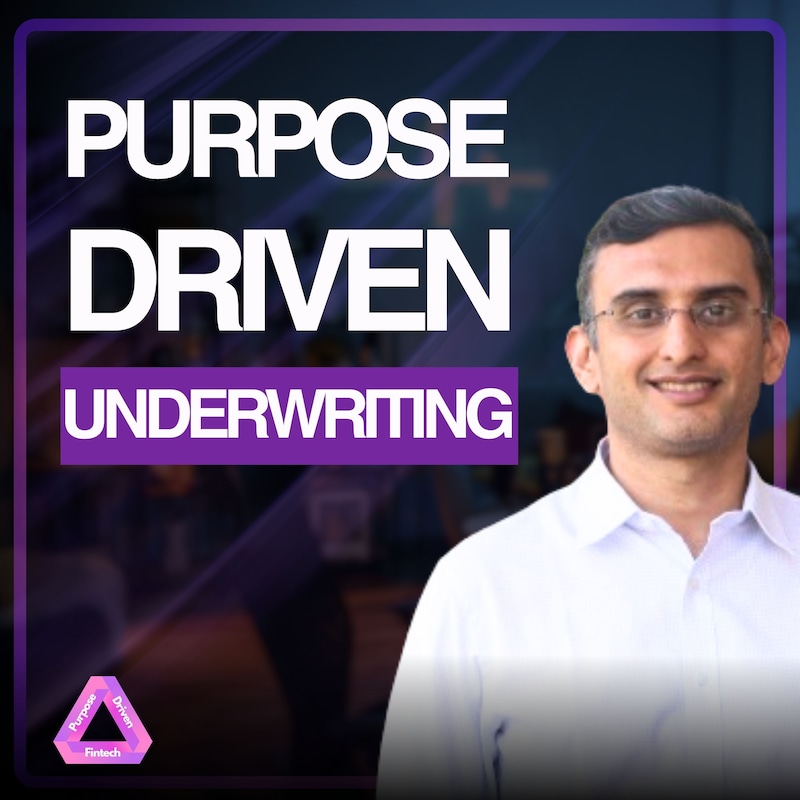
In today’s episode Aditya Damani, Founder at Credit Fair, shares with us his vision on having impact in over one million adults in India who currently don’t have access to credit, and the one thing we can do as FinTechers to have 10x results in solving for financial stress.
We discuss what makes Credit Fair different and why they are able to give credit to customers that banks usually wouldn’t. We explore how to go about building alternative credit risk models, how to manage late payments and loan defaults to minimize risk of non payment and finally deep dive on his mindset as a founder and entrepreneur of a FinTech that has hit profitability.
If you enjoy this Purpose Driven FinTech pod, please subscribe in YouTube, follow and leave a 5 star rating on Spotify and a review on Apple podcasts. Remember to connect in LinkedIn to keep the conversation going.
Let’s dive into it!
👉 You can find Aditya here
- LinkedIn: https://www.linkedin.com/in/adityadamani/
- LinkedIn Credit Fair: https://www.linkedin.com/company/credit-fair/
- Website: https://www.creditfair.in/
👉 And you can find Monica here:
- LinkedIn: https://www.linkedin.com/in/monicamillares/
- YouTube: https://www.youtube.com/@moni_millares
- TikTok: https://www.tiktok.com/@moni_millares
- Website: https://moni-millares.mystrikingly.com/
If you enjoy this pod, please follow and leave a 5 star rating on Spotify and a review on Apple podcasts
Questions:
- How to build alternative credit risk models?
- What is purpose-driven underwriting approach?
- How to serve unbanked adults in India?
- What is fair finance for everyone definition?
- How to assess creditworthiness without credit history?
- What is no-cost EMI zero percent interest loans?
- How to enable financial inclusion in developing countries?
- What is ESG lending earning savings growth?
- How to build credit history from scratch?
- What is point of sale lending strategy?
- How to balance growth and compliance in FinTech?
- What are alternative data sources for credit?
- How to manage loan defaults and late payments?
- What is responsible lending and outcome-driven approach?
- How to give credit to organized workforce millennials?
- What is ecosystem approach to lending?
- How to assess education loan repayment likelihood?
- What is solar panel financing model?
- How to achieve profitability in lending FinTech?
- What is right amount of credit at right cost?
—
Production and marketing by Monica Millares. For inquiries about being in the show, coaching, consulting, creative collabs, sponsoring the podcast or creating or editing your podcast email [email protected]
Disclaimer: This episode does not constitute professional nor financial advice and does not represent the opinion nor views of my current, past or future employers. The guest has agreed to record and release our conversation for the use of this podcast and promotion in social media.
Transcripts
Introduction to Underwriting Process
We are not completely reinventing the wheel. We follow the standard underwriting process on credit history. We have different surrogate programs. So either based on the credit history or based on the employment type, it's a homeowner, then we might not ask for too many documents and give an instant decision, just purely based like within two, three minutes.
So we have our in house rule engine, which makes a decision. That would be about like 40 percent of cases, 60 percent of cases then goes to a credit manager who do a quick review. But I would say the secret sauce comes from this one purpose driven underwriting. So we are better able to understand based on the situation of the customer and based on what they're going for.
Welcome and Podcast Overview
Monica Millares: Hi, Aditya. It's a pleasure having you in the show. Thank you so much for your time.
Aditya Damani: Thanks, Bonnie. Excited to be here.
illares: This podcast is all [:Building Purpose-Driven FinTechs
Monica Millares: So to get started, in your opinion, how can we build more purpose driven FinTechs?
nough focus on regulation on [:Monica Millares: Definitely. So specific to you.
Fair Finance and Credit Access in India
Monica Millares: So you have these, it's not just a phrase these ethos that it's like fair finance to everyone. And I love it. What does that mean?
lender with the RBI. Now we [:Monica Millares: Yes. And then just for Background before we, deep dive into the problem and such, but just as background for anyone who's listening, Aditya and I met many years ago when we were both working in Tandem Bank. So this is like when Tandem was just getting started, right? So both of us were pioneers when it comes to the FinTech kind of scene.
multiple stuff. And then you [:Aditya's Journey and Founding Creditor
Monica Millares: So what as a founder, like having worked in the industry in FinTech and with the experience that you have, what was your hypothesis behind starting Creditor?
percent [:So there we saw that the Romanian Polish immigrants who are new to credit in the UK were performing a lot better than a lot of the British borrowers actually.
it comes to fixed income or [:There weren't many trusted options. These are the sort of problems that I face myself. And then I felt like why not build something which would for me and then hopefully work for millions of other Indians.
Monica Millares: Definitely. And then especially with India being such a large population and
On their banks and on banks, like both
Impact of FinTech on Financial Inclusion
worldwide BCG did a report in:Where they say that over three quarters of adults remain either unbanked or underbanked, which is insane [00:07:00] given all the technology that we have today. So this is a very relevant question for us as skin techers to explore, which is how are you as credit fair actually having impact on customers' financial lives?
How are you actually helping them?
ESG lending except that our [:For the average for the average Indian. So how do we help an Indian earn more money? We give loans for upskilling courses. So these are young professionals who, would not be able to pay for that course upfront. They would need credit. And like I said, they don't have a credit card, they don't have easy access or timely access to credit.
Maybe they might have to leave work and spend like a few days at the bank to get a loan and we can help them access that course at a click of a button. A lot of our loans are for this someone like wants to do a data science course, a digital marketing course. And after that, they get a better job.
that we provided. Similarly [:And we're very happy with the type of, in carbon dioxide savings also that are happening because of the solar rooftop.
Monica Millares: That's awesome, because it's very purpose driven lending as
Aditya Damani: Yeah,
Monica Millares: cases are very
purpose driven. It's education or on
Side as such.
that's a smaller part of our [:Monica Millares: Okay.
Challenges and Opportunities in Indian Credit Market
Monica Millares: You mentioned that you want to grow 5 times to 10 times in the, coming years as such. 1 of my. Things that keeps me awake at night is we as an industry, as FinTechers, we've been around for roughly 10 years, right? Roughly
speaking,
however, the, we, and we've had a lot of impact in customer life.
I think we have. However, the problem statement has also grown
The people suffering with financial stress has grown and cost of living has grown. So I believe if we continue doing what we're doing right now, we will have incremental impact in people's lives.
What do we need to be doing today to have five times, 10 times impact?
years [:Aditya Damani: Yeah.
Monica Millares: Yeah
Aditya Damani: In terms of impact it's It's did you really change the lifestyle of someone? And yeah in, India it's did we, have a step change on the family is the way we would look at it. So in the case of education, like I mentioned, we've seen many customers who are like farmers or they come from a very small village or city small in India. And let's say the the father or the household income would be only about one 50 to 200. Pounds a month. But then because we were able to finance them for a course and then they are able to own so the, son would be earning basically double, or the child, like the son or daughter would be earning double the income of what the dad would be.
And that's [:Actually, FinTech cannot really do that much. Frankly, only the government can help that type of customer. But now that the income has grown, so then the questions come, okay can I take because my future is bright, I can take a loan to invest in a house or I can save so much money and then get a better return and then plan for my wedding as a and not be a burden on my parents which is a big issue in India. Yeah, I think that's where, it's, The biggest problem, at least in the developing world would be how can we grow incomes faster [00:13:00] whatever we can do for that, like whether it's helping a small business or helping someone get a better job. And then that's what we have to focus on,
Monica Millares: yeah, I think you're spot on because. What I find lately in the past few years is. We can start building good money management habits, but at the end of the day, the key pain point ends up being, but I need more money.
And we're not talking about the, Oh, I need more money to go and travel the world. No, this
like
Aditya Damani: Yeah.
Monica Millares: of the month.
Need more money to pay for their bills.
Aditya Damani: Yeah.
Monica Millares: Helping people manage their money and grow their money, but it's
Aditya Damani: Yeah,
Monica Millares: more money?
atement. Of course, for more [:Monica Millares: Definitely, so before we move on into going deeper [00:15:00] into your solution as such
just want to close. Okay. So we have the problem statement. How do we grow? How do we have 5 times or 10 times the impact? Then you gave us potential solutions. So if we were to say, let's stop looking at individual's fintechs as such.
What did we say as a collective? How do we know that we solved financial wellbeing and financial stress for everyone? What could be the KPIs that you're going to be like, these are the key metrics that we need to measure to, to ensure that we are tracking impact.
Aditya Damani: So that's a good question.
you took the same cohort of [:Monica Millares: I love that last use case that it's a, Hey, you had access to credit and then you didn't, and then how
does change people's
lives?
Aditya Damani: exactly. Exactly.
Monica Millares: It's just like a research study piece where
Aditya Damani: So I think, that's, how I would look at it because it's very hard to say that. Okay. Just by. Making sure someone had a loan, like we achieve something until we actually measure that did that sustainably improve their, lives.
Monica Millares: the keyword is sustainably
and then [:Aditya Damani: Yes, exactly.
Monica Millares: So if I think of India as such, India is huge and you guys have 1. 4 billion people.
Aditya Damani: Yes.
Monica Millares: However, access to credit is still a big issue. So out of those 1. 4 billion, 1 billion are adults as
such. But based on my understanding, chatting with you, we need to corroborate this with Mr.
Google,
Aditya Damani: Sure.
Monica Millares: Only out of that 1 billion adults, only 200 million have access to have a credit history.
Aditya Damani: Yes,
Monica Millares: That's bonkers. That is just
Aditya Damani: right,
Monica Millares: Insane. Expand, like, how did that happen? Why? Tell me more.
after five years. Let's say [:Monica Millares: So we could then extrapolate and say the impact of QR payments in development countries,
Aditya Damani: Yes.
Monica Millares: in developing countries
Basically moving away from cash, from a cash based society into
Aditya Damani: Yeah.
Monica Millares: Cashless society, therefore, we have records of people and those records allow us to
Aditya Damani: Absolutely.
Monica Millares: financial services.
Therefore, the impact is not just Oh, let's get everyone on QR.
It's the impact of having the data of that QR usage.
Aditya Damani: Absolutely.
ell. So the entire stack for [:Monica Millares: Stacking up.
Aditya Damani: Exactly. Yes.
Credit Fair's Unique Value Proposition
Monica Millares: So now going deeper into credit fair as such. So we know that the problem statement is huge
Aditya Damani: Yes.
Monica Millares: there is 1 billion adults in India. Who do you serve? Because 1 billion people to say, Oh, people in so who are your
cause they will be digitally [:Monica Millares: Interesting.
Aditya Damani: Yeah, that's the other aspect and yeah, we go after people from the organized segments right now. We're not into the unorganized workforce, so these would be white collar or self employed people. Typically earning three, four hundred, dollars for like per month and, and the credit score is actually interestingly enough on average customers credit score is 760 or 900, which is a pretty prime.
Monica Millares: Good.
One is the merchant partner [:Monica Millares: So then we've identified your audience, what's your unique value proposition for them because they have a good credit score.
Aditya Damani: Yeah,
Monica Millares: go to the bank.
Aditya Damani: yeah.
We offer something called a no cost EMI or 0 percent interest loans where the merchant partner so let's say a solar installer they bear the interest cost, which we deduct upfront and the customer doesn't pay the interest costs on top of the cost of the product. So because of that we actually are cheaper than a bank from their perspective because they they don't have to pay anything on the interest. One big USP for us. It's also about affordability. Many of these customers would not get approved by a bank.
o credit. Itself is a, value [:Again, for them, the cost that they are being to us might be very small compared to the benefit that they're getting.
Monica Millares: Yeah, I totally see that. It's Hey, the pricing and the accessibility as such. And then you're also focusing on. Very purpose specific,
Aditya Damani: yes,
Monica Millares: use cases as such.
Aditya Damani: Great.
Yeah.
Monica Millares: you just talked about basically accessibility. And then you say that you could give credit to people that could usually go to be rejected in a traditional bank as such.
How are you assessing creditworthiness? Is it like a a traditional way or what makes you give them credit and not a bank?
urrogate programs. So either [:Monica Millares: I have many questions on the on Sure.
Understanding Lending Assumptions
Monica Millares: that. So basically we're using as an example,
a student that wants to continue their studies with, Data science, let's say. But for student A, the background is a poor background with an engineering degree. And then we, based on that, we assume that they have more likelihood to finish their studies, therefore we will lend them.
But
Aditya Damani: [:Monica Millares: a student with, we said an arts background
Aditya Damani: let's say they did painting for example. Yeah.
Monica Millares: And then based on that background, we assume that it's likely they will not finish the program.
Aditya Damani: Yes.
Monica Millares: Hence, they will not finish paying. That, that's very interesting. What makes me make those, assumptions based on my background?
Aditya Damani: Yeah, based on the experience we've seen on the ground.
Intention vs. Ability to Repay
Aditya Damani: So the intention to repay is basically what we value as much, or if not more than the ability to repay, which is what I was trying to highlight. And this is those are the two basics of lending. These are the different proxies for intention to repay, which we have a better understanding of.
Monica Millares: Okay, just to go a bit deeper and for my understanding as well. So
Aditya Damani: Yeah.
Monica Millares: intention to repay and ability to repay.
Aditya Damani: Yes.
expenses and I have my extra [:How do we measure my intent, intention to repay?
Aditya Damani: Yeah. Yeah. There's the credit history. We have a demonstrated track record, of course, which shows your intention to repay. And we assume that should continue. And, then these behavioral factors, like I mentioned, like what is your past background while you're doing this specific purchase and what will you get out of that purchase? So if that is completely aligned, then your intention to repay will also be much higher.
Monica Millares: Interesting. So I think you're already doing this because my assumption is a traditional bank would not assess credit the way that you're doing this.
Aditya Damani: Yeah they wouldn't know.
Monica Millares: So if we take you as an example, as a pioneer.
nd then we have a country as [:Aditya Damani: Yeah,
Monica Millares: That is telling me that India as a market is ready for disruption when it
Aditya Damani: right.
Monica Millares: the lending market as such. So if
Aditya Damani: Yeah,
Monica Millares: to build on what you have basically explained to us, Yeah.
Aditya Damani: right.
Monica Millares: And we take it at an India level rather than just at a credit card level.
Aditya Damani: Yes.
Monica Millares: would you go about building alternative credit risk models such that more people have access to lending?
Alternative Credit Risk Models
Aditya Damani: So one is I just gave you an example of education, but there are like hundreds or thousands of other use cases, for which for purchase. So we're doing purchase financing in banking terms, but making a high value product or service accessible with credit is the ultimate goal.
r, like what unique insights [:Monica Millares: I like that because you're looking at it as an ecosystem. It's not just
consumer lending, but you the, if there's a purchase, therefore they are going to buy from someone, but
Aditya Damani: Yeah.
Monica Millares: is also a
Aditya Damani: Yeah.
Exactly. Exactly.
Monica Millares: helping both sides of the.
Aditya Damani: Yeah.
Monica Millares: That it's [:Because
Aditya Damani: So that is exactly what we're doing.
I can tell you from the solutions of the approach that I have, course, at a very big India level, the government, a lot of the large, bodies are doing a lot of work as well to solve this credit issue. I can, of course tell you more about that as well, if there is interest. But yeah, I think laying the right infrastructure. So it's, you lay the highways, but then you need the cars, you need the cities, you need like the McDonald's along the way to really transform the country. So I think the government has done a good job of laying the highways and the digital public infrastructure. And now like people like us need to take advantage of that and solve a lot of niche Problems along the
Monica Millares: So if I were to build on that, we're saying there's a saying in the industry that it's easy to grow a lending business, e. g. it's
Aditya Damani: way. [:Monica Millares: acquire customers because
Aditya Damani: Yes,
Monica Millares: giving out money. Everyone
Like
Money. It's not
Aditya Damani: Yeah.
Monica Millares: everybody wants extra money. That's easy to sell.
Aditya Damani: Yes,
Monica Millares: the challenge of a lending business is that money,
Aditya Damani: absolutely.
Monica Millares: customers to Back. What have you found helped to get that money back? What measures do you have in place?
Challenges in Collections
d visit the home or we would [:Monica Millares: Interesting. I'm [00:33:00] not an expert in lending, but it's very curious to be like, Oh, cool. Yeah. It's all these in anything, right? Like you
Aditya Damani: Yes.
Monica Millares: find the problem statement and then go use case by use case and start
Aditya Damani: Yes.
Monica Millares: the solutions as such. as you were talking, what was coming through my mind, and we were talking about collections,
Aditya Damani: Right?
Monica Millares: of AI is here to stay.
Aditya Damani: Yes.
The Role of AI in Lending
Monica Millares: What's going to be the role of AI in this process in the next two to five years?
Aditya Damani: It's hard for me to visualize the future because AI is changing so fast. What I have seen already though, is that we have AI driven callers who are like good or very close to human life. For example, let's say, you're the borrower and my AI will call you.
You might not realize that it's AI on the other end and it's not a human, it's getting that realistic.
st of collections can really [:Monica Millares: That is cool.
Aditya Damani: Yeah. So that's already happening. So I don't know what's going to happen in three to five years.
Monica Millares: Oh, wow. So if that is already happening, so basically we just need to move our act together. And basically if we start implementing that as a use case, like you say, it reduces cost of collections. And then
Aditya Damani: Yeah.
Monica Millares: lending is people not paying back. But then if we can reduce that risk at a
Aditya Damani: Great. Exactly. Exactly.
Monica Millares: a win for everyone
Aditya Damani: [:Absolutely. Next. No worries.
Monica Millares: So for us to continue innovating in AI, sorry, in for us to continue innovating in lending,
Aditya Damani: Yes.
Monica Millares: what are the things that we need to ask ourselves? That's a tough question.
Aditya Damani: Yeah. From the ground level, I can talk about India. I'm not sure of the rest of the world. I think earlier, the regulators were completely hands off and now they've become very hands on and it is. These two settle a bit in the middle, because there's a lot of volatility happening.
and those new companies will [:Sure.
Monica Millares: I like that. I like this conversation a
Aditya Damani: Likewise. Yeah.
Balancing Growth and Sustainability
Monica Millares: now I want to move away from lending and think more about you as a founder, as an entrepreneur, as such,
so that we get to understand the person behind all
Aditya Damani: Yeah, sure. [:Monica Millares: I want to start with what is the strategic question in your mind that keeps bugging you all the time?
Aditya Damani: So where am I going to raise the next round from.
Monica Millares: Yeah.
Aditya Damani: No, I think what bugs me not all the time, but whenever I actually, I'm able to say, Is that the goal I had set for the company and for myself was helping 1 million Indians improve their finances, in 5 odd years. We are 5 years in, but we've helped maybe 78 percent of that. How can in the next two, three years I get to that target? That, that's what, keeps coming back to me. How can I maybe step it up a bit more?
Monica Millares: That's a good question. That's a really good question.
Aditya Damani: Yeah. Yeah. Yeah, that, that's that's something that keeps coming back to me.
Monica Millares: Good. So then maybe this is related to what I was about to ask that is an entrepreneur is a roller coaster.
Aditya Damani: Yes.
't know what we went through [:Aditya Damani: Okay.
Monica Millares: And every, entrepreneurial journey has
Aditya Damani: Yes.
Monica Millares: own ups and downs.
So how do, how have you managed the resilience and the positivity and like the character building traits
In these roller coaster?
s and resolve as compared to [:So that's, I think that's what I keep reminding myself.
Monica Millares: I love it. Simplified us, eventually we will reach our goals.
It's yeah, just keep going. Eventually
Aditya Damani: Yeah.
Monica Millares: our goals.
Aditya Damani: Yeah.
Monica Millares: Yeah, that's a good one.
e long term things really do [:Monica Millares: I was about to ask that follow up question that it's you actually do sound very confident on the statement of, yeah, we may not grow that fast, but eventually we will hit our goals, but many. Many founders have the challenge of, we don't have the luxury of time
Aditya Damani: Yes.
Monica Millares: don't have that, we don't have the luxury of tons of fundraising.
So how do you balance that mindset of we will get there with the pressure of we won't because of fundraising.
o we've been profitable since:Monica Millares: I love that. I, was not aware of that, that
Aditya Damani: right.
Monica Millares: profitable already. That makes a
Aditya Damani: Yeah. Yeah. ,thank you. Yeah.
Monica Millares: that's like a genuine
congrats because it
Aditya Damani: no.
Monica Millares: takes a lot to reach to that
point.
Aditya Damani: Yeah, so I think we might not have chosen like the sexiest business model and everything, but ultimately we are making an impact. We are scaling well, sustainable. Yeah but it's, easy to get distracted and lose that as well.
Monica Millares: So the business model as such has been sustained up. It's been thought through the angle of being sustainable since the beginning.
Aditya Damani: Yes, absolutely.
Monica Millares: And
ial impact on the borrowers. [:Monica Millares: Yeah. I'm totally loving this conversation. I could go on and on Like we were just having like coffee,
Aditya Damani: Yeah. Yeah. Absolutely.
Can talk about FinTech all day.
Yeah.
Monica Millares: exactly just to start wrapping things up.
Key Lessons for Entrepreneurs
Monica Millares: You've been in the business for a long time now. What if were to look back, what's one of your biggest lessons that you're like, Oh man,
Aditya Damani: Right.
Monica Millares: that was a big one. That's a
One.
really
Aditya Damani: say
Monica Millares: one. So
ot of companies being on the [:And that's super critical. So investing in your people, basically, before your growth happens, I would say that's a big learning for me as well.
Monica Millares: we're reaching to the end of the episode.
Aditya Damani: Yes.
Monica Millares: So this is one of my favorite questions that I ask every single guest. If you were to change one thing, it's only one thing in FinTech to make the industry better for customers, colleagues, and shareholders, what would you change?
Improving Customer Centricity in FinTech
still too much influence of [:And I think we need more of that across all the people in the industry.
Monica Millares: So I'll summarize that as double down on customer centricity while keeping the balance with compliance and commercial.
Aditya Damani: Yes, exactly. Exactly. So 3 C's, you could say
Monica Millares: The three C's,
Aditya Damani: yeah, customer compliance, balancing all 3 together. Somehow. Yeah,
Monica Millares: Remember?
Cool. Aditya, it's been an absolute pleasure having you in the show.
Thank you so much.
Aditya Damani: Thank you money. Yeah. See, you have a good night.
Monica Millares: Yes. Thank you everyone. See you next week.
[:
