Shownotes
Paths of Rhythm is brought to you with support from vinylunderground.co.uk - take 10% off your next order with the code POR10 and free UK shipping on orders over £100
Paths of Rhythm is a Remote-CTRL production. If you're looking for audio or video production, then check out https://remote-ctrl.co.uk to see how they can help.
Other ways to support the show
- Follow the show on Spotify or Apple Podcasts
- Any feedback or questions? Hit up https://www.instagram.com/pathsofrhythmpodcast/
Mojaxx's Links:
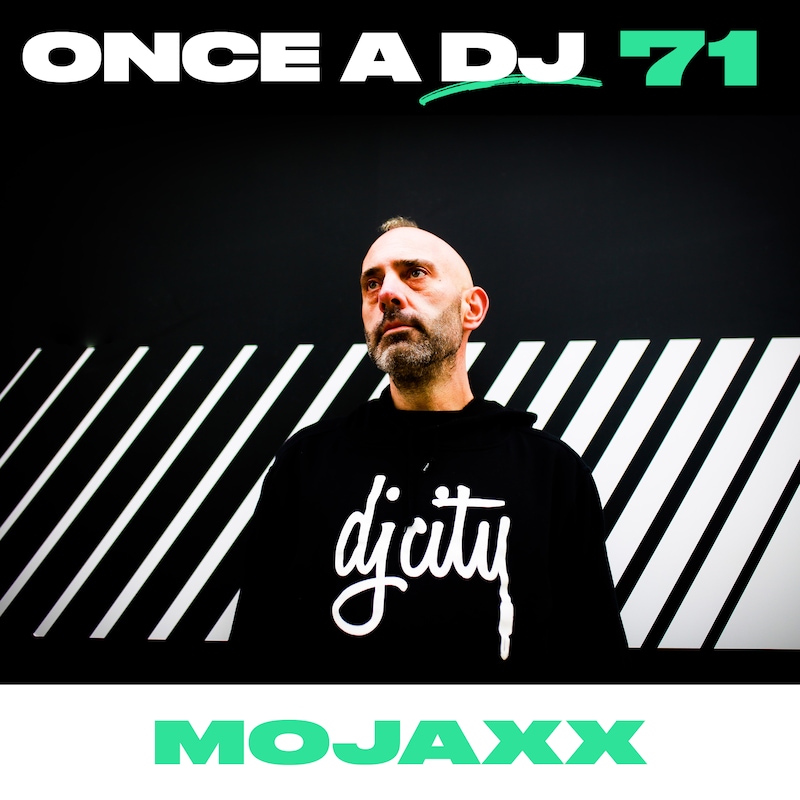
This week I sat with trusted reviewer, gear head and open format Dj Mojaxx to discuss his journey through DJing, the good and the bad of open format, and naturally, we get into some pretty nerdy bits around effects chains, turntables and more.
Transcripts
Welcome back to Wanted dj, everyone. If you haven't done already, like, subscribe, share the show and then we can build it all together.
Today we're here with equipment ambassador, Influencer, God of the tech world, Mojax. How you doing today?
Speaker B:Hashtag Influencer. Yeah, I'm really good, thank you. Not bad at all. Yeah, I'm having a really good week, actually.
Speaker A:Yeah, superb, superb. Well, let's go from this week and let's go back to the. Start your DJing journey and where you kind of discovered your love of music.
So where are you based? Are you from Newcastle, Right?
Speaker B:No. Can you not tell by the accent?
Speaker A:This was going to be one of my questions.
Speaker B:Yeah, no, originally, I was born and raised originally in Cambridgeshire in the Fens. And then when I was sort of about 10, we moved to the south coast. So I consider myself a Bognor Regis boy. That's kind of where I was.
But then, yeah, funnily enough, I was thinking about this the other day. I've actually now lived in Newcastle in the northeast of the UK now for 20 years. So, in fact, longer than anywhere else that I've lived in my life.
I did also live in London for a few years as well. But, yeah, so I've actually been. I'm officially, I reckon, a Geordie now at this point, because I have lived here so long.
Speaker A:Yeah, yeah. So at what point and where were you then, where you first sort of discovered your love for music?
Speaker B:Well, it's weird because I had. When I was. My parents have told me this, I don't remember this, but when I was 2, I had a record player.
Not like a Fisher Price record, you know, an actual one of those old ones, wooden sides, and it had the thing with the arm on the top where you put like 5 different 7 inches on top and they drop down one after the other. So I had my own one of those when I was 2, because I love music so much. I was really into ABBA and Boney M, Mary's boy child and all that.
And in particular, for some reason, Shaking Stevens, like the UK's equivalent, as he wanted to be, of Elvis Presley.
And for some, yes, I literally, when I was sort of, by the age of four, I had a standing order at the local record shop in the town to every time there was a new Shaking Stevens record came out, they would have a copy waiting for me. So, you know, already had those relationships with the record stores locked in at an early age. But, like, I don't know.
So I don't know really where it came from. Like, my dad was really into music, but not like excessively. Neither of my parents like play instruments or anything like that.
They didn't especially introduce me to like, really cool stuff. Like I hear a lot of DJs talk about. Yeah, my mum used to listen to Stevie Wonder when she was doing the housework and all that. No, like my house.
It was like the, the tape that my mum had in the car as a kid that she wore out. The tape was Christa Berg, that the album with lady in Red on it, Queen Greatest Hits.
You know, there was nothing really adventurous in my musical upbringing, but I just loved music from the word go. Absolutely adored it.
And as I got older, I would discover new music through things like, you know, the NOW compilations and things like that over time. And I used to get all of those and it was a lot of compilation based. I've never really been an album person and to this day I'm not an album person.
I like the hits, I like the bangers, I like singles. So I've only ever bought compilations really, or singles my entire life to this point. There are some bands that I kind of.
As a teenager, you discover your bands or things. I was like, Nirvana was my band in my, you know, teen angst kind of phase. But like, in general, no, I'm just. I like. I like pop music.
I like just great tracks. I don't really have attachments to individual artists in a really kind of deep way as such. I just love all kinds of music.
And yeah, it just went from there basically. And then, yeah, the story is, and I've told this a number of times, but my dad was a head teacher of a primary school.
He asked me to do some discos for him. So I did that. Starting off with like two of those school high fives that you had in the hall at school.
Turning one down, turning the other one up, and then bought myself a double deck console because I thought that's what DJs had, you know, it's like 70s, like two decks in anything. I thought that's what DJs had. And then I realized quite soon after that, oh, no, it was actually, I need separate turntables.
I really want the technics and all of that. But it just went from there.
And I was just a mobile DJ for the longest time and then got into doing local club stuff, you know, in Bognor Regis and like little clubs. My first club residency was a place called Ground Zero in Bognor Regis where me and my mate Dodgy D used to get paid 20 quid a set.
We spent more than that on records every week without a fail. And it was actually. But it was quite a history kind of venue. It's a vet. It was a basement and underneath the dentists.
And it used to be called Gators.
So, like, in this sort of mid to late 90s, it was Gators and it was run by Eddie Stenner and his wife, who was one of the original guys behind Stearns and stuff. So there's a whole kind of history in that area. And, like, DJ Harvey used to play there on a regular basis, like Terry Francis used to play there.
But then, you know, come the late 90s and there's me and Dodgy D playing, you know, know UK garage and trance and hard house in there, you know. But it was. Yeah, it was a good education. And I still love a basement sweat box to this day. That's my preferred kind of venue. You give me the choice.
But, yeah, so that was that. And then, yeah, it went on from there, really.
Speaker A:Was Bognor really seasonal then?
Speaker B:No, not really. I mean, it was by the. By the mid-90s, you know, seaside towns in the UK had kind of fallen on their butts anyway.
They weren't the places that they once were. But, you know, it's funny, I was there this weekend, just gone.
I was back home because I played at DJ Spoonie's House of Garage Week at a house full of Garage Weekend at Butlins in Bognor. And Butlins is like, everyone who lived in Bogner worked at Butlins in some role or other for at least a couple of months during their teenage years.
And I was. I worked in their call center for like three months or something. But we all used to go there because there used to be a cinema in there.
I remember going to the arcades in there. And literally this Butlins is like down the road from my high school. And it was just like, whoa, proper flashbacks. But, yeah, Butlin.
So it was never that much of a big change from. Because all the clubs, it was regulars, you know, it was just locals who were going to the clubs.
There was the Empire Club, which used to be big on UK garage and like, proper house music. And then there was Sheiks on the Pier, which I always wanted to play at. Never did. Never did play at that. But.
But Ed from the Wide Boys now does nights there every Christmas on that one on the pier that's still going. He was there as well at this Spoonie thing, so that. Because I booked him to play at our sixth form Party, you know, like I booked. Yeah.
When he was just DJ Eddie C back in the day and he played at a sick form party. That's just when he was switching over from playing like happy hardcore into other stuff. Like he.
He used to have a record shop in Chichester and I used to go to his record shop. So you know. But it's sort of midway between Portsmouth and Brighton. Bognor Regis.
So, you know, every Saturday my friends and I would just get in the car and go to Brighton and go record shopping in Brighton.
You know, that was the thing that we did because it was the days when you had HMV and you had Virgin across the road from each other and all the new releases on 12. A lot of people don't remember this. You used to get the new releases on 12. Some of them the first week would be 199. A lot of them were 399.
But lots of them for that first week, for that big push to get in the charts were 199. So you could go to Brighton with like 30 quid in your pocket and come back with that big stack of records.
And then we'd also go down the Road to Dance 2 records, which is sadly no longer there.
There was a guy in there called Jumping John Weatherly who was like a hard house DJ and he just really took me and my mate Shaelyn under his wing and kind of like we'd have lock ins so the shop would close and we'd just like. Because they had a big turbo sound system in there on the main decks and we. So rather than going to the listening in the shop.
In the shop, yeah, they had a big turbo sound rig.
So he closed the shop and then while he's doing all the cashing up and stuff, we would put our records that we were buying on the big system and like listen to them for like half an hour after the shop closed and make our picks that way. So you know, it's one of those things where I think the dance world and the DJ world are both very small things and they kind of like.
It's funny, I listened to your last episode with Angelo. Just. That was weird because I speak to Angelo a lot. He works at Algorithm now who. Yeah, yeah, make cool software and stuff.
And I listened to his episode and firstly I'm hit him up. I'm like, yeah, I'm listening to you on a pod.
that was at plaza, right, in:I was part of the team on that booth because I was working for Sapphires then. It's such a small world. Like, when you break it down, like, the number of people in our scene in this industry is actually such a small thing.
It blows my mind sometimes. So that's why, you know, culture and community is such an important part of what I do. I think it. Because it's.
Yeah, there's not a lot of us out here doing this, you know, like, you know, Santero, I said. I said to. I said to you, I'm not sure I'm important enough to do this podcast. And I was like, actually, no, I've listened to Santero. He's on it.
So it's fine. Like, you know, Will is like an amazing guy and he's achieving really cool things with his DJing. But, like, he's also. He's just a guy I know.
Like, I don't know where we first met and how, you know, it's one of those. You just don't. It. That might have been at The Red Bull 3 style, actually, the UK one, which I did in Nottingham, I think, and I think.
No, I think Willard won the year before. He was a judge or something. That's what it was. And so I'd come across Santero then.
But, yeah, that was a weird one because people came from all over the country. That was the first time that I met Rasp from Manchester, who now I know very well, and he's booked me for things and all this kind of stuff.
But I was. Yeah, I was in the battle and I did my set and then Rasp was on after me and I was just like, I'll get my coat. I just.
I'll go, why have I bothered with this? Absolutely mad. But, yeah, I love it.
Speaker A:So, a couple of things, then. Have you spoken to your dad much about those sort of early times? This is me, like, sorry if he's no longer with us or anything.
Speaker B:No, he is. No, no. Luckily both, you know, thankfully, both my parents are still around still. Yeah, doing well.
It's weird because the other thing is that my uncle was Peter Brackley and he now has passed away sadly, a couple of years back now. But, like, he was Peter Brackley who used to be the commentator for Football italia on Channel 4.
He used to be on Saint and Grieves show on a Saturday lunchtime. Like, he was.
You know, he was part of the Football, kind of, you know, commentary, news reporting kind of world and a well known name in that world, you know, and he was quite established and apparently because I asked my dad a few years back, I was like, dad, you, you know, when I was growing up, you, you were quite into your music, but you didn't have any singles. What happened to all your singles?
Like you only had this kind of fairly average collection of albums which I then used to listen to and scratch and ruin and stuff like that. But why didn't you have any singles? Yeah, my brother took them all and sold them or something like it. So like, yeah, it.
Because Peter Brackley, he was doing radio stuff and like music radio and all that, as well as before the sports stuff. So like he took all my dad's records, basically all his sevens. Apparently that's what that was. But it all comes back to that.
But yeah, it's weird how. Yeah, so like the broadcasting side of, you know, everything comes in from that.
Maybe it's all genetic, maybe it's all just passed down, you know, it's. It's kind of odd like that. But yeah.
Speaker A:Did you. I guess what I was thinking is like, did, did your dad kind of like see it in you? Do you think from an early age, did he have a bit. Just.
I'm just thinking with him kind of like getting you to do the discos and stuff, is it with an idea of that.
Speaker B:I enjoyed it and I liked it. But you know, to that generation, DJing wasn't really a thing. You know, DJing wasn't a thing until the midnight. And I started in the early 90s.
I was, you know, 13 or something when I started, but, you know, they did.
Both my parents really did support me in doing what I did because for the first few years of being a mobile dj, well, I wasn't that mobile because I couldn't drive because it wasn't old enough to have a car. So like, they were very supportive and I think that was, you know, that was always my thing that I did.
My brother was into playing football and doing sport and all this kind of stuff and I wasn't. My thing was music. So they were incredibly supportive and I'm really grateful for that.
But it's not like I had any particular musical talent, you know, and that's always been the thing. I'm not a musician. I don't, I don't have. I can't play an instrument, I can't sing. I did try and rap for a brief time in my early teens.
Yeah, we've all had a go at that. But, like, yeah, I'm not. I'm not talented in that way. So I think they just kind of. They saw my interest and I was doing.
I did stuff like community radio and hospital radio and things like that. And they saw that and they. They definitely encouraged that. Absolutely.
You know, it's just in terms of musical influence, there's just not much came through because, you know, the music.
Some of this stuff, like the first concert I ever went to see, my dad took me to the Royal Albert hall to see Mike Oldfield, which as an experience of seeing a gig, actually is pretty incredible. That was one of the.
Still, to this day, one of the best things I've ever seen was Mike Oldfield doing, you know, all this massive band on stage, doing Tubular Bells 2 or whatever it was at the time, like that. That's a pretty good introduction to live music, you know. I mean, so, yeah, it's not like they did, you know, they didn't discourage me at all.
And they certainly didn't, you know, hinder me in discovering music and getting into music. But, like, yeah, that's it. They definitely did help.
Speaker A:So you talked about Nirvana earlier as well. And I'm always interested in how music and tribes go together, or did.
But with being, quote, unquote, open format and stuff, you kind of into so many different things. Did you find yourself gravitating towards, like a musical tribe or were you just always kind of.
Speaker B:No, that's the thing. I've. I am open format to my core. I just am. I like too much stuff. You know, my favorite artist in the world is Aphex Twin. You know, my fav.
If I could only DJ one type of music till I died, it would be house music. But I also love, yeah, like, Guns N Roses. I like, you know, Nirvana. I like loads of hip hop, you know, more boom bap stuff than today's hip hop.
But I, you know, hip hop as well. And I love breaks. I mean, I've got a Y4K record next to me there behind that Freestylers, Deadly Avenger. You know, I loved Big Beat.
Big Beat was my favorite thing in the world because Big Beat was open format but cool. You know, basically, that's what that was. Open format, but more open almost.
And I loved Big Beat and coming from this, you know, the south coast as well, that was a big influence on. On me musically. But, yeah, I was never really part of a musical tribe.
You know, if you'd have pushed me, I would have said I was more in of a raver, as we used to. You know, when you're 14, you're not really a raver, are you? You're not going out raving as such.
But like, you know, I loved, you know, that kind of 92 to 94 breakbeat hardcore and happy hardcore and all that stuff. I loved all of that, absolutely adored it.
And that was mostly what I would listen to, but at the same time still listening to everything else and enjoying everything else. And I do think, you know, being as open format as that has been detrimental to my DJ career in a lot of ways.
I feel like those who focus on one genre generally will have more success as a dj.
It's, I think it's pretty hard to name an open format DJ who certainly in the uk, who is famous for just being an open format DJ and who doesn't produce music. Yeah, so really famous and like well known. Who's, who's that?
I mean, one of the biggest influences on open format DJs of the past, you know, 30 years was DJ amazing. You know, who is massively influential as to how lots of us still play records today.
Like, he was in a huge influence, but even at the height of his powers, he wouldn't have sold out fabric, he wouldn't have sold out many places in the uk, you know, because he wasn't known like that. You know, the way you get known like that in the UK at least is you make records. And I've never had an interest in making records.
That's the whole thing. I sort of interview other DJs and I'm like, okay, so yeah, obviously DJing is the first thing.
Did you just start producing so you could get better known as a dj? They're like, no, no, no, I always wanted to make records.
I'm like, wow, I don't even, I can't even compute that because I could not care less about making records. Yeah, I don't want it. I want to share great records with people. That's my job as a dj. That's all I want to do.
But that is a hindrance if you want to be a successful dj, because actually people come to see you because you've made a record. It's just the facts of it.
Speaker A:And it is, it's, it's easier to have your brand, isn't it, when you're, when you're known for one particular type of music? Because I think with DJing, like in marketing you used to get this term T shaped marketer, right?
So it's kind of like you can do a bit of loads of different things, but then you've got one that you excel at.
Speaker B:Yeah.
Speaker A:Or one that's your primary. It's almost like that with a lot of DJs, you know, take like a DJ hype, for example.
Yeah, he's known for jungle and drum and bass, but he loves hardcore, he loves hip hop, he loves reggae and all this sort of stuff. So there's. And there's, you know, loads of people that will be soul boys or whatever or so people, you know, and.
But yeah, they might be sort of particularly house. And that's having that one dominant one is where you can kind of shape that brand.
So in your early days, then, who were your main influence is DJing as DJs? Sorry,.
Speaker B:I didn't really go. It's funny because there's kind of two aspects to it. You know, I was that young that I didn't go out to big clubs or anything like that.
It just wasn't a thing. So it was kind of local people who I would see playing. People like Eddie C from the White Boys, you know, like him.
People like that were like the local kind of influences. But it was mainly through osmosis, through magazines. Like, I was obsessed with music magazines. DJ magazine. Yeah, Mix Mag.
I used to get Mixed Mag Weekly. The Mixed Bag Update, it was called, wasn't it? Mixed Mag Update. Ministry Music Muzik was my absolute favorite.
Speaker A:Yeah, yeah.
Speaker B:Someone, by the way, has archived that online as PDFs. It's out there. So, like the entire run of Music Magazine. So if you've never dug into Music Magazine, go for it. It's out there as PDF. It's amazing.
I still have quite a lot of back issues with that I actually gave or I had all of my. Because I bought them for like 10 years solid, every issue of all these magazines.
Bought them all and read them all religiously, cover to cover, back to it.
So I learned about DJs like Tanaglia and people like that who, you know, were massive influences through reading about them, you know, their adventures in, you know, Twilo and all these kind of places. And it was like this mystical dreamland. And it was only really when I got that bit older and then I.
So once I'm in my sort of late teens, early 20s, and that's when I went to. I think. I don't know how I ended up going to Bedrock at Heaven for the first time, but I did, and that became my religion, basically.
So I used to work for this place, sapphires, decks.co.uk in their mail order department. And I had 20 days holiday a year. And the 12 of those, because Bedrock was on a Thursday night once a month.
So I had to book off the first Friday of the month every month. So that's 12 of my holiday days gone because I couldn't go to the work the day after Bedrock. But I went. That's what I did.
I was just like, so Sasha Digweed, you know, Salton Aglia there for Digweed's birthday, all of these incredible. Like, it was all like the. The Star Bar was like breaks.
So it was like, you know, Terry, Atomic Hooligan, who I now know well, Terry and like Adam Freeland and all these kind of people in there. And then, yeah, there was the other rumors where I was just. There's the greatest.
And like, we knew some of the people kind of from that scene a little bit. Like Demi, who is now Tanaglia's tour manager. He was part of SOS with Desin Mazziello and Omid 16B.
So, like, all of that, and that, again, was quite a small scene. You know, everyone kind of knew each other a little bit. And there was. The Bedrock message board was like this kind of focal point of this scene.
All about community, right? It's all about. It's all about community. And so we got to know quite a lot of people in that scene. And we used to run. Me and my.
My housemate and best friend Shaelin, who's now in Australia, we actually ran this prototype online radio show slash podcast thing called Fat Plastic in our house in South London. And this was. I think we had to put it out over a real player stream because it was pre podcast, it was pre that.
And we would get people to come to our house and we would do this radio show, like this kind of. We'd play some records, talk, and then they would do a guest mix at the end and it just went out online.
Then we'd make it available to Download as an MP3 afterwards. And we have people like Jonathan Lyle and Paolo Mojo and, yeah, Demi and Margaret Digus, who's now really big, is like a kind of house and techno dj.
Like, she came to our house and just did a mix and just chatting nonsense on this, on the show with her. So, like, yeah, it was. That was. That was a huge influence. And that's why when.
When the pandemic happened and I started doing live streaming and I actually thought for a minute, oh, we're all gonna die. Like, this is the Armageddon. This is the apocalypse, we're all gonna die.
Speaker A:Yeah. Yeah.
Speaker B:I'm gonna go out playing what I love the most, which was progressive house. So, like that all my twitch streams were progressive house, because that's what I thought. Well, I'm gonna go out like I'm 21, let's go.
And yeah, ended up playing loads of Prague, which again, was pointless from a career point of view. Complete waste of time. No one's ever going to book me. I've had one booking in five years since the Pandemic to play progressive house.
And that was like two weeks ago. Complete waste of time. But I had fun with it, so who cares?
Speaker A:Well, that's it, isn't it?
I think now, now if you're not an established dj and someone asked me the other week, they were like, oh, I'm going to do a mix, where shall I put it? And I'm just like, it doesn't really matter where you put it, just make sure you enjoy doing it.
Don't do it for other people to listen to now because it's too hard to get the listens. You look at, you look at some. So I looked at Kirillus's Instagram, for example, the other week and I know we're going a bit off topic.
He's got, I don't know, hundred and something, thousand followers, gets so many likes on his Instagram reels and stuff like that.
Look at his long form content on MixCloud and it's, it's getting so few plays and it's like he's playing incredible stuff, you know, but it's that people are just all sort of obsessed with that short form version of it.
Speaker B:Yeah, it's funny. Like, I, I just want to point out I wasn't laughing at the idea of him.
I'm laughing at the idea that he keeps coming up in conversations that I'm having, mainly because I'm telling people to check him out. Yeah, because I think he's amazing. Like, I think he is representative of the very best of the new generation.
And not just because he plays vinyl, but because of his energy, the fact his social media game is so on point as well. Like he, he's really mastered that and all respect to him for that, but also musically, his taste is fantastic.
s, early: Speaker A:Yeah. Can't front, but people should be checking out his long form.
Speaker B:But I think they, they mainly go to YouTube for that these days. I think that's the place where it is.
Speaker A:Okay.
Speaker B:His stuff on YouTube has a lot of views. You know, he shows, he did like shows for Defected and Mix Mag and things like that. And I still like it.
Doesn't have the same kind of numbers as his social stuff. Sure, there is a disconnect there, but like, I think that's where people go because they, you want to see them in action as well.
Especially with a DJ like him, the audio experience is only like 80% of it, you know.
Speaker A:Yeah.
Speaker B:Like another 20% is his energy that he brings and his vibe that he brings. And I think that's kind of why, certainly especially for a DJ like him, he kind of excels in that visual audio, visual medium, I would say.
Yeah, yeah, you know, but no, you're right. Like getting people to just listen to a mix is just impossible.
But then it always was, like, where would you put, you know, what would you do with a mix in the, in the mid-90s, you put it on a tape and give it to a couple of mates or you'd send it out to promoters who would like take one look and put it in the bin or in the pile with the other tapes and never listen to it. So like, has it ever been easy to get people to listen to your mixes? No, I don't think.
Speaker A:I think maybe easier, but maybe not easy. Yeah. So just going back then what. Can you just talk about the move to London? Was that like a no brainer or did it.
Speaker B:Because I think it was. I think we started going to Fabric and to London for like bedrock. Yeah, before I moved there, but my friend Shane and we DJ together as Fat Plastic.
You know, we do, we're kind of big beat, I would call us, you know, open format, but kind of more big beat, sort of break beats, that kind of boring bomb strikes era kind of stuff, which I still absolutely love to this day. And then, yeah, he moved to London first and then I ended up moving there as well.
anager at Fabric from sort of:And so he ended up being at Fabric's new media manager, which meant that even though I was, when I moved to London, I was doing horrible like call center jobs and like just customer service phone jobs. And stuff like that. Nonetheless, we got to go to Fabric basically every weekend for nothing.
Vip, like, hanging in the DJ booths, you know, watching some of the greatest DJs in the world just up close do their thing, which was an absolute privilege. You know, we'd go Friday nights, it would be, you know, Fabric Live. So, like, drum and bass or, you know, scratch perverts and people like that.
And then Saturday was, like, your house and techno stuff. And I was just. Yeah, it was what a absolute, you know, education and what a privilege to get to do that, you know. Absolutely incredible.
So it was a good, like, couple of years where we were just. That's what we did. We just go to Fabric because it was cheaper to go to Fabric for us than it was to go anywhere else.
Speaker A:Yeah. Yeah. And you see the best of the best there as well, aren't you?
Speaker B:Yeah, that's it. And we did. And we did play there, I think. We played Fabric live once, I think, opened up Room one, I think. But then also, we.
We were quite close with the booker who booked all, like, the midweek corporate hires. Because obviously most nightclubs, you know, the Friday, Saturday, they do. They do what they do, but midweek they have other stuff going on.
Like, other, you know, companies will come in and hire the venue. So we ended up being the default kind of resident DJs for these midweek hires.
We would do, like, Goldman Sachs parties and, like, Nando's Christmas parties. And I. So I've played the worst records in room one at Fabric. I've played Britney Spears in Room one at Fabric.
Like, that was a thing that I've done, and that's pretty wild, but I played on that system, like, probably about 10 times. Unreal.
Speaker A:So what Britney song? And is it one that you like?
Speaker B: that point. Yeah. Like early: Speaker A:So, because. Yeah, the reason I ask that is I feel like open format has maybe changed as to how it's treated as a term. And do correct me if I'm wrong on this.
So I think sort of traditionally open format means you play loads of different stuff, but stuff that you like, whereas open formats maybe become more of. You just play anything and, like, you're expected to play things irrespective of whether you like them or not.
Speaker B:I feel like it's always been that.
Speaker A:Right, fair enough.
Speaker B:That's what I consider open format. Open format has just been, like, you play whatever is needed, which I've always been happy to do. You know, my, my Joy is in DJing.
It's not in one particular genre of music or anything else. I'll play any old crap if it, if it does the business.
Speaker A:Yeah.
Speaker B:Recently I've done country nights. Country nights.
Speaker A:Oh wow.
Speaker B:Like there's line dancers in the place.
This line dance, they give me a list on Spotify beforehand which I transfer into beat source and then I just, I play all these line dances that they want like and they're having a brilliant time. So I'm having a brilliant time. Half those records I had no interest in them. What boot scooting boogie, not my jam.
But like they're having a good time. I'm having a good time because I want people to. My, my, me having a good time is making other people have a good time. Yeah, that's me because.
Speaker A:Yeah, because I think for me I never wanted to play anything I didn't want to hear. And that was quite a limiting thing with me and my kind of like little internal stubbornness about not going further with DJ.
And maybe not because after me and Angelo got off the, the chat the other day, there's always some gold dust after and I got a load of his wisdom and he was saying, saying to me quite right. He was kind of like you were always too scared just to kind of pull the trigger. And it is true and it's kind of.
I thought about it a lot since the discussion and I think a thing of it was I didn't want to end up playing stuff I didn't want to play. But enough about me anyway.
So I guess that the fact that you are open format was pretty handy when you've got that fabric link and it's like they need someone to do these corporates who can play anything.
Speaker B:They weren't going to call on, you know, Craig Richards to do that.
You know, I mean it was like someone like me would come in and do that and it is, yeah, sometimes it is a real, you know, it's a blessing to be open format like that. But then as I say, to make a certain. And being that kind of DJ gave me a workable DJ career.
So by sort of, you know,:As you get, you're knocking on the door of 40 and now I'm knocking on the door of 50 and you know, I have kids and all that. And it's like that's, that's, that's only sustainable for so long because you're not earning massive amounts of money.
The only reason you're making a living is because you're doing it five nights a week or whatever. And so it's. Yeah, so that kind of open format life isn't necessarily that sustainable forever, but it is, you can do it.
And certainly I would, you know, if you're in your 20s or whatever and you've got no responsibilities and you want to just be a full time working DJ for 10 years, whatever, yeah, go for it. I say because it's a really fun thing to do. It's not an easy job, it's a lot of work, but it is a. There's certainly work.
I did way worse jobs than that when I was in my 20s. So, you know, I would certainly not dissuade someone from doing it. But yeah, just be aware that like you're not gonna.
Again, I mean, I look at other people who've come through that kind of route. Like Dorley used to be resident at like a Vodka Revs somewhere, like a Vodka Revolution bar.
Because all the managers at Vodka Revs who I used to work for a lot, they used to talk about how they used to work with Dorley back in the day. And then Door E then broke through though, because A, he made records and B, he specialized in that one sound.
So the only reason that everyone knows the name Dorley today is not because he was a great open format DJ at Vodka Revolution, it's because he produced records and focused on one sound. So, you know, just be aware that there is kind of a ceiling to that open format life. And unfortunately that's, that's really the life that I wanted.
I wanted to be an open format dj, just play all kinds of stuff all the time and, you know.
Speaker A:Yeah, yeah.
Speaker B:And you could also be a really good business person and then you could translate that into like a mobile DJ business because that's where the real money's at in DJing, outside of being a superstar is mobile DJing, weddings and stuff, that's where the money's at. But then you need to be a really switched on business person and really organized and all that kind of. Which I'm also not.
So, yeah, I just kind of I reached my limitations as a dj, but I'm okay with those limitations, you know, because it's what I love doing, you know. I still to this day love playing different kinds of music and making people happy.
Speaker A:I was listening to some of your mixes the other day and I think something I noticed is although you kind of open format, you can go enough into one lane and you can go.
Because like there was one that was quite interesting where a tune that really stood out to me was the Tears for Fears but under a straight four beat. I can't think what. Which mix it was on.
Speaker B:Oh, that's, that. That's an emond blend. I think years ago I heard a track play on a. In a live thing.
Speaker A:Yeah, something like that's really interesting because you're like it's, it's. It's not got the shuffle, but it still works.
Speaker B:Yeah. You know, shuffle.
Speaker A:Such a big thing of the original tune.
Speaker B:Yeah, I mean I. I'm constantly digging for new remixes and edits of stuff. You know, I like to. To find different version.
know. Towards the end of the:I was resident there on a Saturday night and that was a really good time for indie music. You know, it was like the Killers had come through Arctic Monkeys, Kaiser Chiefs.
It was that period there was like that early kind of bro step, your Dr. P and that kind of thing coming through the Scream remix of in for the Kill, that kind of stuff was all going as well.
I was playing like the, the, the blog house stuff, you know, all of that was kind of thrown in the mix and it was just a very exciting time to be in a kind of indie rock. You know, nights like Propaganda were massive then as well. That kind of stuff. Right.
But again I was sort of finding ways to put it together creatively. Beat matching stuff. You wouldn't necessarily expect to be beat matched and all this.
But I did learn that there are certain tracks and certain bands like if you mess with that track, the people are going to be annoyed at you. Like they're going to be really annoyed. Like if you cut something short or you know, if you. And this kind of.
So there's quite an element of reading the room not just on the night but kind of in a. In a long term sense. You kind of have to read what people want from certain genres and certain styles.
And if you deviate too far from that, like, I'm a real kind of short attention span dj, verse, chorus out, you know, that's me. Yeah. A lot of the time I will hear like the third verse of a track. I'm like, what is this record? Like, I've never heard it before.
That is like Prince, I want to be your lover. I was dj, opened for Huey from the Fun loving Criminals and he played Prince, I Want to Be youe Lover.
And then after that there was this amazing like funk workout kind of tune going on. I went up, I was like, dude, what is this? And he's like, it's Prince, I want to be your lover. It's the second half.
I'd been playing it for like 15 years. I'd never heard the second half of that record. Yeah, I never heard it in my life. I know. Oh, okay. Yeah. So like, I. Where was I? But no, like.
So you have to kind of. There's a mix between going from like bootlegs, mashups, and your own live remixes and some tracks you've just got to keep as they are.
And you can't mess with like the Strokes last night, you know, if you cut that off before that final didum. Let's not before. If you cut off before, then people go be mad at you.
So you just, you know, it's that kind of knowledge that you pick up over time and just from experience, you know.
Speaker A:Yeah, because I suppose with a song like that, it's like, when you're going to come out of that early, how are you going to better it and build more?
Speaker B:Exactly, yeah. So it's fascinating.
Speaker A:Have you had any specific experiences that taught you this lesson?
Speaker B:I mean, just people getting cross at me. There's no specific one off. Well, it's been that long. I've been doing it that long. I can't think of a sp.
I mean, a woman did punch me in the throat once because I didn't play Guns N Roses for her. That was a thing she tried for the face. But she was quite short. So, yeah, she's kind of that indie night, in fact. And I was, you know, she.
It was just not. It wasn't the mood for it. You know, it was a very young crowd and everyone was like, play guns and Roses. Play guns. Right. All night long.
And eventually. And I'm, you know, I'm very diplomatic. I'm like, look, I'll really try if I can fit it in I'll do it.
And then we got like three hours in and eventually she just lost it and. Yeah, punched me in the throat. That was good.
Speaker A:And, and this is the time like, because I was going to say with the weddings, when you do weddings there's money in it, but you've got to do a different level of soft skills. Just get, just being on that journey with the people as they're kind of trying to organize the dream day in their life and stuff.
You make making sure they're in a good place with it and also letting them know you might have this 30, 40, 60 tracks that you want that just might not work on the day.
Speaker B:Yeah, yeah, you know, but that's why weddings, that's why they pay the big bucks though.
Speaker A:Yeah, yeah.
Speaker B:You know, and I'm not a wedding dj. I've done like maybe two weddings in the past five years but like, you know, just to help people out kind of thing.
But yeah, no, I'm not, yeah, I'm not a wedding. It's a whole level of work and it's a whole level of pressure.
You know, I did quite a lot of weddings when I was a young mobile dj and it's just an awful lot of pressure because it is just one time, you know, you mess up your Friday night in a bar, they'll be back next week, you know, like it's fine, like it's not going to go too, you know, the bar's not going to shut down because you had a bad night. But you could ruin somebody's most, you know, exciting day of their life.
Speaker A:But you're also in the hands of the gods as well. In terms of what time did people start drinking? Has the energy stayed and gone up or have they had a big break in between? And people are fatigued.
Is it people that see each other a lot, in which case they're just up for a party to. They not see each other a lot, in which case they just want to sit down to the side and have a big catch up. It's, it's difficult.
Speaker B:It's really challenging.
Speaker A:Yeah, yeah, but I was just going to say with, with throat punch, woman like, things like that, there's, there's only so much time you can give to those soft skills in that negotiation when you're trying to DJ to a room full of energy as well. Yeah, super difficult. So let's just talk tech for a minute then. Or gear. Were you quite settled on certain gear?
When you say first got a pair of technics, I'm assuming Like did you stay with a certain mixer or have you always had an eye on. Oh well, if I get this mixer, it'll do whatever. And talking strictly analog days.
Speaker B:Yeah. Now I was always looking for more.
As I say, my first setup was, it was a Foul Ranger double deck console with a built in amp and just two up faders for the, you know, for the, the decks and these terrible like sprung kind of decks in there with no pitch controls, just 33 and 45. And then I realized, oh, you need the pitch controls, that's what you need. And then I couldn't afford technic so I got sound lab DLP1 belt drives.
I got a pair of those. I think I've got one to start with and then I got a second one. Couldn't even, you know, didn't get two at a time and no, it was a constant thing.
I'm just obsessed with tech and DJ tech in particular and getting the latest, newest stuff and I've always been that way. You know, I said I was reading those magazines religiously.
I was turning to the back pages of DJ Mag first of all, every time for the T Scan section, techno scan, whatever it was, and looking at all the adverts and you know, not, not quite like the Argos catalog, like circling what you want. But I'm sure there were times when I did that, you know.
Speaker A:Yeah.
Speaker B:And looking at all the, the exotic DJ gear and oh, it was wonderful. So I was always chasing that. My first proper mixer was a cam GM25.
Speaker A:Has that got the punch buttons?
Speaker B:No, that didn't. That was the basic of the basic. Two channels, crossfader up faders and the lot. I still have the face plate for that somewhere.
I think I'm a proper hoarder. So I've got most of my DJ gear that I've ever had. I still have. Oh, nice in some form or another.
Yeah, the faceplate for that is knocking around somewhere in this place.
Speaker A:I remember going through that DJ magazine and just seeing like, yeah, Sound Lab, like my ideal setup at the time. Bear in mind I didn't start DJing probably for another eight years or something.
Yeah, you just used to look in the back of there at all the gear and be like, oh, I want to get a pair of DLP3s Intimidation Blue Mixer and a pair of Jamo 365s. That was the dream budget sort of set jammos.
Speaker B:Right. No, no one talks about those. Jamo speakers. No one talks about those.
I don't know what the four years with those But I had and used for mobile DJing, a pair of Jamo 265s for years. Like used and abused. They were not designed for life on the road, those speakers. They were hi Fi speakers for your house.
And we took them out and did kids parties and weddings and all things with those jumbo speakers and they were great. And I've actually been looking. Don't blow up my spot on ebay, everyone. I've been looking for a set because I want some just for that retro vibe.
I'd love to get one in the corner behind me here on the back, in the back of the videos, because they just looked sick with the silver trims and stuff. But like, yeah, I love those.
But, yeah, so I was always chasing and you know, being a mobile DJ at that point as well, I was looking for new lights and things to kind of add into the system and stuff that I could afford because we were, me and my mates, you know, I always did it with friends, you know, and like, we were getting paid, like, nothing, like, nah, barely anything at that point to do them. We were so cheap, which is why we were quite busy, because we were really cheap.
But we're also good, you know, we used to have a real monopoly on like the local, like primary school discos at all the different schools in the area, because A, we were cheap, but B, we also just got involved and like led kind of dance competitions and did all this sort of stuff and all the, you know, like the Macarena was around Saturday night, all that kind of business.
We'd just get involved and actually the kids would have a lot of fun with us doing the discos rather than just some old bloke sat in the corner with his headphones on, like starting one record and starting the next, you know. So, like, we were, we were entertainers almost as much as we were, you know, DJs.
And so, yeah, but I was, I was always hunting for new affordable things. And again, the small world of it all is so small.
I. I remember we, at one point, I think the first thing we ever ordered, like through a magazine advert was this moonflower light. I think it was called just a black box, you know, for a UK made moonflower light thing.
And we ordered that, you know, phoned up with like my dad's credit card or whatever and ordered that and it came and got delivered and we used it in our DJs stuff for ages. And then last year I did this big rotary mixer roundup with loads of rotaries at Phase One. The Disco shop in Darlington.
And Mike there, who's the owner, was talking about how this shop started back in the, you know, in the 90s. And his dad used to run the shop and how they used to build all these lights, including the phase one moonflower I like. You're joking.
You know, 30 years ago, I ordered a light from his dad, was using it in my mobile.
Speaker A:World of it again, isn't it?
Speaker B:The small world of it again. It's all such a small industry and it's such a small world. It's crazy. So, like, yeah, mad. And he pulled one out. He had one that he'd got.
He didn't even have any left, but someone saw some on Facebook, Marketplace, and he'd managed to pick one up and he pulled it out. I was like, oh, my God, that's the light. I had that light. I used that light. Yeah, unreal. But, yeah.
So, yeah, always a tech nerd, always chasing that tech. And I was on CDs hella early. Too early.
Speaker A:Denons then.
Speaker B:No, like a Sony domestic CD player from like 94 onwards. Because again, compilations, right, you know? Yeah, you know, because compilations on vinyl, lest we forget, like the now albums on vinyl.
If you ever see any of those, like, they're dreadful pressings, awful, really quiet, terrible pressings. But, you know, a now CD sounds perfectly good.
So we're doing these mobile gigs, you know, kids, parties, whatever, and we would have a CD player and we'd play tracks off compilations. The greatest party monster album of all time, whatever. This kind of rubbish, right? But we'd have all those tracks.
That's how you'd get your tracks with.
Speaker A:The domestic CD players. Did you have to do a lot to isolate them then, away from the.
Speaker B:Because we were using Jammo 265s, isn't it? We didn't have subwoofers, you know, like. I mean, you had.
Yeah, there were times when you had to be careful, but by that point they had like anti skip kind of stuff in them and it was always fine. And then we did move on to, you know, proper double CD players from like cam and stuff. Like, it wasn't never Denons.
Couldn't afford Denons, but I had a double cam and stuff like that. And then we moved on to mini disc sort of real late 90s.
So we had, you know, because there were times we'd have two bookings at once, so we'd have, like. We'd split the rig between two people. We'd go off and do two gigs and one we'd Each have a mini disc deck, like a hi Fi mini disc deck.
And we would have recorded all of our CDs onto mini discs. So we basically duplicated our CD collection across these two setups that we had, because one would play off the mini disc, one would have the cd.
viously, then we got to early: The:I was always just, what's going to get the job done? You know, what's going to do what I need it to do? That's always been the way I've looked at it musically, you know.
Speaker A:So when did you get. Did you get Technics, I take it?
Speaker B: ntil I moved to London around: s, early:You were lucky if you made like 20 quid off a pair of Technics because they were like a commodity product. Like, literally, there was a.
ld buy pallets and pallets of:But even then you were making not that much on a mixer, but, like, there was no money in Technics because they should not have cost £350 each. They never should have cost that. They should have always cost 500 quid each, a grand for a pair.
But, like, the market was so intense because that's all anyone wanted was Technics. So, like, the prices had been fought down and down to the point where they were 700 quid for a pair. But that was at.
No, because you had to sell them with carts as well. You had to throw in a stunt and 500 for each one or whatever you bought as well. So there was just no money in Technics.
And in fact, you know, the company's not there anymore.
So I can say this, but like they used to actively like push us to sell like Vestax turntables instead because we made like quite a bit more profit on Vestax turntables than we did on Technics, but my heart was never in that. So I just used to sell them Technics all the time and get in trouble.
Speaker A:Yeah, yeah.
You know, I mean I spoke to a big, a big vinyl and equipment retailer probably about six, eight months ago and they was, they were telling me that the markup still isn't great on gear.
Speaker B:No, it's not.
Speaker A:It's really, it's a bit better on records but it's still not incredible on records.
Speaker B:No, it's not good.
It's always been a very tight, you know, certainly the DJ gear industry is very tight margins and I total respect to anyone who still manages to make a store like that work, especially now with all the web competition and everything else, you know, it's a lot.
Speaker A:Do you think that that is anything to do with the ecosystem of a DJ and what money, what earning potential there is for?
I mean obviously you get the people at the top that getting tens of thousands of pounds for sets and stuff like that, but for a lot of people it's hard to get say 50 quid an hour and like the money in DJing hasn't for a lot of people, I don't think it hasn't increased that much over say since the early 90s.
Speaker B:No, I mean it certainly hasn't gone up in line with inflation. You can say that for sure. You know. Yeah, I don't know.
I mean ultimately that, you know, the bread and butter of all these manufacturers and the retailers is selling like DDJ Flex 2s and DDJ Flex 4s, you know, for 200 and 300 quid. That's where most.
But that, but it was always us, you know, back in those days we used, yeah, right, we sold a lot of Technics but the main thing we sold and made money on was every Christmas we would sell Newmark DJ in a box package with two belt drive turntables, a Blue Dog mixer and if you upgraded you got the little plastic speakers in there as well and we'd sell them by the truckload.
Every Christmas, you know, it was always thus like, you know, the, the, the money, the actual profits kind of more in the, in the bread and butter beginner DJ stuff and because there's always people coming into the world of DJing and in a lot of ways it's more accessible than it's ever been because now you have streaming and digital music and you know you can actually just get into it. You don't.
Once you've bought that DDJ Flex 2 you don't then need to go and buy loads of records for a 10 or each, you know, you can just get a streaming service plugged in and off you go. So it is more accessible. But at the same time not everyone who starts out trying to DJ carries on with it.
There's always churn out, you know, not everyone falls in love with it. It's one of those things.
Not everyone who starts playing football gets into football and takes that up as a lifelong hobby, you know, whatever life just one of those things. So yeah, that's so important that beginner aspect of it and I think there's a lot more resources as well for beginners than there's ever been.
There's online DJ schools, there's real life DJ schools now I couldn't imagine like me and my mates just kind of had to learn as we went and from like reading stuff in magazines like that was all we had to learn how to dj. I think you know Angelo again talking about the DMC video that he bought and I think I bought one.
The first one I bought was the year that a Track won the DMC. So what was that?
Speaker A:90, 97?
Speaker B:97 Maybe something like that was the first DMC video I bought. But now you can go on YouTube right now and watch ten hundred thousand DMC routines.
Yeah, just like that, you know, so it's great that it's more accessible and open to people. But yeah, not everyone is going to buy that high end stuff.
s or certainly a pair of CDJ: Speaker A:Yeah, yeah.
Speaker B:There's always the aspirational stuff at the top but that's what gets people buying the, the entry level stuff because it's brand recognition and everything else.
Speaker A:So yeah. So when did you move to Newcastle and what took you up there?
Speaker B: It was around:I like the idea that, you know, somewhere the size of Newcastle there's a good chance if I walk around town long enough on a Saturday afternoon, I'll run into somebody I know. Yeah, that's good. I like that.
You know, whereas in London, you could walk around London every day for 20 years and never encounter anyone you've ever met before.
I just, and it's just that's not me, you know, I'm a culture and community kind of guy and I like being part of a community and never felt like that in London apart from maybe that one night a month when I went to Bedrock kind of thing, you know. So yeah, so just we enjoy it and it's, you know, it's cliche but the people here are lovely. It's just a very nice place to be.
It's a lot cheaper to live here as well than down south. But it's funny because that moving to Newcastle has then led to my current career doing what I do.
Because DJ City UK was put into life, was brought into life by DJ Play, who's a Geordie born and raised.
And so I came across him as part of the club scene here and we got to know each other and that's how I ended up working for DJ City, then Beat Source, part of Beatport, et cetera. So it all comes from being in Newcastle. If I wasn't here in Newcastle wouldn't have happened probably.
Speaker A:Yeah. So what was it like then moving to Newcastle after being part of sort of a scene in a community in London? Was there a lot?
Did it take a lot to kind of rebuild and get into that scene? Because I know sometimes it can be hard to break into a new scene.
Speaker B:Well, I mean being an open format DJ as I am, you know, it wasn't that hard because I would sort, I mean it's always hard to get gigs, you know, that's, I'm not minimizing that. It was always, it's always challenging.
And I did, you know, I did some work for an agency when I first moved to Newcastle because I was like, oh, okay, well maybe that, that will get me open some doors. And they were like a proper rip off job.
You know, I would always say that to any kind of up and coming DJ if you, yeah, agency stuff generally stay away from if you can help it because there's a reason that agency's making money and it's by taking money that you should otherwise be earning. So if you can get direct links with venues and stuff. That's always a better way way.
But then, yeah, just over time it got to the point where I was doing just little bar gigs and stuff. And then if you just get. If you get known as a reliable DJ who won't, you know, get drunk. I've never been a drinker.
When a DJ or anything like that, you know, I'm always there to work and, you know, you do build up a reputation and then people might move to a different venue who work there and then they might give you a call a few months later and stuff like that. So it's just about building those relationships. So it did take a little while, but then I kind of got there with it eventually and I actually went.
rt of around, so this is like:Because Sunderland's actually a really good uni for that. I only went there to do radio. That's all I went there to do. Because I've done that in the past. I really enjoyed it. I thought I would.
I'd love to be a radio dj. Amazing. I went to go and do that and then I kind of accidentally discovered video whilst doing that.
So that again, kind of led to where I am today in a lot of ways, because, all right, it took a little while for that to then change, you know, gradually come into my life again. But up until that point, I'd never really considered video as something I was that interested in. All I cared about was audio and music and radio and.
But I did discover doing video stuff. I was like, actually, really? This is great as well. So that eventually led me to making my own YouTube stuff later on and, yeah, here we are. Yeah.
Speaker A:So you mentioned three Style earlier on the Red Bull battles. At what point did you. Had you done much in terms of. Because, I mean, red. It's not strictly speaking turntable, is it? Turntable ism. Is it three Style?
It's a bit more varied and expansive than that. More like, I guess like tricky party DJing. Is that a fair way to put it?
Speaker B:Yeah, I don't know what you call. They call it something else for DMCs, the party rocking they call it for DMCs, I think something like that. I mean, I was never a DMC guy.
I can't really scratch. I can do basic stuff but nothing advanced. I'VE never put in the time to do it because that's all it is.
Turntable ism is just a slavish devotion to putting in the time and doing the work and learning the skills. Right. That's what it's all about. So I never did that. But, yeah, Threestyle came along and I just thought I would enter. So I did.
I thought I'd have a go because it's, yeah, more me, a little bit more me. You know, more party rocking stuff and 15 minute sets rather than six minutes and all that sort of stuff.
And I went and did the one in Glasgow, I think it was. And it was.
It was just because actually I'd been DJing at a venue and someone from the local Red Bull team had seen me there and he mentioned that it was happening. He's like, I can get you in. I can get you in that if you want to do it. And I was like, okay, yeah, let's do that.
So again, it's just connections and local things going on and it's so. But I had to drive to Glasgow to do it and at that one I did my set and I was pretty pleased with. Was okay.
And then Big Al came on, he was like, the last one and he smashed it to bits. And at that point I was like, well, I don't really need to stay to the end because, like, he's so good. He.
I still connected with him now on socials and stuff. He's a lovely bloke and he absolutely killed it.
But then I had the opportunity to go again, I think it was the next year, to the one in Nottingham and I went and did that. So I drove down to Nottingham, did that one, turned up wearing a monster energy cap at the Red Bull Freestyle. Not a great look. No.
Someone from Red Bull was like, you sure you want to wear that for the red. Oh, yeah, good point. Wasn't thinking about the branding, but, yeah, so I did that one and that's the one where, yeah, Rasp absolutely killed it.
He didn't actually win, though. This guy Rev Austin won it, who's from Manchester. He's a really cool DJ as well.
And it's funny, all of these people still kind of linked with, you know, in many ways. That's one of the very few good things about social media is that all these people were kind of.
I still have connections to them today now, which is great. But that one was in like this kind of ritzy venue, like a proper ritzy. And it was on like a Friday Night.
And so there are all these people in there just waiting to hear Rihanna records, and there's all these weird DJs doing all these routines and that. And they were just. All the crowd were, like, really annoyed by it because, like, no one was there to see the three style at all. But, yeah, that one.
I met Rasp and then connected with Will Santero and had a really good time there again. But then, weirdly, it all comes around because then a few years later and I've got it on the wall.
2018 At DJ City, we started working with Red Bull on the international, the world freestyle stuff. And I got to go to Krakow in Poland, and that's basically like DJ summer camp. So, like, they would.
Red Bull, who've got more money than God, would basically just fly all of these DJs in from all over the world, put them all up in a really nice hotel and put all these events on over the course of the week with the heats and all this kind of stuff, and then take us out for day trips and all this kind of stuff. It was like the maddest thing ever. And shout out to Kenny Mac, who ran that, and my girl Kat, who was like the. The tour manager for it all.
She was like, the best. And so, yeah, I got to spend then a whole week in Poland hanging out with the greatest. So it was not only the competitors, but the judges.
So, like Newmark and Jazzy Jeff and Scratch Bastard and all these kind of guys, and I'm just like, I'm in a hotel with all these amazing people for a week, and then the following year, same thing again, but in Taipei. In Taiwan.
Speaker A:Nice.
Speaker B:Unreal. So, like, yeah, three Star was such a crucial. I don't know, it was a really important thing for bringing a lot of DJs together.
And, yeah, just connecting.
There's still, again, loads of people from those battles that I'm really connected with now, and I sort of do work with now and all this kind of stuff. And so, yeah, that was an incredible thing. But it was obviously ridiculously expensive. Like, just insanely expensive.
They spent a fortune on doing it, and that's why they don't do it anymore. I guess they didn't see the return on it or whatever, but it was such a powerful thing.
You know, I'm just sat there having breakfast with Craze in the hotel, you know, like, chatting and stuff like this. Mind blowing. Absolutely unreal. So, yeah, it was a great battle. Really important.
Speaker A:Yeah. I mean, I guess they maybe got to a point where it was like, do we get all these DJs in a.
In a remote city or do we get this guy in a weird car to fly out of the solar system and jump back down?
Speaker B:Yeah, and they seem to be focusing more on the kind of. The extreme sports. They don't do as much in the music space side as they used to, I don't think. But, you know, it's their. It's their brand.
They do what they want with it. But it's a shame no one else has kind of stepped in to do that and take up that mantle because. Yeah. Oh, yeah, you know, be nice.
But yeah, I don't know, it was a special, special time, but obviously that was pre Pandemic and then. Yeah, you know, ever since then, I don't think that the appetite's there for such things anymore. I don't know. But yeah, it was cool.
Speaker A:Yeah. So what was it like for you, the emergence of digital and tools like serato and stuff, as a. As a techie sort of guy. Oh, sorry, let me rewind then.
As someone that was always into the gear and stuff like that. Were there any particular mixes, for example, that you got, really, that you really kind of fell in love with over the, over the pre digital years?
Speaker B:Well, it's funny because the. I always wanted the Intimidation blue because I said I used to go to Ed from the Wide Boys, his record shop. He had the Intimidation blue in there.
That was the only time I'd ever seen one in the flesh. Apparently. The intimidation Don, the Don 2, which came out before that is even better. But I've never had hands on with one of those.
But I always used to really be into like.
I looked at like the Vestax mixes and all that, but really the one that I remember first seeing that I thought this is the future was in that club, that Ground Zero club in like 99. I think the owner of that club, he was so tight, he never spent any money on equipment.
We had like speakers with blown drivers all over the place and all this kind of. He never spent money, but he went to Plaza and he saw the DJM500. Then he came back with a DJ M500.
So this like ancient citronic rack mount thing came out. In went the DJM 500 and that flunger, everyone just mind was blown flung at every mix. Oh, my God. But that was. Yeah, that was quite a special.
That's the first time I'd ever encountered, like proper effects on anything ever. And, you know, it was so, so good. So, yeah, the 500 was that was quite an exciting moment.
s, early:But back then there wasn't the software. So if you wanted to innovate, you had to do it in hardware.
So, like, if you wanted BPM counters, Newmark for the Beekeeper and Elliot, who's now at Innovator, they had to make a rack mount box with beat counters in it. That's how you did beat counting, you know, now you just write a little bit of code and stick it in a boom, off it goes.
But like in those days, yeah, they literally had to invent a thing that would detect beats and put it in a rack mount box with LEDs on the front of it, like, you know, so. And I did a retro tech episode about the red sound in fader, the mixer with three crossfaders, one for the mid, the one for the low and one for.
For the high. Yeah, you know, this kind of stuff.
And it's like people would and like Newmark were sticking Chaos Pads in the middle of mixes and all this kind of stuff. It was just, it was the wild west of technology. So it was. That was a really exciting time for it.
But, you know, I wouldn't want to go back to that now because we have all this power in our hands and in our phones and everything else these days, but it was a pretty innovative time and a lot of the stuff that we do today in software, the groundwork was laid for that by those hardware engineers back in those days. So I, you know, respected them for doing it. But yeah, you wouldn't want to do it like that way today. Absolutely not.
Speaker A:Something I was thinking about, and this was probably a question I was going to ask you later, is because I was listening to your Near Mint Club mix and you echo out quite a lot. I also do, because it just sounds good, doesn't it?
I was thinking like so many say with like the pioneers, for example, they'll have however many different effects on them.
And you mentioned the flanger, but if you look proportion talk about things being T shape effects use is probably pretty T shape most of the time it's echo, isn't it? Like, it's just the best of the effects. Like why, why don't mixes just have like a really good echo and a really good lpf, hpf well, because I.
Speaker B:Do also want reverb. Good reverb as well. Echo and reverb. That's my T shape right there. Just. There's a big T, big straight line with echo and reverb at the top of it.
You know, it's funny, like, I still remember to this day. I can remember exactly the night when I realized about echo out transitions. I know, I know exactly when it happened.
It was:And yeah, I still remember it now. He was on the DJM909 and that was the first time I'd ever.
It probably wasn't the first time I'd heard it, but the first time I noticed a DJ doing echo out transitions and he was doing it with the ducking echo on the 909. So you drop the fader and the echo kicks in. Don't even have to push a button, which is really cool. And I, I don't really use that feature today.
It's around, but it's a bit touch and go on some of the modern stuff. But on that one it was dope. And that's literally I, I that night.
I then went back and the next week I couldn't afford a 909, so I picked up a secondhand 707 and an EFX 500 effects unit, which I still have across behind the desk there. I still use it for video demos, funnily enough, because it's for various reasons, but, like.
Yeah, so I picked that up and then integrated echo transitions into my mixing from that time on, like, literally that was the night that changed the way I DJ forever.
The thing for me is, because I'm not a turntableist, I don't have a massive amount of options for cold dropping a track, you know, I can't like and drop it, you know, I can't do that kind of business. I can baby scratch it in, you know, a couple of chirps or whatever. That's the most I can ever manage.
Whereas when you've got an echo out on the previous track, it gives you that kind of rhythmic, gradual transition out of any track at any point, rather than waiting for it to fade or doing a dead stop and just dropping the next thing in. It just gives you that. Because I'm all about, like, aiming for smoothness when I'm.
I like to keep things smooth and I don't like, you know, dead air sometimes is really powerful. If you just let something stop and then give it a sec and then just hold and then drop the next thing. That's. That's powerful. That's a tool.
But I don't do that all the time. And so most of the time I just want to get this kind of. I can't think what the. Like, you know, just.
I want the music to flow, I want flow all the time. And echo just helps me with that and then reverb as well.
So, you know, sometimes an echo, if you're going from two different BPMs, maybe that echo in the last one isn't going to line up really well with the next track. So you do reverb instead. Because it's non rhythmic then, but it still gives that extra bit of space in the mix.
Just kind of adds a kind of wholeness to everything and bring. Kind of ties it together in a way that you don't get without it. So I do rely on those as a crutch a lot, you know, but why not?
You know, you could argue that cutting everything in with intricate scratching is also. You rely on that maybe too much. If that's you, it's not me, but like if that's you, maybe you do that same thing.
I just like you've got to have something that keeps things flowing for me and that's one of it. But yeah, it's funny because I don't really use that many other effects. I like effects that kind of complement what I'm doing rather than replace.
So I don't do like, you know, rolls and things like that or like transformer effects or flanges and stuff. If I want to do a kind of a build up a bit of extra tension on a track or something, I'll do like a three quarter delay.
High passed just adds a little bit of. A little bit of energy as you get to that before that drop or whatever.
Yeah, but that's the thing, I think echoes and delay, echoes, delays and reverbs kind of have that flexibility to be all kinds of effects in one. You know, if you just gave me a good like maybe a Zen delay or something pedal, I could probably do all my effects just with that one pedal.
That would be fine. I wouldn't need multi effects.
Speaker A:You know, I bought a TC electronic. It's like a guitar stomp box one basically. But it's got a looper function on it as well. And it just sounds so much nice. I've got the boss RC202.
Speaker B:I know you have because I've been watching your sets. Right. Tell me about this looping business. Where did that come from?
Speaker A:I just want. So what I used to really like with this is I'm all nervous now.
Speaker B:No, I need to know. I've watched your sets. I need to know where's, where's. Where did it come? What inspired it?
Speaker A:Having doubles or not having doubles? Okay, so I used to DJ with Serato. So a bit of my backstory. I've got goosebumps. So a bit of my backstory is.
ato, I was DJing sort of late: all my gear and stuff. About:But when my boy turned 2, I was like, you know, it's like the early years of your kids, and I kind of felt like I'd lost myself. So I was like, right, I want to kind of. I want to get DJing again and stuff. But I was like, I want to do it differently.
So I was like, I don't want to get digital, I want to have the limitation of records. But then it's also like, I want to have two of things and I want to have the. I want to have the option to be able to loop things and stuff like that.
But I don't want to be doing it in Serato. So just this bit of, okay, well, what can I use? So I've ended up in like this somewhat midlife crisis of going through loads of different mixes.
So I've got a Yuri, I've got a Master Sounds, I've just got that rain back. I've got. I've got rid of an Eckler, I had an Allen and Heath and just. They've all got different quirks to the effects loops and stuff.
So, like the Allen and Heath, the effects loop came back in at master level and you couldn't adjust the return volume. I think out of them. I think the best effects loop is on the Uray. The Eura is a wicked mixer, like.
Speaker B: The: Speaker A:Because of the way that you can put. You can. You can put your return back into the master or back into either of the channels.
Speaker B:Yeah.
Speaker A:So then you can. You can EQ your effect. Your EQ affects your effect return as well. So it's got loads of control over it and stuff. But, yeah, it was just.
And it's fun, isn't it? Looping stuff.
Speaker B:I'm just fascinated because I've not seen many people do it. You know, I've seen like, Cut Chemist doing loop pedal sets, which are amazing. You know, he's got a really good one on YouTube. It's fantastic.
Or a couple, I think, on YouTube. Yeah. It's not a common thing to see.
And I do get frustrated at how, like, all these effects units are all just basically guitar pedals and they're not really designed to be used by DJs. And I feel like there is a gap for effects units, for DJs that no one's really taking advantage of. And I might be wrong, but, like.
But trouble is, it's kind of chicken and egg because, like you say, finding a mixer with good send and return loop, and they're all different and they will work in different ways, that's a challenge. But then is that the case because there aren't any effects units or is the reason there aren't any effects units because there aren't any senate.
You know, which. Which came first, the sending returns or the effects units? And I just like, oh, I want more options for expandability.
Speaker A:So to get granular with this, I think on the 202, what I don't like on that is you can't bypass your input. So it depends on whether you've got a true wet and dry or not. And also on it.
I don't like the time stretch algorithm when you BPM it because it's more like the. It's more like, say, if you ever use Ableton, it's got your different warp algorithms and stuff.
And it's more like the drum one, so it gets really grainy. Whereas it'd actually be nice if it had something that's more like a re pitch.
So say if you would say if you were using it live and you're wanting to like, blend it with. With something else and stuff so that you can.
And it's so that if it had just a bit of re pitching and stuff and like a lot more finesse in terms of the. In terms of the pitch control and stuff like that.
And if so like with the TC electronics, one, to get that to bypass the input, you've got to flip it over and it's all The Torx screws and you've got to take them all out and reset jumper and stuff.
Speaker B:Yeah. I mean, I've got like a boss delay pedal and it's the same thing. Like, you have to, like, wire it in a certain way with this one here.
And then you lose stereo, but you then also lose the dry, which is what you want. And I just. Yeah, no one's. No one's making that for us. And I don't know, maybe there's just no money in it, but I wish they would.
Speaker A:Yeah. I mean, what. What I'm basically trying to do is something that I wouldn't need to do if I just use Serato again.
Speaker B:Yeah.
Speaker A:But it's just. It's just something in me because it's like. It's hobbyist, isn't it? You know? Yeah, but it's something.
Speaker B:There's a creative outlet, so why not push?
Speaker A:Yeah. Yeah, but it's in. And amongst other creative outlets where it's like, I never master it because I'm jumping between the boss and the tc.
I'm jumping between mixes because I still don't. They've all got, like, certain things that are quite nice about them, but then they've all got other sort of limitations because it's nice with any.
I've got a Roadx scratch box as well. I just keep. People just kept having these mixes that they were letting go at good prices. So I'm like, now I need to sell some of them.
But it's like, what do you. You know what it's like, what do you get rid of? Because you like things about all of them.
Speaker B:I hoard everything. I've got all my gear. I have everything still. Pretty much everything. Unless it was completely broken, I've still got it, you know, just.
That's how it is, unfortunately.
Speaker A:So what. When did you start doing the. Doing the gear reviews and stuff? Can you talk about your journey into that?
Speaker B: It was. It was in:Yeah, she was two or something like that, around that point. And I was. As I say, I was. At that time, I was DJing five nights a week, you know, but it was basically nearly.
Almost entirely for Vodka Revolution Chain, like various different ones in the area.
And I was like, this is great and everything, but, like, there's no contracts in that kind of work in the uk, so if I fall out with the area manager, I'm basically unemployed. Yeah, that's not a good. It's not a good position to be in, is it? You know, I'm unemployed tomorrow if I fall out of them.
So, like, that's a really bad thing. So I was like, what else can I do that will harness my passion of DJing?
Because that is the only thing that I'm really passionate about in the whole world is DJing. You know, that's all I love.
And so I ended up, I just thought, well, I was inspired by like Phil at Digital DJ Tips and Kareem at DJ Booth and Ian golden at DJ Tech Tools. And I was like, I tried it because I've done this video stuff at uni. I was like, I'll give that a go.
So I got my iPhone3GS or whatever for the first one and just made a little video.
And one of my friends at SAT, who is still at Sapphires decks.co.uk sent me up the new tractor Z one thing, he lent me one of those to try and do a little first look video on. So I did that. And then funnily enough, the second, no, the first ever company to reach out to me was Algorithm.
Weirdly again, all circles, ever decreasing circles, like Algorithm reached out to me. They were a fairly new app at that point with their iPad version, you know, of their, of their DJ app.
And they reached out and said, you want to take a look at this new version? That, that happened pretty quickly. I already had a relationship with Serato because I was at that point, I was a beta tester for Serato.
I had been involved in the public beta testing for a long time. And then because I was quite good at that and gave good feedback, they got me on the private beta testing of the new versions that was coming out.
So I had a bit of a relationship with Serato.
I had a bit of an old hangover relationship with Pioneer DJ because there's a guy called Martin who used to come round to Sapphires who is still at Pioneer DJ today or Alpha Theta now. And he, he, I still had his number and managed to get.
And then I went to the BPM show in Birmingham, I think it was still at the NEC then, and chatted to Vestax and Newmark.
And yeah, so you just, you've got to get out there and build those relationships and then shout out to market Scratch Works or Now DJ or was DJ Works. He put me on his front page with one of my videos early on. That really helped matters as well.
So it's just again, building that relationship, building that community, kind of got it out there. But that's all it was. It was just driven over of a thing of like, I can't do this working DJ thing forever.
I'm not going to be in touch with this generation that's coming through forever. And it's funny that it's only now, at the age of nearly 48, that I finally lost touch with young people as a dj.
Took me, like, until about a year ago. And it's all because of Tick Tock, but that's probably too long a story. But, you know, that's it.
I. I managed to keep in touch, you know, because working for DJ City Beat Source, I knew what was popping in the clubs. You know, I always knew what was going on, but now I don't know anymore because it's all thanks to Tick Tock.
And the tracks change from week to week and they could be new tracks, there could be old tracks, and I've suddenly all of a sudden lost touch. So now I just generally play to older crowds, people more my age, because I kind of get it.
But like, yeah, it was all just about finding something a bit more stable to do with my life, I think. You know, I heard someone else say recently, every DJ needs an exit plan. Like, you can't just be a. Unless you are a big touring dj.
You can't be that forever. It's not. It's not sustainable. So, yeah, that's. That was my decision. I went, and I'm very glad I went down that road. And then I worked.
Yeah, I worked for DJ Tech Tools, kind of freelance a few times, did some videos for them. One of which is still my highest viewed video ever.
I think the Serato sync and beat grids episode that I did for them, that's like just shy of a million views or something. Which says a lot about the. Again, the small size of the DJ world. Like a million views to some, you know, demographics is nothing.
But in the DJ world, for a video to do a million views, it's like massive. Yeah, yeah, but that's like 10 years old now. But then. Yeah, so.
years on from there. I was: Speaker A:So if you were talking Sapphire, then. Then you were. Then you were kind of picking up on that. That's some. That's relationships that are, what, 20 years old. Yeah.
So that's amazing to have the relationships that enable that over that amount of time.
Speaker B:Oh, Absolutely. And, you know, that's what something else I would say to. To young people. I don't know who your audience is who watch these.
I don't know if it's like, old like us or if it's young people, but if there are any young people watching. Never burn bridges with people. You know what I've always said I've met most of my heroes now.
You know, I've met and I've hung out with most of my heroes now. The fact that Jazzy Jeff says hello to me and I can just hang out with Jazzy Jeff, like it's nothing. It's like.
Whereas in my head, I'm going, it's Jazzy Jeff. Jazzy Jeff. Ah. Hi, Jeff.
It's like that, you know, but, like, the reason that people have long careers in this, in any game, is because they're nice people and they don't annoy people and pee them off. Like, they just. That's the way you have a long career. Just be nice. Don't burn bridges.
Don't, you know, just be nice to people and then they'll remember you in a positive way, and that's what you've got to try and do. You know, I've never. I think I've ever, like, fought. Even when I've been at gigs for, like, residencies for a long time and then I've left.
I've never left on bad terms. You know, I've never, like, gone from a gig out just. And it's been bad like this. No, never.
You always just keep going because you never know that person who was working as assistant manager at that place might think of you in five years and book you for a really nice new venue they're playing at. You know, you can't. So never burn your bridges. That's one of my.
Speaker A:That's another thing, isn't it? It's like. It's knowing how to treat the people that are, quote, unquote, sort of under.
Yeah, because they're the ones that are going to be sort of writing the checks at some point in the future.
Speaker B:Exactly. Yeah. You know, that's always the case and. Yeah, just being.
And especially in venues, you know, to be nice to everybody, like, be nice to the glass collectors, to the bar staff, you know, make sure everyone's happy and you're part of a team, you know, but ultimately DJing outside of just being a hobbyist and doing it for the passion is. It's an industry, it's a business. You're part of that business.
And you have to play your role in that business and understand your role in that business. And that's something I've always done very well, I think, you know, because I'm not precious about what I play.
If my role is to play country music and make these line dancers happy, I'm gonna do that and I'll make them happy. And I'm good with that. I enjoy that, you know.
Speaker A:So, yeah, I mean, talking about, you know, you mentioned Jazzy Jeff and I think a couple of things, if you think about what he does with the playlist retreat and stuff, you've probably, you've both got quite similar sort of ideas of community and what that means.
Speaker B:He's one of the inspirations for how I think about these things, you know, like, he. Absolutely. He's an idol to me, like an absolute idol, because it's that stuff that is important.
I'm sure, like that playlist probably came out the back of doing the three style stuff and, and seeing that sense of community. But the fact he puts that on every year at clearly a massive cost to himself is, is just a wonderful thing.
And every time I see something like that, I just think, yeah, had. I have nothing but respect for what he does there. Still hasn't invited me next year. Jeff, please. But like, you know, it's, it's so cool.
And to see some of the people he takes out, like, yeah, it's, it's wonderful, absolutely wonderful. But I think that's the key to all of it is it's just community. It's about, you know, trying. It's about sharing DJ culture.
Because I think DJ culture is special and it should be shared with people and people should understand what DJing is not just about.
Speaker A:Right.
Speaker B:I'm a tech nerd. I like talking about tech the most out of everything.
But also I want to just instill in people who are getting into DJing that, yeah, DJ culture is a real thing and you have to, you can bring your own new spin on DJ culture, but you have to respect what's gone before. Yeah, that's really important. And I think that's like, that was one of the things at this Spoonie's Garage weekend thing.
You know, this weekend is like UK garage is a scene, I would say in particular, respects its elders and respects the people who innovated and bought through that culture and grew it from what it was.
You know, they respect people like Spoonie because he is, you know, there are young, whole new generations of great garage producers and DJs Garage is having a Bit of a moment right now. Right again, like Sammy Virgin, people like that coming through. But like, that garage scene does respect those who paved the way.
And I think that's just a wonderful thing. And I think every scene should be careful to do that and make sure that you do that as you. As you move forward.
Speaker A:Yeah. Was there a particular moment when you realized your kind of level of influence and your kind of standing in the DJ tech community?
Speaker B:It's weird because I'm not really famous apart from one place, which is on the show floor at the NAMM Trade show in LA every year where I'm like a rock star, but like, outside of that, not famous at all. I got recognized at Chessington World of Adventures last year. Someone asked me for a selfie. The kids were mortified.
But like, that never happens in real life. Never ever happens in real life, ever. But no, the thing that's gratifying for me is like, there are. There's been.
I don't think I can really mention any. There have been a few times of late when things, things that I've suggested have happened in gear, like technology, you know, bits of.
There's features in certain kit that are kind of owed to me and I'm really. That's. That's wonderful, you know.
like the denon, the Denon SC:And they're basically on there because I was like harassing them to put them on there.
It's little things like that and there are other little features that I can't talk about, but the stuff that I know I've influenced and that's what really makes me happy. It's like, yeah, I've made that bit of gear just that little bit better. Yeah, that makes me super happy.
And there's quite a lot of software stuff that I've kind of pushed for changes and improvements and that's happened. And especially with companies like Algorithm and Serato, who are very kind of open to, you know, even when I was a beta tester, that was cool.
Like, just, you know, I would sort of give my feedback on features and things would gradually change. And that's super dope.
Speaker A:In this tech world as well. There's a lot of stuff that's like under heavy NDA, isn't there as well? Like non disclosure.
Speaker B:There's stuff behind this desk now that you can't see until next year. Like there just is, you know, I can't show it to you until next year.
But like, and again that's super early stuff and I'm like testing it and giving feedback on it at this stage when it's not even really finished.
So that's really cool as well to be able to do that with companies and give them that kind of feedback early and shape, you know how it's going to go. Because that's the thing. I'm not an engineer, you know, I'm not a software guy, I'm not a developer.
I don't have the power to implement such things myself. But if I can influence things and say I wish it did this, this way around and then people can act on that, that's beautiful. That feels great to me.
Speaker A:But I think that's what's nice, isn't it? You've got the very sort of pragmatic and practical sort of head on when evaluating gear and things like that.
You're coming at it from like a working DJ's point of view.
Speaker B:I'm gonna have to because I was that guy.
I was the guy buying all the kit with my own money before that was me, I had a, I had a garage full of DJ gear before I was making videos about DJ gear. Yeah, you know, I was that guy. I was like, oh, I'll try tractor for a couple of years. Let's do that. Let's buy all the tractor gear and buy another.
I'll switch to this and try it. I was that guy. That was me.
And I know like people spend a lot of money and especially in these kind of economic times, it's really important you get good value for your money. And so yeah, if something isn't quite right with a product, I will call it out. Absolutely.
a lucky position now where in:Like everyone's got different requirements but most of the stuff we have compared to the stuff of 20 years ago is wonderful.
Speaker A:Is there like one bit of kit that you remember getting your hands on and just having your mind absolutely blown by.
Speaker B:Wow. It's funny, the, the DDJ sx, I think Pioneer DDJ sx, which was a four channel Serato controller with had the silver jog wheels.
They weren't massive jog wheels, but they were like CDJ style jog wheels. When that came through, that was because controllers were just a thing. They were happening, they were, they were starting to happen.
But most controllers were very small and they weren't very big and they weren't very impressive.
And I got that, that was before the video stuff and it was when I was a beta tester for Serato and it just turned up in a white box, didn't say what it was on the outside, completely unreleased, no one knew what it was and it just turned up. And it was for Serato DJ as well. It wasn't for their itch software.
This is like moving over from Serato having two bits of software to having Serato one software for everything. And I remember taking that out and just thinking, this is a professional piece of kit. Like this look.
This doesn't look like a toy, doesn't look like a kid's thing that you would just get a, you know, beginner. This is a professional piece of kit. It looks like almost a pair of CDJS and a mixer.
And that actually was kind of one of the more, one of the more important parts, I think one of the more important moments, because that, you know, controllers now are absolutely a massive part of what DJing is from a practical point of view. Like DJs take controllers out to so many gigs and again, it's a chicken and egg situation.
Do venues not have equipment because DJs take controllers or do DJs take controllers because venues don't have equipment? One of those, we'll never, never know the answer to that.
But yeah, that, that kind of kick started that transition and now you've got controllers that look every bit the professional high end piece of kit. Some of them cost fortunes almost, you know, like two grand for a controller and stuff.
But I think that SX was kind of an important one and that kicked around for a long, long time. I had that for years and years. I gave it away to somebody eventually really needed a controller. So I, I gave it away.
But I kind of wish I hadn't in retrospect because it is kind of important.
rom Pioneer, the, the Denon SC:You know, there's been some rotary mixes that have just been breathtaking to me that I've used, you know. But, yeah, it happens a lot still. You know, there's always gear.
f massive, you know, when the: Pioneer bought around the CDJ: and get hold of a pair of CDJ:So, yeah, there hasn't been that many paradigm shifters in the time that I've been making videos, I don't think. But it's all just evolution, right? It just evolves and, you know, again, it's in the software. Stems, baby, stems. Change the game. Change the game.
Speaker A:Yeah, you see, you sound like.
Speaker B:I hear that little. You sound like a cynic right now. You're about to drop from the cynical business on me.
Speaker A:So I just think with things like that and with. With even like BPM detection and key detection and stuff in. In the.
You in the hands of people that haven't got an ear, they can cause as many problems as they may be solved. Because you can get things where it might say it's in the same key, but if it's in like a different modal key or whatever, it can just.
Things can just clash anyway. Can. And sometimes things that are out of key just kind of weirdly work.
Speaker B:Yeah, but they're still amazing though, dude. Yeah, come on, come on. It's amazing. Stems. Unreal, actually. Unreal actually. On Blown my brain away, I use stems all the time.
I use stems almost as much as I use echoes. Most of the time it's like stems and echo and all at the same time. Bring it in, let's go. I just. I love stems so much and. Yeah, right.
The quality is not that amazing yet, but like, it's getting better. And when you have two track, you've really got another Track playing with a stemmed out acapella over the top.
You can't really hear the, the lack of quality is fine. It's great. I, I It's just creatively it's so mind blowing.
Speaker A:Yeah.
Speaker B:And yeah, you can make a mess of it, but you can make a mess of it without those tools. That's the other thing. Like you can, you know, people used to do key clashing mixes all the time. Before mix mixing and key came along.
Speaker A:Yeah, that is.
Speaker B:And they still do now. So like what? Yeah, what's the difference? You know, that's something.
I had to train myself to have a bit of an ear for clashing over time because I'm not a musician. I don't have that, you know, perfect pitch or whatever people, that kind of thing.
I remember, you know, late 90s, I was making some mashups in like, what was it? Acid? Sony acid, was it? That was the one. I was making some mashups in there and I'd play them to my housemates. I'm like, dude, that's totally okay.
Like, you can't do that. I'm like, I didn't know, but now I would know. You know, you got to train yourself.
Speaker A:So just one more thing that I just wanted to talk to you about is I noticed the other day that you got to DJ at St. James's Park. That capacity. Yeah, it looks pretty incredible. How was that as an experience?
Speaker B:It was something else. I mean that, that's one of the things, you know, we Talked about wedding DJing and corporate gigs and stuff.
That's another aspect that is more of a big thing in the US than it is here. But I think sports teams here are starting to pick up on it some more.
It was weird because I was just DJing locally, you know, a food battle kind of event. And then after that I got hit up by a woman who works at Newcastle United. And she was, was like, I've been thinking of having DJs pre match.
Can you want to. And it took months and months to come together. And eventually it did come together for it was a Champions League match against Benfica.
So it was 52,000 people in there. And it was just one of those cases of, you know, trying to be real professional about it.
And you know, I did my research, like, okay, what do the fans? Because I'm not a big sports fan. I'm a music. You know, music is my passion. That's all I really love.
But obviously, you know, I've been in Newcastle 20 years. I am a, an honorary Geordie and that's my team. If you ask me what my team is, it would be Newcastle United.
So I was just like, I've got to take this opportunity in both hands. And so I did all my research and there were very strict timings because of UEFA. So I was literally.
My first set had to be 14 minutes and 40 seconds long. The second one was 21 minutes and there was commercials in between. So then there was another 21 minutes and 40 seconds.
But on the day that got cut down to 21 minutes dead. So I edited all my tracks in Ableton and made sure everything was the right length and peaking and all this kind of stuff.
And I got the right gear together to make sure I could get in and out really quickly because they wanted me down by the stand and all this kind of stuff. But. So I put in the work and.
But still it was a massive pressure moment to be, you know, the most I've ever played in front of is probably a couple of thousand at the most in my life. So to be in front of that many people and be part of that atmosphere was. Yeah, it was mind blowing, but really exciting.
But, yeah, I spoke to Tony Perry, who is the guy who did the Euros and brought. He made Sweet Caroline be a thing in Britain. Like, that was him basically, because he played it at the Euros and now everyone sings Sweet Caroline.
So I was like, I was in good hands asking him for advice. And there's a female DJ locally called Roya. She does like women's rugby, women's Euros and all that kind of stuff she did, you know.
So I was able to again reach out to the network and just ask some of these people. You know, I saw CJ all day down at the Spoonie thing. He does twicken them a lot.
So I was like asking all these guys advice and it was wonderful to get that kind of help on it. But yeah, it was really special because you're not, you know, I wasn't like in the middle of the pitch.
Like, it wasn't like I'm playing a stadium gig. Yeah. Whereas I also spoke to Kid Cut up my guy who I work with at Beat Source. He does. He's the tour DJ for Pink.
So a couple of years ago I got to go to the Sunderland Football arena thing, club to go and see him open for Pink with my daughter. And he gave me a shout out in front of 40,000 people. That was pretty cool. That was a good dad moment. She was like, embarrassed, but yeah.
So again, I just called on the network Got advice, got help with, you know, what kind of edits I should be doing, and all this kind of stuff from all of these guys and girls and it was.
Speaker A:So.
Speaker B:That was really great. But that's an experience I never thought I would have had and it just came from just doing a local gig, you know, there was no.
I didn't reach out to them, I didn't do anything like that. I don't have a rep as a stadium DJ or anything, but it's just if you.
The other thing, you know, whenever you perform, I always believe you got to put in the work and you've got to do your best on that, you know. I hate nothing more than being at a venue and seeing a DJ who doesn't look like they want to be there.
I really hate that, like, because I love DJing so much that it's just antithesis of what I feel when I'm always there.
Even if it's like a dead bar on a Wednesday night, I'm still there working and putting in the work and being creative and doing my thing and I. I really get annoyed by DJs who look bored. I hate that.
So, yeah, that's, that's the motto of the story is, you know, whatever kind of gig you're doing, putting, putting the effort, make it what you know, do what you do and then people will eventually notice and stuff might happen. But, yeah, what, what an experience. Honoured. Truly honored to be asked.
And I'm waiting for the email back to see their feedback on it and whether or not they're going to ask me to do it again sometime, but I would absolutely love to, is quite something. Yeah, playing, you know, the big, you know, the tune, anthems, you know, Back in Black and stuff and Que Sera Sera and finished on that one.
And it's like to hear people singing that around the stadium is like, mind blowing. Really good.
Speaker A:Yeah.
And I think, you know, we've had loads of gold dust on this show over the past few years and something that we've not really touched upon, which you mentioned there.
So say, like with John first, for example, he talked about research and understanding who's on after you and who's on before you, so you kind of know how to, how to move through it. But I think that point you said then about getting the advice from the people that, you know, have had that experience is such a good.
Speaker B:And that's again, something through social media is more accessible now.
You can make those connections and you can reach out to people and ask their advice and you know, most of the time people are happy to give that advice as well, you know, because they're community minded in the same way. So I think, yeah, just don't, don't be afraid to ask those questions.
You know, someone's especially like if you're playing at a place you're not familiar with it, you, you see someone that you're kind of friend of a friend and they've played there before, hit them up and ask them because, you know, often they'll be grateful, they'll be glad to help. You know, that's what I found in my experience.
Speaker A:Yeah, yeah, right. That's amazing. But we've both got to go back to the day jobs, so where can people find you? What's the best places to hit you up?
Speaker B:Mojacks on Instagram. I don't really like any other social media. I do use others. Not TikTok, because I don't even understand it.
But yeah, Instagram, Mojax and then all of my content is on DJ City TV. On YouTube. It's the, the Beat Source Tech series, occasional Beat Source Basic series. But that's where all my content lives.
There's new videos out all the time. This week's video was about the new One Library initiative. Last week was all about reviewing like 25 different DJ cartridges.
So there's all kinds of content on there about digital, about analog, about streaming, about whatever else. You know, I'm all about all aspects of DJ tech. So you'll find it all there on DJ City TV on YouTube.
Speaker A:Amazing. Great stuff. All right, mate, well, I'll let you get back to it.
Speaker B:Thank you.
Speaker A:Thanks for your time.
Speaker B:Thank you. Oh, that was nice.
