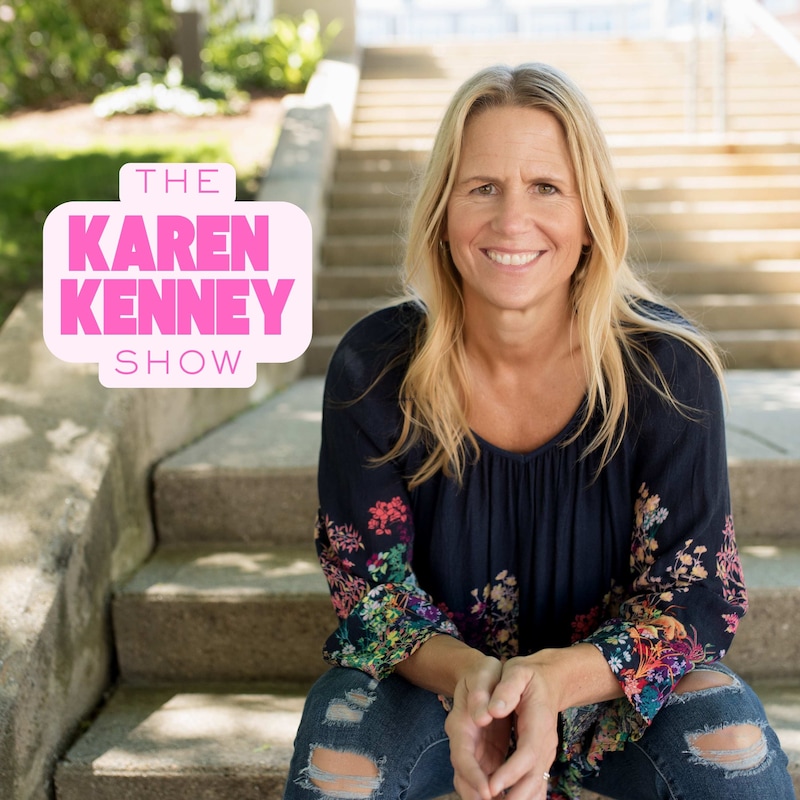
Shownotes
On this episode of The Karen Kenney Show, I talk about what it really means to “hold on loosely, but don’t let go” - not just in our relationships with others, but in how we treat ourselves.
I share stories about a band, baby birds and bugs, a fantastic new book, and my own body - to explore why over-controlling, pushing too hard, and demanding “magic fixes” can actually slow down our healing.
We dive into giving ourselves more space, time, and compassion - partly inspired by real life stories and experiences and also by Dr. Sula Windgassen’s new book: It’s All In Your Body…
So that we can baby-bird ourselves with more gentleness, care, and trust in our own natural capacity to heal.
KAREN KENNEY BIO:
Karen Kenney is a writer, speaker, podcaster, certified spiritual mentor, and coach.
She’s known for her dynamic storytelling, her sense of humor, her Boston accent, and her no-bullshit approach to spirituality, self-development, and transformational change work.
Karen helps people to navigate this whole “being human” experience using a variety of practical tools, personal stories, and universal principles.
She's been a yoga teacher for 25+ years, has been a Thai Yoga Massage practitioner since 2008.
She's also a Gateless Writing Instructor, the creator of WRITE CLUB , and the host of The Karen Kenney Show podcast.
She coaches clients individually in her 1-to-1 program: THE QUEST and in her HEART-TO-HEART DAYS using Voxer. She also leads a group program and community called THE NEST.
CONNECT WITH KAREN:
Website: http://karenkenney.com/
Podcast: https://www.karenkenney.com/podcast
Facebook: https://www.facebook.com/karenkenneylive/
Instagram: https://www.instagram.com/karenkenneylive/
YouTube: https://www.youtube.com/@KarenKenney
Transcripts
It's the Karen Kenney Show. Hey, you guys,
Karen Kenney:welcome to the Karen Kenney Show. I'm super duper excited to
Karen Kenney:be here with you today. And today is like kind of an
Karen Kenney:interesting episode in that it has to do with a lot of bees,
Karen Kenney:like the letter B, so it has to do with baby birds and bugs, it
Karen Kenney:has to do with our bodies, a book, and a band. I swear, I
Karen Kenney:swear, it's all gonna make sense if you just buckle up for
Karen Kenney:safety, stick around, find out where all this is going. So, of
Karen Kenney:course, it's going to start with a couple of stories. Okay, and
Karen Kenney:I'm going to bring all of these elements together. Remember,
Karen Kenney:baby birds and bugs are bodies, a book and a band. Okay, but
Karen Kenney:stay with me. I promise it's gonna make sense. Okay, so I'm a
Karen Kenney:Gen X kid, right? Like, I'm about to be 58 and so the
Karen Kenney:millennials are kind of like the group that's like right behind
Karen Kenney:us. These are the people that were born, I think, from like 81
Karen Kenney:to whatever, I don't know what that is, 95 or something like
Karen Kenney:that. Oh my god. Okay, so you know how on the internet people
Karen Kenney:put up like little memes or they make little graphics with quotes
Karen Kenney:or whatever, right? And I'll never forget seeing. Oh my god,
Karen Kenney:I'll never forget seeing, and I'm not going to name names or
Karen Kenney:do anything like that, but I just remember seeing one day
Karen Kenney:this person who was a quote unquote coach of some kind, and
Karen Kenney:they're, they're younger, right, they're in the millennial group,
Karen Kenney:I don't know their exact age, and they put up a quote, kind of
Karen Kenney:like making, making it like look like it was their quote, like
Karen Kenney:it's an original thought, right? And literally, this is what it
Karen Kenney:said. It said, quote, "Hold on loosely, but don't let go, hold
Karen Kenney:on loosely but don't let go, right? And I was just like, I
Karen Kenney:saw it, and I just started. First of all, I was looking
Karen Kenney:immediately for the attribution, right, to give credit to, like,
Karen Kenney:who actually, where this phrase and saying actually came from,
Karen Kenney:but they never did, and right away, like, I go to the comment
Karen Kenney:section, because I know those of us who are old enough to know
Karen Kenney:where this quote comes from. Those of us who are old enough,
Karen Kenney:as soon as we hear that phrase, hold on loosely, but don't let
Karen Kenney:go, our brain automatically fills in the rest, right? If you
Karen Kenney:squeeze too tightly, you're going to lose control. So this
Karen Kenney:was, if you're not aware, if you don't know the band 38 Special,
Karen Kenney:this was like a huge hit that they had back in like 1981
Karen Kenney:right? It's like the opening line is like you see it all
Karen Kenney:around you, good loving gone bad. Oh my god. Okay, so this
Karen Kenney:person is putting up like this little piece of wisdom, right,
Karen Kenney:as if it's their original thought, and everybody in the
Karen Kenney:comments were like, you know, putting the 38 special quotes
Karen Kenney:into it, like, dude, this is a song from, like, 81 or whatever,
Karen Kenney:oh my god, it was so freaking funny, but I want to talk about
Karen Kenney:this, because the essence of this message is, you know, what
Karen Kenney:this, what this episode is about today, and the song, and I'm
Karen Kenney:gonna, it's all gonna make sense, the baby birds, the bugs,
Karen Kenney:whatever. Okay, but it goes on to say this in the song, because
Karen Kenney:this will come into play later. It says your baby needs someone
Karen Kenney:to believe in, and then this is the key line, and a whole lot of
Karen Kenney:space to breathe in, right. So this is all about this concept
Karen Kenney:of being in a relationship and not being like suffocating, like
Karen Kenney:yes, be supportive, right, but don't be suffocating, and this
Karen Kenney:is about in relation to others, like when you're around others,
Karen Kenney:and this is how a lot of relationships go bad, is people
Karen Kenney:get weird, or people get jealous, or people try to get
Karen Kenney:controlling, and they try to control everything, right, but
Karen Kenney:they, they're too suffocating, it's like too much, and this is
Karen Kenney:how a lot of relationships can end, right, so see it all around
Karen Kenney:you, good love and good bad, but okay, so it starts with this
Karen Kenney:meme in this band of 38 specials saying hold on loosely but don't
Karen Kenney:let go.
Karen Kenney:This is really great advice in a lot of ways that we can apply
Karen Kenney:towards ourselves, right? But what, what made me want to do
Karen Kenney:this episode is first of all I was thinking about that story.
Karen Kenney:My sweetie is a professional musician, right? So I will often
Karen Kenney:try, and I quiz him, like I'll just yell down from up here in
Karen Kenney:my writing office, and I'll be like, I'll go over the, like,
Karen Kenney:there's a tiny little balcony right there, and I'll be like,
Karen Kenney:sweetie, right, like, who's this, and I'll play like two
Karen Kenney:seconds of a song for him, or whatever, and I'm always
Karen Kenney:quizzing him, because he freaking knows it's so hard for.
Karen Kenney:Me to like stump them, you know. Okay, so hold this idea in your
Karen Kenney:mind, hold on loosely, but don't let go. And I started thinking
Karen Kenney:about this again, because we live here out in the woods, so
Karen Kenney:like every time you open the door, especially in the later
Karen Kenney:hours of the day, something flies in, whether it's a moth,
Karen Kenney:right, a mosquito, a bug, or whatever, and I try not to kill
Karen Kenney:anything. I'm gonna do a whole episode on that. I have my
Karen Kenney:panties in a bunch right now about people killing spiders,
Karen Kenney:right? Like, I'm like, "Oh, so I'm gonna do a whole podcast at
Karen Kenney:some point about that, but so whenever something flies into
Karen Kenney:the house, a lot of let's just say it's a moth, I tried to
Karen Kenney:rescue them and get to them before Bunchy does, because
Karen Kenney:Bunchy is not.. I don't even think he.. I don't know if no,
Karen Kenney:if he'll eat them, but he tries to like step on them and grab
Karen Kenney:them with his mouth, and I'm like, oh my god, no. But the
Karen Kenney:thing is, when you're trying to rescue something, when you're
Karen Kenney:trying to save something, you cannot hold it too tightly, so
Karen Kenney:if I can capture whether it's a fly or a moth or a bug of some
Karen Kenney:kind, right, you've got to hold it loosely, but because if you
Karen Kenney:hold it too tight, you're going to kill it, you're going to
Karen Kenney:crush its wings, right. So, a lot of times when we think we're
Karen Kenney:trying to be helpful and it's like, oh, I'm going to grab this
Karen Kenney:thing and I got to make sure that I get it, you know, I get
Karen Kenney:it outside, but it's like, if you're not careful, if you're a
Karen Kenney:little too aggressive in your efforts, then you're going to
Karen Kenney:cause more harm than you're going to do good, and we do this
Karen Kenney:to ourselves as well. And when I started thinking about, right,
Karen Kenney:like the whole song and the band 38 special, and thinking about
Karen Kenney:the bugs and stuff like that, I was like, a lot of times this is
Karen Kenney:us in relationship, you know, to like other things, like when
Karen Kenney:we're, we put too much pressure on other people, we put too much
Karen Kenney:pressure on the relationship, we put too much pressure on people
Karen Kenney:to be a certain way, or whatever, and it comes back to
Karen Kenney:that whole thing, right, your baby needs a whole lot of space
Karen Kenney:to breathe in, there has to be room for, you know, for them to
Karen Kenney:be themselves, that's really the heartbeat of that, but when
Karen Kenney:we're applying it to ourselves, it is so often that we put so
Karen Kenney:much pressure on ourselves to change, to heal, to figure it
Karen Kenney:out, to process it. I got to do it, I gotta do it, but the
Karen Kenney:reality is, is that we also need room and time. We need space,
Karen Kenney:and we need time to grow, and to change, and to process, and to
Karen Kenney:heal.
Karen Kenney:And if we're not careful, and if we put too much pressure on
Karen Kenney:ourselves, we're actually doing more harm to ourselves than we
Karen Kenney:are being helpful, and this comes to this idea of the baby
Karen Kenney:birds, so I remember learning about because we, again, I've
Karen Kenney:talked about this in the past, like many, many, many episodes
Karen Kenney:ago, that my sweetie and I, but you know, will often stop if
Karen Kenney:there's an injured animal, if we see something on the side of the
Karen Kenney:road, and my sweetie has found a couple of baby birds, like
Karen Kenney:little birds that needed to be rescued and helped, and the
Karen Kenney:thing is, again, when you're picking up a bird that has been
Karen Kenney:hurt, and especially baby birds, you have to hold them in your
Karen Kenney:hand in such a way that if you cannot hold it too tight, you
Karen Kenney:got to hold it tight enough to secure it, so it doesn't fall
Karen Kenney:out of your hand and fall on the ground and get hurt, or
Karen Kenney:whatever, get injured or more injured. You have to hold it
Karen Kenney:firmly enough and tightly enough to secure it and to make it
Karen Kenney:safe, but if you squeeze it too tightly, you're going to harm
Karen Kenney:it, right? You want it to be, yes, warm and held and secure,
Karen Kenney:so it feels safe in your hands, but you don't want to suffocate
Karen Kenney:it. So we want safety, but we do not want suffocation, right?
Karen Kenney:Just like in relationships, you want to be supportive, but you
Karen Kenney:don't want to be suffocating. So we need to baby bird ourselves
Karen Kenney:sometimes, right? We need to learn how to hold on in such a
Karen Kenney:way where it's like I talk about this sometimes when we're giving
Karen Kenney:feedback to somebody, or we're setting a boundary with
Karen Kenney:somebody, or we have to have a difficult conversation with
Karen Kenney:somebody, and we're like, "Ah, this is going to be wicked
Karen Kenney:awkward, and I don't know how I'm gonna do this, you know,
Karen Kenney:it's like, how can I have this conversation, and I kind of
Karen Kenney:think about it like this. It's like, we want to be loving but
Karen Kenney:firm, so we want to be nurturing, we want to be
Karen Kenney:nourishing, we want to be caring, but we also want to be
Karen Kenney:firm, and we want to have good boundaries, and we want to be
Karen Kenney:not like, what's the word I'm looking for, not swept up in our
Karen Kenney:emotions. We want to be a little bit more rational, or maybe,
Karen Kenney:maybe the better word is like pragmatic. Do you know what I'm
Karen Kenney:saying? We want to be relational, but we don't want to
Karen Kenney:be like, we don't want to come out of the gate wicked hot,
Karen Kenney:right? Like, that's what I always say. Let's say, when
Karen Kenney:we're trying to. Neck with people, we're trying to set a
Karen Kenney:boundary, or to have a conversation, or to give you
Karen Kenney:know feedback, loving but firm. And so there is a really great
Karen Kenney:case for going gently, right? Don't hold too tight, hold on
Karen Kenney:loosely, but don't let go, you know what I'm saying, and it
Karen Kenney:made me also think, so now we have the band, and we have we
Karen Kenney:have the bugs and the baby birds, and I don't know what
Karen Kenney:I'll call this episode, maybe I'll call it baby birding
Karen Kenney:ourselves, right, because I think so often when we're trying
Karen Kenney:to heal something, and whether it's a physical ailment, right,
Karen Kenney:like oh, I tweak my back or I hurt my knee or my foot, my
Karen Kenney:ankle, whatever the thing is, right. We just want to feel
Karen Kenney:better, and we want it to heal fast. We want it to heal quick.
Karen Kenney:We want it to get it over with. It's like, what can I do? Should
Karen Kenney:I ice it? Should I do this? Should I take it? You know,
Karen Kenney:should I take some Advil? Should I do this? Should I? Should I
Karen Kenney:stretch it? Like, we're like, I don't want to feel this way
Karen Kenney:anymore, and I want results now, like fast. And we do that
Karen Kenney:physically to our bodies, but we also do it to ourselves
Karen Kenney:emotionally. So, let's say, because we cannot separate the
Karen Kenney:mind and the body, they are always affecting one another,
Karen Kenney:right?
Karen Kenney:And when we look at things like chronic pain, or we look at
Karen Kenney:things like long-term conditions, when we look at
Karen Kenney:things like everything from like migraines to urinary, urinary
Karen Kenney:afflictions, right, or conditions, IBS, irritable bowel
Karen Kenney:syndrome, etc. anxiety, right, when we have these things that
Karen Kenney:tend to stick around for a long time, that they're no longer
Karen Kenney:just acute moments, that they become chronic. We get a little
Karen Kenney:fed up, we get a little tired of feeling exhausted, or feeling
Karen Kenney:uncomfortable in our own bodies, or feeling anxious, or feeling
Karen Kenney:scared, or whatever, whatever the symptoms that come up in
Karen Kenney:your body are, and we tend to try to force things, we tend to
Karen Kenney:respond in a way where we're not very kind to ourselves. And how
Karen Kenney:do I say this? The medical profession are not always
Karen Kenney:trained also in being gentle with us and really knowing how
Karen Kenney:to listen or having good bedside manna, right, and stuff like
Karen Kenney:that. So, there's a fantastic book. Here's the book pot that
Karen Kenney:I'm reading that I love. I've recommended it to several people
Karen Kenney:already, and it's by Dr. Sula Wingasen, and it's called It's
Karen Kenney:All in Your Body. I'm holding the book up right now. It's such
Karen Kenney:a cool cover. So, it's called It's All in Your Body, and it
Karen Kenney:says a practical road map to healing through the mind body
Karen Kenney:connection, and the title is in response to she had some chronic
Karen Kenney:stuff going on, and so many, and I can tell you this, as somebody
Karen Kenney:who has IBS, how many times, or I should say, somebody who is
Karen Kenney:healing from, and you know, navigating my IBS symptoms and
Karen Kenney:stuff, are like 1000 times better than they used to be, but
Karen Kenney:I still have flare-ups, and I still have incidents, you know.
Karen Kenney:But right on the back of this book, she says the thing that so
Karen Kenney:many of us have been told so many times, that it's all in our
Karen Kenney:head, and this book is the premise of says it's not all in
Karen Kenney:your head, and she talks about whether you suffer from burnout,
Karen Kenney:long-term fatigue, IBS, chronic pain, and trauma, or mystery
Karen Kenney:symptoms. Dr. Sulla uses the mind-body social model of
Karen Kenney:psychotherapy to help you understand what's happening in
Karen Kenney:your body and to take practical positive steps forward, so you
Karen Kenney:guys, I recommend this book. It's really fascinating. It's
Karen Kenney:really interesting, and you learn so much about how your
Karen Kenney:body affects your mind and how your mind affects your body. And
Karen Kenney:why I want to talk about this is like in this idea of like baby
Karen Kenney:birding ourselves, or when you're picking up a bug that you
Karen Kenney:want, or you know that you want to help, and let it heal, but we
Karen Kenney:don't want to do harm to it. We have to kind of take the same
Karen Kenney:approach to our own health and healing, right. And I made a
Karen Kenney:note to myself here, it says we also need this approach towards
Karen Kenney:ourselves for our health and our healing, and even also I'm going
Karen Kenney:to add, as a writer, your creativity and your craft,
Karen Kenney:because sometimes we hold on to an idea and we insist on playing
Karen Kenney:it out, whether this is in your business too, you've seen it
Karen Kenney:before, when something just isn't working and you're so
Karen Kenney:attached to something being a particular way, so you keep
Karen Kenney:trying to make it work, and you keep trying to do the marketing
Karen Kenney:for a thing, and you keep, like, whether it's working with a
Karen Kenney:human being, like a partner, whether it's implementing a
Karen Kenney:marketing plan, or trying to do a program, or a project, or
Karen Kenney:whatever. Sometimes, if we hold on too tight, there's no room
Karen Kenney:for the thing to take its natural progression of growth or
Karen Kenney:expansion, or, you know.
Karen Kenney:In the case of bodies healing, and so I love this book for a
Karen Kenney:lot of different reasons, and I want to share something that she
Karen Kenney:says, because I know for myself, like right now I'm back in the
Karen Kenney:gym, right, and my sweetie and I have been going to the gym, and
Karen Kenney:sometimes you feel like you're starting at ground zero again,
Karen Kenney:you're like, oh God, I'm feeling just a little mushy, I'm getting
Karen Kenney:a little older, like, blah blah blah, and your self-talk might
Karen Kenney:not always be, you know, so great, but for me, I understand
Karen Kenney:that I have restarted, like, building muscle, you know, so
Karen Kenney:many times in my life, because for a time, you know, I was
Karen Kenney:really into lifting and stuff, and then I found yoga, and then
Karen Kenney:I was really into yoga, and I had to like getting back in the
Karen Kenney:gym, like rebuilding muscle for strength was like, because yoga
Karen Kenney:strength is a little bit different, right, than having
Karen Kenney:like, how do I say it, it's just a different kind of strength.
Karen Kenney:So, when you're trying to like really build muscle and put on
Karen Kenney:muscle, it's like a different approach, right? Of course, is
Karen Kenney:hopefully you can imagine what I'm saying, and but you can be
Karen Kenney:really discouraging, and you can be really hot on yourself if
Karen Kenney:you're used to, quote unquote, looking a certain way, or
Karen Kenney:feeling a certain way, or just not wanting to look or feel the
Karen Kenney:way that you feel. Let's say you're somebody who has anxiety,
Karen Kenney:and you're like, I just want to stop feeling like this, and you
Karen Kenney:will go balls to the wall, trying everything you can to
Karen Kenney:just eradicate this feeling inside of you. Right, that is
Karen Kenney:not a.. that is not going gently. It's the same thing in
Karen Kenney:the gym. You can go into the gym, and you can push, push,
Karen Kenney:push, push, push too hard, too fast, too soon. You don't give
Karen Kenney:your body and your muscles, enough time to recuperate, and
Karen Kenney:you end up doing more harm than you are helpful in doing good.
Karen Kenney:You know what I mean. So, in Dr. Sulu's book, she's something
Karen Kenney:she's talking about, about this, and she says, so when you think
Karen Kenney:about going back to that quote, right, hold on loosely, but
Karen Kenney:don't let go. Part of that is about not trying to control
Karen Kenney:everything, not trying to control the other person, not
Karen Kenney:trying to control the relationship, and not trying to
Karen Kenney:control the outcomes. And when it comes to our health, when it
Karen Kenney:comes to our well-being, whether that's your physical health or
Karen Kenney:your mental health, or whatever, we sometimes have a way,
Karen Kenney:especially if we've been dealing with something for a really long
Karen Kenney:time, and we just don't understand why the symptoms
Karen Kenney:aren't changing, and again, whether that's anxiety or
Karen Kenney:depression or tummy aches or having to run to the bathroom,
Karen Kenney:you know, or what, the 1001 ways the body can go squirrely, you
Karen Kenney:know what I mean, and so here's something that she wrote that I
Karen Kenney:think it's really, really fantastic. She's like, she's
Karen Kenney:talking about how sometimes you feel like frustrated because
Karen Kenney:you're like things aren't changing as fast as you would
Karen Kenney:like, and she says, you know, sometimes your sense of control
Karen Kenney:may fluctuate every day. You have a distinct show. She says
this:there's a distinct feeling of quote, I'm going to master
this:this, so I'm going to redouble all my efforts, and then that
this:turns into these extremes, right? And then you fall away
this:into what's the point, nothing seems to work, and she says
this:these kind of thoughts underpin the all or nothing patterns that
this:we tend to fall into as humans, and we do see this right, so the
this:quote, like, hold on loosely, but don't let go. It's this idea
this:of moderation, it's this idea of approaching things gently, of
this:not flip-flopping from those two extremes, like, oh, I went to
this:the gym, like, for a month every day, and like, nothing happened.
this:It's like, yeah, nothing happened, probably because your
this:muscles didn't get a chance to recuperate. There were no rest
this:days. You weren't eating that great, right? And you were
this:exhausted, right? You just like broken down. You broke down a
this:lot of muscle. You didn't build it because you weren't. You, you
this:went two balls to the wall, right? You did not. You did not
this:go gently towards yourself.
this:And so she says, right here in this next piece, this next
this:passage, she says, let's right now make an intention to find
this:the middle ground. The middle ground is powerful, so instead
this:of grasping for complete certainty and control, try to
this:embrace what feels empowering now. So, rather than over
this:committing to test the extent of your control, try taking things
this:gradually with curiosity and an openness to learn, so that goes
this:back to this idea of right needing a whole lot of space to
this:breathe in, we need to have room to be curious, to try things, to
this:make mistakes, to get back up, we want, don't want the feeling
this:of suffocation on ourselves. We want supportive measures. We
this:want to try things right. We want to find that middle ground.
this:And she says, you know, that openness to learn and listen to
this:this. She says the benefits of people's openness, or a
this:patient's openness, the. Far outweigh the often temporary
this:relief of fast tracking of trying to do everything all at
this:once, right, and she says this openness, this openness, this is
this:how you make your mind and body feel safe from that place of
this:safety, everything you wish to achieve comes easier, so, so,
this:some, so many times we think, well, if I just double down, if
this:I just fast track, right? So we are not baby birding ourselves,
this:we.. I don't know what the opposite of that would be. We
this:would be like adult, I don't even know how to do it, opposite
this:of that, but we put way too much pressure on ourselves, we're
this:squeezing way too tightly, and it's when you squeeze too
this:tightly, as the words of 38 special tells us, that's when
this:you lose control. When you're trying to over control
this:everything is when things shit goes out of control, things just
this:go kooky monkeys. If you have ever been an over controlling
this:person trying to control everything, you know how that
this:shit ends. You know that it does not end well for us, right.
this:Double a men hands. I'm like, I should be in the, the, you know,
this:when people say they're recovering Catholics, I'm like,
this:I'm a recovering over controller wanting to control everything.
this:Okay. And then I love it. I love this line too. So this is from
this:chapter four again of Dr. Sula Win Gaston's book, it's all in
this:your body, just a little, just a little snippet. She says she's
this:talking about her condition, she had a bladder condition, and
this:she's talking about how, and I think you can apply this to
this:anything, whether it's my marriage isn't going well, I'm
this:having headaches, like whatever the situation is, right? Listen
this:to this, she goes, although day by day I was highly functional,
this:there were times I'd rage or despair breaking down in tears
this:as I wonder why I wondered why things weren't changing when I
this:was trying so hard. Oh my god, have you ever felt that way? I
this:can tell you, as somebody who had her first IBS attack at 15,
this:I tried everything under the sun. You have no idea, and I
this:would try so hard, so hard, right, to control things and to
this:fix things, and to do take this supplement and try that diet,
this:and like, do all these different things to try and help myself.
this:And you would get so frustrated when you'd be like, but I'm
this:trying so hard, and it's not changing. And she says, "This
this:listen. She says, "I wondered why things weren't changing when
this:I was trying so hard. I was still fixated on the magic fix.
this:The fact that all my endeavors were falling short of magically
this:fixing things was causing immense stress and bodily
this:reactivity. This is so important. I'm going to reread
this:it, because I really want you to hear this. Listen, the fact that
this:all my endeavors were falling short of magically fixing things
this:was causing immense stress and bodily reactivity. She goes on
this:to say it was a year or two later, having been immersed in
this:my PhD in research role, learning about the
this:transformative effects of pacing, that's that time thing
this:of pacing and acceptance, that's that space thing, whilst
this:continuing my mindfulness practices. She goes, it was
this:through the transformative effects of pacing and acceptance
this:that I mastered the balance of pacing my efforts to nourish my
this:body while letting go of what I could not control.
this:Right, so think about this: if you're somebody who wants to
this:make a change, whether it's an identity change, a habitual
this:change, a change in your body, a change with your anxiety, some
this:sort of transformation thing, personal development, spiritual,
this:physical, mental, whatever it is. Right, we have to understand
this:that gradual change gets the job done, as Linda Ty says, right,
this:the great teacher and storyteller and trauma
this:therapist, right, Linda Tai says sip, sip, sip, sip, or all the
this:episodes I've done on the Kaizen philosophy, one tiny small
this:change, gradual change is enough, it gets the job done, we
this:think it needs to come hot, it needs to come fast, we got to
this:make it swift, we got to, I want it now, because we've suffered
this:for a long time, whether it's in a relationship or with physical
this:symptoms or with anxiety, or whatever the thing is, it's like
this:we need room and time to grow, change, process, and heal. We
this:cannot grip too tightly. We must baby bird ourselves. We must do
this:a gentle approach, not everything. What I did, an
this:episode a couple of, whatever, weeks ago, maybe a month ago,
this:and I said, in the spiritual practice, in spiritual life,
this:every amount of effort counts, even the smallest, tiniest
this:efforts count, as long as we're trying. As long as we're trying
this:to experiment and explore and be curious and stay open and not so
this:fixated and not so tight and not so controlling, right, we go
this:into over control, we go into criticisms, criticism, we go
this:into urgency, we go into unkindness and harshness towards
this:ourselves, especially, it's like, what's wrong with me? Why
this:isn't this changing? Why can't I fix this? Why can't I figure
this:this out? Why does.. and I try to tell clients that I've worked
this:with in spiritual mentoring, look, it took you 3040, 5060,
this:whatever years to get here, to get this way, to create these
this:patterns, these habits, these conditions, this way of
this:thinking, these beliefs, this identity. It does not change
this:overnight. And I've always said that's why I don't make promises
this:to people, right? In marketing, they're always like, what's the
this:promise? How are they going to be different? What are they
this:going to get from this? I'm like, look, I cannot determine
this:the safe pace for this person, meaning like, I can't give you,
this:I can't write a script and a prescription and say, oh, in
this:three weeks you're gonna not be anxious anymore. This shit takes
this:time. We learned a lot of things over the years, and it takes
this:time to unlearn, but the good news is, is that we can unlearn,
this:we can loosen our grip a little bit right, and here's another
this:thing that's really, really interesting that I learned from
this:Dr. Sula and from other people too, like Melissa Tiers and
this:other teachers about neuroscience, but they actually
this:have done what's called neuro imaging, and the research and
this:neuro imaging, right, literally like looking at your brain and
this:stuff like that, is that when you respond to yourself
this:reassuringly, and reassuringly, that might sound like, oh, it's
this:okay, you're gonna figure it out, like, yeah, that sucked,
this:but we're gonna get there. Let's see what we can do when you
this:respond to yourself reassuringly, not clenching, not
this:gripping, not forcing, not being mean, right, not insisting that
this:it's this way, the only way, right now. Magic fixes. I want
this:the cure, right? When you respond to yourself
this:reassuringly, she says this. It activates identifiable,
this:identifiable neural pathways that are distinct from when we
this:respond critically, so how many times? So the other day, like I
this:did something, and I said to myself, you know, well, that was
this:stupid, and I just stopped myself immediately, and I said,
this:no, it wasn't stupid, you're just human, and you're allowed
this:to make a mistake. I will tell you that that feels 1000 times
this:better in my body and in my head and in my gut than me calling
this:myself stupid, calling myself an idiot. So, the way that we talk
this:to ourselves, it really does make a physiological difference,
this:like your body, the way we think affects our body.
this:Our body is also always sending messages up to our brain, so our
this:brain and our bodies are so intertwined, and for so many
this:years, so many people have been told it's all in your head, but
this:it's not, it's also all in your body. Okay, so listen to this:
this:self-critical responses activate threat processing circuitry in
this:you. Think about that. Self-critical responses activate
this:in your brain and in your body physiologically threat
this:processing circuitry, but self-assurance activates
this:soothing circuitry. So, when we practice compassion towards
this:ourselves, you are literally helping the immune system.
this:You're helping to, let's see, it says the more practice of
this:compassion, the more protected the inflammatory response to
this:stresses is. So, the more that we practice being gentle with
this:ourselves, being kind to ourselves, baby birding
this:ourselves, right, the power of being gentle with ourselves
this:literally has a physical effect on our body. So this is just
this:really big, right? I just want to talk about this because I
this:know so many of us are so hot on ourselves and we demand so much
this:of ourselves in our bodies, and when things aren't changing, and
this:things are uncomfortable, and we're just so sick of feeling a
this:particular way, or thinking a particular way, and we want
this:change now, we forget, like we get kooky, we become like, you
this:know, like cuckoo for Cocoa Puffs, and we get a little like
this:intense, and we start to insist that things change now, and this
this:is just not how things change, so we want to hold on loosely.
this:We don't want to lose a grip, right? Don't let go, but like we
this:need to hold on a little bit loosely. There are times when we
this:do need to totally let go, because we've become obsessed,
this:and it becomes a little. Bit too much, you know what I'm saying.
this:We're insisting, we're obsessing, we're forcing, and
this:that's not it. We need to remember, we need room and time
this:to grow, we need room and time to change, we need room and
this:time, space and time to heal. And it goes back to that whole
this:thing, right? Your baby needs someone to believe in, you need
this:to believe in yourself. You need to believe in your body. You
this:need to believe in your smarty pants brain, that there is a
this:natural capacity for healing, and a lot of times we are the
this:thing that is getting in the way. We don't do it on purpose,
this:and it totally makes sense why we do these things, but
this:hopefully you'll remember this line, right? Your baby needs
this:someone to believe in, and a whole lot of space to breathe
this:in. We need to give ourselves space to, you know, figure these
this:things out, to practice these things, to stay curious, and to
this:stay open. We need to baby bird ourselves. So, I hope this has
this:been helpful in some way. Maybe it's a message that you needed
this:to hear. I know it's a message I needed to be reminded of. Maybe
this:it's something that will be helpful to a cousin or a friend
this:or a sweetie or a co-worker, or whatever. If you just know
this:somebody who's really hard on themselves or somebody who puts
this:way too much pressure on themselves, and when we do that,
this:here's the thing: when we have a tendency to like put a lot of
this:pressure on things, we also tend to put a lot of pressure on
this:ourselves, but also other people, and we can be really
this:hard on other people, but we can also be like wicked, wicked,
this:wicked hard on ourselves, and we don't want to do that, we want
this:to be creating circuitry in our brain that sends like loving
this:messages, healing messages to the body, and vice versa. Okay,
this:so I hope this has been helpful. I hope it made sense. We brought
this:together baby birds and bugs, we brought together our bodies, a
this:book, and a band. We somehow did it, you guys. We did it. So I
this:hope this was helpful to you. I appreciate you. Also, just in
this:terms of other things that are going on, because I always like
this:to let you guys keep you guys in the loop of the shenanigans that
this:I'm up to. We just had another fantastic Wright Club on
this:Saturday. It was so, so, so good.
this:If you're somebody who lives local to New Hampshire, and you
this:can live by care, like Massachusetts, Vermont, Maine,
this:right, you can travel, travel to Concord, New Hampshire. For this
this:summer, we're going to keep doing Write Club in person. It's
this:generative. It's a half day generative writing workshop.
this:It's a four hour workshop. It's so fantastic. It's at a
this:beautiful space, the 11th Letter Writing Gallery. We have just
this:been having such a fantastic time doing it, and I would love
this:to have you join, join us, even if you're not.. what's the word
this:I want to use? I don't want to say confident, but maybe you
this:suspect that you're a writer, maybe you're somebody that jots
this:down notes on napkins, or maybe you're somebody that journals,
this:or you have a story to tell. You've always dreamed of writing
this:a book, whatever it is, right? I hope you come check out Write
this:Club at some point, and just know everything I'm talking
this:about. You can always find it online on my website at Karen
this:Kenney K E N N E y.com There's always the NES, which is my
this:spiritual mentoring group and community. Those folks are
this:fantastic. I love them so much. We meet online every every two
this:weeks, so like twice a month we meet online, and a lot of what
this:goes on in the NES is kind of like what happens on the
this:podcast, is we talk to each other, I do some mentoring and
this:coaching, I share stories, I share ideas, we follow, we go
this:through a set of modules and lessons that are jumping off
this:points, but it's just like, basically, it's like group
this:coaching is what is really helping happening in a really
this:beautiful community, of course, I always work one to one, and
this:then locally I also do a yoga class. I do yoga classes and
this:private yoga and Thai yoga massage, so I do all kinds of
this:stuff, and I'm also writing my book. Speaking of books, I'm
this:also writing my book, so all kinds of shenanigans. And if you
this:want to know how to find out what's happening, just sign up.
this:You're not going to get a bunch of crazy emails, right? You're
this:going to get this podcast in your inbox on Thursday mornings,
this:and then you'll also hear from me when I have an offer or
this:something that I think might be helpful, and that's the thing
this:with my emails - I don't write just to write, I send when I
this:have something that I think is like my offerings, anything that
this:I create are like little love letters from my hat to yours, so
this:people might call them marketing emails or sales emails,
this:whatever. I don't think of them that way. I'm literally saying,
this:hey, I created this cool thing because I needed it, or at least
this:at one point, or now I know it's helpful and beneficial. I've
this:seen it have really great results, and I'm offering it.
this:I'm literally just offering it to people and inviting people to
this:come join me. So, I'm not super salesy, I'm just like, here's
this:what we're doing, come join us. I think it's fun. I hope you
this:come. Right, that's kind of how it is. So you can just go to
this:Karen kenney.com backslash sign up, and that's it. And come see
this:us, come hang out with us, come spend some time together in
this:person. It would be wicked fun. All right, you guys, one more
this:time. Here's the book, Dr. Sula Wingasen. It's all in your body,
this:it's so fantastic. Like I said, I've been referring it to
this:people. I'm going to do a post about it on social media soon,
this:too. But I have found it - I'm finding it wicked helpful. Just
this:re what's reaffirming some things that I've learned before,
this:reminding me of some things, and also teaching me some new ways
this:of looking at things, and I always love getting a new point
this:of view. Okay, that's it. Wherever you go in the world,
this:whether it's the rest of your day, your week, whatever, right?
this:Wherever you go, may you leave the animals and the other people
this:and yourself and the planet, the trees, the rocks, the rivers,
this:the environment better than how you first found it. Wherever you
this:go, may you and your presence and your energy and your love
this:and your baby birding, your gentleness, may it be a
this:blessing. Bye.
this:Hey, thanks so much for listening to the show. I really
this:love spending some time together. Now, if you dig the
this:show or know someone that could benefit from this episode,
this:please share it with them and help me to spread the good word
this:and the love, and if you want to be in the know about all of my
this:upcoming shenanigans, head on over to Karen kenney.com/sign up
this:and join my list. It'll be wicked fun to stay in touch.
this:Bye.



