Shownotes
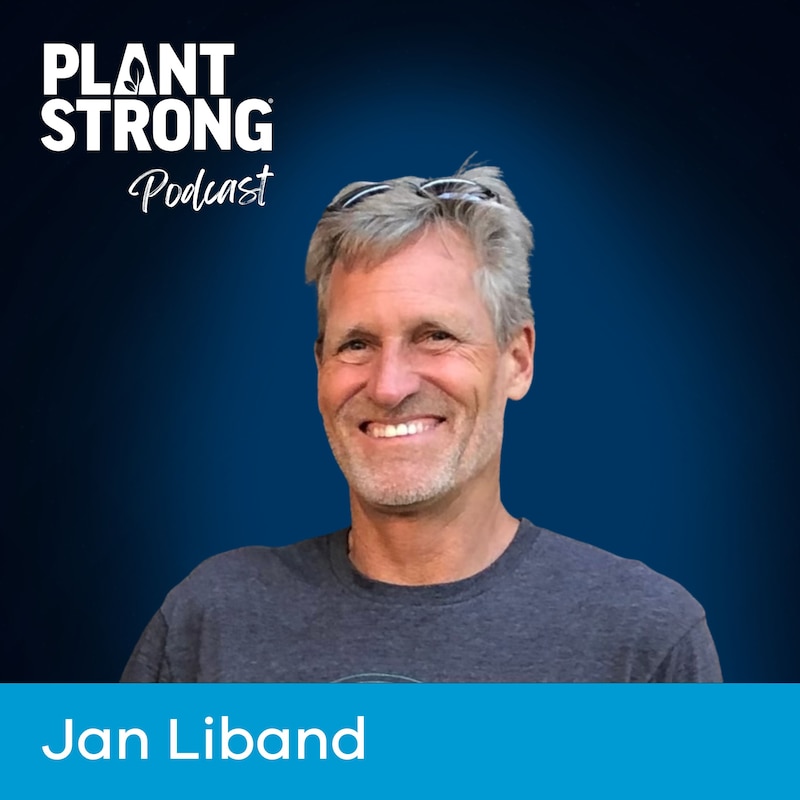
In this deeply grounded conversation, Rip sits down with Jan Liband — a former college athlete, longtime plant-based advocate, and expert in food and environmental sustainability. What began for Jan as a single pamphlet exposing the environmental toll of animal agriculture became a lifelong commitment to plant-based living nearly 40 years ago.
Jan shares his journey from a meat-centered, “healthy by 1980s standards” diet to discovering how plant-based eating dramatically improved his energy, recovery, and athletic performance.
Along the way, Rip and Jan tackle some of the biggest barriers to change — especially for men — including cultural conditioning, fear of change, and the never-ending obsession with protein.
The conversation goes beyond personal health and zooms out to the bigger picture: how our global food system drives roughly one-third of greenhouse gas emissions, accelerates deforestation, drains freshwater resources, and threatens biodiversity. Jan explains why dietary change is one of the fastest, most impactful climate actions individuals can take — far faster than waiting on energy or infrastructure shifts.
From practical food swaps and transition strategies, to a powerful discussion of the Eat-Lancet report and planetary boundaries, this episode is both a reality check and a hopeful roadmap.
The message is clear: small, consistent changes on our plates can ripple outward — improving our health, strengthening our communities, and protecting the planet for generations to come.
Key Takeaways
- One piece of information — a pamphlet on animal agriculture — can spark lifelong change.
- Plant-based eating can improve digestion, recovery, energy, and athletic performance within weeks.
- Men often struggle with plant-based eating due to early-formed habits, social pressure, and protein myths.
- Americans are not protein-deficient — they are protein-toxic — while severely lacking fiber.
- Gradual change increases long-term success; the best diet is the one you’ll stick with.
- Animal agriculture drives the majority of food-related greenhouse gas emissions, land use, and water waste.
- The Eat-Lancet report supports plant-rich diets as essential for both human and planetary health.
- Food choices are the single most powerful daily action individuals can take to protect the environment.
Watch the Episode on YouTube
Episode Webpage