Clearing the Haze: Understanding Arizona's Public Marijuana Laws
In the five years since Arizona legalized recreational cannabis, the state has grappled with the nuances of public consumption. While the law is clear on certain aspects, other areas remain ambiguous, leaving both users and law enforcement to navigate the evolving landscape.
One of the most pressing questions is whether open public use of marijuana, in any form, is permitted. The state's Smoke-Free Arizona law prohibits smoking in most enclosed public spaces, regardless of whether it's tobacco or cannabis. Violators face fines of up to five hundred dollars for a first offense. This restriction extends to vaping THC and consuming cannabis edibles in public, as the law has been interpreted to mean that anything not explicitly authorized is not legal.
However, the rules are more relaxed when it comes to private property. Metro Phoenix, for example, has some cannabis-friendly lodging and businesses where consumption is allowed, with the owner's permission. But for those renting apartments, the decision lies in the hands of the landlord. As the industry continues to evolve, it's crucial for Arizonans to stay informed on the ever-changing regulations to avoid any legal pitfalls.
Floridians May Soon Grow Their Own Cannabis at Home
In a move that could significantly impact the cannabis landscape in Florida, a new proposal is making waves. The state legislature is considering a bill that would allow certain individuals to cultivate their own cannabis plants at home. This groundbreaking legislation could provide Floridians with greater access to the benefits of this versatile plant.
Under the proposed rules, adults aged 21 and older would be permitted to grow up to six cannabis plants for personal use. The plants must be kept in a secure, enclosed, and locked location, ensuring that they are not accessible to minors. Additionally, the plants must be labeled with the grower's name and contact information, providing a level of accountability and transparency. Interestingly, the proposal also includes provisions for the cultivation of hemp, which is a non-psychoactive variety of the cannabis plant that is rich in CBD.
While the details of the legislation are still being finalized, the potential impact on the state's cannabis landscape is significant. This move could provide Floridians with more control over the quality and composition of the cannabis they consume, as well as potentially reducing the reliance on the regulated market. As the proposal makes its way through the legislative process, it will be crucial for residents to stay informed and engaged, as the outcome could have far-reaching implications for the future of cannabis in the Sunshine State.
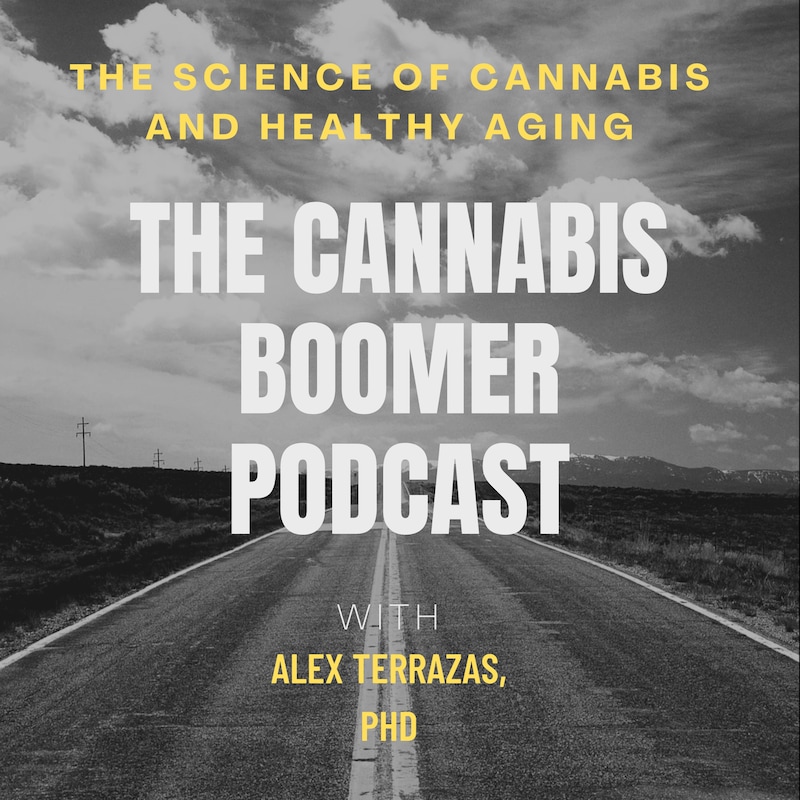
In the science review, The Cannabis Boomer reviews:
A randomized clinical trial of low-dose cannabis extract in Alzheimer's Disease by Cury and others in Journal of Alzheimer's Disease.
This phase 2 trial evaluated the safety and efficacy of a balanced THC-CBD extract for symptomatic patients with Alzheimer's Disease-associated dementia.
At week twenty-six, Mini-Mental State Exam total score was significantly higher in cannabis-treated patients compared to placebo. No significant differences were detected in secondary outcomes and adverse events.
Participants were between sixty and eighty years old diagnosed with Alzheimer's Disease-associated dementia and were randomized to receive either placebo or THC-CBD extract daily for twenty-six weeks.
The findings suggest that low-dose THC-CBD could be an effective and safe therapeutic option for Alzheimer's disease-related dementia.
Larger and longer trials are necessary to confirm these results and establish cannabinoid administration as a therapy for Alzheimer's disease dementia.
Cannabidiol as a multifaceted therapeutic agent: mitigating Alzheimer's disease pathology and enhancing cognitive function by Raïch and others published in Alzheimer's Research & Therapy.
This research article explores the potential of CBD as a therapeutic agent for Alzheimer's disease, focusing on its ability to mitigate disease pathology and enhance cognitive function.
The key findings indicate that CBD exhibits neuroprotective, anti-inflammatory, and antioxidant properties, which can help alleviate Alzheimer's disease-related symptoms and slow disease progression. Additionally, CBD was found to enhance cognitive function and improve memory in animal models.
The study employed in vitro and in vivo experiments, including cell culture assays and animal models of Alzheimer's disease, to investigate the effects of CBD on various aspects of the disease pathology and cognitive function.
The clinical and practical implications of this research suggest that CBD could be a promising therapeutic option for the management of Alzheimer's disease, potentially offering a multifaceted approach to address the complex pathology.
#THC #AlzheimersDisease #CannabisBoomer #BabyBoomers #CBD