Shownotes
S3 E5 Video as Financial Infrastructure - How Video Supports Your Bottom Line
What if the most valuable video your organization creates this year is never posted on social media? Monique Velasquez and Piper Kessler break down how the smartest organizations aren't using video for just marketing—they're using it to reduce costs, increase trust, and improve the way their teams operate. When that happens, video stops being a marketing expense and starts becoming financial infrastructure.
In This Episode You'll Learn:
- Why video is a cost-saving tool (operational efficiency you're overlooking)
- How companies using video for training reduce training time by up to 60%
- Why people retain 75% of information from video vs. 10% from text manuals
- The hidden cost of repeating the same information over and over (training, onboarding, processes)
- How 89% of people say video convinced them to buy a product or service
- Why trust directly affects whether people work with you, support you, or join your organization
- How 82% of companies say video improves internal communications (and why long emails get skipped)
- The shocking gap: email read rates (20-30%) vs. internal video completion rates (70-85%)
- How one story video can serve fundraising, outreach, grants, annual reports, and recruitment
- Why 93% of marketers say video delivers positive ROI (it keeps working after it's created)
- How to turn video from expense into asset with strategic planning
Key Timestamps:
02:28 - Video as a cost-saving tool: Operational efficiency
03:33 - Training stats: 60% reduced training time, 75% retention vs. 10% from text
05:02 - 94% say video improves employee training and standardization
08:24 - Trust: 89% say video convinced them to buy (applies to donors, clients, associations)
11:03 - Miscommunication costs: How video improves internal communications
14:16 - The engagement gap: Email 20-30% read rate vs. video 70-85% completion
17:37 - Video as long-term asset: 93% of marketers say positive ROI
18:40 - Strategic planning: One shoot creates multiple assets for multiple departments
20:31 - Three simple steps: Message list, milestones, video calendar
The Financial Reality:
Video isn't just marketing. When strategically aligned with business goals, it becomes financial infrastructure:
Operational Efficiency:
- Companies reduce training time by 60% with video (Association for Talent Development)
- People retain 75% from video vs. 10% from text (Foresight research)
- 94% of organizations say video improves employee training and development
- Stop repeating the same information: training, onboarding, processes, FAQs
Trust Building:
- 89% say watching video convinced them to buy a product or service (Wyzowl)
- Applies to nonprofit donors, therapy clients, professional associations—not just commercial
- People want to see the humans behind the mission
- One story video serves fundraising, community outreach, grant presentations, annual reports, recruitment
Internal Communications:
- 82% of companies say video improves internal communications (Cultura)
- Email full read rates: 20-30% vs. internal video completion: 70-85%
- 3-minute video = 3-4x more employees fully absorb information vs. equivalent email
- Reduces confusion, duplicated work, extra questions, mistakes, and gossip
Long-Term Asset:
- 93% of marketers say video delivers positive ROI (Wyzowl)
- Video is reusable: website, donor presentations, conferences, social media, recruitment
- One production day creates content for multiple departments (not just marketing)
- Strategic planning: Design one shoot to create story video, shorter clips, training content, recruitment material
The Stats That Matter:
- 60% reduction in training time when companies use video (Association for Talent Development)
- 75% information retention from video vs. 10% from text manuals (Foresight)
- 94% of organizations say video improves employee training
- 89% say video convinced them to buy product/service (Wyzowl)
- 82% of companies say video improves internal communications (Cultura)
- 20-30% email full read rates vs. 70-85% internal video completion rates
- 93% of marketers say video delivers positive ROI (Wyzowl)
- 96% rely on video for product/service insight instead of reading manuals
- 50% of B2B purchasers rely on video when making purchasing decisions
Three Steps to Get Started:
1. Build a Message List What key ideas does your organization repeat over and over? Training topics, program explanations, mission stories, onboarding information for volunteers. You'll come up with things specific to your business that no one else would think of.
2. Identify Video Milestones Tied to Business Goals Fundraising campaigns, annual reports, recruitment cycles, program launches. How will you measure success? Views, calls, website visitors, applications, submissions. You need to know before you make the video—it factors into how you do it.
3. Create a Video Calendar for the Year Map video production to real business goals. When you do this, it becomes easier to justify the budget. Video stops being an expense and starts being infrastructure.
Key Takeaway:
"Video stops being a marketing expense and starts becoming financial infrastructure when it's aligned with business goals. It reduces costs through operational efficiency, builds trust that affects whether people work with you, eliminates miscommunication that costs organizations enormous money, and keeps working long after it's created."
Ready to Plan Your Video Strategy?
VIP Day Session: A focused day where we help organizations plan and produce videos that support their most important goals. Because the right video strategy doesn't just create content—it creates momentum.
Work with Velasquez Media:
velasquezmedia.com | [email protected]
Production: Velasquez Media - 20+ years helping mission-driven organizations create video strategies that work
#VideoROI, #VideoStrategy, #BusinessInfrastructure, #OperationalEfficiency, #InternalCommunications, #VideoMarketing, #NonprofitVideo, #CostSaving, #VideoTraining, #FinancialImpact
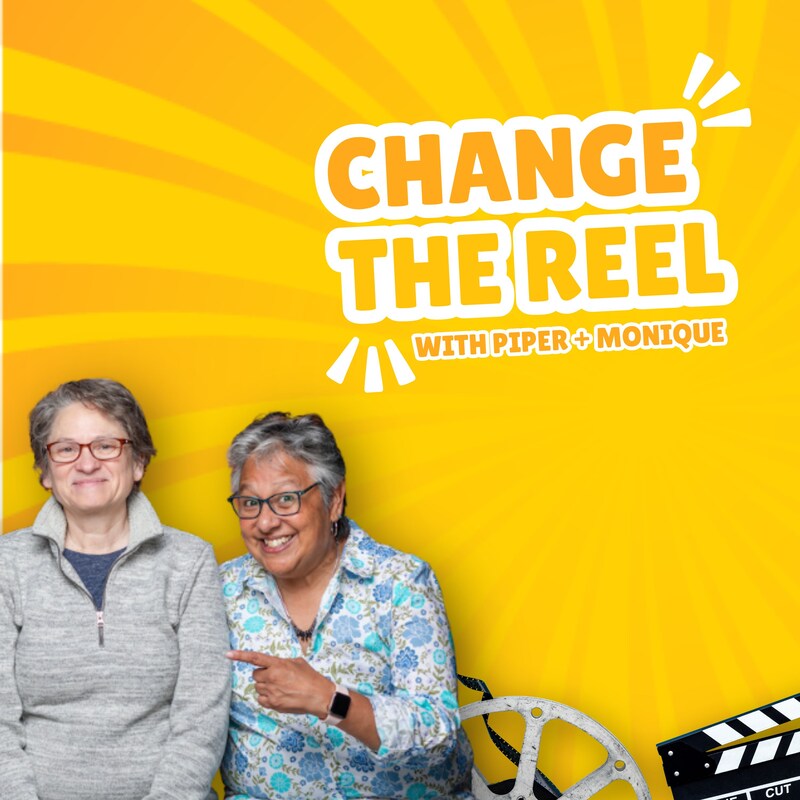
CHANGE THE REEL with Piper and Monique
Executive Producers: Monique Velasquez and Piper Kessler
Producer: Arielle Morten
Director/Editor: Simon Beery/Meredith Sause/Alyssa D'Avanzo
Copyright 2026 Monique & Piper
Transcripts
S3E5 Transcript
1
::What if the most valuable video your organization
2
::creates this year is never posted on social media?
3
::The truth is, the smartest organization's not using video for just
marketing.
4
::They're using video to reduce cost, increase trust,
5
::and improve the way their teams operate.
6
::And when that happens, video stops being a marketing
7
::expense and starts becoming financial
8
::infrastructure.
9
::Nice. Today we're talking about how video directly supports the
10
::financial health of your organization.
11
::Change the Reel with Monique Velasquez.
12
::And Piper Kessler.
13
::For more than 20 years, we've worked in video production behind the
14
::scenes, helping mission-driven organizations and leaders
15
::turn complex ideas into content that actually
16
::moves people.
17
::We've seen how media can either reinforce tired narratives or
18
::challenge them.
19
::This podcast exists for leaders who know their stories matter,
20
::and are ready to stop guessing and start using video
21
::strategically to further their mission, not just fill a content
22
::calendar.
23
::Each month, we drop two types of episodes.
24
::One with Piper and I kicking it, sharing production insights from our
own
25
::work.
26
::And another featuring real stories with leaders who use media to
27
::create change.
28
::And as a tool for connection. This is Change the Reel:
29
::Representation Starts Here.
30
::Hey, y'all.
31
::Hey.
32
::I'm Monique Velasquez.
33
::And I'm Piper Kessler.
34
::After more than 20 years running a business production company,
35
::we've seen how powerful video can be when it's used
36
::strategically.
37
::
So this podcast is for leaders who want their content
38
::to do more than just look good. They want it to move
39
::their mission forward.
40
::And today we're looking at video through the lens that organizations
41
::don't talk enough about.
42
::Financial impact.
43
::Okay. The question we hear, and really the statement we
44
::hear all the time is, "We'd love to do more videos,
45
::but it's not in the budget. We don't have that kind of money
available."
46
::So what we've learned is that when video is aligned with business
goals,
47
::it actually supports the bottom line or budget.
48
::Right. So let me just ask
49
::
honestly, do you see video
50
::as a cost-saving tool?
51
::Yes.
52
::Say more.
53
::And I will. So let me tell you why I think that's true.
54
::Okay.
55
::So let's start with one of the most overlooked financial
56
::benefits of video, operational efficiency.
57
::Okay. So in organizations, the biggest hidden cost
58
::is repeating the same information again and again.
59
::So think training of staff-
60
::Right
61
::... onboarding volunteers-
62
::Right
63
::... or explaining a process, either how
64
::your product
65
::works-
66
::Mm-hmm
67
::... how your service works, or how an
68
::employee needs to do something. So some process, right?
69
::Right.
70
::If you think about that.
71
::And that repetition-
72
::Mm-hmm
73
::... adds up quickly. According to research from the Association for
74
::
Talent Development, companies that use video for training
75
::can reduce training time by up to 60%.
76
::And the retention rate for
77
::it also goes up dramatically. Research cited by Foresight, a
78
::leading independent goal research and advisory firm,
79
::shows people retain about 75% of the
80
::information when they watch a video, compared to
81
::about 10% when they just read the textbook or the
82
::manual.
83
::So when you think about onboarding or professional training, that's a
84
::really big difference.
85
::Right. Especially in organizations, like you have
86
::mental wellness, nonprofits, community
87
::clinics, associations where staff turnover or volunteer
88
::onboarding is happening constantly.
89
::And so instead of
90
::repeating the same training every week, you can capture it once
91
::in a video and use it consistently.
92
::And when those videos are done well, they become part of the training
library.
93
::So let's talk a little bit about that training, right?
94
::Let's look at some of the stats here.
95
::70% of the organizations who use video for
96
::training, that's just kind of a common denominator, right?
97
::They used video to train, either onboarding-
98
::Okay
99
::
... your benefits package, or explaining-
100
::And it's becoming more and more ubiquitous.
101
::Everybody's leaning more into it now.
102
::And not only that, the data is showing that 94% of
103
::organizations say that the video
104
::improves employee training and development.
105
::So my guess is what they're seeing is that employees are
106
::watching these videos and having
107
::a higher quality and standard of output.
108
::More consistency.
109
::Right. And probably closer to mission and
110
::goals-
111
::Yes
112
::... in the training.
113
::And it gives your future you a break.
114
::So,
115
::video training eliminates these inconsistencies by providing
116
::standardization,
117
::learning experience. Everybody has the same information over and over.
118
::And so these prerecorded videos really help
119
::getting the same information. So if this one thing is a snag,
120
::everybody gets to see how to overcome that snag.
121
::Or if there's an FAQ that happens-
122
::Mm-hmm
123
::... which I know I love seeing a video about an FAQ,
124
::
like the frequently asked questions.
125
::And I think, and this is not something that
126
::IHave seen happen
127
::yet, and I'm not saying there aren't organizations out there doing
this, and that
128
::is training their
129
::switchboard staff, the people that answer the phone.
130
::Mm.
131
::Because the same things happen over and over.
132
::I was lucky enough, in one of the
133
::things that I was helping a client with video and some
134
::ads, and I was able to sort of hear how they
135
::answered the phone over and over. And the same
136
::
three questions came up.
137
::Mm-hmm. Okay.
138
::From just answering the phone.
139
::Possible customers, right. Okay.
140
::Right, from possible customers. And that told
141
::me, that informed me, so that I could tell my client,
142
::"You need to make sure that the people answering the phone
143
::clearly state
144
::what office
145
::it is-
146
::Mm
147
::... the company is-
148
::Mm-hmm
149
::... and what type of business it is."
150
::Okay.
151
::Because that was something that was, "Do you do this?"
152
::Ah, okay.
153
::Right? And so, "Did I reach this
154
::company?" And so it was not clear-
155
::Okay
156
::... in the way that the staff was answering the phones.
157
::So this is something that, quick video, you can use
158
::a library of videos and just-
159
::Go through this.
160
::Yeah, especially if you're onboarding.
161
::
And it seems like such a low-lift...
162
::That's not true, a low-lift position,
163
::but having that standardization and having that
164
::be what everybody does and is trained to do when they answer
165
::the phone becomes one of those sticking points because they
166
::spend more time on the phone-
167
::Mm
168
::... not getting to the business of business, but just answering some
basic
169
::questions.
170
::Mm.
171
::Okay.
172
::So future you
173
::will really be glad you don't have to do it again.
174
::And you know me, I hate doing things twice.
175
::I hate touching things twice. That is just-
176
::Yeah, you do
177
::... my personal pet peeve because it is so
178
::inefficient.
179
::All right.
180
::Okay, so moving on. So the second financial
181
::impact would be trust,
182
::because trust directly affects whether people
183
::choose to work with you,
184
::support you, or join your organization.
185
::And video is one of the fastest ways to build trust, get to
186
::
know, like, trust, right?
187
::Right.
188
::According to Wise Owl,
189
::their State of Video Marketing report, 89% of
190
::people say watching a video has convinced them to buy a product
191
::or service.
192
::Mm.
193
::And we've mentioned that higher ticket items also
194
::get purchased-
195
::Yeah, that's true
196
::... with video help.
197
::And that applies just as much to nonprofit donors
198
::or therapy clients as it
199
::does to commercial businesses.
200
::Services or products.
201
::Right. People want to see the humans behind the mission.
202
::Totally makes sense. Exactly. When someone is deciding whether to
donate,
203
::seek a service,
204
::or join a professional association, they're
205
::kind of subtly asking, "Do I trust these people?
206
::Are these good people? Do they know me?
207
::Do they know what I want?" That's what they're subtly asking.
208
::So a written report or website page can explain
209
::your work, but a short video showing real impact can help
210
::people feel it.
211
::And that's real important for nonprofits, right?
212
::It's powerful
213
::information about what is,
214
::and what's powerful about that is one
215
::story video
216
::can serve many purposes.
217
::Okay.
218
::It can help with fundraising,
219
::it can help with community outreach,
220
::it can help with grant presentations,
221
::annual reports,
222
::those types of activities. And so that's not just
223
::
marketing. That's not marketing.
224
::That's actually tied to these things that are in your business, your
225
::association, your nonprofit, that are financial impact.
226
::I know everyone enjoys reading 12 pages of text
227
::describing the impact, and you know.
228
::Yeah. You
229
::have 90 seconds of someone's experiencing
230
::the joy, the impact of your business, that's going
231
::to go a long way instead of trying to read
232
::12 pages of your impact.
233
::But some people really like to read those 12 pages.
234
::So now let's talk about something that costs organizations
235
::enormous amounts of money,
236
::miscommunication.
237
::What? Say it again, for the people in the back.
238
::Missed
239
::and miscommunication.
240
::And here's where internal video becomes
241
::incredibly empowering, right, for your
242
::staff,
243
::your people internally. According to research from Cultura,
244
::their State of Video in the Enterprise report,
245
::82% of companies say video improves internal
246
::communications.
247
::So that's an amazing thing.
248
::
Which makes sense because we all know what happens to
249
::long emails.
250
::TLDR.
251
::TLDR?
252
::Too long, didn't read.
253
::Oh, right. They get skipped, they
254
::get ignored. Just like, "I'll read it later," and later
255
::never comes, right? And then when you have policy documents-
256
::Oh, you mean like a handbook or processes
257
::that people are looking at. Those sorts of things are important,
258
::sure, and-
259
::Later never comes. They don't skim it. They don't look at it.
260
::Let's just say the enthusiasm
261
::wanes.
262
::Is small.
263
::Is small.
264
::Is pequeño.
265
::Is pequeño. But people will watch
266
::a three-minute video.
267
::Absolutely. I love those three-minute explainer videos.
268
::And that's why more leadership teams are recording
269
::internal updates.
270
::Okay.
271
::They have-
272
::Yeah
273
::
... a quick weekly message,
274
::a program update, a policy explanation, something really quick,
275
::short, into Slack, into all the places that-
276
::Right
277
::... are communication hubs for teams.
278
::Instead of having 10 meetings-
279
::Mm-hmm
280
::... to try to communicate the same thing.
281
::Yeah. So, one place, one video. And it's really nice
282
::that everyone hears the same message at the same...
283
::Well, maybe not the same time, but generally the same time, which
reduces
284
::confusion, duplicated work, extra questions, and
285
::mistakes along the way.
286
::This is interesting because-
287
::Mm-hmm
288
::... we did have a client that was using this
289
::particular thing to help reduce
290
::gossip.
291
::Yeah.
292
::Evidently, this particular industry was very prone to making
293
::up things in the streets.
294
::And what is it called when it comes all back around?
295
::It's like telephone.
296
::Telephone, yeah, the game. And yeah, that it was amazing to
297
::her what she was ending up hearing, what she-
298
::
Was supposed to be policy, yeah
299
::... had made policy. She was like, "What?"
300
::And so it was interesting to hear this particular client talk
301
::about how it was imperative to have these short videos
302
::explaining what policy was and explaining what the thinking and the
303
::mission and the goals and the strategies were for the
304
::staff. Let's see, I have some statsy stats here.
305
::You got numbers?
306
::I do. The engagement numbers are unambiguous.
307
::Email full read rates in organizations settings
308
::rarely exceed 20 to 30%.
309
::Hmm.
310
::Okay? According to multiple enterprise communication benchmarks.
311
::Internal video, by contrast-
312
::Mm-hmm
313
::... consistently achieves completion
314
::rates of 70 to 85%-
315
::Wow, really?
316
::... when the content is relevant, concise, and well-distributed.
317
::That means that a three-full-minute video-
318
::That's pretty good
319
::... will be fully absorbed by approximately three to four times more
320
::employees than an equivalent
321
::email/newsletter.
322
::Right. That's interesting.
323
::
For high-stakes communications, strategic pivots, policy
324
::changes, leadership transitions, this gap is operationally
325
::efficient and helps the bottom line.
326
::Mm-hmm.
327
::All those things.
328
::All the things, right? All the things.
329
::So regular video updates from CEOs or department heads are a
330
::cornerstone to modern internal communication.
331
::People want to know what's happening, what's going on in the process,
where are
332
::they in the big picture.
333
::Hmm.
334
::And so asynchronous forms allow employees in different
335
::
time zones to watch at their-
336
::It's true
337
::... convenience, right?
338
::Yeah.
339
::Midnight here is-
340
::Right
341
::... a different time, different part of the world.
342
::Is it really? It's somewhere else. Different time.
343
::It's not midnight everywhere. Just like everybody, it's about 5:00
344
::somewhere.
345
::It's 5:00 where you're sitting.
346
::Right.
347
::So,
348
::these places, if you have a video, that allows them to get the same
349
::information in an asynchronous way. Everybody has the same
information.
350
::This is very valuable to your bottom line.
351
::Live broadcasts with Q&A sessions-
352
::Hmm
353
::... add activity and signal that leadership is accessible.
354
::This is something that is also part of this.
355
::Right.
356
::You can do a live Q&A
357
::about the topic.
358
::Right.
359
::And so that allows your, even a little bit
360
::
asynchronous, because they'll be able to hear the Q&A if they're
not available at
361
::3:00 in the morning-
362
::Sure
363
::... for your-
364
::Right
365
::... all-hands meeting. But this is a way
366
::for
367
::miscommunication to be at a minimum, because if you miss the
368
::video, you might want to go in and look at it later and get the same
369
::information.
370
::The most effective cadence for most organizations is a brief
371
::three to five-minute weekly or biweekly update,
372
::
supplemented by a longer quarterly town
373
::hall recording.
374
::Now that's the kind of thing-
375
::Town hall recording.
376
::Yeah.
377
::Interesting. Okay.
378
::And so, it depends on how big you're...
379
::Either you have an association or you have a large
380
::group
381
::in your business-
382
::Mm-hmm
383
::... that is in different locations, so having a town hall is
384
::recommended. And it doesn't have to be exactly
385
::live. You can do your questions ahead of time and
386
::kind of join that way-
387
::Right
388
::... and hear the answers offline.
389
::Sure.
390
::So those are the types of things that I think are interesting in
391
::internal communication and using video as part
392
::of the whole plan and structure
393
::or infrastructure.
394
::Moving on to another
395
::portion of video as a long-term asset.
396
::So another
397
::
reason video supports financial goals is that it keeps
398
::working long after it's created.
399
::According to Wyzowl Video Marketing Report,
400
::93% of marketers say video delivers a
401
::positive return on investment.
402
::One reason is because video is reusable,
403
::right?
404
::Mm-hmm.
405
::So-
406
::You can put your video in different places.
407
::You can show up in your website, donor presentations, conference
408
::presentations, social media,
409
::recruitment
410
::One production day can create content that
411
::serves multiple departments, not just
412
::marketing.
413
::Which is where strategic planning comes in.
414
::Instead of producing a single video for one purpose, you
415
::design a shoot
416
::or a production
417
::so that it creates multiple assets.
418
::You have a story video that tells a story of
419
::your impact, or the origin story for a company,
420
::or story of what your service or association does.
421
::Then you can create shorter clips from that
422
::
and potentially take training content as well as part
423
::of the production of one shoot. And you can
424
::also extract recruitment material so that you have--
425
::you're either recruiting leadership or you're recruiting talent to
your
426
::business or to your association or whatever
427
::business or product that you provide.
428
::So then video becomes less of an expense in your
429
::thinking and more of an asset.
430
::That's right.
431
::I'm right.
432
::Yeah. So let's look at some of these stats before we move on to that.
433
::So I've got some stats about revenue impact.
434
::96% of individuals rely on video to gain deeper insight into
435
::products and services-
436
::Mm-hmm
437
::... choosing to watch videos instead of reading manuals or text
438
::instructions.
439
::Yep, 100%.
440
::50% of B2B purchasers rely on video content when
441
::making purchasing decisions, which we keep harping
442
::on.
443
::Right. Yeah.
444
::We keep repeating this sort of stat.
445
::Again, the whole thing about the unboxing of things.
446
::Just so you know, what does it look like when it shows up?
447
::
It's like,
448
::yeah, you're going to want to watch that because you can get the
answers quickly-
449
::Right
450
::... from a video.
451
::That's exactly right. Ultimately, video marketing can expedite revenue
452
::growth by having some of these videos
453
::available for your clients externally, and
454
::there are some financial impacts internally, too.
455
::If you're thinking about how video could support your
456
::organization this year, we recommend starting with three
457
::simple things.
458
::First,
459
::
build a message list.
460
::And what's a message list? Well, think about what are the
461
::key ideas your organization repeats over and over.
462
::Training topics, program explanations,
463
::mission stories,
464
::onboarding information for volunteers.
465
::Yeah. You're going to come up with stuff that's very specific to your
466
::own business that other people would never come up with.
467
::That's right.
468
::So the second thing is to identify what
469
::video milestones are tied to your
470
::business goals, like fundraising campaigns, annual
471
::reports, recruitment cycles, program
472
::launches. How do you measure the success of this goal?
473
::You may go, "Well, we're not going to do it again because
474
::we don't know what the effect is." How are we going to be able to
tell-
475
::Like to measure it
476
::... if this video did well? You need to know that
477
::before you do the video.
478
::Exactly.
479
::Because that's going to factor into how you do the video.
480
::Right.
481
::And the ways you can measure are
482
::how many times did the video get opened?
483
::How many calls did you get because of the video?
484
::
The website visitors, did it increase?
485
::And did it increase the number of submissions or applications?
486
::Right. Did you have more people apply, that sort of thing.
487
::And the third thing that you need to consider is create a video
488
::calendar for the year. When you map-
489
::Mm
490
::... video production to your real business goals, it becomes so
491
::much easier to justify that 10, 20, 30,
492
::100 million, thousand dollars you need for a video.
493
::Again-
494
::Planning
495
::... planning.
496
::Planning.
497
::Right. If this episode sparked ideas for your
498
::organization-
499
::One of the ways we help leaders move quickly is through our
500
::VIP Day session.
501
::It's a focus day where we help organizations plan and produce the
502
::videos that support their most important goals.
503
::Because the right video strategy doesn't just create
504
::content, it creates momentum.
505
::We'll see you next time.
506
::We'll see you next time.
507
::Thanks for watching this episode of "Change the Reel."
508
::If you liked it, hit Subscribe, share the episode, or drop a comment.
509
::
We actually read them.
510
::Connect with us or any of our guests on LinkedIn.
511
::Check the show notes for links.
512
::And if you're done with DIY and ready to record something that matters
in a
513
::safe, inclusive space, check out our studio at
514
::velasquezmedia.com.
515
::Remember, representation starts here.
516
::Representation starts here.
517
::Hasta pronto.
518
::See you soon.





