Shownotes
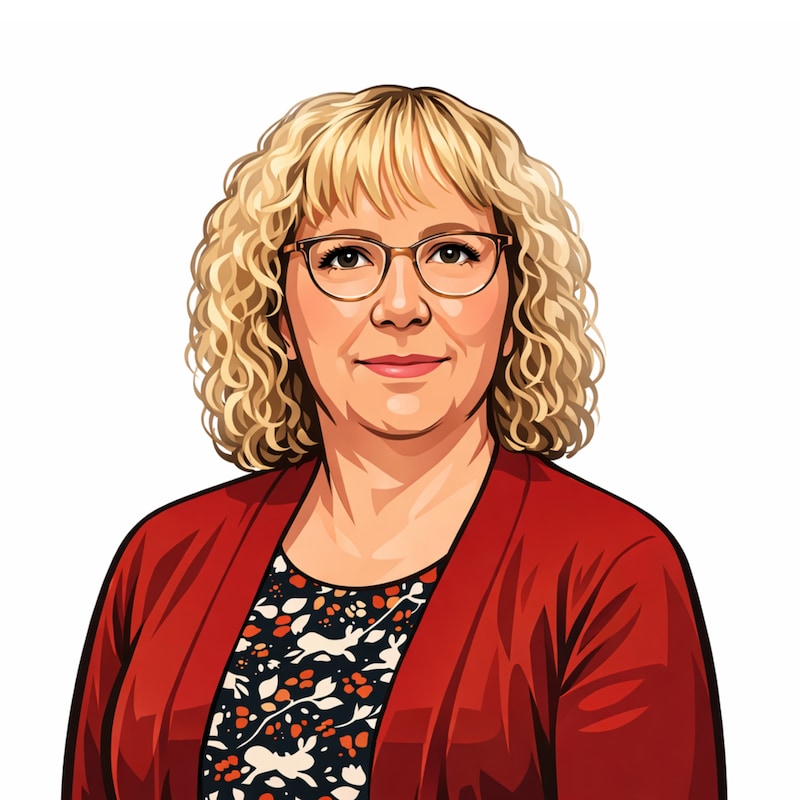
Rachel Thomas is a specialist mesothelioma nurse whose work has been defined by more than two decades of supporting people and families through serious illness, end of life care, and the hard realities most of us try not to face.
In this episode of Life by Misadventure, Rachel talks about why so many people avoid talking about death, the fear families carry when time is short, and how honest conversations and good care can bring more peace than many expect.
Rachel leaves you thinking about death in a different way, not as something only frightening or distant, but as part of life that becomes less terrifying when people are given truth, compassion, and room to talk.
About the Show
Life by Misadventure is hosted by David Brown and features honest, engaging conversations with interesting people about life, loss, resilience, ideas, and the experiences that shape us.
Connect with David on LinkedIn:
https://www.linkedin.com/in/4dmbrown/
Watch on YouTube:
https://www.youtube.com/@lifebymisadventurepod/
Listen on Apple Podcasts:
https://podcasts.apple.com/gb/podcast/life-by-misadventure/id1782077287
Listen on Spotify:
https://open.spotify.com/show/6Z1MszCU19QglChFb11Pw2?si=98ab1a34db074b3d
Transcripts
We're focused so much on treat, treat, treat, treat, treat, treat, treat, that we don't allow people to die.
David Brown:Hello. Welcome to Life by Misadventure. I'm your host, David and today I'm having a conversation with Rachel Thomas.
Rachel's been a nurse who has supported, what did you call it?
Rachel Thomas:Non curative illnesses.
David Brown:Non curative. I was going to say terminal, but I guess the term is non curative illness illnesses for 26 years. Ish. And she hosted another show that we produce.
And I really just, in having conversations with Rachel over breakfast the other day, oddly enough, I really became interested in what her experience has been like working with terminal patients and patients who have a shortened life expectancy. I guess that might be one way to say it. And, and so I've got Rachel in the studio today, so. Good morning, Rachel.
Rachel Thomas:Morning, David. Nice to be here. Thank you.
David Brown:It's nice to have you on the other side of the table for a change.
Rachel Thomas:Feels different.
David Brown:Definitely the light's on you today, not on me. I think let's look, let's just get straight into it. I think, I think that's the best way is just get straight to the point.
And I do have some notes here, so I might look down. But what do most people get wrong about death and dying until they have to actually see it and face it up close?
Rachel Thomas:Well, I think the major thing is in the UK we don't talk about it, so it's a taboo subject. People seem to go through life thinking they don't need to plan for the end of their life.
We plan for birth and we celebrate birth, but nobody talks about death and dying. So often when patients or people get diagnosed with a life limiting illness, no more time is in front of them very much.
It puts them in a bit of a panic, anxiety, a lot of fear, a lot of distress, most of which is because we don't talk about dying, but we are all going to die. And so for me it's as normal as being born. So I think that's the worst thing is that people don't talk about it.
I think if people do talk about it, they realize that it's not some big scary event. It's very normal part of our aging process and we all die.
And with good palliative care and support and people being able to say to their loved ones what their wishes are, a lot of people have a very good death.
David Brown:What are the assumptions that you see or maybe the incorrect assumptions that people have when they come in?
Rachel Thomas:I think when my patients talk to me about dying and the families talk about dying, there's a perception that death is going to traumatic, that death is going to be painful, that the person is gonna suffer. And there's a lot of fear and anxiety about that. Some people, but not so many now because we live in quite a faithless society.
But some people worry about what's gonna happen to them on the other side. But that tends to be less now that we're not really as say a faith driven society.
David Brown:Interesting. And has that changed in the last, what, 20, 30 years?
Rachel Thomas:I would say definitely. So when I first started my life as a nurse and looking after patients who were about to die, there was often talk about going onto a better place.
There was talk about spirituality, their faith and beliefs. And they might not be Christian beliefs, but they had beliefs about what they felt would happen to them when they died.
And I think now that's not so much the case. We get this romantic thing, you know, when famous people die. Oh, they're in heaven and they're doing this, that and the other.
But you know, other than that, people don't really talk about the other side. And I think that can cause quite a bit of anxiety about what happens when we've gone. Nobody's come back to tell us, so we're, we're stumped.
David Brown:Well, some people have almost gone. Well, yeah, but who knows what, what happened there.
I had a friend I just talked to, he's had three heart attacks and you know, he's, he's kind of seen the tunnel of light and the whole thing a couple of times and you know, but even he's like, I don't really know. No, you know, he's like, he just. There's a weird. You get a sense of calm right at the very end.
Rachel Thomas:Yeah. And some people are calm, some people are. A lot of people are in a state of unconsciousness just before they die. So they're not really aware.
They, we always believe that they can hear and that the hearing is one of the last senses to go. And we also believe, and I sincerely believe, having sat by many people as they die, that they know who's there.
They have a presence and often nurses carry with them a comforting presence that we're not really aware of that but we do and particularly in palliative care.
So you know, just the way we would go into a room when someone's becoming end of life touch of that person, the way we speak to them can bring huge comfort and peace to people.
David Brown:I don't know how you do It. How did you get into doing that sort of care in the beginning?
Rachel Thomas:So I was in Bournemouth at the time and I was a massive fan of Lady Diana, or Princess Diana, as she was then. And I remember seeing Princess Diana going into the.
I think it was Terence Higgins Trust Hospice in London and touching patients with AIDS and just thinking, what an amazing difference she's made just by that.
My mum was a nurse, my aunt's a nurse, so there was that background and, you know, I used to play with my dollies as being a nurse, you know, so there's always been that sort of inkling. I lost it for a while and then went back.
And when I became a nurse, when I was training, I knew right from day one that I wanted to work with HIV patients because I felt they were hugely stigmatized, that looking after them was really doing something special and rewarding, both for me and to know that they are being treated as valuable human beings that have a right. And that was my driving force and it just developed from there.
David Brown:And I remember you said that you worked with the HIV patients for quite a while and then they kind of got to the point where the drugs were really good and they weren't dying as much, and then you kind of wanted to go to help other people that were in that position, and that's how you got into what you're doing now. Is that right?
Rachel Thomas:Yeah. So my job as on the HIV unit, I worked at Bart's Hospital, which was.
I've got wonderful memories of that hospital and my patients, and I still remember some of those patients now. But they brought drugs in, which is absolutely amazing. And it was.
Even they made one drug so patients could take one or two tablets instead of 10, 12 tablets. Once or twice a day, they were back at work, they were living, they were out, they were having relationships, you know, it was brilliant.
And I thought, my job here is done. So I then got a job on a cancer ward at Guy's Hospital, and I found it very, very stressful.
Not because of the patients, the patients were delightful, but because it was so frenetically busy. I didn't feel I could care for my patients in a safe manner. It did not feel safe in the whole time I was there.
So I then left and got a job in a hospice and that was brilliant. I felt so settled in that hospice. It was a beautiful hospice in Clapham. The care was exceptionally good and I just thought, oh, this is lovely.
But it's a hospice environment. Coming from a busy NHS environment in a major hospital, it's quite a change. And I found that I was bored because it was the same routine every day.
You went in, you did the same things every day, although your patients were different, it was the same routine and I just didn't feel challenged. So I went back to the NHS and worked in outpatients, oncology outpatients.
And then a job came up in lung cancer and I took the job in lung cancer and thought, this is it, this is my. Where I'm meant to be. And at the time, our lung cancer patients were diagnosed and died within 12 months.
David Brown:Wow.
Rachel Thomas:So we had. I remember us having a whiteboard in the office.
There were three of us and we all had a whiteboard and we wrote our patients up on that whiteboard and it wasn't a big whiteboard and I could cope with that whiteboard because so many people died that I never filled up my whiteboard. That's how quickly they were dying. And it's very hard to deal with that when you see hopelessness all around, really.
But then with the introduction of new drugs, my whiteboard became so crowded I had to go onto a spreadsheet. And then the spreadsheet turned into like between three of us. Each of us probably had about 250 patients each.
David Brown:Wow.
Rachel Thomas:So, yeah, how do you, like, what's.
David Brown:That like when you go home at the end of the day, though? You know, particularly in the beginning now, you know, now it's a lot longer.
But in those early days, and maybe in the early days of sort of the HIV work as well, how do you, how do you deal with that when you go home? What's that, what's that like?
Rachel Thomas:Well, it's exceptionally difficult, especially when you live on your own because you go home to silence.
David Brown:Yeah.
Rachel Thomas:So it's very, very difficult. I would say it's far more difficult if you live on your own.
When I worked on the HIV ward, I made friends with two brilliant people, Duncan and Kerry, and they lived. We all lived in flats next door to blocks of flats next door to each other.
So we used to have the most uproarous times because we worked on the same ward, we got it, we were in it, we shared experiences. We had just the best time in the flats. And also, you know, we were very fortunate in the HIV ward because in those days it was ring fenced money.
So the government gave money to the NHS that was specifically for hiv. So we had the best staffed ward in the whole hospital, literally the whole hospital, and we had a brilliant manager and a brilliant team of nurses.
That worked on that ward. There was huge camaraderie and we got each other through, and that was fundamental. When I worked at Guy's, there was three of us in the office.
And again, you really rely on each other for support. You form very close bonds with your working colleagues.
So it's, you know, you would ring each other at home sometimes, you'd talk to each other, you'd message each other.
We'd often sit in the office and one of us would have a weep and the other would be rushing around making tea, and then the other one would be giving you a hug, you know, so it was a real team atmosphere. We worked with a fantastic group of doctors, and I think all of that makes life okay. If you don't have that, you're in a very bad place. I did.
And I think a lot of nurses develop very, very bad shopping habits because you just need that bit of joy every now and again. And so, you know, doing your online shopping and thinking, oh, I've got a parcel coming this week. And I can remember one of the.
The questions I was asked once a study day was, how do you cope? And I said, at the time I worked at Guy's and there was a House of Fraser on the way home from work.
And I literally said, well, you know, over the bridge there's House Fraser. Well, I'm often in there on the way home from work, particularly if you've had a very bad day.
And also the fact that I lived a long way from hospital, so I had that. I left work with this huge load on my shoulders, and the more I got away from the hospital, the less the burden became.
So by the time I got on the train and got home on the other side, the burden had diminished.
My friend, I remember one of my friends lived in nursing accommodation right near the hospital, and she really struggled, mentally struggled, because she said, I feel like I can't get away.
David Brown:That's interesting. I mean, my experience is totally different.
Obviously, I don't have the same level of stress as that, but I find the same thing, which is why I enjoy riding a motorcycle, for the same sort of reason that when I leave work and I get on the bike, at the end of the day, I have to completely focus on riding. And the longer I go, the more it pushes out everything else.
And by the time I get home, I am much more relaxed and much more chilled out and I'm ready to kind of put the day down. So, yeah, it's interesting you'd say that. I think that's Key for that's an unintended bonus of living far away from work.
Rachel Thomas:I would say probably one of the only bonuses from living far away from work. Yeah, and it did help. And, yeah, I just think.
I think nurses that work in palliative care, we often carry a lot of burdens because we support so many people. And it's about working out ways of being able to set them down and put them to one side. And for each person, it's different.
David Brown:And kind of going back.
And again, this whole conversation came off of just something that you said casually in conversation about this show that you were at recently, in the last couple weeks.
And you said that you ran into someone that you had worked with a long time ago, and she recognized you, and you were kind of like, I think I kind of remember the face. But you see so many people sometimes it's difficult. But the feedback from her was quite nice, wasn't it?
Rachel Thomas:Oh, it was really emotional.
David Brown:Can you tell the story of what happened?
Rachel Thomas:Yeah.
So I was at a lung cancer conference the other week, and I was sat down for breakfast in the hotel, and there was a lady sat on the table opposite, and she kept looking at me, and I'm thinking, I think I know her. I think I know her. And then she said, oh, are you Rachel? And I said, yes. And she said, did you work at Guy's? And I said, yeah.
And she said, when I got diagnosed with lung cancer, you were my nurse and you sat with me and you helped me and you explained everything that was going to happen to me going forward. She said, and then you were just there. And I couldn't really remember her clearly, but it was.
You know, when somebody tells you you've had that kind of impact on their life, that's really emotional. I mean, I felt incredibly grateful that I was able to be that person for her. But I think it's something, as nurses, we don't.
I don't think we really think about it too much. We get beautiful cards from our patients telling us what we've meant to them.
And I always used to say to patients, don't ever buy presents or write a card, because what you write in that card is worth so much more than a box of chocolates. And I've kept all my cards from all my patients. I've still got in a box, every one of them, because the things that they wrote and the.
You think, gosh, I did, I was able to be. That is just incredible. I don't think there's many jobs where you can be like that and make such a profound difference.
David Brown:Do you ever go back in the box and read the cards?
Rachel Thomas:Yeah, yeah, sometimes I do, yeah. Sometimes. Not always, but sometimes.
And I've got one card out at the moment from a family and I looked after their dad and I used to speak to the daughter a lot on the phone. Cause she lived quite a way away, so I chat to her a lot and just offer her support and a listening ear.
And they sent me the most lovely card and I've still got that out. And sometimes, you know when you're having a really bad day and you think, gosh, I'm stressed out of my head, I don't know what I'm doing this for.
Just remembering that that impact helps you carry on.
David Brown:Yeah, I bet.
So when she said you sat with her and stuff, I assume that's a common thing in what you do now is a lot of your time is spent sitting with the patients and answering their questions and stuff. What's that like?
Like, like not what, not what does it feel like, but somebody goes in, they get a diagnosis and then they kind of come out and then they want to talk to you. What are the kinds of things that they generally want to talk about?
Rachel Thomas:Well, a lot of them, and this is where it can be very difficult because a lot of them are very distressed because they've just been told they've got lung cancer or mesothelioma. Some of them, you know, I mean, all mesothelioma patients, but some lung cancer patients as well, there is no cure.
So the burden of distress on that person when they come out, it can be very intense. Their families can also be with them and be very distressed.
And so I think the common thing that we have as human beings is we want to make things better.
So you want to say things that make things better, but actually that's not the right thing because nothing's going to make this better for this person.
Actually, what you need to do is just sit and be with them in their distress and allow that distress and not try and make it better, but try and give some, you know, reassurance that there are treatments. We will look after you. You're in a very good place, this centre of excellence. You know, they're very knowledgeable and there is some hope.
And all I wanted for my patients when they left guys when they'd been diagnosed was to leave with a shred of hope and to leave with some comfort. And then I would build on that then every time they came to clinic.
But it used to worry me that these people, you'd give them this diagnosis and because of where Guy's Hospital is, 99% of people will come on public transportation. So you give them life shattering news that changes their entire life and then you wave them off at a clinic and tell them to get on the tube home.
And you know, and I often used to worry about that.
And I can remember there was one chap and he was my youngest mesothelioma patient and he came with his partner and we gave him, you know, he was in a terrible state mentally and when he left he wasn't in a much better state. And I remember thinking, oh my gosh, he's got to try and get home. I hope he gets home safe.
I hope he's all right because I just worried about him and his safety. I rang him quite regularly until we got him some counseling. But yeah, I do, I worry about that.
David Brown:Do how many patients come? Do a lot.
Do a lot of patients come by themselves or is there always family or do most people have someone with them or do a lot of them come, I guess do a lot of work.
Rachel Thomas:I think the majority come with someone they kind of know in the buildup. So it's not. They've just suddenly turned out hospital and got a diagnosis of lung cancer.
They'll have been through CT scans, they'll have had a biopsy. They know they're coming for the results of that biopsy.
So they will often bring someone is the people that come on their own usually are very vulnerable because they're the ones that usually live on their own. So they're the ones that I would really pay attention to with follow up calls after.
Also the ones that used to come with their family but they'd be very like blase. So you know, you tell them you've got lung cancer. Okay. And this is what we're going to do about it. Right. Okay. Any questions? No, not really.
And I, I would worry about those because I'd be thinking, well, are you so overwhelmed you can't actually think of any questions? Or I just don't understand how somebody can just take that news in their stride. But some do, some genuinely do. But yeah, you meet all sorts.
David Brown:And one of the things still is kind of thinking about this conversation as well.
One of the things that we or that you covered on the last I think episode of the podcast for Breathe Strong were, I think we were talking to the couples and I can't remember who it was that said, but one of them made the comment that you know, they talk about most things, but then there's some things that they don't want to talk with their family about. And I assume that's where you kind of come in, as well as a third party. And so what are.
I guess what I'm trying to get out of this and for people who listen to this is maybe if they're in this situation that, that, you know, if they're having these thoughts about these questions or these things, that they understand that this is common. You know, it's not unusual. And these types of questions and them not wanting to talk to their family about it is not an unusual thing.
And do you know what I mean? And all of that is okay?
Rachel Thomas:Yep, absolutely. Okay, I think.
David Brown:But what are those topics? What are the things that people don't generally want to talk about family with, and do you think they should?
Rachel Thomas:Well, I think everyone's individual. I think the most common is the future. What happens when there is no more treatment?
What happens if there is no treatment for stop because they're not well enough? What's dying going to look like? What's going to happen to my loved ones when I've died?
These are the things that people often won't talk to family about. They don't want to upset their family.
So there's this big fear about, if I talk to my husband or wife about dying, they're going to start crying and they're going to be heartbroken, and that's my fault because I've done that to them. So there's all of that. Whereas when they talk to me or they talk to a counselor, it doesn't matter what they say. And it.
Because it's their space and they're in a place of safety and they can basically unburden. And I often say to people, when we sit and talk to each other quietly, if you voice your fear, it becomes less scary.
So actually saying your fear I'm scared of can be really helpful because I will write down your fear and look at it because then it becomes less scary. But some people don't. You know, they might not have access to counseling. They might not have access to a specialist nurse.
They might not want to talk about these things in a clinic setting.
So then they go for months until perhaps they meet a palliative care nurse who will gently bring these conversations in until they can have those conversations. And they may well be carrying that round for some time.
And some of the triggers that patients, relatives would say to me that would make me think, hang on, something's going on here is that the person would be very angry or their behaviour would change and it may only be subtly, but the person they loved would pick up on it and they'd tell me about it and then I would try and get some time on my own with the person to explore that a bit more. And it's just about, you know, nurses.
Some nurses have very good communication skills where they can tiptoe into conversations and draw people out without it being scary or overwhelming. And often family members, they don't have those skills. So, you know, a lot of my families do want to talk to their loved ones about the future.
You know, what would you want, Would you want to go to hospital? Where do you want to die? Would you like to die at home or in a hospice? You know, what, what do you want for your funeral?
All these, these are really important questions that families may be thinking inside themselves and too scared to ask the person themselves in case they don't want to upset them. There's a common thing I come across as well from families is don't talk to him about death and dying. Don't talk, don't give him any bad news.
He's got to be hopeful. Don't do this, don't do that. And I'm thinking, well, who am I doing that for? Am I doing that for you or am I doing that for the patient?
And often you're doing it for the family. And I really remember going to see one patient and we were talking and I said, would you like to talk about the future? And he said, yes, I would.
I'd like to talk about what dying looks like. And his wife said, oh no, we're nowhere near that. We don't need to be talking about that. And I said, but that's not your conversation, is it?
This is his conversation and this is what he would like to talk about. So I think we should have that conversation together so that you know what he wants and he's able to talk about what he wants.
And so we went on to have that conversation and actually she was okay. There was tears, but she was okay. And at the end of it, I think she felt a lot better and he certainly did.
David Brown:And I think that gets back to what you said in the beginning, which is, you know, we don't talk about it in the worst. It's. Do you know what I mean? In other.
Particularly like, you know, you think about third world countries and places like that, where death is, is front and center all the time, you know, and, and it's Just. It is just another part of life. And I think, you know, it's. It's much more openly discussed.
It doesn't mean that it's any less painful or, you know, that, you know, that you don't miss the people any less or anything, but it is much more. Matter of fact.
Rachel Thomas:Yeah, yeah.
David Brown:And, you know, it is. It is kind of. I don't know how we've got so far away from that.
Rachel Thomas:Well, my view. And there's a doctor that I follow called Dr. Catherine Mannix, and she's like my guru on death and dying. I mean, that woman is just phenomenal.
And she was saying, we're in this situation because we've medicalized death, so we're focused so much on treat, treat, treat, treat, treat, treat, treat, that we don't allow people to die. So therefore, we don't talk about it because it's all focus on treatment, medical. We've got to. The alternative medications.
It's all focused on being healthy, living longer. We've lost that, as she said, we've lost that sitting around the bedside that we would have done in the old days.
The families would gather around the bed of the person dying and they'd share stories and they'd have memories and conversations, maybe with the person or as a group between them if the person is asleep.
And all of that went on in the uk, you know, and the person, when they died, would be in the coffin, in the house, and people would come and pay their respects. And we have lost all of that. All of that has gone. And we're focused and fixated on staying alive, and we mustn't talk about that.
But I think those things that we did were beautiful and then meant that people's bereavement journey after was probably a lot better.
David Brown:Yeah. And probably not as much of a shock either. I think a lot of times people are shocked.
Rachel Thomas:Yeah, they are.
David Brown:And they're not surprised. And like you said, people don't want to talk about it and they're uncomfortable. And so that just.
It just makes it weird when it doesn't need to be weird. And which makes me think you're one of your little bugabears is that you like to just say died and dying.
You don't like to say passed on and all the other stuff, do you? No, you're much more matter of fact about it than they've died.
Rachel Thomas:And I think we need to get rid of all this. It's like people use the word, oh, they lost their fight, they were courageous to the end. But they lost their fight. They didn't lose their fight.
Cause that means they failed. And they haven't failed. They died because of the result of the cancer affecting their bodily organs. And that's sad, but that's what happened.
They didn't fail in any way. They didn't lose courage in any way. You know, they were vibrant, beautiful people, and cancer affected their organs and they died.
And so all these euphemisms that we use, like, you know, you say to people, oh, they've passed away. Or, you know, I had a doctor that would come up with all these lovely, fluffy sayings.
The patient would come out and be completely oblivious as to actually what the fundamental situation was, which was that you've got no further treatment options and that your life is short and you need to have time with your family and prepare for that. And they'd come out and say, oh, well, if we've got another few years, we'll be all right.
And I'd be thinking, what you're actually robbing that person of being able to make plans and have really special time with their family as they plan for the end of their life. So I think, you know, people need clarity, especially if they're scared. They do need words that are simple and are, in a way, to the point.
So when you say to somebody, you know, I think he's dying, there's no. Nothing that you can get wrong about that. Everybody knows what that is. And therefore, you can then bring people onto the same page and.
And support them in that process.
David Brown:So.
Rachel Thomas:Yeah.
David Brown:And how has all of this changed you from who you were when you started on this journey?
Rachel Thomas:Yeah, I think that's really interesting. Cause I think we do change because I think you see life differently. Because we've seen, as nurses, we've seen life come and we see it go.
We see the frailty of life and how somebody can be going along really well at one point, you know, and this can be young people or older people, but, you know, they've got their lives mapped out, and they're gonna do this and they're gonna do that, and. And then suddenly they get a cancer diagnosis, and that all changes. And I think I appreciate life far more.
I have less time for crap because my tolerance levels are very low. Because I think, you know, life's too short for this rubbish is one of my common sayings.
And I think that's come about because I've seen that life is short and we get one shot at it. We have to make it the best we can. And you have to make the most of every day.
David Brown:Has it changed your relationships and how you approach relationships?
Rachel Thomas:I think, well, you appreciate people more, you know, and you tell your friends that you love them. Not many people tell their friends or people they love them, but I've noticed among my nursing colleagues, we say it a lot to each other.
There's a real warmth and emotion there that, you know, we feel more comfortable in expressing our emotions and saying how we feel. That can work on the other side as well if we're not happy about things. I think I'm better now at saying I'm not happy about that.
I don't want to do that because I'm aware that, you know, time's short. So I think you get better, I think, at appreciating what's valuable in life and what actually is not really that important.
David Brown:So what advice would you have for other people?
Rachel Thomas:Well, I would say that we need to start talking and planning for the end of our life.
Just as we planned for birth, we should start being better at planning for the end of our lives so that our loved ones don't have stress when that time comes, that everything is sorted out, that we in ourselves are more peaceful about the end of our life.
Whether you've got a terminal diagnosis or not, or you're living with an incurable illness, I think planning and talking about it and making it part of a normal conversation can be really helpful in alleviating fear, distress and anxiety. And just really appreciate your family. Don't fall out over silly things. It's not worth it. It's really not worth it. And just, you know.
Also, I think people are in such pursuit of material goods, particularly in the Western society. It's about what car you drive, what house you live in, what job you're doing, how much money you've got in the bank, what clothes you're wearing.
They're not important things, you can't take them with.
What's far more important, I feel, is being a blessing to every person you come into contact with so that they can say, we're glad we met that person. We're glad that person was in our life and they made a difference to our life. And that can be in many different ways.
But the small things that people do for each other, like this instance, for instance, my neighbour has been super helpful and supportive to me to just this morning.
Well, that's far more important to me than living in a fancy house and having money in the bank, knowing that I've got people around me who are Genuinely kind people makes the world a whole better place.
David Brown:I think that's a great place to stop that part of the conversation.
But before you go, tell us a little bit about the other podcast that you host, which is Breathe Strong, because I think it's relevant to this conversation a little bit, but I know you and I have been talking about it for quite a while, but if you tell everybody sort of what the idea is and why you're doing it.
Rachel Thomas:Yeah. So I'm really proud of Breathe Strong.
So Breathe Strong came about because I, as a nurse, feel that often patients voices are not really heard, and yet this is happening to the patient. It should all be about the patient. And I felt that they weren't being heard, really. And not every patient wants to go to a support group.
They find it daunting. They've got treatments, they've got hospital appointments. They don't need to be going to a support group as well.
So I thought if we had a podcast where we had people living with cancer talking to each other about living with cancer, that that could potentially be very helpful and supportive and build a global community of people living with lung cancer and mesothelioma. But, you know, other cancers, if they feel, you know, other patients with other cancers, if they feel that it's been helpful, come and join in.
I think it's been really great. And just sitting and listening to conversations that have gone on on Breathe Strong about the impact of diagnosis, about their.
The impact on their mental health, about relationships, and the changes or not much changes that have gone on since their diagnosis, I found really insightful, and I feel privileged to be the host.
Listening to those conversations and then to see that people across 23 countries, I think it is now started to listen to Breathe Strong tells me there's a fundamental need out there for people's voices to be heard.
Often we're so focused on doing two cancer patients, PET scans, blood tests, treatments, do this, do that surgery, blah, blah, blah, that the person becomes not a person, they're a patient. And actually, as one of our podcasters said, I'm not a patient. I'm Charlie and I'm living with lung cancer.
And I, you know, so that's the whole ethos of the lung, of Breathe Strong, is that we want to bring a community together of people to share their experiences and get support.
David Brown:And like you said, I think one thing I've taken away from it, just, you know, producing and editing it and being there and listening to the conversations and around the people is the. The positivity actually, that's behind everyone, you know, and it's quite a. It's quite a positive group that they have.
But the other thing was, is that, you know, I think. I can't remember who it was. I don't know. I don't. I won't name anyone, but someone made the comment and they said, you know, people.
People stopped inviting me to things because they were like, oh, I don't know if she's going to be well enough. So I just want to invite her. She's like, just invite me. Invite me to everything.
Rachel Thomas:Exactly.
David Brown:Like, most of the time I can go, and if I can't go because I don't feel well, that's fine. But there was a. I just detected a little note of, you know, kind of people. And this is people trying to care, right?
Like family and friends and stuff, who don't know what to do. And. And then they start thinking, oh, well. And they. I think it comes from a nice place.
I know this is a little bit of a diversion, but it just came to mind.
And, you know, and they're trying to be nice and they're trying to be kind because they don't know what to do because they don't know how to talk about it because we don't talk about these things. And then they end up actually maybe doing more harm than just by just inviting someone or just having the conversation.
And so that was really interesting for me. And it sort of. The thing I took away from that is. And this isn't just cancer, this could be anything. It's talk to people.
Just talk to people and talk to them, and don't let it be an elephant in the room and just go and ask them. Kids are great.
Little kids are great because they see people with a, you know, maybe an obvious disability or they're in a wheelchair or something, and there's no, you know, there's. There's no. There's nothing bad in it, but they're very curious, and they'll just go up and say, oh, why are you in a wheelchair?
And, you know, and they just ask really genuine questions. And I don't think anybody minds answering those.
Rachel Thomas:No, I think, you know, actually it makes you feel seen. Not talking about it makes you feel a bit invisible. You're still there. The cancer hasn't changed who you are.
One of our podcasters loves going to festivals and concerts. Just because she's got mesothelioma doesn't mean she stopped loving going to concerts and festivals.
Just means she might not be able to go to as many as she wants did, and she might need some forward planning in order to get, get there. But you shouldn't not invite her because you think, oh, she might not be well enough. Say, what if she's not well enough?
You know, you put the ticket on Twickets or sell it or something. But don't not invite her or your loved one or your friend. Don't stop texting, don't stop ringing. Don't make everything about cancer they've got.
They're far more than cancer and they still have a life and they want to have that life with their friends.
And sometimes it's such a relief not to talk about it and have a friend where you go shopping or you go to the gym or you do what you used to do with that person and cancer is not even mentioned. And I think sometimes people, again, they want to make things better, but you're not going to make things better.
So it's about just being there for that person. Just be there.
David Brown:Perfect. Thanks, Rachel.
Rachel Thomas:Thank you. Thank you for having me,.
David Brown:Sam.


