Data centers are coming to Tulsa. Eventually.
But that momentum has hit a pause.
City leaders have unanimously approved a temporary moratorium on new data center development, stepping back amid growing concerns about what these massive projects could mean for Tulsa’s power grid, water supply and long-term growth.
At the same time, data centers promise jobs, investment, infrastructure and a foothold in a rapidly expanding industry. But they also come with enormous demands.
So where does Tulsa go from here?
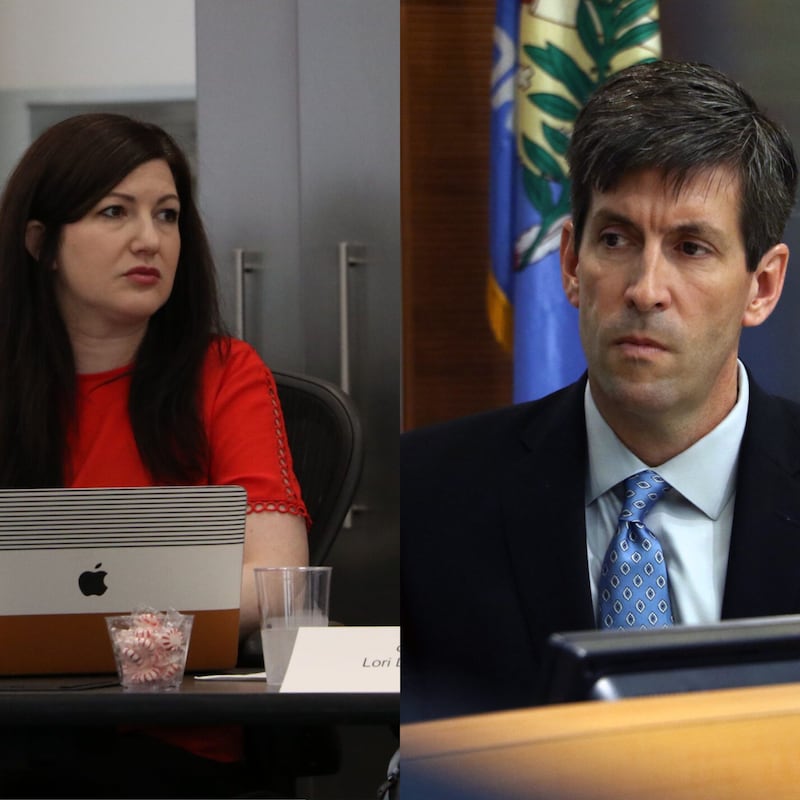
On this episode of Listen Frontier, we’re talking with Tulsa City Councilors Phil Lakin and Laura Bellis about why they supported the moratorium, what questions still need answers, and what it would take for them to feel comfortable moving forward with data center development in Tulsa.
Tulsa District 4 City Councilor Laura Bellis
Dylan: What does the moratorium actually do and what does it not stop?
Laura Bellis: Project Anthem’s Phase One is still moving forward, and potentially Phase Two depending on future approvals. What the moratorium does is create a nine-month pause so our planning office can update how data centers are handled in our zoning code.
Right now, our code treats them like light industrial uses, which assumes they won’t have off-site impacts like noise or vibration. But that’s not what we’re seeing with large-scale, hyperscale data centers. So this pause gives us time to study best practices and update our policies.
During the moratorium, no new permits can be pulled for data centers. The goal is that when it ends, we’ll have clearer rules about where they can go and whether our community has the capacity to support them.
Dylan: Are there limits to what this moratorium can accomplish?
Laura Bellis: This is a good first step, but it’s not a complete solution. Technology, especially AI and data centers, is evolving faster than regulation.
At the city level, we can address land use and zoning, but we really need broader policy at the state and federal levels as well. My hope is that during this time, we can learn from other communities, see what works elsewhere, and start building a more comprehensive approach.
Dylan: What does success look like when the moratorium ends?
Laura Bellis: Success would mean we have clear definitions in our zoning code for different types and sizes of data centers, along with requirements to mitigate impacts.
Ideally, we’d limit where hyperscale data centers can go and have a better understanding of how many our region can realistically support, especially when it comes to water and power. We’ll also have more information from things like the Cherokee Nation’s upcoming study and potential state legislation.
Right now, we just don’t capture the nuance. By the end of this process, we should.
Tulsa District 8 City Councilor Phil Lakin
Dylan: What led you to support the moratorium?
Phil Lakin: I supported it, but really as a way to take time and get policy right. The final version was the result of compromises, and that’s why it passed unanimously.
Our zoning code wasn’t written with data centers in mind, and right now they could potentially be built next to neighborhoods or existing businesses. This gives us time — about 270 days — to fix that.
It also allows projects already in the pipeline to continue, which was an important consideration.
Dylan: How did you balance economic opportunity with community concerns?
Phil Lakin: That was a big part of the discussion. On one hand, data centers bring investment, property tax revenue and franchise fees from electricity use. Those can be meaningful for the city.
On the other hand, there are concerns about water use, power demand and proximity to neighborhoods. For me, the key was balance.
We want to remain open for business, but we also want to be thoughtful about where these projects go. A moratorium gives us time to get that planning right instead of reacting after the fact.
Dylan: What does success look like after the moratorium?
Phil Lakin: The most important thing is getting the zoning code right, clearly defining where data centers can and can’t go.
Beyond that, I think success is having a better public understanding of both the benefits and the downsides. A lot of people focus on one side or the other, but we need to look at the full picture.
We all use data centers every day, whether it’s cloud storage, Google searches or AI. So part of this is helping people understand both the impact and the role they play in our daily lives.