Shownotes
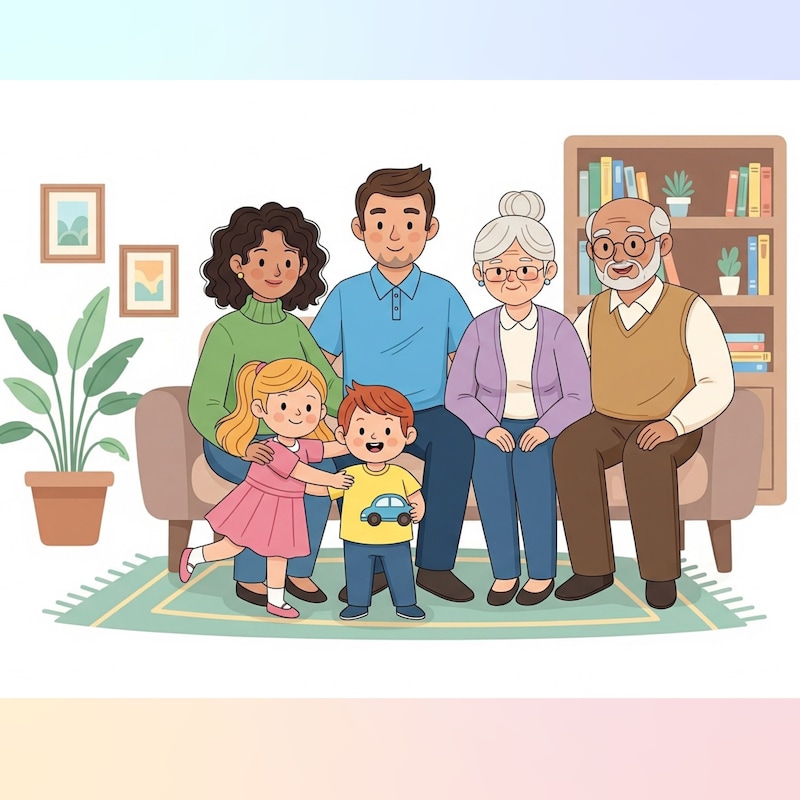
In the latest episode of Insights, host Paul Ellis engages in a heartfelt conversation with Stephanie Terry, the Sales and Marketing Director at Harbor Point Senior Living. Their discussion reveals the profound impact of community and intergenerational relationships in the realm of senior living. Stephanie, a Pacific Northwest native, shares her journey from being an Air Force child to establishing a career dedicated to enriching the lives of seniors.
Stephanie's passion for senior living stems from her own experiences with her grandparents, who inspired her to embrace the values of compassion and community service. As she navigates her role, she emphasizes the importance of understanding the unique needs of seniors and their families, particularly during transitions into senior living communities. This understanding is crucial as it helps bridge the gap between different generations and fosters a sense of belonging.
The conversation also touches on the challenges facing the senior living sector, especially in light of the COVID-19 pandemic. With the baby boomer generation beginning to retire, there is an increasing demand for resources and support systems. Stephanie highlights the need for proactive planning and open conversations among families regarding health, legal documents, and care options.
Throughout the episode, both Paul and Stephanie remind us that investing in what we love extends beyond personal interests; it encompasses the relationships we build and the communities we nurture. By fostering a spirit of connection and understanding, we can create a more inclusive and supportive environment for our seniors.
Tune in to this enlightening episode to gain insights into the world of senior living and discover how you can make a difference in your community!
Additional Notes and resources have been attached below.
Feel free to share this episode with those in your circle who are on a similar path of learning.
We hope our conversations will help you acquire more knowledge, become even more curious about the gifts that are in and all around us, while supporting you to reach new heights as we grow together.
You can subscribe and listen to EWM INSIGHTS on Spotify, Apple Podcasts, Amazon Music, or the Ellis Wealth Management Homepage: https://elliswealthmanagement.net/podcasts/
Above all, through EWM INSIGHTS we want to encourage you to:
INVEST IN WHAT YOU LOVE!®
-----------------------------------
Companies mentioned in this episode:
- Harbor Point Senior Living
https://harborpointseniorliving.com
- Mukilteo Chamber of Commerce
https://mukilteochamber.org
- Steel Magic Northwest
https://steelmagicnorthwest.com
- University of Arizona
https://arizona.edu
- University of Providence
https://uprovidence.edu
Takeaways:
- The podcast emphasizes the importance of investing in areas that resonate with personal passion and values.
- A strong community connection is vital for both personal fulfillment and professional success in senior living.
- The experiences and lessons learned from caring for elderly family members greatly influence one's career trajectory in senior services.
- Intergenerational relationships foster understanding and enrich lives, encouraging engagement across age groups.
- Effective communication and emotional intelligence are essential for success in the field of senior living.
- Proactive planning for health and legal matters is crucial to ensure a smooth transition into senior care.
Transcripts
Welcome to insights. This is Paul Ellis, managing director of Ellis Wealth Management, where we encourage you to invest in what you love.
Ellis Wealth Management is an independent financial services firm focused on planning, advice, coaching and investment management. We are dedicated to the families we serve, and we encourage you to invest in what you love.
Within Insights, we look at ways to make our world richer through focusing on sharing and developing human capital. Well, all right. What a great, great day it is in the beautiful Pacific Northwest. It is a new year. It is.
It's a little wet, though, as is normal for this time of year. Today we have a very special guest. We have Stephanie Terry. She's the sales and marketing director at the Harbor Point Senior Living.
She and I met at a Mukilteo Chamber event. And I have to say this about our community in the greater Mukilteo area.
We love connecting and our members show up to events and they're very engaged. And it was on one of these events that I had the pleasure of meeting Stephanie. I found her personality extremely dynamic.
We sat down and had a conversation that we knew when the schedules would clear that we could sit down and. And share that same conversation with everyone here today. So, Stephanie, thank you so much for joining us today.
Stefanie Terry:Hi. Thanks for having me, Paul.
Paul Ellis:Share with us, if you will, a little bit about your background, where you were born, and I think you were born in the Pacific Northwest, if memory serves me correct.
Stefanie Terry:Yeah.
Paul Ellis:Share with us your background and your path, if you will.
Stefanie Terry:Sure, Absolutely. So I am PNW native. I was born actually on Fairchild Air Force Base over in Spokane.
in Vancouver, Washington, in:So that's been a great journey to come home, as I feel like it's home. I have a Bachelor of Arts degree in journalism and music from the University of Arizona. That's in Tucson.
Got a Bachelor of Arts degree in secondary education from the University of Providence, that's actually in Great Falls, Montana. And I'm an active member of the Moose fraternity. I am a member of the Mukilteo Lions Club. I love what you said about how connected Mukilteo is.
I found that definitely to be true since moving up here, and I love that about the area. I also love being outdoors. I mean, this entire area has been just such a great blessing to us. I never say no to a hike. I Love the national parks.
I love being able to see the parks literally from where I live. It's really awesome. I'm a big advocate for children's literacy, music. I'm a percussionist myself.
I actually perform with a local group here called Mystical Steel, which is a part of Steel Magic Northwest. I am a reader, I'm a writer. I love baseball, of course. Huge Mariners fan, lifelong Mariners fan.
And live here in the Everett Mukilteo area with my husband and my five, almost six year old son here.
Paul Ellis:Wow. Wow. You have been and you are extremely busy.
Stefanie Terry:Yes. A lot going on.
Paul Ellis:Yeah. So you went to the University of Arizona in Tucson and then you went to Montana. Those are two different weather patterns, aren't they?
Stefanie Terry:Yeah, very different. So my dad, when he was in the Air Force, retired in Phoenix, down on Luke Air Force Base and then we just stayed there.
So I went to high school in the greater Phoenix area and then went to college in Tucson. I actually moved from there to Virginia and worked in the D.C. metro area for a couple of years right out of college, and then moved to Montana.
My extended family is all from Montana. So Montana is kind of home based. When I was growing up, that's where my grandparents lived.
So it was just a time of life where they were needing extra assistance and I was single and available and able to kind of make the move back to that area to help them and just be an extra support system for them. And Montana was, I mean, I love it there. It was great.
I went to school, I worked there for, you know, a long time and then got to be with them in their sunset years. So that was really awesome.
Paul Ellis:Wow. So now you are the sales and marketing director of Harbor Point Senior Living.
And I would think that your experience in different places allows you to connect with people whose life paths have all come from different places and the ability for you to be a percussionist, timing, integrating with songs, all of these things are integrated in some way or another. It's true with what you do.
But if you would share with us a little further about what takes place and what do you do as a sales and marketing director for a senior living organization?
Stefanie Terry:Sure.
So the sales and marketing director position, at least in the company I'm working with, with senior living, we're in charge of, well, a lot of different things. We wear a lot of hats. I love the way that you put that.
I think that my diverse experience probably does really help me be able to kind of juggle a lot of things at once.
The, the biggest part of the Job is assisting the seniors and their families with their choices around senior living options and then the transition into senior living if it turns out that a community like ours is the best option for them.
But I also work with community partners like the chamber of commerce, other networking groups in the area, but also resources for seniors and their families to provide information to them and to make those connections and just ultimately to be a resource to the seniors in the area and make sure that we're helping everybody that we can to get whatever it is that they need at that moment in their journey.
Paul Ellis:Well, what influenced you to get into this field?
Stefanie Terry:The short answer is my grandparents. I kind of mentioned that when I talked about Montana.
I mean, I had the privilege of being raised fairly actively with my grandparents and then had the privilege on the back end of that to then care for them in their sense of years. So my grandmother in particular was a big influence. I saw her as I was growing up, give a lot of time volunteering in the community.
She particularly was helpful toward the senior population.
I can remember visiting various friends and people in the area as we were growing up where she made time to go to the grocery store for them and then drop off their groceries, or they needed some help cleaning up at home, or they needed a ride to the doctor's office or those types of service things. She. It was just sort of baked into who she was. So. So growing up and having that example was really big influence.
And then experiencing senior living from the family side of things once my grandparents got to that age, certainly opened my eyes to the possibilities there. And I got to see it done well. I got to see it done not so well. And taking all of that experience together ultimately led me to where I'm at now.
Paul Ellis:When you have a family that allows for the generations to connect on an ongoing basis, it does change your viewpoint of life, doesn't it?
Stefanie Terry:Oh, absolutely. Yeah, I absolutely agree with that. I. I think I almost can't understate or overstate. Let me try that again.
I can't really overstate the influence there and the importance, I think, for different generations to really interact in that way. I think it's. It's hugely important for people to really have a good understanding of where we're coming from and where we're going.
Paul Ellis:You know, there was a movie in the 70s called Logan's Run. Maybe you remember the movie. It was a Sci fi movie.
Stefanie Terry:Yeah, I do remember that. Yeah.
Paul Ellis:Right. And the community lived in a bubble and people lived until the age of 32, 33. And then they no longer lived.
I mean, they went through a process they called Carnival. Carnival, that's it. Carnival. So no one saw anyone actually age.
And the whole story is about a couple that decide to run, get out from underneath the city and to find life outside of this bubble. And in doing so, they meet somebody who's older and how it changes their viewpoint of what life is.
And I think a lot of times people live in their own bubble and they don't recognize that the seniors we see, that's the direction we're going.
Stefanie Terry:Yeah.
Paul Ellis:And there's another movie, the Dead Poet Society, where Robin Williams takes his love that. Isn't that a great movie?
And he takes his class and he has them look at old pictures in a trophy case, and he says, hey, they were all your age one time.
And once again, understanding the connections between the different ages, our stories, our history, and to the degree that we can bring that together, I think it's a healthier society and we can navigate.
We can learn from those who have been down the road a little bit, and we can then apply certain things to our own lives and then we can share with our children, hey, there's something to think about. You know, at 45, falling down is different than at 12.
Stefanie Terry:Right.
Paul Ellis:So I would suggest, you know, that you. That you keep that in mind. And as someone once said, you know, everything you do in life, your body keeps track. And then later it comes back for the.
Comes back with the bill.
Stefanie Terry:That's 100% accurate. Yeah.
Paul Ellis:So. So tell me, when did you know, I mean, did you just apply for this, for a position and you decided, oh, wow, this is interesting.
Or was there a moment in time where you said you were exposed to working with the senior community and you said, hey, this, this is really. This speaks to me.
Stefanie Terry:Yeah, well, it was kind of a. Kind of a combination of both things. We, my now husband and I had moved from Montana. This was after all my grandparents had passed.
We were ready to move forward in our careers. We moved for his job back in Arizona, actually a Lake Havasu City area. And so he was employed. I was looking for employment and I was free.
Freelancing and doing some other things. They're still in the journalism lane. And I came across the listing for a community relations director, which is sales and marketing in senior living.
And I was familiar, like I mentioned, with the family side of senior living, having gone through that experience and placed family members in different senior living communities. But reading the job description, it just, it sounded Like, a lot of fun.
It sounded like it was going to be right up my alley, getting to interact with a lot of different people. It just sounded like a really great opportunity. So I thought, you know, what the heck? I don't have any sales experience, but maybe they'll.
Maybe they'll give me a look. And that's exactly what happened.
The recruiter called me and we had some conversations, but I think the time that I really knew that it was going to be the right fit. I had several phone interviews prior to actually going to the community I was going to be working at.
And then I went to the community to meet the executive director, and that was kind of the final round of the interview process. And as soon as I walked in the door at that particular community, it just felt like home. I realized that sounds a little. Maybe a little.
A little cheesy, but it really did feel like home. I walked in and immediately felt really comfortable. Immediately felt like, this is it. This is the right place.
This is where I'm supposed to be right now. This is what I'm supposed to be doing. So it was really a great kind of right place, right time, all the stars aligned situation.
But I think that was the moment that I knew, was the first time I walked into the community and said, yeah, this is. This is it.
Paul Ellis:Well, sometimes you do know. Sometimes you just walk in and almost feels like you've been there before or that you have. You're fulfilling a calling.
Stefanie Terry:Yes, exactly.
Paul Ellis:Some people say that. The same thing about books. Sometimes you don't select a book. A book selects you.
Stefanie Terry:That's right.
Paul Ellis:So you walk in, you feel like you're at home throughout your career. Has that just been confirmed further or are there times where you think, I don't know, maybe I should have taken a left at Albuquerque?
Stefanie Terry:No, I. I think for the most part, it's been confirmed day in, day out. I love going to work. There's never been a time since I've been in this industry where I woke up and was like, oh, I just don't feel like it today.
It's always a joy to go to work. I get to see so many different people, and you never really know what's going to happen.
Every day, you know, you have a plan, but then everything is thrown out the window. You know, by lunchtime, everything looks different. Different than you thought it was going to look. But I like that. I like that excitement.
I like that challenge. And it. It all revolves around people. And so that really is something that energizes me. It's something I really enjoy.
So it's really been, overall, a good fit. I would say the days that are the hardest are, you know, being the industry that we're in.
Unfortunately, we save for wealth to a lot of people, and that can be tough. You get to know the people that are living in your community. You. They're almost like an extension of your family.
You know, these are people that you talk to every day, that you see every single day. Sometimes more than your own family or sometimes more than their families.
Paul Ellis:Right.
Stefanie Terry:And then when that loss comes, that can be really difficult to navigate. And being in it for as long as I have now, there are ways to. To grieve and ways to cope.
And I think the biggest takeaway for me has just been to give myself the time to feel those feelings and process them and be thankful that I had a chance to be part of that person's story and that they were a part of mine, too.
Paul Ellis:So you really do have a passion.
Stefanie Terry:For people, I would say. Yeah. Yeah, that's. That's probably my biggest love in life, is just people.
Paul Ellis:And I think you shared with me that one of the benefits or one of the rewards for working with the people that you work with is that you feel it's a privilege to be there at that moment for them while they're living there, and that you have an opportunity to be a small part of their. Their story or their lives. Is that correct? Did I have that correct?
Stefanie Terry:Yeah. Yep, that's exactly right.
Paul Ellis:Well, that comes from somewhere, and it's probably the biggest influence on your life. And so who. Who would that be? Who. Who or whom would that. With those people be?
Stefanie Terry:Yeah, so I kind of talked about that before with my grandparents just being hugely influential, all of them, but particularly my grand. My maternal grandmother, Grandma Bev, and I could talk all day about her influence and our story together.
Basically, I just couldn't imagine who I would be or what I would be doing if she hadn't been such a big part of my life. Life. Watching her example growing up, she was just the most genuine person. She was just unapologetically herself. And she was musically talented.
She was intelligent, she was hilarious, but she was a person, you know, she was a whole person. She made mistakes. She, you know, took missteps.
There were things that weren't perfect about her life, but she just embraced all of it, and she really embraced family. I mean, the. The sense of. The love of people definitely came from her. Her family was the number one thing in her life.
And that's both in the sense of the actual blood related family and then the family that you choose to.
That's kind of where that concept started for me, was watching her love for all of her friends, for all of the people she was volunteering with and for and working with and for. And just how she just extended that love to everybody, extended that great joyful thing that she was and that she had to everybody.
She did not discriminate. She did not have any conditions. It was just sharing herself with the world. And it was just really awesome to see that.
Paul Ellis:That's beautiful. I mean, it appears that she was somebody who was fully active in her world, fully active in her family.
And the more that she poured into her family, the more basically you got out of it as well.
Stefanie Terry:Yeah, yeah, yeah. There are a lot of takeaways. I mean, like I said, I could talk all day about it. There's just so many life lessons.
Just so much of my entire life structure was built on watching her and just having her example and even doing the work that I'm doing now. In a lot of ways it feels like a continuation of her life's work. And it's really been an honor to do that.
Paul Ellis:That's awesome. That is. That is terrific.
Carrying that baton not out of duty as if it's being imposed upon you, but it's a continuation of the things that you loved growing up and that you were able to see modeled. You get to do on a daily basis. And that's probably prepared you terrifically.
Now, there's other things that you probably wish you would have known before you got started. What are some of those things?
Stefanie Terry:Yeah, well, I mean, I think I transitioned from a couple different career paths.
And so whenever that happens, I think for anybody, regardless of what your career coming from, are going to, there's always that learning curve and that period of transition. Right. For senior living in particular, I mean, I came in and I didn't really understand the medical side of things.
I mean, I would say that was probably the biggest learning curve for me, understanding from my own perspective the importance of health and then again watching my grandparents age. But it's different when you start talking about the minutia and the details.
You know, when someone moves into a senior living situation, a lot of that is based on medical diagnoses or medical problems or needs or support systems that they need to continue to have a really good, fulfilling chapter of their life. Right.
And when I started, I can remember sitting down with my first executive director and she was talking to me about Some of the state regulations, which is a whole other layer of the onion that is senior living, too.
And just trying to help me understand some of the rules that we have to abide by, some of the things that would disqualify or qualify somebody from living in the community and so on. And she was talking about some of the medical things, and there were so many acronyms. And as a journalist, acronyms are a.
No, no, you don't use them ever. There's very specific cases like NASA and FBI, where it's okay, but otherwise you spend. Spell it out. You never use them.
And she was throwing all these things out there, and it was like she was speaking a whole other language. And she got done talking about whatever the specific thing was.
And I said, you know, Steph, I'm really sorry, but you're gonna have to repeat all of this, because I didn't understand anything. You just. And she kind of laughed and she was like, I forget that you're coming from. Not medical background. And so she kind of.
She took the time to explain it all, which I'm really grateful for, because that was really overwhelming when I was starting out with just trying to get a handle on the different medical things and what it's called. And what does that mean in the context of what I was working with. And just in general, too.
I have learned a lot on the medical side since starting for sure.
Paul Ellis:You know, a friend of mine one time said, you know, as we age, we're the same. It's just the equipment changes.
Stefanie Terry:Yes, that's right. I can confirm that. Is that it's fairly accurate? Yes.
Paul Ellis:Oh, well, you mentioned the state. Having to deal with the state is a different experience. But there's also changes that are going on in.
Not only with the state, but in our own personal lives and in communities and family, how families are working today. What are some of the biggest challenges you see on the horizon for the senior community and working with the senior community?
Stefanie Terry:Yeah, So I think there's potentially a lot of challenges.
And, you know, I would be remiss not to mention that the whole Covid situation that we all just have lived through really changed the landscape of a lot of different industries. But senior living was hit fairly hard during that time. And so some of those changes, I think we're still going to be feeling the effects of that.
And of course, that wasn't something that anybody saw coming. So who knows? Hopefully we don't have to go through something on that scale again. But it's just so hard to know what's coming.
I think that we're seeing an influx of need already for assistance. We're starting to see the beginning of the boomer generation retiring.
And of course, that being a very large segment of the population, I think that could present challenges as far as just having available resources even to make sure that we can be ready to assist those people that are going to be retiring and needing that kind of assistance.
I also think that just in a general societal sense, we are seeing an uptick in disease and in sickness and like you said earlier, our bodies keep poor.
And so the things that we're seeing in the younger generation right now, where people are getting sicker sooner, they're getting major diagnoses sooner, we're seeing the life expectancy go down, I think that's going to create some potential challenges too, because that also means not only are we going to need to find space for people, but we're also going to have an increased need for higher acuity care. So more assistance is going to be needed. I think as we go forward. And right now in healthcare in general, there's staffing shortages.
I mean, we're all reading about that kind of thing all the time, industry wide.
And that being a trend, combined with what we're seeing health wise, combined with just the, the sheer number of people who are going to be retiring, who are going to be needing services, I think that we are going to need to be a little more proactive and a little more ahead of that curve to be ready for that.
Paul Ellis:I think you're correct. I think that we're going to have to have more of. Maybe not a national discussion. Everybody wants to have a discussion, but nothing ever gets done.
That's kind of a waste of time.
I think we're going to have to come to an agreement and decisions as a nation, as communities on how we're going to expand care, what that care is going to look like.
And again, like you pointed out, maybe recognizing care not necessarily needing to begin at a particular age, maybe the bandwidth for care needs to be expanded and maybe our definition needs to be expanded as well. What do you think about that?
Stefanie Terry:I think that's right on. I think that as we kind of progress toward all of these things, there's going to have to be some changes, there's going to have to be adjustments.
And that's what you can always count on, right, is changes in the world. And we just, we have to be ready to roll with whatever that looks like.
And I think that individually speaking, as prepared as people can be, earlier is great thing, but I think that being involved as a family and having conversations earlier rather than later, as far as health concerns and as far as having legal documents in place and all those kinds of things, I mean, that's all going to help as we kind of head towards that direction.
Paul Ellis:Well, I agree.
That is one thing that we do in our practice, spending quite a bit of time encouraging people to make sure that those four corner documents, as we call them, are addressed. The will, the health directive, the power of attorney, maybe the living trust.
Having conversations about who, what, where and when is really, really important. Yeah, we just.
Stefanie Terry:I think that was. Sorry.
Paul Ellis:No, go right ahead, please.
Stefanie Terry:I was going to say, I think that was something that also surprised me when I, when I kind of got started in the industry was how many people did have those documents and not only didn't have them, but didn't even know what they were necessarily.
And if you're waiting until you're at the point of needing placement somewhere for assistance, I mean, you're almost too late at that point as you age to get those things in place. So it really surprised me how many people just didn't have them or didn't even know where to start with them.
That's something now that I have recommended to families that I work with all the time. It's one of the first questions I ask, do they have that in place and if they don't recommending that. That. That happens yesterday happens right now?
Paul Ellis:Yes, yes. Well, it's kind of like when people have cars and they've had the car for a while.
They like their car, they like their vehicle, and then they want to upgrade the stereo in the car.
All right, they want to upgrade, they want to do some upgrades and they may buy some additional accessories to make the car more personalized, but they don't want to change the oil, they don't want to look at the, you know, these things called timing belts and, you know, other cars had spark plugs and, you know, and they're really excited about what they've added on the inside of the car. But not having these other things checked or taken care of is going to create more problems than a new stereo will ever fix.
Stefanie Terry:Yeah, right, right, right. Yeah. Probably better to do the maintenance than to have it run, run out on itself.
Paul Ellis:Right, exactly, exactly. So now you have a number of skills, from music to being involved in different groups, and you have a plethora of experience.
But what are some unique skills that, that you have noticed has helped you become very successful in what you do.
Stefanie Terry:I think there are a lot of sort of soft skills that I've come to over the course of my career. Being in just different industries and getting to work with a lot of different people.
I would say the biggest thing for me that I've really relied on has just being very naturally extroverted. Realize that's not really a skill, it's just kind of my personality. But I don't get tired of people. People charge me up.
I could see where somebody who was on the opposite end of that spectrum would have challenges in a role like this. Because you just have to be prepared to deal with people all day, every day in a lot of different scenarios.
Sometimes it's really happy interactions and it's really positive and sometimes you're having really hard conversations with family or having to ask really personal questions. And so as far as people skills, being extroverted really helps because I'm not shy about talking to people.
I don't get anxious about talking to people. I enjoy asking questions. That's probably what led me to journalism. Honestly, I'm nosy and I like to know things about people.
I just, I think people are awesome and interesting and everybody has something unique to them and I want to know what that thing is for people.
So being willing to have those types of conversations and ask those questions and not being worried about public speaking or you know, speaking to groups or answering questions to the best of my ability, feeling confident in those skills, those are just things that have become really important in this type of role. And being organized and being process minded, all that stuff helps as well. For sure.
There's a lot of, you know, going back to the state regulations and state of that. I mean it's just a lot to keep track of. It's a lot of moving pieces.
So having that organized personality type, I don't want to say ocd, but maybe a touch of that certainly helps.
But I think that just the people skills, the emotional intelligence, the being able to tease out humor and tease out joy and tease out information from people just kind of naturally that has really, really helped as I've been moving through this career path.
Paul Ellis:And is that added to anything that you've learned in particular those skill set?
Stefanie Terry:I think that, yeah, I mean it just again, I, I've learned that people are just awesome. I mean that's, that's the takeaway. Some people are difficult. We, we all deal with family dynamics.
Some of us know what that looks like from our own families. But it's been, it's just been really Great to have a better understanding of like the common human experience, the common humanity.
I think you mentioned something about that earlier too where you know, we're all the same. We just. Our equipment changes a bit as we age. And I think that's really true. Everything is so interwoven.
I think more than people really stop and realize on a day to day basis. But working with a variety of people, there are still so many common threads. And that's everybody.
That's the seniors, that's the families, that's my own co workers and teammates and folks in the community like yourself that I've gotten to meet and hang out with and get to know.
And it's just really eye opening to be able to see all of those different perspectives and all the different age groups and all the different backgrounds that there's always overlap.
Paul Ellis:Right.
Stefanie Terry:And I mean ultimately at the end of the day, I feel like everybody just wants to be seen and have someone that knows who we are and know that what you're doing has value.
Paul Ellis:Yes.
Stefanie Terry:And having patience with, with each other and love for each other is just so paramount in everything in life. At the end. Those are the things that rise to the surface.
That's the cream that comes up is just the, the people, relationships, the love that you have for the people around you and the love that you have for life. That's. That's the end goal. That's the thing.
Paul Ellis:That's what made the movie or the TV show Cheers a hit for years.
Stefanie Terry:Yes.
Paul Ellis:You go and people would know your name and you're understood. And there's different little types. Right? There's different little types. How can people be involved? Because we've been talking about the value of.
In an integrated society of young and old with the sandwich generation in the middle, we've been talking about that arc and it's important to have interaction across that arc. So how can we as a community be better involved?
Are there volunteer opportunities where or maybe that you have some suggestions for just within families to say, hey, nuggets that I've come across that really make a difference in having smooth transitions maybe into a community, maybe not in a community. But these things definitely make life smoother.
Stefanie Terry:Yeah. So I think there's a lot of different layers there. Again, you just kind of start with yourself and work your way out in the circle. Right. So.
So on an individual basis as far as practical things that it's never too early to start thinking about things like your health. It's a lot of buzzwords right now around health and around eating a good diet and what does that look like for people? Right.
But I mean really move your body. Eat as well as you can. Make those doctor's appointments.
Don't ignore things that are coming up when you're younger because things that seem really minor will show up again as you age. And I think it's the same with mental health and emotional health.
Making time for rest, making space for family relationships and friend relationships, all of those things are just so important and they only get more important as we age. Your body keeps score like we said earlier. It really, really does.
As far as family relationships, not being afraid to have conversations about mom, do you have a power of attorney in place? Do you have a living will? What are your wishes as we go forward?
Being kind of proactive in helping family members understand options or helping them find options. If you don't know what the options are.
Just being willing to research and willing to reach out to people to get that information sooner rather than later. Don't wait till it's an emergency, don't wait until it's urgent. You can have that information in your back pocket now.
There's so many great people in the industry that love to help people and would love to offer all of that information, all of those resources. And as far as a community, I think that volunteerism is the number one thing.
It's hard because so many of us live our lives online now and with AI and some of the other technology. I mean, I think we're going to see more of that before we kind of turn back the other direction.
But I would just encourage people to get out and interact with with people. Don't just interact on your phone, but get out and interact with people.
And that can look different for every person because everybody has different interests and different time availability and different things.
But everybody has the ability to do something and just being able to get out in person and be around other people and be that support network for them. You're also gaining that support network for you.
You're assisting with sort of that well roundedness that you mentioned with having that intergenerational information. Don't be scared to talk to people that aren't your same age, that aren't in your peer group.
One of my best friends is 30 years older than me and that has been such a rich and wonderful relationship. Just gaining that extra experience that I am getting 30 more years of experience than I have myself by maintaining this just awesome friendship.
And I think the same thing can be said of talking to younger people. Don't be afraid of the generation just because they're using phrases that maybe you don't understand. Don't be afraid to ask.
People are really open to answering questions. I think people are open to, again, being seen. Ultimately, all of us just want to be seen, and we want to be understood.
So don't be afraid to talk to the people around you.
Don't be afraid to put yourself in a volunteer situation, whatever that looks like in your realm, that will put you in front of other people that maybe you don't normally interact with. And what can you take away from that? What kind of education can come from that? Experience. Experience.
Because I think that can be really rich and it can really help everybody top to bottom.
Paul Ellis:That is excellent. And I think our community, at least in the Mukilteo community, we do a really good job of connecting. But there's other opportunities. There's.
There's more we can do and there's more we can learn.
Stefanie Terry:Yeah.
Paul Ellis:And there's. And there's more. And there's more we can receive.
Stefanie Terry:Absolutely. Yeah. I know. From the perspective of our communities, specifically, we love volunteers. We have folks that come in and teach art classes.
We have musicians that come in and volunteer time to play.
We've got students from the school, which is just right up the road from where our community is located, and they've got different service clubs and organizations that will regularly make time to come over and interact with the residents, whether that's doing some kind of art activity or we're getting ready to do a big reading literacy push here this next year with a couple of groups. We've got the library right next door. They come over frequently.
It's just, we love that not everybody in the senior living community is able to get out as much as maybe they're used to or would like to. So having volunteers from all different walks of life be able to come in and just talk to people even. It's so valuable.
It's so valuable to our residents. And I think, and I hope that our volunteers get a lot out of that, too.
Paul Ellis:I'm sure they do. I'm sure they do. Well, Stephanie, thank you very much.
I want to thank you for your time today, your insight, opening up, sharing your story, and we'll need to have you back on again so that we can kind of delve into some additional areas. This is an issue that families are continuing to deal with on a continual basis.
And the more information that we can share, the better it is for everyone as we honor human capital. So I want to thank you very, very much.
Stefanie Terry:Thank you, Paul. I really appreciate the chance to come and have these discussions. And, yeah, my door is always open. I love it. Thank you.
Paul Ellis:Thank you for listening. And until next time, this is Paul Ellis reminding you to invest in what you love.



