Shownotes
Episode 16 – Why Most Business Owners Don’t Trust Their Financial Reports
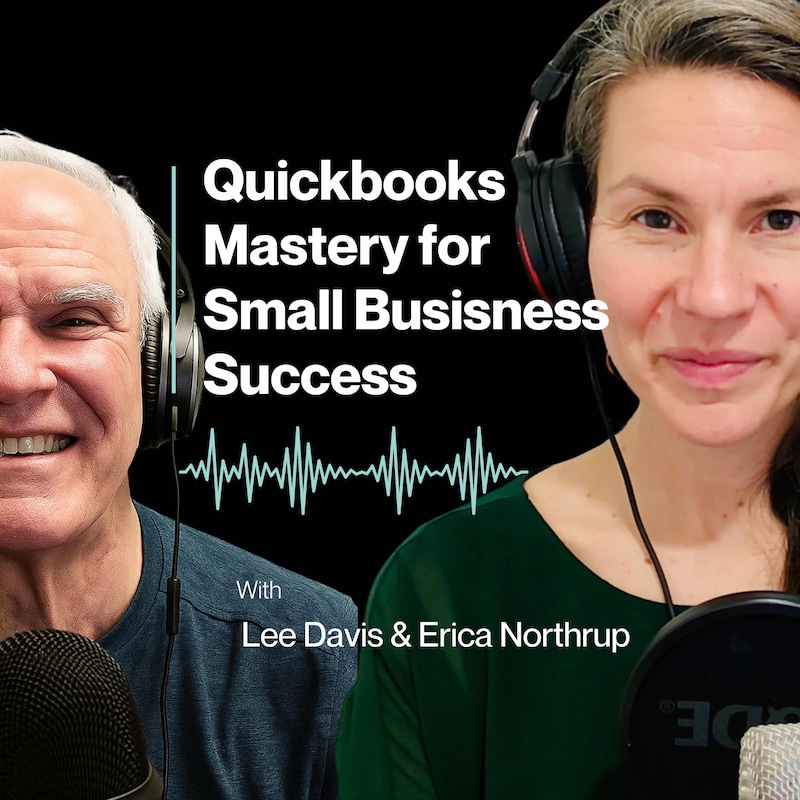
In this episode of QuickBooks Mastery for Small Business Success, father-daughter team Erica Northrup and Lee Davis tackle something they hear constantly: most business owners don’t truly trust their financial reports.
They look at the numbers… and second-guess them. Ignore them. Or hope they’re right.
Erica and Lee break down why this happens, what it costs you in confidence and decision-making, and how “guess mode” shows up in real businesses—especially when owners rely on their bank balance instead of reports. You’ll also hear what changes when your reports become something you understand and believe: calmer leadership, better sleep, and clearer growth decisions.
To help you take the next step, Erica shares a brand-new free resource: the QuickBooks Clarity Scorecard, a fast self-assessment to see whether your numbers are truly decision-ready or just “good enough.”
Key Takeaways
- Most owners only look at a few basic reports—and often avoid the balance sheet entirely.
- Lack of trust usually comes from overwhelm, lack of training, past errors, and fear of what’s “behind the curtain.”
- When you don’t trust your numbers, it impacts confidence, creates stress, and pushes you into reactive decision-making.
- “Guess mode” leads to delayed choices, surprises, and decisions based on assumptions instead of data.
- Real clarity brings empowerment—so you can lead, plan, and make decisions without relying on someone else to interpret your business.
Questions to Reflect On
- Do I trust my Profit & Loss and Balance Sheet enough to make decisions from them?
- Where am I operating in “guess mode” (cash flow, pricing, hiring, growth)?
- What report would answer the biggest business question I have right now?
Mentioned in This Episode
Download your Free QuickBooks Clarity Scorecard
Send Us Your Questions:
Timestamps
00:00:54 – Episode 16 topic: why owners don’t trust their reports
00:02:02 – What owners actually look at (P&L only, avoid balance sheet)
00:03:36 – Saved reports + simple monthly review habit (“push a button”)
00:04:30 – Why trust is missing: “behind the curtain” + avoidance
00:06:27 – Confidence impact: how this affects you as a business owner
00:08:20 – Decision-making breakdown: you delay decisions (“kick the can”)
00:14:15 – QuickBooks Clarity Scorecard: what it is + next step
Call to Action
If you enjoyed this episode, hit subscribe and stay connected with us at leedavisandcompany.com.
Download the free QuickBooks Clarity Scorecard here:
Download your Free QuickBooks Clarity Scorecard
Have a QuickBooks question? Send it to [email protected] — your question may be featured in a future episode.
Transcripts
Welcome to QuickBooks mastery for small Business Success.
Speaker A:I'm Erica Northrup.
Speaker B:And I'm Lee Davis.
Speaker A:I handle the tech and he handles the numbers.
Speaker A:And together as a father daughter team, we bring decades of experience helping small to medium sized businesses thrive.
Speaker B:We know that as a business owner, your time is best spent mastering your craft and growing your business, not getting lost in QuickBooks.
Speaker B:Managing finances can be confusing and you don't have hours to waste sorting through spreadsheets or fixing bookkeeping mistakes.
Speaker B:That's where we come in, helping you streamline QuickBooks so you can focus on building your business.
Speaker A:Each week we break it all down into simple, actionable steps so you can focus on growing your business, not fixing your books.
Speaker B:Let's embark on this journey together.
Speaker A:Welcome back.
Speaker A:This is episode 16 and today we're talking about something we hear often, all the time, even if people don't always say it out loud.
Speaker A:Why most business owners don't trust their financial reports.
Speaker A:A lot of business owners don't really trust their financial reports.
Speaker A:They look at them and then they second guess them or they ignore them, or they hope they're right.
Speaker A:And that has a much bigger impact than most people realize.
Speaker A:Okay, Papa, so we're just going to dive right into it.
Speaker A:So let's start with being honest about what this usually looks like in real life.
Speaker A:When you ask clients about their reports, how confident are they usually and what
Speaker B:they're seeing in reality?
Speaker B:Clients will use the basic reports.
Speaker A:Right.
Speaker B:And furthermore, they won't even use those to the extent where they should.
Speaker B:They'll pick out certain numbers and they'll question those.
Speaker A:Yeah.
Speaker B:And say that this wasn't categorized correctly or what's this number?
Speaker B:Or how come this is so much.
Speaker B:And compared to last year?
Speaker B:I think all they want to look at, if they want to look at that, you know, is the profit and loss.
Speaker B:And they might wander over to the balance sheet, but not usually because they're afraid of them.
Speaker B:They're afraid of the balance sheet.
Speaker B:They're not sure what all those numbers are, but I think they just don't have the desire to use them because there are so many other reports that can help them solve some business problems.
Speaker B:And QuickBooks has a whole host of reports.
Speaker A:Right.
Speaker B:So many under the products and services, you can pull out numbers that can help you look at a particular product you're selling and drill down.
Speaker B:Or there's a particular setup that's not done right in QuickBooks because you haven't used it, that you could turn on that, oh, wow, I didn't know it could do this.
Speaker B:So I really do think that they're not aware and believe me, because they're not interested in the reports they may want to expect, perhaps their business partner or their, their wife or their husband.
Speaker A:Right, Right.
Speaker A:Somebody else handles that.
Speaker B:Somebody else.
Speaker B:When it could very easily be in small pieces.
Speaker B:Because if you look at reports and to say, okay, what is my business problem?
Speaker B:And then you say, all right, here, you can solve this business problem by looking at it a number of ways through QuickBooks.
Speaker B:And there's more than one way to skin that cat so you don't feel like you don't understand it.
Speaker A:Right.
Speaker B:Lots of times people don't realize that we can create a report and we can save it and then they can just push a button and that report shows up right away for them with every month with new game.
Speaker B:Okay.
Speaker B:And I didn't know we could do that.
Speaker B:Oh yeah, we can do that.
Speaker B:But we have to invest time and if we have created that report for you, then we can save it in your saved reports.
Speaker B:And so just spending a little time each month or every two months looking at your business and understanding what reports would be helpful to you.
Speaker B:Just start asking yourself, what problem or what question do I have that would help me make a better informed decision?
Speaker B:Or maybe you say, I don't know, let me just start with the profit and loss and compare it to the previous year.
Speaker B:That's always a great place to start, right?
Speaker A:Absolutely.
Speaker A:Yeah.
Speaker A:Just to say it sounds like there's a lot of avoidance patterns going off.
Speaker A:So if so many people feel unsure, there has to be a reason for that.
Speaker A:Papa, why do you think business owners struggle to trust their own numbers?
Speaker B:Well, because they may not like what's underneath.
Speaker B:It's like what's behind the curtain.
Speaker A:Right.
Speaker B:Do I want to know it?
Speaker B:Because it's going to create some stress and I might have to make a decision.
Speaker B:Maybe I don't want to.
Speaker B:It's avoidance.
Speaker B:It may come down to just avoiding making a change.
Speaker B:Or I know I, I need to do this.
Speaker B:Right, but I don't want to.
Speaker A:Right.
Speaker A:They don't have the training.
Speaker A:They feel overwhelmed.
Speaker A:There's no explanation.
Speaker A:Conflicting information.
Speaker A:They're hearing something over here, but they hear something different over.
Speaker A:Can lead to a lot of confusion, total confusion.
Speaker B:I think there are people in the trades who say, I was able to get a million dollar loan or I got a $200,000 loan.
Speaker B:And they seem to throw these business decisions that they were able to accomplish.
Speaker B:And somebody may look at it and Say, why can't I get a loan like that?
Speaker B:What's wrong with me?
Speaker B:What's wrong with my business?
Speaker A:They did it, so why can't I do it?
Speaker B:You need to just go get it, okay?
Speaker B:You need to help me go get that loan.
Speaker B:Well, wait a minute.
Speaker B:First of all, I don't know anything about how you're.
Speaker A:Joe Smoke.
Speaker B:Yeah, Joe.
Speaker B:He got that loan.
Speaker A:Mr. Joe.
Speaker B:And yeah, we could certainly look at that decision tree.
Speaker B:But just because somebody, another roofer Sundays, I do 56 roofs a year and make X amount of money and I bring home, we'll stop right there.
Speaker B:Comparative shopping or comparative businesses to somebody else is not necessarily going to benefit you.
Speaker B:It's only going to cause you to chase the rabbits because you don't know about their business underneath.
Speaker B:You may not even know about your business underneath.
Speaker A:Have you opened the lately when you don't trust your numbers.
Speaker A:This is what we're talking about.
Speaker A:When you don't trust your numbers, it doesn't just stay in QuickBooks.
Speaker A:How does this lack of trust affect people's confidence as business owners?
Speaker B:I think at the end of the day, I see some of my clients who, who.
Speaker B:They just want to take care of their family and they want to raise their children.
Speaker B:They want to know their business is going to do well to protect them in the future.
Speaker B:And with a lot of unknowns with small businesses these days, you need to have trust in where you're going.
Speaker A:Right.
Speaker B:And the road you're on.
Speaker A:Right.
Speaker B:Because if you've got flat tires every place you look, you're not going to feel good about going back and starting that car or getting that car to go because another flat tire, somebody else complained.
Speaker B:But whatever it is, and you need to know that you can make some changes and you experience the benefit of those changes right away, right?
Speaker A:Absolutely.
Speaker A:And I've heard it said, the way you do one thing is the way you do all things.
Speaker A:Right.
Speaker A:So if you're treating your QuickBooks like this, you're probably treating other aspects of your business very similarly.
Speaker A:Taking things head on is massive.
Speaker A:Absolutely massive, I would say.
Speaker B:Erica, there are some people who have strengths in certain areas.
Speaker B:Of course, some of my clients like my wild guy.
Speaker B:Very personable, you know, they like him.
Speaker A:Yeah, he's very likable.
Speaker B:But when he sends his bill out four months later, they don't like it then.
Speaker A:No, definitely not.
Speaker B:He may not get paid.
Speaker B:And so I believe you need to play to your strengths and grow in other areas where you can feel comfortable.
Speaker A:Right.
Speaker A:You know, and I'M sure that confidence gap shows up in decisions.
Speaker A:Right.
Speaker A:What happens to decision making when people don't trust their reports?
Speaker B:Absolutely.
Speaker A:So what happens, Papa, to decision making when you don't trust your reports?
Speaker A:What happens to decision making?
Speaker B:What happens is you don't make it.
Speaker B:You choose not to make your decision and you just kick the can down the road.
Speaker B:If anybody can talk about a decision that they wish they had made a year ago, five years ago.
Speaker A:Right.
Speaker B:That all of a sudden they're hit in the face with it and they
Speaker A:finally make it and they're like, why didn't I do this sooner?
Speaker B:And Erica, I know we've said this on our podcast before, but if I had a dollar for every time somebody said, lee, I wish we had hired you sooner.
Speaker A:Right?
Speaker A:Yeah.
Speaker B:Because of the financial decisions they made.
Speaker B:Not all of them, but a fair amount could have been avoided.
Speaker A:Yeah.
Speaker A:I could have saved them a lot in the long run.
Speaker B:Yes.
Speaker B:Yeah.
Speaker A:Yes, absolutely.
Speaker A:A lot of people end up running their businesses on gut feelings instead of data.
Speaker A:I've definitely heard that said before.
Speaker A:What does guest mode look like in real businesses?
Speaker B:Well, they can guess the fact that everything's being done right.
Speaker B:It might.
Speaker B:Or not even done right.
Speaker B:They can guess that it might be getting done right.
Speaker B:And.
Speaker B:Or they can guess that they're going to get that loan.
Speaker A:Right.
Speaker B:Are they going to get that loan?
Speaker B:Or they might guess that maybe the interest rate would be X amount.
Speaker A:Right.
Speaker B:Or they could guess about their credit.
Speaker B:Or they could guess a lot of the decisions that they think are correct.
Speaker B:Not even close, not accurate.
Speaker A:And I guess there'd be a lot of surprises and not the good kind of surprises.
Speaker B:I think you have to decide what is it that you could make a decision about?
Speaker B:That you would feel good and that somebody would look at that and say, yes, you know what, you're in good shape here.
Speaker A:Yeah.
Speaker A:Yes, absolutely.
Speaker A:So let's talk about what changes when people finally do trust their numbers?
Speaker A:What shifts?
Speaker A:What's different when someone actually understands and
Speaker B:believes their reports, they're empowered to make good choices in the decision making process.
Speaker B:And they can sleep better at night.
Speaker A:Yes.
Speaker B:Because they know that when they wake up the next morning, they didn't toss and turn all night thinking, oh, you know what?
Speaker B:I'm not sure.
Speaker B:I don't know what to do.
Speaker B:I don't know where to turn.
Speaker B:I think I better call my accountant.
Speaker B:I better call somebody.
Speaker A:They're not worried about the bills they're having to pay because they know the money's going to be there.
Speaker A:They're not worried about tax season because they've already done all the right reports and everything has come out the way that it should.
Speaker B:Well, QuickBooks has a helpline for people.
Speaker B:And if you're not clients of ours, you spend hours on hold trying to get through, only to be told that they can't help you with that.
Speaker A:Yeah.
Speaker B:Don't expect the QuickBooks helpline to be very helpful.
Speaker A:Your answer, I guess this comes down to you have an ownership mindset, right.
Speaker A:When you actually believe in things, you're actually taking ownership of your business.
Speaker A:You're taking it by the horns, and you're saying, okay, I'm going to show up in this, I'm going to fight this bull, I'm going to win.
Speaker B:And usually, Erica, once you have that ownership mentality and you take something where you were afraid of and you grab a hold of it, all of a sudden you realize, hey, it wasn't that bad.
Speaker A:No, that is only how it goes.
Speaker B:I mean, and the outcome is you have less stress.
Speaker A:Absolutely.
Speaker A:This is why this matters so much more than just bookkeeping.
Speaker A:Why is financial clarity really about empowerment, not just compliance?
Speaker B:I. I guess when you look for the simple answer to that is you can check all the boxes.
Speaker B:You can say, I've done this, I've done this, I've done this, I've done this.
Speaker B:But if the end result isn't getting you to a good, responsible decision, all the boxes checked don't help you, they
Speaker A:do not help you.
Speaker B:And if you find that you feel confident, people can be compliant, they can check all the boxes, fill out the forms.
Speaker B:But if some of the basics aren't done, that led them to feel like they can have more control.
Speaker B:They don't need to rely on the banker to interpret their numbers.
Speaker B:If they show forth leadership.
Speaker A:Yes.
Speaker A:Yeah, absolutely.
Speaker A:They have vision, they're actually looking forward, and it just creates freedom in their businesses.
Speaker A:Yeah, Yeah, I love that.
Speaker A:I read this book called the Slight Edge.
Speaker A:And what I took away from that book is the simple concept that, you know, we're all usually living in mediocrity because no one wants to fail.
Speaker A:So the minute you kind of reach the middle ground, you start nosediving.
Speaker A:Usually stop doing the little things that got you to just good enough.
Speaker A:But what we don't realize, the same things that got you to just good enough are the same things that are gonna get you to exceptional.
Speaker A:It's just being willing to do the little things long enough to actually get there.
Speaker B:Yeah.
Speaker B:I think in our training company, Erica, we put out what I would consider some good courses.
Speaker B:What's really valuable about our TR company that way is that we're always looking to find out what did people learn.
Speaker B:The Will Forum is what did I learn basically.
Speaker B:And that helps us be able to guide their training and to make sure they're prepared.
Speaker B:Because at the end of the day, we want our training program to be exceptional, right?
Speaker A:Top notch.
Speaker A:Absolutely.
Speaker A:And this is exactly why we're opening something soon for business owners who want to trust the their numbers, not just see reports, but understand them.
Speaker A:Not just hope they're right, but know they are.
Speaker A:Over the next few weeks, we're going to keep showing you what that kind of clarity actually looks like.
Speaker A:And actually we just launched something to help with exactly this.
Speaker A:It's called the QuickBooks Clarity Scorecard.
Speaker A:It's a simple, fast self assessment that shows you whether your numbers are truly decision ready or just good enough.
Speaker A:In a few minutes you'll see where your QuickBooks stands and what needs attention next.
Speaker A:You can grab it for free on our website at leedavis and company.com or you can check the show notes and find it there.
Speaker B:So if you're ready to feel confident in your business again, make sure you're subscribed.
Speaker A:You won't want to miss what's coming next.
Speaker A:Thanks for tuning in to QuickBooks mastery for small Business Success.
Speaker B:If you enjoyed this episode, hit subscribe and stay connected with [email protected] we know
Speaker A:QuickBooks can be overwhelming, so we've put together a free resource to help you get started right away.
Speaker A:Grab your [email protected] and when you do, you'll also get access to our VIP email list where we share exclusive QuickBooks tips, business strategies and support, and we'd
Speaker B:love to hear from you.
Speaker B:If you have a QuickBooks question or a business challenge, send it our [email protected] we might feature it in a future episode.
Speaker A:We're here to help you simplify QuickBooks and grow your business one step at a time.
Speaker A:See you next time.




