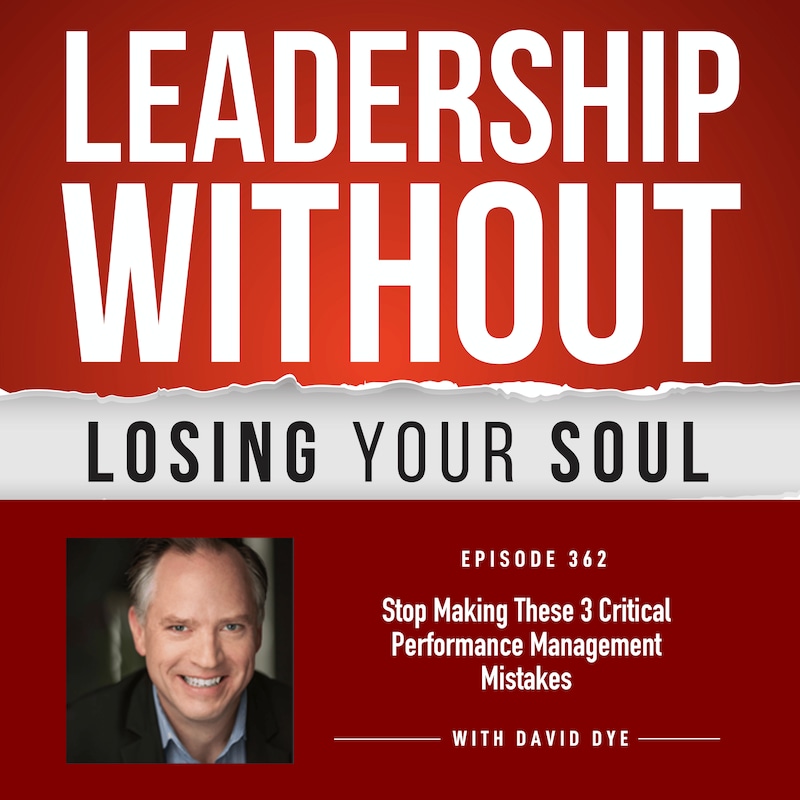
Is your approach to performance management improving results or creating more frustration, wasted energy, and unnecessary drama?
Strong performance management is about much more than annual evaluations or stepping in when something goes wrong. When expectations are unclear, feedback comes too late, or accountability rests solely with managers, your team may struggle despite everyone’s best intentions. In this episode, you’ll learn the three common mistakes that undermine performance and how to replace them with practical, human-centered leadership habits that help everyone succeed.
You’ll discover how to:
- Make feedback an ongoing conversation so annual evaluations never contain unwelcome surprises.
- Establish clear outcomes, priorities, and expectations that give every team member a strong foundation for success.
- Create shared accountability across managers, senior leaders, and individual contributors so high performance becomes the norm.
Play the episode now to strengthen your performance management approach, reduce workplace drama, and build a high-performing team people want to be part of.
Check out:
01:12 | Why Annual Evaluations Are Not Enough
Learn why performance evaluations should summarize feedback your employees have already received, rather than introduce concerns for the first time.
04:54 | Build the Foundation for Strong Performance
Discover how clear expectations, shared priorities, and specific outcomes can prevent many performance problems before they happen.
09:40 | Make Accountability Everyone’s Responsibility
Explore how senior leaders, managers, and individual contributors can create a culture of shared accountability where everyone helps maintain the team’s standards.
Leadership Without Using Your Soul podcast offers insightful discussions on leadership and management, focusing on essential communication skills, productivity, teamwork, delegation, and feedback to help leaders navigate various leadership styles, management styles, conflict resolution, time management, and active listening while addressing challenges like overwhelm, burnout, work-life balance, and problem-solving in both online and in-person teams, all aimed at cultivating human-centered leadership qualities that promote growth and success.