Shownotes
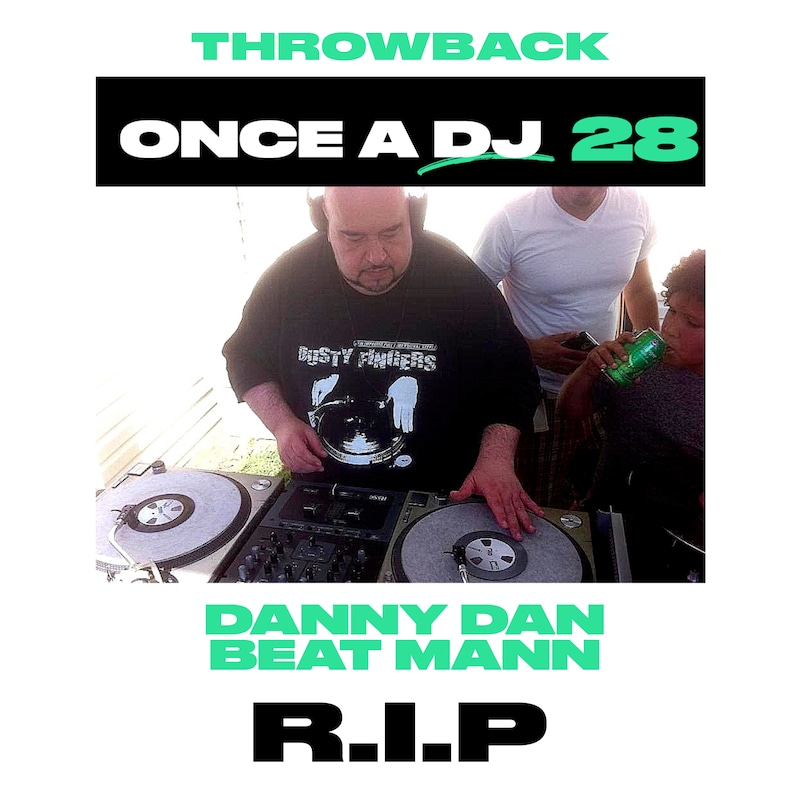
The Bronx legend responsible for Dusty Fingers and Schoolyard Breaks, a true scholar, a man with some great stories, Danny Dann Beat Mann, rest in peace.
He was a north start for me from day 1 so it was great to get him on the show.
RIP a true king of digging.
Transcripts
Today I saw on the Internet that one of the guests of the show has passed away.
Speaker A:Danny Dan Beatman.
Speaker A:Danny was one of the first kind of north stars where when I started this project, I was like, there's certain people that you obviously really want.
Speaker A:And he was one of them.
Speaker A:And it took a while and a bit of kind of like pestering him, I guess you'd say, to get him on the show.
Speaker A:So when I finally did, um, it was really good.
Speaker A:I really enjoyed it.
Speaker A:It was a fun interview.
Speaker A:So I've been thinking about cutting some of the older ones back out.
Speaker A:So, I mean, this seems like a timely thing to do, just in case anyone's not heard it.
Speaker A:And if you don't know, Danny was responsible for the Dusty Fingers compilation series and Schoolyard Breaks.
Speaker A:And Dusty Fingers was one of these where on my sort of journey, it was such an important thing when I was put onto it.
Speaker A:So it was kind of a real honor to be able to speak to him about it and about his adventures in digging.
Speaker A:From what I understand, he'd been poorly for a while, but that's all I kind of know, really.
Speaker A:So, you know, rest in peace, Danny.
Speaker A:And yeah, here's the show for you to have a listen to if you haven't before.
Speaker A:Welcome back to Once A dj.
Speaker A:This week, I'm delighted to say that we're here with Bronx legend, DJ producer and creator of the amazing Dusty Fingers in Schoolyard Breaks compilations, Danny Dan the Beat Man.
Speaker A:Danny, thanks a lot for coming on the show today.
Speaker A:How are you doing?
Speaker B:Good, good.
Speaker B:How's everything?
Speaker A:Yeah, good.
Speaker A:Thanks, man.
Speaker A:Good.
Speaker A:Just busy, busy, really.
Speaker A:Absolutely delighted to have you on today.
Speaker A:So thanks a lot for coming on.
Speaker A:So what I'd really like to do is just kind of have a look at your career, really, and how you came into it, because I think with what your kind of position is and your level of influence in hip hop, hip hop being 50 as well, and you've been kind of around it from, I think, more or less the start of it.
Speaker A:I'm really excited to get into it.
Speaker A:So do you want to tell us how you first got into, I guess, got into records and what your early musical influences were from?
Speaker B:My mother was basically always, you know, playing records.
Speaker B:As a little kid, I would just watch her play records and look at her record collection.
Speaker B:That's what got me interested in it.
Speaker B:But as a kid growing up, you know, you get involved with baseball, comics and all that.
Speaker B:So I kind of, like, paid attention to what she was doing, looking at her records.
Speaker B:Always Looking at her records and looking at all the covers and the artwork and that interests me a lot.
Speaker B:But I love music in general and I did a lot of movie watching as well, foreign films and stuff, stuff like that.
Speaker B:Because my mother's, you know, English, Italian, so she.
Speaker B:I had those influences then.
Speaker B:My father was Spanish, Puerto Rican from Spain.
Speaker B:So those influences were all around my house, music wise.
Speaker A:So what sort of stuff was your mum playing?
Speaker B:Well, she was playing all kinds of weird stuff, like top 40s, a lot of Beatles, a lot of Brazilian jazz.
Speaker B:I mean, she had an eclectic collection.
Speaker B:She had Italian music, you know, like everything that came out in the 60s that was, that was popular as I was growing up.
Speaker B:And then as soon as the 70s came around, she started working for a radio station in Manhattan as a receptionist.
Speaker B:And she would listen to the radio, what they were playing, and she would say, I like that record.
Speaker B:And the DJs were cool with her and they would give her promo copies of stuff.
Speaker B:Wow.
Speaker B:And that was like, you know, I think I was like 6 or 7 years old when she was coming home with all these records.
Speaker B:And I was like, all right, cool.
Speaker B:I wanna, you know, listen to what she brang and she'll play it.
Speaker B:And I got into it.
Speaker A:Did she get you excited about like the rarity with it being promos and things like that?
Speaker A:We should like check out this promo version.
Speaker B:I mean, believe it or not, she had like David Axelrod in her collection.
Speaker B:She was very eclective back then.
Speaker B:It was crazy.
Speaker B:But I didn't pay attention to none of that.
Speaker B:I didn't know nothing about break beats yet, none.
Speaker B:It was just she would listen to that kind of music and I remember a lot of Capitol Records, Liberty Records, she had a, an assortment of 45s, you know what I'm saying?
Speaker A:Yeah.
Speaker B:So as the funk and soul started coming in, she was buying all that stuff as well.
Speaker B:And she would give me a list of records to go buy records for her at the, at the local shop that I used to go to to get 45s.
Speaker B:So as she did that, I just said, well, I might as well buy some records too.
Speaker B:Instead of buying, you know, baseball cards and comic books, I started buying records.
Speaker B:And then my cousin was a dj.
Speaker B:He started out very crude with.
Speaker B:I don't even know what the name of the turntables were, but they were like, you know, turntables, they would just play one record and the next record, you know, they will wait to a certain part and they come in with the next record, you know, and he taught me how to do that in 71, 72.
Speaker B:So I was already starting to DJ with my little collection of 45s back then, and it was just one record at a time.
Speaker B:No doubles.
Speaker A:So how old would you have been then?
Speaker B:I was like seven or eight.
Speaker A:So you got an early start then?
Speaker B:Yeah.
Speaker A:Where about.
Speaker A:Is it the Bronx that you're from?
Speaker B:I'm from the South Bronx originally, so I grew up in 149th street in Southern Boulevard.
Speaker B:That's when I got my start.
Speaker B:Then I moved to 170th street in 68, 69.
Speaker B:Stood there for about.
Speaker B:No, it was 67.
Speaker B: So from: Speaker B:Then I moved to 170th, and then we stood there to about 68, 69.
Speaker B:Then we moved uptown near Fordham Road and 183rd.
Speaker B:But all that, all through that time, my mother would ask me to go buy her records and stuff like that.
Speaker B:So I was like, cool, you know, I'll get you some records.
Speaker A:What were the guys in the record shops like with you then?
Speaker A:If you would.
Speaker A:If you were kind of going in and buying quite.
Speaker A:Quite a good taste of sort of stuff, were they like, oh, it was this kid.
Speaker B:They didn't say nothing much, man.
Speaker B:I was.
Speaker B:I would go there with a list of records, and they would just pick them out for me and I would buy them.
Speaker B:They were like, I think at that time, 40 cents a record.
Speaker A:Wow.
Speaker B:And can you imagine?
Speaker B:So, like, I would go there with, like, $3 and buy me a bunch of 45s.
Speaker B:You know what I mean?
Speaker B:Yeah.
Speaker B:For myself.
Speaker B:And then I remember them going up to $0.50, then to $0.60, then to $0.75, you know, as I kept buying them.
Speaker B:But at one point, I. I went to, like, a Kool her party that he did out in cedar park in 75, I believe it was.
Speaker B:And I seen him playing, you know, two of the same record, making a merry go round.
Speaker B:And then he.
Speaker B:He just didn't do that.
Speaker B:He did that with two different records and go back and forth, but when he had the doubles, he would go back and forth, and I was like, that's genius.
Speaker B:I want to do that.
Speaker B:So then I started buying every record that I could, but I couldn't find certain records that he was playing until I started sitting there and just watching them.
Speaker B:I went to every jam and I would look at the covers.
Speaker B:I was like, oh, okay, I know what that record is.
Speaker B:You know what I'm saying?
Speaker B:I had a photographic memory, so I Was starting to buy records.
Speaker B:Then I found this record store in Manhattan where all these guys would get their breaks from.
Speaker B:It was called Downstairs Records, and it was called Downstairs, Upstairs, Downstairs Records.
Speaker B:So, like, if you're coming in from the street on 42nd, you go downstairs and there's a corridor.
Speaker B:One record store was across with 45s in it.
Speaker B:And diagonally across was where the albums were sold.
Speaker B:And they had Apache there, but they wanted a hundred dollars for it.
Speaker B:I was like, that's too much money.
Speaker B:I can't.
Speaker B:I can't afford that.
Speaker A:Was that, like, Herc's signature break then?
Speaker B:Yeah, one of his signature breaks, for sure.
Speaker B:And I started learning about.
Speaker B:I started going to see Flash and what they were playing and different other DJs from my neighborhood and.
Speaker B:And other guys that were just into it, that were just wanting to know and let me up on breaks, and I would let them up on breaks.
Speaker B:So we.
Speaker B:We had like, a little crew of guys that were, you know, into records early on.
Speaker B:Yo, you got to get this record.
Speaker B:Oh, you don't have that record.
Speaker B:I was like, well, yeah, I got Funky Penguin, I got the Breakdown, I got G Knight.
Speaker B:I got all these 45s, you know what I'm saying?
Speaker B:And then we started getting up on more and more records through Flash and Theodore and.
Speaker B:And of course, Kool Herc, and then JC and DJ Clark Kent.
Speaker B:They would play a certain amount of records, and then other DJs were coming out.
Speaker B:So I would go to every party I can just to learn about records.
Speaker B:So by the time 70, 75, I had already.
Speaker B:I had singles of a lot of the records.
Speaker B:I just had to buy doubles, so another copy of each.
Speaker B:And then I was learning every day, like, I was like, downtown, like, learning about what records they had that they were selling for breaks in that record store.
Speaker B:And I will find them somewhere else if.
Speaker B:If they were cheaper, because I could get them cheaper in my neighborhood, you know what I mean?
Speaker B:Because Manhattan was more expensive.
Speaker A:Yeah.
Speaker A:Would you still.
Speaker A:Still have been at school at this point then?
Speaker B:Yeah, I was in school throughout the whole time.
Speaker B:Yeah.
Speaker A:How was school?
Speaker A:Were you into school?
Speaker A:Are we just thinking about brains?
Speaker B:I was.
Speaker B:I was.
Speaker B:I was at school.
Speaker B:I had to be into school because I would get rewarded for doing good in school from my parents.
Speaker B:You know, I would get money, you know what I'm saying?
Speaker B:I. I never missed a day of school until I got to high school.
Speaker B:So I was always there because we live, like, next to my school.
Speaker B:So I was like, I was never late.
Speaker B:I Was never absent, you know what I'm saying?
Speaker A:Yeah.
Speaker B:And then when I moved around the corner to the junior high school, it was.
Speaker B:It was two blocks up the hill around the corner from me, so it was like I had to be there all the time, you know, and that was good.
Speaker B:I was.
Speaker B:I was a good student, fair student.
Speaker B:I would make my grades and everything, and I had no problems in school.
Speaker B:So what?
Speaker B:Summertime would come.
Speaker B:That was the time to go rampant, you know what I mean?
Speaker B:But in my.
Speaker B:I think my seventh, seventh year of school, junior high school or eight, I would.
Speaker B:I would go to Manhattan a lot, you know what I'm saying?
Speaker B:And I would go to my father's job and he would give me money to go buy records.
Speaker B:And my mother, too, when she had the money, you know what I'm saying?
Speaker B:But, yeah, my father was a big help as far as handing me money to go buy stuff, you know what I mean?
Speaker B:Then I started buying equipment, and my father bought me my first two turntables.
Speaker B:They weren't really that.
Speaker B:That good.
Speaker B:I forgot the name of them.
Speaker B:They were.
Speaker B:They had wooden bases.
Speaker B:They had no pitch control.
Speaker A:Yeah.
Speaker B:And I had a mixer with knobs.
Speaker B:It wasn't a slide fader yet until I. I got that until like maybe a couple of Years later in 77, when I got the slide fader.
Speaker B:But I learned on that, and I learned what my cousin had.
Speaker B:My cousin had professional equipment, so he had a GLI.
Speaker B: He had: Speaker A:So it sounds like your parents were really kind of enthusiastic and.
Speaker A:And kind of nurturing with it then.
Speaker B:Yeah.
Speaker B:They knew that I was into it, so they.
Speaker B:They.
Speaker B:They knew that it kept me out of trouble.
Speaker A:Yeah.
Speaker B:You know, I'm frank.
Speaker B:Because kids could do a lot of crazy, and I did a lot of crazy shit.
Speaker B:That's not all I did, you know, but my main focus was buying records.
Speaker B:Yeah.
Speaker A:Because, I mean, how kind of.
Speaker A:I mean, I'm from a little village in England, but, like, how.
Speaker A:How kind of risky was it traveling around New York at that time?
Speaker B:For me, it was nothing.
Speaker B:I knew my way around.
Speaker B:I knew my way around.
Speaker B:I mean, and.
Speaker B:And the subways were the easiest way to get around at the time.
Speaker A:Yeah.
Speaker B:You know what I'm saying?
Speaker B:Because that's how I learned how to get around.
Speaker B:Because I was into graffiti too, in those early days.
Speaker A:Right.
Speaker B:So we used to go racking up for spray paint, and I used to hang out with these older kids, so they would take me with them and Since I was the youngest at, you know, compared to them.
Speaker B:They used to put me into the store to steal all the spray paint.
Speaker B:And if I get caught, they're just going to slap me on the wrist.
Speaker B:If they get caught, they could do some time, but at that time they would just look out for me.
Speaker B:And if security guards came out the store running after me, they will fight them for me like, what are you doing?
Speaker B:Trying to, trying to attack that young boy.
Speaker B:And they would give me time to get away, right.
Speaker B:And.
Speaker B:And I. I don't know, depending on where we were, we'll make a plan to meet me like two blocks this way in an alleyway somewhere.
Speaker B:And then I would wait there until they got back to meet me.
Speaker B:And then from there we just kept on and.
Speaker B:You know what I mean?
Speaker A:Yeah, yeah.
Speaker B:And.
Speaker B:And then they would take me to the train yard.
Speaker B:They would go, they would go spray paint.
Speaker B:They'd give me a couple of cans so I could do what I do, you know what I'm saying?
Speaker B:And that was it.
Speaker B:I wasn't no big time writer, but I would just tag my name and that was it and watch these guys do pieces.
Speaker B:And that was.
Speaker B:Yeah, one of my friends just passed away too.
Speaker B:Tracy168.
Speaker B:He was one of the guys that I, I went with to like rack up and did some work with, you know, I'm saying back in the day, him and his crew and yeah, we had great times back then, you know, but they always knew I was into music.
Speaker B:I love my music and everything.
Speaker B: So by, by the time: Speaker B:I was trying to mimic all the other guys that I would see through Block parties because before that I was begging them to get on the turntables, you know, and they was like, who's this guy?
Speaker B:But I would come with different music and play it and play it like what Flashing Them used to do.
Speaker B:And I was like, oh, okay, you know, he knows what he's doing, you know, let him do it.
Speaker B:And I bring my own records.
Speaker B:And I was like, yo, what record is that?
Speaker B:You know, they would, they would ask me.
Speaker B:I was like, there's some record I learned about in my digging, you know, I'm saying.
Speaker B:And I just kept it going from there with this.
Speaker A:We were you in that situation, would you be quite.
Speaker A:If it wasn't kind of guys that were in that network, you know, you're saying like Clark and people like that, you'd all kind of help each other out if it Was people outside of that group.
Speaker A:Were you a bit more kind of secretive about, you know, records?
Speaker B:Yeah, I was always secretive about my records at that time.
Speaker B:I didn't let nobody know I had Magic Marker, all my records, you know what I'm saying?
Speaker B:So I wouldn't give anybody no information, really.
Speaker B:I'll just say, yeah, I found this record, you know, I want to downtown looking for old records, you know.
Speaker B:And they were like, damn, man, you playing a lot of good stuff.
Speaker B:I was like, yeah, that's why I told you, let me get on, you know, and that was it.
Speaker A:So that would be sort of around the time that disco's coming in as well.
Speaker B:Exactly.
Speaker A:Yeah.
Speaker B:The 12 inches were coming out.
Speaker B:So I had to switch from 45s into buying albums.
Speaker B:And then I was starting to buy a lot of albums at that time.
Speaker B:At that time, I had about two or three crates full of records because disco records were coming out in 75, 76.
Speaker B:I was buying a lot of that.
Speaker B:A lot of that had breaks on it as well.
Speaker B:They were called disco breaks.
Speaker B:But, you know, that's the stuff I would play with my cousin and all that.
Speaker A:Yeah.
Speaker B:And I would.
Speaker B:I would listen to records he was playing.
Speaker B:I'm like, wow, I could use that for what I'm doing with the doubles.
Speaker B:And I will buy the, you know, two copies of that.
Speaker B:And all those records were fairly cheap at that time.
Speaker B:They were like 299, 399 or album.
Speaker B:Yeah, the most I pay for an album like Apache, I paid 749 for that at this other record store.
Speaker B: And I think I bought it in: Speaker B:And then I found another copy in my neighborhood for five bucks.
Speaker B:And I took my mother to, you know, to listen to it.
Speaker B:I was like, check out this a version of Apache.
Speaker B:Because she had the old school one with the guitars.
Speaker A:Yeah, the shadows.
Speaker B:Yep.
Speaker B:She.
Speaker B:She used to play that to death.
Speaker B:I say, you got to listen to this version.
Speaker B:And once she heard that, she lost her mind.
Speaker B:And she was like, tape it for me.
Speaker B:I was like, yes, I will, because I'm gonna use this for DJing.
Speaker B:And she was like, okay, no problem.
Speaker B:And I taped it for her.
Speaker B:She used to run it all the time.
Speaker B:She loved the whole album.
Speaker B:She was like, man, this.
Speaker B:This record is great.
Speaker B:I was like, yeah, man.
Speaker B:The way they did the record, it's an all time classic to this day.
Speaker B:You still play it and it's a sure shot.
Speaker B:You know what I'M saying, did you ever hear the version that I put out on Schoolyard Breaks?
Speaker B:I don't know if you, if you're familiar with that.
Speaker B:It's by the Bongo Rockers.
Speaker B:It's a French version.
Speaker B:It's a French.
Speaker A:I'm gonna just write that down now.
Speaker B:It's really dope.
Speaker A:Bongo Rockers.
Speaker B:Le Bongo Rockers.
Speaker A:But yeah, because you've got an original Apache, haven't you?
Speaker A:I'm sure I've seen you post it on Instagram.
Speaker B:Of course, of course I have the original.
Speaker B:Yeah.
Speaker B:But I also have, you know, the remakes.
Speaker B:I have different versions of that record.
Speaker A:So when you were getting into the disco, did, did the DJs kind of start moving from the block parties into the clubs at that point?
Speaker B:Well, my cousin had an after hours club, so I used to Visit him in 74, 75.
Speaker B:It was an after hours club.
Speaker B:And it was basically everybody was doing, you know, block parties during the summertime, but the winter times, they had clubs to DJ in.
Speaker B:I didn't have a club.
Speaker B:I wasn't really old enough to be in clubs.
Speaker A:Yeah.
Speaker B:Unless I was escorted by someone older.
Speaker B:And I would get in with them because what they're gonna say, you know, they're not gonna leave me out there in the street so that I looked older for my age anyway back then.
Speaker B:So it was like, it was cool.
Speaker B:So I was a teenager at the time, a young teenager, you know, but I'm hanging out, you know, in Latin clubs.
Speaker B:We was playing a lot of Latin music back then and disco records.
Speaker B:And then we made our own clubs, like using a pal.
Speaker B:We'll have a one night affair or, or, or school, or schoolyard gymnasium or at a church.
Speaker B:They'll have a hall where you could rent out.
Speaker B:And we'll throw parties there and we'll charge at the door.
Speaker B:And we pay, you know, a certain amount of money, like $300 to get the space and then we'll charge at the door and make, you know, double our money back, you know, if we're lucky.
Speaker B:You know what I mean?
Speaker A:Yeah.
Speaker B:And that's how we used to DJ back then in the winter times.
Speaker B:But in The SummerTimes we DJ for free in the street just to get a name.
Speaker B:Because at that time I was getting a lot of bookings in the winter time to do house parties and, you know, other parties.
Speaker B:Like they'll rent out a space and I'll DJ there and I would charge them $300 for the whole night.
Speaker B:And at that time in the you know, late 70s, early 80s.
Speaker B:That was good money.
Speaker A:Yeah.
Speaker B:And if I would book like two or three different shows at the next day after the other, like Friday, Saturday and Sunday, I would get paid.
Speaker B:You know what I mean?
Speaker A:That's a lot of money to be making, isn't it, at that age?
Speaker B:Yeah, I was, I was making.
Speaker B:I was making pretty good money, you know, and I had a partner just to, just, just to help me out.
Speaker B:And we will split the money.
Speaker A:So with the summer, summer sort of block parties, was that just to keep the reputation going to, to make sure you'd be getting the bookings?
Speaker B:Exactly.
Speaker B:But.
Speaker B:But also to have fun and meet girls.
Speaker A:Yeah.
Speaker A:I read something the other day that was saying that you would.
Speaker A:When you got with the girl, sometimes some of the records out of their parents collection might kind of end up with you.
Speaker B:Mm.
Speaker A:And that, that maybe caused some.
Speaker A:Caused some breakups.
Speaker B:No, it didn't cause no breakups.
Speaker B:It caused.
Speaker B:I couldn't go to their house anymore.
Speaker B:Cause their mother would always ask me about their records.
Speaker B:And breakups were like, I didn't care about that.
Speaker B:You know, there was, there was like thousands of girls that I, that I've dated and I all went to their mother's houses and took their records.
Speaker B:Like, you ain't using those.
Speaker B:Give me that.
Speaker B:You know what I mean?
Speaker B:Like, oh, but you better give me my mother's record.
Speaker B:So I was like, don't worry about it, you know, you know where I live at.
Speaker A:Can you remember what the, what the best record was that you got from a girlfriend's parents collection?
Speaker A:Oh, wow.
Speaker B:It depends.
Speaker B:I know, I know some James Brown records were a part of the collection.
Speaker B:Some Spanish records that had breaks on it for the B boys.
Speaker B:And just some, you know, nice records that I know that had something on it that was, that was funky.
Speaker B:Some 45s, you know what I'm saying?
Speaker B:So, you know, it's definitely stuff that I could use as far as DJing.
Speaker B:Even some disco records that I might have one copy of.
Speaker B:I find another one, you know, and you know, they weren't using the records, they were just there.
Speaker B:You know, sometimes the mother would never be there.
Speaker B:I would never meet the mother.
Speaker B:And I would go with the girl to her crib, you know, just to hang out for a little bit.
Speaker B:I looked through the records.
Speaker B:Oh, can I borrow this?
Speaker B:She's like, yeah, yeah, go ahead.
Speaker B:Cause she was nice with me, you know what I mean?
Speaker B:And then they'll never get the records back.
Speaker B:That's the way it was.
Speaker B:And if Only one pressed me really hard.
Speaker B:I need that record back.
Speaker B:My mother's gonna kill me.
Speaker B:So I went to the mother and I bring the record back.
Speaker B:And she met me.
Speaker B:She's like, joe, so you don't want to have my record and everything?
Speaker B:I'm like, yes.
Speaker B:But I took care of her, you see, I'm a dj.
Speaker B:I, you know, I use it.
Speaker B:Oh, but you could have the record then.
Speaker B:Go ahead.
Speaker B:So I wound up keeping it anyway.
Speaker B:It was crazy, you know, I'm saying.
Speaker B:And it's like, you know, records are, you know, they're an expense.
Speaker B:Needles, turntables, mixers, wires, amplifiers, all that shit's an expense.
Speaker B:But I was able to manage it by myself.
Speaker A:Yeah.
Speaker B:No one helped me get anything.
Speaker B:I didn't have a crew of guys chip in.
Speaker B:Like, usually it would be that way.
Speaker B:And I was like, whoever wanted to be down when you.
Speaker B:You had to chip in with for something, you know, I'm saying buy records or something, but I'd rather have them give me the money and I'll buy everything I need.
Speaker A:Yeah.
Speaker B:Instead of buying pieces of equipment.
Speaker B:And I had done that with.
Speaker B:With a friend of mine, and he's backstabbed me and sold it to someone else.
Speaker B:And they came to my house collecting it out of nowhere.
Speaker B:I was like, oh, okay, I can see how this guy's moving.
Speaker B:All right.
Speaker B:He gave me all his records, but he sold the amplifier that he bought because my other amplifier was in the shop.
Speaker A:Yeah.
Speaker B:I was like, okay.
Speaker B:I unhooked the amplifier, I gave it to him.
Speaker B:That's all he bought.
Speaker B:I had the preamp still, and I had another amplifier in the shop.
Speaker B:I just had to buy that same one back because it was a bigger model.
Speaker B:It was.
Speaker B:Had more wattage.
Speaker A:Yeah.
Speaker B:So I saved up for a couple of weeks and I got all that back.
Speaker B:That was no sweat off my back, but it's the way people were.
Speaker B:Like, I learned from that day, don't let no one chip in for equipment.
Speaker B:But at that time, I was like, hey, you want to be down, you got to chip in.
Speaker B:You know what I mean?
Speaker A:So is that effectively kind of your sound system and crew?
Speaker B:Right.
Speaker B:So basically I. I paid for everything.
Speaker B:I got my speakers done myself because I. I found the.
Speaker B:The cabinets were in an old club and they were throwing the speakers out.
Speaker B:So my.
Speaker B:A friend of mine took them out of the club and bring them to me, but there were 15 inch scoops, so I was like, damn, these speakers are so big, I could make them into 18.
Speaker B:And I did.
Speaker B:I'M glad I did that.
Speaker B:I threw some EVs in that bitch.
Speaker B:The bass that came out of there was retarded.
Speaker B:You know, the way the speakers were designed.
Speaker B:The Jamaicans had built that speaker and they, they did some ill to it.
Speaker B:And then I had my man put in my, my new woofers for 18 inches and he's.
Speaker B:And he secured them and he did a crossover and everything.
Speaker B:So they were great speakers.
Speaker A:So how did you learn that kind of technical side of things?
Speaker B:I learned because I was hanging around my cousin.
Speaker B:He had equipment and I bought.
Speaker B:I bought cheesy equipment in the beginning.
Speaker B:I bought an amplifier.
Speaker B:I had like GEM Sound.
Speaker B:Before they were GEM sound speakers, they were USS speakers.
Speaker B:And then GEM Sound kind of like took those designs and started making speakers.
Speaker B:So I had a couple of those.
Speaker B:Then I was like, you know what?
Speaker B:This is whack shit.
Speaker B:I got to get some real.
Speaker B:And I bought some.
Speaker B:I bought some real good speakers after I got those cabinets.
Speaker B:And they were heavy as hell.
Speaker B:You would need at least three people to help me lift them up the stairs to get it to my apartment.
Speaker B:I live on the fifth floor, but it was like a six floor walk up because of the entrance.
Speaker B:Yeah, you had to get stairs to go into the lobby.
Speaker B:And there was no elevator.
Speaker B:I was like.
Speaker B:But that kept me strong and, and kept me fit.
Speaker B:So.
Speaker B:So yeah, I had all that stuff upstairs.
Speaker B:And then I had these speakers that went on top with 15 inch.
Speaker B:I had JBL 15 inch speakers.
Speaker B:And then I built the tweeter box to go on top of that.
Speaker B:And the sound system was pure.
Speaker B:It was nice, clean.
Speaker B:And I had that for about, you know, good 10 years.
Speaker B:From 77 to 87.
Speaker B:Yeah, I made a lot of money.
Speaker A:Yeah.
Speaker A:So were you just deep?
Speaker A:Was it consistent?
Speaker A:Sort of three days a week all through that period?
Speaker B:It could have been.
Speaker B:It could have been.
Speaker B:But it wasn't all the time.
Speaker B:It was like certain times of the year.
Speaker B:You know what I mean?
Speaker A:Right.
Speaker A:Yeah.
Speaker A:So what was it like being around in New York when.
Speaker A:In the sort of early 80s when hip hop went global.
Speaker B:I mean, it was phenomenal.
Speaker B:That time was like the best time ever.
Speaker B:We all had a part in what we were doing.
Speaker B:I believe I was always going out too, to different clubs, to different.
Speaker B:And also I was part of record pools back then too.
Speaker B:So I would get all the new records and whatever records I didn't get, like from the club scene or whatever I would find on my own.
Speaker B:Like every time I was just looking for new sounds, new sounds and New stuff to.
Speaker B:To keep my DJing interesting.
Speaker B:I was a mobile DJ, never had a residency in a club ever.
Speaker B:But I played in clubs, right?
Speaker B:I played in clubs.
Speaker B:I bring my records and played in clubs and did special things with different people.
Speaker B:But I never saw myself being trapped to one place.
Speaker B:I like to travel.
Speaker A:Did you kind of have a reputation as a DJ for kind of the same sort of thing that you have in terms of the compilations?
Speaker A:Was it like.
Speaker A:Danny's like a skillful guy, but he's like, were you playing things that were a bit different to everyone else at the time?
Speaker B:Well, it depends on the.
Speaker B:The setup that I had was always to introduce new music with the old.
Speaker B:So, like, I would mix it up like new records with.
Speaker B:And these are old records, by the way.
Speaker B:These are not new.
Speaker B:These are like records, you know, from the 70s.
Speaker B:And I was still playing that into the 80s.
Speaker B:But I will find newer stuff to go with.
Speaker B:So I would.
Speaker B:I would do BPMs.
Speaker B:So if, let's say I'm walking, you know, Assembly Line by the Commodores, and I found something like, in the 80s, let's say the Funk is on.
Speaker B:I will play those back to back.
Speaker B:Do you know those two records?
Speaker A:No.
Speaker B:Assembly Line and.
Speaker B:And the Funk is On by Instant Funk.
Speaker A:I might have heard it.
Speaker B:They sound similar, but I used to play those back to back, which was interesting because they were made at two different times, right?
Speaker B:One was made in the 80s, one was made in the 70s.
Speaker B:So it's clearly they.
Speaker B:They probably.
Speaker B:The one in the 80s had the influence from the one that came out in the 70s, but it was two different records.
Speaker B:So I would just beat, match all my stuff.
Speaker B:So I would play like an unknown record in between those two or right after those two.
Speaker B:And then I would come in with something that's familiar, but I would keep it going.
Speaker B:And then I play a couple of more that were, you know, like, what the hell is that?
Speaker B:They never heard, but they were jamming to it.
Speaker B:I would watch the reaction as long as they were dancing and everything and they didn't stop and look around.
Speaker B:It was cool because I did that with a lot of records and I would just play them the one time because I always had new records to play and the more popular records, you know, you had to play them, like every time you do a party if it was popular, you know what I'm saying?
Speaker B:Like, you had to throw that in rotation.
Speaker B:But when it came to the break part of the.
Speaker B:Of.
Speaker B:Of the jam, I would just play a lot of different records.
Speaker B:Back to back.
Speaker B:And that's what made me popular of playing different music.
Speaker B:I would even have dance records and R B records that were not from that country, which I could have got something from England, you know, And I would get a lot of records from England back then because I stopped buying records in America for the reason why that they were making a lot of records on styrene.
Speaker A:Yeah.
Speaker B:Especially on the 45.
Speaker B:So I will order my records in England, France, and in Germany over the phone and pay by credit card, and they'll mail me the records.
Speaker B:So that's how I used to buy a lot of my records.
Speaker B:And that was very important to me to get, you know, vinyl.
Speaker B:Vinyl copies.
Speaker B:Because I was buying these styrene records and cutting them up, and they would staticy as soon as you play them.
Speaker B:I was like, why are these records sounding like this?
Speaker B:What the hell's going on?
Speaker B:And this man explained to me, they're not making it from vinyl.
Speaker B:It's a styrene.
Speaker B:It's.
Speaker B:It's not made for you to be scratching and putting your fingers on it.
Speaker B:I said, so where can I get all, you know, some vinyl copies of these records?
Speaker B:It's like you could mail order them from England and France.
Speaker B:I was like, cool.
Speaker B:He ripped out this book.
Speaker B:He wrote down some names of some record stores that carried records that I would call them up over the phone, order my records, and they would ship them to me.
Speaker B:My mom used to let me use her credit card, which was very, very useful at the time.
Speaker B:And I would give her the cash.
Speaker B:Yeah.
Speaker B:Right then and there.
Speaker B:I was like, they charged you 79 for the records.
Speaker B:Here's 79 in cash.
Speaker B:And then she would pay the bill when it came.
Speaker A:Yeah.
Speaker B:And that was it.
Speaker B:I was like, so I never owed my mother no money.
Speaker B:She was cool with it.
Speaker B:And that's the way I rocked.
Speaker B:And she would do it anytime for me.
Speaker A:Yeah.
Speaker A:And I heard that.
Speaker A:Didn't you get your.
Speaker A: ou quite early on getting the: Speaker B:I had a friend in the military.
Speaker B:He sent me a brochure.
Speaker B:He was in station in Okinawa, Japan, and he sent me a brochure on these turntables.
Speaker B:I'm like, wow, those things are badass.
Speaker B:He's like, when are they coming out?
Speaker B:Like, I could get them soon and I could get them shipped to you.
Speaker B:I'm like, send me a pair.
Speaker B:So at the end of 79, I think it was November or October.
Speaker B:Matter of fact, it could have been October.
Speaker B:They came to his mother's house.
Speaker B:And he also got a Yamaha amp, I think.
Speaker B:So I paid for the turntables and he wanted the amp.
Speaker B:But I told him, yo, that amp that you bought, can you get me one?
Speaker B:And he's like, yeah, but you know, it's not that type of amp that you could use, you know, for what you want to use it for.
Speaker B:It's more.
Speaker B:It's mainly for the house.
Speaker A:Yeah.
Speaker B:I was like, okay.
Speaker B:So I looked into that and I basically got some other stuff.
Speaker B:Sae and stuff like that from a shop not too far from my house.
Speaker B:That's how I built my system, you know what I'm saying?
Speaker B:So this was early on, but yeah, like, when I grabbed that.
Speaker B:Those turntables, I was like, yo, these are.
Speaker B:These are it, you know.
Speaker B: And then the following year,: Speaker B:So for the pair, 500.
Speaker B:That was pretty cheap back then.
Speaker A:For those turntables when they first came out, did they.
Speaker A:Did they just kind of blow up and just.
Speaker A:Everyone had a pair and they were in the clubs and things like that?
Speaker B:Not yet.
Speaker B:They weren't in clubs yet.
Speaker B:I think I was the first ones.
Speaker B:One of the first ones to ever have a pair.
Speaker A:Yeah.
Speaker A:Crazy.
Speaker A:Were you in the 80s?
Speaker A:I appreciate.
Speaker A:I'm going kind of back and forth a bit here.
Speaker B:Yeah.
Speaker A:Did you at any point, you know, sort of in the mid-80s when sampling was kind of getting bigger, you know, post Marley Mile starting working and.
Speaker A:And that sort of thing, did you and the other guys in York, were you still seeing kind of Clark and people like that and hipping each other up to records?
Speaker A:And then were any of the producers coming to you guys for samples or anything.
Speaker B:That.
Speaker B:That didn't happen until like the 90s, when producing started to get big.
Speaker B:In the late.
Speaker B:In the late 80s, early 90s.
Speaker B:That's when I stopped DJing in 87 and I started doing production.
Speaker A:Right.
Speaker B:But everybody was still secretive.
Speaker B:No one came to each other.
Speaker B:You know, I know if.
Speaker B:If they knew that if you were using something, it was about trying to get who can get the record out first.
Speaker A:Yeah.
Speaker B:In those days.
Speaker B:And then you have to scrap that idea if someone else used it because you didn't want to be a biter.
Speaker B:No one bit back then.
Speaker B:You had to be original, you know what I'm saying?
Speaker B:But I didn't care if Biz samples something.
Speaker B:Imma sample it.
Speaker A:Yeah.
Speaker B:And use it my way.
Speaker B:You know what I'm saying?
Speaker B:I didn't care about that.
Speaker B:Me and Biz were cool back then anyway, so it didn't matter.
Speaker B:So if I. I liked his style of music that he produced with Marley because he gave a lot of records to Molly Moore.
Speaker B:Molly didn't have the records.
Speaker B:Biz had the records because one of.
Speaker A:My friends said that he'd heard that you'd given Biz the Freddie Scott record.
Speaker B:Yeah, I gave Freddie Scott and.
Speaker B:And the Lee Dorsey.
Speaker B:I was supposed to produce that record for him in the studio, but he couldn't wait.
Speaker B:He was impatient.
Speaker B:I'll put those two together.
Speaker B:And I chopped the Freddie Scott pianos on my keyboard.
Speaker B:But I made it where you couldn't hear the drum breaks.
Speaker B:So all you heard was like the.
Speaker B:The tunes.
Speaker B:Because I EQed it and it sounded very tinny.
Speaker B:So I had it like, with a lot of reverb, stretching it out.
Speaker B:So I have ring, Ding, ding, ding, ding, ding.
Speaker B:You know, I would piece it together.
Speaker B:Da ding ding ding, ding, ding, ding, ring.
Speaker B:And then I would chop that up five different times.
Speaker B:And I played it over the beat.
Speaker B:And this was very crude.
Speaker B:And then I.
Speaker B:Once I taped it all together, then I looped that whole thing and all you heard was the drums and the piano together.
Speaker A:Yeah.
Speaker B:And I started it off with a four bar drum break by itself.
Speaker B:And then I let him hear it, but he couldn't loop it together.
Speaker B:I said, nah, I didn't loop it on top of each other.
Speaker B:I had to chop it.
Speaker B:I was chopping it way before people started chopping stuff.
Speaker B:Like that was the only way it would work because the beats would clash.
Speaker B:Freddie Scott was a little bit more faster and it.
Speaker B:And the.
Speaker B:So the drums on Lee d' Arcy were very hard because I had a different pressing of it.
Speaker B:So it was really like, you know what I mean?
Speaker B:That was a great.
Speaker B:That was a great time, though.
Speaker B:But he got into the studio, he had someone play it over, which was perfect.
Speaker B:And that record was a monster hit to this day.
Speaker B:You could still play it.
Speaker A:Yeah.
Speaker A:I mean, that.
Speaker A:That shows the quality of your ear.
Speaker B:Yep.
Speaker A:You know, piecing that together and in this, what that hit became, you know, and still is.
Speaker B:Yeah.
Speaker B:And then he had to take the record to study it so he could make the lyrics, you know, because the record is not named you Got what I Need, it's just a Friend.
Speaker B:So he was talking about a girl.
Speaker B:He made a story about a girl.
Speaker B:And then the hook was, you got what I need.
Speaker B:And that.
Speaker B:That became a monster hit because he sang the record.
Speaker B:That's what made it even better because he tried to get all kinds of people to sing it, and they wouldn't do it.
Speaker B:So he's like, I'm gonna do it myself.
Speaker B:And that's what made the record special.
Speaker B:Him trying to sing it made it a comedy, you know, kind of thing.
Speaker B:And it was his heart bleeding out because of the story.
Speaker B:And that's what made sense of why that record was made.
Speaker A:Yeah.
Speaker A:Are we okay to just stay on biz for a couple of minutes?
Speaker A:Yeah, yeah.
Speaker A:Like something that I noticed the other day when I was researching it.
Speaker A:And I appreciate this is more of like a now thing is, I was looking because I saw.
Speaker A:I was watching the video of you playing on busy's 7 inch technics.
Speaker B:Oh, yes.
Speaker B:I'm the only dj to have a dj on them.
Speaker A:But besides him, that's crazy.
Speaker B:No one else.
Speaker B:He willing to let no one else touch him.
Speaker A:And I was looking, and it looks like he's got.
Speaker A: , they look like they're in a: Speaker A: he's got a pair that are in a: Speaker A:So did he have two pairs?
Speaker B:Yes, he did.
Speaker A:Wow.
Speaker B: He had the: Speaker B:And I was DJing on the silver ones.
Speaker A:Yes.
Speaker A:And then I think that in the park video, the first one that came.
Speaker B:Out, that he was doing the two tens.
Speaker A:Yeah, yeah.
Speaker B:I was there that day too.
Speaker B:I was there that day.
Speaker B:He was.
Speaker B:He was.
Speaker B:He was yelling at me.
Speaker B:I was like, yo, play seven minutes of funk with the bongos.
Speaker B:It's like, I got you.
Speaker B:And then.
Speaker B:And then he finally played it.
Speaker A:Yeah.
Speaker A:So.
Speaker A:Yeah.
Speaker A:So I was looking at your discogs then, and I couldn't find much on your production.
Speaker A:I feel like you disc, the Discogs entry is just probably quite shallow.
Speaker B:Right.
Speaker A:So could you just talk a bit about your production?
Speaker B:Well, I did a lot of records that were just singles, so I did a record on Select Records that me and the Female Dream did on select.
Speaker B:It was a 12 inch.
Speaker B:Then after that, I think I did Entice Walk a little Closer.
Speaker B:I did Doo Wop in the Bounce squad in the 90s on bounce squad Records is a white label with red.
Speaker A:Because what's.
Speaker A:What's the break that.
Speaker B:That's got the break.
Speaker B:I. I took Louie Allen Tucson and I think I did another version of.
Speaker B:Of you Got what I Need on the other side and chopped that up and used it.
Speaker B:And I did like the Evil Twins These are records that I remember I did a bunch of other records that never really made it to vinyl.
Speaker A:Right.
Speaker B:But.
Speaker B:But I did stuff in the studio and basically after the Bounce Squad, man, I kind of like deaded it with them because we, we had big plans to do a very big project and it fell through and I got tired of it.
Speaker B:So I did stuff with the, with, with the Evil Twins, a group called Footprints.
Speaker B:And those were like my last vinyl records I ever did as far as rap production.
Speaker A:Yeah.
Speaker B:But I started getting into collecting a lot of weird records from the 80s until the 90s.
Speaker B:And I was like, I'm sitting on all these records, I'm not doing nothing with them.
Speaker B:I might as well just put them out on Dusty Fingers.
Speaker B:That's how I made that compilation series.
Speaker A:Had you been around Lou, then, when he was doing the ultimate breaks and beats?
Speaker B:Yeah, yeah.
Speaker B:I mean, it was.
Speaker B:I was around breaking.
Speaker B:Lenny, right?
Speaker B:Breakbeat Lenny was the original owner of the company.
Speaker B:Lou just edit the records.
Speaker B:Right.
Speaker B:So I wasn't really around when he did that because that was done in a studio.
Speaker B:But I was.
Speaker B:Yeah, Lenny was my mentor.
Speaker B:He taught me how to buy records.
Speaker B:He like, if you see 50 copies of the same record, buy them all.
Speaker B:And I was like, yeah, it makes sense.
Speaker B:The two for a dollar, might as well buy them and resell them for $5 each.
Speaker B:Make my money back, you know?
Speaker B:Know what I'm saying?
Speaker B:So I'll make like 450 profit, you know, and if they buy doubles, you know, it's $10, you know, two for 10, you know, I was making my money back, you know, $9 profit.
Speaker A:Were you always very kind of careful about buying.
Speaker A:When you were buying secondhand records, about buying really clean ones?
Speaker A:Because everything I've heard that you've done sounds really clean.
Speaker B:Well, the thing is this.
Speaker B:In my early days, nah, I bought records and I beat them shits up.
Speaker B:Imma be honest with you.
Speaker B:Yeah, but like I said, when Lenny taught me how to buy records, he's like, if you see 50 copies of the same record, buy it.
Speaker B:I listened to him.
Speaker B:So I had multiple copies of stuff.
Speaker B:So I would have like six copies of certain records.
Speaker B:That's the, that's the least I had.
Speaker B:I'll always keep four.
Speaker B:Two for DJing, two for backup, and two just in case, you know.
Speaker B:And if it.
Speaker B:And if it kept on, I had more copies.
Speaker B:They would just, they'll just be there.
Speaker B:In the 70s, 74, 75, 76, up to 77.
Speaker B:My records were.
Speaker B:They were beat the Shit.
Speaker B:But I started getting older and saying, hey, I'm spending money on these records.
Speaker B:I gotta keep them nice and clean, you know what I mean?
Speaker B:Or very playable.
Speaker B:Because back then we used to DJ on.
Speaker B:We used to make a table.
Speaker B:We'll take two trash cans, a piece of plywood, throw a turntables and mixer on there and a little lamp and probably a tape deck or amplifier.
Speaker B:And then plug the speakers up to it and throw a jam, you know what I'm saying?
Speaker B:And then you stick the records underneath the turntable.
Speaker B:They're scraping on the wood, bare wood, you know, and then that's how they would get dirty.
Speaker B:And there might be another joint on the other side that I might have put out later on.
Speaker B:So I will have to get a new copy.
Speaker B:Yeah, everything I put out, though, like, I had new copies or near mint or playable copies, but certain records I had to clean up by hand through these programs, you know what I'm saying?
Speaker B:That will help me clean the record, restore the record.
Speaker A:Yeah.
Speaker A:So are all the dusty fingers then?
Speaker A:Are they all.
Speaker A:Are they all produced from vinyl copies?
Speaker B:Most of them, yes.
Speaker B:Some of them are not.
Speaker B:Some of them were done from tapes, reel to reel tapes.
Speaker A:Yeah.
Speaker B:And some of them were from CDs, but I still had to master it.
Speaker A:Yeah, because how did you learn mastering?
Speaker A:Because mastering is a serious dark art.
Speaker B:Right.
Speaker B:Well, I mean, it's, it's, it's, it's.
Speaker B:It's learning how the record would sound.
Speaker B:Right.
Speaker B:But louder and.
Speaker B:And brighter, but without distortion.
Speaker B:That's how I will master the record.
Speaker B:And I would.
Speaker B:I would never use limiters or anything.
Speaker B:At first I was using that, but I stopped doing that.
Speaker B:I wanted to make the record sound as natural as possible, but loud in your face.
Speaker B:And I recorded everything in waves and kept them as waves.
Speaker B:I never did MP3s because that's what.
Speaker B:That's for, kids.
Speaker B:So I keep all my stuff at waves and my stuff sounds incredible.
Speaker A:Yeah.
Speaker B:You know.
Speaker B:And you know that from the records that I pressed?
Speaker A:Yeah, because this is the thing.
Speaker A:I mean, I remember I.
Speaker B:Did you get to listen to the tape I sent you yesterday?
Speaker A:Yeah.
Speaker A:Awesome.
Speaker B:That crazy or what?
Speaker A:Really good.
Speaker B:Listen to that.
Speaker B:Listen to that again and you see the quality on that.
Speaker A:Well, yeah, that's why I asked, because I was thinking as well, because I was listening to that and thinking about the quality of it and thinking back to when I.
Speaker A:When I got the.
Speaker A:The compilations, I. I had a few of the dusty fingers.
Speaker A:Not all of them, but just thinking about that in comparison to Other compilation series I've had.
Speaker B:Right.
Speaker A:You know, they're really.
Speaker A:They're really nice quality compilations.
Speaker B:Yes.
Speaker A:Did you.
Speaker A:Did you run.
Speaker A:Is Strictly Breaks your label?
Speaker B:Strictly Breaks was a label that my friend made up.
Speaker B:Right.
Speaker B:My part of that record label was I had strictly break, 12 inch, strictly drums, dusty Fingers, and Schoolyard Brakes.
Speaker B:Yeah, those were my records.
Speaker B:Then he did double albums and.
Speaker B:And the Strictly Breaks where he would name who would use it.
Speaker B:Yeah, that was his thing.
Speaker A:My partners, like the, the Jigga Collection and Tribe Collection.
Speaker A:All that.
Speaker B:Yeah, that's all, that's all his stuff that he made.
Speaker B:Cuz I didn't like telling on nobody.
Speaker B:I would.
Speaker B:Yeah, I kept that a secret.
Speaker B:And plus I knew everybody, so that would be odd.
Speaker B:So that's why I made Dusty Fingers.
Speaker B:It's like none of you knew about these records?
Speaker B:I put them out.
Speaker B:No one used them yet.
Speaker B:And if you did use them, I just put it out.
Speaker B:I didn't name nobody who used it.
Speaker B:That was his gimmick.
Speaker B:But that sold more records than my records.
Speaker B:And he got all those and he hired me to do each and every one of those records because he had no records.
Speaker B:So all of that's from my record collection.
Speaker B:Right.
Speaker A:Cuz, like what.
Speaker A:So what sort of year did you start doing Dusty Fingers?
Speaker B:I started in 96.
Speaker A:Right.
Speaker B:And.
Speaker B:And the first one dropped in 97.
Speaker A:So then how many a year were you doing?
Speaker A:Because there's quite a few volumes.
Speaker B:Well, there's, there's 1 through 17 on vinyl.
Speaker A:Yeah.
Speaker B:And I have 18 through 95 digital.
Speaker A:Yeah.
Speaker B:Okay.
Speaker B:So I sell those digital and I email them to my customers, whoever buys them.
Speaker B:Now I sell it as.
Speaker B:Not as a compilation, that it's only from my record collection that I put together these records.
Speaker B:So it's my record collection I branded as Dusty Fingers and Schoolyard Braids and Soul Treats.
Speaker B:And that's from my record collection.
Speaker B:And if you want to buy my record school, it's my records I paid for and I'm selling them.
Speaker B:They're not online.
Speaker B:You got to get them from me direct.
Speaker B:And I email you them and you know, you buy as many as you want and I give you a good deal and that's it.
Speaker A:Yeah.
Speaker A:So with, with the Dusty Fingers.
Speaker A:Because give.
Speaker A:Given the sort of impact that they've had, were you.
Speaker A:I.
Speaker A:How many were you kind of pressing of each cop.
Speaker A:Of each volume?
Speaker B:Well, every time I pressed it was a thousand.
Speaker A:Yeah.
Speaker B:And then I'll have to repress because they were selling like, like, like crazy.
Speaker B:But no more than 5,000 records were sold per, per volume.
Speaker A:Yeah.
Speaker B:So it was either between 1 and 3 and 1 in 5, you know what I'm saying?
Speaker B:Which was.
Speaker B:And, and, and check this out.
Speaker B:I changed press implants many times around that time because a lot of pressing plants went out of business.
Speaker B:Yeah, My first press implant was Universal Music.
Speaker B:And they said, you ain't got permission to press these records.
Speaker B:You can't press no records here.
Speaker B:Get out of here.
Speaker B:And they, they threw me out of.
Speaker B:You know what I'm saying?
Speaker B:And then I went to the next person plan.
Speaker B:I was with them for about a year.
Speaker B:Then I lost all my metal plates and masses and everything.
Speaker B:They went out of business.
Speaker B:They, they didn't even give me my back or nothing.
Speaker B:I lost all that shit.
Speaker B:So that's a waste of money.
Speaker B:I lost a lot of money.
Speaker B:Then we did it again.
Speaker B:We had the place for a few, few years and then they went out of business and sold the machines.
Speaker B:And they didn't let us know nothing either.
Speaker B:They just.
Speaker B:The only thing we were able to pick up is, is the art, the covers, because we pressed a lot of them.
Speaker B:That's when I was doing the 12 inches and I already did two albums from the Schoolyard breaks.
Speaker B: And I did: Speaker B:So.
Speaker B:And they were basic, you know, basic records, but they were the essential records that DJs wanted to cut up.
Speaker B:And the sound quality was great.
Speaker A:Yeah.
Speaker A:And it's nice that they're, it's nice that they're on 12 inch as well.
Speaker B:Yeah, they were cool, you know, to have on 12 inch.
Speaker B:Yeah.
Speaker A:Like the, the two series kind of have very different jobs to do, don't they?
Speaker B:Yeah, yeah, because it's, it's like that's the stuff that I grew up with.
Speaker A:Yeah.
Speaker B:And the Dusty Fingers was more world Wide world because of my mother's influence, my father's influence in Spanish music, my cousin with the Spanish, my mother with the Brazilian, Italian and English and records from Paris.
Speaker B:She had.
Speaker B:My mother listened to everything.
Speaker A:So did she.
Speaker A:Was she kind of up on library music early?
Speaker A:Because there's a lot of library music, isn't there, in the Dusty Fingers.
Speaker B:Well, that's the stuff I found when I, when I was working as a, as a messenger in the city.
Speaker B:I went to a jingle house that were moving from New York to California and I was, I had a rush delivery for them, so I had to bring this tape from somewhere else.
Speaker B:I don't remember where it was.
Speaker B:It was some Building in Manhattan downtown.
Speaker B:And I had to bring it all the way back to the, to the jingle house up in 50 something street.
Speaker B:And I was in lower Manhattan.
Speaker B:I bring it to them and they would say, I was like, hey, hey, you guys got a great studio here.
Speaker B:What do you guys do?
Speaker B:Oh, we do jingles and da da da da da.
Speaker B:And we have music for, you know, television and whatever because they had a lot of monitors and all these machines and they were moving and I saw them taking all the shit out.
Speaker B:I saw where you guys moving to, what's going on?
Speaker B:And then I walked by, there was a mad room full of records.
Speaker B:He's like, yeah, we're trying to get out of here because we were moving to California.
Speaker B:I was like, yo, so what are you doing with all those records?
Speaker B:He's like, we're gonna throw them out.
Speaker B:I was like, no, no, no, no, no, give them to me, I'll take them.
Speaker B:He's like, be here at 8 o' clock tonight and I meet you in the loading dock and I'll bring the records.
Speaker B:We'll box them up and bring them.
Speaker B:So they had eight boxes of records.
Speaker B:Okay.
Speaker B:I was happy as, because I didn't know what was in them.
Speaker B:But at that time I was very busy working.
Speaker B:So I came, I had money on me.
Speaker B:I was like, I can't carry this on the subway.
Speaker B:And I was a walking messenger.
Speaker B:I didn't, I didn't ride a bike.
Speaker B:I'd rather be on the train or a bus getting to where I need to go to deliver packages.
Speaker B:And I had this bag that I could fit all kinds of stuff in it.
Speaker B:It looked like an art bag, you know, portfolio art bag where you could put big paintings inside of it.
Speaker B:Well, I had that and I will put, you know like, you know, all kinds of, you know, different size packages in there and I would be able to deliver them to.
Speaker B:So I would like take from my home base job and take like five or six different packages and deliver them within, you know, a 20, 30 block radius real quick.
Speaker B:I would just.
Speaker B:I knew how to get around in the city by walking.
Speaker B:I would go underground.
Speaker B:It was crazy.
Speaker B:I could take tunnels if it was raining and I'll get, I'll come out of some other building and it was crazy.
Speaker B:I just, I just knew the city like that.
Speaker B:So I'll knock all that out and they will give me car fare.
Speaker B:So guess what's my next stop?
Speaker B:The record store.
Speaker B:So they would think I would take about maybe an hour and a half to do the Job and I'll get the done in 35, 40 minutes.
Speaker B:And I.
Speaker B:The rest of the time I'd be in a record store looking for records, buying the records too, and sticking them in my bag and leave.
Speaker B:That was it.
Speaker B:And then go back to the same place.
Speaker B:And they were like, oh, you got to go pick up.
Speaker B:Or I could call from outside and say, listen, I just finished.
Speaker B:I'm at this street where I go from here.
Speaker B:So that was the lucky day for me when I went downtown to pick up that tape.
Speaker B:I went to that jingle house.
Speaker B:It just so happened I got all those records.
Speaker B:I was like, damn.
Speaker B:And there were library records, all of them.
Speaker B:So they had different types.
Speaker B:They had Bruton, kpms, All them shits that you could think of, you know, across the board, like the cues, the.
Speaker B:The.
Speaker B:Was that the sound.
Speaker B:Sound Guard records.
Speaker B:I think it was all types of stuff.
Speaker B:Tannin records.
Speaker B:They had all kinds of joints.
Speaker B:And I stuck them in my closet.
Speaker B:This was like in the 80s, okay, 84, 85.
Speaker B:When I got those records, I didn't even know what they were.
Speaker B:Crazy, right?
Speaker A:Yeah, because that's.
Speaker A:I mean, that's a.
Speaker A:That's kind of early on the library records, isn't it?
Speaker B:Yeah, but I didn't know what they were.
Speaker B:No one knew what they were.
Speaker B:So I stuck them in this closet that I had that would reach really high up.
Speaker B:And I had another closet that I was.
Speaker B:I was on the top, top shelf.
Speaker B:I couldn't even reach.
Speaker B:I had to take a step ladder to get to it.
Speaker B:And I threw them all in there.
Speaker B:And since there were thin paper, the thin paper covers, they weren't thick like cardboard, you know, they would.
Speaker B:They would fit nicely all up in the closet.
Speaker B:And I forgot about them.
Speaker B:So when I started producing in 87, I went up there and started listening to those records.
Speaker B:I was like, holy, I'm sitting on this crazy.
Speaker B:And I tried making beats with some of that stuff, but it was too dark and eerie.
Speaker B:These guys wanted the happy go lucky up tempo.
Speaker B:So I had to make that kind of music.
Speaker B:And instead, you know, for rap records until.
Speaker B:Until like 93, 94, I started really trying to do that type of stuff with two up in the Bound Squad.
Speaker B:But they were in focus and I had some crazy for them.
Speaker B:And unfortunately I said, you know, I'm sitting on these records.
Speaker B:I'm going to put them out little by little.
Speaker B:You know, some of them.
Speaker B:I never really listened to them all the way through.
Speaker B:I.
Speaker B:So I had to deal with it throughout the 90s listen to it here and there.
Speaker B:And some of them I didn't want to even put out.
Speaker B:I was like, this is crazy.
Speaker B:I'm not even gonna put this out.
Speaker B:You know, it was like some of it I let go little by little, you know.
Speaker B:And then I found other records that I had because I was.
Speaker B:You know, every record I. I did, it was.
Speaker B:It was because I was feeling it at the time.
Speaker B:So now that I got 95 volumes and I put 25 songs on each volume, from volume 18 all the way up until 95.
Speaker A:Yeah.
Speaker B:You got more tracks to look for.
Speaker B:Then there's a full.
Speaker B:The full length tracks as well.
Speaker B:I don't have to cut them for the vinyl because vinyl you can only put 20 minutes aside.
Speaker B:So I try to do 14 minutes aside to make them loud and clean, you know what I mean?
Speaker B:And I did seven tracks on each side, and there weren't even four tracks.
Speaker B:There was.
Speaker B:Some were cut down, you know.
Speaker A:Yeah.
Speaker B:So now that I got digital albums, which is better because everyone's using digital now anyway, you know.
Speaker A:Yeah.
Speaker A:I mean, there's so much sample fodder on them.
Speaker A:But the other thing about them is.
Speaker A:And I think what makes the Dusty Fingers compilation series so good is that I think the thing is with.
Speaker A:With something that's a good sample, quite often a good sample is two seconds of a song that's not very exciting.
Speaker A:But I think what you.
Speaker A:What you tend to find with your compilations is that they're good samples but also good songs.
Speaker B:Correct.
Speaker B:I try to find something that's nice for the listener.
Speaker A:Yeah.
Speaker B:Nice for the people who sample and nice for the dj It's all around package.
Speaker B:So that's the type of records I try to put out.
Speaker A:Yeah.
Speaker A:Because I suppose with.
Speaker A:With the mixes, the Dusty Fingers mixes that you've done, they.
Speaker A:They kind of highlight that.
Speaker A:Although these are really nice, smooth songs, a lot of this stuff can be cut up in, like, breaks tapes as well.
Speaker B:Mm.
Speaker B:You never heard my first one.
Speaker A: g your first one in mid, late: Speaker B:Yeah.
Speaker A:2008, Something like that.
Speaker B:I never put the second one out.
Speaker B:I only sold it to people online.
Speaker B:Right.
Speaker B:Because I didn't see the reason of pressing it up the CD no more.
Speaker B:It was.
Speaker B:No one was pressing CDs no more.
Speaker A:Yeah.
Speaker B:The one I put out, the first one, it was on the cd.
Speaker B:Yeah.
Speaker B:And I sold a thousand of those out the trunk of my car.
Speaker A:It's crazy.
Speaker A:Yeah.
Speaker A:When I heard that mix because.
Speaker A:Because what was mad with that, I thought was it.
Speaker A:Although it was just your fingers.
Speaker A:It didn't have any of the breaks off the dusty fingers that I had, but it's still got the energy.
Speaker B:Yeah.
Speaker B:It was totally different records.
Speaker B:On the second one, I threw a couple of what I put out on the albums, but it was.
Speaker B:I played them, I didn't cut them up.
Speaker B:Yeah, those were very.
Speaker B:In the beginning.
Speaker B:Then I.
Speaker B:Then I had a slew of records that you never heard before.
Speaker A:Yeah.
Speaker B:You know what I'm saying?
Speaker B:So I tried to make it interesting.
Speaker B:On the first one was like, nothing that was on the dusty fingers.
Speaker B:I might have put it out later on on my other volumes.
Speaker A:Yeah, yeah.
Speaker B:Because I will leak certain ones out, but some of them I don't leak out at all.
Speaker B:Yeah.
Speaker B:Whatever I use for the mix is for the mix.
Speaker B:That's why a lot of people go, yo, your mixes are crazy, because none of the stuff you did on your series were on the mixes.
Speaker B:I was like, why would I do that?
Speaker B:You already heard what I had on the albums.
Speaker B:I'm gonna give you something totally different.
Speaker A:Yeah.
Speaker B:You know what I mean?
Speaker B:That's the way I got down, you know?
Speaker A:So do you get any producers coming to you to try and get, like, Danny?
Speaker B:Yeah, of course.
Speaker A:You got anything that's not been out?
Speaker B:Yeah, yeah.
Speaker B:I had a few people.
Speaker B:I'm not gonna name no names.
Speaker B:They came to me for music and they.
Speaker B:And they buy my.
Speaker B:They buy my new stuff, and they're always interested in learning about new music.
Speaker B:So they come to me and they know even if they got the record, mine sound much better because I curate my records to sound the best I can, you know, and that's what it is, you know?
Speaker B:I mean, I love doing what I do and preserving music.
Speaker B:That's my thing, you know?
Speaker B:And I love music so much that I have to make sure it's nice and clean for me to enjoy it and.
Speaker B:And for the consumer to buy records that I.
Speaker B:That I do.
Speaker B:They have no complaints.
Speaker A:Yeah, yeah.
Speaker B:Everything sounds good, you know, and it sounds right, you know, And.
Speaker B:And.
Speaker B:And if.
Speaker B:If you're a real producer, you know what to do with these records.
Speaker A:Yeah, yeah.
Speaker B:Even if you don't use them, it can spawn an idea for you to go to the studio and instruct people who know how to play instruments to kind of do that sound without you even having to pay for a sample.
Speaker A:Well, this is something I was going to mention because you did.
Speaker A:You've got the project, haven't you?
Speaker A:The, like, reap, replayed breaks, projects.
Speaker A:I can't remember the name of it right now.
Speaker B:Yeah.
Speaker B:It was called the Dusty Fingers Orchestra.
Speaker A:Yeah.
Speaker A:Because is.
Speaker A:Is one of the first songs on volume two, a Dusty Fingers Orchestra one.
Speaker B:No, that is by another group out of Paris.
Speaker B:They remade the Brian Bennett song.
Speaker A:Yes.
Speaker B:I don't do replays.
Speaker B:I make up my own music.
Speaker A:Right.
Speaker B:So on my album that I've done, it was done with me listening to certain stuff and getting ideas from certain stuff, but making my own music.
Speaker B:And that's called the Dusty Fingers Orchestra.
Speaker B:You can look that up.
Speaker B:I did two 45s and one LP, and I'm about to drop a new LP as soon as I get some money to do it because it's going to be very expensive.
Speaker B:I'm going to need at least $3,000 to do that.
Speaker A:Yeah.
Speaker B:You know what I'm saying?
Speaker B:And that's hardcore cash, you know?
Speaker B:And I don't know when I'm going to do it, but when I get the money, I'll do it and I could go on from there.
Speaker B:You understand?
Speaker B:Yeah, but that's.
Speaker B:That's going to be a project that's.
Speaker B:It's going to be 45 base only.
Speaker B:I'm not doing LPs no more.
Speaker A:Amazing.
Speaker B:So I'm gonna do a double 45.
Speaker A:Oh, nice.
Speaker B:So, I mean, I just want to let people know that if they want to get in contact with me on Facebook, it's Danny Man, Danny Spaceman.
Speaker B: Instagram page, it's beatman: Speaker B:And you could get me there.
Speaker B:You could leave me a message.
Speaker B:If you want to order the Dusty Fingers of Schoolyard Breaks or any of the Strictly Breaks compilations, I have everything available.
Speaker B:And then my mixtapes are also on sale too, you know, but I just want to give good music for the people to enjoy and, you know, great music, timeless music.
Speaker B:Because, I mean, you can play these records 30 years from now and they'll still sound like, you know, and these records were made 40, 50 years ago.
Speaker B:Some of them, you know.
Speaker A:Yeah, it's crazy.
Speaker B:It's crazy.
Speaker A:And I think with sampling now as well, you get a lot more, say, like the Alchemist stuff.
Speaker B:Yes.
Speaker A:And other producers like that, where people are just letting the samples breathe.
Speaker B:Right.
Speaker B:But it doesn't matter, man, as long as you got a good sample and you make a good song from it.
Speaker B:That's what counts.
Speaker A:Yeah, 100%.
Speaker B:You know, I'm saying, I mean, J, Dilla, all these.
Speaker B:All these producers know and use my stuff.
Speaker A:Yeah.
Speaker B:You know, saying they might not admit It, But I'm pretty sure they listened and bought my records.
Speaker B:If you're not into music that way, you would never know about my records.
Speaker A:Yeah.
Speaker B:So if you got to be really into music, really into production and my record was there at the time where you will have to buy it because it was one of the illest records you could buy for the price.
Speaker B:You know what I mean?
Speaker B:Yeah.
Speaker A:I, I went in, I went into this record shop and I was, I think I must have just got up on.
Speaker A:I think I was, went in and I was like, I want something a bit like Angela by Bob James.
Speaker B:Right.
Speaker A:And the guy Mark in the shop was like, yeah, need to try these.
Speaker A:And he got me into the Dusty fingers and as soon as I got them my mind was blown.
Speaker B:See, a lot of people at first didn't know what they were.
Speaker A:Yeah, I think it's a, it's a gateway and an education to the, to the.
Speaker A:Like introduces people to the world of.
Speaker B:Library and, and world music.
Speaker B:Yeah.
Speaker B:Cuz it was just, just library records.
Speaker B:But it was a, that was an intricate part of it.
Speaker B:But it was more than just the library record.
Speaker B:It was these, you know, prog rock, funk and soul jazz, you know, and rare records that are hard to get.
Speaker A:Yeah, 100%.
Speaker A:So if you stop DJ in sort of late 80s when you, you kind of put all your energy into the production.
Speaker A:Yeah.
Speaker A:When did DJ, when did DJing come back in for you?
Speaker B: I started in: Speaker B:I was always DJing through that time, you know, but not doing parties as much as I would do.
Speaker B:Like I would do little things here and there.
Speaker B:I never stopped DJing.
Speaker B:But my main focus was production from 87 on because I sold all my equipment, right.
Speaker B:And I, I couldn't do my own parties anymore.
Speaker B:But I would get invited to do parties with other people.
Speaker B:I'll bring my records and I'll still rock.
Speaker B: But in: Speaker B:It's.
Speaker B: It was like a repeat of: Speaker B:Yo, let me get on, let me get on.
Speaker B:But it was like who are you?
Speaker B:And then when they heard what I was playing, they was like, oh, this guy's official because he's playing that I forgot about.
Speaker B:And I remember that we used to play back in the day.
Speaker B:I was like, I told you I'm such and such.
Speaker B:I've been around because I look different.
Speaker B:I was very skinny at one point and I look very different.
Speaker B:Right.
Speaker B:Now I look like Black Jack.
Speaker B:I am shave or nothing, but usually I got my, you know, my goatee down real, you know, real low.
Speaker B:But yeah, like, you know, this is me, man.
Speaker B:You know, I've been doing this shit for years and I'm gonna continue doing it, you know, I'm not gonna stop.
Speaker A:So was it was the kind of weird coming back or if you always stayed all vinyl or did you go on to Serato?
Speaker B:No, I got into final.
Speaker B:Final Scratch first.
Speaker A:Yeah.
Speaker B:Serrato was not even thought of yet.
Speaker B: e out shortly right after, in: Speaker B:They had a.
Speaker B:They had a version of.
Speaker B:You could use in the studio or something like that.
Speaker B:I don't know.
Speaker B:It was weird.
Speaker B:And they had a version of it, but it was a prototype and, and they came out with a box.
Speaker B:Then they got with Rain and they perfected it.
Speaker B:Then they started selling the box with the two records and they packaged it as a thing.
Speaker B:That was very interesting when they came out with that because that took over the whole industry standard, you know what I'm saying?
Speaker A:You had two of everything instantly then.
Speaker B:Yeah, that was cool.
Speaker B:And then if you had.
Speaker B:But a lot of guys, they downloaded their files.
Speaker B:Yeah, I was already headed a game.
Speaker B:I didn't download my files.
Speaker B:I painlessly sticking.
Speaker B:Played one record at a time into the computer and made it into a file which a lot of DJs were not doing that.
Speaker B:They weren't doing that at all.
Speaker A:Particularly in the early days.
Speaker A:Yeah, you got some really low bit rate MP3s.
Speaker B:Yeah, there was like whatever they were downloading.
Speaker B:Crazy.
Speaker B:So my records, my files sounded way better than theirs.
Speaker B:Yeah.
Speaker B:And they were wondering why I was like.
Speaker B:I explained to some of them in private conversation, I was like, listen, you got to take the record and record it into computer high quality and clean it up and master it.
Speaker B:Both these guys would just record it and leave everything there, crunchy, whatever.
Speaker B:So there was.
Speaker B:You made a duplicate of what you have on record and.
Speaker B:Which was cool.
Speaker B:But you had the.
Speaker B:But I told keep it as waves.
Speaker B:Don't, don't keep it.
Speaker B:But a lot of them didn't listen to me.
Speaker B:They, they, they were, they were playing MP3s.
Speaker B:So when they were playing in these large big clubs, you can hear the difference between me and them.
Speaker A:Yeah.
Speaker B:They would have to boost their signals because they were playing MP3 and they had to lower me down because mine were loud and powerful and clear.
Speaker B:Theirs were shitty sounding.
Speaker B:So then they started buying the files off of me.
Speaker B:And that's how a lot of My stuff got around, you know, and I would tell them, listen, I make all these records and, you know, you could buy them from me directly, you know.
Speaker B:Yeah, I gave away only to the, the pioneers, my files.
Speaker B:A certain set.
Speaker B:Yeah, certain files, you know, but they don't have everything because I kept.
Speaker B:I kept growing and recording more and more records and I have such a vast library.
Speaker B:I have like, maybe, I don't know, 13, 14 terabytes of music.
Speaker B:Wow, that's, that's.
Speaker B:I mean, that's.
Speaker B:For me, that's a lot, but I recorded all that by myself.
Speaker A:So do you generally, when you DJ out now, would you generally go digital?
Speaker B:I do both.
Speaker B:I do 45s and digital, so I still use vinyl.
Speaker B:You know what I'm saying?
Speaker B:I do both because if they're not paying me a lot of money, I'll come there, do digital.
Speaker B:If you're going to pay me something extra for the vinyl, I'll gladly go there with vinyl.
Speaker A:Yeah.
Speaker B:And that's it.
Speaker B:But that's, that's more money and that's the end of that.
Speaker B:And I rarely do those.
Speaker B:But when I do my own thing with my peoples, and we're gonna do vinyl, we'll do vinyl.
Speaker A:So do you still get to DJ out with the same kind of guys you've always played with over the years?
Speaker B:Yes, sadly, only one.
Speaker B:The rest of the guys that I used to DJ with, they either got married, they're into different things, they don't DJ no more, and they gave it up.
Speaker B:Yeah, my other partner, he's married, got kids and everything, but he still likes to dj, so I hooked him up with a bunch of stuff.
Speaker B:So it's all digital now, but he can still dj, you know what I mean?
Speaker B:Which is cool.
Speaker B:Yeah.
Speaker A:So just to wrap things up then, have you got any kind of key bits of advice for someone that's rather than DJing as such, just really wants to dig, you know, because digging in this day and age, like, everyone's got access to discogs, everyone's got access to this, that and the other, the Internet.
Speaker A: Like how, how in: Speaker B:Well, the way I do it, I still go out and dig for records.
Speaker B:So I'll go to charity shops, flea markets, record shows, and record stores that are still around, you know what I'm saying?
Speaker B:And I look for records because.
Speaker B:And if I can't find it, I have record dealers all over the world.
Speaker B:So if I'm looking for in particular record, like a Japanese artist or whatever.
Speaker B:I have my Japanese connection, I have my French connection, I have my English connection, and I have my German connection.
Speaker B:How did you.
Speaker A:How did you build that network?
Speaker B:I've been.
Speaker B:I've been doing this through for so many years.
Speaker B:I meet people and.
Speaker B:And I.
Speaker B:And I've been to these stores myself, so I'll call people up, you know, I try to not, you know, have myself shot because people were always like, oh, that's such.
Speaker B:And such and overpriced records to me, you know, so.
Speaker B:And I've been through that bullshit.
Speaker B:I'm like, man, I'll send someone that.
Speaker B:That's like, with titles, and they'll send me the record, they'll buy the record for me.
Speaker B:I send them the money in PayPal.
Speaker B:That's the best way to do it.
Speaker B:But when I'm digging around, like, certain areas in the Bronx, Manhattan, Queens or Brooklyn in New York, I know certain spots I go dig through.
Speaker B:You know what I mean?
Speaker B:They know of me, but they don't know what I do.
Speaker B:But if I sell them records, they know automatically.
Speaker B:Yeah, but I have certain shops that I don't deal with people like that.
Speaker B:I just walk in, do what I do, and whatever I find, you know, I spend the money on it.
Speaker B:And.
Speaker B:And it's, you know, it's cheap records.
Speaker B:I'm not spending a lot of money on the record.
Speaker B:So.
Speaker B:And if I come up, you know, with something dope, you know, to me, every record could be usable.
Speaker B:Even if it's just a snare.
Speaker A:Yeah.
Speaker B:Or a hi hat or something.
Speaker B:So I listen for everything.
Speaker B:And I don't take.
Speaker B:Ah, man, this record don't got nothing on it.
Speaker B:You know, if it's totally like, I don't really like it or whatever, then I put it to the side and I bring it down to a charity shop and just give it to them so they can resell it.
Speaker B:It doesn't matter.
Speaker A:Do you.
Speaker A:Do you have a process for listening through?
Speaker A:Because I know, like with Diller, it was that he'd clean his studio while listening to the new records he'd got.
Speaker A:Is there something you do when you're going through, or do you just literally sit and concentrate?
Speaker A:Concentrating?
Speaker B:Yeah, I do that.
Speaker B:I just sit there, put the headphones on, and I listen.
Speaker B:I skim through the record.
Speaker B:At first.
Speaker A:Yeah.
Speaker B:If I hear something interesting, I just let the record rock from beginning to end and then I just skip through it.
Speaker B:If I hear something that's dope, I'm gonna use it for something.
Speaker B:I re.
Speaker B:I Record it and that's it.
Speaker B:If it's.
Speaker B:If it's something that's interesting, like multiple tracks on there.
Speaker B:That's interesting.
Speaker B:I'll record the whole album.
Speaker A:Yeah.
Speaker B:And I'll save that.
Speaker B:I'll take a picture of the COVID and that's it.
Speaker B:Boom.
Speaker A:Cause I think that's what I do.
Speaker A:Like, I'll skip through, but I probably skip through a bit too quickly, and it might be that I missed some absolute gold.
Speaker A:But then it's having the right ear for it, isn't it?
Speaker B:Well, you know, as soon as the track starts.
Speaker B:But then again, a record could change in an instant.
Speaker A:Yeah.
Speaker A:Particularly in, like, the Prague and stuff like that.
Speaker B:Right.
Speaker B:So, like, I'll listen to a few seconds of it, then I. I'll just keep going.
Speaker B:Then I go there and I might hear something.
Speaker B:I go back like, oh, that's dope.
Speaker B:And I just keep going through it.
Speaker B:You know, this is how I do it.
Speaker B:I just go like this, and I just go through the whole record.
Speaker B:Boom.
Speaker B:Until I hear something that I like.
Speaker B:And I have a good ear, I think.
Speaker B:So my ear is just, like, on tune for what I'm looking for.
Speaker A:Yeah.
Speaker A:I think you just.
Speaker A:What you understand is kind of the level of accessibility with music, because when you're dealing with jazz, with Prague, things like that, there's a really fine line between things that are comfortable and easy to digest and things that are just.
Speaker B:A little bit too weird and bizarre.
Speaker A:Yeah.
Speaker B:And.
Speaker B:And noisy.
Speaker B:It has to have a perfect balance where, you know, where it's soothing but yet dope and funky.
Speaker B:It has to be funky.
Speaker B:You know what I mean?
Speaker B:To me, that's the only way I would.
Speaker B:I would.
Speaker B:I would.
Speaker B:I would really listen to, you know.
Speaker A:Yeah.
Speaker B:As a dj.
Speaker B:To play.
Speaker B:To play a record out.
Speaker A:Yeah.
Speaker A:That's amazing, Danny.
Speaker B:Yes.
Speaker A:I think that brings us up to date, then.
Speaker A:So is there anything else that you want to mention beyond just kind of.
Speaker A:We'll reiterate about your socials and I'll add them into the notes and just basically, if people can support you, find your compilations, get in touch with you, because there's absolute gold on there.
Speaker B:I mean, any.
Speaker B: like Instagram Beat beat man,: Speaker B:Or leave a link in the, you know, at the end of your video and just give me a.
Speaker B:A dm and I'll take care of you, whatever you're looking for on.
Speaker B:On my series.
Speaker A:Brilliant.
Speaker B:Facebook is Danny, man.
Speaker B:And you can leave me a message and I'll get back to you and, you know, I'll f. I'll definitely, you know, find some stuff for you.
Speaker B:If you want to hear some mixes, I got them.
Speaker B:You.
Speaker B:You know.
Speaker A:And you've got the band camp as well, haven't you, with.
Speaker A:With some of the mixes on.
Speaker B:Yeah, the band camp.
Speaker B:But I don't really.
Speaker B:I really don't promote it as much.
Speaker B:You know what I mean?
Speaker B:People who know about it, they know about it, but I haven't updated it.
Speaker B:Whatever's there is there.
Speaker A:Yeah, I think it's.
Speaker A:I think with the band camp, it's just a good way for people to kind of.
Speaker A:If they're not up on what you do, it's a good kind of way for them to kind of get a quick.
Speaker B:Yeah, a quick listen, exactly.
Speaker B:Definitely.
Speaker B:But there's certain.
Speaker B:There's certain mixes I do not put up there.
Speaker B:You could get them directly from me.
Speaker B:So.
Speaker B:Yeah, and I'm gonna be making some more soon, so definitely, you know, be on the lookout for that.
Speaker B:But it was good talking to you.
Speaker A:Likewise.
Speaker A:And I really appreciate your time today.
Speaker A:And definitely, like I mentioned to you before, I. I think what you've done for DJ and what you've done for hip hop is massive.
Speaker A:So it's a huge honor to have you on and to get into some of your story.
Speaker B:Appreciate it.
Speaker A:Thanks for listening to the Once A DJ podcast.
Speaker A:If you've got any questions or feedback or any suggestions for guests, please just get in touch with [email protected] or on Instagram unsadj podcast.
Speaker A:Take care.
