Shownotes
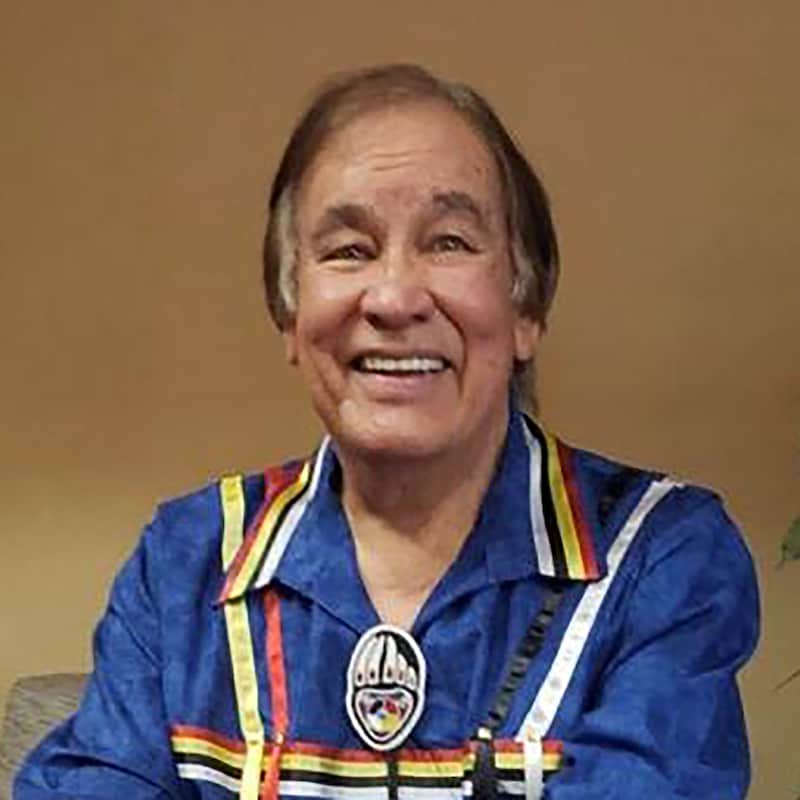
This episode features a profound dialogue with Billy Mills, the legendary Olympic gold medalist and advocate for Indigenous youth. Mills, a member of the Oglala Lakota Tribal Nation, delves into the significance of his victory in the 10,000-meter run at the 1964 Tokyo Olympics, which he transformed into a lifelong commitment to empowering Native youth through sports and health advocacy. He shares his journey, revealing how his triumph on the world stage catalyzed over five decades of advocacy, including co-founding Running Strong for American Indian Youth. Throughout our conversation, we explore the values of humility, compassion, and the importance of cultural heritage, emphasizing the role of storytelling in bridging divides and fostering understanding among diverse communities. Mills’ insights serve as both a reflection on personal resilience and a clarion call to future generations to harness their passions and dreams in the pursuit of a more equitable society.
Takeaways:
- Billy Mills, an Olympic gold medalist, dedicated his life to advocating for Indigenous youth.
- He co-founded Running Strong for American Indian Youth to support health and sports initiatives.
- Mills emphasizes the importance of cultural values and traditions in empowering future generations.
- His life's work reflects a commitment to unity, diversity, and the healing of historical trauma.
Links referenced in this episode:
Companies mentioned in this episode:
- Running Strong for American Indian Youth
- Running Brave
- Crazy Horse
- Sitting Bull
- Red Cloud
- Haskell
- University of Kansas
- Indian News
- Dreamstarters
- SD Nelson
- Nicholas Sparks
- Wings of an Eagle
Transcripts
Hello, and welcome again to another episode of five Playing Questions, a podcast that proposes five questions to indigenous artists, creators, musicians, writers, movers and shakers, and culture bears, people in the community that are doing great things for their communities.
Speaker A:I'm Joe Williams, your host for this conversation.
Speaker A:My goal is to showcase these amazing people in our indigenous communities from around the region and country.
Speaker A:I want to introduce you to Billy Mills.
Speaker A:Now, I'm willing to bet that out of the nearly 200 guests that I've had on this podcast, this is the single one that needs no introduction.
Speaker A: Born in: Speaker A: meter run at the: Speaker A:Considered one of the greatest sports moments in history, he is the only athlete in the Western Hemisphere to ever have won the Olympic 10,000 meter race.
Speaker A:But what makes Mr.
Speaker A:Mills so much more than a legendary athlete is what he did with that victory.
Speaker A:Together with his wife, Patricia Mills, he went across the country advocating for her native youth in sports and health for over five decades.
Speaker A: Youth, which he co Founded in: Speaker A:So it is the honor of my career to jump into this conversation with Billy Mills.
Speaker B:Billy Mills, it's really great to have you on the podcast.
Speaker B:It's really great to have you on five plane questions.
Speaker B:Thank you so much for, for being here.
Speaker C:You know, that's.
Speaker C:It's my pleasure and I'm looking forward to the questions.
Speaker B:I'm really looking forward to this conversation.
Speaker B:This is really exciting for me and for our listener too.
Speaker B:This is going to be a real treat.
Speaker B:So would you be able to introduce yourself, talk about where you're from, what it is that you do and.
Speaker B:Yeah, if you could just introduce yourself.
Speaker C:Well, my name is Billy Mills.
Speaker C:My traditional name, my Lakota name is Ta Makosha te Kahi, which basically means loves his country or respects your community or your people.
Speaker C:And I earned my Lakota name, so I take great pride in it.
Speaker C: meter run,: Speaker C:They reminded me about Oliver Red Cloud, a descendant of gfort Cloud telling me before I left for the Olympic Games, when I come back, I must have a traditional giveaway and I must give back to the community in honor of those that empowered me and in a manner of people I want to try to empower.
Speaker B:And for the listener, Pat Mills is an accomplished artist whose work is all over the country and internationally as well.
Speaker B:And I definitely wanted to talk a little bit more about that as well.
Speaker B:I don't want to miss this opportunity to talk about your work because primarily this is a.
Speaker B:It started off as an art podcast, but we are definitely talking about our community and those who are doing the great work.
Speaker B:And so.
Speaker B:But I do want to talk a little bit about Jerari.
Speaker B:Yeah.
Speaker B:So you're not getting out of here without.
Speaker B:I think what is incredible about, what's incredible about what has happened is you were able to take a moment of great achievement and turn that into an opportunity to return it to the community with all the work, the decades of work that you've done with Running Strong.
Speaker B:And I really do want to talk more about that and hear more about this because it's helped so many people and it's uplifted so many people in our community and that's a very incredible thing.
Speaker B:But let's step back for a second and let's talk about your influences.
Speaker B:When we're young, we have certain types of influences that are on us and then as we move through life, there are different influences.
Speaker B:And yeah, if you could talk about those influences in your life.
Speaker C:You know, I love that question because it almost gives me the feeling I'm communicating with my dad again, who died when I was 12 years old.
Speaker C:But he is my greatest influencer.
Speaker C:But through him I got other influencers of the past.
Speaker C:But I'll sat with my dad and my mother had just passed away.
Speaker C:I didn't know her very well, but I loved her.
Speaker C:She spent.
Speaker C:I think she had cancer, tuberculosis.
Speaker C:I was told she was also a diabetic, but some of my siblings would say she was not diabetic.
Speaker C:But she definitely was ill.
Speaker C:So I saw her five or six times in a four year period because she was always away at the hospital.
Speaker C:She died when I was eight years old, soon to become nine.
Speaker C:And as I mourned her loss, my dad said, son, you have broken wings and it takes a dream to heal.
Speaker C:Broken wings, your wings are broken, you cannot fly.
Speaker C:It takes a dream.
Speaker C:So follow a dream.
Speaker C:A dream will take you down a path in life and introduce you to different passions in life.
Speaker C:Find the passion that can in a sense, use the virtues and their values of our people.
Speaker C:And you can implement virtues and values, humility, compassion, honoring others, giving to others before you give to yourself.
Speaker C:And all of these incredible virtues and values that ultimately can identify wisdom.
Speaker C:So my dad simply said that you find that passion, you take the passion, develop the skills to equal the passion, bring them together, magic happens.
Speaker C:And one or two of the magical things you do in your life just may be looked upon as a miracle.
Speaker C:Then he said over a period until he passed away when I was 12, you can take the culture, traditions, spirituality, extract from them the virtues and the values that empower them, put those virtues or values in your daily life, develop the skills to meet the passion, bring all of those things together.
Speaker C:Boom.
Speaker C:Magic happens, son.
Speaker C:And he would say, one or two of the magical things you do in your lifetime just may be looked upon as a miracle.
Speaker C:My dad died.
Speaker C:One of the first things I missed was he would read to me.
Speaker C:He would tell me stories.
Speaker C:So I remember some of the stories and I started reading.
Speaker C:But years went by and I would not read unless I had to read a book to get bands in school.
Speaker C:Patricia is an avid reader, so she became a major influencer later in life.
Speaker C:But I'll go back to early age things.
Speaker C:I started reading City Bull.
Speaker C:Let's take the best of both worlds and build a new world for our children.
Speaker C:Crazy Horse, he's one of my all time heroes, but he influenced me tremendously.
Speaker C:And when I found out the Crazy Horse ledger was published that my great grandmother with her five children lived in Crazy Horse's camp during the Battle of the Little Bighorn, I cried.
Speaker C:Just the fact that my grandpa saw a Crazy Horse might have been standing by him at one point in time.
Speaker C:So as I studied when the ledger just in recent past when it was published and I could find information about my great grandfather B.B.
Speaker C:mills, who's Scottish and primarily English, how he came into Indian country, went into Lakota country, was involved in the first cattle drive from Texas into Wyoming when the buffalo was being systematically killed to starve off of the Indian person so they would come and surrender the Vantage Free rights.
Speaker C:Red Cloud Chief Red Cloud asked the government if BB Mills could become the first Indian agent what was going to become the Red Cloud Agency, which is Pine Ridge Red Indian Reservation today.
Speaker C:And the government said no.
Speaker C:He speaks Lakota.
Speaker C:He's married to Lakota woman, has five Lakota children that are learning first language Lakota, but they're also learning English.
Speaker C:It would be too hard to take the Indigest out of them to save the child.
Speaker C:And what they were taken out were the virtues and the values.
Speaker C:That you can sit down and compare virtues and values with any society throughout the world, you find common ground which could have bonded us.
Speaker C:And I've often wondered if my great grandfather became the first agent, how much more we might have been prepared to adjust to a new world.
Speaker C:He died three months after he was asked to become the Indian agent, and the government refused.
Speaker C:My grandmother, with her five children, were run out of Fortnite, where he worked.
Speaker C:She found her way to Crazy Horse's camp.
Speaker C:Crazy Horse was one of the few.
Speaker C:Now, this is oral, so I've not read it.
Speaker C:But when oral history meets written history, truth is revealed.
Speaker C:He was taken in indigenous women, Lakota women who were married to white white men.
Speaker C:And the white man was killed.
Speaker C:He was taking the women in with their children.
Speaker C:My words.
Speaker C:Now, perhaps he saw the future, that there will be indigenous people, tribal members with mixed blood.
Speaker C:That's strictly maybe my hope.
Speaker C:But when Crazy Horse brought its people in to live under the treaty rights, he did not surrender.
Speaker C:There were three free bands sitting blue Crazy Horse, nothing, Plenty hoops.
Speaker C:I may not be correct there, but there were three bands, one of them, Crazy Horse.
Speaker C:And he told the soldiers, the military, that he will accept eternal peace with the blessings of the Creator.
Speaker C:He could live in peace, but he chooses to go anywhere he wants to and live as a free man peacefully.
Speaker C:And they said no.
Speaker C:And I've read.
Speaker C:I don't know how it fits into oral history, but I read it in written history, and it influenced me how Crazy Horse looking at some soldiers, looking at.
Speaker C:He simply said, when I look in your eyes, I see your universe.
Speaker C:And when you are at the center of universe, when you are at the center of your universe and I'm at the center of mine, we can be one.
Speaker C:We can live in peace.
Speaker C:And my dad would always tell me, keep in mind, my grandfather, as a little boy, three months of age to five and a half, lived in Craze Horse's camp.
Speaker C:Now, this is just a fantasy of mine, but my dad in reality would tell me, growing up, they're not all bad.
Speaker C:As we would be treated racially.
Speaker C:He would say, look at people's eyes, look at their smile.
Speaker C:If they're good people, either the eyes or the smile or both will take you to the center of their soul.
Speaker C:And as I learned about Crazy Horses concepts and my grandfather was in his camp, I thought, I just wonder if somehow or another my grandfather had a closer awareness as A young boy than most young children would have.
Speaker C:But how did my dad come up with this story that to me so strongly relates?
Speaker C:So these people of the past became great influence, influencers of me along with my father, and helped me tremendously weave through the challenges in my life.
Speaker B:Yeah, and yeah, as though as those are the foundations of with who you are, that applies then with those that you've interacted since then.
Speaker B:Right.
Speaker B:It sort of helps associate with.
Speaker B:With who you interact with after a certain point.
Speaker C:So I used those storytelling concepts that I would hear and what I read to find they led me to my influencers today.
Speaker C:And my major influencer today is my wife, Patricia.
Speaker C:I say this with Hubert.
Speaker C:I didn't trust half Lakota, half white.
Speaker C:I didn't trust white people.
Speaker C:The first white person I trusted, I married.
Speaker C:And Tommy Thompson Sr.
Speaker C:Coached at the Naval Academy.
Speaker C: Gold medalist in: Speaker C:He was one of my major influencers as I journeyed through life, returning into a young man and married Pat, the first white man I ever trusted.
Speaker C:Put me on the Olympic team, helped me have five American records.
Speaker C:One world record, one Olympic gold medal.
Speaker C:1964, ranked number one in the world in the 10,000 meter run.
Speaker C:1965, ranked number three in the world in the 10,001 meters and number five in the world in the 5,000 meters.
Speaker C:So they played major, major roles.
Speaker C:The third influencer, the stories I heard about Sitting Pool, about Crazy Horse, Red Cloud, my dad, the fact that my dad challenged me to learn about the past, who I am, challenged me to learn about the future through reading.
Speaker C:So in a sense, I say a major influencer for me was reading.
Speaker C:And I don't know how people, how they consider me having an influencer reading.
Speaker C:But I was challenged.
Speaker C:When I came back from the Olympic Games, I was challenged to have my giveaway.
Speaker C:I also was dealing with the racism I faced in America.
Speaker C:My wife and I going through New Mexico, went to five motels.
Speaker C:I go in an officer in the Marine Corps, but little darker skin.
Speaker C:And in Gallup, they correctly assumed I was Native American.
Speaker C:Five motels refused us a room.
Speaker C:And I knew what was happening.
Speaker C:So I go back to Patricia and I said, you go in.
Speaker C:She went in and came out and said they had a lot of rooms.
Speaker C:And it was kind of an awakening for her.
Speaker C:It was, oh, my God, it was racism.
Speaker C:And that would reveal itself many, many times.
Speaker C:So she was introduced to systemic racism that in such a.
Speaker C:In such a innocent way, was damaging and condemning.
Speaker C:So I just decided to use reading as A major influencer.
Speaker C:And I decided I have to understand why.
Speaker C:When I came back from the Olympic Games, I was exposed to a whole new world that would not accept me before the gold medal, asking to join the most influential business clubs in the community we moved to.
Speaker C:And the people asking me, totally innocent, just saying, we're giving him an incredible opportunity, which they were.
Speaker C:But they came up in three cities with similar concepts.
Speaker C:Besides, Billy, we're making it an exception for you to join our most prestigious business club.
Speaker C:Besides, we understand you already half qualified, you're half white.
Speaker C:So I'd always refuse.
Speaker C:But I'd recommend and I'd search out African American or a full blooded Native American, a PhD that he or she would love the opportunity women could not join and that they would refuse the male person I was recommending.
Speaker C:So I wanted to find out why this is happening.
Speaker C:That took me on the journey.
Speaker C:I started reading about the past and I'll make this comment and then offer you another opportunity to ask me another question or if it relates.
Speaker C:But I started reading the doctrine of Discovery.
Speaker C:As I started reading the doctrine of Discovery, I realized so few people in America understand it, they've never heard of it.
Speaker C:And as We've traveled over 100 countries throughout the world have in other countries come up to Patricia and I and saying things like, billy, I study your tribes treaty.
Speaker C:I teach the Lakota treaty at our college.
Speaker C:I teach the doctrine of discovery at our college.
Speaker C:How can I be fair to the United States of America teaching Lakota tree and teaching the doctrine of discovery.
Speaker C:So my words just very simply were the truth may never be too severe, should never be too severe to teach.
Speaker C:Continue teaching the truth.
Speaker C:And I'll stop there with that question.
Speaker C:And I don't know if another question leads in or not, but if not at time I'd like to expand on that a bit more.
Speaker C:But back to you.
Speaker B:Sure.
Speaker B:I actually want to bring you in because I do have a question because you both experienced this at the same time when you were facing this discrimination and you, Pat, were with him.
Speaker B:What was that experience like for you as you were there and how did the two of you process this together?
Speaker C:Well, Pat's getting glowed.
Speaker C:Pat's thinking of a couple thoughts.
Speaker C:Yes.
Speaker C:I want to share with you the way it helped me in the beginning.
Speaker C:It was very negative.
Speaker C:I was angry, it was racist, but sitting well, let's take the best of both worlds and create a new world for our children.
Speaker C:And then the seventh generation.
Speaker C:And I think I might have on.
Speaker C:Yeah, a seventh generation sweater.
Speaker C:Yes.
Speaker C:Where our ancestors said it would take seven generations to heal from devastating trauma.
Speaker C:The roads of let's take the best of both worlds and through education, create a new world for our children.
Speaker C:They became misleading immediately.
Speaker C:Treaty signed, treaties broken and creating trauma.
Speaker C:So I wanted to know how the trauma is played out in America.
Speaker C:And to do that, I had to be honest with myself.
Speaker C:Half Lakota, a little, not Quite half Lakota, 7, 16, and a little bit of Northern Cheyenne.
Speaker C:So I'm just a little more half indigenous fetu, almost half white.
Speaker C:And I had to represent my total being.
Speaker C:I had to represent my great grandfather, B.V.
Speaker C:mills, as long as my great grandmother.
Speaker C:So I had to learn to control my emotions and speak truthfully.
Speaker C:I took the seventh generation, and I wanted to explain the trauma generation after generation brought to the new generation.
Speaker C:And I took one of the Lakota virtues and values, honesty and truth, but they're separate.
Speaker C:So controlling my emotions and wanting to empower, not divide, honesty.
Speaker C:I express my emotions, my feelings through words, honestly.
Speaker C:Although what I'm expressing may not be the truth.
Speaker C:So I had to understand also I can express my emotions, my feelings through words, honestly.
Speaker C:If I wanted to deceive somebody, you tell a lie and you see that happening to an extremely gross degree among our leadership in America today.
Speaker C:Yes.
Speaker C:So I took the Lakota virtue, truth.
Speaker C:Truth is an accurate, a correct feeling I want to share with you through words, honestly.
Speaker C:So honestly can be both.
Speaker C:And then I started the pursuit of trying to communicate unity through diversity.
Speaker D:So my name is Patricia, and Joe asked what my reactions were to some of the discrimination that we encountered over our lifetime.
Speaker D:Well, it first started the day we got married because the coach at KU called a compulsory track workout so that the track team couldn't come to our wedding in Coffeyville, Kansas.
Speaker D:But.
Speaker D:But you know what?
Speaker D:They came anyway.
Speaker D:So that was our first.
Speaker D:What's going on here?
Speaker D:So, as we, like, when we did go through New Mexico and we were denied housing, I was just so focused on getting to the Marine Corps and the safety of the base.
Speaker D:And, you know, I didn't really worry about it.
Speaker D:I just had.
Speaker D:We had to get there.
Speaker D:But then as the years went by, different things would happen that would.
Speaker D:That would really accentuate the discrimination that we felt as a couple.
Speaker D:And one of them, when we started our business, some places would say, you know, we never pay Indian people to come speak.
Speaker D:They just come.
Speaker D:We don't have to pay them.
Speaker D:And so that.
Speaker D:That was a lot.
Speaker D:So it was just kind of a hidden discrimination.
Speaker D:And then after he Won the gold medal.
Speaker D:It lightened a little bit, but it was still there.
Speaker D:And so it's today.
Speaker D:It's still there.
Speaker D:So we have a long way to go.
Speaker D:So that was our journey.
Speaker B:So let's talk about your career, right?
Speaker B:Both from college and post college because obviously what.
Speaker B:The first major thing that you accomplish that you're very noted for started in college, right?
Speaker B:And so can we just talk about that journey through.
Speaker B:Through, I guess, your.
Speaker B:Your career, so to speak.
Speaker C:Well, if it.
Speaker C:I'll put a couple thoughts together.
Speaker C:When I started college, two major challenges.
Speaker C:One was a health issue.
Speaker C:The other was I was really not prepared for the way I was viewed by people in the community that I grew to love.
Speaker C:Lord's Kansas.
Speaker C:There were those that were in incredible support, but there were those that may not be from Kansas or they could be that just had the innocence of systemic racism, not knowing the devastation it brings.
Speaker C:So I could not join a fraternity.
Speaker C:They said, as a Native American, there's nothing I could contribute.
Speaker C:And I faced racism in a way that was very painful.
Speaker C:There were a few Native Americans on campus whose fathers were extremely wealthy, extremely successful in corporate America.
Speaker C:They chose not to speak to me.
Speaker C:I was excited to hear these two brothers Native American.
Speaker C:So I tried to communicate and was totally ignored.
Speaker C:I was the Native American among a very few Native Americans who came from Haskell to go to ku, not one of the more elite schools in the country.
Speaker C:Haskell students in that Lawrence community were looked upon as poor.
Speaker C:The systemic racism almost like an enemy, in a sense.
Speaker C:But I was such an upcoming young athlete.
Speaker C:The Lawrence community opened up their arms to me, but I could still feel it.
Speaker C:We go to the Texas Relays.
Speaker C:We vote as a team.
Speaker C:Whether that was not told, but most likely me with the black athletes would stay in the barracks so the white athletes could check into a motel and use the swimming pool.
Speaker C:Fortunately, we voted unanimously.
Speaker C:I believe twice we stay as a team.
Speaker C:And that was just.
Speaker C:It was so meaningful to me.
Speaker C:I felt I belonged.
Speaker C:But in only certain sections of the university, other people were going home, being picked up or taken to the Kansas City airport, et cetera.
Speaker C:I would hitchhike and being picked up on two occasions by students.
Speaker C:Female students had classes with.
Speaker C:And they saw me my KU letter jacket.
Speaker C:And they made their father stop and pick me up.
Speaker C:And they were so kind and that we just had this great relationship in class.
Speaker C:And they could tell that I didn't fit into an economic status of a young boy.
Speaker C:The father would want to pick up its vacuum.
Speaker C:So unaware that the Boy he would pick up would not have to hitchhike.
Speaker C:So I was.
Speaker C:It was extremely challenging.
Speaker C:It continued, but I was beginning to mature more.
Speaker C:I took a commission in the Marine Corps, but it continued.
Speaker C:It continued in other ways.
Speaker C:In high school, I'd be tired before a race.
Speaker C:Just the nervousness made me tired.
Speaker C:Tony Coffin, my coach, who was like a second father to me, he would say, well, did you sleep well, coach?
Speaker C:I slept while I was not up late.
Speaker C:And he was just in his naivety and innocence, would say, I'm going to buy a jar of honey.
Speaker C:I'm going to bring the honey with with me.
Speaker C:You can take some honey 20 minutes before you race.
Speaker C:So I would take honey and I'd always get through the race.
Speaker C:I came out of high school ranked second in the mile, came out of high school ranked fourth in the mile.
Speaker C:We didn't run the two mile, but across the country, top milers, a lot of the coaches will have them run a two mile because you ran further and further college.
Speaker C:And my coach had me run a two mile.
Speaker C:Of all of the high school coaches that had their top athletes run two miles.
Speaker C:I came out of high school with the second fastest two mile in the nation.
Speaker C:And that's where I started getting the scholarships from.
Speaker C:So my first race in college, I had my honey jar.
Speaker C:My coach took my honey jar away.
Speaker C:He said, this is different.
Speaker C:We eat four to four and a half hours before competition.
Speaker C:Fast forward before the Olympic Games 13 months before, as a young lieutenant has diagnosed borderline diabetic, drastically hypoglycemic.
Speaker C:My blood sugar drops drastically, but not necessarily into the danger range of a coma, but I have all the effects as it drops.
Speaker C:My coach in college would say, what are your dreams?
Speaker C:And I'd say, well, I want to make the Olympic team.
Speaker C:And his response, don't dream too big.
Speaker C:Let's be more realistic.
Speaker C:Make an Olympic team.
Speaker C:Those dreams are four.
Speaker C:And you'd name another KU athlete, University of Kansas athlete.
Speaker C:It would devastate me.
Speaker C:So when I go to the doctor, he's giving me his report, he says, you have, basically, you're becoming diabetic.
Speaker C:So I said to him, you know, I was so afraid you were going to tell me what my high school coaches would.
Speaker C:I told the doctor, I'm so afraid you were going to say what my college coach would say.
Speaker C:Low self esteem, orphaned, minority, poverty.
Speaker C:You have to learn how to live with those issues.
Speaker C:And he looked at me and he said, low self esteem, where'd that come from?
Speaker C:I said, well, that's What I was told in college all the time, he goes, lieutenant, you do not have low self esteem.
Speaker C:And I said, thank you.
Speaker C:But how, why are you say that?
Speaker C:He said, damn it, you're a Marine.
Speaker C:I've never met a Marine with low self esteem.
Speaker C:And my life is getting so much more positive.
Speaker C:And today it's 50, 50 whether I have.
Speaker C:First they then said, I advanced to full diabetic.
Speaker C:Then 20 years ago, you're not diabetic.
Speaker C:You have what very few people get.
Speaker C:Possibly since high school, you've had on your pancreas a tumor that spews extra insulin that takes you high and low daily throughout the day.
Speaker C:So you're experiencing the symptoms of insulin noma.
Speaker C:A year ago, July, last July, my team of doctors said, billy, we don't think you have insulinoma.
Speaker C:Your symptoms are not severe enough.
Speaker C:It's enough to get you dizzy and it's enough to take your energy, have no energy, but they're more severe.
Speaker C:So 50% of this team that have been testing me for cancer since the early ages said, we think you are just one lucky man who possibly since high school, you've had a tumor on your pancreas, spewing insulin, struggling with weight, particularly around the waist, going low blood sugar, exhaustion, and not have that tumor turn into cancer.
Speaker C:So all those years, I told Pat in a couple days, January 27th is our 63rd wedding anniversary.
Speaker C:I told Pat, if I knew how to deal with insulinoma or this tumor on my pancreas from high school on, like I know how today, like I know how to today, instead of one world record, I might have had 15, Ron Clark had 18.
Speaker C:I might have had shared 15 of those with him and potentially another gold medal.
Speaker C:She said, my God, Billy, you're three and a half years from 90.
Speaker C:Just let it go.
Speaker C:Just let it go.
Speaker C:And I'm finally letting it go.
Speaker C:But there's still one dream that I pursued that I would love to achieve and to get into the World Olympic Museum.
Speaker C:But to get into the World Olympic hall of Fame, it takes a gold medal, two gold medals, a number one ranking in the world, and a world record.
Speaker C:Basically, if you're ranked number one in the world, which I was, if you have a world record, which I had, and two gold medals, you qualify to be considered.
Speaker C:But the fine print, you read the fine print.
Speaker C:If you don't have two gold medals, you have one.
Speaker C:And you are doing extraordinary humanitarian deeds.
Speaker C:So I hope in my journey, at some point in time, they say, billy, you've done some extraordinary humanitarian deeds.
Speaker B:I think there's an argument for that.
Speaker C:Right.
Speaker C:Well, there's three of us on my team now.
Speaker C:You, Patricia and me.
Speaker B:All right, well, we need to spread that work.
Speaker B:But the thing is, though, is that you may have the one, but you also have the Presidential Freedom Medal.
Speaker C:And this is not the.
Speaker C:I do not have the Presidential Freedom Medal.
Speaker B:I'm sorry.
Speaker C:I have the President's medal that is underneath the Freedom Medal.
Speaker B:But still, though, like this, now, this, this was in, was this in 08?
Speaker B:I'm pulling up memory here.
Speaker C:I, I, you know, I, I can't recall when I got.
Speaker C:Was Obama's second term, okay, maybe 12.
Speaker C:I, I changed parties.
Speaker C:I studied in depth Obama.
Speaker C:I asked young athletes from 40 countries, who would you vote for?
Speaker C:And they were well informed on the three running for the presidency at that time.
Speaker C:And they were very fair to the other two, but they said we would all vote for.
Speaker C:All of them said they'd vote for Obama because he's the only one out of the three that entities of the world would listen to, and he is a communicator, so he could potentially communicate progress, unity through our diversity, and to hear other people, young people from other countries express it in that manner, I knew I was experiencing something that very few people in America would experience or would understand.
Speaker C:So I voted for him.
Speaker C:And he was presenting me with the Presidential Medal.
Speaker C:I was so honored.
Speaker C:And the experience was one of our highlights.
Speaker C:To four daughters.
Speaker C:Patricia.
Speaker C:We go back and I was told President Obama was given the audio radio broadcast of my race at the Olympic Games or the video of the last lap.
Speaker C:And I was told he was taken by it.
Speaker C:And he told some of the people in the White House, you get down.
Speaker C:You listen to this.
Speaker C:Now, I have no idea if that's true, but the person telling me was extremely credible, a person within the White House.
Speaker C:So I'm anxious to meet him.
Speaker C:We're there.
Speaker C:He walks out much taller than I thought in person.
Speaker C:And just this gait, he stops, looks at me, looks at my wife and daughters, and he said, billy, you and I have a lot in common.
Speaker C:We both have beautiful wives and we both have beautiful daughters.
Speaker C:And I looked at my daughters and my wife, and they were melting.
Speaker C:And I thought, this is beautiful for communicating.
Speaker C:Our second eldest daughter said, president Obama, I have a son in the third grade.
Speaker C:The entire class, they want to know, do you.
Speaker C:And she put her fist up.
Speaker C:He said, sure, put him up.
Speaker C:And he just does the fist bump with her daughters.
Speaker C:And it was just, it was just an incredible, just moment with this man who was, I thought we were blessed to have him in the White House at that period of history.
Speaker C:And he's ready to have the photo taken.
Speaker C:And Christy, our eldest, was by President Obama.
Speaker C:So she looks back at Megan, the youngest and the shortest, and said, Megan, you come down and stand by the President.
Speaker C:So she stood by him and she's looking up at him and he looks down at Megan and he looks back at Christy and the other daughters and he said, Megan, what happened?
Speaker C:You're the shortest.
Speaker C:And she says, I've always been the rot.
Speaker C:And they snap the photo there saying, President Obama, we have to move on.
Speaker C:We have the next person that is receiving the medal.
Speaker C:And he starts to walk away and Patricia said, President Obama, may I have another hug?
Speaker C:And he came back and like a son, age wise, almost a grandson, he came by, bent over and hugged her.
Speaker C:And it was such a beautiful moment to see him having the time and the compassion and the sincerity with that hug.
Speaker C:And then everybody wanted their hug and then he walks on.
Speaker C:And I thought this, this moment was so, so special, so human that just.
Speaker B:Gonna say that very human moment with your running career.
Speaker B:When, how long did you compete for?
Speaker C:When, when was.
Speaker C:Yeah, yeah.
Speaker B:How long, how long did you compete for?
Speaker C:Well, my running career, the audience, people that are kind enough to listen, I think you would enjoy this.
Speaker C:I trained for 12 years high school, college and post athletic.
Speaker C:My running career was 11 months.
Speaker C:11 months.
Speaker C:I found out in September of 63 that I had this health issue.
Speaker C:It was not mental, it was not low self esteem, it was a health issue.
Speaker C: So: Speaker C:August of 64, I broke the American record in the six mile.
Speaker C:Trade through the race, got second but broke the record.
Speaker C:Didn't hold.
Speaker C:It made the lipitune the marathon.
Speaker C:Then October broke the American sixth mile all the way to breaking the American in the Olympic 10,000 meter record.
Speaker C:Told I faced the greatest field of distance runners ever assembled.
Speaker C:Won the gold Medal, ranked number one in the world.
Speaker C:Then July to the first week of August, basically 11 months I broke five American records.
Speaker C:One world record.
Speaker C:Ranked number three in the 10,000, number five in the 5,000 was wanting against the Soviet Union in Kyiv, Ukraine.
Speaker C:Wanting to blow the 10,000 meter world record away.
Speaker C:And I was ready.
Speaker C:I got sick.
Speaker C:Pat flew into Moscow the same day I flew in from the same day I flew in to Moscow.
Speaker C:I was in Europe competing and she hugged me and she said, you're hot.
Speaker C:I said, I don't feel well.
Speaker C:Had a 101.9 temperature.
Speaker C:We still went sightseeing and we could tell KGB following us behind, KGB in front of us, KGB across the street.
Speaker C:And I was told by the U.S.
Speaker C:olympic Committee the doctor didn't have at the moment just medication in case anybody got sick.
Speaker C:I was given penicillin from the Soviet Union doctor I broke out into major welts, had a major reaction and found out later their penicillin was just not as pure as ours.
Speaker C:And our penicillin back then is no way as pure as the penicillin today.
Speaker C:So had a major reaction.
Speaker C:The US officials made arrangements for Patricia and I to stay in Moscow for one more day so I could help try to get well for the race the following day.
Speaker C:An hour after the US team left to go to Kyiv, we were moved out of our hotel room.
Speaker C:We sat in the lobby.
Speaker C:8:00 clock in the morning, noon.
Speaker C:Someone came and said another delay, two hour delay, now someone will come for you.
Speaker C:We had no food to eat then this guy that needs food, go low blood sugar, 2 o' clock, 2 hour delay, 2 hour delay.
Speaker C:Coming at 10 o' clock.
Speaker C:We will be here at 12 midnight.
Speaker C:So we're sitting up in the lobby.
Speaker C:At 12 o' clock they came and said must rush.
Speaker C:We get on the plane.
Speaker C:Found out it took the team to fly to Moscow, to Kyiv, Ukraine.
Speaker C:Little over an hour.
Speaker C:The plane I'm on takes three hours.
Speaker C:We get off the plane, we were told there will be an in tourist guide to take me to the hotel the US team was in.
Speaker C:Nobody showed up.
Speaker C:Arrived like 3:30 dots, 7:30, another plane lands.
Speaker C:Media getting off the plane to cover the meat.
Speaker C:A journalist from London who had interviewed me earlier in the year recognized Pat and I.
Speaker C:Billy, what are you doing here?
Speaker C:I said, well someone's supposed to pick us up at 3:30 in the morning and no one's here.
Speaker C:He said, I know where the US team is staying, I'll take you there.
Speaker C:We arrive, there's no room for it.
Speaker C:Pat and I in that hotel.
Speaker C:Patricia slept on a couch in the lobby.
Speaker C:I slept on a massage table in the training room till mid afternoon.
Speaker C:Had the temperature, didn't go away.
Speaker C:Late afternoon they got a room for us the next day, time to compete.
Speaker C:Still had the temperature, didn't compete.
Speaker C:So my points lost the meat for us against the Soviet Union.
Speaker C:I was devastated.
Speaker C:Ralph Boston's point solid with mine lost the meat.
Speaker C:Ralph Boston was harassed every jump he was harassed and fouled.
Speaker C:So I told Pat, I'm going to run one more race.
Speaker C:If I'm well, I'm going for the world record in the 10,000.
Speaker C:I wanted to blow it away.
Speaker C:Well, Clark got the time I wanted to.
Speaker C:So now I have to definitely run what I thought I would do, but two seconds faster, which only meant that much more lap and I could do it.
Speaker C:So I felt comfortable.
Speaker C:But get ready to run against the German national team in Augsburg and still had temperature, so.
Speaker C:Well, I could.
Speaker C:I'm gonna do the best I can.
Speaker C:So I.
Speaker C:I ran.
Speaker C:And my teammate, my U.S.
Speaker C:teammate, asked me what I was gonna do.
Speaker C:Huh?
Speaker C:What was my strategy?
Speaker C:But he had been talking to the German athletes, and this is not the first time this happened.
Speaker C:So I knew what he was gonna do.
Speaker C:He was basically pardoning with the Germans to beat me.
Speaker C:So I lied.
Speaker C:I said, if I.
Speaker C:I'm going to trail if I feel good.
Speaker C:3,000 meters, I'm taking the lead and going for a new American record.
Speaker C:He goes, and he's talking to the Germans.
Speaker C:What he told them, I don't know.
Speaker C: But I do know at the: Speaker C:But we're in a pack, and they all look, what's Billy gonna do?
Speaker C:I felt terrible, but I took the lead, put in a hard 440, broke the field.
Speaker C:Except for the German runner and Lutz, The German Panthers stomp on their feet.
Speaker C:Fiddle up, fiddle up, fiddle up.
Speaker C:Ralph Boston jumped on the track.
Speaker C:When I'd go by, he would say, philly.
Speaker C:And then it turned to Mills.
Speaker C:And the German fans would be quiet for 100 meters.
Speaker C:So Ralph can cheer for me on this side.
Speaker C:I'd come by and I'd heard the words, hang in there, skin.
Speaker C:And I thought, that can't be a German.
Speaker C:That's got to be another American Indian using the word that we will call ourselves, but nobody else is going to call us that.
Speaker C:Can I go by again?
Speaker C:And I see this dark face, some US Indian guy in the military.
Speaker C:We can get him.
Speaker C:We can get him.
Speaker C:And then Lutz Philip made a move on me, and I'm struggling from being sick.
Speaker C:And my newfound friend deserted me.
Speaker C:I come by him and he says, hang in there.
Speaker C:You can still get him.
Speaker C:You can still get him.
Speaker C:I made another move, caught the German moved and was ready to break him.
Speaker C:And I came by, and now my new friend joins me.
Speaker C:We got him now.
Speaker C:We got him now.
Speaker C:And throughout the race, the Germans saw their champion was broken.
Speaker C:So they joined Ralph Boston, a great US Long jumper, gold medalist, and my newfound friend.
Speaker C:They started stomping their feet.
Speaker C:Mills.
Speaker C:Mills.
Speaker C:And the last lap and a half the entire stadium cheering.
Speaker C:For me, it was just an incredible moment.
Speaker C:And I finished, I walked off the track, Pat's there.
Speaker C:And I told Patricia, it's too hard running.
Speaker C:Use the word diabetic.
Speaker C:It's just too hard running, diabetic.
Speaker C:I'll never be world class again.
Speaker C: for the first week of August: Speaker C:And I told her, I'm going to continue running, but I'll never do the training, never make the commitment.
Speaker C:I just enjoy the moment, but I'll never be world class again.
Speaker C:Go to the press conference.
Speaker C:Then I hear that voice again.
Speaker C:Let me in, let me in.
Speaker C:I'm the only other Indian on the continent.
Speaker C:And so I waved to the media people to let him in.
Speaker C:He came and stood by me and said, billy, the year you won the state, I was all stage in basketball.
Speaker C:My sister are a relative of his.
Speaker C:He said, I'm Steve Cadew.
Speaker C:Steve Cadew later became the chairman, very instrumental in starting Indian gaming.
Speaker C:And he said, in that little gathering, Billy, when you won your gold medal, you won for all of us.
Speaker C:Not just indigenous people, but you won for all of us.
Speaker C:That includes the fans of track and field in the United States, the world.
Speaker C:You won for all of us.
Speaker C:I'm going to do something for you someday.
Speaker C:But what you did for us.
Speaker C:Steve and I became dear friends.
Speaker C:I saw him develop in his leadership roles.
Speaker C:And five years ago he calls and says, remember what I said?
Speaker C:You ran for all of us and I'm going to do something for you.
Speaker C:We're starting implementing that today.
Speaker C:And orchestrated with his daughter who wanted to do it.
Speaker C:And he thought this is great.
Speaker C:This fulfills that commitment.
Speaker C:The Billy they they named, they changed the name of the South Middle School in Lawrence, Kansas to be Billy Mills Middle School.
Speaker C:And that the school is just a quality in middle school.
Speaker C:And the compassion of the teachers and the diversity through unity, through diversity that they portray in the classroom, that they are stronger as one.
Speaker C:And he's implementing some of the dreams I want to fulfill out of middle school in Lawrence, Kansas.
Speaker B:That says something that decades go by.
Speaker B:And he stayed true to that promise.
Speaker B:I mean, that's a solid promise.
Speaker B:Solid work.
Speaker C:Wow.
Speaker B:So when was the shift to public speaking and then running strong?
Speaker B:How did this all come about?
Speaker C:The shift of what I do today again were inspired by the words of Crazy Horse, Sitting Bull, my dad Pat, mentors along the way, my coaches.
Speaker C:I had to have my giveaway.
Speaker C:And my giveaway became co founding with Gene Kracik, who started his Bird Journey a couple years Ago Pat and arrogant create a foundation.
Speaker C:We wanted to give back.
Speaker C:And Gene Kreisek called and said Billy, I started a foundation just one year old have no money.
Speaker C:We had a grant that we spent trying to help.
Speaker C:And some of that money was spent on the Rosebud reservation.
Speaker C:We understand you are just in starting the foundation.
Speaker C:Is there any way we can work together?
Speaker C:So he co founded Running Strong for American Indian Youth.
Speaker C:The first place we went was to my reservation, Pine Ridge West.
Speaker C:A former competitor of mine in track and field who became our chief recently.
Speaker C:Joe American Horse Joe is at Nebraska.
Speaker C:How is that Kansas?
Speaker C:And we asked Joe of the 10 priorities of the tribe, we'd like to help with one.
Speaker C:Which do you think is the most the number one concern the tribe has that we might be able to help with?
Speaker C:Joe said one word water.
Speaker C:And realizing some of our members, tribal members were getting water from the Creek, this was 36 years ago.
Speaker C:And boiling it for drinking, washing, cooking.
Speaker C:So we started with drilling water wells.
Speaker C:Had to cap some of those water wells because of the uranium runoff from Nebraska.
Speaker C:Then we started connecting with the main water line connecting homes on the reservation.
Speaker C:I'm safe to say if not totally were close to every home or trailer on the reservation having running water.
Speaker C:Were not there were close.
Speaker C:And then we started helping some other reservations with water.
Speaker C:Then organic gardening, some homes for the elderly.
Speaker C: , who became our chief in the: Speaker C:And on the 50th anniversary of me winning the gold medal, I wanted to do something to inspire the dreams of the youth based on the visions of our elders.
Speaker C:So Running Strong staff came up with the dreamstarter program where today.
Speaker C:Well, we started back then.
Speaker C:Today's this year.
Speaker C:This year we celebrated the 60th anniversary.
Speaker C:So running Strong for America and the digital youth is celebrating its 10th year.
Speaker C:And we started by giving picking 10 young youth.
Speaker C:Men are women as young as 16 to like 28.
Speaker C:And they could apply for a grant partnering with another nonprofit to implement a dream that could empower their community.
Speaker C:And we'd give them a $10,000 grant.
Speaker C:10 a year for five years.
Speaker C:50 grants.
Speaker C:50 dream starters.
Speaker C:Celebrating my 50th anniversary, winning the gold medal.
Speaker C:The dreams that they brought to us, just incredible dreams.
Speaker C:Powerful.
Speaker C:Now we're given $20,000 to 10 a year.
Speaker C:At the first.
Speaker C:The first five years we picked five and gave $50,000 grants.
Speaker C:So I'll just name hi say Dr.
Speaker C:Hossey, a young Dakota lady in dental school.
Speaker C:And you can do some research through running Strong juice.
Speaker C:Looking up Dr.
Speaker C:Hasi, I told her I will never use her first name.
Speaker C:She wanted to be a dentist.
Speaker C:She saw how few dentists there were and how empowering it might be for a young child going to the dentist, meeting somebody that kind of looks like him or her.
Speaker C:And she used the grant to fly in 10 people.
Speaker C:She partnered with Dr.
Speaker C:Blue Spruce, a great native American dentist, possibly the first but definitely one of the most recognized names.
Speaker C:And stills University.
Speaker C:They brought in 10 young people which I think possibly all 10 of them chose to go to dental school.
Speaker C:She brought in more he year after year.
Speaker C:And tracking her record, you can show how oral hygiene has increased.
Speaker C:That's tracking her record for 10 years.
Speaker C:You can see how oral hygiene has improved very impressively in communities on the reservations just by her recruiting indigenous people to dentistry.
Speaker C:Others broke off using the health field to create their own in a different area.
Speaker C:Another is Noah hatches who was 16 years old when he was a young boy, 12 or 14 thereabouts, was in a car accident, paralyzed from the waist down.
Speaker C:And his father, an incredible father human being, he got him into monoskiing down the mountains.
Speaker C:So Noah wanted to use the dream to empower opportunities for other indigenous people that are disabled, paralyzed amputees to allow them to have a more quality lifestyle.
Speaker C:He started his own, he now has his non profit recruiting young people, indigenous people to learn how to have a more quality lifestyle.
Speaker C:And he was one of our $50,000 grantees.
Speaker C:He graduated from college, he just a year or two ago made all American in wheelchair basketball.
Speaker C:But NOAA just is providing encouragement, providing self esteem, more quality lifestyles for a number of indigenous people and then it just goes on and on and on.
Speaker C:So our Dream Starters program, very, very powerful and it multiplies, it's the seeds.
Speaker B:It'S seed planting for just careers going and lives changing.
Speaker C:And every one of them has, every one of them, they have their story.
Speaker C:So I encourage the listeners go to Indonesia dreamstarters program.
Speaker C:You can learn about multitudes of young people now, 50, 50 young dream starters and the changes they're making in the world.
Speaker B:We'll put links in the show notes so they can click on that and find it.
Speaker B:One of the dreamstarters that you had a year or so ago is a friend of mine and someone I've worked with is Lauren Waters, the filmmaker.
Speaker B:Yeah, she's Forbes 30 under 30 or something like that this year.
Speaker B:So.
Speaker B:But yeah, we worked on the film together.
Speaker B:So.
Speaker C:Incredible, incredible what they're Doing.
Speaker C:They're creating the magic.
Speaker B:Yeah, yeah.
Speaker C:They're finding their passion, bringing them together.
Speaker C:Like Mike had said, one or two of the things you do over your lifetime, just, Mike, become a miracle.
Speaker C:So she's one of our dream starters, creating miracles.
Speaker B:Absolutely.
Speaker A:Absolutely.
Speaker B:And her brother plays just a couple blocks away for the warriors, so.
Speaker B:Yeah.
Speaker C:Really?
Speaker C:Oh, yeah.
Speaker C:Oh, yeah.
Speaker B:So he's.
Speaker B:Yeah, from Oklahoma or something, but, yeah, yeah.
Speaker C:But when.
Speaker C:When you see her, you tell her that I said she's one of many dream starters that are creating the magic, and one or two of the magical things she does, it's becoming miracles.
Speaker B:I'll let her know.
Speaker B:I'll let her know.
Speaker B:So we've been touching on opportunities, but what are some opportunities that.
Speaker B:So normally five years in, I always have my same little card that I look at whenever I ask the question.
Speaker B:I did bring the card with me, so I feel like I'm sort of floating right now.
Speaker B:I only ask the five same questions, but don't have them with me.
Speaker C:Yep, you brought the guard.
Speaker B:That's great.
Speaker C:Yes.
Speaker B:The question.
Speaker B:Opportunities.
Speaker B:Opportunities present themselves in different ways throughout our lives, and oftentimes we create our own opportunities.
Speaker B:Can you talk about some of those opportunities in your life?
Speaker B:I know we've already touched on a.
Speaker C:Few of these, but, well, the opportunities in our lives, Pat and I, because we're a team, the opportunities were empowered for me tenfold by having a teammate, and Patricia is my teammate.
Speaker C:I would have broken because of the issues my health issues bring to me.
Speaker C:Along with going low blood sugar comes a quiet form of depression.
Speaker C:And what I was going to do is quiet forms of depression came suicidal thoughts, I should say, for the young child.
Speaker C:I had big thoughts that I didn't know what to do with, and she helped me navigate through those thoughts and to always have a dream in front of me.
Speaker C:So my dreams are always based upon past traditional footprints of how I could help empower generations after generations, up to the seventh generation today and generations in the future.
Speaker C:How could I help empower them?
Speaker C:So running strong for American Indian youth is one of the ways we've chosen to help empower young people.
Speaker C:Helping with organic gardening.
Speaker C:In Pine Ridge, we have this incredible organic gardening project, which was already there.
Speaker C:We went and just helped mature it, providing a more quality food source to the people turned up, helping with the more quality health.
Speaker C:I chose based on words of our ancestors.
Speaker C:I mentioned Sitting Bull, Red Cloud, Crazy Horse.
Speaker C:I've chosen to try to have my words help those that have created generational trauma was created in their Lives weave through those challenges.
Speaker C:And we did that in one manner.
Speaker C:Co writing a book with Nicholas Sparks first called Wo Wokini, pronounced wokeny, but English pronunciation, they would say Wokini.
Speaker C:Seeking a new image.
Speaker C:So those facing trauma from generation after generation, which that trauma, the broken treaties, boarding school trauma, created just this emotional struggles of which created generational trauma, economic poverty of dreams, etc.
Speaker C:So we wrote Lessons of a Lakota changed Wokini.
Speaker C:So the book we wrote, Wokini went through a major challenge and a major change.
Speaker C:We had a publishing company tell us we could make one minor change.
Speaker C:The book would reach multitudes of people and you could make a lot of money off the book.
Speaker C:Billy I'd say, what's the minor change?
Speaker C:They actually said, take anything relating to Indian people out of the book.
Speaker C:This was a publishing company.
Speaker C:So we left, we found another publishing company.
Speaker C:But we did change from Volokini, your personal journey through happiness and self understanding that we changed to Lessons of a Lakota.
Speaker C:They wanted me to say Lakota lessons.
Speaker C:I said, I can't speak for all the Lakotas.
Speaker C:That was the book Lessons of a Lakota.
Speaker C:And that was just ways in which you can deal with the trauma that was formed.
Speaker C:And the book we have now, the book gets me so emotional because my dad first said to me, you do these things, son, someday you could have Wings of an Eagle the last 100 meters of my 10,000 meter race in Tokyo, Japan, winning the gold medal.
Speaker C:I see this runner with an eagle on his jersey.
Speaker C:And my thoughts were wings of an eagle.
Speaker C:I can win.
Speaker C:Pat's in the stands right about where those thoughts became.
Speaker C:And they were entering my body and my mind.
Speaker C:And then the feeling of overcoming, trying to deal with suicidal thoughts.
Speaker C:I used a dream to heal a broken soul.
Speaker C:And that dream was Olympic.
Speaker C:10,000 meters run gold medal Tokyo, Japan Believe, believe, believe.
Speaker C:And I look and I see the eagle on this man's jersey.
Speaker C:Wings of an eagle.
Speaker C:I can win.
Speaker C:I can win.
Speaker C:And then I'm gonna win.
Speaker C:But I meant I get to the finish line first.
Speaker C:Breaking the tape of the official coming up to me, is there anything I can do for you?
Speaker C:And I simply said, I want my wife.
Speaker C:75 to 80,000 people in the stadium.
Speaker C:Pat said, they're tapping on the shoulder.
Speaker C:The new Olympic champion requests his wife.
Speaker C:They brought her to me.
Speaker C:And he motioned me with tears.
Speaker C:I said, I know what I meant.
Speaker C:I'm gonna win.
Speaker C:But I may not get to the finish line first.
Speaker C:But I'm gonna try to get to the finish Line first.
Speaker C:Wings of an ankle lengthening my stride, pumping my arms, fitting the tape across the brick across my chest.
Speaker C:I knew that moment.
Speaker C:I choreographed it.
Speaker C:I orchestrated it.
Speaker C:But I know that moment was a gift from the spirit world.
Speaker C:It was a gift.
Speaker C:So one of our ways of giving back.
Speaker C:With Donna Janelle Bowman and S.D.
Speaker C:nelson, my dream.
Speaker C:He wrote a children's book for all ages called Wings of an Eagle.
Speaker C:Billy Mills, Olympic dream.
Speaker C:And Donna Janelle Bowman helped me achieve, in a sense, like Pat did.
Speaker C:But in this case, Pat and I was too close with the spouse, my teammate.
Speaker C:I wanted a lot of children's book, but I wanted to represent my total being.
Speaker C:I wanted to represent thoughts and feelings of how my great grandfather, B.B.
Speaker C:mills, maybe saw the world, how maybe he saw indigenous people.
Speaker C:And I didn't know how to do that.
Speaker C:I'm half white, but most of my understandings were how the white world treated me.
Speaker C:I didn't really know the white world, but I wanted to know.
Speaker C:I need to know my total being.
Speaker C: Donna Janelle Bowman, since: Speaker C:She had been studying me.
Speaker C:She was writing a book.
Speaker C:She wanted my involvement.
Speaker C:And I took her five years almost to meet with us because I wasn't ready and I was traveling.
Speaker C:She walked into our home, she sat down, we started talking.
Speaker C:And either she or me, Pat, I don't know, but oral history meeting written history came up and how oral history meeting written history comes truth.
Speaker C:And she had been studying, looking into oral history.
Speaker C:She wrote written history about me and wanted my input.
Speaker C:She actually said, if you don't want me writing a book, I'll give you all the research I've done.
Speaker C:You can write a book.
Speaker C:But Billy, how would you involve it if she writes the book?
Speaker C:And I sat and I saw.
Speaker C:We started going into oral history, and she was listening, and she saw the need for oral history to be there, for truth to surface.
Speaker C:And I was blessed because I saw.
Speaker C:I was blessed because I saw this lady with no indigenous blood wanting to know.
Speaker C:I saw this lady with no indigenous blood wanting to learn more about oral history.
Speaker C:So written history meeting oral history, truth can surface.
Speaker C:I saw what I was searching for to truly represent my total being, having a better understanding of my great grandfather, B.B.
Speaker C:mills.
Speaker C:I learned from her so much about me, and she learned from me about all history and about Billy.
Speaker C:So I watched as I would share and she would write and I'd do some of my own writing and how she took words, I would write in her words and brought them to Life in the book Wings of an Eagle.
Speaker C:So I wanted SD Nelson, a Lakota illustrator, to illustrate the book.
Speaker C:And then she sits and says, the publishing company chooses the illustrator.
Speaker C:But I've introduced them to Esti Nelson because she wanted SD Nelson to be the illustrator.
Speaker C:And we waited.
Speaker C:We waited.
Speaker C:And then the publishing company said, we've chosen our illustrator, S.D.
Speaker C:nelson.
Speaker C:So things are falling into place.
Speaker C:And without mentioning names, there were several people who reviewed children's books.
Speaker C:And there are those that review children's books on Indigenous children.
Speaker C:That I was being told as I did my research could be brutal because they're looking for truth.
Speaker C:But my words now, oral history, maybe written history, they're looking for truth.
Speaker C:Those are my words, but that's how I interpret it, as I learned about them.
Speaker C:So there were several that were still out, and some of those several were Indigenous critics.
Speaker C:And I weighed it.
Speaker C:And then the reviews, those last reviews started coming in.
Speaker C:One of the reviewers just used Donna Janelle's name.
Speaker C:You hit the nail on the head.
Speaker C:The other reviewer said, every child in America should read this book.
Speaker C:And then we start getting people coming from very traditional backgrounds who are developing curriculums to teach young people through the footprints of trauma, to contribute their dream to the future of the horizon of America.
Speaker C:And we've had one of the families who have a very traditional man who helped me when I was struggling.
Speaker C:And they're developing a curriculum, a curriculum they already have in a number of high schools in several states.
Speaker C:They're developing a curriculum off of Wings of an Eagle.
Speaker C:And I just.
Speaker C:When they tell me what they're doing, Pat doesn't notice.
Speaker C:She goes back downstairs.
Speaker C:I have an office upstairs.
Speaker C:She just went downstairs.
Speaker C:Out in the bathroom.
Speaker C:We cried.
Speaker C:Not for the fact that a book we wrote is being used in that curriculum, but that's the footprints of our ancestors that I've tried to put in the book to be heard in their classroom, are being heard by some of our traditional people who are developing curriculum.
Speaker C:And that was just so sacred, we.
Speaker B:Can never anticipate what happens.
Speaker B:We spend so much time working on one thing, and then something comes up later that is a whole different path with people that we haven't met or thought about carrying things forward that we can't even imagine.
Speaker C:Then I started talking to some other very prestigious Indigenous people who are pursuing their own projects and realizing treaties signed and treaties broken, that a very strong representation, close to 50% in some occasions, were voting for us.
Speaker C:But just by percentages, they were outvoted and treaties were broken.
Speaker C:And that we do have a large percentage of Native American people who want to find their dream and take their culture, their traditions, their spirituality into choreographing the horizons of America's future.
Speaker C:And we have a lot of strong percentage of people in Congress in the center that support their dreams.
Speaker C:And we have to inspire our young children to do their part to start fulfilling the dream, taking culture, traditions, spirituality, extracting the virtues and the values that empower them, putting those virtues and values in their daily life's pursuit, taking traditions, culture, spirituality with them as they contribute their voice being heard to the horizons of America's future.
Speaker C:And some incredible roadblocks are being thrown up when some of our leaders say diversity is racism to the young white child.
Speaker C:Her Constitution, one nation under God, her pledge of Allegiance, one nation under God, indivisible, with liberty and justice for all, his diversity.
Speaker C:That every child, wings of an eagle in the classroom, is stronger collectively as one.
Speaker C:And that simply by this seventh generation Lakota person, young male or female, our younger grandchildren, or seventh generation, or four of our great grandchildren, with one of them just turned 13.
Speaker C:In her classroom, she dances a little 7 year old, 6 year old grandchild has his long braids, he's learning to drum.
Speaker C:He teaches his diversity to his classmates.
Speaker C:And they're focused, they're learning, they're understanding.
Speaker C:So America awaits the voice of America's diversity.
Speaker C:And the way I look at America's diversity, I take our young granddaughter in school and she is learning the diversity of every child in the chair next to her, in the chair next to, on the left side, they're stronger.
Speaker C:And that represents the Constitution, that represents the Pledge of Allegiance.
Speaker C:We say so frequently, one nation is God with liberty and justice for all.
Speaker C:It doesn't say with freedom and justice for all.
Speaker C:It says with liberty and justice for all, we have the freedom to do anything we want.
Speaker C:We can be a racist, we can say diversity is racism.
Speaker C:And that's what's been said by one of our leaders just last week.
Speaker C:Our freedoms come with liberties, liberties come with morality.
Speaker C:So our freedom in America calls for the utmost discipline.
Speaker C:I have the freedom to say anything I want, to do anything I want, as long as I don't interfere with your freedom or with my wife's freedom or the freedom of the genuine walking across the street.
Speaker C:So freedom comes with extreme discipline.
Speaker C:That's what makes us unique.
Speaker C:One nation under God, with liberty and justice for all.
Speaker C:And the voice of our young people today, representing the seventh generation in the classroom with maybe an Asian student in the classroom, I Look at the seventh generation of that Asian student, or a student from India or a descendant of African slaves or a young person from Africa.
Speaker C:They're seventh generation.
Speaker C:That's the voice humanity needs to hear.
Speaker C:Global unity, national unity, local unity, the dignity, character, beauty of diversity is the future of humankind, the future of the United States, of America's democracy, if we choose.
Speaker B:That is a message that needs to be amplified.
Speaker B:You're articulating this so well and this is something that we need to hear.
Speaker C:In our limited world.
Speaker C:Although we Traveled to over 100 countries throughout the world with Donna Janelle Bowman, SD Nelson, Patricia inspired me to write the book.
Speaker C:We now have another opportunity to influence the minds of young people speaking so their voice can be heard and through wings, wings of an eagle.
Speaker B:So the final question, I feel like you just addressed this Google sand to this question, but what would you say to the 18 to 22 year old that's listening to this conversation?
Speaker C:I would say to that age group, the diversity of that age group needs to be heard.
Speaker C:The decisions and the future of the United States of America basically will be matured by their voice.
Speaker C:And they need to find their passion in life.
Speaker C:They need to take their culture, their traditions, their spirituality and to extract the virtues and their values from them and be willing to sit down with a person with different diversity.
Speaker C:You take the virtues and the values, you compare them, you're going to find strong similarities and those strong similarities will empower you.
Speaker C:We've done that with people throughout the world.
Speaker C:Diversity, biodiversity, my virtues and values from the different diversities, we found so many similar that brought us together in friendship.
Speaker C:And we then intellectually, compassionately can understand our differences.
Speaker C:Some defenses need to be changed, some need to be empowered, but it's just not one way.
Speaker C:And we are there.
Speaker C:We're at that stage in America to mature our democratic experiment to the next level.
Speaker C:And that age group will be the group that will determine what that level becomes.
Speaker B:Speechless.
Speaker B:I don't know.
Speaker B:That's great.
Speaker B:It's a lot of what you're saying, how you're talking.
Speaker B:It does take me back a few years with my conversations with my dad, you know, and then that.
Speaker C:Well, you come from a family of great people.
Speaker C:Yeah.
Speaker B:Well, my dad's great grandfather Shiaka, he was with Sitting Bull at, at.
Speaker B:Sorry, I'm getting foggy now.
Speaker B:At Little BigWarm.
Speaker B:He was sitting Bull all the way through there as they went out there.
Speaker B:Your great grandmother, my dad's great grandfather, Shiako.
Speaker C:Yeah.
Speaker B:There probably was a time when our families were Side by side, or our relatives were side by side.
Speaker C:So can I make a comment here?
Speaker C:One of the things I've read about Sitting Bull when he was in New York, and he is doing the theatrical Wild west, and he's being compensated with money that he would stop on occasion and give a person begging on the streets of New York some change, some money.
Speaker C:And he made the comment, how can a country so wealthy have so many poor?
Speaker C:That's the issue being asked today.
Speaker B:Yeah.
Speaker B:So what's on the horizon?
Speaker B:What's next?
Speaker B:What are you all working on?
Speaker C:Well, horizon is still trying to have a voice that's not my voice, but voice of our indigenous people whose lands we've made this great country from, but a voice of unity.
Speaker C:So, Pat, I know the dates, but I think, like the second week of September, we'll be in Tokyo, Japan, where I won my Olympic gold medal, attending as guests of the World Track and Field association.
Speaker C:Attending the world.
Speaker C:The World Track and Field Championships.
Speaker C: We were to go in: Speaker C:Cancelled because of the pandemic.
Speaker C: field Championships instead,: Speaker C:I'd have the opportunity to address them.
Speaker C:The agenda is not finalized this time, but were the guests, Pat and I of the World Track and Field Association.
Speaker C:So potentially the same agenda will be having dinner with every representative from every country participating in the World Track and Field Championships.
Speaker C:And I may be having the opportunity to talk about global unity.
Speaker C:They're the dignity, character, beauty of global diversity, the future of humankind, if we choose.
Speaker B:Where can a listener find.
Speaker B:Get in touch with the organization Running Strong.
Speaker B:Where can they find?
Speaker C:It's IndianNews.org IndianNews.org yeah, okay.
Speaker B:Okay.
Speaker B:So we'll put links in the show.
Speaker C:Notes and indianyouth.org you can go to Dreamstarters program and you can find about the dreams of a lot of our young indigenous people.
Speaker C:They're phenomenal.
Speaker C:They're empowering.
Speaker B:We will put links in the show notes, and some of those folks may be future guests for this podcast, for sure.
Speaker B:Oh, that'd be great.
Speaker B:Yeah, yeah, absolutely.
Speaker B:Billy, thank you so much for taking time and sharing your story with me and the audience.
Speaker A:This.
Speaker B:This was an honor and an absolute pleasure.
Speaker C:Yeah, thank you.
Speaker C:And I'm closing by simply saying this.
Speaker C:I believe in our culture, our traditions, our spirituality, and I believe in the need, this democratic experiment to hear the diversity of America and I believe in our democracy.
Speaker B:Thank you.
Speaker A:And that does it for this episode of Five Plane Questions.
Speaker A:I want to thank Mr.
Speaker A:Mills again for his time and sharing his story with us.
Speaker A:What can I say?
Speaker A:I've spent my youth watching Running Brave on our laserdisc, went to countless speeches and presentations, and have had the joy of my adult life to have become friends with him and his sweet and wonderful wife Patricia.
Speaker A:Her artwork and humor have made my interactions with them such a joy and what makes me most happy is that this experience is not singular.
Speaker A:There are so many of us in this community that feel like they are our aunt and uncle and we are all the better for it.
Speaker A:So Mr.
Speaker A:And Mrs.
Speaker A:Mills, thank you for this conversation.
Speaker A:I also want to thank you for joining us and spending your time listening to our what I feel is a very important story and perspective from our community.
Speaker A:So please join us next time as we speak with another incredible person.
Speaker A:I'm Joe Williams.
Speaker A:Thank you for listening to five Plane Questions.
Speaker A:Your support helps keeps these conversations going.
Speaker A:You can follow us on Instagram threads, TikTok and BlueSky and to stay connected, visit us at 11warriorarts.com to explore past episodes, check out our exclusive of merch and to sign up for our upcoming newsletter.
Speaker A:Every listen, share and purchase helps support this podcast.
Speaker A:Support for this podcast comes from Art of the Rural working to advance rural culture and equity through collaboration, media and the arts.
Speaker A:I want to give a special thanks to the Indigenous association in Downtown Fargo, North Dakota for allowing me to use their space to record and edit, as well as Prairie Public North Dakota Public Radio for supporting this podcast by letting us use their studios.
Speaker A:I'm incredibly grateful for the generosity of our community.
Speaker A:Our episodes are produced and edited by POD for Good.
Speaker A:Jesse and the team worked tirelessly to create the high quality episodes that you're listening to right now by removing all of my ums and quirks.
Speaker A:Mostly I've got quite a few.
Speaker A:Well, that does it.
Speaker A:Take care and I'll see you.
Speaker A:See you next time.
Speaker A:This has been an eleven Warrior Arts production SA.


