Shownotes
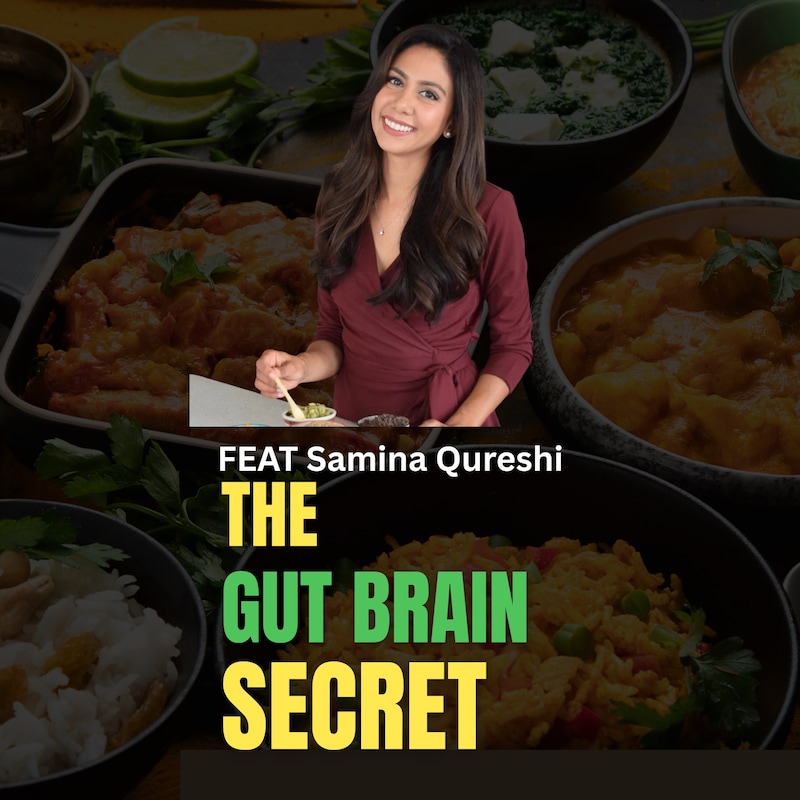
This episode elucidates the intricate relationship between mental health and digestive wellness, particularly for individuals grappling with digestive disorders, food anxiety, or uncertainty surrounding dietary choices pertinent to gut health. We are privileged to host Samina Qureshi, a registered dietitian and nutritionist, whose expertise is grounded in understanding the gut-brain connection and its implications for overall well-being. Throughout our conversation, we explore the multifaceted influences of stress on digestion, the significance of balanced nutrition, and the detrimental effects of rigid dietary practices. Samina provides valuable insights into how both emotional state and food choices intersect, often complicating individuals' digestive experiences. Our dialogue aims to furnish listeners with clarity and compassionate guidance on navigating their gut health challenges, emphasizing the necessity of a holistic approach to nutrition and mental wellness.
The conversation featured in this episode delves into the critical intersection of nutrition and mental wellness, particularly as it pertains to digestive health. Samina Qureshi, an accomplished registered dietitian, shares her insights on the myriad factors that contribute to gastrointestinal discomfort, which often plague individuals despite their efforts to maintain a healthy diet. The dialogue reveals that common experiences such as bloating and food anxiety are frequently exacerbated by psychological stressors and restrictive eating habits, underscoring the symbiotic relationship between mental health and digestive function.
Qureshi adeptly navigates the complexities of digestive issues, asserting that even the most nutritious foods can lead to discomfort if not consumed within a balanced framework. She cautions against the contemporary trend of ‘fiber maxing’, highlighting that a sudden influx of dietary fiber, particularly without sufficient hydration, can provoke adverse digestive reactions. This segment of the discussion serves to illustrate the importance of gradual dietary changes and the necessity of a varied diet that encompasses a range of nutrients. Qureshi emphasizes that healthy eating should not be synonymous with stringent rules; rather, it should promote a positive relationship with food that encourages enjoyment and satisfaction.
As the episode progresses, the dialogue shifts towards the significance of addressing stress management in conjunction with dietary considerations. Qureshi posits that a regulated nervous system can significantly enhance digestive health, advocating for mindfulness practices and holistic self-care approaches as essential components of overall well-being. The episode culminates in a powerful message about the need for compassion in our approach to nutrition, urging listeners to cultivate a nurturing relationship with food that supports both their physical and emotional health.
Takeaways:
- This episode emphasizes the importance of understanding the gut-brain connection for optimal digestive health.
- Individuals suffering from digestive issues often face challenges due to a chaotic relationship with food.
- A balance between fiber intake and hydration is crucial to avoid uncomfortable digestive symptoms.
- Stress can significantly impact digestive health, often as much as, if not more than, food choices.
Companies mentioned in this episode:
- Wholesome Start
Transcripts
Hello everyone.
Speaker A:Welcome back to Busy Free Mind, a space where we talk about mental wellness, nutrition and holistic health in a practical and compassionate way.
Speaker A:Today's episode is especially for those struggling with digestive issues, food anxiety or confusion around what to eat for gut health.
Speaker A:Joining us today is Samina Qureshi, a registered dietitian and nutritionist and a board certified specialist in digestive health.
Speaker A:Her approach is evidence based, weight inclusive and deeply rooted in understanding the gut brain connection.
Speaker A:We are so glad to have her here to bring clarity, compassion and real time support to gut health.
Speaker A:Hello Samina, how are you?
Speaker B:I'm doing well.
Speaker B:Thank you so much for having me today.
Speaker B:I'm excited to chat.
Speaker A:Thank you so much for joining us.
Speaker A:First, please let us know your journey on the nutrition side.
Speaker B:Yeah.
Speaker B:So I became a dietitian and my first job was really in corporate wellness.
Speaker B:I was working for an insurance company in America and doing population health risk management.
Speaker B:I worked with a wide variety of people with chronic illnesses from diabetes, high blood pressure, high cholesterol, kidney disease, GI conditions.
Speaker B:And then as I was working with all of these individuals, I said, you know, I really want to bring a little bit more individualized care and support to this population.
Speaker B:So I started my private practice, wholesome start while working full time.
Speaker B:And so what I then noticed is I was gearing towards working with people that struggled with a relationship with food.
Speaker A:Food.
Speaker B:They really struggled with binge eating, disordered eating, fad dieting, going from one diet to the next and still having all these health problems.
Speaker B:And what I noticed was for people that engaged in chronic dieting and disordered eating, GI symptoms were always present.
Speaker B:So I got more continuing education in how to help people manage these chronic GI symptoms while also supporting their relationship with food.
Speaker B:And now that's exactly what I do today is I left that corporate job.
Speaker B:I'm now working full time for myself and supporting clients and gaining relief from these uncomfortable digestive symptoms without sacrificing their relationship with food.
Speaker A:Awesome.
Speaker A:My first question is why do people feel bloated even when they eat clean?
Speaker B:Yeah, clean is a loaded word, right?
Speaker B:You can eat the cleanest food and still feel bloated if your gut is under fueled, chronically stressed or overly restricted.
Speaker B:Right.
Speaker B:You may also be experiencing GI symptoms because you have an underlying GI condition.
Speaker B:Right.
Speaker B:So digestion really cares about consistency of nourishment and variety and safety as well versus like the perfect diet or trying to eat as clean as possible.
Speaker A:Okay, if we feel bloated, can we say that it's very normal or do we have to take it serious?
Speaker B:Yeah.
Speaker B:So there are times where you can feel bloated.
Speaker B:Right.
Speaker B:I like to say anytime you add fiber rich foods, which comes from fruits, vegetables like dal, lentils, beans, beans, chickpeas, these types of things, you can experience excess gas, bloating, distension and stomach pain, maybe even also constipation or diarrhea, depending on what you're prone to.
Speaker B:And so bloating becomes an issue when it is impacting your quality of life.
Speaker B:You're unable to do things, it's always present.
Speaker B:It may also be accompanied by like chronic constipation.
Speaker B:And so then it's important for you to talk to your doctor about that.
Speaker B:Right.
Speaker B:To see if there's anything underlying going on.
Speaker B:Do you have ibs?
Speaker B:Are you chronically constipated?
Speaker B:Any other conditions that this could be a reason for?
Speaker A:Wow.
Speaker A:When you say that if we take more amount of fiber, it might lead to bloated, I mean, bloated stomach.
Speaker A:Right.
Speaker A:There is a trend going on now which is called fiber maxing.
Speaker A:Are you aware of that?
Speaker A:Yeah.
Speaker A:So what is your opinion on that?
Speaker A:Fiber maximum.
Speaker B:Right.
Speaker B:When I.
Speaker B:When it comes to nutrition, it's all about balance and moderation.
Speaker B:Right.
Speaker B:Even eating something clean and too much of it, let's say fruits and vegetables, beans, nuts, seeds, legumes can cause issues for people.
Speaker B:So when it comes to fiber maxing, I love that.
Speaker B:You know, these days there's a trend of highlighting fiber which is so supportive for bowel regularity, immune support, needing different vitamins and minerals, etcetera, etcetera.
Speaker B:Too much of a good thing can also be very, very painful.
Speaker B:Right.
Speaker B:Imagine someone who usually didn't eat fiber before starts to eat 30 to 40 grams of fiber a day.
Speaker B:The average American, I think, gets like 10 to 12 grams of fiber.
Speaker B:So that's like four, three to four times of what your normal is.
Speaker B:If you're not drinking enough water while introducing these fiber sources, it can lead to really uncomfortable digestive symptoms.
Speaker B:The gas, bloating, possibly diarrhea or worsen constipation.
Speaker B:Especially if you're not hydrating enough.
Speaker A:Right.
Speaker A:And my next question is, is healthy eating making digestion worse for some people?
Speaker A:Is it true?
Speaker B:I think when it comes to healthy eating, of course we have, everybody has their own definition, right?
Speaker B:But when healthy eating becomes too rigid, you have all these rules, you're skipping meals, you're fearing certain foods, digestion often suffers.
Speaker B:Right.
Speaker B:A gut that feels policed instead of supported tends to push back.
Speaker B:So it's important to make sure that you're on your journey to eating healthy, you include a variety of foods that support your gut health without going overboard.
Speaker B:Right.
Speaker B:So like previously, too much fiber in one sitting can also contribute to uncomfortable digestive symptoms.
Speaker B:So where is that balance?
Speaker B:Where can we find some other nutrients to add to your plate that can balance things out?
Speaker A:Awesome.
Speaker A:In our channel, as we are talking about both mental health and diet, I want to know whether stress affect digestion more than food choices.
Speaker B:Stress can absolutely impact your digestive symptoms.
Speaker B:Whether it's more or less than food.
Speaker B:I think they're both on even playing grounds.
Speaker B:Right.
Speaker B:So thanks to the gut brain axis, our gut and our brain communicate constantly throughout the day.
Speaker B:You can eat the right foods, but if your nervous system is in that fight or flight mode, digestion slows down and symptoms can be triggered.
Speaker B:So a regulated nervous system often does more for a gut than other diet changes.
Speaker B:So if someone's coming to me and they're like, oh, I'm so stressed, I have a stressful job, or I'm in college, university, trying to take all these tests and my stomach is just insane, I'm having diarrhea, bloating gas, acid reflux, all of these things.
Speaker B:I may not jump to nutrition immediate.
Speaker B:I may ask a little bit more about their lifestyle.
Speaker B:How are you caring for your body?
Speaker B:How are you caring for your mental health?
Speaker B:Do you need additional mental health support with a therapist?
Speaker A:So is bloating always a sign that something is wrong?
Speaker B:No, I think bloating has become a very trendy word.
Speaker B:Also, like some people say after every single meal, oh, I'm so, I ate so much, I'm so bloated, I shouldn't have eaten that much.
Speaker B:Right.
Speaker B:And it becomes just this common thing that we say, so some bloating is a normal part of digestion.
Speaker B:And again, the problem starts when we interpret every situation as like danger, which can actually amplify symptoms.
Speaker B:Right.
Speaker B:So if we are constantly telling ourselves that we're bloated and things are wrong, it can actually become that way thanks to that gut brain access because of how powerful our brain is.
Speaker A:Why does sometimes cutting out foods increase gut issues?
Speaker B:Yeah.
Speaker B:So I think when it comes to nutrition, cutting out foods is not always the answer.
Speaker B:Oftentimes when I'm working with people, I'll say, okay, what is your normal day to day diet?
Speaker B:They say, okay, I've cut out gluten, I've cut out dairy, I don't eat any meat, I don't eat any processed foods, I don't Drink soda, all of these things, things.
Speaker B:And then I ask, okay, what are you eating?
Speaker B:And they say, oh, I'm eating boiled chicken, boiled egg, rice and potato.
Speaker B:Where are you getting your nutrition from?
Speaker B:Great.
Speaker B:You have protein and carbohydrate, but I'm not seeing any, any sense of fiber, any sense of vitamins and minerals with phytonutrients and antioxidants.
Speaker B:Right, right.
Speaker B:Omega 3 fatty acids, so many other things.
Speaker B:So instead of focusing on cutting foods, I really focus on help nutrient rich foods to their diet that support both their mental, physical and digestive health.
Speaker A:Okay.
Speaker A:What is your explanation of being in diet?
Speaker B:Diet is just the way that you eat, Right.
Speaker B:It doesn't necessarily have to be like, oh, I'm eating low carbohydrate, I'm eating high fat, I'm doing high protein, whatever.
Speaker B:Right.
Speaker B:It is simply what do you eat day to day?
Speaker A:Why do people feel tired after meals, even after having healthy ones?
Speaker B:Yeah, yeah.
Speaker B:I think that these days rest is a really big issue.
Speaker B:Right.
Speaker B:I think lots of things are going on, family dynamics that could contribute to feeling overwhelmed, having children.
Speaker B:I know I feel very overstimulated and tired after mealtimes with my kids because there's so many demands and I'm just trying to eat manner also work stress.
Speaker B:Right.
Speaker B:So there's so many things that could be contributing to why you're feeling tired and whether or not you're allowing your body to have adequate rest and recovery.
Speaker B:Are you staying up all night on TikTok scrolling?
Speaker B:Are you watching youtubes?
Speaker B:Are you just watching episode after episode of TV and not letting your brain really calm down and get that rest and recovery overnight and other ones, you know, it could be that you're simply not nourishing enough.
Speaker B:Right.
Speaker B:When it comes to nutrition, a lot of people think that, oh, I'm going to eat healthy, I'm going to eat a salad.
Speaker B:Right.
Speaker B:What does that salad include?
Speaker B:It includes lettuce, maybe some chickpeas, maybe some seeds and that's it.
Speaker B:Right.
Speaker B:Adding variety and making sure that that salad includes foods that are going to sustain you is what's going to give you the energy.
Speaker B:Energy does not come from caffeine, a stimulant, it comes from calories, the physical unit of energy.
Speaker B:Right?
Speaker A:Yeah.
Speaker B:And so if your salad is too skimpy, if it's not enough, it is not going to have you feeling energized.
Speaker A:Right.
Speaker A:People nowadays are trying different type of diet trends.
Speaker A:Right.
Speaker A:So when you incorporate food rules, will it confuse your gut more than help.
Speaker B:It So I think there are dietary modifications that require some food rules that are necessary for specific health conditions.
Speaker B:Right.
Speaker B:If you have celiac disease, the only treatment for it is to eat a gluten free diet.
Speaker B:That does not mean that someone without celiac disease or non celiac gluten sensitivity needs to cut out gluten.
Speaker A:Yeah.
Speaker B:Right.
Speaker B:And so what can happen?
Speaker B:Let's say you go gluten free, dairy free, soy free, all these freeze, right.
Speaker B:And you have a very skimpy little diet.
Speaker B:If you go back and are like, okay, one day, I just can't handle it, I'm going to eat everything.
Speaker B:You may end up with symptoms because you ate too much of this food too quickly.
Speaker B:Or it could be because you essentially gave yourself a sensitivity simply because you haven't been exposed to this type of food for a very long time.
Speaker B:So your body's then just getting adjusted to processing it again.
Speaker B:That doesn't necessarily mean that, oh, no, see, I can't ever have these foods, they cause me these symptoms.
Speaker B:You're, you can take some time to figure it out.
Speaker B:And that's where a dietitian can really help you better understand personal food and lifestyle triggers to your symptoms.
Speaker A:Awesome.
Speaker A:I have this question.
Speaker A:Why does digestion change as adults get busier and more stressed?
Speaker B:Yes.
Speaker B:Digestion can absolutely change throughout life.
Speaker B:Right.
Speaker B:Like I said, as we layer on university, getting married, college, or going to work, having kids, all of these responsibilities over our head.
Speaker B:Right.
Speaker B:Whenever there is excess stress and you already have a sensitive digestive system, it can contribute to more uncomfortable GI symptoms.
Speaker A:Okay.
Speaker A:So it is due to mental stress that our digestion changes when we grow.
Speaker B:Not necessarily.
Speaker B:Right.
Speaker B:There can be other things as well, but stress can be one component.
Speaker B:Other things that could be our hormonal shifts.
Speaker B:Right.
Speaker B:Like as we mature and go through life, if you are pregnant, you will have certain hormones that increase the risk of like, constipation.
Speaker B:Right.
Speaker B:Which can lead to more acid reflux, bloating gas, stomach pain, these types of symptoms.
Speaker B:So there are definitely different things in life phases that can impact digestion as well as metabolism.
Speaker B:You know, we're going through life, you may be less mobile, you may be less active, which can contribute to a slowed GI system.
Speaker B:So making sure as we progress through life and mature that we are addressing mental health, physical activity, hydration, getting a variety of foods and adequate rest will be essential to support like, optimal digestion.
Speaker A:Compared to men, women has certain periods in her life where her hormones will be like, up and down, like pregnancy, menopause, post menopause, so does digestion changes for women and men?
Speaker B:Yeah, there are differences like with like certain hormones impacting digestive digestion and maybe slowing down digestion, contributing to constipation and things like that.
Speaker B:And that's where like talking to your doctor, making sure that you have support during those phases of life can really be helpful because we want to make sure that then you're doing what you need to to feel your best.
Speaker A:When you said that our mental stress might change the digestion process, I want to know, is your gut reacting to food or your nervous system?
Speaker B:It depends.
Speaker B:Right.
Speaker B:Let's say for example, I have ibs, which is irritable bowel syndrome.
Speaker B:Right.
Speaker B:And the main foods that are triggers for someone with IBS are known as FODMAPs.
Speaker B:They're fermentable carbohydrates.
Speaker B:And I'm on a low fodmap diet.
Speaker B:Right.
Speaker B:I know that when I eat low fodmap, I'm not going to have any symptoms.
Speaker B:But I know also tomorrow I am doing a big presentation for work and I'm nervous about it because the CEO is going to be there and it's stressful.
Speaker B:No matter how low fodmap I eat, I may still experience GI symptoms simply because of that stress response.
Speaker A:Okay.
Speaker A:Our gut is reacting to both food and stress, correct?
Speaker B:Yes.
Speaker B:They're both significant players in how your GI symptoms show up.
Speaker B:And so in my work, I also do focus on like deep diaphragmatic breathing, making sure that you are practicing ways to regulate your nervous system even before eating so that your body has the best opportunity to digest and absorb the foods that you are consuming.
Speaker B:And I also do refer out there's GI psychologists that can be really helpful.
Speaker B:There's also therapists that can be helpful in managing maybe food anxiety or stress related kind of diagnoses that you may have.
Speaker A:Awesome.
Speaker A:I think I have to find a person to talk about GI and psychology together.
Speaker B:Yeah.
Speaker B:It's a new subset of physicians that go into this.
Speaker B:It's really, really cool.
Speaker B:And they specifically support people with like gut directed hypnotherapy, GI focused cognitive behavioral therapy, or CBT to help manage those uncomfortable GI symptoms.
Speaker B:Let's say, for example, someone's always worried about taking the bus to work because they're diarrhea prone.
Speaker B:This can help kind of them manage those symptoms and, and the stress associated with that.
Speaker A:Wow, that's interesting.
Speaker A:Right?
Speaker A:It's really cool.
Speaker B:Yeah.
Speaker A:What does gentle nutrition actually mean in real life?
Speaker B:Yeah.
Speaker B:So I, I like to say that I use a gentle nutrition approach, which really means helping you nourish your body without fear.
Speaker B:Right.
Speaker B:I'm going to meet you where you're at.
Speaker B:Gentle nutrition can mean choosing foods that support digestion while during hunger fullness, cultural cuisines and traditions you may practice with your family and foods that also provide you with some comfort and pleasure and offer flexibility.
Speaker B:Right.
Speaker B:I mean, you were mentioning that you had some fun New Year's Eve parties and you had family and friends.
Speaker B:It's really important to not take away the joy of food as I work with people and so that's what gentle nutrition means to me.
Speaker B:It's supportive and not restrictive.
Speaker A:That sentence.
Speaker A:You shouldn't take the joy out of food.
Speaker A:Thank you.
Speaker A:Thank you so much, Samina, for sharing your expertise and for bringing such clarity, compassion and evidence based insight into gut health.
Speaker A:This conversation was truly valuable.
Speaker A:Thank you so much for joining us today.
Speaker B:Thanks for having me.
Speaker B:I had a blast.
Speaker B:Sure.
Speaker A:And to our listeners, thank you for spending your time with us.
Speaker A:And if today's episode resonated with you, don't forget it to subscribe and share with someone who might need it.
Speaker A:And I'll see you in the next episode.
Speaker A:Bye Bye.
