Shownotes
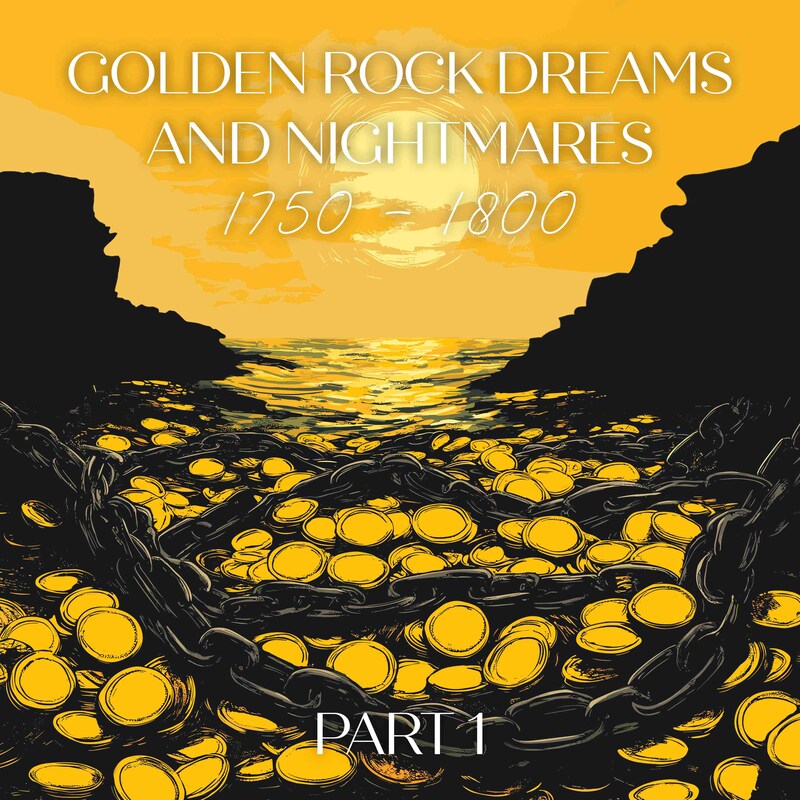
Explore St. Eustatius from 1750 to 1800, where booming warehouses, bold rebellions, and hidden stories of enslaved women intersect. Historian Dr. Allain reveals sweeping Caribbean upheavals while shining a light on how women quietly resisted an oppressive system. Discover the “First Salute,” recognizing American independence, and witness a fierce hurricane that exposes the island’s fragile success.
Throughout, pressing questions echo: Where were the women in the archives, and why are their voices so rarely heard? Part 1 of “Golden Rock Dreams and Nightmares” challenges the usual accounts, pushing us to look beyond the usual tales of wealth and uncover the hidden truths that shaped this remarkable slice of colonial history.
—
Produced by Simpler Media
Transcripts
>>
a golden rock with not such a nice history. When you
Speaker:reflect more deeper, it is not
Speaker:such a beautiful story.
Speaker:The foundation on which our economy
Speaker:was based back in those times was
Speaker:based on the trading of
Speaker:human lives.
Speaker:>> Unidentified (Podcast Host): Welcome M to Whispers of the Past. I'm your host,
Speaker:Fi de Vitamins. In this episode, we travel
Speaker:through the years 1750 to
Speaker:1800, a time when
Speaker:Syntostatius was known as the Golden Rock.
Speaker:From a colonial perspective, it was an era of
Speaker:immense prosperity. Ships piled high
Speaker:with goods, merchants flocking from every corner
Speaker:of the globe. And new alliances forged in
Speaker:the shadows of revolution. Yet
Speaker:behind that glittering facade lay the
Speaker:continuation of a darker narrative, one
Speaker:defined by fierce power struggles, massive
Speaker:upheavals, and the brutal reality of
Speaker:slavery. As we continue
Speaker:exploring how this tiny island stood at the heart
Speaker:of world shaping events that are often
Speaker:overlooked by contemporary history, we
Speaker:also honor the voices that were habitually
Speaker:silenced, especially those of women.
Speaker:Our human capacity for sympathy can
Speaker:flicker. While we recoil at the horror of
Speaker:slavery, we often overlook just how long
Speaker:it truly lasted. The
Speaker:enslavement of African descent people in the
Speaker:Caribbean lasted roughly 250
Speaker:years, encompassing entire
Speaker:lifetimes that stretch across multiple
Speaker:generations. To give you a number,
Speaker:it's somewhere between eight or 10
Speaker:generations. So let's pause for a
Speaker:moment and reflect on the sheer
Speaker:duration. Imagine that
Speaker:staggering timeline began with you. That
Speaker:would mean your children, your
Speaker:children's children, and so on.
Speaker:One generation after another, each
Speaker:born into the system that refused to let you
Speaker:go. And though faint echoes of
Speaker:hope were beginning to stir throughout the
Speaker:region, unfortunately for the enslaved on
Speaker:Sintostatius, they still remained bound by the chain
Speaker:of bondage. Because so many
Speaker:pivotal developments took place on Sint Eustaceous
Speaker:from 1750 to 1800, we
Speaker:divided this era into two episodes. In
Speaker:this first part, Golden Dreams and
Speaker:Nightmares, we lay out the broader Caribbean
Speaker:landscape that profoundly shaped the island. We
Speaker:begin with historian teacher Dr. Elaine, who
Speaker:offers a regional overview of this period before we
Speaker:zoom in on Sintostacia's own unfolding dreams
Speaker:and its nightmares.
Speaker:>> Dr. Elaine: 1750 to 1800. So
Speaker:let me start by saying this. Over the course of the 18th
Speaker:century, there were many slave uprisings in
Speaker:the Caribbean. And of course, the, you know, the most famous
Speaker:one was 1791 and Saint
Speaker:Domingue, which led to the first phase of the Haitian
Speaker:Revolution. Um, and the role of
Speaker:women in these uprisings has been
Speaker:analyzed and debated by historians.
Speaker:Historians have noted that across the Caribbean, we
Speaker:don't have a ton of evidence of Women playing major roles
Speaker:in armed rebellion. For example, there was a major
Speaker:slave up, uh, rising in berbice in, uh,
Speaker:1763. But most of the rebels were
Speaker:men, and the majority of women remained non
Speaker:combatants, uh, neither siding with the colonial
Speaker:authorities, the Dutch, nor the rebels,
Speaker:probably because they believed that this would increase their chances
Speaker:of survival. In other contexts, it's
Speaker:possible that women played a greater role in
Speaker:rebellion than meets the eye. But because of
Speaker:gendered assumptions about female passivity,
Speaker:their involvement didn't get recorded.
Speaker:Despite this, we do have some
Speaker:documentation of women engaging in
Speaker:armed rebellion. And, for example, the
Speaker:Haitian Revolution was kind of catalyzed in
Speaker:1791 by a ceremony in which
Speaker:a voodoo priestess, a mambo named
Speaker:Cecile Fatiman, led a ceremony in which she
Speaker:sacrificed a pig. So this is one example
Speaker:of a woman kind of engaging in rebellious
Speaker:activity. But it's important to note that even when
Speaker:women weren't engaging in armed rebellion,
Speaker:they were often resisting slavery in different
Speaker:ways. For example, they were
Speaker:ensuring the strength of and the survival of
Speaker:their communities by caring for members of their
Speaker:communities. Sometimes they were engaging in what's called
Speaker:everyday resistance, which could take the form of,
Speaker:for example, feigning sickness to get
Speaker:off from work, or feigning injury to get off from
Speaker:work, or sabotaging equipment
Speaker:on the plantations, stealing from plantation authorities,
Speaker:and so on. So we shouldn't assume that women didn't engage in
Speaker:rebellion, but this is just an interesting kind of
Speaker:lacuna. In the archive, I'll also
Speaker:mention that the mid to late 18th century is
Speaker:the period in which the abolitionist movement really starts
Speaker:getting off the ground. In England, most
Speaker:abolitionists were white, or most people who were,
Speaker:like, formally part of the
Speaker:abolitionist movement were white. But some were
Speaker:black. Whites had more access to the
Speaker:written word, to power, to influence
Speaker:in society. Some were black, though, and a
Speaker:sizable number were women and abolitionists.
Speaker:Abolitionists didn't all have the same goals and the same
Speaker:strategies, but one generalization we can
Speaker:make about them is that they focused very heavily
Speaker:on the ill treatment of women in their campaign
Speaker:to end slavery. So a lot of
Speaker:abolitionist propaganda, and here I'm not using the
Speaker:word propaganda in a negative sense, but
Speaker:merely to describe any material that's intended
Speaker:to convince an audience of a particular political
Speaker:viewpoint focused on how
Speaker:slaveholders beat enslaved women
Speaker:and separated enslaved mothers and
Speaker:children. Abolitionists, uh, knew that homing in on
Speaker:the treatment of enslaved women would provoke a
Speaker:lot of outrage.
Speaker:>> Unidentified (Podcast Host): Dr. Elaine lays out a sweeping account
Speaker:of unrest, resilience, and the rising current
Speaker:of abolition through the Caribbean.
Speaker:Meanwhile, Life on Synthesius took a different
Speaker:course. Even as faint calls for ending slavery
Speaker:began circulating elsewhere. The
Speaker:island's colonial power seemed far more focused on
Speaker:exploiting the Golden Rock economics potential.
Speaker:A booming trade fueled by rapid growth.
Speaker:Next we turn to Mrs. Tsutakao, a long term
Speaker:resident and one of the founders of the island center for
Speaker:Archaeology and Research, who recalls Sinto
Speaker:Stacia's astonishing expansion during this era
Speaker:and the mythical warehouse number that once lined
Speaker:Stacia's shores.
Speaker:>> Ms. Sutekau: But this is the time period Station was really
Speaker:growing. We had established a reputation
Speaker:as a trading colony and we were
Speaker:expanding rapidly. This was also the
Speaker:time period when the first
Speaker:English North American
Speaker:started coming down here and
Speaker:beginning what was called the black market in the
Speaker:United States. So there were
Speaker:people from the English colonies in
Speaker:North America coming down here, buying good
Speaker:illegally, according to the
Speaker:English, and then taking them back and selling them in the
Speaker:United States. Which is one reason that by the outbreak of the American
Speaker:Revolution, we knew about it all
Speaker:through the mid 17. In the late
Speaker:1700s, we were called the Golden Rock Group,
Speaker:the emporium of the Caribbean.
Speaker:There were over 100 warehouses on the
Speaker:waterfront. The numbers of warehouses had increased
Speaker:tremendously. We were having a lot of
Speaker:trade, um, going on in this
Speaker:period in the 1790s, there were
Speaker:supposedly 600 warehouses on the
Speaker:waterfront. That number really can't be confirmed.
Speaker:And we aren't knowing whether they're calling
Speaker:a warehouse what was actually a house because there
Speaker:were some houses on the waterfront also. So.
Speaker:But most of those houses were above warehouses.
Speaker:Um, that number we cannot
Speaker:confirm. But we know there are many, many
Speaker:warehouses that are no longer visible
Speaker:because they're buried under the cliffs,
Speaker:as we have seen when they've done road work
Speaker:recently. There were many houses that were
Speaker:or warehouses that were revealed that
Speaker:were buried in the cliffs. We also know
Speaker:there are many warehouses buried in the
Speaker:slides from the cliff. Like was found
Speaker:on the, um, Orange Battery
Speaker:Hotel site where we found a
Speaker:whole warehouse. So the exact numbers we know
Speaker:they were on both sides of the road and also in the water.
Speaker:Remember that land was reclaimed from the sea.
Speaker:And over time a lot of those warehouses had been
Speaker:reburied in the sea that were there.
Speaker:So an exact number is
Speaker:hard to come by. You see
Speaker:several numbers about how many there actually
Speaker:were, but I don't know that there's a real
Speaker:count of them. But There were over 100
Speaker:warehouses for the waterfront.
Speaker:>> Unidentified (Podcast Host): Legends can spring up like wildflowers, especially
Speaker:when an island's prosperity seems limitless.
Speaker:Rumors of 600 warehouses and talk of
Speaker:a population of 20,000
Speaker:reflects how easily facts can, can merge with
Speaker:fable. This is also why folklore and
Speaker:recorded history must always be approached with a critical
Speaker:eye. Over time, details can be
Speaker:distorted, romanticized, or even
Speaker:downplayed. It is up to us to remain
Speaker:curious and not take every claim at face
Speaker:value. With that in mind,
Speaker:Mrs. Sutekau now continues as she unpacks
Speaker:these legendary figures and the lingering uncertainty
Speaker:that surrounds them.
Speaker:>> Ms. Sutekau: Um, that 600
Speaker:warehouses is a number that we've been
Speaker:told it's like the 20,000 residents of
Speaker:Stacia. When I first came here, I was told
Speaker:that the population of Stacia in the early
Speaker:1700s, 1740s,
Speaker:1750s, 1760s, with over
Speaker:20,000 people. That number cannot be backed with
Speaker:anything. The largest population we really know about
Speaker:was around 9,000 in the
Speaker:1790s.
Speaker:We do know that large numbers of people
Speaker:died of smallpox epidemic in
Speaker:1775 and again
Speaker:in the hurricane of
Speaker:1780.
Speaker:>> Unidentified (Podcast Host): Whether the true number of warehouses was
Speaker:100 or 600 or somewhere in between,
Speaker:one fact is undeniable.
Speaker:Synthastacias attained a level of prosperity
Speaker:rarely matched by other Caribbean islands of the 18th
Speaker:century. Yet prosperity can be
Speaker:fragile. Natural disasters sometimes bring even
Speaker:the mightiest ports to their knees. Before we
Speaker:delve into, uh, the devastating hurricane of 1780,
Speaker:Mrs. Tutakow, uh, shares a reflection of the lady of
Speaker:Quality, whose accounts reveal a
Speaker:bustling and occasionally off putting trading hub
Speaker:a window into Stacia's vibrant yet hectic
Speaker:life.
Speaker:>> Ms. Sutekau: There was a wonderful book written by
Speaker:Janet Shaw, we call her lady
Speaker:of Quality, who was here in the
Speaker:early 17, uh, 70s.
Speaker:And she talks about the island and how the trade
Speaker:was going on. She called it a very
Speaker:disgusting place because she thought the whole
Speaker:island was the warehouses on the
Speaker:waterfront and the trade. But she
Speaker:talks about the multiple,
Speaker:um, articles that
Speaker:were available for trade. She
Speaker:describes many French articles,
Speaker:other articles from around the world, Mincemeats,
Speaker:Madeira port. She
Speaker:describes the people who were in their native
Speaker:costumes, many of them from
Speaker:Eurasia, also the Greek, the
Speaker:Turks, and as well as the Europeans
Speaker:that were trading on the waterfront. So she gives a
Speaker:really good description of how
Speaker:Stacia had grown and become a very international
Speaker:place during this time. Um, those people
Speaker:weren't just trading here, they were living here. So
Speaker:Stacia at this point in time was really
Speaker:expanding.
Speaker:>> Unidentified (Podcast Host): Amongst the bustle of trading houses, constant
Speaker:ship arrivals from various empires, and a
Speaker:rapidly growing population, Sintostatia
Speaker:seemed unstoppable. Its enormous
Speaker:warehouses and steady exchange of goods made
Speaker:the island a magnet for merchants around the
Speaker:globe. Meanwhile, across the
Speaker:Atlantic, the American colonies were fighting for their
Speaker:own independence from Britain. Due to
Speaker:Sintostacia's neutral stance and thriving trade
Speaker:network, the island would soon find itself playing
Speaker:a pivotal role in that monumental conflict.
Speaker:Synthastacia's Heritage Inspector M. Mr. Richardson
Speaker:explains how this small island became such a vital
Speaker:player in one of history's most significant
Speaker:revolutionary dramas.
Speaker:>> Mr. Richardson: So we're now in the middle of the
Speaker:17, um, hundreds and we're going to go into
Speaker:the 1800s. And what is interesting is that of course
Speaker:there's the war in the United States going
Speaker:on. The 13 colonies are fighting the British
Speaker:for their independence. They want their freedom. The British
Speaker:were raising taxes. The Boston Tea Party
Speaker:happened. The whole works of any independent nation
Speaker:and their struggles. And of course heroes emerged
Speaker:like George Washington and all the other founding
Speaker:fathers. So what you see of course is they
Speaker:need an ally and they need an ally that's
Speaker:kind of visible but invisible, you know,
Speaker:because they're fighting the British and the British in Europe and
Speaker:you know, they're surrounded by the French and the French and the
Speaker:British hate each other at that time. Time. So that's
Speaker:also interesting for the America who then has,
Speaker:you know, a, uh, friendship with France. But one of their
Speaker:big friends of course are the Dutch. The Dutch now
Speaker:who was known for their trade and their
Speaker:neutrality. So the Dutch was kind of the country
Speaker:that would sell the British the guns, but also sell it to the French
Speaker:while the British and the French fight each other off. You know, that
Speaker:was just the Dutch, you know, like not taking aside is
Speaker:like we're selling everyone everything and we are not in it. It's like
Speaker:the Switzerland of the Caribbean. And that you see the Dutch are really doing
Speaker:that. You know, it's like imagine we're surrounded by British
Speaker:and French islands, but Stusages is trading
Speaker:the hell, uh, out with the USA.
Speaker:>> Unidentified (Podcast Host): Mr. Richardson highlights how the Dutch, renowned for
Speaker:their neutrality, sold arms and goods to both friends
Speaker:and foes, turning Sintustatias into
Speaker:a sought after port for those waging war,
Speaker:those seeking profit, and anyone hoping to
Speaker:keep a low profile while colonial powers clashed.
Speaker:But what made Stacia so essential to
Speaker:merchants, especially from North America?
Speaker:Archaeologist Dr. Steltson, who has
Speaker:first hand experience working on the island, offers us
Speaker:a closer look. Drawing on shipping records and
Speaker:maritime links, he explains how the
Speaker:small Caribbean hub became indispensable to
Speaker:traders across the Atlantic.
Speaker:>> Dr. Stelton: I think it also has to do with the fact that historically
Speaker:speaking, Stacia, uh, was much more connected
Speaker:to North America than it was to Europe. Even
Speaker:though technically, uh, the Europeans,
Speaker:the Dutch were the colonizers and
Speaker:they laid claim to the island. But if you look at
Speaker:for example at the shipping records, there was a lot more trade
Speaker:between Stacia and North America, the Eastern
Speaker:seaboard, places like Boston and Philadelphia and New
Speaker:York and the Carolinas, than there was
Speaker:with big Dutch cities like Rotterdam and
Speaker:Amsterdam. There's a few ships a year coming from those ports and from big
Speaker:British ports, but there's dozens and dozens of ships
Speaker:coming in from the eastern seaboard of North America. There's a
Speaker:much stronger connection with the English speaking world
Speaker:further north. But then there's also a very strong connection with
Speaker:the English speaking world around them. Right.
Speaker:>> Unidentified (Podcast Host): As uh, Dr. Stelton shows, shipping records
Speaker:reveal Syntostacia's strong tie to North
Speaker:America. Ties even greater than those
Speaker:with Europe. Constant traffic from places
Speaker:like Boston, Philadelphia and beyond also
Speaker:grew some of the most influential figures in early
Speaker:American history. While a few merely passed
Speaker:through the islands, others left behind documents
Speaker:and personal connections that shaped Stacia's
Speaker:Golden Rock legacy. To
Speaker:delve into these personal links and the island's pivotal
Speaker:role during the American War of Independence,
Speaker:we turn once again to Sintustacia's heritage
Speaker:inspector, Mr. Richardson.
Speaker:>> Mr. Richardson: So they're having all their supplies or coming through
Speaker:stages to aid the American war of the
Speaker:independence trade, even the safety of
Speaker:letters to France. Everything is passing through central
Speaker:stations because it's the most trusted partner. Also,
Speaker:many founding fathers of America you would
Speaker:see, would have also, you know, station roots or
Speaker:semi station heritage, even to a point
Speaker:of having lived on the island. So even the
Speaker:famous Alexander Hamilton, who's accredited to
Speaker:being born on Nevis, he
Speaker:actually lived here and probably would have known more
Speaker:about St. Eustatius because he recorded it in his
Speaker:records of his time here on Stasis. His Jewish
Speaker:teachers, etc. Very interesting book. But also
Speaker:you would see that many other founding fathers, like even
Speaker:Benjamin Franklin, had his male rooted true
Speaker:saints that would go to France and go to England, et
Speaker:cetera. So you see there's a whole link going
Speaker:on. And then in that period it's like we're
Speaker:at the peak. It's like the balloon before it pops.
Speaker:You know, the trade is going. And think in mind that
Speaker:the island is already changing hands again over and
Speaker:over and the trade is still blooming. The island
Speaker:is at its Golden Rock period. That's where we get the name
Speaker:from.
Speaker:>> Unidentified (Podcast Host): Synthesia's role wasn't limited to selling goods under
Speaker:the table. It also Made symbolic gestures of
Speaker:solidarity, like the so called first
Speaker:salute, a recognition of American
Speaker:independence that would resonate for
Speaker:centuries.
Speaker:Mississutikau recounts this pivotal day along with
Speaker:intriguing and important documents that might have ended
Speaker:up on this island. A signed copy of the
Speaker:Declaration of Independence.
Speaker:>> Ms. Sutekau: Well, the first salute is an episode
Speaker:of an ongoing
Speaker:story. We take
Speaker:it as a separate
Speaker:story by itself because of, uh, the
Speaker:day of the arrival of the Andrew doria,
Speaker:which was November 16,
Speaker:1776. One of the
Speaker:things that we are learning is
Speaker:that the American involvement, or
Speaker:the peoples that will become the Americans,
Speaker:involvement with Stacia was going a
Speaker:long time before the first loot actually
Speaker:happened. And one of the reasons the first loot
Speaker:happened is that many of the founding fathers in the
Speaker:United States, uh, actually had involvement
Speaker:with St. Eustatia. Not just Alexander
Speaker:Hamilton, who we know now lived here longer than we thought
Speaker:he did, but many others of the founding
Speaker:fathers had involvements with St. Eustatia.
Speaker:But the first saloon, November
Speaker:16, 1776, was about
Speaker:a naval ship whose
Speaker:merchant's name happened to be the
Speaker:Defiance. But when she became an official
Speaker:naval ship, her name was changed with
Speaker:Andrew Doria. She
Speaker:came here being captained by a man named
Speaker:Isaiah Robinson, with papers
Speaker:to be signed by the island governor
Speaker:to establish relationships between
Speaker:the new colonies and station for the purpose of
Speaker:trade. Um, the
Speaker:stories that we know about it
Speaker:only tell us really about what happened
Speaker:that day and what went on afterward.
Speaker:But the story itself is much
Speaker:broader. They incorporate a lot more
Speaker:history in the United States. And St. Eustace,
Speaker:that is the story we really need to get
Speaker:out before
Speaker:2026.
Speaker:>> Unidentified (Podcast Host): While the first salute remains a key milestone in
Speaker:Stacia's ties to America, there are other intriguing
Speaker:pieces of history connecting the Founding Fathers of
Speaker:America and a possible signed copy of the
Speaker:declaration of independence. Mr.
Speaker:Tsutakow now explains how this document reached
Speaker:Interstatius and the mystery of where it may have
Speaker:gone.
Speaker:>> Ms. Sutekau: This is one of the most fascinating
Speaker:things about the Declaration
Speaker:of Independence. The founders
Speaker:and the writers of the Declaration of
Speaker:Independence actually knew in their
Speaker:heart that they had written a
Speaker:document that would go down in history.
Speaker:Now, I want you to think about that. You're
Speaker:asked to write an essay or a report
Speaker:or any kind of paper, and
Speaker:when you produce it in your
Speaker:own heart, you know
Speaker:this paper will last
Speaker:forever. That is an amazing
Speaker:thing to have. The Founding fathers in
Speaker:the United States knew that. And one of
Speaker:the things they did to protect that document
Speaker:was, was they made copies of that
Speaker:document. These were all handwritten. Remember,
Speaker:these were not put on a printing press and they
Speaker:were all hand signed by all the
Speaker:signers of the Declaration of Independence. And
Speaker:these copies sole purpose
Speaker:was so that the original could not be found.
Speaker:One of those copies was
Speaker:sent to St. Eustatia, the
Speaker:governor, um, Johannes de Grau, in
Speaker:appreciation in a thank you
Speaker:and as a gift
Speaker:for his agreeing to allow the United
Speaker:States to trade.
Speaker:>> Unidentified (Podcast Host): What happened to it?
Speaker:>> Ms. Sutekau: Well, we've been trying to find out that for
Speaker:a long time. Unfortunately,
Speaker:oftentimes when Station
Speaker:was being under threat of capture, we
Speaker:burned our own archives.
Speaker:A lot of times our archives were kept in
Speaker:Europe or they were kept in, uh,
Speaker:Curacao or other islands. Later on,
Speaker:we have no record of what happened to them.
Speaker:You must remember that copy had gone to
Speaker:Johannes de Ro. He probably kept
Speaker:it within his family. If it stayed within
Speaker:the family, it could have well been burned.
Speaker:It could still be around. We might find a hidden
Speaker:treasure one day, which we all
Speaker:dream of doing. Probably
Speaker:it was destroyed at one time or another and it
Speaker:could have even been traded off island. Or if the
Speaker:family left the island, it might have gone with the
Speaker:families. So it's very difficult to say what
Speaker:happened to it. Unless we find it.
Speaker:Then we'll know.
Speaker:>> Unidentified (Podcast Host): By saluting an emerging republic and possible
Speaker:safeguarding a copy of its founding document,
Speaker:Sinter Statius gained both admirers and
Speaker:enemies. Yet amongst its rise
Speaker:in prestige, nature soon struck a devastating
Speaker:blow. As Mrs. Sutekow explains, the
Speaker:hurricane of 1780 shattered the island. Hard won
Speaker:gains, reminding everyone that even
Speaker:the golden rock was at the mercy of the sea
Speaker:and the sky.
Speaker:>> Ms. Sutekau: We all know the stories about the American
Speaker:Revolution and our agreement
Speaker:here on Station to trade with the American
Speaker:colonies, um, and provide them
Speaker:their arms, their ammunition, their other things that they needed
Speaker:during the war. But this was
Speaker:the biggest period of Stacia's
Speaker:growth then with the hurricane
Speaker:of 1780, which had greatly
Speaker:affected the population of October of
Speaker:1780. A lot of people
Speaker:died during that hurricane and a lot of
Speaker:houses were destroyed and Station had to rebuild.
Speaker:>> Unidentified (Podcast Host): This hurricane became a defining moment for the island,
Speaker:devastating its bustling lower town and
Speaker:renowned warehouses in one single night.
Speaker:Beyond lost cargo and buildings, it
Speaker:claimed countless of lives, revealing just
Speaker:how fragile prosperity could be.
Speaker:Mr. Richardson now shares a firsthand
Speaker:recorded account that offers a, uh, glimpse of the
Speaker:havoc that left in the storm's wake.
Speaker:>> Mr. Richardson: Saint Eusatius was one of the places that lost
Speaker:the most lives in the great hurricane of 1780.
Speaker:And what is interesting is that the governor wrote in his
Speaker:letter to the Hague to the colonial chamber at the
Speaker:Time saying, you know, he went to sleep at
Speaker:night with a gentle breeze off the east, and
Speaker:all he saw was about 200 ships in the harbor
Speaker:still flickering. And after the destruction
Speaker:through the night and partly losing the roof of his
Speaker:residence, which we believe would have been the Gadot house at the
Speaker:time, he comes down into the
Speaker:administrator's office, which is then the
Speaker:fort, Fort Oralnia, and he looks
Speaker:over into the roadstead and is
Speaker:horrified of what he sees because it's like he
Speaker:has never seen a naval
Speaker:battle that has provided as much
Speaker:destruction as the great storm of 1780.
Speaker:And all of these ships that were in the harbor are
Speaker:now no more. You can see that some of them are recently
Speaker:sunk. It looks like some of them have been set
Speaker:afire. He looks in the lower town. It's a mess.
Speaker:There are ships everywhere. The sea had
Speaker:claimed half of the buildings. There were produce everywhere.
Speaker:And he gives a pretty good description of what
Speaker:happened. And let's not talk about the upper
Speaker:town. It's a mess. It's like a hurricane, probably
Speaker:we would have labeled it a Category 5 based on the
Speaker:records. And more than a thousand people lost their lives
Speaker:on Chinji Seishi's.
Speaker:>> Unidentified (Podcast Host): As we conclude part one of the Golden
Speaker:Dreams and Nightmares, we find Syntostatius at the
Speaker:crossroad of triumph and tragedy, Its
Speaker:fortune shaped by global trade, colonial powers,
Speaker:plays, and the brutality of enslavement.
Speaker:We touched on pivotal moments. The first
Speaker:salute to a rising new nation of the United
Speaker:States of America, rumors of a
Speaker:vanished declaration copy, and the
Speaker:devastating hurricane that brought the island to
Speaker:its knees. Yet in all these
Speaker:grand narratives, one question
Speaker:persists. Where were the women?
Speaker:Archival records celebrate governors,
Speaker:merchants, rebel leaders,
Speaker:predominantly men. While the names of women
Speaker:who lived, worked, and resided here are rarely,
Speaker:if ever, mentioned.
Speaker:We know they faced the same storms and endured
Speaker:the same social upheavals. But why do their stories
Speaker:remain hidden? And how can we
Speaker:ensure their voices are finally heard?
Speaker:As we reflect on the island's prosperity,
Speaker:it ties to American independence
Speaker:and its struggle under the weight of slavery,
Speaker:we must consider these.
Speaker:Whose perspectives are we missing?
Speaker:And what does that mean for our understanding of this
Speaker:era? Because
Speaker:so much happened on St. Eustatius Between 1750
Speaker:and 1800, we divided this era into
Speaker:two episodes. In our next episode,
Speaker:part two of Golden Dreams and Nightmares,
Speaker:we'll continue the journey into the latter half of this era,
Speaker:revealing how the island once again confronts shifting
Speaker:empires and the global call for abolition.
Speaker:As we delve deeper into the late 18th century,
Speaker:a time when empires clashed, fortunes soared,
Speaker:and crumbled, and women's legacies were often
Speaker:unrecorded. We remind ourselves that no
Speaker:history is truly complete until every
Speaker:voice is.