Shownotes
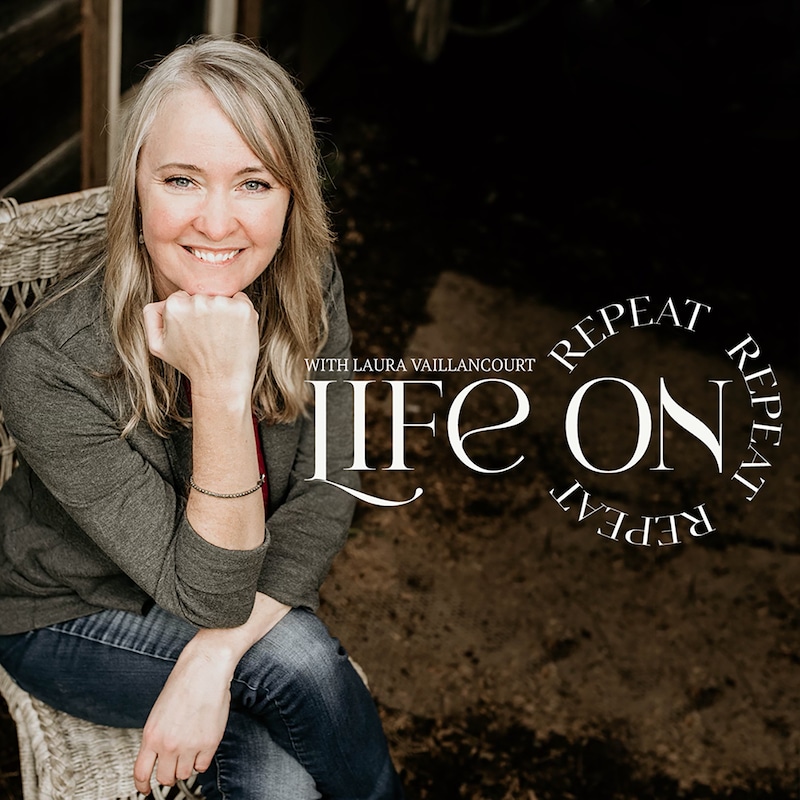
In this soulful episode, Laura Vaillancourt dives deep into the heart of the female caregiving experience. While the role of a caregiver is often taken on by the women in our families and communities, the weight of "doing it all" can lead to a profound sense of isolation—not just from others, but from oneself. Laura offers a compassionate reframing of the caregiving journey, moving away from unrealistic expectations and toward a life of flexibility, professional support, and small, restorative rituals. If you’ve ever felt like you’ve lost the person you used to be in the midst of caring for another, this conversation is a gentle reminder that you are seen, you are not alone, and you deserve to be nurtured too.
Meet Laura Vaillancourt:
Laura Vaillancourt, LMHC, GMHS, is the host of the Life on Repeat Podcast, a licensed therapist, and a geriatric mental health specialist. As the founder of Eldercare Counseling and Guidance Services, she dedicates her career to supporting dementia caregivers in rediscovering their identity and resilience while navigating the complexities of memory loss.
Topics Discussed:
- The Three Layers of Isolation: Feeling disconnected from loved ones, friends/family, and your own identity.
- Reframing Relationships: Understanding that while roles change, growth is still possible within a dementia diagnosis.
- The Myth of "Handling It All": Why burnout happens when we believe we shouldn't be affected by the stress of caregiving.
- Maslow’s Hierarchy for Caregivers: Why basic self-exploration isn't a luxury—it's a foundational need.
- Finding Your "Touchstone": Identifying the one most important thing to ground you when chaos hits.
- The Power of Flexibility: Letting go of unrealistic expectations to avoid constant disappointment.
- Building Your Support Team: Distinguishing between professional experts and the "Bobs" in your neighborhood.
- Internal vs. External Connection: Why you can feel alone in a crowded room and how to foster internal peace.
- Education as Empowerment: Using knowledge to dismantle the fear of the unknown.
- Small Rituals: Creating "micro-moments" of self-care, like the "bathroom veil" mindfulness practice.
Timestamps (Approximate):
- 00:00 - Validating the unique experience of female caregivers
- 02:15 - Navigating the three types of isolation (Social, Relational, and Internal)
- 05:30 - Challenging the expectation that women must "do it all"
- 08:45 - Using deep exploration and mindfulness as a basic necessity
- 11:20 - Finding your grounding "Touchstone" during crisis
- 14:10 - The importance of flexibility and realistic expectations
- 17:35 - How to build a support team (Pros vs. Non-professionals)
- 22:50 - Overcoming the urge to isolate when stressed
- 26:15 - Education as power: Why learning reduces fear
- 29:40 - Small, Medium, and Large self-care: The "Bathroom Ritual"
- 34:20 - Learning the art of receiving help
Key Takeaways:
- Isolation is Multi-Dimensional: You can be physically surrounded by people but still feel internally isolated; true connection starts with checking in with yourself.
- Flexibility Over Control: Dementia is unpredictable. By inviting flexibility into your daily life, you reduce the sting of "things going sideways."
- Establish Your Team Early: Don't wait for a crisis to find an elder law attorney or a care manager; build the rapport now so they are ready when you need them.
- Knowledge Dissolves Fear: Just as learning about spiders can reduce a child's phobia, understanding the progression of dementia makes the journey less frightening.
- Ritualize the Routine: Use daily habits (like walking through a doorway) as triggers for deep breathing and grounding mantras.
- Receiving is an Act of Strength: Allowing others to help is a necessary pivot in the caregiving journey; you truly cannot do this alone.
Resources Mentioned:
- Eldercare Counseling & Guidance Services: eldercarecounselor.com
- Framework: Maslow’s Hierarchy of Needs
- Tools: Inspirational card decks, mindfulness through the five senses
Connect with Laura Vaillancourt & the Life on Repeat Podcast:
- Website: lifeonrepeatpodcast.com
- Instagram: @lifeonrepeat.podcast
- Facebook: Life on Repeat Podcast
- YouTube: www.youtube.com/@LifeonRepeatPodcast