Estimated Reading Time: 5 minutes
If every mealtime feels like a battle filled with tears, gagging, food refusal, or endless negotiations, you're not alone. Many parents assume picky eating is simply stubbornness, but what often looks like defiance is actually a nervous system struggling to feel safe. When we understand the biology behind picky eating, we can stop fighting over food and start supporting the brain and body.
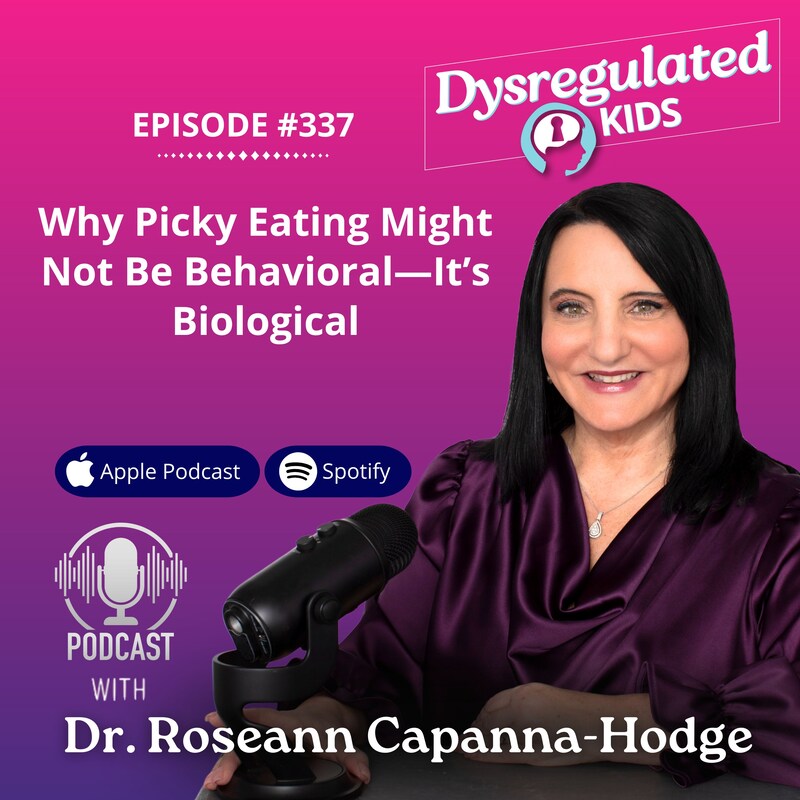
In this episode, I explain the root causes of picky eating and share practical strategies that help children become more flexible and comfortable around food.
In this episode, you'll learn:
• Why picky eating is often linked to nervous system dysregulation
• Common biological causes of food refusal
• Practical ways to introduce new foods without meltdowns
• Signs that picky eating may require additional support
Why does picky eating feel like such a battle?
Many children aren't refusing food because they're trying to be difficult. They're responding to sensory overwhelm, stress, or discomfort.
Important truths to remember:
• Behavior is communication
• Food refusal is often a sign of overwhelm
• Sensory sensitivities are real
• Power struggles make eating challenges worse
Children may react strongly to:
• Food textures
• Smells
• Temperatures
• Visual appearance of foods
Behavior is communication. It's not bad behavior. It's a dysregulated brain.
For some children, what looks like a defiant oppositional child during meals is actually a child whose nervous system feels overwhelmed.
When your child is dysregulated, it's easy to feel helpless.
The Regulation Rescue Kit gives you the scripts and strategies you need to stay grounded and in control.
Become a Dysregulation Insider VIP at www.drroseann.com/newsletter and get your free kit today.
What biological factors contribute to picky eating?
Research shows that picky eating is influenced by both genetics and biology.
Common contributors include:
• Gut dysbiosis and inflammation
• Nutritional deficiencies such as zinc, magnesium, or B6
• ADHD, autism, anxiety, or OCD
• Reflux or difficult early feeding experiences
• Sensory processing challenges
• Genetic predispositions
Some children may also struggle with ARFID (Avoidant Restrictive Food Intake Disorder) or other restrictive eating patterns.
🗣️ “Picky eating in kids isn’t about being spoiled or difficult. It’s biology shaping eating habits. Once you understand the root cause, you can take steps that actually help.” — Dr. Roseann
How can I help my child try new foods?
The first step isn't changing the food. It's calming the nervous system.
Helpful strategies include:
• Using co-regulation before meals
• Introducing tiny "micro-bites" of new foods
• Tracking patterns around food refusal
• Supporting gut health through nutrition
• Working with feeding or occupational therapists when needed
These approaches reduce stress and prevent meltdowns in children around food.
As children feel safer, they often become more willing to explore unfamiliar foods.
When should I worry about picky eating?
While many children go through phases, some signs suggest a deeper issue.
Watch for:
• Eating fewer than five foods consistently
• Panic or extreme fear around meals
• Reliance on the same foods every day
• Weight loss or poor growth
• Avoidance due to pain or discomfort
If eating struggles affect your child's health, nutrition, or family life, it's time to seek support.
Final Thoughts
Picky eating isn't usually about stubbornness. It's often a sign that the nervous system, sensory system, gut, or body needs support.
When we calm the brain first and use effective regulation techniques for kids, mealtimes become less stressful and children become more open to trying new foods.
Need help finding the right next step? Take the free Solution Matcher Quiz at www.drroseann.com/help.
Need help calming your child's brain before mealtimes? Learn more about Quick Calm at www.drroseann.com/quickcalm.
FAQs
Can picky eating be more than a phase?
Yes. In some children, persistent food refusal may be linked to sensory challenges, anxiety, ARFID, or nutritional deficiencies.
Is picky eating connected to the brain?
Absolutely. Nervous system dysregulation can make new foods feel overwhelming and stressful.
When should I seek help?
If eating challenges impact growth, nutrition, health, or family functioning, professional support is recommended.
Dr. Roseann Capanna-Hodge helps parents understand emotional dysregulation in children and teaches practical nervous system regulation and co-regulation strategies through her Regulation First Parenting™ approach.