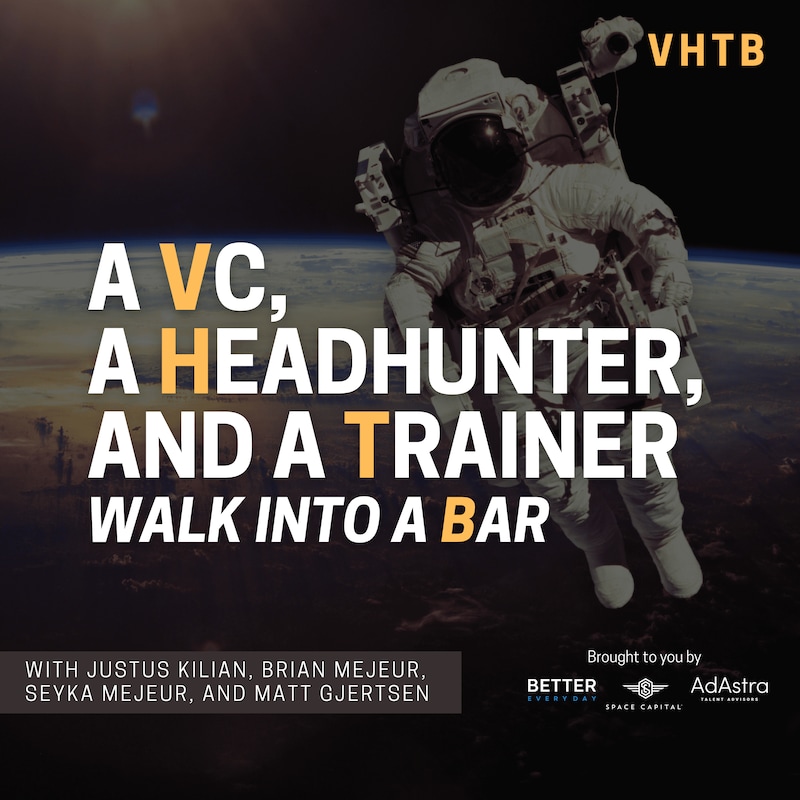
What happens when one company gets so far ahead that an entire ecosystem starts depending on it?
SpaceX has transformed access to orbit, but that success creates a new problem. If rideshare capacity becomes more limited and SpaceX increasingly prioritizes its own satellites, what happens to all of the companies that built their businesses around that access?
And this isn't just a launch problem.
TSMC shows what can happen when a dominant infrastructure provider chooses not to compete with its customers. Other technology platforms show the opposite: once you own the infrastructure, the temptation to move vertically and capture more of the value can be hard to resist.
In this episode, we talk about the risks of building around a single critical provider, why enormous technical moats are so difficult to challenge, and whether scarcity ultimately creates the pressure for new competitors and business models to emerge.
We also get into whether the market can solve these bottlenecks on its own, or whether some infrastructure becomes strategically important enough that policy eventually has to play a role.
Episode Highlights:
[00:00] What happens when one company controls access to a market?
[02:38] TSMC and the value of not competing with your customers
[03:51] What Apple and Amazon show about owning the platform
[05:43] SpaceX's unusual position in launch and satellite connectivity
[07:10] The tension between serving customers and maximizing shareholder value
[08:42] Can you actually build a competitor to a massive technical moat?
[11:20] Why access to space matters to the entire innovation ecosystem
[13:22] The risk of building a company around one launch provider
[15:14] Could launch scarcity create new markets and business models?
[16:08] The opportunity for intermediaries to solve the rideshare problem
[17:03] When does policy need to protect access to critical infrastructure?
[18:15] Can constraints ultimately push the market toward more innovation?
Key Takeaways
- When one company controls critical infrastructure, its business decisions can affect an entire ecosystem.
- TSMC shows how a dominant infrastructure provider can help an ecosystem flourish by choosing not to compete with its customers.
- SpaceX has a different tension because launching its own satellites may eventually be more valuable than providing capacity to other companies.
- Technical moats in hard tech can take decades and enormous amounts of capital to overcome, making it difficult for the market to respond quickly when a bottleneck emerges.
- Companies building around rideshare or future Starship capacity need to think carefully about how dependent their business model is on a single provider.
- Limited launch capacity could create opportunities for new launch providers, rideshare intermediaries, and other business models.
- If the market can't provide enough access to strategically important infrastructure, policy may eventually become part of the solution.
Where else in hard tech do you see a single company becoming a critical bottleneck for the rest of the ecosystem?
Subscribe to VHTB for more conversations about the talent, culture, and capital forces shaping hard tech.
Links & Resources
Space Capital: https://www.spacecapital.com/
BUILT: https://builtleaders.com/
AdAstra Talent Advisors: https://adastra.us/