Shownotes
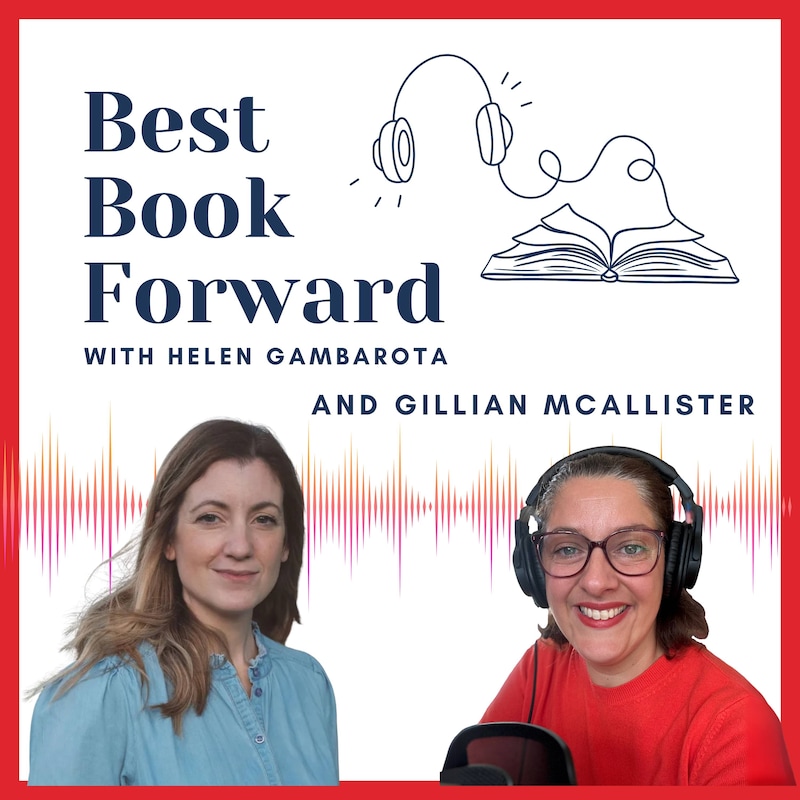
In this Christmas bonus episode of Best Book Forward, I’m delighted to welcome back Gillian McAllister. If you missed the previous episode you can catch up with it here…listen now
We take a look back at Famous Last Words and also at what is next for Gillian, I have to say it is all very exciting.
Of course, no episode of Best Book Forward would be complete without some irresistible book recommendations to add to your festive reading list. Here’s everything we discussed:
📚 Books by Gillian McAllister
✨ Books Mentioned
I really hope you enjoy listening to this episode as much as I loved recording it.
Tomorrow, I’ll be sharing another festive conversation in The Christmas Chapter series, catching up with another wonderful past guest.
In the meantime, if you’ve enjoyed this episode, please subscribe, rate, and review Best Book Forward, and don’t forget to tell your friends, it really helps new listeners discover the show.
See you tomorrow, and happy listening. 🎄
Listen & Subscribe Now:
https://best-book-forward.captivate.fm/listen
To stay in touch with Best Book Forward news please follow me on Instagram @bestbookforward or visit my website: https://bestbookforward.org/
Transcripts
Welcome back to Best Foot Forward, the Christmas chapter.
Speaker A:Today I'm delighted to be joined again by the incredible Gillian McAllister.
Speaker A:The last time we got together was to chat about her new novel, Famous Last Words, which I absolutely loved.
Speaker A:During that conversation, Gillian told me about her research and how she had actually trained to become a level one hostage negotiator.
Speaker A:And it was during that training that a seed was sparked for her new novel, Cooler Unknown, which comes out in April and sounds absolutely incredible, which, of course, we will talk about during this episode.
Speaker A:So for now, I think it's time you take a break from your Christmas wrapping, put your feet up and enjoy some bookish chat.
Speaker A:So let's give Gillian McAllister a warm welcome back to the show.
Speaker A:Gillian, welcome back.
Speaker A:Thank you so much for joining me for another episode.
Speaker B:No, thank you for having me.
Speaker A:I'm so excited to chat to you again.
Speaker A:We last spoke in June just before Famous Last Words came out, and I loved that conversation so much.
Speaker A:For anyone who might not have already read it, could you give listeners a little glimpse into what Famous Last Words is all about?
Speaker B:Yes.
Speaker B:So it tells the story of Camilla, who is an ordinary mum and literary agent, and she wakes up on the first day after her maternity leave.
Speaker B:So, first day back to work and her husband is missing.
Speaker B:And in his place is a cryptic note and she heads to work as normal.
Speaker B:She tries to put it out of her mind.
Speaker B:The note is fairly innocuous, although it's unfinished.
Speaker B:And the police arrive at her workplace and they have told her that her husband is caught up in a developing hostage situation in central London, but that he hasn't been taken hostage and he is in fact the gunman.
Speaker B:And it follows the hows and the whys of how this could happen to her and her marriage.
Speaker A:I still love hearing the premise and I loved reading, as I said, I've read it twice.
Speaker A:I loved it so much and it did really well.
Speaker A:It's been really well received.
Speaker A:It's another one of your books to hit the bestseller list, which is incredible.
Speaker A:What has been the reaction like to it, Gillian, what have readers been saying to you?
Speaker B:Yeah, it's really interesting.
Speaker B:They really love.
Speaker B:I think they love to read about a hostage situation.
Speaker B:I think it's not been done too much in psychological thrillers.
Speaker B:They really like the hostage negotiator and they also really like the kind of publishing aspects.
Speaker B:I think they like to read about a literary agent.
Speaker B:They like to read about, you know, the husband's a writer and there's an interesting kind of Relationship between his wife being his literary agent.
Speaker B:Like she knows him on another level to just husband and wife.
Speaker B:So yeah, it's been really fun to have it kind of be out in the world and getting messages about it all the time.
Speaker A:The things I loved about it as well.
Speaker A:I remember saying to you, I love books with like a bookish element.
Speaker A:There's that as well.
Speaker A:And Camilla is such a great character but the hostage negotiator was like so interesting.
Speaker A:And of course obviously you went and trained, didn't you?
Speaker A:Which we'll talk about in a minute or something to.
Speaker A:But it was a different dimension totally.
Speaker A:Which I just thought was amazing.
Speaker A:So you're used to hitting the news for being a best selling author or movie deals, but over the summer you hit the news for a different reason for your sneaky signings in Tesco's, which I loved.
Speaker A:So could you tell us about that?
Speaker A:What were you up to in Tesco?
Speaker B:Well, I think a lot of authors sign books in bookshops but I just saw my book and it was next to the Sharpies in Tesco and I just thought why not?
Speaker B:Like I would only sign like one, so I hoped it wouldn't annoy anyone.
Speaker B:But yeah, I signed it, recorded it and then put it on my channels and within about an hour one of my readers had gone out and bought it and, and sort of showed me the message that I'd only just written and that was what the papers picked up.
Speaker B:It was just so fun to connect with readers in that way.
Speaker B:So yeah, I'm hoping to.
Speaker B:I've got another book in the supermarkets from tomorrow, which is the 6th of November.
Speaker B:Don't know when this is going out but yeah, yeah, of course, yeah.
Speaker B:But I will be signing some more then because it's.
Speaker B:Yeah, it's just such a fun experience.
Speaker A:I always love that when you see things like.
Speaker A:Because as you say, if you go in a bookshop there's a good chance you're going to find a signed copy.
Speaker A:But I love like, you know, the, the book fairies, leave them around and things.
Speaker A:I was thinking, oh, I'd love to find a book that's been signed.
Speaker A:It's such a treat if you're in Tesco's.
Speaker A:I know they saw you doing it and actually went out to find her.
Speaker B:Yeah, that's it, that's it.
Speaker B:And most of my readership don't really know where I live so I think a lot of readers went out and checked their local Tesco and one sort of got the lucky copy.
Speaker A:Tesco's Must be like, this is really weird.
Speaker A:We've got all these people flooding in to look at this one book across the country.
Speaker A:What's going.
Speaker B:I know, it's interesting.
Speaker B:I know.
Speaker B:I've done it in all supermarkets and so far not been spotted.
Speaker B:I do sort of wonder if a lone supermarket employee might think, what is she doing?
Speaker A:There's probably somebody watching on the camera, like, oh, do you know what?
Speaker A:That just feels like.
Speaker A:It could be a bit of a minefield.
Speaker A:I'm going to leave it.
Speaker B:Yeah, I know, I know.
Speaker B:You have to go closely resemble your author picture as well to kind of have the evidence.
Speaker B:And I'm not sure I do most of the time.
Speaker A:So you'd have to just go live on Instagram, just have people back you up.
Speaker A:And they would all be like, no, that's not her.
Speaker A:You up.
Speaker A:So we talked last time about how your research for Famous Last Words was meeting with the hostage negotiator you actually trained and qualified as a Level two.
Speaker A:Was it?
Speaker A:I can't remember.
Speaker B:Level one?
Speaker B:Yeah, Level one hostage negotiator.
Speaker A:And that inspired your new book, which is coming out next year, which is called Caller Unknown, which sounds amazing.
Speaker A:I've seen some great reviews for it already.
Speaker A:I can't wait.
Speaker A:Could you tell us a little bit what it's about, what we can expect from this one?
Speaker B:Yes, for sure.
Speaker B:So my hostage negotiator that I spoke to a lot to write Famous Last Words is no longer a hostage negotiator.
Speaker B:He is a freelance kidnap and ransom negotiator.
Speaker B:And as soon as he told me that, I just thought, it's quite a different thing to Hostage Situation.
Speaker B:It just has the element of negotiation in common.
Speaker B:And I just thought, I've not seen a psychological thriller about a ransom.
Speaker B:So it kind of started my mind whirring and I thought, what if you got a ransom that made a demand that the parents disagreed on?
Speaker B:So in Caller Unknown, a teenage daughter is taken and the ransom says, you can't tell the police and you've got to deal direct.
Speaker B:And that is what the mother wants to do and ultimately chooses to do, while the father thinks they should go to the police and, you know, not waste any time dealing directly with criminals.
Speaker B:And it was a really interesting kind of exploration of the strengths and pitfalls of parental love.
Speaker B:You know, how you can kind of feel like you're doing the absolute best to get your child back, but are you actually.
Speaker B:Is it your Achilles heel that you will do anything?
Speaker B:So, yeah, that is coming out in April in The UK and May in the US next year.
Speaker A:Amazing.
Speaker A:I'll put a pre order link in the show notes.
Speaker B:Oh, thank you.
Speaker B:There are signed copies both sides of the pond if people want signed ones.
Speaker A:Okay, perfect.
Speaker A:I'll.
Speaker A:I'll get the details from you as well and we'll pop those in as well.
Speaker A:It is such an interesting idea and actually the more I sort of think about it, I.
Speaker A:You hopefully would never be in that sort of situation.
Speaker A:But I was like, I've sat sort of thinking about it.
Speaker A:I'm like, I don't know what I would do.
Speaker A:I think you would want to do anything for your kid.
Speaker A:I can't wait to read it.
Speaker A:I'm not going to try and sort of wear my way into finding out.
Speaker A:Famous last words to your hostage negotiator.
Speaker B:That you worked with.
Speaker B:Yes, I think I have.
Speaker B:Yeah, he liked it.
Speaker B:I've definitely taken artistic license and he was sort of aware of that at the time.
Speaker B:Like, you know, know, he was kind of like, actually you'd have like multiple hostage negotiators.
Speaker B:One would just be for listening.
Speaker B:And that like, narratively is so difficult.
Speaker B:Like.
Speaker B:So I funneled it all through one person and you know, at the denouement where, you know, they do enter the building, the hostage negotiator does so because otherwise you would just get him being told by the police officers what happened and it's much less active.
Speaker B:But yes, I sent it to him.
Speaker B:He's in the acknowledgments.
Speaker B:And then he kind of helped me for my ransom books a year after.
Speaker B:So that often tends to happen.
Speaker B:Like I get a sort of helper for two to three books.
Speaker B:It's like an era that's amazing.
Speaker A:So he's dining out on this now.
Speaker B:Exactly, exactly.
Speaker A:Amazing.
Speaker A:And how was the writing experience of Caller Unknown then?
Speaker A:Given that you actually did some training, so you had some sort of experience in it, did it make it easier or harder for you to write?
Speaker B:Yeah, it was one of those books that doesn't come along very often.
Speaker B:Wrong Place, Wrong Time was one of them where I just sort of wrote it and, you know, that is not the experience normally.
Speaker B:Normally there's a lot of toing and froing on the plot and, you know, realizing I've gone wrong and deleting vast amounts as, you know.
Speaker B:But yeah, call her Unknown.
Speaker B:I mean, it's a relatively simple novel.
Speaker B:I really wanted to just write a suspense novel where the characters are in huge peril and you cared about them.
Speaker B:So it takes over place over a very Short period of time.
Speaker B:There's a very limited cast.
Speaker B:There's kind of a shock about a third of the way through that kind of changes the direction of the novel.
Speaker B:And maybe because of the simplicity, maybe because, you know, it's my 10th novel, but probably just because it's just one of those things.
Speaker B:It was a much more smooth writing experience.
Speaker B:Like I delivered it early.
Speaker B:They just happen every now and again.
Speaker B:And now I'm having a real headache of a writing experience with the Next, which is always the way.
Speaker A:I was just going to say I was like, oh, do you think 10 was the magic number you've got there?
Speaker A:And now you've sort of nailed your, your technique and formula or whatever.
Speaker B:But no, no, I did think that and people did say that to me, like, oh, I think you just kind of know a bit more how to do it.
Speaker B:But not so, you know, my, my Next is super complicated.
Speaker B:It's multi generational, which I've never really done before.
Speaker B:So yeah, unfortunately I haven't nailed it and I don't know how to just write a book in six months like I did with that.
Speaker B:But it is, I would say it is easier on the whole to differentiate between what is just anxiety and what is a true writer's instinct and to listen to it.
Speaker B:But it can also, that can make it harder because your instincts are so honed by, you know, 11 books in that as soon as you feel it that it's, it's gone awry.
Speaker B:You know, you've got to do something, but you don't always know what to do.
Speaker B:So now I can listen to the instinct really well.
Speaker B:But it still just takes time.
Speaker B:Sometimes you have to stop and not write for two weeks to work something out.
Speaker B:And that's just the way of it.
Speaker B:So, yeah, it's.
Speaker B:I would say it's an easier writing experience than like books like you know, 2 to 5.
Speaker B:But I would say it's still fundamentally just a difficult thing to do to write a novel, unfortunately.
Speaker A: And is that a: Speaker B: Yes, it will be spring: Speaker B:Yeah.
Speaker B:So I'm delivering it in about February.
Speaker A:Amazing.
Speaker A:Last time we spoke you, you had like a sort of stream.
Speaker A:It felt like you were really, you know, sort of planned.
Speaker A:So if you.
Speaker A:Are you already sort of thinking ahead as well or you sort of start stuck in this one at the moment?
Speaker B:Yeah, I am.
Speaker B:I've had several kernels of ideas for the next and I know the sort of thing I want, but I wouldn't say I found the thing yet.
Speaker B:And I Am noticing I do have to deliver a book to truly have the next idea, which is frustrating because I would quite like to work up one idea while in the sort of final edits of another, but just doesn't really work like that.
Speaker B:I think it's quite a monogamous experience.
Speaker B:Experience at times.
Speaker A:But you are still.
Speaker A:I mean, I know for, for particularly readers like myself who are getting early copies, sometimes it's like, oh my gosh, you have to wait.
Speaker A:But you are.
Speaker A:I mean, it's one a year, one cracking book a year as well.
Speaker A:So that's amazing.
Speaker A:I was just thinking when you were saying about when you get stuck, then you sort of take two weeks.
Speaker A:Do you have other writers that you sort of brainstorm a bit with or do you keep it completely in your head when you're, when you're struggling?
Speaker B:No, absolutely.
Speaker B:The only way I can work it out actually is to talk about it.
Speaker B:And it used to feel a bit like self indulgent, but actually if somebody is actively listening to me, I so often work it out in the talking to them because it's like articulation of the problem, which sometimes it just feels like a mess.
Speaker B:And then you kind of get to the kernel of it like, ah, the way that I reveal this is unsuspenseful because the reader might have worked it out from these things or, you know, it's all reported action rather than somebody finding it out for themselves.
Speaker B:And then once you've articulated the problem, it really is just a case of kind of ripping the plaster off and being like, okay, right now I know what the problem is.
Speaker B:Your brain can kind of come up with solutions.
Speaker B:I think often the resistance is you want it to be fine the way you've written it.
Speaker B:And actually it's accepting that these instincts are real and then making a plan and knowing that you might have to take 10,000 words back and, you know, start again from the fork in the road kind of thing.
Speaker B:Um, but yeah, I talk to my dad, I talk to my husband, and I do talk to.
Speaker B:I've got three close writer friends and we all brainstorm on voice notes all the time.
Speaker B:And they're great because they sort of manage to hold your plot in their head in a way that only writers can, where they kind of know, like they will say like, oh, could you make it that the husband doesn't know this?
Speaker B:Oh, wait, would that affect this other thing?
Speaker B:And it sort of is like a muscle plotting a novel.
Speaker B:And writers have a very honed muscles, so they're quite good to Talk to.
Speaker A:In that respect, I think, particularly with what you're writing.
Speaker A:I was just thinking as you were saying it, they are complicated.
Speaker A:Like, you know, in that you've got a twist to think about, your red herrings, keeping it believable, making characters relatable as well.
Speaker A:So there's a lot of sort of things you're having to juggle to get right.
Speaker A:So.
Speaker A:Yeah, I mean, I know you talked last time about how many pages and words you'll delete as well, but I think that's why I said before, that's why I think your books are so believable because you've just sort of kept on going until you've got to the.
Speaker A:To the right sort of experience for us as readers.
Speaker B:I hope so.
Speaker B:Yeah, it is.
Speaker B:I sort of feel not capable of, you know, if I know something's not working, it just forever.
Speaker B:I have like a perennial to do list of, you know, there are four things at the moment in my current novel that's, you know, about four months off being delivered that I just think I could make more of that or that could be better.
Speaker B:And, you know, it was about 20 things and I'm just kind of going through them and trying to figure it out and they sort of bubble up, you know, the more urgent they get.
Speaker B:And, you know, on.
Speaker B:On my list now is to figure out something actually in chapter one that's kind of been niggling away at.
Speaker B:And sometimes it's small changes, you know, it's not always huge, but it's kind of, you know, what.
Speaker B:What the note said in famous last words was a big one because I. I wanted it to be fairly innocuous as well as suspicious.
Speaker B:And that's like a hard thing to find.
Speaker B:So it's things like that that they are important to me and I know that they're important to readers.
Speaker B:But it's sort of just finding the right time to think about it, I think.
Speaker B:Because sometimes you have to be like, that's not perfect, but it will do for now.
Speaker B:And I'll come back to that.
Speaker B:And I need to get the big things in place.
Speaker B:And then it's kind of a process of refinement for me anyway.
Speaker A:And do you find that when you are finished, do you know, or are you there still things that you're like, oh, should I keep tinkering?
Speaker A:Or how do you know when to draw the line and be like, that's.
Speaker A:That's it done?
Speaker B:I think there is like a kind of broad instinct where I don't deliver it.
Speaker B:If I could say quite for certain what an edit note would be.
Speaker B:So I wouldn't deliver it with a plot hole or kind of that feeling of like, oh, would that happen?
Speaker B:Like my current one, the ending just isn't quite explosive enough.
Speaker B:And I would not deliver it and be like, help me with the ending.
Speaker B:But I.
Speaker B:So in general, I deliver it and I think, I don't know what the edit notes are going to be, but I do always get them.
Speaker B:And so, you know, I've never delivered a novel that everybody was like, brilliant, let's send it to print, you know.
Speaker B:But I'm much more comfortable when they are fairly minor notes.
Speaker B:That's always my aim, to get it to a place where it's workable rather than, you know, I have delivered two books that needed serious surgery.
Speaker B:And it's just a stressful experience, but it is unavoidable, I think, because some novels you actually can't work out completely by yourself.
Speaker B:But my aim always is to send something that I'm super happy with.
Speaker A:I'd say there's probably very, very few that get submitted and they're like, great, let's go.
Speaker B:Yeah.
Speaker A:If any.
Speaker A:I've done.
Speaker B:I know.
Speaker B:And I think you have to learn as you go along to trust the people that you work with and not.
Speaker B:I always had this thing of like, I'm so lucky to be published, especially by somebody like Penguin.
Speaker B:I want to send something in that's perfect.
Speaker B:But actually, you know, my editor's been my editor for 10 years now.
Speaker B:And it was actually very useful to go through the process of her being like, this is going to be a really big edit because it's not working.
Speaker B:And I was like, oh, my God.
Speaker B:But actually nothing happened.
Speaker B:It was just a bigger edit.
Speaker B:Nobody, you know, said, we don't want to work with you, or we're not, you know, we don't want to sell it.
Speaker B:Like, that didn't happen at all.
Speaker B:And it was actually very useful to go through that fairly exposing process of having a difficult conversation about how, you know, I had to change so much about that book, like the beginning, the ending, some of the characters.
Speaker B:And it was really useful experience, actually.
Speaker B:I'm glad I went through it.
Speaker B:And it has made me less anxious about delivering something that I do still have question marks about.
Speaker B:But, you know, I aim not to.
Speaker A:Yeah, but I guess they are like you.
Speaker A:I know we spoke before about, you know, how important it is to you to, you know, to.
Speaker A:To deliver something your readers will love.
Speaker A:You have such a loyal fan base as well Your team as well know that and they want to sort of keep everybody.
Speaker A:I mean, the excitement, I think when you say a new book is coming, you know, you know, cannot wait and I know is amazing.
Speaker A:I.
Speaker A:Pressure.
Speaker B:Yeah, it is, but it's like, you know, a very privileged form of pressure.
Speaker B:But it is pressure.
Speaker B:And I think the biggest complaint I see long term readers make of their favorite authors is that their later books are not as good.
Speaker B:That is the reality that we face and there are so many reasons for that.
Speaker B:But I am trying to sort of avoid that because I think it can.
Speaker B:You know, I always think I would want this novel to sell if it was a debut.
Speaker B:If I was not known at all, I would want a publisher to want to buy it.
Speaker B:And that's my aim with every book.
Speaker B:But that is difficult because you have a lot of ideas early in your career and then you write them.
Speaker B:And so it does get harder and harder.
Speaker B:Like so many of my endings in particular, I think, oh, wouldn't it be cool if you thought the characters were dead and then they're not.
Speaker B:And that is, you know, famously one of my endings and I just can't use it.
Speaker B:So the ideas are harder to find 11 books in for sure, but we basically just work a bit harder to find them, I guess.
Speaker A:Well, you do and you always have something fresh.
Speaker A:But I'm wondering, you're saying that about people coming on.
Speaker A:I wonder if it says you're sort of growing as a writer, whether, you know, people are growing up as well and sort of changing their style.
Speaker A:So it's not just your books, they're changing what they're reading, sort of music and, you know, there's so many books for people to choose.
Speaker A:I think you will always have a very loyal Instagram at.
Speaker A:You know, people love all your posts and everything you do, so I hope so.
Speaker B:Yeah, but you can never rely on it.
Speaker B:You know, you have to keep coming up with the goods because if you.
Speaker B:I think you can write like one mediocre book before your readership starts to be like, oh, so.
Speaker B:And that's sort of almost what I live in fear of more than anything is publishing something that I'm not happy with.
Speaker B:And so it's an ongoing headache of mine that, you know, me and my author friends joke, like in a 12 month window of writing a novel, you're unhappy for 11 and a half months and then you figure out delivering it and then it starts again.
Speaker B:But that's the life.
Speaker B:And you know, I'm not pretending the job's hard compared to other jobs.
Speaker B:Because it's amazing to write stories for living.
Speaker B:Yeah.
Speaker A:But I mean, it's challenging and you know, you are, obviously you have your network as well, but for the bulk of it you are working it out on your own.
Speaker A:So, you know, solitary as well.
Speaker A:So.
Speaker A:Yeah, that feedback, Instagram, people enjoying it.
Speaker B:Absolutely.
Speaker B:You're the, you're the CEO, but you're also the dog's body.
Speaker B:You know, it's very strange career in that respect and nobody truly can work it out for you.
Speaker B:And you know, I talk to my husband and he suggests things and ultimately it's me that's got to come up with them.
Speaker B:I, I've never used a suggestion of his.
Speaker B:It's just the conversation is what's useful.
Speaker B:So.
Speaker B:Yeah, it is, it is bizarre in that respect.
Speaker B:And it does, you know, it does take over your life.
Speaker B:Like when I was a lawyer, I just leave a bad day at the office really.
Speaker B:Whereas, you know, I'm trying to take a day off today because we've all been ill and I've actually just sort of finished a penultimate draft and I'm about to start the final draft and I was like, I'm just going to take a day off and I'm on podcast.
Speaker B:But like, yeah, I mean it's, you know how it is.
Speaker B:But I find that hard to do and I think it's because you have ultimate responsibility and your books due when it's due.
Speaker B:So in a sense having a day off makes everything harder.
Speaker B:And I think that is the self employment mindset which, you know, you must be familiar with.
Speaker B:And it just, you have to get out of that mindset and into the one of like rest is actually functional in a different way.
Speaker B:And actually I might work out something amazing about my book today and I might not, I might just chill out.
Speaker B:And that's useful too.
Speaker A:Yeah.
Speaker A:I think that with like when I say I'm having a day off, I'll sometimes find I'm busier in my mind because where I'm not doing what I'm doing, I start getting ideas.
Speaker A:So I'm like, oh, that's a good idea.
Speaker B:I know.
Speaker A:I think your brain does need that space, doesn't it?
Speaker A:To sort of.
Speaker B:It's hard to.
Speaker B:Yeah.
Speaker B:And it's the sort of productivity trap almost that I thought I could use my time off to.
Speaker B:I've got to sign a load of like pages to be made into signed books.
Speaker B:And I was like, I could do those.
Speaker B:And I was like, well, that's not really a day off.
Speaker B:Though, like, it's hard to actually get my mind to be like, no, we're actually taking a day, not doing anything to do with publishing, but it is all on you.
Speaker B:Yeah, I know, I know.
Speaker B:This definitely isn't work.
Speaker A:Do you know?
Speaker A:I'm just really interested in that whenever I see authors signing all those pages.
Speaker A:How long does that take you, do you think, to do all your.
Speaker B:Oh, I know.
Speaker B:Well, longer than you would think because I was kind of like, oh, it's about two seconds to do an autograph.
Speaker B:So, like, I'll.
Speaker B:I'll do the lot in a day.
Speaker B:But actually it just doesn't.
Speaker B:What takes ages is like filling with the pages to turn them, putting down neatly, getting distracted, writing it slightly wrong and having to correct it like it's all the stuff around it.
Speaker B:It does work a lot better if you can actually physically go to a warehouse and sign the already bound books, because a publisher will hand them to you on the right page.
Speaker B:And it's like a production line.
Speaker B:But I do what's called tippins at home, where they send a stack of bound pages.
Speaker B:And it does take me longer.
Speaker B:And you.
Speaker B:I personally can't watch or listen to anything while doing it because I'll write the wrong word.
Speaker B:So it's.
Speaker B:It's one of those.
Speaker B: So, yeah, I would say like: Speaker B:But, yeah, I also.
Speaker B:I like to write, not just my signature.
Speaker B:I like to say happy reading or whatever, but I actually will, like, treble the amount of time it takes.
Speaker A:But they're so precious.
Speaker A:I mean, I love signed copies.
Speaker A:Even if.
Speaker A:I mean, I love it when I go to an event and somebody will sort of sit and sign it for me there.
Speaker A:But I will often buy.
Speaker A:And they're so special.
Speaker A:I've got all my signed copies.
Speaker A:I keep them separately, so.
Speaker B:Nice.
Speaker A:Yeah, I just love them.
Speaker A:So I've always been curious because I'm thinking you must be at the end, like, hand cramp.
Speaker B:Yeah, I do do them kind of piecemeal.
Speaker B:But I did.
Speaker B:I did in person stock signing for one book and I did about 3,000 in a day.
Speaker B:And that was hardcore.
Speaker B:Um, but, yeah, try and do them piecemeal and, you know, I might be able to watch something like Bake off, you know, that it doesn't.
Speaker B:The words don't go in so much and that will help.
Speaker A:Happy baking.
Speaker B:Yeah, I know, exactly.
Speaker B:There's always the fear with the fear that I've written some profanity or other.
Speaker B:As well.
Speaker B:Like with an intrusive thought.
Speaker A:I'd be worth a fortune though, wouldn't it that.
Speaker B:Yeah, I know, I know.
Speaker B:Career ending, but it would do well on ebay.
Speaker A:Somebody's very happy with.
Speaker A:That's hilarious.
Speaker A:So we talked before we came on something I know everyone's always desperate to know for you, any screen adaptations, anything coming that you're able to share with us.
Speaker A:I know we're all desperate.
Speaker B:I know, I know.
Speaker B:Well, so that night is coming out soon with Netflix Spain and it will be really cool.
Speaker B:It's very true to the book.
Speaker A:Book.
Speaker B:It's about three siblings who bury a body together on holiday and just another missing person is in development.
Speaker B:The rest are all under option and they are at various stages.
Speaker B:Summer two in particular are moving really fast.
Speaker B:So you know, watch this space.
Speaker B:I. I sort of feel like they might all be dominoes and they might all fall at the same time.
Speaker B:That's my sort of instinct about it.
Speaker B:So, you know, it can.
Speaker B:I mean it just.
Speaker B:My agent said it takes an act of God to get a film or TV show made and it really does.
Speaker B:Like so many things have to go right for it to, you know, for you to pull it off.
Speaker B:Whereas writing a book, you write it and your publisher prints it, you know, whereas a TV show, they have to spend like multi millions to get it made without any knowledge of where they're going to make the money back.
Speaker B:And that is why it takes so long because you just have to get the right people willing to take that risk on it.
Speaker A:Yeah, I guess with Netflix and sort of book adaptations there have been some brilliant ones.
Speaker A:So hopefully that will sort of, you know, as they start to see that people are loving them more, they'll be and yours be at the top.
Speaker B:It's hard to know if I'm just very of the industry because I think there's been loads.
Speaker B:But possibly I'm obviously just going to hear about them and watch them.
Speaker A:Yeah.
Speaker B:But yeah, I think so.
Speaker B:And I think, you know, if you were thinking, oh, I really want to watch a really original thriller, I would turn to books because that's where I think I would find that because it's so crowded.
Speaker B:Post the Girl on the Train and you know, all of that, you have to be original to make a career of it is my view.
Speaker B:So I definitely think the originality is in the book to film adaptation.
Speaker B:But let's see.
Speaker A:And your books certainly have that as well.
Speaker A:I think they'd be.
Speaker A:I hope so.
Speaker A:I hope so.
Speaker A:I don't use Them fingers crossed.
Speaker A:Okay, Gillian, when we spoke then back in June, you picked the five books that you felt had shaped your life.
Speaker A:So I'm going to give you the list now and we'll see whether you think they still stand today or if there's any that you swap out.
Speaker A:So you have the Pact by Jodi Peacoult, the Time traveller's Wife, Apple Tree Yard, you Don't Know Me by Imran Mahmood, and Missing Presumed by Susie Steiner.
Speaker A:How does that list stand with you?
Speaker B:Yeah, pretty.
Speaker B:Yeah.
Speaker B:I mean, I guess it's only been five months.
Speaker B:Yeah, yeah.
Speaker B:Six months.
Speaker B:Yeah, yeah, I would say so.
Speaker B:I would say I stand by that, I might add.
Speaker B:I. I recommended Night Watching to you.
Speaker A:It's so good.
Speaker B:I. Oh, I'm so glad you liked it.
Speaker A:I was so worried because I'm such a chicken.
Speaker B:Yeah, I know, me too.
Speaker B:I mean, I did find it scary and I don't generally like to be scared.
Speaker A:Yeah.
Speaker B:But I found it super gripping and I would say quite sort of instructive because it's quite simple.
Speaker B:You just care about the characters and you, you know, there's no complexity really to the plot and I don't mean that in a derogatory way.
Speaker B:It's just that you care about that woman in her house, vulnerable, with her kids.
Speaker B:Right.
Speaker B:And I think we could all take a lesson from that because I think thrillers can get over complicated.
Speaker B:I certainly over complicate my plots and have to undo it.
Speaker B:And I think actually just caring about a character who's in peril and the stakes are high is actually all you need in so many senses.
Speaker A:It's.
Speaker A:I mean, I remember when you said it and I was like, I'm a real chicken.
Speaker A:And then I was like, yeah, I have to read it.
Speaker A:And then I started reading it when I couldn't sleep one night.
Speaker B:I also read it when I couldn't sleep.
Speaker B:And it doesn't help with that, does it?
Speaker B:It's not like a relaxing read to sleep experience.
Speaker B:I think I read it in a single night, which I just blitzed it.
Speaker A:Because I was like, I have to just finish it and just know where everyone is.
Speaker B:I know.
Speaker B:It's got a great ending as well, hasn't it?
Speaker A:Like, such a great ending.
Speaker B:I was like, how is she gonna end this?
Speaker B:And then in the middle I was like, oh, God, is this gonna annoy me?
Speaker B:But she really pulled the rug out.
Speaker B:And it was a great ending.
Speaker A:Yeah, it was great.
Speaker A:And there was a couple of bits that someone.
Speaker A:There's this intruder in the house and he'd say things and I was like, I feel like I'm gonna cry because I'm so afraid for this.
Speaker B:I know.
Speaker B:I was the same.
Speaker B:I know I've not been that emotionally invested in a novel in years.
Speaker A:Yeah.
Speaker A:I say it's a thrill.
Speaker A:I mean, it's sort of in parts.
Speaker A:I was like, well, it almost feels like a bit of a horror to me.
Speaker B:Yeah, I know, it does, really.
Speaker A:So scary.
Speaker A:But.
Speaker A:And it's absolutely.
Speaker A:I think if you hadn't have recommended it and somebody told me how I probably wouldn't have picked it up, thinking it was too scary.
Speaker A:But you made it sound so brilliant.
Speaker A:I was like, I've got to read it.
Speaker B:Yeah.
Speaker B:I think it really is a psychological thriller novel.
Speaker B:But I know what you mean.
Speaker B:It.
Speaker B:It almost feels like it.
Speaker B:I guess it's almost like quite folklore y in places.
Speaker B:But, yeah, no, I. I loved it and I think it's got a depth that so many thrillers don't have.
Speaker A:Yeah, definitely.
Speaker A:Brilliant.
Speaker A:And the other book that you recommended that you were, like, gobsmacked by that I hadn't read was the Time Traveler's Wife.
Speaker B:Yes.
Speaker A: So I made it my: Speaker B:Oh, my God.
Speaker A:Have read it.
Speaker B:And what did you think?
Speaker A:I really enjoyed it.
Speaker A:I listened to the audiobook because I found it quite.
Speaker A:I was like, I need to sort of be carried along.
Speaker A:I said something else.
Speaker A:I wish I'd read it when I was younger.
Speaker B:Yes.
Speaker B:I wonder how.
Speaker B:How my experience would be reading it now.
Speaker B:I read it when I was 20, now 40.
Speaker B:I don't know what I would think of it now.
Speaker B:Yeah.
Speaker A:I think as a mum, you're reading and you're sort of like, oh, that's a young girl with this.
Speaker B:Yeah, I know.
Speaker B:It's one of those things.
Speaker B:I know, I know.
Speaker B:I think it would maybe.
Speaker B:Yeah.
Speaker B:Be written differently today.
Speaker B:I don't know.
Speaker B:Like a lot of things, I think.
Speaker A:Yeah, probably, probably.
Speaker A:But I really enjoyed it.
Speaker A:The audiobook is brilliant as well, actually.
Speaker A:So I can finally say I have read his Wife.
Speaker A:So.
Speaker B:Yeah.
Speaker A: And that's one of my: Speaker A:Done.
Speaker A:So I feel very smug.
Speaker B:Always feels good.
Speaker A:It does, doesn't it?
Speaker A:Okay, so we were talking again before we came on about what you've been reading.
Speaker A:I know you've been really busy writing.
Speaker A:Have there been any standout reads for you this year that you'd like to share with us?
Speaker B:Well, I'm actually just on my Kindle.
Speaker B:I did really enjoy youy Are Here by David Nichol, his writing is just sublime, like, by line.
Speaker B:I don't know any other writer that packs so much character and kind of warmth into the prose.
Speaker B:So, yeah, I really, I really did enjoy that.
Speaker B:I'm just, I'm just looking.
Speaker B:I've got a lot of things I've downloaded and then not actually read.
Speaker B:Yeah.
Speaker B:Oh, I actually have a secret history which embarrasses me.
Speaker A:I've not read it.
Speaker B:Yeah, I did really enjoy it.
Speaker B:It's one of those things as well, a little bit like the Time Traveler's Wife that I suspect was so innovative.
Speaker B:And now actually, I think a lot of people have kind of riffed off it and I wish I had read it as the first of it.
Speaker B:You know, dark academia in a sense, isn't it?
Speaker B:But I really enjoyed it.
Speaker B:And the.
Speaker B:Yeah, the.
Speaker B:The characters, again, are just.
Speaker B:You feel like you could call them up, like, they're so vivid.
Speaker A: So that was one of my other: Speaker A:Finally reading.
Speaker A:I haven't.
Speaker B:I think I'm probably very long.
Speaker A:Yeah.
Speaker A:2026 for that one then.
Speaker B:Yeah.
Speaker A:Amazing.
Speaker A:So I've got a couple of Christmassy questions before we finish for you.
Speaker A:So the first something I always love seeing on your Instagram are Wendy's antics.
Speaker A:So Wendy is your gorgeous.
Speaker A:She's a golden retriever, isn't she?
Speaker A:Who has a stomach of steel and an appetite like I don't know what.
Speaker A:So, yeah.
Speaker A:What would you predict Wendy will get into this Christmas first?
Speaker A:Would it be the turkey, the presents.
Speaker B:The crackers Turkey last year.
Speaker B:So did she.
Speaker B:Well, honestly, I just think.
Speaker B:I mean, it was.
Speaker B:We had a bad Christmas.
Speaker B:We were all really poorly, so we were kind of not like, as we were like tagging in to look after our toddler, like doing two hour shifts.
Speaker B:It was bad times.
Speaker B:But the turkey was delivered to the porch while we were out like this.
Speaker B:This company just does not have a dog.
Speaker B:So she just ate the box and then made a lot of headway on the raw turkey.
Speaker B:And the porch smelled for months of old turkey blood.
Speaker B:So, yeah, she was pleased with herself.
Speaker B:She must have been like, I'd love to know what.
Speaker B:What she thinks and if she thinks.
Speaker B:Because can you imagine being really greedy dog and someone delivers a turkey to you?
Speaker B:Like, that must be what she thought.
Speaker B:Like, brilliant.
Speaker A:I made.
Speaker A:She wasn't sick.
Speaker A:I was saying before, I mean, Roddy just.
Speaker A:I mean, he's actually not very food motivated.
Speaker A:So I dropped a thing of cream in the kitchen yesterday and he sat and just looked at it.
Speaker A:I mean, tempted but he didn't get into it.
Speaker A:He would be really sick, I think, if he ate.
Speaker B:Yeah, she is enormous.
Speaker B:Like, notwithstanding that she's obviously overweight, but she's enormous anyway.
Speaker B:And I think it does.
Speaker B:She's just over the toxic dose of almost everything.
Speaker B:Like, when you kind of.
Speaker B:If she ever skirts it, you know, you call the vet and they're like, yeah, she could eat like six kilograms of chocolate because she's 50 kilograms.
Speaker B:But yeah, it is.
Speaker B:She also.
Speaker B:I wouldn't have said she was food motivated until I weaned my son.
Speaker B:And what started as like a useful licking up under the high chair three times a day because, like, who's got time for that?
Speaker B:Yeah.
Speaker B:Became a get, like a gateway drug for her.
Speaker B:And she had never really had human food until that.
Speaker B:And I could have left things on the counter and it would be like, you know, that dog logic of like, I've never done this, so I'm not gonna do it.
Speaker B:Yeah, she would not steal food.
Speaker B:But then this was like, she was like, oh, my God, like, spaghetti Bolognese exists.
Speaker B:And like, because that was one of his favorite, like, pouches, you know, not that he eats that now, I hasten to add, because he's the fussiest eater in the world, but stage.
Speaker B:Oh, God, it's.
Speaker B:I just, you know when you're like, just try it and you might know, but you can't say that that's the wrong thing to say.
Speaker B:But yeah, that, that became.
Speaker B:And then it bloody snowballed into like, crazy behavior.
Speaker B:Like eating tins of Quality Streets with all the wrappers on and loaves and loaves of bread.
Speaker B:Like, we bought a few loaves of bread and we were going to freeze some.
Speaker B:And in the time it took to like bid goodbye to the supermarket delivery guy on our.
Speaker B:She'd eaten all the bread, like four loaves of bread.
Speaker B:And just.
Speaker B:Yeah.
Speaker B:Unbelievable.
Speaker B:So now we're like living in like prison conditions where, like, you know, if my husband cooks for us and I'm not around, he's like, your food is like on this shelf that's like six feet off the ground.
Speaker B:Like, you know, it's.
Speaker B:It's bad, it's bad here.
Speaker B:So in terms of what she might, I would suspect Christmas tree candy canes are going to be off the agenda this year.
Speaker B:I think that she would eat those.
Speaker A:Yeah.
Speaker B:Yeah.
Speaker A:So, yeah, I guess, like, see, Roger doesn't hear people say, like, the hoovering.
Speaker A:He does.
Speaker B:Yeah.
Speaker A:Like, so unless something dropped, like steak or something, you know, it would have to be very, very High value.
Speaker A:But actually, I used to be a bit like, oh, I wish you would sort of Hoover.
Speaker A:But now I'm thinking maybe it's a good job he doesn't, because it's his game.
Speaker B:No, I would.
Speaker A:But he's little as well, so he couldn't get up onto the counter to get the stuff that she.
Speaker B:Well, this is the thing.
Speaker B:She is, like, she and I are the same height standing, so, like, she's enormous and very motivated.
Speaker B:Like, she's learned over the summer, this is like a new phase.
Speaker B:She learned to depress the toaster.
Speaker B:So we would put toast in and she would twang it and fire up, catch it.
Speaker B:Like, it's kind of naughtness here.
Speaker A:I love it.
Speaker A:I know.
Speaker A:I said to you, you should have, like, another Instagram account.
Speaker A:Like, what?
Speaker B:I know.
Speaker A:Next.
Speaker B:It's like every day I have a notification on my Instagram that says, this post is getting a lot of traction and it's always the dog.
Speaker B:I'm like, I announce a new book and it gets like 60, 000 views, and I put a video of Wendy and it's like 800,000.
Speaker A:I've had before with Roddy where I've sort of shared, like, a book review and one of the comments like, oh, where's Roddy?
Speaker A:I'm like, oh, okay.
Speaker B:I know, I know.
Speaker B:It is funny.
Speaker A:It is funny.
Speaker B:I don't know how to, like, tessellate this with.
Speaker B:With a book.
Speaker B:I think they just need to coexist somehow.
Speaker B:Yeah.
Speaker A:Yeah.
Speaker A:Well, she has to be a character.
Speaker B:I know there is a golden retriever in how to Disappear, because a lot of people ask, are you ever going to put Wendy in a book?
Speaker B:And I'm like, I actually.
Speaker B:Actually did, but not.
Speaker B:She was.
Speaker B:She was kind of still in good character.
Speaker B:Then she.
Speaker B:I need to put a greedy.
Speaker B:A greedy dog.
Speaker A:Maybe she could eat the evidence.
Speaker B:I know, right?
Speaker B:I think.
Speaker B:I think she could.
Speaker B:Yeah.
Speaker B:She mostly creates crime scenes rather than cleanse them up, to be honest.
Speaker A:Okay, so if you were going to host then a Christmas party and anyone that you invite will come, who would be on your list?
Speaker A:Who would you like to.
Speaker A:To see that they can be real or fictional?
Speaker B:Real.
Speaker B:I would invite Tana French because I love.
Speaker B:I always read a Tana French book at Christmas because they're kind of like long form somehow, you know, those kind of betwixt days.
Speaker B:And she has, like, virtually no online presence.
Speaker B:And I've read everything she's ever written, and I just find it really interesting that that is actually slightly anomalous these days.
Speaker B:I have no idea what she's like.
Speaker B:So, yeah, I would like to chat to her maybe in terms of a character, I. I still think my favourite character ever is Manon Bradshaw from Missing Presumed.
Speaker B:She's a cop and a mom, and she's one of the realest kind of characters I've ever come across.
Speaker B:And I would really like to chat to her.
Speaker B:So maybe those two.
Speaker A:I need to pick this up.
Speaker B:Yeah, you do.
Speaker A:Yeah.
Speaker A:Oh, I always come up with, like, all these recommendations from you.
Speaker A:Okay.
Speaker A:And then finally, what's the one thing you need for it to really feel like Christmas?
Speaker A:Is there a movie, a song, a tradition that, that you have to have?
Speaker B:Well, it.
Speaker B:It is tana French, but it is also wham.
Speaker B:There's something about last Christmas when the first time I hear it, like, it's often in a shop or something.
Speaker B:It just.
Speaker B:I don't know, it seems to encapsulate that Christmas feeling of, like, it forces you to reflect on the year before.
Speaker B:Like, because you only ever hear it then, and especially when you have a young child as well.
Speaker B:Like, each year is, like, very different.
Speaker B:I would say on reflection, like, you know, last Christmas my son had, like, just about learned to put, like two words together and now he's like, talking full sentences.
Speaker B:And so everything is different each year with a child.
Speaker B:And I think something about that song just kind of makes me think like that.
Speaker A:Yeah, I love it too.
Speaker A:Oh, Gillian, it has been so lovely chatting to you again.
Speaker A:Thank you so much.
Speaker B:Yeah, so nice to chat.
Speaker B:Thank you.
Speaker B:Thank you.
Speaker A:Oh, I love chatting to Gillian.
Speaker A:I really hope that you've enjoyed that conversation as well.
Speaker A:I don't know about you, but the next time I'm in Sainsbury's, I'm going to be checking out Gillian's books to see if I can find one of her secret signings as well.
Speaker A:All of the books that we've talked about today are listed in the show notes below, as well as a pre order link for Caller unknown, which I think I'm going to be treating myself to as well.
Speaker A:It sounds amazing.
Speaker A:If you're enjoying the show, I would be so grateful if you could take the time to rate, review, subscribe, and most importantly, tell your friends all about it.
Speaker A:It makes a huge difference to the show, so I would really, really appreciate it.
Speaker A:Tomorrow I'm back with another Christmas chapter, and I really hope that you'll join me for that episode too.
Speaker A:See you tomorrow.



