Shownotes
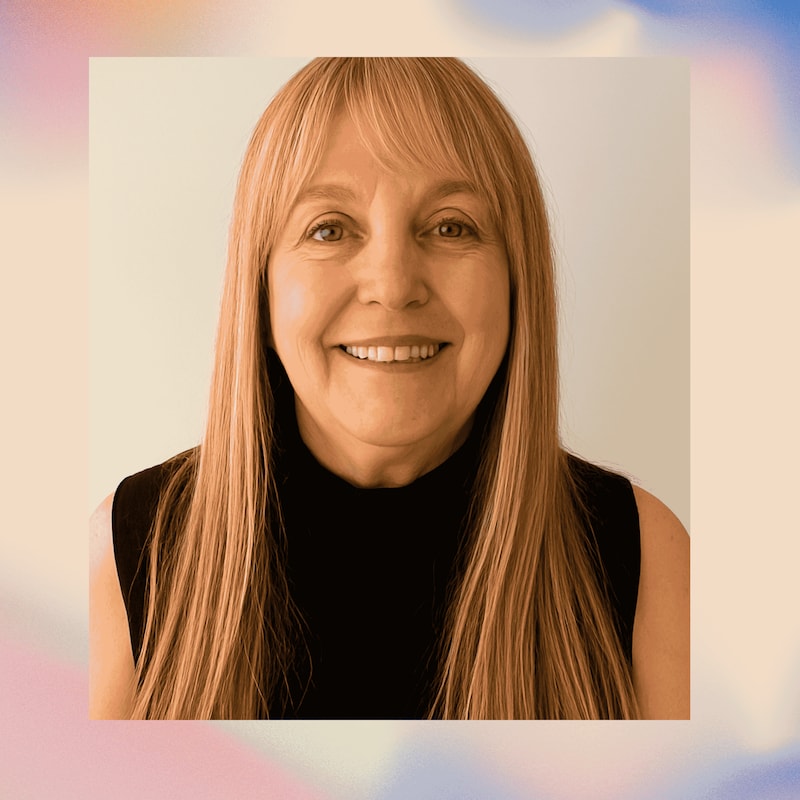
Today, we dive into a heartfelt conversation with artist and writer Linda Summersea, who shares her journey of resilience, creativity, and rediscovery. At 67, Linda took a leap of faith and embraced a passion for expedition hiking, allowing her to explore the transformative power of nature. Her memoir, "The Girl with the Black and Blue Doll," offers an intimate glimpse into her life, revealing how past struggles shaped her present. As we discuss the importance of lived experiences in understanding resilience, Linda emphasizes that everyone has the capacity to overcome their circumstances, especially in today's world where mental health challenges loom large. Join us as we uncover the healing power of storytelling and the vital role of community in supporting at-risk youth.
Takeaways:
- Resilience is an inherent quality within everyone, and it's crucial to recognize it amid life's challenges.
- Linda Summersea's journey from educator to transformative artist illustrates the power of rediscovery at any age.
- The impact of social media on body image issues among teens is a pressing concern that caregivers must address.
- The memoir 'The Girl with the Black and Blue Doll' serves as a testament to survival and the healing power of storytelling.
- Hiking in wild places offers profound healing benefits, reconnecting us with nature and ourselves.
- Understanding body dysmorphic disorder is essential, as it affects self-perception and can lead to severe emotional distress.
Links referenced in this episode:
Transcripts
Honored get told they get honored.
Speaker A:Where lived experience becomes wisdom, where we explore the bridges between who we've been, who we are, and who we're becoming.
Speaker A:I am your host today, Dr. Keith Haney.
Speaker A:And today's conversation is one of resilience, creativity and rediscovery.
Speaker A:Our guest is Linda Summersey, an artist, educator, writer and world traveler.
Speaker A:Truth teller.
Speaker A:Linda earned both her BFA and MFA in art education from University of Massachusetts and spent her career serving as a teacher of arts administration.
Speaker A:Working with at risk youth in Arkansas and Massachusetts.
Speaker A:She led transformative residencies in schools and museums without realizing that she too had been a youth at risk herself.
Speaker A:Linda produced and hosted Art Break, an award winning program on Community Access TV, wrote for NPR's Tales of the south, and has been published in online periodicals.
Speaker A:And at 67 years old, Linda discovered a passion that would change everything.
Speaker A:Expedition hiking.
Speaker A:From walking 50 miles through the Moroccan desert with barber nomads and trek king across Kazakhstan, Mongolia, Siberia and Jordan, she now lectures on the transformative power of hiking in wild places.
Speaker A:Her powerful memoir, the Girl with the Black and Blue Doll, invites us into a story of survival art and becoming Linda.
Speaker A:Welcome to the podcast.
Speaker B:I'm excited to be here.
Speaker A:That's quite a story, quite a journey.
Speaker A:I'm looking forward to this conversation.
Speaker B:Yeah, we'll go over hill and dale on that one.
Speaker A:Yeah, well, exactly.
Speaker A:So I'm going to ask you my favorite question to kind of get us warmed up.
Speaker A:What's the best piece of advice you've ever received?
Speaker B:Oh, you had to ask that, huh?
Speaker B:I'll tell you, if it weren't for bad advice.
Speaker B:I have no advice at all.
Speaker B:That's an old, you know.
Speaker B:But I do know that advice because here's the thing.
Speaker B:Cheryl Strayed gave me advice, you know, wild.
Speaker B:That's Cheryl Strayed.
Speaker B: s in, let's see, one night in: Speaker B:And so I said, sure.
Speaker B:And I went up there with my husband and I didn't make the cut in the live audition.
Speaker B:So I was standing on the side.
Speaker B:I wanted to, you know, enjoy watching the rest of it and everything.
Speaker B:And I was with Brian, her husband, and he happened to mention in passing that the next night they were having a fundraiser at their house for a Vietnam vet who was trying to raise money to go back and find his lost love in Vietnam.
Speaker B:Long story short, my husband's a Vietnam vet.
Speaker B:So we said, sure, and we went.
Speaker B:And while everyone was in the living room listening to the speaker, Cheryl and I were sitting in the dining room and she was.
Speaker B:We were just talking about writing.
Speaker B:And then of course, I had my little autograph book.
Speaker B:And so here's where she said, dear Linda, and this is her advice.
Speaker B:I so enjoyed our conversations at my house.
Speaker B:I hope you will always remember the spark that drove you the very first time you wrote with passion and delight.
Speaker B:There are so many uncertainties in the literary business, and there is no doubt that what drives us forward as writers can't be thwarted by anything.
Speaker B:There is nothing that matters more than the truth you have to tell on the page.
Speaker B:Trust that above all, good luck, Cheryl Strayed.
Speaker B:And so, see, you know, it doesn't matter what my sister thinks about what I wrote or my brothers.
Speaker B:They didn't experience what I experienced.
Speaker B:You see what I mean?
Speaker B:My truth.
Speaker B:It's my truth I'm talking about.
Speaker A:That's so powerful.
Speaker A:I like that.
Speaker A:And what an interesting place to get advice from.
Speaker A:Right.
Speaker B:I have other advice from other authors that have no fear.
Speaker A:Oh, I love that.
Speaker A:So, Leonard, for listeners who are discovering your work, how would you describe the girl and the black and blue doll in your own words?
Speaker B:The book itself.
Speaker B:Yeah, the book itself.
Speaker B:Okay.
Speaker B:As opposed to the girl?
Speaker B:No.
Speaker B:Okay.
Speaker B:Yes.
Speaker B:Well, the book is a coming of age memoir.
Speaker B:And even though it has, well, it has a lot of negative chapters, negative in that what the reader reads will make their eyes bulge.
Speaker B:You know, like, you know, my father threw the Christmas gift that my mother gave him across the room, bang, cracked on the wall and went to the floor and he said it was a piece of junk.
Speaker B:Those are the kinds of things.
Speaker B:I mean, not I didn't experience any physical abuse, but it was the emotional abuse.
Speaker B:So as you're going through it, starting with the scene under the.
Speaker B:Where I'm hiding under the bed for my mother and the army belt, you're seeing this girl who is learning to adapt to her experience as a child.
Speaker B:And it's not like a normal child's experience and she doesn't meet other kids, so she doesn't know that it's any different.
Speaker B:But then as I get older, I become more and more depressed and I have to decide how I'm going to handle it.
Speaker B:Let's say I don't want to go into too much of that.
Speaker B:But let's get back to what you asked me, which is, how do I describe it?
Speaker B:It's a coming of age story and you're going to root for the girl.
Speaker B:Even though something, you know, even though it's not, you know, like Marietta, Lillian, blah, blah, blah, it has a lot of challenges for the girl and she overcomes what has happened to her as a child when she goes away to college, when she's finally.
Speaker B:There's a turning point there where she finally finds herself with kindred spirits, et cetera.
Speaker B:So, yes, so it's a very uplifting book.
Speaker B:Let me say that.
Speaker B:It's very uplifting because of the fact that you go, wow, she can do it.
Speaker B:You can do it, Linda.
Speaker B:You can do it.
Speaker B:Keep going.
Speaker A:What was the moment you realized you had to write this book?
Speaker B:I will never forget that I was sitting in the car in.
Speaker B: Yeah, around the same time,: Speaker B:I was sitting in the car waiting for my husband to come out of AutoZone.
Speaker B:And I was listening to All Things Considered with Terry Gross.
Speaker B:She was interviewing Frank McCourt, who wrote Angela's Ashes.
Speaker B:He was, let's see, born in the USA of Irish immigrant parents, but they moved back to Ireland when he was a child.
Speaker B:So he had this terrible, poverty stricken childhood.
Speaker B:And then he took it upon himself at 19 to go back to the U.S. join the army, go to college on the GI Bill, become a teacher and teach in New York.
Speaker B:And then eventually he finally wrote his memoir at 59 years old.
Speaker B:Well, I made the decision to write mine at 66 and finally published it at 75.
Speaker B:So it was the kind of thing where I went, oh, my gosh.
Speaker B:Yeah, I always did want to be a writer, but through poor counseling, like when I went to college, I signed up for English as my major because I thought it'd be creative writing.
Speaker B:But without counseling, all of a sudden it was English literature.
Speaker B:So I went, oh, what do I do now?
Speaker B:What do I do now?
Speaker B:And so I switched over to art education because, yeah, I had always been good at art and I had a wonderful decades of careers of a career in art education.
Speaker B:So I can't complain with that.
Speaker B:And I also developed my artistic talent as an adult, mostly with pen and ink.
Speaker B:That's my thing.
Speaker B:In fact, there's a picture.
Speaker A:Oh, wow.
Speaker B:Yeah, there's a picture at the beginning of the book.
Speaker B:Oh, it's too bad I didn't have the book right here to just hold it up and show you.
Speaker B:But I Did a pen and ink drawing of the farm.
Speaker B:The entire.
Speaker B:With pictures, not little roads.
Speaker B:Well, yeah, the roads are there too, but all the people, the ducks, the horses, the cows, the kids, everything is there on the farm.
Speaker B:The back 40, the duck pond, you name it.
Speaker B:The place where the bumblebee got under my T shirt and stung me near the mailbox.
Speaker A:Right.
Speaker A:You said you always wanted to be a writer.
Speaker A:I wrote my first book when I was older, too.
Speaker A:And I remember thinking to myself, man, why not do this sooner?
Speaker A:Did you also have that experience as you got this done?
Speaker A:It's like I wish I had had more.
Speaker B:I guess I just had the experience of I did it, I did it, you know, But I didn't say anything about earlier because I had had a good, you know, set of.
Speaker B:And I met a lot of people, you know, working with youth at risk, especially in the south, because I was in Arkansas and the Mississippi area, right near the Mississippi River.
Speaker B:Helena, Arkansas, was that county there is where I did most of my residencies.
Speaker B:And so it was very, very rewarding.
Speaker A:So why is this story important in the context of today's teen mental health crisis?
Speaker B:Well, it's important because everyone has resilience.
Speaker B:Resilience.
Speaker B:There's circumstances, okay, Circumstance.
Speaker B:They are being exposed to all this stuff on the Internet, on TikTok.
Speaker B:They think they.
Speaker B:They can't possibly look like that.
Speaker B:So they're depressed and that's their circumstance.
Speaker B:But what they don't realize is that resilience is stronger than circumstance.
Speaker B:So all they have, they just have to keep their eye on the prize, life forward, go ahead and not worry about this.
Speaker B:But then again, as we know, this also chatgpt, which has gotten really bad because of the fact that a young person on ChatGPT gets the impression that this Persona is actually talking to them like a friend.
Speaker B:So if something suggestive comes is said emotionally in a state of emotion by ChatGPT, some people have good grief, committed suicide because they fell into that trap.
Speaker B:So it's up to the adults in the room, the parents, the teachers, the clergy, the coaches to keep an eye on kids.
Speaker B:Because sometimes it's not that obvious.
Speaker B:It could be just the quiet kid, but then again, it could be a quiet kid who's really depressed and it's really thinking, thinking, thinking negative thoughts.
Speaker B:So you sort of have to, you know, try to weed out the normal shy kid from somebody who's going down.
Speaker A:Yeah, that's true.
Speaker A:Let's talk about the title, the Girl with the Black and Blue Doll.
Speaker A:What does a doll symbolize and why'd you choose that as a central image?
Speaker B:Well, because that doll was with me everywhere.
Speaker B:And I hated dolls.
Speaker B:Believe it or not, I hated dolls.
Speaker B:But the doll was with me when I was hiding under the bed.
Speaker B:There I was with my Betsy Wetsy and my naked Betsy Wetsy, of course, because I misplaced her clothes somewhere and they never showed up again.
Speaker B:And anytime that I got a scratch or a bruise, which, as I say, it was not from my parents or any kind of abuse that way, but I'd get BlackBerry scratches, BlackBerry bush scratches, or I'd fall from a low branch in the apple orchard, or, you know, just turning my ankle running across a field, any kind of those.
Speaker B:And I would get my black magic marker from my mother's junk drawer and give Betsy Wetsy a bruise of solidarity.
Speaker B:So that's how she accumulated her bruises.
Speaker A:I love it.
Speaker A:So how much of the story is drawn from lived experience, either yours or those around you?
Speaker B:Oh, it's 90% mine.
Speaker B:Yeah.
Speaker B:Because it's told in the voice of the child.
Speaker B:And she's not, as I mentioned about, you know, the negative stuff that happens.
Speaker B:She's not crying in the book, she's just documenting.
Speaker B:It's like a child doing a documentary.
Speaker A:I know every book that I've ever written, there's always been that difficult chapter.
Speaker A:What was the most emotional, hardest chapter for you to write?
Speaker B:Oh, gosh.
Speaker B:And it was, do I or don't I?
Speaker B:Well, there were two.
Speaker B:The first one was when my fiance, at the time, my first boyfriend, was in college and in junior year we were going to get married and he sent me a Western Union Telegram at 11 o' clock at night in my room at the dorm to say, the wedding is off, stop.
Speaker B:Return the ring, stop.
Speaker B:You know, the way you hear it.
Speaker B:And then the other one that was hard, equally hard was one of my professors attempted to seduce me when I went to his studio to have him do my end of year art assessment.
Speaker B:And that is a heavy chapter.
Speaker B:I'm not going to go through what happens in it.
Speaker B:But I prevailed, let's put it that way.
Speaker B:He did not.
Speaker B:He did not.
Speaker B:But he got naked.
Speaker B:He did.
Speaker B:He really.
Speaker B:He was adamant.
Speaker B:Well, of course, he had a reputation, I learned later, for doing this thing.
Speaker B:But anyway.
Speaker A:Yeah, when you write a memoir, like that's this personal.
Speaker A:Did you ever hesitate about being this vulnerable in your writing?
Speaker A:No.
Speaker B:No, because, you know, it's my truth.
Speaker B:It's my truth.
Speaker B:My parents, I mean, we didn't do anything as a family, you know, and when My mother went grocery shopping, and we were little kids.
Speaker B:She locked us in the backseat and told us no fighting and went inside in case anybody should notice.
Speaker B:She parked near the front door just in case we got into any trouble and, you know, somebody would report it.
Speaker B:But, you know, we weren't allowed to go anywhere to see anything.
Speaker A:Wow.
Speaker A:So you talk about in your writing body dysphoria disorder for listeners who are not familiar with.
Speaker A:How would you explain that to people?
Speaker B:Okay.
Speaker B:Body dysmorphic disorder is when you perceive your body as something it isn't.
Speaker B:For example, I use this example because it really touches on being preteen.
Speaker B:When I was 14, in eighth grade, I weighed 105 pounds.
Speaker B:That is not a lot of weight.
Speaker B:But when I looked in the mirror, I saw this really fat person.
Speaker B:Big, fat cheeks, big nose, you know, and if I had a blackhead or something, I would think it was as big as a nickel.
Speaker B:So I just didn't want to be seen ever.
Speaker B:And that's what body dysmorphic is.
Speaker B:Body dysmorphic disorder is, in fact, even as you grow older, you have a hard time with adjusting to accepting yourself.
Speaker B:And that's if you're actually being cured of it.
Speaker B:Talk therapy is the only thing that will cure it.
Speaker B:Not pills.
Speaker B:I mean, they'll make you feel happier maybe, but, you know, they won't cure you of seeing yourself as that disgusting person.
Speaker B:So, let's see, as you get older, the other thing that is part of it is mirrors.
Speaker B:Either you love mirrors and you are grooming yourself, you know, because you want to look good and all this, or just the opposite.
Speaker B:You can't tolerate mirrors.
Speaker B:I had a weird experience at the hairdresser's last two weeks ago.
Speaker B:She had just cut my hair, and she handed me the hand mirror, and I went, no.
Speaker B:Oh, no.
Speaker B:I don't want to see in the mirror.
Speaker B:I don't want to look in the mirror.
Speaker B:Because I thought she wanted me to hold it up and look in the mirror.
Speaker B:And I don't look in mirrors, but I'm looking at myself in the screen here.
Speaker B:That's okay.
Speaker B:But anyway, and she was really shocked because she's been doing my hair for a few years and she never knew that.
Speaker B:I didn't even look in the mirror, the big mirror in front of the stylist chair.
Speaker B:And then when I went out to pay, she came up to me and she said, linda, you are beautiful.
Speaker B:I said, come on.
Speaker B:And she said, no, you're beautiful.
Speaker B:Realize that.
Speaker B:You've got to realize that and see I still don't think I'm beautiful, but you get the drift.
Speaker B:She realized that.
Speaker B:Wow.
Speaker B:She knew I had body dysmorphic disorder because she had my book, but she didn't realize just how difficult it can be.
Speaker B:And I hesitate to say, but it's true.
Speaker B:When I go to a hotel, the first thing I do is unscrew light bulb that's over the mirror in the bathroom.
Speaker B:Because night lights are my friend.
Speaker B:So.
Speaker B:Yeah.
Speaker B:And so as you can see, you can grow to accept it, which I have.
Speaker B:And by doing these talks, you know, as I say, and having my hairdresser say, say that.
Speaker B:Which blew me away because.
Speaker B:What?
Speaker B:Come on.
Speaker B:I don't.
Speaker B:I don't look in mirrors.
Speaker B:So I guess I wouldn't know that it's.
Speaker B:Anyway,.
Speaker A:No, that's very helpful.
Speaker A:So BDD is often misunderstood or minimized.
Speaker A:What are some of the common myths you want to challenge when it comes to body dysmorphic disorder?
Speaker B:Let's see,.
Speaker A:Some of the common myths that you want to kind of debunk.
Speaker B:Well, I can't think of them being specific.
Speaker B:Oh, I think.
Speaker B:Oh, okay.
Speaker B:That you can snap out of it.
Speaker B:Snap out of it, kid.
Speaker B:Let's go.
Speaker B:You know, never mind that.
Speaker B:So the fact that it can be that it's not a big deal for anyone except for the child, of course, and that myths, people don't really know much about it.
Speaker B:So it really is just when they learn about it, they need to realize that the adults, as I said earlier, are the ones that have to help out.
Speaker B:And, oh, a difference from when I was in school and it hadn't.
Speaker B:That was decades before body dysmorphic disorder was even diagnosed by the psychiatric community.
Speaker B:Teachers didn't know anything about it.
Speaker B:Doctors didn't know about it.
Speaker B:My doctor gave me.
Speaker B:My mother took me to the doctor because I was crying all the time and mopey on my bed after school.
Speaker B:And my doctor had no idea what this is, so he figured, oh, she's just tired and got me this horrible tasting iron tonic, which I shivered down at night on the bunk bed and until, you know, three or four days and I wasn't getting any better and we just chucked it.
Speaker B:But yes, see, the other thing.
Speaker B:Okay, so you're not going to snap out of it.
Speaker B:It's going to take talk therapy, even if it's on a level of mom or dad.
Speaker B:If you have a dad, that's up to it.
Speaker B:Not my dad, but.
Speaker B:And not my mother either.
Speaker B:But anyway, as a parent, you have to let your children know outright that you are there for them.
Speaker B:And if they have any questions, I'm here, I'll answer any questions you have about anything, then that can help them to respond about, you know, wondering about this or that, about adolescence perhaps, because that's a time when it can get the worse.
Speaker B:And also through all this time, it's mostly been an issue with young women, young girls, but now it was in the New York Times earlier this year.
Speaker B:Bigorexia, as in muscles.
Speaker B:Bigorexia has come into prominence because of boys seeing their heroes on movie screens, you know, the superheroes and all that.
Speaker B:And they try to, you know, be like that, but they don't realize that it's not something that you just grow into as going from an adolescent to an adult.
Speaker B:But they see people, guys with their shirts off in these movies all the time and they think, wow, I want to be like that.
Speaker B:So, yeah.
Speaker B:So then they start with they can be just as afraid of mirrors or into the over grooming or under grooming as the girls.
Speaker A:So you work a lot with at risk youth and I wonder.
Speaker A:I've heard a lot about you talk.
Speaker A:You kind of touched on social media.
Speaker B:Yes.
Speaker A:How does social media, the filters, the constant compare and intensify body image struggles for teens today?
Speaker B:Well, in the same way that it does looking at the mirror.
Speaker B:Teens know that those are filters.
Speaker B:They absolutely know.
Speaker B:And they see the little adjustments on their own computers or phones to adjust things or to click and add a photo if they're in.
Speaker B:I don't know if they're doing a Photoshop thing of themselves, but they.
Speaker B:I'm losing my train of thought here.
Speaker A:How it was the question how social media is impacting body imaging struggles.
Speaker B:Yeah, okay.
Speaker B:Yeah, it's.
Speaker B:Oh, I was talking about filters.
Speaker B:Yes.
Speaker B:So they know there are filters, but they don't think that applies to them.
Speaker B:And they don't realize that those girls that have filters also have really sophisticated makeup.
Speaker B:I mean, fake eyelashes, you know, even on TV now you can't look at anybody without seeing these big things sticking up to their eyelashes.
Speaker B:Good grief.
Speaker B:We don't need that.
Speaker B:Or some people don't need that.
Speaker B:But that's part of it.
Speaker B:They forget that the people they're seeing on TikTok are over the top as far as appearances go.
Speaker B:Over the top, Perfect.
Speaker A:That is right.
Speaker A:For parents who are kind of listening to our conversation, are there warning signs that you would recommend parents look out for teachers or caregivers, especially when you're talking about teens and dealing with bdd?
Speaker B:Yes.
Speaker B:If a person, a Child, a preteen, a teen is very quiet.
Speaker B:They could just be quiet.
Speaker B:But maybe they're not.
Speaker B:Maybe they maybe, quote, something is bothering them.
Speaker B:So they just have to try to get a child to come out to them about what is bothering them.
Speaker B:And, you know, because BDD is something that's indeed bothering them, even though they don't have a name for it.
Speaker B:But like, no one ever asked me why I was crying every day.
Speaker B:I guess because I didn't know why.
Speaker B:I guess I just felt super sad.
Speaker B:It's a weak kind of thing.
Speaker B:And I used to.
Speaker B:I lied on my bed after school every day tracing the roses on the wallpaper until the roses were practically gone.
Speaker B:So, you know, if you're socializing, that's a big one.
Speaker B:Okay.
Speaker B:Socializing.
Speaker B:If your child or the young person that you know doesn't feel that anybody wants to be their friend or that they don't want to invite them over for a sleepover or go out to see the movies on a Saturday, if they think that they're not going to be part of a social circle, a parent can help out by encouraging them to maybe bring someone home for supper.
Speaker B:That's what we called it, for supper.
Speaker B:And to, you know, play in the yard if you're little, or do play a board game or something.
Speaker B:Or also another thing that you can suggest is having them join Boy Scouts, Girl Scouts, that kind of thing.
Speaker B:Or 4h.
Speaker B:And not to forget sports.
Speaker B:Sports is a great thing where a person can make an accidental friend just being part of a team, parting of a group.
Speaker B:So what you're doing when you suggest that your child join this or that, you're giving them the opportunity to slowly develop a kinship with the people around them and then realize that, oh, this is fun, instead of just lying on their bed crying.
Speaker A:Your book talks a lot about.
Speaker A:It's kind of theme of your book is kind of in silence.
Speaker A:And you say teens kind of suffer quietly.
Speaker B:Right.
Speaker A:Why is it so hard for teens to speak up and kind of voice the things they're going through?
Speaker B:I guess that's just part of the self consciousness that teens all feel, whether they have body dysmorphic disorder or not.
Speaker B:I can remember changing my clothes three or four times before going to school because it wasn't the quite right outfit.
Speaker B:And lots of kids do that anyway and there's nothing wrong with them.
Speaker B:But that's just a part of self consciousness that goes with adolescence.
Speaker A:That makes sense.
Speaker B:Don't you remember being that way?
Speaker A:Yeah, I was pretty quiet.
Speaker B:Oh, see?
Speaker B:And you were Normal?
Speaker A:Well, I don't know about normal, but I was quite.
Speaker A:I'm not sure if any teen feels that their life is normal.
Speaker B:Right.
Speaker B:They don't.
Speaker A:Right.
Speaker B:Unless they're the prom queen and the captain of the football team.
Speaker B:Those are apparently the acmes of teenage years.
Speaker A:That's right.
Speaker A:And even that, I'm not sure they feel normal.
Speaker A:I think they probably have the pressure of always having to be the person, the popular kids.
Speaker A:Who wants that role.
Speaker B:Right.
Speaker A:So let's talk about your hiking.
Speaker A:You know, you talk about the power of transformative hiking in wild places.
Speaker A:What does wilderness, in terms of do healing for you as you do your hiking?
Speaker B:It's being surrounded by 120% Mother Nature and no artificial means like skyscrapers, not even airplanes in the sky, no cars, no sound of.
Speaker B:Sometimes the sound of a train in the distance.
Speaker B:But in Mongolia, we would occasionally come across a yurt where our family was living, and we would join them in their yurt for a social thing.
Speaker B:And they have their children there, of course.
Speaker B:But what it does is, oh, it also reminds me, oh, it's something I have on my bracelet here.
Speaker B:Life is short and the world is wide.
Speaker B:And, you know, so it's like I just wanted to.
Speaker B:When I went on my first hike, which was with the Berber nomads south of Marrakesh, they dropped us off in the middle of nowhere with our.
Speaker B:Well on the side of the road in the middle of nowhere with our tents and our backpacks, and we set out to meet the Berbers who were maybe a couple miles in.
Speaker B:Then we just melded right into their lifestyle.
Speaker B:They sleep at night in the caves that their decades earlier relatives built, these caves that they live in.
Speaker B:And they live in them in the summertime.
Speaker B:They live in them in the summertime when it's hot.
Speaker B:And then in the wintertime, they go up to.
Speaker B:And the winter.
Speaker B:I'm making this a little mixed up, but when the temperature gets hot, they need to go up to the higher elevations.
Speaker B:So they have another place up there.
Speaker B:And they heard the goats along all the way up there.
Speaker B:But let's see.
Speaker B:So I learned that I wanted to know more about the world.
Speaker B:And after having that experience, I had actually been to Morocco, oh, 45 years earlier when my husband and I first were married.
Speaker B:And then.
Speaker B:So I came back to do this hike, and then I went home.
Speaker B:And this is.
Speaker B:I can see.
Speaker B:I was trying to remember something.
Speaker B:And then I remembered, oh, yeah, the year after doing that, I got breast cancer.
Speaker B:So there I was, healing in my bed at Home after the surgery and everything.
Speaker B:And I got this email from the outfitter in Australia that I had worked with hiking with the nomads in Morocco.
Speaker B:And they wanted to know if I wanted to join an uncharted expedition 3,000 miles across Kazakhstan, Siberia and Mongolia in almost a month with various means of transportation.
Speaker B:UAZ vans, the Russian uaz, which are really good, they can go through high water and everything without a snorkel on the engine.
Speaker B:So that's pretty amazing.
Speaker B:And, you know, all these different things.
Speaker B:Oh, the trains at night in Siberia, that was fun.
Speaker B:And of course, we got to mingle with the locals.
Speaker B:You know, if we were in a night cabin, there was.
Speaker B:There would be a young.
Speaker B:A Russian couple below with their picnic that they brought with them, which they wanted to share with me on the upper bunk, you know, that kind of thing.
Speaker B:So you get to meet people that way.
Speaker B:And the.
Speaker B:Oh, so there I am in bed, and I said, sign me up.
Speaker B:Yes.
Speaker B:And so in September, I showed up there, and once again, I was in the guinea pig group, very first group, and they never had that trip again.
Speaker B:I don't know why.
Speaker B:I mean, yeah, it's got its challenges, but I guess not everybody wants to do that.
Speaker B:The same thing with the Moroccan one.
Speaker B:I looked that up and, no, it apparently didn't have any other things.
Speaker B:So those of us who were brave souls and went along got a really incredible trip.
Speaker B:In fact, when I showed up in Kazakhstan a day early, I always go a day early, scope out the territory.
Speaker B:I. I came out of the elevator and lo and behold, one of the guys from the Morocco trip was there.
Speaker B:He's a techie from Texas, but he's Taiwanese born.
Speaker B:And anyway, he and I went out to dinner that night together before.
Speaker B:The next night was going to be the six o' clock thing where you meet and they tell you.
Speaker B:Oh, but the thing about uncharted was they never told us where we were going.
Speaker B:That's why it was uncharted.
Speaker A:Oh, wow.
Speaker B:The night before, they would say, okay, tomorrow, this is what we're gonna do.
Speaker B:And we did it.
Speaker B:And so, you know, it was things like washing my clothes in a river, everything to do with being away from things, you know, when things need to be done.
Speaker B:It was just wonderful.
Speaker A:If you could tell your younger self one thing, what would you want to tell your younger self?
Speaker B:My younger self?
Speaker B:It gets better.
Speaker B:It gets better.
Speaker B:Hang in there.
Speaker A:What's one book that changed your life besides your own?
Speaker B:Angela's Ashes, Frank McCourt's book, for obvious reasons, that I explained earlier, just hearing him talk about it was amazing for me.
Speaker B:But as soon as I got to the library, I got the book and I. I went, wow.
Speaker B:This is what it's all about.
Speaker B:Being able to tell your own story, write your truth.
Speaker A:Right.
Speaker A:What's one art supply?
Speaker A:You can't live without pens.
Speaker B:Black knit pens.
Speaker B:The kind with the little stylus on the end.
Speaker B:Yeah, because that's my art.
Speaker A:So with all your travels, would you prefer a desert sunrise or a mountain sunset?
Speaker B:Mountain sunset.
Speaker B:Why?
Speaker B:Because I didn't have to get up early to see it.
Speaker A:That's very true.
Speaker A:I love it.
Speaker A:So if someone's reading your book, the girl with the black and blue doll, and sees himself in your story, what hope.
Speaker A:You hope they walk away with.
Speaker B:That?
Speaker B:Maybe they'll get counseling to help them.
Speaker B:If it's that bad, you know, at least reach out to a parent or teacher or someone and ask them if they, you know, think that they should maybe see the school counselor and that, or maybe see, you know, someone.
Speaker B:That is a one hour 90, a 90 minute appointment kind of thing.
Speaker A:I love to ask my guests this other question.
Speaker A:What do you want your legacy to be?
Speaker B:That I was kind.
Speaker B:That I was kind.
Speaker B:That's one thing that everyone has the opportunity to do.
Speaker B:For example, this is crazy, but it's true.
Speaker B:This summer, a lady was sitting on the bench I walk, and it happens to be a lot on sidewalks.
Speaker B:Cause I'm in town in the small city, and she was on a bench with her three kids who had just picked up ice creams in cups and they had finished eating and they were covered with ice cream face, hands and such.
Speaker B:Now, most people would have just walked by, right?
Speaker B:But not Linda.
Speaker B:I had just come from CVS and I had some wet wipes in there.
Speaker B:So I immediately opened up the package, handed out the wet wipes, and, you know, went on my way.
Speaker B:That's what I mean.
Speaker B:You know, most times people are just looking down.
Speaker B:They don't want to make eye contact.
Speaker B:Because I live alone, I like to make eye contact so that somebody.
Speaker B:I can say good morning to someone and if I say it, they'll say it.
Speaker B:But most people almost never greet anybody on their walks.
Speaker B:Now, I don't know what countries people are verbal enough to do that.
Speaker B:Do you know?
Speaker B:I don't know.
Speaker A:Yeah, I don't know.
Speaker B:I don't know.
Speaker B:But in the United States, it's pretty darn cold.
Speaker B:Maybe in the south, maybe.
Speaker A:Yeah, in the South.
Speaker A:I'm from the South.
Speaker A:So typically.
Speaker B:Oh, are you what State?
Speaker A:Louisiana.
Speaker B:Oh, okay.
Speaker B:New Orleans.
Speaker A:Well, Baton Rouge.
Speaker B:Well, I haven't been through Baton Rouge.
Speaker A:You miss.
Speaker A:You're missing out on a lot of fun there.
Speaker A:So, Linda, and on season six, we have something new.
Speaker A:We kind of have a surprise question.
Speaker A:Pick a number between one and ten for your surprise question.
Speaker B:Okay, let's go with lucky seven.
Speaker A:Lucky number seven.
Speaker A:And that is.
Speaker A:If you got stuck in an elevator and were forced to listen to only one song, what song would you pick?
Speaker B:Ooh, Ooh.
Speaker B:Okay, this is gonna take a few minutes.
Speaker B:Let's see.
Speaker B:I mean there's Jimi Hendrix.
Speaker B:You know, I'm thinking of the.
Speaker B:Then there's Van Morrison, the other end.
Speaker B:Let's see, one song.
Speaker A:Oh, God, it was Bob Dylan.
Speaker A:There's a lot of stuff.
Speaker B:Dylan.
Speaker B:Yeah, Dylan.
Speaker B:God.
Speaker B:Wow.
Speaker B:I should.
Speaker B:You would think that I would be able to come up with one immediately, but there are so many things on my Spotify list, I can't even think.
Speaker B:I'm just brain locked right now.
Speaker B:Oh.
Speaker B:What?
Speaker B:Okay.
Speaker B:Bob Dylan.
Speaker B:The thing about change is not all things must change.
Speaker B:What is it?
Speaker B:Change?
Speaker B:Well, it's the Bob Dylan song about changes.
Speaker A:Oh, I like that.
Speaker A:It's good.
Speaker B:Sorry.
Speaker A:That's okay.
Speaker A:It was a surprise for a reason.
Speaker B:Yes.
Speaker B:Well, yeah.
Speaker A:So Linda, where can people connect with you?
Speaker A:Where can they buy your book?
Speaker A:The Girl with the Black and Blue Doll.
Speaker B:Well, the black and blue doll is on Amazon, of course, and it comes in a, it's not ipod yet.
Speaker B:I, I want to be the voice of my book when we, when I do that audible.
Speaker B:It has an ebook.
Speaker B:Kindle.
Speaker B:People can get it, of course, probably cheaper with the, the little features that they have for Kindle owners that are on Amazon.
Speaker B:Kindle.
Speaker B:And then of course those paperback soft cover we call it, of course because it's full size.
Speaker B:It's a full size.
Speaker B:It's not like a little old fashioned one like that.
Speaker B:It's full size and it, and it has less than 300 pages.
Speaker B:It's a quick read and if you like a surprise in every chapter, this is for you because you know, things happen and the least, the last thing that you would expect happens.
Speaker B:And some things are just kind of bizarre.
Speaker B:Like my first day of kindergarten when I got to be with other kids.
Speaker B:The first time I got off the bus, I didn't even know what riding a bus was like that I'm rode a bus.
Speaker B:The school bus got off and all of a sudden kids were running back and forth all around ropes jumping through the air jump ropes and kids playing tag and here.
Speaker B:I just backed up against the edge of the turf there and I was just dumbfounded.
Speaker B:So I didn't speak until third grade.
Speaker A:Wow.
Speaker B:Yeah, only because I had to, right?
Speaker A:Well, Linda, thanks so much for reminding us that healing isn't linear and that it isn't never too late to begin again and that our past does not disqualify us, it prepares us.
Speaker A:If today's conversation resonated with you, pick up a copy of the Girl with a Black and Blue Doll, share this episode with someone who needs encouragement, and take a moment to reflect on the bridges you building in your own life.
Speaker A:You can learn more about Linda's work in writing and speaking engagements by following her online and supporting her mission of storytelling, healing, and exploration.
Speaker A:Linda, thanks again so much for being on the podcast.
Speaker B:Thank you.
Speaker B:You've been terrific.
Speaker B:Dr. Hanney.
Speaker B:Lindasomercy.com Good to see.
Speaker B:Thank you so much.
Speaker B:It has all kinds of links to things like mini movies of me reading stuff.
Speaker B:Okay, thank you.
Speaker B:Great.
Speaker B:This has been a wonderful visit.
Speaker A:It has been.
Speaker A:I really enjoyed it.
Speaker A:Thank you.
Speaker B:Thank you so much.





