Shownotes
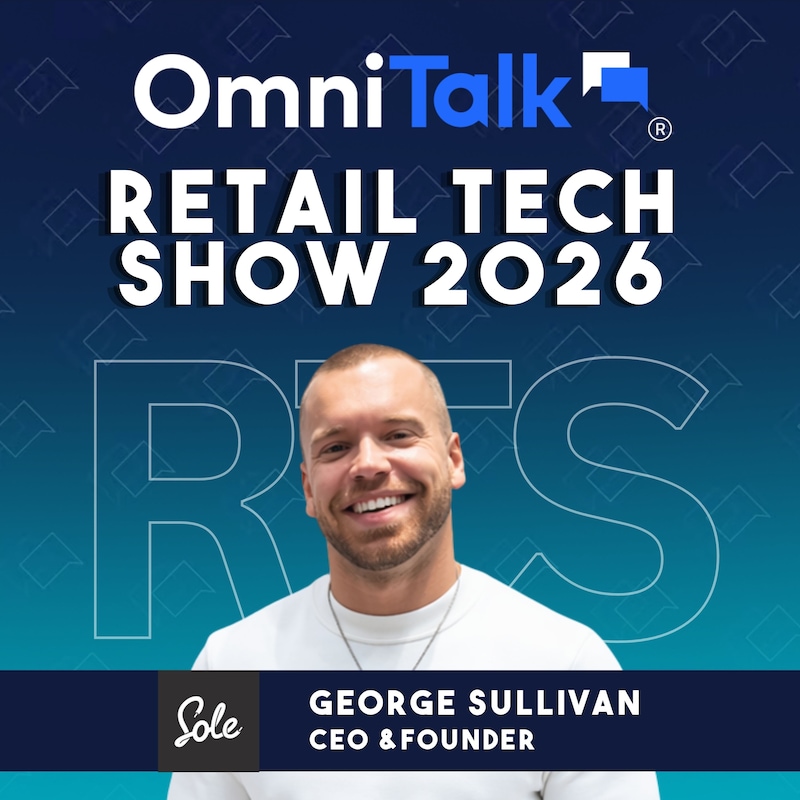
In this Omni Talk Retail episode, recorded live at Retail Technology Show 2026 in London from the Vusion podcast studio, Chris Walton caught up with George Sullivan, CEO & Founder of The Sole Supplier, to unpack why culture still sits at the center of sneaker and streetwear commerce.
George shares how a personal obsession with sneakers turned into one of the UK’s leading platforms for discovering and buying footwear, and why staying true to the culture has been critical to scaling the business. From working with global brands like Nike and Adidas to turning down opportunities that don’t resonate with their audience, authenticity remains the foundation.
The conversation dives into how The Sole Supplier is evolving into a social commerce platform, blending content, community, and commerce into one personalized experience. George also breaks down how AI is impacting the space, where it adds value, and why human inspiration will always be at the core of fashion.
Key Topics Covered:
• How The Sole Supplier grew from sneaker aggregation to cultural platform
• Why authenticity and editorial independence drive long-term success
• The shift toward social commerce and community-led discovery
• How personalization is shaping the next phase of the app experience
• Where AI fits into fashion, content, and performance marketing
• Why human inspiration still matters more than automation in style
• The risks of overusing AI-generated content in brand building
• How rising ad costs are forcing brands to rethink creative strategy
• Why niche communities are the future of social and commerce
Thank you to Vusion for supporting Omni Talk Retail’s live coverage from Retail Technology Show 2026! That's a wrap.
#RTS2026 #RetailTechnologyShow #OmniTalkRetail #SneakerCulture #Streetwear #SocialCommerce #RetailInnovation #CustomerExperience #AIinRetail #FutureOfRetail
This podcast uses the following third-party services for analysis:
Podcorn - https://podcorn.com/privacy
Transcripts
Hello, everyone.
Speaker A:This is omnitalk Retail.
Speaker A:I'm Chris Walton, and we are coming to you live from the Retail Technology show in London from the exclusive Fusion podcast studio.
Speaker A:Now, joining me is a man that I'm very excited to get to talk to today, and that is George Sullivan, who's the founder and CEO of the Soul Supplier.
Speaker A:George, welcome to omnitalk.
Speaker A:Thanks for joining us.
Speaker B:Chris, you're the man with the most energy in the room that I've met.
Speaker A:I get that a lot.
Speaker A:I get that a lot.
Speaker B:Well, let's start off.
Speaker A:Tell us about yourself and also about how you came to create the sole supplier and what sole supplier is.
Speaker B:So around 14 years ago, I was on my 10th job.
Speaker A:Okay.
Speaker B:Kicked out of school.
Speaker A:Okay.
Speaker B:In recruitment, and I got obsessed with shoes.
Speaker B:I started buying shoes when I started earning good money for the first time in my life.
Speaker A:Right.
Speaker B:They were like my identity.
Speaker B:I got a lot of compliments.
Speaker B:Okay.
Speaker B:And after 18 months, I knew a lot.
Speaker B:I had 40 pairs.
Speaker A:Yeah.
Speaker B:Dad was like, stop wasting your money.
Speaker B:But I said, I've got a plan.
Speaker B:And I realized, you know, a lot of people are asking me, where can I get these shoes?
Speaker A:Yeah.
Speaker B:How do I get my hands on them before they sell out?
Speaker B:So I started the website to help others like me, okay.
Speaker B:Find great pairs of shoes from all of the retailers.
Speaker A:Okay.
Speaker B:Started as a site that aggregates all of the best shoes from all of the places.
Speaker A:Okay.
Speaker B:And, yeah, yeah.
Speaker B:Journey started from there.
Speaker A:And so are we talking all types of shoes?
Speaker A:Are we talking trainers, as you call them, over here?
Speaker A:Like, what are you.
Speaker A:What are we talking about specifically?
Speaker B:Lifestyle style, fashion.
Speaker A:Okay.
Speaker B:Performance now.
Speaker A:Okay?
Speaker B:A broad section of shoes and today the full outfit.
Speaker B:Because today, right.
Speaker B:People don't just buy trainers anymore, especially in the west, where things are a bit more pricey.
Speaker B:They look at how can I get the full outfit, the full look?
Speaker B:So that's a big change from where we were a lot of years ago.
Speaker A:Okay?
Speaker B:Sneakers.
Speaker A:Got it, got it, got it.
Speaker A:Okay.
Speaker A:So your.
Speaker A:Your community philosophy has been described as you only push shoes that you believe are good.
Speaker A:And push might not even be the right word, but you're only standing behind shoes that you think are good.
Speaker A:You kind of said that there in your answer and not what brands are going to just make you the most revenue, which is something I respect a lot and talk a lot about on my show.
Speaker A:How do you view that editorial independence?
Speaker A:Do you think that's, like, one of your big assets that's made you successful?
Speaker B:So we work with 30 different global brilliant brands from Nike to Adidas to Lego to Ugg to Dr. Martin.
Speaker B:It's our job to help them grow and make them culturally relevant.
Speaker B:The only way we can do that is if we are true, authentic media platform, if we have a real voice that people trust, if we are culturally relevant.
Speaker B:So we're placing these brands in the culture, but if we're selling out the culture, then we can't do that authentically.
Speaker B:So we only work with brands that we know we can tell a story for, and we only work on products with those brands that we know.
Speaker B:Again, we can talk to our audience about in a real way that it has something.
Speaker A:Yeah.
Speaker B:And if it doesn't, we have to tell brands sometimes.
Speaker A:Yeah.
Speaker B:Guys, this isn't going to work.
Speaker B:The audience aren't ready for this.
Speaker A:Yeah.
Speaker B:Maybe you should think about this or we'll do this.
Speaker A:Yeah, yeah.
Speaker B:Some brands don't like it, but some brands love that.
Speaker A:Right.
Speaker A:I bet it actually engenders them more to you at the end of the day.
Speaker B:Yeah.
Speaker B:The right brand.
Speaker B:Yeah.
Speaker A:Right.
Speaker B:Some brands are, like, fluid.
Speaker B:They're ready to listen to the customer and the culture and they want to make the best of it.
Speaker B:But some brands are like, this is our plan and we're sticking to it.
Speaker A:Yeah, yeah, yeah.
Speaker A:It actually sounds a lot like my business model, too.
Speaker A:That's exactly the approach I take, too, is like, you know, I'll get inquiries from people.
Speaker A:I'll say, yeah, you know what?
Speaker A:That just doesn't feel right for me because I just don't buy into what it is you're doing.
Speaker A:And I can't, you know, authentically talk about that on my show.
Speaker A:So, yeah, I get what you're saying.
Speaker A:How hard is it for you to stick to that, though?
Speaker A:Because sometimes, you know, sometimes it could be a challenge.
Speaker B:It's difficult, you know, especially when brands put a lot of money on the table.
Speaker B:You know, we've had that over the years where it's like.
Speaker B:But getting that money now can damage the brand and our audience in the long term.
Speaker B:And we've seen that, you know, we've taken the money before.
Speaker B:I've learned from this experience.
Speaker B:We've taken the big check, let's say, to promote a product, and it falls flat on the channels.
Speaker B:And then we've had the hard conversation of saying that to the brand.
Speaker B:So our team looked bad.
Speaker B:The audience didn't like it.
Speaker A:No one likes it.
Speaker A:Yeah, no, Say whatever you want to, by the way, on this podcast.
Speaker A:Yeah.
Speaker A:We're not holding back.
Speaker A:Yeah.
Speaker A:So, yeah, no, that that.
Speaker A:That's 100% right.
Speaker A:I think it's an important thing to, to keep in mind, especially as an entrepreneur and especially in the content business too.
Speaker B:Like, I think, I think as well, Chris, we've got people in our team that live and breathe the culture.
Speaker B:They know what's good and they're connected with the audience that they actually speak to.
Speaker B:Right.
Speaker B:In the community.
Speaker B:We, we generally hire marketing people, especially that Right.
Speaker B:From like the audience.
Speaker B:So our team feel off if they're being asked to do stuff for money.
Speaker A:Right.
Speaker B:They're like, really?
Speaker B:They every.
Speaker B:They'll accept a little bit.
Speaker B:Look, we need to do this for Nike because, you know.
Speaker A:Yeah.
Speaker B:Or we need to.
Speaker B:Adidas want us to do for this reason.
Speaker B:Okay.
Speaker B:But if most of the days like that, the team are going to be pissed off.
Speaker A:Right.
Speaker B:Because it's not real for them.
Speaker A:Right.
Speaker B:Because they live and breathe this stuff.
Speaker A:Right, Right.
Speaker B:It's not just about.
Speaker B:It's about the.
Speaker A:How big is the team now?
Speaker B:35.
Speaker A:35.
Speaker B:Okay.
Speaker B:Split between, like, strategy, marketing and development.
Speaker A:Okay, Got it, got it.
Speaker A:And where do you operate?
Speaker A:Where does the business operate and sell to?
Speaker B:We're in Shoreditch.
Speaker A:Okay.
Speaker B:We.
Speaker B:I've always focused on the UK.
Speaker A:Okay.
Speaker B:Bootstrapped.
Speaker A:Okay.
Speaker B:Have been for 12 years.
Speaker B:Wow.
Speaker B:I mean, I haven't thought about investment, but the truth is I focus the efforts in the UK.
Speaker A:Okay.
Speaker B:We are the leading media voice.
Speaker B:We reach four and a half million a month.
Speaker A:Wow.
Speaker B:We have done over 400 million now in GMV for brands.
Speaker A:Okay.
Speaker B:That we work with.
Speaker B:Tracked.
Speaker B:I can't think of how much that's untracked.
Speaker A:Right.
Speaker B:That's actual track.
Speaker A:Right, right, right, right, right, right.
Speaker A:Attributed.
Speaker B:Yeah.
Speaker B:And that's.
Speaker B:That's heavily UK focused.
Speaker A:Right.
Speaker B:Yeah.
Speaker B:We dominate here.
Speaker A:Wow.
Speaker A:That's a pretty.
Speaker A:Wow.
Speaker A:Okay, so talk me through what the experience is like, so if, you know, you know, if I'm, you know, if I'm in the sole supplier experience, what am I as a consumer seeing?
Speaker A:How am I interacting with it?
Speaker A:How personalized is it, you know, does it know my styles, my preferences, my shoe size, all those types of things?
Speaker B:Honestly, man, this is the most exciting time for us.
Speaker B:Like, I'm glad you asked that.
Speaker A:Yeah.
Speaker B:That wasn't planned by the.
Speaker A:No, no, no.
Speaker B:It's more like the Soul Supply app is.
Speaker B:Is doing something that no one else is doing right now in the uk, especially in this industry.
Speaker B:This is a social commerce experience at its finest.
Speaker B:It blends premium content with a real community and commerce into one feed that in the next two weeks will be personalized completely to you.
Speaker A:Okay.
Speaker B:That's the next step.
Speaker A:That's where you're taking it right now.
Speaker B:It's content, commerce and community in one feed.
Speaker B:You can like comment, discuss, follow, find your tribe and you can, you can browse premium content about outfits, fashion, advice, the next thing, as well as shop products personalized for you.
Speaker B:So this is like game changing for us.
Speaker A:Okay.
Speaker B:We just launched it at the start of April properly.
Speaker A:Okay.
Speaker B:We've had the app for a number of years with quite a few million downloads, but this is the next wave for us.
Speaker A:Okay.
Speaker B:Awesome.
Speaker B:And it's where I think the Internet's going as well.
Speaker B:People are fed up with big social media.
Speaker B:It feels too perfect.
Speaker B:It's saturated.
Speaker A:It is.
Speaker B:It doesn't feel safe anymore.
Speaker B:People don't want to post like they used to.
Speaker B:So our solution to that was a safe community for this industry, this niche street fashion and sneakers in our app and blend it with the content and the commerce.
Speaker A:That's a really interesting idea.
Speaker A:I haven't thought about that much.
Speaker A:It's really interesting to hear you talk about that.
Speaker A:Yeah.
Speaker A:You know, Cause when you're on those social media apps, you're also getting fed things that you don't want to see.
Speaker A:So if you want to be in the mood to shop your niche or just not even shop, but be immersed in your niche, there's probably a better way to do that than through traditional social media.
Speaker B:People are saying, like, I have friends.
Speaker B:And we're like, we want to just browse outfits today from people that we like.
Speaker A:Right.
Speaker B:You know, that's what some of my friends use Insta and TikTok for.
Speaker B:They just want to get inspired for the fits.
Speaker A:Right.
Speaker B:So we built part of that in the community.
Speaker B:Like you can browse fits.
Speaker A:Right?
Speaker A:Right.
Speaker B:Personalized soon to you.
Speaker A:Yeah.
Speaker A:All right.
Speaker A:So I want to, I want to, I want to push you a little bit too though, because, you know, we've been talking about authenticity.
Speaker A:We've been talking about how people want to interact with brands socially.
Speaker A:AI, you know, it's the topic of the day.
Speaker A:Topic, definitely at this conference.
Speaker A:How does that impact what you're trying to do?
Speaker A:What are you excited about?
Speaker A:What are you concerned about as you try to maintain the brand and its authenticity going forward, knowing that AI is going to be part of the equation.
Speaker B:AI is integrated into our business.
Speaker A:Okay.
Speaker B:You know, from our strategy thinking to our development pipeline, to how we monitor and optimize ads, to how we analyze data, it's integrated into all departments.
Speaker B:But street fashion and fashion in general is a human experience.
Speaker B:You know, you get inspired by other people who wear something cool, whether that's a friend, a family member, a celebrity, an influencer, whether you know it or not.
Speaker B:And you make your decisions off the back of other people's general style.
Speaker B:So that's our game.
Speaker B:It's human inspiration.
Speaker B:That's where it starts.
Speaker B:I think that that will always exist.
Speaker A:Okay.
Speaker B:And until robots are wearing stuff and defining culture, I think that a business like the Soul Supplier, that doubles down on culture and human authenticity and curates that and helps you understand, tap into that, it's more important than ever.
Speaker B:And the brands that we work with think similar as well.
Speaker B:They're investing more into publishers like us because they think that, yes, AI is going to take a lot of transactional.
Speaker A:Right.
Speaker B:Queries and sales.
Speaker A:Right.
Speaker B:People will check out on AI just like they did with Google Shopping.
Speaker B:But when it comes to the inspiration, the curation, the finding a fit from someone that you like, the creator part, the human essence, that's not going anywhere for a long time.
Speaker B:And that's where we double down.
Speaker A:So shire between the lines there too, that then you.
Speaker A:You're believing in truly authentic created content going forward.
Speaker A:Like you're not going to lean into AI generated content for your community or how do you think about that with ads?
Speaker B:We're testing different AI generated ads.
Speaker B:Okay.
Speaker B:You are, for instance, a UGC image we've already shot or with a model that we've already worked with.
Speaker B:How can we take that image?
Speaker B:Right place a new shoe.
Speaker A:Oh, that's really interesting.
Speaker A:Yeah.
Speaker B:So it's a real image, real model that we've worked with and paid for.
Speaker A:Right.
Speaker B:But how do we restyle that model without doing it in person?
Speaker A:Oh, that's why.
Speaker A:That's a whole element to this conversation that I've never thought about.
Speaker A:Yeah.
Speaker A:We were just having this conversation on my weekly podcast about one of the American Eagle brands coming out and saying, we're not gonna use AI generated models.
Speaker A:But that's an interesting extrapolation to say, like, yeah, you can use human models, but there's things you can do with AI that allow you to showcase the products that you're selling in new ways.
Speaker A:Yeah.
Speaker B:But it is tricky though.
Speaker A:Yeah.
Speaker B:And we haven't rolled it out yet, but what's going on right now is everyone's costs on Meta have gone up.
Speaker B:Everyone's facing this big brands small brand panel.
Speaker B:I was just hosting the small D2C brands.
Speaker B:All facing it.
Speaker A:Yeah.
Speaker B:And that's because meta is now saturated with content more than ever.
Speaker A:Yeah.
Speaker B:Because people are spinning up AI content like no tomorrow.
Speaker B:So.
Speaker B:So it becomes a game of if.
Speaker B:If I'm doing everything manually and I can get out 10 pieces of creative a week.
Speaker A:Right.
Speaker B:But this guy over there is spinning up 500 using a method, like I've just said.
Speaker A:Right.
Speaker B:Who's going to get the better optimized ads?
Speaker B:Probably this guy.
Speaker A:Right.
Speaker B:So we're at a real tricky time where you need to adapt, you need to stay authentic, but you might be wiped out if you don't level up in some way and integrate.
Speaker B:But it's doing it in a way that is real for you and your customer without pissing them off because it will damage your brand otherwise.
Speaker B:Really tricky.
Speaker A:Yeah, that's really well said too.
Speaker A:Really well said.
Speaker A:How about the agentic commerce side of things?
Speaker A:How do you think that's going to play into things?
Speaker A:And does the culture of what you're doing, does that make you more resilient in the agentic commerce world?
Speaker A:If and when it does come about, like, how do you think about that?
Speaker B:You know what?
Speaker B:I'm yet to see it.
Speaker A:Yeah.
Speaker A:Okay, Great to hear.
Speaker B:I'm yet to see our audience.
Speaker B:Yeah, like none.
Speaker B:We speak to our audience a lot.
Speaker B:Our team are the audience.
Speaker B:No one's using Agenda to check out real fashion and sneakers right now.
Speaker A:Right.
Speaker B:But it will get there.
Speaker A:You think so?
Speaker B:It will get there, but our goal with the Soul supplier app is to own the experience of you browse, you get inspired, you find your tribe, and then it understands what you like and then you can buy a product straight via us.
Speaker B:So am I worried about agentic commerce?
Speaker B:Not right now.
Speaker A:Yeah.
Speaker B:Because I just think it's a different buying journey.
Speaker A:Well.
Speaker A:And if you know what you want.
Speaker B:Yeah.
Speaker A:If you're.
Speaker A:If your philosophy plays out, then, yes, you are more resilient to it.
Speaker A:I mean, by default, you know, I think in a lot of ways, so.
Speaker A:All right, well, let's get you out here on this.
Speaker A:It's been a great conversation.
Speaker A:What's the next chapter look like for you?
Speaker A:What, what, what do you got planned in the year ahead?
Speaker A:Like, you sounds like you've got a big new launch coming.
Speaker A:What's going on?
Speaker A:What's next for us?
Speaker B:Facebook groups, where the culture and sneakers and streetwear started are dead.
Speaker B:Discord is too niche.
Speaker B:Reddit is too clinical.
Speaker A:Okay.
Speaker B:And big social is too scary and saturated.
Speaker B:So if you love sneakers in streetwear fashion, the sole supplier app is a safe, friendly, fun place.
Speaker B:To be like the early blossoming of where social media started, when it was fun, when you could post what you wanted and where there was love in the community and mixed in with that premium content and commerce.
Speaker B:So if you're a sneakers and streetwear fan, this is the app for you that can inspire you and help you shop.
Speaker B:Right.
Speaker B:And like, that's the vision really for me, it's like going all in on that the app is the place to be.
Speaker B:And alongside that, I hope that means we get more customer data and understanding, we can improve revenue, we can service our brands better, but ultimately it's better for the, for the audience.
Speaker A:Yeah.
Speaker B:And this is what they're looking for, I think, right now.
Speaker A:Yeah, it's really.
Speaker A:That's a really great nugget to end on because, you know, we talk a lot about the rise of micro influencers, but, you know, in a lot of ways what you're talking about is the potential similar thing happen in social media where you're going to see a fragmentation of social media into.
Speaker A:Into like micro social media experiences and, and us as no great thing about the world we live in from a technology perspective is we can choose our own adventure of what we want to interact with.
Speaker A:So, yeah, there's something to.
Speaker A:What something.
Speaker A:What you're saying, George?
Speaker B:Yeah, other micro communities, like, popping up for, like running.
Speaker A:Right.
Speaker B:And other sports and wellness.
Speaker B:There's like one called Sup well, which is about running and stuff.
Speaker B:The Guy had a YouTube channel.
Speaker B:Micro.
Speaker B:There's a lot of this going on.
Speaker B:Yeah, but where does it stop you.
Speaker B:You're gonna have like 20 different apps for micro communities.
Speaker A:I know, right?
Speaker A:Yeah.
Speaker B:It's kind of what Reddit is.
Speaker A:Yeah, right.
Speaker B:It looks like it's sold out.
Speaker A:Yeah, yeah, yeah, yeah.
Speaker B:Brands are just pushing products and comments and it's.
Speaker B:It's saturated now.
Speaker A:Yeah.
Speaker A:I mean, it's funny like, as you're saying that, like, that's why podcasts exist.
Speaker A:That's why I do what I do.
Speaker A:I have a niche community where I built a business talking about retail technology.
Speaker A:So we're all playing in the same kind of sphere here.
Speaker A:So it's.
Speaker A:It's really interesting to hear you say that, man.
Speaker A:Well, thanks for making time for me.
Speaker B:Thanks, Chris.
Speaker A:Yeah, it's really great to meet you.
Speaker A:I really enjoyed this.
Speaker A:Yeah.
Speaker A:So George Sullivan, the founder and CEO of the sole supplier.
Speaker A:I'm going to check it out for sure.
Speaker A:Everyone knows how much I love.
Speaker A:I love a good shoe as well.
Speaker A:So thanks to Vuzion and the retail technology show, for helping us put together all this great content with great interviewees like George here.
Speaker A:And thanks to everyone back home listening.
Speaker A:And to everyone out there on behalf of Omnitalk, be careful out there.