Shownotes
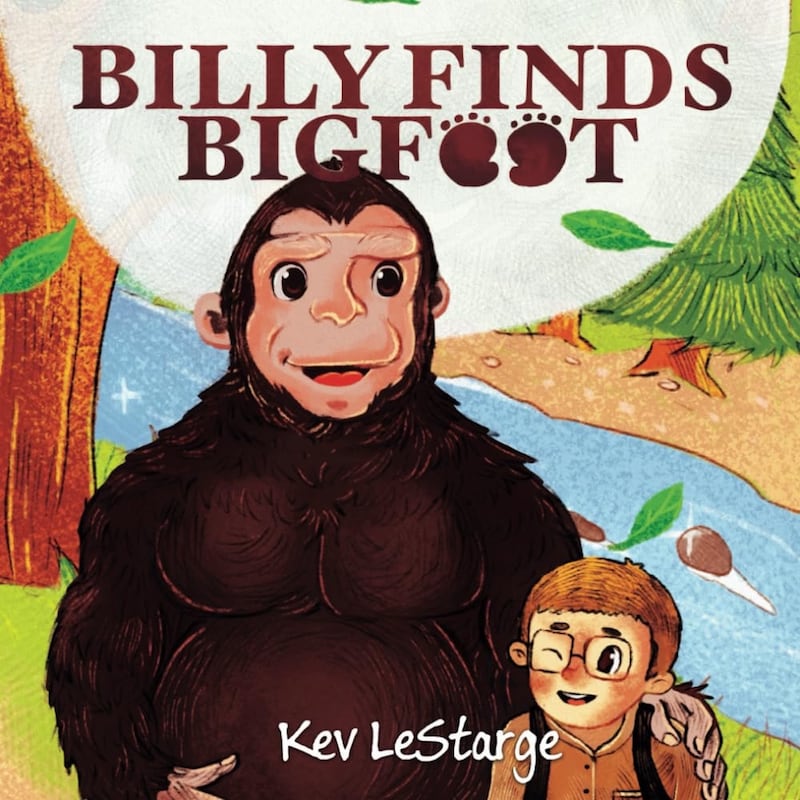
This podcast episode features an enlightening conversation with Kevin Lestarge, author of the children's book "Billy Finds Bigfoot."
At the forefront of our discourse is the profound significance of storytelling for children, which Kevin articulates as a means of imparting valuable life lessons.
He reflects on his journey to authorship, which was ignited by a fascination with the mythical figure of Bigfoot, and explores the personal motivations behind his creative endeavors.
Throughout our exchange, we delve into the intricacies of the publishing process, the emotional stakes of artistic collaboration, and the importance of nurturing a legacy for future generations.
Ultimately, this episode serves as a testament to the transformative power of literature and the enduring impact of sharing stories with young minds.
Kevin Lestarge, the author of "Billy Finds Bigfoot," elucidates the profound significance of being a children's book author, emphasizing the legacy of storytelling that transcends generations.
In our discourse, I share my personal connection to the enigmatic figure of Bigfoot, which has been a source of fascination since childhood.
The journey of writing this book was not merely a quest for publication but a heartfelt endeavor to impart valuable life lessons to the younger audience.
Through the character of Billy, I explore themes of appreciation for nature and the importance of cherishing relationships.
As we delve into the intricacies of my creative process, we discuss the challenges and triumphs associated with bringing this narrative to fruition, while also reflecting on the enduring impact of stories in the lives of children and their families.
In this engaging podcast episode, Kevin Lestarge shares the origins and inspirations behind his children’s book, *Billy Finds Bigfoot*. The discussion highlights the intricate relationship between personal experience and storytelling, as Lestarge recounts how his childhood fascination with Bigfoot evolved into a narrative that seeks to captivate young readers. His reflections on the creative process illuminate the challenges faced by aspiring authors, particularly the balance between artistic integrity and the demands of the publishing industry.
Lestarge’s insights into self-publishing versus traditional publishing reveal the complexities of bringing a book to life, offering valuable lessons for those navigating similar paths.
As the conversation unfolds, Lestarge emphasizes the underlying themes of his book, particularly the importance of cherishing the connections we have with family and nature. He articulates how Billy’s adventure is not merely a quest for the elusive Bigfoot but a journey of discovery that encourages children to appreciate the world around them.
This duality of exploration and relational warmth is central to Lestarge’s narrative, making it a compelling read for children and a meaningful experience for parents reading alongside them. His role as both author and illustrator allows for a unique integration of visual storytelling, further enhancing the book's appeal.
The episode concludes with Lestarge’s reflections on the future of his writing career, including the challenges of creating a follow-up project.
He shares his aspirations to explore deeper themes while maintaining the whimsical charm that characterizes his debut work.
Throughout the discussion, Lestarge’s passion for storytelling shines through, underscoring the notion that the journey of an author is as significant as the final product.
His candidness about the ups and downs of the creative process serves as encouragement for other aspiring writers, reinforcing the idea that perseverance and authenticity are key components in crafting meaningful literature for children.
Takeaways:
- Being a children's book author represents a legacy, allowing stories to be passed down to future generations.
- The journey to becoming a published author is often lengthy and can span several years or even decades.
- Successful publishing involves collaboration with publishers to ensure that the final product meets industry standards.
- The creative process for writing a children's book is rooted in personal experiences and life lessons meant to resonate with young readers.
- Illustrating a children's book requires balancing artistic vision with the need for appeal to the target audience.
- The importance of sharing life lessons through storytelling is highlighted as a central theme in the podcast discussion.
Links referenced in this episode:
Social Media links below:
Instagram: PineShadowDesign
Etsy: PineShadowDesign
Amazon: "Billy Finds Bigfoot"
Hangar1Publishing: "Billy Finds Bigfoot"
Companies mentioned in this episode:
- Hangar One Publishing
- Amazon
- Etsy
- Ingramspark
- Barnes and Noble
- Bigfoot Field Researchers Organization
Transcripts
Hi, my name is Kev Lestarge, and my book is called Billy Finds Bigfoot.
Speaker B:Thanks, Kevin, for appearing on the Adventures in the Heart of Children's Book Authors podcast.
Speaker B:Kevin has mentioned he's written a book called Billy Finds Bigfoot, and I'm looking forward to this conversation because I have my own personal Bigfoot experience.
Speaker B:Before we jump into the details of your book, Kevin, can you tell us what.
Speaker B:What being a children's book author means to you?
Speaker A:Yeah, sure.
Speaker A:Thank you again, Eric, for having me on the show.
Speaker A:To me, being a children's book author is definitely.
Speaker A:It's a feather in your cap that you can always wear.
Speaker A:And.
Speaker A:But more to that, it's also a story that I can pass on to my own children, hopefully their children, and to anyone else's children and family or anyone who might have little ones in their life.
Speaker A:So that type of quote unquote legacy is.
Speaker A:It means something to me.
Speaker A:And it's just all about stories and sharing some anecdotals, some more life lessons, things like that.
Speaker A:But passing that story on is what's important to me.
Speaker B:How did you get started?
Speaker B:Because I'm sure you didn't wake up one morning and say, oh, I want to be a children's book author.
Speaker B:Or maybe you did, but how did this.
Speaker A:You did.
Speaker B:Oh, okay.
Speaker B:So that's fantastic.
Speaker B:So tell us, what was that experience?
Speaker B:How did it get started for you?
Speaker A:Being the subject matter of Bigfoot or Sasquatch, this all kind of started.
Speaker A:I think that the show that was very popular a few years back was called Finding Bigfoot.
Speaker A:It reignited my love for the subject and the mystery around it and this idea of a potential North American bipedal ape walking among us and things like that.
Speaker A:So that was just so intriguing to me.
Speaker A:It was.
Speaker A:Even when I was a kid, I think that show sparked the idea of I'd love to share or love to get into more of that circle, like the Bigfoot Circle.
Speaker A:How do I do that?
Speaker A:Went on some camping trips and with the Bigfoot Field Researchers Organization, bfro, it might be called in along the shows, the idea of going camping, bringing certain family members along with me.
Speaker A:And it really just was the idea of I would love to be in that world more often and how do I do that?
Speaker A:Let me write a story or think of a book.
Speaker A:And I love to sketch.
Speaker A:And so I did the artwork for it.
Speaker A:That was actually what I did first.
Speaker A:I actually almost started with the artwork and playing that in my head of what I wanted to kind of show.
Speaker A:And then it Was, okay, now let me maybe put some more words behind the pictures and what I'm trying to share.
Speaker A:And I evolved it from there, but it was definitely a long process for me.
Speaker A:It was probably, all in all, about 10 years total.
Speaker A:I didn't know where to start, Rick, which I'm sure you can appreciate, where it's.
Speaker A:And your audience possibly too.
Speaker A:Where it's.
Speaker A:Where do I start with this?
Speaker A:How do I get into writing?
Speaker A:Where, you know, who do I talk to?
Speaker A:Then the only really true way I knew how to do it was maybe by self publishing.
Speaker A:But that's.
Speaker A:It's a paid to play situation with self publishing, I think there's anything wrong with that.
Speaker A:It just depends on what, how big you want to get, how much money you want to put towards your ideas, your project.
Speaker A:But then maybe you'll get noticed and maybe you'll have a publisher.
Speaker A:But to answer your question, in short, this was.
Speaker A:This was something where I thought, let me see if I can do it.
Speaker A:I can draw enough.
Speaker A:I can put stories.
Speaker A:I love the movies, I love the creature movies.
Speaker A:Let me see if I can do it.
Speaker A:And then it just, yeah, just worked out from there.
Speaker B:Before we get into the publishing and illustration part, when you started this journey and you explained the background to it, were you thinking, oh, you know what?
Speaker B:I'm going to produce this product.
Speaker B:I've now created a children's book business.
Speaker B:And did you have a plan?
Speaker A:No, it was truly just a case of I just want something tangible in my hands that you can flip through and that is a finalized product.
Speaker A:To your point, it wasn't really thinking about, I'm going to be the next R.L.
Speaker A:stein.
Speaker A:I'm going to be someone like that.
Speaker A:It just was truly, it was almost a game or like a little bit of a test to say, can I do this?
Speaker A:Can I actually make this come to fruition?
Speaker A:And for a long time, I actually had.
Speaker A:Put it aside.
Speaker B:What's interesting, I know you said, kevin, it sat on the back burner for about 10 years.
Speaker B:I've had guests on.
Speaker B:They sat on the back burner for 30 years.
Speaker B:So they went through their whole career before they actually said, oh, I'm going to do this.
Speaker B:I've written the story.
Speaker B:I wrote the story 30 years ago.
Speaker B:I'm now pulling it out of my drawer or.
Speaker B:Yep, filing cash.
Speaker A:That's exactly.
Speaker A:Yep, exactly.
Speaker A:Same situation.
Speaker A:And then finally it was just, life happens and your circumstances change and you find yourself having a little bit of time here and a little time there.
Speaker A:And then it was also A case of when I wanted to make sure that I think it was right around the time that I actually found out that we were having our first child, where it was like, oh, let me really make sure this comes to fruition.
Speaker A:How great would it be to allow my children.
Speaker A:And this may become a little bit more of, I don't know, selfish reasons perhaps.
Speaker A:Right.
Speaker A:It would be so cool if my children were to say, oh, my dad's a child book author.
Speaker A:Just something like that.
Speaker B:Yes, absolutely.
Speaker B:Have a legacy.
Speaker A:Yeah.
Speaker A:A bit more stamina to.
Speaker A:To complete it for sure.
Speaker B:And my journey as a children's book author all started because of my oldest granddaughter.
Speaker A:And there you go.
Speaker B:Yeah, yeah.
Speaker B:I always find there's a personal reason we all get into children's books for sure.
Speaker A:Exactly.
Speaker B:Thank you for sharing that.
Speaker B:I really appreciate.
Speaker B:We're going to jump into publishing a bit and I always talk to people.
Speaker B:There's traditional publisher, where someone, a traditional publisher comes in, they buy the rights to your book and then they publish it and you don't put any money into it.
Speaker B:But then at the end of the day, there's not much for you at the back end.
Speaker B:They own all the rights and if the book does well, they send you a couple of bucks and they say, thanks, Kevin, for the great idea.
Speaker A:Yeah.
Speaker B:And we appreciate the revenue that you've given company.
Speaker B:And then there's self publishing, which a lot of people mistake for indie publishing.
Speaker B:And self publishing is where you hire a third party publisher and that third party publisher does all the work.
Speaker B:So they end up being basically your general contractor or general manager.
Speaker B:And you have this idea, you've written the words down the way you go.
Speaker B:And then the last one, and I mentioned this earlier, is it being an independent publisher where you actually create your own publishing company and you hire the different professionals.
Speaker B:So you hire an editor, you hire an illustrator, you hire a book formatter, so on, so forth.
Speaker B:Explain to us a little bit about your publishing approach.
Speaker B:Because I know you said self publishing and I know you have a publisher called Hangar One Publishing, but I wasn't quite sure because it sounds like you're the illustrator.
Speaker A:Yeah, so I was the illustrator and the writer.
Speaker A:Author.
Speaker A:They did come over the top as far as the overall look and feel.
Speaker A:I'm an illustrator and this is where I always have to give credit, where credit's due, where I illustrated everything.
Speaker A:But there were certain tweaks to just make sure that everything was a little bit more uniform, because as you have the characters looking in different directions, their head might shape Might change a bit.
Speaker A:As example.
Speaker A:So there was some of that editing that was super helpful.
Speaker A:My path, I guess, to becoming published was I have this product, I have the pages, I have everything written down, the storyline, everything.
Speaker A:My only tactic, frankly, was making sure that I started to look at some of the author houses, if you will, or the publishing houses, I should say.
Speaker A:That actually dealt with the topic that I had.
Speaker B:When it came to publishing your children's book, what would you say was your biggest challenge or frustration, frankly?
Speaker A:And I'll even share this.
Speaker A:So I'm actually.
Speaker A:I'm writing another kind of novelette, if you will, which aren't super popular, but it's the same thing there.
Speaker A:For Hangar One Publishing, who published Billy Finds Bigfoot, they were opening their doors to children's books about cryptozoology, Bigfoots, mythical creatures, things like that.
Speaker A:And so it just was a right time, right place, perhaps.
Speaker A:In all honesty, that.
Speaker A:And speaking of right time, right place, this is actually where I would went on a camping trip with Doug Highcheck, who is the kind of the owner of Hangar on Publishing, as well as his.
Speaker A:His son.
Speaker A:And so this is where I just happened to be talking with them around a campfire.
Speaker A:They were sharing some of the things that they wanted to work on.
Speaker A:I said I actually had this idea that also gave me some motivation to again, complete the work because they were open to it.
Speaker A:And so I knew I had to curry and strike while the iron was hot on the fact that they were interested in this medium, that format of a children's book.
Speaker A:So, yeah, right time, right place, but then also just knowing.
Speaker A:And what I'm doing now is since they're moving away from a bit of the children's book side of things or the preteen side of things, the adventure begins again because it's continuing to.
Speaker A:Okay, how.
Speaker A:And who can I now reach out to that might be interested in this next book that I'm working on?
Speaker A:By the way, it's called Is It Real or Not?
Speaker A:If you're interested in anyone listening, please contact me.
Speaker A:But all that to say.
Speaker A:So that was the.
Speaker A:In short, again, right time, right place.
Speaker B:In terms of the publishing function that Hangar One Publishing did for you.
Speaker B:You wrote the story, you did the illustrations, and they came in and did they edit your words, for starters?
Speaker A:No, they actually didn't.
Speaker A:They were very accepting of everything.
Speaker A:The only thing that they.
Speaker A:And this is where if you are wanting to get published by a publishing house or an actual publisher, they might change some of your words.
Speaker A:They might change the images a little bit.
Speaker A:And this is where you have to actually just maybe take a step back and remove some of the emotion that you might be tied to your work in that.
Speaker A:And this is where how it was put to me by a friend is, do you want to get your book published and actually have this final product that can be sold and be shared and everything like that or not?
Speaker A:Because one of the things was kind of changing the image of the Bigfoot character a bit and the facial features.
Speaker A:I was really hesitant to that and I was let down a little bit, but only because there was the emotional side of that.
Speaker A:I've worked so hard to think of what I thought that this Bigfoot creature would look like in this children's book.
Speaker A:But after you remove that emotion and after you realize that they are like the publisher is trying to help you and trying to get your.
Speaker A:Frankly, your dream to come to fruition, you have to just be okay with it.
Speaker B:And like you said, it's the continuity.
Speaker B:Because I have talked to children's book authors who are also the illustrator.
Speaker B:That's one of the biggest things that I've heard.
Speaker B:Every single person who is not only the author, but the illustrator, they always say I had to go back and double check the continuity of my illustrations.
Speaker B:How the main character or characters, if it was reoccurring.
Speaker A:That's right.
Speaker B:They looked.
Speaker B:And to make sure that I didn't go too far off the mark.
Speaker B:Yeah.
Speaker B:And that's what happened.
Speaker B:And so in your case, they looked at it, they thought, oh, now did they have you make the changes or did they have hire someone to make the changes for you?
Speaker A:They had someone in house to make those changes.
Speaker A:And again, could have done that, perhaps taken a little bit more time.
Speaker A:So, yeah, they had someone.
Speaker A:Which again, I'm grateful for.
Speaker B:I'm trying to.
Speaker B:Just so our audience understands.
Speaker B:So is Hanger one publishing a hybrid publisher or are they a traditional publisher?
Speaker A:What's.
Speaker A:What do you see as the difference?
Speaker B:Okay, so the difference is, do you still own all the rights to your.
Speaker A:Oh, no.
Speaker A:So I own about 18% of any type of cut.
Speaker B:Okay.
Speaker A:Something like that.
Speaker A:But which is, I think, better than most.
Speaker A:It's somewhere around there.
Speaker A:I think that's jumped out.
Speaker A:But regardless, I think that it's whatever publisher percent or cut that they give you it.
Speaker A:It really does just come down to they're making your product come to life.
Speaker B:And that.
Speaker B:That sounds like a good deal.
Speaker B:Because a lot of authors I've talked to, like, I recently had a guy guest on bart Taylor episode 53.
Speaker B:He ended up writing three children's books in a series.
Speaker B:Not till he had written the third one did a traditional publisher step in and see that there was actually some commercial value for them.
Speaker B:And that's when they cut him a deal, and that's when he signed over all his rights.
Speaker B:But he did get a similar deal like you did.
Speaker A:It's been a while now since I reviewed that contract, which, by the way, authors review your contract every.
Speaker A:I get a certain percentage of a kickback and royalties, things like that.
Speaker A:And I want to use the word evil, necessary evil.
Speaker A:It was what had to be done to make the product come to life.
Speaker B:And I noticed.
Speaker B:I went to Hanger One Publishing to their website.
Speaker B:Your book is on their website?
Speaker A:Yep.
Speaker B:And so you're part of other titles.
Speaker B:Yeah.
Speaker A:And there.
Speaker A:There are plenty of authors that Hanger One Publishing works with.
Speaker A:And yeah, I think it's.
Speaker A:And especially to be in the circle of other.
Speaker A:Around the Bigfoot topic and things like that, It's.
Speaker A:I'm in good company.
Speaker B:What is your obligation to them in terms of promoting the book?
Speaker B:Because besides having your book on their website, are they doing anything else for you or.
Speaker B:Or is it you who's doing the primary marketing and sales end of it?
Speaker A:I would almost say it's 50 50, because they are helping me broadcast this to get on podcasts and things like that.
Speaker A:So that's super helpful.
Speaker A:I still have a day job, so I need to make sure that I'm focused on that and family.
Speaker A:So then reaching out and causing a little bit of a stir to make sure, like, I'm getting on podcasts to talk about my story, whether it's literally the Billy Finds Bigfoot or my personal story about it, or even talking about the Bigfoot topic itself.
Speaker A:So that, to me, has been amazing to do.
Speaker A:I love coming on podcasts and discussing with folks like yourself, Rick, and.
Speaker A:But then as far as grassroots, what I've done myself is actually taken my book to all the libraries that are in the area.
Speaker A:And typically libraries will just accept your book for free.
Speaker A:As long as you're willing to give it, they'll take it in.
Speaker A:And that also helps circulate and distribute your work.
Speaker A:And I've also gone to a couple of different bookshops and approached them.
Speaker A:Some bookshops will actually give you.
Speaker A:This was one of the bookshops, just as example, gave you, like, a small little contract to write and said, okay, for three months, we're gonna have three copies of your book.
Speaker A:We're gonna see how they sell.
Speaker A:And if they sell quick, then we'll buy more and you'll get a cut and things like that.
Speaker B:But when you visit those bookstores, are you're not selling the books directly, are you selling them through Hanger One Publishing?
Speaker B:Like how are they getting the books?
Speaker A:Oh, so I bought a bunch myself.
Speaker A:That's a great question because depending on your publisher, they might actually hand you a.
Speaker A:A bulk sheet.
Speaker A:Right.
Speaker A:You can buy your books in bulk and then you can do whatever you want to with them.
Speaker A:Again, libraries, bookstores, share them.
Speaker A:Right.
Speaker A:But then you can also have the option to have a bookstore buy your book in bulk as well.
Speaker A:That to me is if you're at that point, if you have a bookstore buying your book in bulk, 20 in a box, whatever it is, and multiple times a month or a year, like you're doing probably pretty well then like as far as selling out.
Speaker A:And I think that you probably would start to make a pretty good name for yourself.
Speaker A:Not quite there yet.
Speaker B:In terms of the Hangar One publishing experience.
Speaker B:Would you do this again with them?
Speaker A:Yeah, absolutely.
Speaker A:And like I said, I've tried with the next book that I have.
Speaker A:Is it real or not?
Speaker A:But it just so happened that they're.
Speaker A:Because they're more of also like I want to say more of a media company as well.
Speaker A:They're working on documentaries, they're working on other books, they're working on more non fiction material right now.
Speaker A:So it just so happens that their focus has shifted.
Speaker A:Having to now see where.
Speaker A:Who else I could be working with and making contacts and reaching out in which we can talk about that whole process as well and how it is hard.
Speaker A:It is very hard.
Speaker A:Even with contacts that I have within hanging on publishing and the publishing side of things, it's just hard because each publisher or publishing house or agency might just have a different focus.
Speaker A:Or maybe the Bigfoot scene is.
Speaker A:Maybe that's five years ago.
Speaker A:Who.
Speaker A:Whatever it was.
Speaker B:Absolutely.
Speaker B:I know you're talking about writing a novel.
Speaker B:Let.
Speaker A:Yeah, just because.
Speaker A:And I had to look this up too.
Speaker A: It's about: Speaker B:Okay.
Speaker A:And which kind of puts it in this noveletta, which I didn't even know candidly, Rick, I didn't know that was even a term.
Speaker B:Right.
Speaker A:And then working with a friend who's in the publishing world as well.
Speaker A:And so trying to learn the ropes again of how do I get this out there.
Speaker A:And the reason why I'm having a bit of whiplash, let's just say, is because the first time around it was actually very Easy.
Speaker A:It just happened to be the right time, right place.
Speaker A:And it was like, wow, I got this thing published.
Speaker A:And it was like snapping your fingers where now.
Speaker A:And because it's not.
Speaker A:There's only one, like, picture at the beginning and there's this.
Speaker A:It's all words, basically.
Speaker A:That's just a different audience and trying to tap into that different audience.
Speaker B:And that generally they say when you.
Speaker B:A children's book is between.
Speaker B:Especially a picture book is between 500 and 1,000 words.
Speaker B:Not that I haven't seen children's picture books over a thousand words, but generally it's in that range from 500 to 1,000.
Speaker B:So I want to talk to you about.
Speaker B:Also, you do your book in two formats now, a soft cover and an ebook.
Speaker A:Yeah, that's just the different formats that I think Hangar One Publishing decided to go with.
Speaker B:You've got your books, you can buy your soft cover book and your ebook also through Amazon now.
Speaker B:And Hanger One.
Speaker B:Hanger One Publishing reminds me of because I noticed they have distribution through all the major online retailers like Barnes and Noble and things like that on their website.
Speaker B:Okay.
Speaker B:And you may have heard of a company called ingramsparks, which a lot of people use.
Speaker B:Ingramsparks, I think is global and very large, probably second behind Amazon and.
Speaker B:And they do the same thing that Hangar One Publishing does.
Speaker B:And so you've never used ingramsparks?
Speaker A:No, no.
Speaker B:I. I looked at your book.
Speaker B:I went to, of course, Hangar One's publishing website.
Speaker B:Tell us.
Speaker B:I noticed you use Etsy for your website.
Speaker A:I do.
Speaker A:It's for.
Speaker A:It's.
Speaker A:I. I try to.
Speaker A:I'm a creative person, so just put that out there.
Speaker A:Not bashful.
Speaker A:So to try to solicit my love for the Bigfoot topic, I do have Etsy.
Speaker A:There's shirts on there and things like that.
Speaker A:Pine Shadow Designs is my Etsy account and.
Speaker A:But funny enough, I actually don't have my book on there, so you might have noticed that it.
Speaker A:I did, and I don't know why.
Speaker B:And are you using any of your artwork for the different things that you're selling through?
Speaker B:You said it's Pine Shadow design on Etsy.
Speaker A:Yeah, those are all of my own creative designs.
Speaker A:You might see one or two borrowed because I'm a big Harry and the Hendersons fan.
Speaker A:Obviously that's stemming back from childhood.
Speaker A:That kind of helps you and the other listeners perhaps know Ali where this is all coming from.
Speaker A:Harry.
Speaker A:And the Henderson has really kicked it off for me.
Speaker A:But.
Speaker A:So, yeah, but it's there.
Speaker A:And that's actually why my book isn't on there?
Speaker A:I think it's because trying to, I don't know, for some and I guess to get my.
Speaker A:Into my head a little bit.
Speaker A:I think it's because I'm trying to have more of a separation between my author side, call it Gnome diploma, where it's like more of my author side like that's there versus my other design side and everything that's on Pine Shadow Designs.
Speaker A:Even though I'm on podcasts and I share my name and show my face and things like that, I guess it's more so wanting to still have some mystery separation branding.
Speaker A:Yeah, yeah, that's probably.
Speaker A:Yeah, absolutely.
Speaker B:When it comes to your social media, have you separated those also or how are you doing the social media for Billy Finds Bigfoot?
Speaker A:I again, I post on it on my personal side.
Speaker A:I've shared that out.
Speaker A:I've also shared that on my pen shadow design which is on my Instagram.
Speaker A:So that's me.
Speaker A:I do have it there.
Speaker A:It's just never really bringing it into the Etsy world.
Speaker A:Also possibly just because of shipping and having to then create labels and needing to get envelopes and yes, that might.
Speaker B:Be super on your Etsy website.
Speaker B:And again, I'm not that familiar with Etsy, but can't you create a link where you could have your link just go right to Amazon or to Hanger one publisher?
Speaker A:Oh, that's a great suggestion, Rick.
Speaker A:I will look into it.
Speaker B:Yeah, I'd be curious for sure.
Speaker A:It's a great suggestion.
Speaker A:Yeah, yeah, I will actually take a look into that for sure.
Speaker B:Okay, terrific.
Speaker B:It's probably going to be about four to six weeks before we actually publish this episode.
Speaker A:Yeah, no kidding.
Speaker B:If you find out, I would love to know because you know what?
Speaker B:I'm.
Speaker B:I also have had authors come on and they use Shopify and they use another company called Printful.
Speaker B:Again, I haven't asked them if they can actually link their book to other online retailers because I don't think I've seen that on Shopify or on Printful for example.
Speaker A:I don't know.
Speaker A:But then again it's.
Speaker A:I do also on Instagram I do post things.
Speaker A:I will have a link to my Etsy and I do all the posts.
Speaker A:I do then post to Amazon for the book.
Speaker A:I try to do that on every post.
Speaker A:I do it there.
Speaker A:But yet to have it on Etsy itself, it's just.
Speaker A:I don't.
Speaker A:I just don't know.
Speaker A:I haven't got it.
Speaker B:It'd be interesting to know that anyway, so so thank you.
Speaker A:Yeah, absolutely.
Speaker A:Thank you for the idea.
Speaker B:I know you talked a little bit about the motivation, and I could see the big smile on your face when you talked about Harry and the Hendersons.
Speaker B:Was that the specific moment that kind of motivated you to think about maybe there was a children's book in the back of your mind somewhere?
Speaker A:It was probably the seed right around 95, when the Internet was just coming out.
Speaker A:The very first website I went to was the bfro.net that was perhaps like the watering of that seed.
Speaker A:And.
Speaker A:And it just grew from there.
Speaker A:It really wasn't until again, perhaps the Finding Bigfoot show that was on Discovery Channel or Animal Planet.
Speaker A:That's when it was like, that was the kind of the.
Speaker A:Aha.
Speaker A:Maybe I could write a children's book.
Speaker A:And it was perhaps something that I've always wanted to do.
Speaker A:I just didn't know how and.
Speaker A:But the timing was right to start, and just let's see what happens.
Speaker B:Your main character is Billy.
Speaker B:Do you see yourself and Billy?
Speaker B:Do you see your own childhood experiences through.
Speaker A:Really, it's always fun to write a little bit about yourself, obviously, whether it's some life lessons or even just some of the drawings that are in there.
Speaker A:So my favorite color is red.
Speaker A:I try to make sure that during one of my Billy stages of, like, him having a red hat, I wear a lot of flannel.
Speaker A:So wearing him wearing flannel, the cardinal bird is like a family bird, if you will.
Speaker A:And so, like drawing a card in the book.
Speaker A:Right.
Speaker A:Little column, Easter eggs, of like, a little bit more about myself into the story, which is the same thing that I'm doing in this next book.
Speaker A:But it's just.
Speaker A:It's.
Speaker A:It's fun to drop little hints.
Speaker A:And even though I talk about this kind of separation between my different creative sides and things like that, it's.
Speaker A:But yet what I find is interesting as we're talking is.
Speaker A:But I'm wanting you to know more about me, which I think is.
Speaker B:So it's a kind of a reflection of you through the book.
Speaker A:Yeah, absolutely.
Speaker B:It's interesting because as children's book authors, we have this literary license to do whatever we would like.
Speaker A:Yes, that's right.
Speaker B:And like you said, if you're creative and things start flowing and even our books.
Speaker B:Right now we have two published books in a series called the Adventures of Caboose, the Rocky Mountain Bear.
Speaker A:Love it.
Speaker A:Yeah.
Speaker B:And Caboose actually starts with a K, and the K actually stands for Kira, which is my oldest granddaughter's name.
Speaker B:And that's why it's a K, not a C. That's great.
Speaker B:Also, Caboose is not a male.
Speaker B:Caboose is a female.
Speaker A:Very good.
Speaker B:Again, it's because it's my granddaughter.
Speaker B:And then we've actually written these adventures around Caboose and her grandfather, which actually is me.
Speaker A:I would hope that the grandfather has some yellow framed glasses or some.
Speaker B:Actually, they're green, but I'd be looking for green framed glasses.
Speaker B:Yeah.
Speaker B:So definitely a lot of fun, and thank you for sharing that.
Speaker B:You know how as children's book authors, we can put our own personal little touches in there, and it's not always that the reader will realize that's significant to us.
Speaker A:Not at all.
Speaker B:Like you said, when you're building this legacy for your children, these are stories that you can share with your children and they become meaningful to them.
Speaker A:Exactly.
Speaker A:Yeah.
Speaker B:I loved your story because you.
Speaker B:You had some fun.
Speaker B:And I don't want to give the story away too much, but you definitely had some fun because of the way you introduced Bigfoot to Billy.
Speaker B:I. I love that.
Speaker B:And Billy was on this adventure, and I don't want to give the whole thing away, but Billy was on an adventure and didn't realize that something special was happening to Billy.
Speaker B:But that wasn't what Billy was looking for.
Speaker A:Correct.
Speaker A:Yeah.
Speaker A:So one of the life lessons that I talk about in the book and other podcasts and things is really appreciating what you have in front of you and acknowledging what you have in front of you, whether that's relationships, someone special in your life, whatever it might be, because those are very precious moments, and you shouldn't take them for granted.
Speaker A:And I think that's a very hard lesson for even adults to understand.
Speaker B:And.
Speaker A:But how can I share that with children?
Speaker A:How can I get them up to speed, if you will?
Speaker A:Right on.
Speaker A:On that life lesson.
Speaker A:Because I think the more you can appreciate nature, the animals in the forest, the different leaves, different colored rocks is the people.
Speaker A:Right.
Speaker A:And the stories that maybe your mom or dad or grandma or grandpa can share with you or someone who shares with you to really value those, because that's.
Speaker A:I think, to me, that's really what life is about.
Speaker A:And so the idea of Billy being so focused on discovering this particular one animal and then trying to speak right to a Bigfoot and realizing that there's some type of relationship that was even forming there and that to realize, oh, I was trying to find this one animal in the forest that's super rare, but in fact, I just.
Speaker A:My parents just Shared with me that there's this Bigfoot creature who's the most mythical, mystic creature in all the forests.
Speaker A:Oh, I just spent an entire day with that creature.
Speaker B:Like, that's what I loved about the story.
Speaker B:Is it?
Speaker B:Yeah.
Speaker B:And as Kevin's talking about, that's his central teaching in such a fun, subtle way that you did it.
Speaker B:And I love that.
Speaker B:That's fantastic.
Speaker B:And.
Speaker A:And.
Speaker B:And great approach.
Speaker B:Really great approach.
Speaker B:And it's interesting because I don't even know how to segue this in, but as a child, my parents and I live in Alberta and in Canada.
Speaker B:And so I'm.
Speaker B:We're on the east side of the Rocky Mountains, and then on the west side of the Rocky Mountains is a province called British Columbia.
Speaker B:And in British Columbia, it's famous for the Sasquatch, or Bigfoot.
Speaker B:And also, if you go into the Okanagan Valley, there's a lake called Lake Okanagan, and they have the Ogopogo, which is like Canada's Loch Ness Monster.
Speaker B:These mythical things happen to us as children all the time.
Speaker B:And then we're not sure is it real or not real.
Speaker A:That's right.
Speaker B:And you know what?
Speaker B:Even, like in Harrison hot Springs in B.C.
Speaker B:and our audience can't see this, but I'll show you.
Speaker B:They have a. Oh, that's perfect.
Speaker B:Yeah.
Speaker B:Sasquatch museum.
Speaker B:Yeah.
Speaker B:And so a Sasquatch, like you had mentioned earlier, Kevin, goes through North America, the myth of Sasquatch.
Speaker B:And.
Speaker B:Oh, yeah, as a child, my parents would take us camping, just like you were talking about going camping.
Speaker B:And we'd have the tent set up and the fire going and the stories around the campfire.
Speaker B:And of course, when you're in bc, especially in the interior of bc, can't help but talk about the Sasquatch.
Speaker B:Yeah, that's right.
Speaker A:And those.
Speaker A:How did those stories capture you as a child, Rick?
Speaker A:How was that for you when you were hearing these things with Sasquatch?
Speaker B:Because it was on land, when my brother and I would go as young boys, we would go out and venture in the forest.
Speaker B:Our parents kept an eye on us.
Speaker B:But young boys running out, and then if you heard cracking, someone walked on a log or something like that, and it made that noise.
Speaker B:It got you thinking.
Speaker B:Your imagination went.
Speaker B:And you were thinking, oh, is Bigfoot just around the corner?
Speaker A:Yeah, that's right.
Speaker B:Yeah.
Speaker B:And as for Ogopogo, we always thought about it because it was in the water.
Speaker B:We thought when we went into the lake to swim, we're thinking, oh, there's.
Speaker A:Yeah, there's Always some right there, right?
Speaker B:Absolutely.
Speaker B:And as a child your imagination is very fertile.
Speaker B:So.
Speaker A:Yeah, yeah.
Speaker A:And that's I guess where Billy, I wanted him to be.
Speaker A:There's this Brene Brown saying of turning worry into wonder.
Speaker A:And that's where I wanted.
Speaker A:I just wanted to start with wonder.
Speaker A:I didn't want it to be, oh, what is this creature being like?
Speaker A:Boy, it's big.
Speaker A:And having Billy have any type of concern because I think modern day depictions of Bigfoot are starting to.
Speaker A:In la TV shows are starting to turn.
Speaker A:I think the topic.
Speaker A:It's a little bit more of.
Speaker A:A little bit more of a horror theme.
Speaker A:And there's so many stories of these creatures actually don't want anything to do with people.
Speaker A:And if they do want to just observe you, they're just like.
Speaker A:Yeah, it's.
Speaker B:Be honest with you.
Speaker B:They're like Harry.
Speaker B:Yeah, right.
Speaker B:For us.
Speaker B:You know what, even the picture that I showed you, Kevin, when you look at the face on the Sasquatch in Harrison Springs, it's pretty happy guy.
Speaker A:That's right.
Speaker A:No, and this is also where trying to also depict.
Speaker A:And this is where you again have some fun with your characters in your books is I don't know truly what a Bigfoot or a Sasquatch creature would be thinking if it ever came upon a child.
Speaker A:I have no clue.
Speaker A:But I wanted to as like a Harry.
Speaker A:And the Henderson's homage really is to basically say I want this Bigfoot to be obviously very jovial, almost juvenile itself and to relate to this child's wonder.
Speaker A:Of all the things, because that's what they actually connected on was the fact that Bigfoot loves the woods just as much as Billy does and we really have to respect it and take care of it.
Speaker A:Again, another life lesson.
Speaker A:So that's where it was just wanting to make sure that yeah, I wanted that wonder and that excitement and to spark right away.
Speaker B:And do you think you have another Billy story in you?
Speaker B:A Billy Wonderment story.
Speaker A:Funny enough, this is where is it real or not?
Speaker A:I think takes.
Speaker A:And maybe this is part of my all some like my author process is that was the children's side of Billy Finds Bigfoot.
Speaker A:Now with this next book, I'm still borrowing pieces and you could almost see as if this was Billy growing up.
Speaker A:You know, of course he's got a different name.
Speaker A:His name is now Theo.
Speaker A:People always talk about like movie universes and characters being the same character and growing up and things like that.
Speaker A:So that's what I'm trying to do with this next story.
Speaker A:But it would.
Speaker A:Another children's book, perhaps.
Speaker A:And maybe he has a little sister who comes along and he tries to show her the ropes and possibly.
Speaker B:Talk to us about your writing process.
Speaker B:Now that you're working on your second book, which is not a children's book, share some insights into what's changed for you from writing your first book.
Speaker B:Now that you're into your second book, tell us about your whole writing process.
Speaker A:I think the first book was just a test, more of a game to see if I could do it and see if anything could come of it.
Speaker A:That was the first.
Speaker A:I think that.
Speaker A:Is that a process, Rick?
Speaker B:Absolutely, that's part of it.
Speaker B:Trial and I don't want to say trial and error because you did.
Speaker B:Trial and completion.
Speaker A:Sure.
Speaker A:I'll put it this way.
Speaker A:Even to that point, even if you.
Speaker A:I don't know, what are your thoughts?
Speaker A:Even if you don't complete, even if you're not getting published but you have it written, and even if it's sat for 30 years, I still think that's a completed work and even if it's never published and.
Speaker A:But at least if you can share that with someone or your family or friends and say, hey, I did write that.
Speaker A:I think that's still completed work.
Speaker A:Right.
Speaker B:No question.
Speaker B:It's interesting you should say that, Kevin, because with my oldest granddaughter, we wrote our first book in our series, and then what happened was she said, oh, we've done so many things together.
Speaker B:Can we write down the titles of other adventure books that will eventually publish?
Speaker B:And that's great.
Speaker B:And between her and her sister and three cousins, we actually have written 38 children's books in the series.
Speaker B:Now we've only published two, because to your point, trying to bring a book to market can definitely be daunting.
Speaker B:And it can also be, if you're an independently published book author like we are, can get expensive.
Speaker B:But what we did is we took about half of those stories and my five grandchildren have narrated the stories.
Speaker B:So we've.
Speaker A:Oh, no kidding.
Speaker B:Yeah.
Speaker B:So we've turned them into audiobooks at this point.
Speaker B:So your creative can.
Speaker B:And then the nice thing about it, and I've captured their young voices.
Speaker B:Now, as a parent, your children keep changing all the time.
Speaker B:Yeah.
Speaker B:You don't change, but they change.
Speaker A:That's right.
Speaker A:But see, that's a great.
Speaker A:Again, even published or not, you're completing or you're accomplishing the something with your family, something with your grandkids, and you're creating a memory.
Speaker A:And I think that's awesome.
Speaker B:And in Today's digital world, you can.
Speaker B:You can use one of those ancestry sites or whatever, and if you really wanted to, you could just put everything out into the digital world, and it's there forever.
Speaker B:So that's right for other generations of your family that you'll never meet.
Speaker A:Exactly.
Speaker A:Yeah.
Speaker A:No kidding.
Speaker B:Your first book, a lot of it seemed to me Billy Finds Bigfoot was based on your experience as a child going camping and even as an adult going camping.
Speaker B:And the idea flowed through there.
Speaker B:And then you talked about your association with the Bigfoot association and all of that.
Speaker B:Do you think you did a lot of research or did for your first book, or did that just come from osmosis, being around it or.
Speaker A:Yeah, the topic itself in Bigfoot, all that.
Speaker A:It's.
Speaker A:I guess what I wanted to show was depict Bigfoot.
Speaker A:I wanted to show certain musculature in its back.
Speaker A:In its.
Speaker A:In its.
Speaker A:You know, there's a picture of his hands or its feet.
Speaker A: ons of a Bigfoot, such as the: Speaker A:Technically, that was a female Sasquatch.
Speaker A:And to try to depict a male Sasquatch, you're making it up because you don't know what this looks like.
Speaker A:But it was a line between really showing, like, what a true Sasquatch could look like, but also making it a cartoon because it's a drawing.
Speaker A:So trying to show some realism without going too heavy on the realism, because you still want to make it joyful and playful and soft edges and things like that.
Speaker B:And your illustrations of Bigfoot, to me, the moment I saw it, if you hadn't put Bigfoot, I would have known it was a Bigfoot.
Speaker A:There were the initial drawing, I didn't think that it looked like it was wearing a mask, but sometimes if you were to draw a Bigfoot, you could almost look like someone's wearing more of a ski mask than it is.
Speaker A:Hair on its face with eye holes and a mouth like that was a fine line of trying to make Gideon look more friendly, not so much personal wearing a ski mask and.
Speaker A:But, yeah, the idea, I think the nature side of things that obviously came from my experiences being out in the woods camping.
Speaker A:But the storylines were.
Speaker A:That was more personal and that was more reflective on what it is that I think are important to learn as a child, because perhaps, maybe I didn't, or perhaps I wish I would have learned that faster.
Speaker A:So that's some of the more personal messages that I was trying to share.
Speaker B:Success.
Speaker B:I'm curious when you first started this children's book journey.
Speaker B:And I know we talked a little bit about a book business plan, but I want you to take yourself back and I want to delve into the success of having what success looked like to you prior to publishing your book.
Speaker B:What did you envision the success for your book?
Speaker B:And then when you did finally publish your book, what was the difference in the success of the book?
Speaker A:Yeah, great question.
Speaker A:I think before the success was more personal and can I do it?
Speaker A:A self test, like I keep saying, but can I do it?
Speaker A:And then once the conversation with when publishing was started to happen, it was like, oh, now it's exciting.
Speaker A:Now it's.
Speaker A:Can this actually get published?
Speaker A:Because there were some renditions that had to get.
Speaker A:We had to do a little bit of different.
Speaker A:Just renditions of the design a bit.
Speaker A:But not taking that as a step back or not taking that as oh, well, now it's completely.
Speaker A:Now it's not my product anymore.
Speaker A:Having to shift my thinking on that was.
Speaker A:I mean, I can't consider that a step back.
Speaker A:But it was just a.
Speaker A:It was a change, but it was a.
Speaker A:Still a success.
Speaker A:And then finally once it was, okay, we're going to work with you, we're going to sign you sign a contract.
Speaker A:Okay, now that the wheels are really spinning.
Speaker A:And I remember feeling so excited.
Speaker A:But it took time to finally have a final product to make sure that a period was put on page 13 as example.
Speaker A:So it's like just making sure every little bit of detail was there or oh, the way that the.
Speaker A:This is printing, the leaf is almost like on Bigfoot's face.
Speaker A:Like you gotta remove that after some of those changes.
Speaker A:And that took several months.
Speaker A:And I just remember feeling and just being very anxious of wanting this to come to fruition and finally have a printed product.
Speaker A:Once the day finally came, it was like, man, it was so awesome.
Speaker A:And I was able to actually we had a little family party because here's an idea that I had 10 years later, finally got it published.
Speaker A:Have a physical product in my hands.
Speaker A:On the back it says it's a publishing company, my name is on the front cover.
Speaker A:It just was like a moment.
Speaker A:And I think everyone who is either has authored will never forget that first time because that's so exciting.
Speaker A:I'm gonna be interested to see if I feel that way the second time.
Speaker A:But.
Speaker A:But if you haven't gotten There it's okay because it does take time.
Speaker A:And I think the more exciting thing is just knowing that it's something that you have at least started.
Speaker A:I think that's the big important piece to this is you gotta start somewhere.
Speaker A:Even if you're listening to these podcasts and into your podcast, Rick, and you don't know where to start, it's like just type your name, buy Kevlarge, start there and it'll start to create and flow.
Speaker B:And I love your journey because one of the biggest things that stands in the way a lot of times is as a storyteller, you can get the words down on paper or into your computer or however you or some people.
Speaker A:Your typewriter.
Speaker B:Yeah, there's so many different ways at the end of the day, if you're not an illustrator and that can get in the way of how do you bring your story life.
Speaker B:And that's the biggest thing.
Speaker A:To that point though, Rick, I was, I think I'm a pretty good illustrator.
Speaker A:I can draw something.
Speaker A:But I was actually, I was talking to my, my father in law who was an illustrator wanted.
Speaker A:Do you want to get into this project together?
Speaker A:He used to be a graphic designer.
Speaker A:And I was like, I think you could do amazing work talking to a friend.
Speaker A:So if you are not.
Speaker A:Or maybe it's the flip side, right, But I'll finish my first thought.
Speaker A:So if you're not an illustrator, this allows you to go out there, go to a coffee shop, see if someone's doodling, see if anyone, go to an art show, talk to them and see if they want to maybe collaborate.
Speaker A:But on the flip side, if you're not a writer, go to a coffee shop, see if someone's jotting something down or someone's really typing or if you know someone who can tell a great story but they've never maybe thought about writing, collaborate.
Speaker B:And I've seen, I've had so many different stories told to me about illustrators.
Speaker B:You can go online and just type in illustrators and it'll take you to a whole bunch of different groups.
Speaker B:Absolutely.
Speaker B:A lot of children's authors I've talked to have actually gone to the library or they've gone to bookstores and they've looked at children's books and looked at the illustrators names and then reached out that way.
Speaker B:There's certainly a lot of different ways of going about it.
Speaker B:The one thing I will say is because we didn't illustrate the one thing is that because all of our stories are based on a nugget of truth.
Speaker B:A lot of times we had pictures because today all of your pictures are on your phone.
Speaker B:And the nice thing about it is that's how it all started for myself and my oldest granddaughter is everything we had taken.
Speaker B:Even if it was three or four pictures, it was enough to trigger a story of an adventure.
Speaker B:Then it was just finding an illustrator that aligned with how we visualized it.
Speaker A:That's right.
Speaker A:Yeah.
Speaker A:And sometimes even if the way that you've visualized it and if you start to work with a publisher or even if you're self publishing, that might get changed.
Speaker A:Which was my story where it was like, yeah, we're gonna have to change it just a bit.
Speaker A:When it's that main character and they have to change it, it's gonna hurt, but it's also ultimately you're gonna get an end product.
Speaker A:And I will say this too.
Speaker A:It was never about the success side.
Speaker A:To get back to that question, Rick was like the money piece of it.
Speaker A:That would have been nice if it was like, oh, I'm gonna get 80% royalty, whatever it might be 100% whatever.
Speaker A:I, I hear that you obviously when you're self publishing like you, you capture your, you retain all that, but it's still the idea.
Speaker A:At least it's something that's finalized and produced.
Speaker A:And if you work with Hanger one who's I believe is.
Speaker A:Has taken care of me in the sense of making sure that I'm on podcasts, my book is published, I'm now part of the table of authors that they produce.
Speaker A:It's.
Speaker A:That's a great feeling.
Speaker A:And never go into it thinking that you're going to be able to quit your day job.
Speaker B:So not for fame and fortune.
Speaker A:No, not at all.
Speaker B:I know you said you have a full time job and you have to keep an eye on that, but tell us about how you see now that you're a published children's book author, you're writing your second book.
Speaker B:How do you see now the role of writing and illustrating in your life?
Speaker B:Is it bigger illustrating?
Speaker A:Maybe not so much.
Speaker A:Although I illustrated the COVID of this book.
Speaker A:The map again, that's in the second book.
Speaker A:The COVID and the map that's in there.
Speaker A:And.
Speaker A:But now is more so focused on the storyline and can I tell a bigger story?
Speaker A:Can I go into greater detail?
Speaker A:Can have an arc, can I have mystery, can I have suspense?
Speaker A:That became like the bit of a different game because it's not so much perhaps life lesson focus, which to me is perhaps a little bit easier to share as Opposed to, okay, now I have to create suspense and what is this character going to wear and things like that.
Speaker A:That's just more detail that not knowing.
Speaker A:Is it too much, too little?
Speaker A:But yeah, I think as far as the illustrating or the I still love to draw and I still do more of that artistic side on the Etsy account.
Speaker A:But now it's how creative can I become through just writing?
Speaker A:And we'll see.
Speaker B:Advice.
Speaker B:Now you have given us some advice already, but I'm interested in advice for aspiring children's book authors.
Speaker A:Yeah.
Speaker B:What would you say to them?
Speaker B:Would you say to get started?
Speaker B:Is there anything else you'd like to share with aspiring children's book authors?
Speaker A:You had a great statement before was have fun with it.
Speaker A:This is your chance to remember what it was like to go to a library and to look at all the book covers and to surround yourself with all these different titles and pictures and to try to capture that.
Speaker A:That's all the kid I think is really looking for is just to have fun or to learn something because they love learning, at least at that age.
Speaker A:I think the easiest place to start is what's the lesson that you are wanting to share?
Speaker A:If you could have a lesson as a kid again, pick one thing, maybe two or three if you can do that.
Speaker A:But then I think start there.
Speaker A:I think that that's perhaps the easiest place and then the stories will probably.
Speaker B:Come from that encouragement for readers.
Speaker B:Why should children's book readers purchase your book?
Speaker A:Because it's amazing.
Speaker A:It's purchase my book because there are again certain life lessons in there that are, I don't think are very often told in a children's book.
Speaker A:The subject matter is different.
Speaker A:If you live in the city, you might not hear the term Bigfoot or Sasquatch all that often.
Speaker A:So that's expanding your kids horizons there.
Speaker A:And even if you're not at all bought on the topic of a Bigfoot, that's okay.
Speaker A:It's still the idea of exploring the forests and learning something new and showing appreciation for what's around you, for your family, for your loved ones, your friends and the friends that you might meet in the forest.
Speaker A:So I think it's the ultimate value.
Speaker A:And lessons are still kind hearted, good natured and showing respect.
Speaker A:There's just all certain things that I would hope that a parent or any, a guardian or anyone who you have a child in your life that you'd feel special reading this book to them because it's coming from a good place.
Speaker B:Thank you.
Speaker B:Final thoughts.
Speaker B:I know I ask a lot of questions, but is there something you are thinking?
Speaker B:I'd like to share that with the audience or I wish Rick would ask me that question.
Speaker A:This has been a fabulous time with you, Rick.
Speaker A:I don't know if there's anything that this always happens where we'll hang up tonight as I'm laying in bed.
Speaker A:It.
Speaker A:But no, I think maybe any.
Speaker A:I think perhaps the one thing I would say is do I.
Speaker A:And I'm picking my words carefully, trying not to be discouraged if let's say in my situation, your publisher is saying we're going in a different direction or we're going to be focusing on other topics or other audiences, fiction versus non fiction.
Speaker A:Don't, don't let that get in your way is what I would say.
Speaker A:Things are going to happen.
Speaker A:Things are going to change.
Speaker A:It's super hard to reach out to an agent because all typically from what I'm now obviously rediscovering is that to work with a publisher, you need to work with an agent.
Speaker A:To work with an agent, they need to.
Speaker A:You need to submit your work and it's all different formats.
Speaker A:It's literally like trying to find a job by sending out your resumes.
Speaker A:You have to send out basically 10 resumes just to maybe get one response and that's most likely going to be a no.
Speaker A:It's the same situation in the publishing, the author world, I think.
Speaker A:But don't have to remind myself to not let that get me down and just give up on it.
Speaker B:The positive thing is you turned your words and your illustrations into a finished, published children's book.
Speaker A:Yeah.
Speaker A:And the fact that I have that this one that I can say that was a success in however you wanted to define success.
Speaker A:But that was great and like I couldn't be happier.
Speaker A:Yeah.
Speaker B:Terrific.
Speaker B:Terrific.
Speaker B:Kevin, thank you so much for being a guest on the Adventures in the Heart of Children's Book Authors podcast.
Speaker B:Your generosity of time, your insights will significantly benefit aspiring children's book authors and readers.
Speaker B:And we promise to provide our audience with the links to Kevin's social media and links to the website as book residing on Hangar One Publishing.
Speaker B:And we'll also link to Amazon for the soft cover and the ebook.
Speaker B:And if you've enjoyed this episode, please hit the subscribe button to listen to future episodes and feel free to share this episode with anyone inspired by or who enjoys hearing about Kevin and his children's book, Billy Finds Bigfoot.
Speaker B:Thank you, Kevin.
Speaker A:Thank you, Rick.


