Shownotes
Download Our Free Guide to Self Directed IRAs!
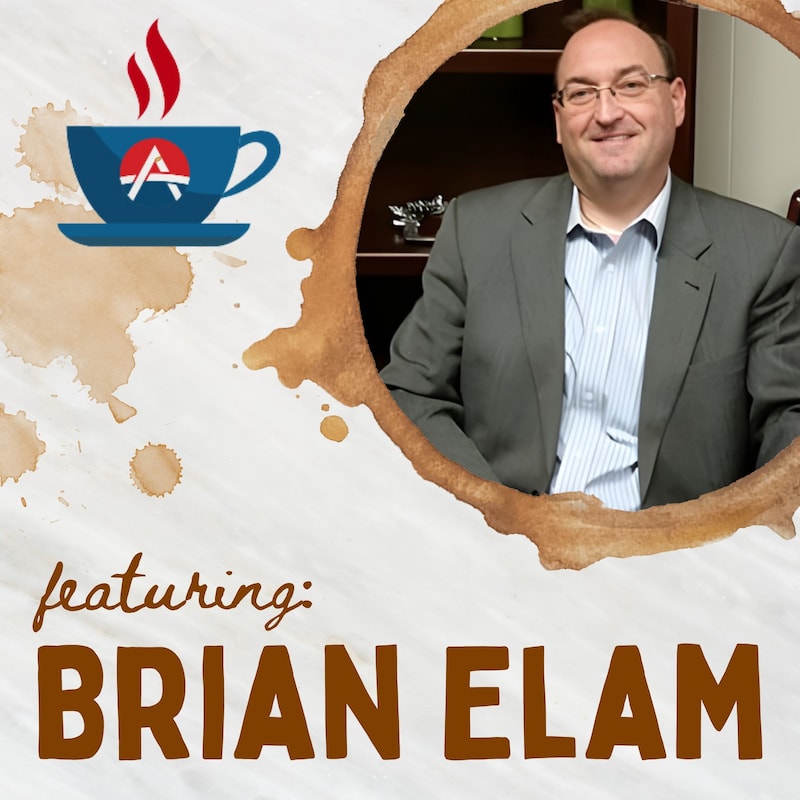
Welcome back to another episode of the IRA Cafe podcast! This week, Kyle Moody welcomes seasoned real estate closing attorney and investor Brian Elam, senior partner at Innovative Closing Solutions and vice president of the Triad Real Estate Investors Association. Together, they pull back the curtain on investing in real estate through self-directed IRAs, tackling the legal parameters, pitfalls, and practical steps every investor should know. Brian Elam brings decades of real estate law experience—having closed hundreds, if not thousands, of self-directed IRA transactions—and provides firsthand stories and actionable advice for both new and seasoned investors.
The conversation covers everything from the importance of hiring the right attorney, differences in closing practices across states, common misconceptions about IRA-owned LLCs, and critical compliance factors you need to consider to keep your investments—and retirement—safe. Whether you’re just starting your self-directed IRA journey or aiming to level up your real estate investing game, this episode is packed with insights to help you become an informed, resilient investor. Tune in to learn what sets investment property transactions apart from primary home purchases, why a business mindset is crucial for landlords, and how to avoid costly mistakes in your IRA investing process.
Key takeaways:
- Legal Differences Matter: Investing in real estate through a self-directed IRA is legally very different from traditional investing, especially concerning title, logistics, and IRS compliance. It’s crucial to hire a real estate attorney who understands IRA rules and coordinates with the IRA custodian.
- Representation Is Critical: In states where attorneys aren’t required at closing, investors may lack proper legal representation, increasing the risk of unresolved issues and costly delays. Even in title states, having your own attorney is invaluable.
- IRA-Owned LLCs Are Not a Free Pass: Forming an LLC within a self-directed IRA offers greater transaction flexibility and reduced costs, but the same prohibited transaction rules and IRS restrictions apply. Custodian oversight is essential, especially for newer investors.
- Timing and Communication Prevent Mistakes: Early, proactive communication between all parties—including attorney, custodian, and settlement agent—is vital. Delays in paperwork or misunderstanding of compliance requirements can result in postponed closings or extra fees.
- Emotional Detachment Is Key: Unlike a primary residence, investors should treat IRA-owned properties purely as a business. Emotional decisions can lead to poor investment choices—maintaining a business mindset helps ensure revenue generation and investment success.
Whether you’re learning the ropes or seeking to protect your portfolio, this episode is your go-to resource for making wiser, safer investment decisions within self-directed IRAs. Don’t forget to check out American IRA’s educational resources and webinars, including Brian Elam's acclaimed presentation, on their YouTube channel and website.
Transcripts
New real estate inside of your self-directed IRA. Do you know all of the legal parameters that are going to be associated with the transaction? We sit down today with Brian Elam, the senior partner of Innovative Closing Solutions, who's going to go over the good, bad, and ugly of everything you need to know in your investing transaction. Welcome, welcome everyone to another installment of the IRA Cafe powered by American IRA. So whenever and wherever you are catching this episode, We are so glad that you decided to join us. As always, we're going to make sure that it's chock-full of some good information from a trusted professional that is going to be guaranteed to bring you fantastic information that you're going to want to use at your disposal when investing, say, in a piece of real estate in your self-directed IRA. And while we're talking about self-directed IRAs, remember The IRA Cafe is brought to you by American IRA, and you can learn more about American IRA and myself and everything that you can do with a self-directed IRA at www.americanira.com. Get all of your information and education there. And oh, by the way, our new link where you can set up your account right from the website.
Kyle Moody [:If social media is your thing, guess what? We're right there on Facebook, right? You got to love technology. Find us on Facebook, American IRA LLC, and like us on there. And guess what? We've also got you covered on YouTube. We're everywhere. We're like Santa Claus, right? Find us, YouTube, American IRA. You can see this podcast on a rebroadcast if you'd like to watch it again and again or share it with your friends. And also catch any of our webinars and those rebroadcasts as well. Anything that we can do to share the knowledge, share the education to make you a very informed investor inside your self-directed IRA and be just a great resource inside of your investment objective toolbox.
Kyle Moody [:To that end, we are actually joined today by a great guest who is an attorney. He's an investor. He's a vice president of an investor association in his town. He is a colleague and more importantly, he's also a friend. Brian Elam is going to be joining us today. He has been a longtime real estate closing attorney. He's the senior partner and owner of Innovative Closing Solutions. He is the Vice President of the Triad REIA, which is the Real Estate Investors Association.
Kyle Moody [:Always taking the time to volunteer in these types of associations where he shares not only his investor knowledge, because not only is he the professional attorney who has thousands of stories that he can share and seen multiple, multiple scenarios that he can draw from, but also really just share his knowledge of being an investor as well. And we're all in those groups surrounded by fellow investors. And it's always great to be able to get information from, from Brian. So I bring Brian in today. Brian, welcome. Again, this is Brian Elam with Innovative Closing Solutions. And we're so glad he can join us today.
Brian Elam [:Yeah, I'm glad to be here, Kyle. I really appreciate the opportunity to speak with you. I think this is an interesting topic. Especially for people that want to invest in real estate.
Kyle Moody [:Absolutely. And folks, we're going to actually back up a little bit, and Brian can stay on the screen here with me if he'd like, but we're just going to, you know, a quick review. You've got your self-directed retirement account set up, you've got it funded, and one thing that you're looking to invest in with that account is is a piece of real estate. Now remember, there's so many aspects to this, but when you really drill down to it, there's one owner and it isn't you any longer. It's your retirement account. Some of the things that we're going to be talking about today with Brian are what do you really need to know, maybe some timing, things that might be considered pitfalls, the, you know, the good, bad, and the ugly, right? It's not always the things that go great that you learn from. But maybe some of the times that things, uh, might not be so great, and that's your biggest learning experience. So you've got your account set up, it is funded, you've got your offer to purchase and contract all set and signed, and you've got your attorney chosen, and it just happens to be Brian.
Kyle Moody [:And quite honestly, any attorney for that matter, but you want to make sure that the things that you don't know, they do. And so one reason we're bringing Brian to you today is really just to share some, you know, anecdotal information. We're just going to kind of, you know, chat it through here with you today, really just get some information from him, stories that he can share, but things that you really need to know and be aware of, whether it's your own primary residence, but most importantly, if it's an investment property inside of your self-directed IRA. So Brian, you know, kind of take us through You know, the intro— somebody is getting started. You see this all the time, whether it's a seasoned investor or a new investor. What are some things that people need to know right out of the gate?
Brian Elam [:Yeah, absolutely, Kyle. The biggest difference is, uh, honestly, the biggest pitfall that I see in the beginning is with the seasoned investors. They are accustomed to investing in real estate, and they fail to understand how investing with their self-directed IRA is different in almost every way. Just through the logistics, the title research, the lien formation, getting good title, all those things are the same, but how it happens is very different. So, like I always tell folks that are invested in or interested in investing in real estate, Don't go to the attorney that handled your teenage son's traffic ticket unless they also do real estate. Because just because you know an attorney doesn't mean the attorney knows how to do what you're going to want them to do. Further, once you find a good real estate attorney that you can develop a relationship with, you need to make sure that they understand how to coordinate and work with your self-directed IRA custodian. The majority of people invest directly from their self-directed IRA into a type, some type of real estate investment, whether it's a loan that they're making to someone else or they're actually acquiring, say, a rental property that's going to be owned by the self-directed IRA.
Brian Elam [:So beyond just working with real estate in general, the attorney that you're working with needs to be well-versed and comfortable in dealing with self-directed IRAs. I operate out of North Carolina and we are what is called an attorney-required state, so an attorney must be involved in the closing. Not every state is like that. However, every state does permit you to hire an attorney to look out for your interest and to represent you.
Kyle Moody [:Brian, I'm glad you bring that up because obviously we've got thousands of clients across the entire, uh, continental and, uh, uh, states that are out there, Alaska and Hawaii as well. They're everywhere. And to your point, not everything is like we do it here in North Carolina. What's the other way that someone can close on a piece of property if they're not using an attorney in an attorney state?
Brian Elam [:Yeah, you will typically hear it referred to as a settlement office or settlement agency. Sometimes it's called a title agency. And the ironic thing is that normally those are run by attorneys. So even when the state doesn't require an attorney for closing, typically there is an attorney back there somewhere. It just shows you how legally disposed investment in real estate is. There are so many legal issues. There's so many technicalities and things that have to line up that typically there's an attorney back there somewhere who's managing everything. Now with our practice, you actually get an attorney at the closing table.
Brian Elam [:That's one of the things that we, we do to separate ourselves from some of the competition is you're going to have someone sitting at the table with you who can answer questions. And could give you legal input about your transaction.
Kyle Moody [:Does that mean that if you're using a title company somewhere else, does that mean you're, you're, you're missing out or you might not be fully represented? Who do those— you know, to your point, when you're sitting there with your attorney that you chose to close on your property that either, A, you are getting ready to move into or use as an investment property inside of your retirement account, You're still the account holder and therefore you have your true representation. Are you missing out on anything in a title state if you don't have an attorney sitting there with you?
Brian Elam [:Possibly, uh, in the title states or the settlement office states that I'm aware of, uh, almost always the lender has an attorney representing them. They may not actually be at the culmination of the transaction. But they definitely have an attorney representing them. And unfortunately, what happens in many of the title office states is even though there's an attorney that runs the settlement agency, that attorney does not represent any of the parties to the transaction. And so I have, um, heard stories where people will go to the closing or the settlement, they'll have a question. And what happens is the settlement officer closes the file and says, you need to go hire an attorney, and it delays everything. And sometimes it was just a simple question that if the person were represented by someone at the table, it could have been answered immediately, could have been addressed right then rather than putting everything off. So that's, that's a difficult thing to, to know at the last minute or to not understand upfront.
Brian Elam [:The why is representation important? Because, um, the reality is that my client likely understands the investment better than me. They've, they've done more due diligence on the actual property itself or the, or the borrower that they're lending to. They have investigated this. They've probably, um, been involved in more investment transactions than I have personally. However, I've read far more legal documents and understood far more logistics in a transactional sense. So just like they're probably more experienced than me with this particular investment, I'm more experienced than them with the legalities of it. And so it does help. I say all the time with our investor clients, we're partnering with you.
Brian Elam [:You know, you, you do what you're best at and I'll do what I'm best at, and then together we can make sure you're making a wise investment and that it's legally safe for you.
Kyle Moody [:No, fantastic. And you know what, let's kind of unpack that a little bit. Um, you know, we talked a little bit about the seasoned investor. One thing I'd like for— if we have any new investors, uh, that are listening to us, um, on here, want to kind of target them as well. Again, this is something that You don't know what you don't know, and it's amazing the number— well, not amazing because it kind of falls right in line— if somebody is brand new to the investing game, and let's now say they're brand new to a self-directed IRA, they've done everything correctly, they've got it funded with the, you know, the cash they need to have in there, they've identified the property, and now they're moving forward, but it's still a lot of the world of the unknown, right? So tell us a little bit about— and And by the way, this is also an investor who may have bought maybe their, their first primary residence. Maybe they've, you know, they're on their second or third primary residence. But when you start getting into the world of investing, it's just different. At least that's the way a lot of folks like to lay it out in association meetings or any of the rental meetings.
Kyle Moody [:Can you shed some light on that? Tell us about what are some of those differences, number one, that someone should know when purchasing an investment property as opposed to a primary residence. And then number 2, if it's okay, so I'm going to give you some time to talk about this, maybe differences when using a self-directed IRA and some of the things they need to know about the differences then as well.
Brian Elam [:Yes. So I'll speak to the seasoned investor first. So I would consider a seasoned investor, someone who owns more than just their primary residence. Maybe they've had a rental home in addition to their primary residence for some time, or they've acquired more than one rental property. I know that might seem like a too broad of a definition for a seasoned investor, but if we're thinking about things honestly, most people go through their lives and at best own their primary residence. So really to take that next step and to develop some type of rental property that you're not living in really puts you into a camp that's way smaller than homeownership. So for, for those folks that are more seasoned investors, one of the attitudes that they begin to develop, and I actually learned this, I, I didn't know to teach it before I was mentored. But never get emotionally involved with an investment property.
Brian Elam [:Your primary residence, I get it. You know, the kids' heights are marked on the door jamb. You know, this is, this is where we were when we found out this happy news. There are reasons that you get emotionally connected to your primary residence, but with an investment property, what I have learned is that it's, it is a business, even if it's just one rental house. It's a business. And so it needs to operate as a business. It needs to generate more revenue than it costs. And once that doesn't work, you know, maybe you drag it along for a month or two, but when it's clear that this investment opportunity is broken, you need to cut that investment and move on.
Brian Elam [:So that would be my, my number one bit of advice to the more seasoned investor. And then for the newer investor with a self-directed IRA in particular, the biggest piece of advice I could give you is that you don't own this property. And I would say that even if you're investing as an LLC, people take the investment really personal. And I will just tell you, having been a landlord, actually the first business I ever started was a property management company. And boy, did I learn a lot about tenants then. I was barely an adult myself. And, you know, it was fascinating to me. This was the hardest lesson for me to learn, is that whenever a tenant would move out, they would take all the light bulbs.
Brian Elam [:So I would go in a lot of times because I'm running the property management company as a second job. So I would go in a lot of times after dark And it'd be, I couldn't turn on a single light. So I learned to, learned to keep a flashlight in my, um, my house bag so that I could see around. Who does that? Right? I mean, so homeowners, when they're selling a house to someone else, they don't usually remove all the light bulbs. It is a different project, um, to have an investment property. The other big thing with a self-directed IRA is you individually, you really do not own the house. If you go over there and do anything personally, the IRS is going to be offended by that and potentially you're going to just tank your entire retirement account. And so you want to be very careful about making sure you keep those self-directed IRA assets really separate and distinct from who you are personally.
Kyle Moody [:Now, good point there. And, you know, you briefly touched on the LLC there. You know, that is something that at American IRA, not only do we allow the use of the LLC, we actually have our sister in-house companies that can put the whole thing together for someone. But whether we're doing that and they now have the IRA-owned LLC or they're using just the IRA, it really doesn't matter how arm's length you get. You are still beholden by the rules and the regulations of the IRS, correct?
Brian Elam [:Yes, sir. I'm really glad you mentioned that because after our recent conversations, I actually had a call, a follow-up call about that exact issue. And too often the belief is that you can use your self-directed IRA to create an LLC and you can. There's nothing prohibiting that. However, that does not mean that the prohibited transaction and the prohibited parties rules don't apply. To that LLC. So the same rules that you can't enter into a transaction with someone that the IRS thinks is too close in relationship with you, or you can't say buy a beach condo that you're just going to use for your personal family vacations, that type of prohibited transaction, just because it's in an IRA-owned LLC, you don't suddenly get protection from those things. So all the same rules apply.
Brian Elam [:I say having your self-directed IRA own an LLC. I'll go ahead and tell you the benefits. They're pretty easy to understand. The transactional costs are less because you're not having to engage the overview and oversight of the custodian with every transaction, but also it's quicker. So the LLC would have a bank account and you can get the earnest money from there without any great theatrics. You can get the money for closing to acquire the property directly from the local bank. So that, those are really the big benefits of it. The huge pitfall is that you don't have a custodian there granting you oversight of what you're doing.
Brian Elam [:And I will tell you, for most people, they really need that custodian to help them navigate the process. You know, so having a self-directed IRA-owned LLC is a highly advanced investing strategy. So if you're brand new to this, I would say definitely don't do that. Make sure you get some experience before you set one up.
Kyle Moody [:You know, I, for those of us who know Brian, Brian's got more kids than I do, which, which I've just got the one. But you know what, I was a kid. One, at one point as well. And for some reason that just kind of popped out that I can hear my parents saying, well, number one, if you have, or my mother specifically, if you have to ask me, more than likely the answer is going to be no. The second thing I can hear my dad saying, um, you know, be a good person. Make good decisions. And that's just while I was living in their home. That still carried forth when I went to college.
Kyle Moody [:So now I'm across the state, same, you know, moral rule really applies. I guess you could kind of— I don't know how I kind of tripped on this one, but, you know, inside your IRA with our custodial staff handling all your transactions and being able to go through things and put it through compliance, We're looking at things through a lens of if something is doable or not. Now, obviously, we can't always attest to where something is prohibited or not. That's really not our job. That is your job to make sure that you are bringing a viable, legitimate investment in and that there is nothing wrong with that. You've got some questions on how the you know, maybe something should be vested, that's one thing. But now, to Brian's point, when you set up the IRA-owned LLC, yes, you have more freedom and flexibility, just like somebody going to college, but there's some, you know, inner rules and, and, and things there that, that you've known for a long time that, uh, that, that you always want to take with you no matter where you are. So hopefully that's a, uh, an example there that somebody can resonate with.
Brian Elam [:Yeah, I think so, Kyle. And it's funny because I have a quote here on my computer from an old preacher. He said, "There is no right way of doing a wrong thing." And that rule applies not only to all of life, but certainly to investing in your self-directed IRA. And I will tell you, that's the number one question I get is, I'm frustrated. At the IRS's rules and restrictions over my self-directed IRA. How do we get around them? And my typical response is we don't get around them. You know, this is, uh, being able to invest in a self-directed IRA is such an incredible freedom and economic opportunity for you to take control over your financial future. We just have to play within the rules because if we routinely violate the rules, this opportunity is going to go away for everyone.
Kyle Moody [:You know, and folks, as we talk about, you hear from time to time when I'm introducing someone, and today was no different, that we're bringing a knowledge and professional input that you were able to use in your self-directed path. Brian, you're not only speaking as an attorney who just knows the law on this and you just happen to be aware of self-directed IRAs. You have actually closed, I mean, I dare say hundreds if not thousands of transactions over the years that may have been a product of a self-directed IRA. Is that right?
Brian Elam [:That is correct. It's enough to where I've quit keeping track. Initially, I remember my very first interaction with a self-directed IRA account, and I did not do a good job. I mean, I didn't, you know, commit any malpractice, but I didn't handle it well because I really didn't know what I was doing and I didn't know what to expect. It is a, it's a learned skill. It can be learned. So if you've got a trusted attorney, that you want to continue to work with and work with your self-directed IRA account, it is absolutely something that a competent attorney could learn. I like, um, boy, I've been working with American IRA on a transactional basis for decades, and I like working with American IRA because of two reasons.
Brian Elam [:One, they really have North Carolina roots. And so, I could drive up to Jim's office and yell at him if I ever needed to. Thankfully, I never needed to because he always made sure that things were handled appropriately. The other thing that I like about American IRA is they give their account holders something for free that many IRA custodians charge extra for. And that's a, I call it a transactional coordinator. I don't know what you guys call it internally, but you will get with American IRA a dedicated employee of American IRA that'll help you walk through the transaction. So just like you were talking about, Kyle, when you have these questions about how do I handle this, what forms do I fill out, you know, what kind of timeframe, you've got somebody that's going to be handholding the account holder through that process.
Kyle Moody [:No, that's great stuff, Brian. And you know, one of the things there too, I think a lot of this culminates because we've talked about this before. You hear the transaction specialist or, or their transactions coordinator. They can interchange. Yes, someone gets to interface with those. And, you know, a little plug here, when you're doing it with our company, there's other companies out there that are going to charge you an extra $250 a year just to have that service. You get it with American IRA and it doesn't cost you a penny. Okay, well, they don't, they don't make those anymore, so it's not going to cost you a nickel.
Kyle Moody [:It's free, in other words, and that's what Brian was talking about. But Brian, if you wouldn't mind, you had mentioned one time, you know, Kyle, the one thing is though, real estate's real estate, attorneys are attorneys, attorneys who understand real estate closings are one thing, but you also talked about finding an attorney who understood the nuances of using the self-directed IRA for the real estate investing if you can. And it's not just about American IRA, but things are just different when you're using a self-directed IRA for a certain investment. And folks, look, Brian also closes secured notes. Remember, it's not just about real estate with your self-directed IRA from American IRA, but if you're looking to get away from the real estate or if you're not sure about it, hey, guess what? Some of our best private money lenders with their retirement account are folks who thought they were going to be doing real estate. And guess what? When you're securing up that note, Guess what you need in North Carolina? You need the attorney like Brian to also close it and record it. So Brian, whether it's real estate or in this case I just kind of threw in, um, uh, private lending in there, what are some things that people need to understand, uh, the differences? If some memory serves me correctly, I think you've talked about you may notice a little bit more paperwork, you might notice, uh, the length of time to get something done, and it's not that it's just, you know, a ball being dropped or something like that. It's really the process.
Kyle Moody [:Can you elaborate on what you see from your end?
Brian Elam [:Yeah, absolutely. So the— I would say regardless of the investment asset, but particularly with real estate, because there's so many pieces of paper with real estate that it gets a little overwhelming. But you as the account holder, your biggest role is really being a liaison between your custodian and the closing attorney or the settlement office. And you need to start talking as soon as possible with all the parties involved that you're going to be using your self-directed IRA. There's going to be extra steps they may not be familiar with, but you need to reach out to your custodian and give your custodian contact information. And so what we do internally at Innovative Closing Solutions is we prioritize self-directed IRA files because we know that, that things just have to be done sooner. So for instance, let's say that you're just investing in a private money note. So you're loaning money to your next door neighbor who's going to use it to fix up a rental house that you've gone and looked at and you feel comfortable with the investment and you're going to give him $50,000 and he's going to use it to fix up the property.
Brian Elam [:All of that documentation. Is going to need to get to your self-directed IRA days before they need to send the money. Because what's going to happen is your custodian is not going to release a single dime from your self-directed IRA account until every piece of paper is approved and correct. So that's address, names, the vesting of, uh, like the beneficiary has to be exactly stated. How the custodian wants it to be stated. And they aren't just trying to be picky. They're trying to make sure that the investment complies with the IRS rules. So, all of that happens days before the transaction, sometimes weeks, depending on how quick the self-directed IRA custodian can move.
Brian Elam [:If your realtor, your settlement agent, whoever the professional is that's involved is not aware or accustomed with that, then it's going to delay the transaction. There's going to be frustration. And I have seen people with their self-directed IRA accounts have to pay additional fees to try and rush the paperwork through because the professional didn't get things done in time. And I'll be honest with you, it's happened when we've handled it. It happens sometimes, but our goal is to be in advance on these particular closings. So that when we know those delays and extra timing comes, it won't be a problem for the account holder.
Kyle Moody [:How fast someone is— again, I think this one's going to go back to more of the beginner. They have set up their account, they have funded their account, the investor that is, the account holder, and they think they have located a property, um, that thought has turned into an offer to purchase and contract, whether they are working with an agent, or let's even talk about if they're going at it alone, um, how soon should someone be contacting your office in the process, uh, for assistance?
Brian Elam [:Yeah, so we typically tell people to contact us as soon as they have a signed contract. Even if, like, we've got a file we're working on now where the closing's not until mid-March, and we'd rather go ahead and know about it because sometimes people get ready sooner and we'd like to go ahead and be ready so that if everybody wants to speed it up, we could do that for you. Um, sometimes it won't happen until mid-March and that's fine. Uh, we're just well prepared. So I would say for the self-directed IRA, definitely as soon as you have signed paperwork, we need to know. Even if you haven't talked to your custodian yet, which you should have done before a contract was signed, talk to us. And so we want to be, you know, out in front of this. The scenario you described is kind of the perfect scenario, but I will tell you what normally happens with new account holders is they locate a property.
Brian Elam [:And then they think, oh, I've just left my job and I've got, you know, $125,000 in a 401(k). Boy, I sure would like to be able to use that money to purchase this new property I found. And so they've already executed a contract and then they want to try and convert it over to a self-directed IRA transaction. That creates both legal and logistical problems. But the biggest one that I find that new account holders are not prepared for is that the federal government requires that a new account be open for 7 days before any deployment of capital can occur. So you're already going to lose a week right there, um, just getting the account open. So many new investors, new self-directed IRA holders are not accustomed to that, that that's going to create additional timing. The other thing is if you're doing a complicated transaction, so what you've described, Kyle, is a pretty straightforward transaction.
Brian Elam [:I have my account, it's ready to go. I find a property and we invest in it. What if you don't have enough money in your self-directed IRA account and you need an investment partner or you're going to use your LLC to fund the rest of the money? All of that is permitted if you do it at the time you acquire the property. So we got to be really careful, really technical with the wording of the buyer on the contract. So for that reason, if you're going to do something more than just a plain vanilla self-directed IRA closing, you probably need to get your closing attorney involved early and say, okay, how do we put people's— yeah, yeah, yeah. I mean, how do we title this on the contract? What can I do versus what can I not do when I'm partnering with my self-directed IRA?
Kyle Moody [:Well, and that again, too, is assuming that everything on the attorney side is going to flow smoothly. I believe during an association meeting you told us the other night, hey, there's still title searches and everything. Just because it's a self-directed IRA-owned property does not mean that the title searches and everything else are done any different. Those things, if I'm not mistaken, are all done the same. And what happens if you find out that, let's say the seller that's selling the property is maybe not the person who owns the property? That goes into—
Brian Elam [:that's my favorite is when they're, yeah, when they're dead. That is more fun.
Kyle Moody [:Do you know what you're, and again, The self-directed retirement account is an inanimate object. You are the account holder. You've got to have the knowledge and then make sure your trusted professionals are working accordingly. But that could really pause something as well. Do you have any kind of anecdotal story about that?
Brian Elam [:Yeah, absolutely. So we, I mean, I've got a file that's going on right now. We originally touched this file in 2023. So we're working on, we're starting year 8. We're about to, um, we're almost complete with our, uh, year, um, 2. So we're about to start into year 3. And when we first touched this file, we came back and all our title work said that, you know, Mr. Smith owned it.
Brian Elam [:And we look at the contract and Mr. Smith didn't sign it., some other guy, actually it was two guys signed it. So we began asking questions like, who's Mr. Smith? Oh, that's my dad. He died. Okay, great. Well, maybe you guys own it. So let's start digging into that.
Brian Elam [:And, uh, then it turned out they had a sister, uh, as well. And then it turned out one of them had not an ex-wife in prison. Um, she should have been an ex-wife, but she's not. So here we are. I mean, we're We're hoping that we get that finalized in February. So it's going to be into year 3 before we go from the original contract stage to the closing stage. Now you can imagine the opportunity cost of that. And so if you've got money set aside in your self-directed IRA and you're anticipating buying this and it takes 2 years.
Brian Elam [:To get to the closing table, how many investment opportunities did you miss along the way? So I will say, particularly for self-directed IRAs where you're typically looking at cash transactions, not lender transactions, so there's a huge opportunity cost to investment, uh, using realtors can actually really benefit you. And I know a lot of investors shy away from using realtors, but realtors are ethically charged with doing some due diligence upfront and trying to understand, hey, these people we're wanting to get to sign the contract, how do they own the property? Just that simple question alone can save you months, if not years, on, on getting to the closing table.
Kyle Moody [:Gotcha. Well, Brian, listen, we could go on and on and on and on about the different stories, all the different aspects. And for those of you who are still watching and listening to us, right now. Keep in mind that Brian has already shared a wealth of knowledge on one of our webinars. It was widely acclaimed. There was a, there was a great attendance on there. And what's great for you and free of charge is to visit us on our YouTube channel to be able to pull that up and see that rebroadcast. Brian touched on these things that we've been talking about today and much, much more.
Kyle Moody [:You can actually see his actual presentation. And then again, if this is something that you're ready to get started with, keep in mind that you can contact me or anyone in our office by going to www.americanira.com. You've got all of our contact information on our website that you can send me an email, you can call me directly. I'm always here to answer your questions to make sure that you understand what you really need to know when using your self-directed IRA. Keep in mind, we're not fiduciaries. I nor anyone else in my company, or our company I should say, is permitted to give you any tax, legal, or financial advice, suggestions, or opinions. Oftentimes we're going to get a lot of questions that might seem— if I answer that question, you're going to feel like you've been advised, and you shouldn't feel like that after having a call with me. Rather, you're going to hear me encourage you to speak to your trusted professionals.
Kyle Moody [:And whether that is your CPA, whether that is your true financial advisor who will continue to give you that financial advice that you need, or whether it is your closing attorney that understands self-directed closings inside of that account and that investment property. And you just heard from one of the greatest here in Brian Elam. I'd love to be able to see if we can get you to come back for a podcast. And for those of you who are hearing this and you did see his webinar, or even if you didn't see Brian's webinar, you are going to get a chance to see another one. Because if you have also listened to another one of our guests on the podcast, John Hamrick, well, the two of them are going to team up as the Sub 2 Cowboys. And if you have already seen that webinar Fantastic. If you haven't yet, you're going to gain a wealth of knowledge that they're going to be able to share really from the legal, from the insurance side, but together as investors in sub-2 properties with a self-directed IRA. So until then and until our next time here on a podcast, wherever and whenever you choose to listen to us, We're so happy that you did join us today on the IRA Cafe powered by American IRA.
Kyle Moody [:We're looking forward to seeing you again soon.
Brian Elam [:Bye now.
Voiceover [:Thanks, Kyle. American IRA, LLC, a North Carolina LLC, acts as a third-party administrator for New Vision Trust Company, a state-chartered South Dakota trust company. As a neutral self-directed IRA administrator, American IRA does not recommend or endorse any clients, individuals, or entities, including financial representatives, promoters, or companies. American IRA and the IRA Cafe are not responsible for other statements, representations, or agreements, nor do we evaluate the quality or profitability of any investment. American IRA does not endorse guests on the IRA Cafe podcast. Guest opinions are their own and do not necessarily reflect the views of American IRA, its subsidiaries, associates, or custodian. Participation in the podcast is voluntary and no compensation is provided. American IRA is not a fiduciary and cannot offer financial advice.
Voiceover [:Please consult your CPA or another professional before making financial decisions.
