Shownotes
Su Murley, Episode 54: Exploring the Artistry of Children's Literature Through Tongue Twisters
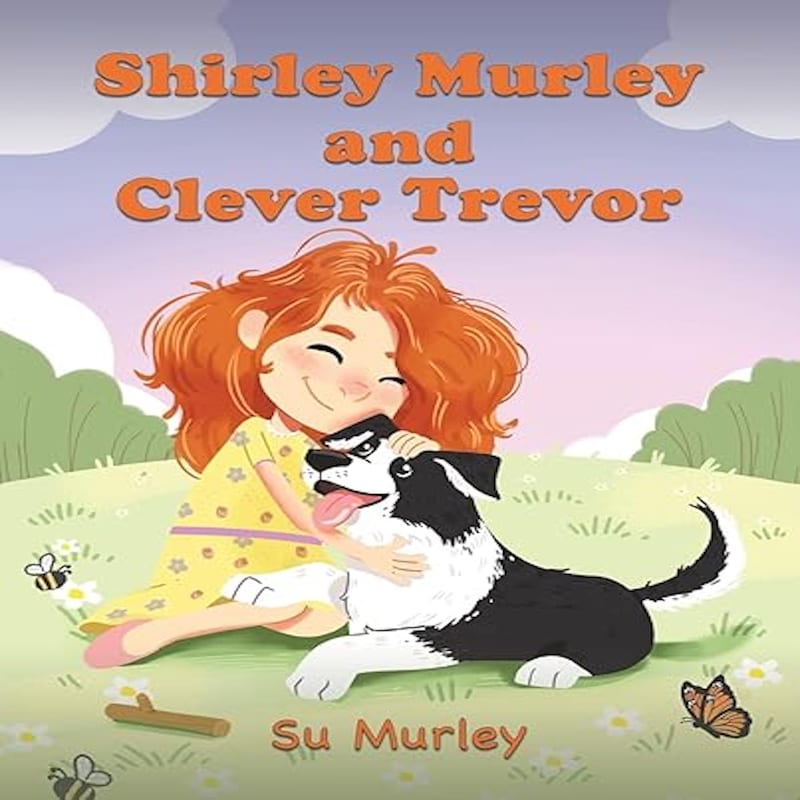
The primary focus of this podcast episode is the profound journey of Su Murley, a children's book author, as she discusses her latest book, "Shirley Murley," from the beloved Shirley Murley series.
In our conversation, we delve into the inspirations that have driven Su to write, including her desire to create relatable characters for children and the importance of inclusivity and diversity in literature.
Su reflects upon her evolution as a writer and the significance of her experiences in engaging with young audiences, thereby fostering a love of reading. We also explore the transformative power of storytelling and how Su’s books not only entertain but also impart valuable lessons to their readers.
Join us as we explore the intricate relationship between creativity and the passion for cultivating a new generation of readers through the art of children's literature.
Su delves into the inception of her character, which originated from a playful family joke about naming her daughter. This whimsical concept has since evolved into a successful literary venture.
Throughout the conversation, Su reflects on her journey into authorship, highlighting the challenges and triumphs she faced as a newcomer to the literary world. Her passion for writing is evident as she describes the creative process behind her rhyming stories, which are designed to captivate and inspire young readers.
Her commitment to engaging with children through book tours is also discussed, revealing her dedication to fostering a love of reading among young people.
The episode concludes with Su's insights on the evolving nature of her writing and her aspirations for future projects, leaving listeners with a sense of inspiration and encouragement.
Takeaways:
- Su Murley discusses her journey as a children's book author, highlighting the origins and inspiration for her character Shirley Murley, which began as a playful idea during her early family life.
- The importance of engaging children in reading is emphasized, with Su Murley actively promoting her books in schools and encouraging young readers to embrace literature over screens.
- Su's writing process involves creating rhymes first, which she then develops into storylines, reflecting her unique approach to children's literature and her understanding of the target audience.
- She expresses the joy of being recognized by children as Shirley Murley, illustrating the impact of her work and the connection formed through her books.
- Diversity and inclusivity are central themes in Murley's books, as she strives to create characters that every child can identify with, thus promoting a sense of belonging.
- Su Murley plans to continue her journey as an author while balancing her current job, highlighting the dedication required to succeed in the competitive world of children's literature.
Companies Mentioned:
- Austin Macauley Publishers Ltd.
- Amazon
Links:
- https://a.co/d/fFdnOLW (link to the book Amazon, Shirley Murley and Clevor Trevor)
- Su Murley | Hello - I’m Su Murley author of ‘Shirley Murley’ ️ …
- Su Murley, Author (@sumurleyauthor) | TikTok
- https:austinmacauley.com
Transcripts
I'm Sue Merle.
Speaker A:I'm the author of Shirley Merle and Shirley Murley and Clever Trevor.
Speaker B:Oh, thanks, sue, for appearing on the Adventures in the Heart of Children's Book Authors podcast.
Speaker B:Sue, as she mentioned, has written a book series about Shirley Merle.
Speaker B:And we're going to be discussing your latest book in this series, Shirley Merlee.
Speaker B:And Clever Trevor and I look forward to our conversation.
Speaker B:Before we get into the details of your book and your children's book authorship, can you tell us what it means to you being a children's book author?
Speaker A:So I get asked this a lot.
Speaker A:It was something I always wanted to do, but I didn't actually know it was a job.
Speaker A:Didn't actually know people wrote the books.
Speaker A:When I was young here in the uk, you'd go to the library, you could borrow six books when I was young, and you'd always go into the library.
Speaker A:I'd see the books, they were ever changing, but I never thought about the people sitting at home writing them.
Speaker A:So me, I thought of the idea of Shirley Merle.
Speaker A:Over 30 years ago, we were thinking of having a child.
Speaker A:My surname is Merly.
Speaker A:And we said, oh, it'd be really funny if we called her Shirley.
Speaker A:So she'd be Shirley Merlee.
Speaker A:And if she had curly hair, she'd be a curly Shirley Merle.
Speaker A:And if she was never late, she'd be an always early curly Shirley Merly.
Speaker A:And we had this joke, and we talked about this joke for many years.
Speaker A:I did have a daughter, but I did not call her Shirley.
Speaker A:And then about three years ago, I thought, I'm heading to retirement now.
Speaker A:If I don't try now, what's going to do?
Speaker A:What am I going to do?
Speaker A:I'm never going to know if I can make it.
Speaker A:So I wrote Shirley Merle down.
Speaker A:And to me, that first day when I could go on Amazon and see my book, and the first day I could type Sue Merly into Google and find Sue Merle, author, that was it.
Speaker A:It was just amazing.
Speaker B:Perfect.
Speaker B:I had a guest on and Terry Lilga, episode 13.
Speaker B:She had the same story.
Speaker B:She went on to have a family.
Speaker B:She was a teacher.
Speaker B:And she wrote this book 30 years ago and then put it on a yellow pad and she tucked it away.
Speaker B:And when she retired, she thought, if not now, then when?
Speaker A:Exactly.
Speaker A:And that is what I say a lot.
Speaker A:I say this and I say, yes, I've thought about this for 30 years.
Speaker A:I always say it.
Speaker A:So if someone was having a baby, I'd say, oh, we were going to call Our little girl Shirley.
Speaker A:And I'd say it and everyone would laugh and it would just carry on and on over the years.
Speaker A:And then I thought, you know what, I'm writing this down.
Speaker A:And then obviously more recently I wrote Shirley, Molly and clever Trevor.
Speaker A:I write in rhyme all the time from six till nine, but it's fine, it's so much fun and I write rhymes all the time.
Speaker A:So I wrote the rhyme for Shirley Murray and clever Trevor and then thought, well, is this good?
Speaker A:Am I just because Shirley Merle has taken off, am I thinking, oh, yes, I can write a second book?
Speaker A:So I actually asked a couple of head teachers that I know really well, I said, can you read this?
Speaker A:Is this equally as good or am I clutching at straws?
Speaker A:And they said, no, this is good in its own right.
Speaker A:And that's how I've now got two and more coming, hopefully.
Speaker B:That is fantastic.
Speaker B:So tell us the inspiration and the origin story behind both books and tell us what has changed from your original inspiration to now from your first book to your second book.
Speaker A:100% obviously.
Speaker A:My daughter having a ginger.
Speaker A:You can see this.
Speaker B:Yes.
Speaker A:Having a ginger haired daughter, we could never get books with gingerhead characters when she was little.
Speaker A:So the idea of Shirley Murley was, oh, if we have a little girl, as I say, we'd call her Shirley.
Speaker A:So that's how it started.
Speaker A:I have a really successful book tour around the uk, around Hertfordshire, which is where I am, in Bedfordshire and Essex, they're different counties in England and I go to schools every week, I go to a different primary school every week and I talk to the children and my passion for books has 100% increased and I'm now enthusing the children and when they say, oh, I'd like to write a book, I know I'm doing the right thing.
Speaker A:It's just a passion.
Speaker A:It's the passion of getting them to read a book rather than watch the TV or play on a computer game.
Speaker A:So with Shirley Murley, obviously based on my daughter, my son, they're both adults, my children, you wouldn't think it.
Speaker A:My son has always been very stroppy about it and so I'm not in Shirley Merle.
Speaker A:In Clever Trevor, we illustrated a character that actually looks like him.
Speaker A:He is a football coach and if people see the book, oh, very my son and look like my son.
Speaker A:So, yeah, I'm all about diversity.
Speaker A:I'm all about making sure everyone thinks that they can see someone like themselves.
Speaker A:Yeah, it's just, it's the passion on books really.
Speaker A:That's what I found.
Speaker A:More and more that I love talking to children and seeing them thinking, oh, you know what?
Speaker A:I'm going to go and read a book.
Speaker B:I was saying I was talking to someone yesterday and we were talking about with my five grandchildren involved.
Speaker B:And because our.
Speaker B:Yeah, five.
Speaker B:And because they all wanted to be characters in the book.
Speaker B:So I asked them, okay, what character would you like to be?
Speaker B:But we made sure that put together a list of all the animals that are that live naturally in the Rocky Mountains.
Speaker B:And then they chose their own character.
Speaker B:So, yeah, that was a lot of fun.
Speaker A:So I do think it's really important.
Speaker A:So, as I said, we've illustrated my son, and now my daughter's fiance said, I'm not in the books.
Speaker A:He chose another character.
Speaker A:He said, I want to be the cowboy.
Speaker A:And I said, there's not a cowboy.
Speaker A:Clever Trevor.
Speaker A:And he pointed out that there is actually a cowboy that the illustrators have put a cowboy.
Speaker A:Oh, I've all decided.
Speaker A:And actually, if you look at the characters in Shirley, Molly and Clever Trevor, I describe myself and my husband, and that's terrific.
Speaker A:You can really see the characters.
Speaker A:I really try hard to make sure that there is a character that every child can identify with.
Speaker A:I don't like to see that.
Speaker A:I'm sitting there, I'm standing there in front of two, three, 400 children, and I look around and I think, okay, yeah, I can see all the characters.
Speaker A:The diversity I've got in my book, I can see that is mixing and matching with everybody here.
Speaker A:And I try and really bring everybody in because I don't want it to be just a girl book or anything.
Speaker A:Like, I want it to be something that everyone enjoys and touch.
Speaker A:So far, it seems to be going in the right direction.
Speaker A:I'm really pleased.
Speaker B:Yeah, that is excellent.
Speaker B:I was interviewing an author, Laura Strachan, episode 45.
Speaker B:And she actually purposely had.
Speaker B:It's about mermaids, but she purposely had a character that was a shark that she didn't name.
Speaker B:And when she goes to do school readings, she says to the boys, oh, why don't.
Speaker B:Why don't you name the shark?
Speaker B:So just to get them engaged.
Speaker A:So, yeah, I saw in one of the ballet studios in the books, there's a boy ballerina.
Speaker A:And I do get.
Speaker A:I say, does anyone here do ballet classes?
Speaker A:And I've only very rarely had boys put their hands up.
Speaker A:And one boy, little boy said, oh, but that's for girls.
Speaker A:I said, it's actually not.
Speaker A:I said, to be a boy ballerina is a huge Strength and the amount.
Speaker A:And I really promote that and I'm really all about that.
Speaker A:So there's a little girl playing football in the book and things like that.
Speaker A:And at the end of the second book, it's a family scene.
Speaker A:There's Shirley and her dog and her mom and dad and they're making cakes, but it's the dad who's making the cakes and the mum's just standing there watching him.
Speaker A:Just little things that make me think.
Speaker A:Yeah.
Speaker A:I'm making sure people see that.
Speaker A:It's not very gender stereotypical.
Speaker A:It's all very.
Speaker A:Anyone will enjoy it.
Speaker A:There's nothing that will offend anybody.
Speaker B:That's fantastic.
Speaker B:Because even you know what.
Speaker B:And sue, it's interesting say that because we've got two.
Speaker B:Two books in print right now and we've made sure if you look at this page here.
Speaker A:Yeah.
Speaker B:You'll see there's animals, people, indigenous people.
Speaker A:Exactly.
Speaker B:Living in harmony.
Speaker B:That's the neat thing about being children's book authors.
Speaker A:Exactly.
Speaker B:Is we have this license to.
Speaker B:Well, to make the world, I think, better.
Speaker A:I think so.
Speaker A:One of the head teachers said to me, one of the areas that isn't really catered for are children with cochlear implants.
Speaker A:Deaf children.
Speaker A:And so in one of the pages in Clever Trevor, I haven't mentioned it.
Speaker A:I don't talk about this character.
Speaker A:There was a little girl, a cochlear implant.
Speaker B:Oh, yeah.
Speaker A:And they said to me that if a child has this and is there, they will notice it.
Speaker A:And I was with.
Speaker A:I was presenting at an event and there was a family there and they bought their child on.
Speaker A:And she was doing some coloring with me and everything.
Speaker A:And I thought she has hearing aids.
Speaker A:And I don't normally point it out to people because I don't want it to be like, oh, look at me.
Speaker A:I've been very diverse.
Speaker A:But I said to the parent, can I just show you something?
Speaker A:And I showed the mum.
Speaker A:And the mum was quite tearful and she said she would look at this book and she would see this child and she'd say, she looks like me.
Speaker A:She's got the same.
Speaker A:And obviously she bought my book, which is a bonus for me.
Speaker A:But that wasn't the point.
Speaker A:The point was I wanted to make sure that people could see that everyone's represented.
Speaker B:I interviewed an author recently, Christiana Greer, episode 44.
Speaker B:Wrote a book called the Boy in a Wheelchair.
Speaker B:And I said to her, I said, do you have a friend or family member that's in a wheelchair?
Speaker B:And she said, no.
Speaker B:And I said, what inspires you?
Speaker B:And she said, I was in the US Military and I'm very active in.
Speaker B:They have the veterans homes.
Speaker B:And she said I would go there.
Speaker B:And of course some of the guys are in wheelchairs and she just wanted to bring that to life.
Speaker B:But she did it through a children's book, which I thought was very neat.
Speaker A:You have to be really careful that you don't overdo that.
Speaker A:You don't want someone to let that and tick it all off.
Speaker A:Oh, you've got someone in, someone with this, someone with that.
Speaker A:You don't want to be that person who's just putting them in for the glory.
Speaker B:And what Krishana was trying to convey was through the whole book was that the boy in the wheelchair could do anything and that his parents made sure that he still had to do his chores around the house and stuff like that.
Speaker B:Yeah, very, very.
Speaker A:Yeah.
Speaker B:I'm interested in as now that you're into your second book and you're thinking ahead to more books, do you have a children's book business plan?
Speaker B:And if you do, what does it look like?
Speaker A:I'm just going to look at my piece of paper because I've been obviously researching what sort of things I think people might say.
Speaker A:So when my business plan isn't a written down, set in stone business plan.
Speaker B:Okay.
Speaker A:But I had to find my way of getting out into the public and being a presenter to people.
Speaker A:So for the first year and a half, I didn't charge to go to schools.
Speaker A:I didn't charge them at all.
Speaker A:Obviously I sold my books.
Speaker A:So if I sold books, that was great.
Speaker A:But some schools I'd sell half a dozen, six or so.
Speaker A:And some schools I'd be selling 50 or 60, so that wasn't bringing in a regular income.
Speaker A:And then I spoke to my two friends who are head teachers that they come into my life quite a lot because I really rely on their honesty because I think what would they say they are in the schools, they are my prime target audiences.
Speaker A:And they both said, yeah, you should be charging.
Speaker A:You're good enough to charge.
Speaker A:So I guess my plan, my business plan going forward is to get more schools.
Speaker A:I try and do one every week, but I'm also now.
Speaker A:So I don't know if you have these.
Speaker A:In Canada we have Women's Institute, though it's women all get together, mainly retired women and they might get together for.
Speaker A:They have a speaker sometimes or they might have a gardening group or a book group or this or that.
Speaker A:And to go and speak to these women's institute, obviously, then a lot of them are grandparents or aunts and uncles, and they have a real mix of speakers.
Speaker A:They have to apply, and you have to go along and be vetted.
Speaker A:And you have to do a presentation to a group of 100 people from different women's institutes and see if they approve of you.
Speaker A:So I did that, and they've now put me on their list.
Speaker A:I'm an approved speaker for that.
Speaker A:Again, that's another thing.
Speaker A:I'm trying to move into book groups.
Speaker A:Go along to book groups.
Speaker A:So I guess my business plan is to get myself out there.
Speaker A:I do events now.
Speaker A:I go to events, but when I go to an event, I do a bit of story time.
Speaker A:Obviously, I'm selling my books and my merchandise, but I take some coloring, some flags and things just for the kids to color, and they can take them away with them, and it's free.
Speaker A:And then I do a free story time.
Speaker A:So I sit two or three times during the afternoons and I just read to the kids who sit bound on the floor near me.
Speaker A:So I guess that's my business plan.
Speaker A:That's my.
Speaker B:So the subject matter when you go and talk to these women's groups.
Speaker A:So I talk about being an author.
Speaker A:I talk about being an author writing a book.
Speaker A:I talk about how it happened for me, because I'm not a trained teacher, I'm not a trained presenter.
Speaker A:I work in a school office.
Speaker A:I work doing finance in an office.
Speaker A:But I have passion.
Speaker A:I'm passionate about doing it.
Speaker A:So, yeah, I talk about being an author.
Speaker A:I talk about.
Speaker A:I talk a lot about books and about authors.
Speaker A:And I talk about things like pseudonyms and publishers, how publishers don't always want to publish you, things like that.
Speaker A:And I just bring in everything I can that might interest people.
Speaker B:Terrific.
Speaker A:Of different ages.
Speaker A:I talk about that to the children, but not in such in depth.
Speaker A:So I have various.
Speaker A:I have lots of different presentations, depending what age I'm doing for sure.
Speaker B:Absolutely.
Speaker B:Because I went and talked to my youngest grandson's school class, and he was in elementary school, but they were just a little bit older than our books, arranged from 4 to 10.
Speaker B:I had talked to the teacher and she said, if you could put a little different spin on it in terms of building interest.
Speaker B:And I.
Speaker B:So I came at it from a little different approach like you did, and talked about how they could take on the role of either a children's book author or they could actually be an illustrator or an editor.
Speaker B:And I described all the pieces it took to actually assemble a book.
Speaker B:And there was just a lot of interest in that.
Speaker B:And I got a lot of great questions.
Speaker A:When I do these slightly older children, they want to try and trick me, catch me out.
Speaker A:And I love that because there's nothing I haven't been able to answer yet.
Speaker A:But a 10 year old once said to me, what's your marketing strategy?
Speaker A:And I thought, oh, okay, you are actually.
Speaker B:I love that.
Speaker B:Smart kid.
Speaker A:Yeah.
Speaker A:I do get some really complex questions from the children that I think, okay, yeah, I can answer this.
Speaker A:I'm gonna be honest with you.
Speaker A:I get asked, not more with the adults.
Speaker A:I get asked, do I get imposter syndrome?
Speaker A:And I'm like, yeah, absolutely.
Speaker A:I get it every single day.
Speaker A:Because this is something I love doing and I'm passionate about, but I don't know whether I'm good at it.
Speaker A:I seem to be.
Speaker A:People like it when I talk, but yeah, so I do gear what I'm talking to the group.
Speaker A:I did my first book club a little while ago and so for them, I took a pile of all the books that I've some books that I had when I was a child and I talked about them and I talked about different authors who've done with the pseudonym, who've written books under two different genres.
Speaker A:I took copies of those and I changed what I was doing.
Speaker A:So I'm not literally saying, oh, this is my book, my, my book talking about being an author.
Speaker A:And then at the end, quite often they will buy it because, oh, I'd like to buy your books.
Speaker A:Which is fine.
Speaker A:But I find that, yeah, it's definitely a hard one because when you get to the older children and the adults, you have to have something of interest for them.
Speaker B:And it's interesting you say that.
Speaker B:One of my first guests, sonia questa, episode 14, wrote a book called Money Time.
Speaker B:And what was interesting is that when I went to her social media, the one thing that she didn't have is children's book author.
Speaker B:And I said to her, why don't you have children's book author as part of your description for yourself and your rule?
Speaker B:And she said, oh, I never thought about that.
Speaker B:And after we got off the call in about 15 minutes, she sent me a message and said, oh, go check my social media now.
Speaker B:So she made sure that children's book author was front and center.
Speaker B:So like you were talking about earlier, you get into that imposter syndrome, and yet, guess what, you're a published children's book author.
Speaker A:I think that people, some people straight away, if you say, I'm A children's book author.
Speaker A:I'm a picture book, like, children's picture book author.
Speaker A:They think, oh, that's not for me.
Speaker A:Because it's not.
Speaker A:And they don't realize that.
Speaker A:Actually, I'm not talking about the words in my book, even though everyone loves it, because I've got a big tongue twister in my book, and they all want to challenge me and they can't beat me because I'm very fast at it, because I do it very often.
Speaker A:But there are places where they're like, oh, no, we don't think we'll have it for the older children, because it's a kid's book.
Speaker A:And I'm like, that's not what I'm doing.
Speaker A:I'm not sitting there saying, buy my book.
Speaker A:I'm not promoting my books.
Speaker A:I'm promoting being an author and books as a whole.
Speaker B:Absolutely.
Speaker B:And you know what you'll find when you look at how you publish a children's book?
Speaker B:Publishing a traditional business book, or nonfiction or fiction, the format is all the same and how you put the whole book together.
Speaker B:And because my journey started through Covid, I wrote two business books on investment real estate.
Speaker A:Yes.
Speaker B:But I independently published them.
Speaker B:I tried to get a traditional publisher, but at the end of the day, the one thing I found is that when my oldest granddaughter came to me and said, papa, can we do a children's book?
Speaker B:I already had the fundamentals of how to bring a book to market.
Speaker B:So just to encourage.
Speaker B:To your point, when you go out and speak to people, you're also encouraging them just to become an author.
Speaker A:And I say to people, writing Shirley Murley, my first book, it took a long time to write it because I kept changing bits.
Speaker A:Even though I knew the story.
Speaker A:I'd had it like 30 years.
Speaker A:I knew it, but I kept changing bits and tweaking it.
Speaker A:Writing my second book, it was.
Speaker A:Everything was much quicker because I knew the process.
Speaker A:I knew what to say to the publishers.
Speaker A:I knew exactly what I wanted.
Speaker A:I knew that's the number of pages, but I wanted to add this at the end.
Speaker A:I knew that.
Speaker A:I wasn't saying, oh, I don't know.
Speaker A:I don't know.
Speaker A:I knew what I was doing.
Speaker A:And that's the thing.
Speaker A:It's publishing a book.
Speaker A:It doesn't matter what book, the process of publishing a book, like you said.
Speaker B:I would like to know a little bit about your different book formats.
Speaker B:So can you talk to us about soft cover, hardcover and the ebook.
Speaker B:Just talk to us about how you might market and use Those different formats.
Speaker A:So I'm with a hybrid publisher.
Speaker A:So I have a publisher who do it, and they chose the format.
Speaker A:I didn't really have a choice.
Speaker A:I said I wanted a big book, like a larger book.
Speaker A:So because you, when you're reading with children, little tiny books don't cut it for me.
Speaker A:I needed something bigger that they could see.
Speaker B:Yes.
Speaker A:And they did.
Speaker A:They haven't offered me the option of a hardcover, and I don't mind that.
Speaker A:I'm okay with that.
Speaker A:I'm okay with having a paper cover.
Speaker A:It.
Speaker A:It works well for what I do and for when I'm at schools and everything.
Speaker A:And I think obviously there's a cost involved if you have a hardcover.
Speaker A:So this works well for me.
Speaker A:I. I personally love my ebooks.
Speaker A:I love them.
Speaker A:The books they've done.
Speaker A:Again, my publishers have done it and I downloaded both of them.
Speaker A:I bought both of them on the ebook because I thought, oh, these are great.
Speaker A:And I can see them.
Speaker B:And when I was showing you.
Speaker B:You can see how vivid.
Speaker B:I got to turn it this way.
Speaker A:Colors.
Speaker A:Yeah.
Speaker B:Like it's so vivid.
Speaker B:For sure.
Speaker B:Absolutely.
Speaker B:I couldn't agree more.
Speaker A:Yeah.
Speaker A:I'm very impressed with what they've done.
Speaker A:I'm.
Speaker A:I'd like to.
Speaker A:This is just a fine disguise.
Speaker A:We're talking about what we'd like to do.
Speaker A:I'd love to do a jigsaw book.
Speaker A:So I don't know whether you get them over there, but we get books where you open the front cover and then the page would have a jigsaw of that page over it.
Speaker A:Oh, you take it off and then you can make the jigsaw over the page and then you turn the next page.
Speaker B:I've never heard of that before.
Speaker B:I've heard of three dimensional, but I've never heard of.
Speaker A:Yeah.
Speaker B:What did you call it?
Speaker A:Jigsaw, but with a jigsaw on a jigsaw puzzle.
Speaker A:And I just don't know how.
Speaker A:So the picture would have.
Speaker A:It would have the picture and it would have an edge, a slightly raised edge round the side of the picture and then insert into it is the jigsaw, which is that picture.
Speaker A:So each page has a jigsaw.
Speaker B:And I love the next time I'm in a bookstore, we have one pretty close to us.
Speaker B:I'll have to ask them if they have a jigsaw puzzle book.
Speaker A:Yeah.
Speaker A:And looked all over, trying to find someone who can do that, because I think that's great for a children's book because I know with my kids, they loved the jigsaw books, because you do the jigsaw, then you turn the page.
Speaker A:Oh, there's another one.
Speaker A:You tip all the pieces out, you read the story, and then you make the jigsaw.
Speaker A:So I think they're great.
Speaker A:I can't find out who can do it yet, so I'm still looking for that.
Speaker B:Okay.
Speaker A:But, yeah, I think that I have thought a lot about, like, making it into an activity book, things like that.
Speaker A:And that hasn't happened as yet.
Speaker A:So, Yeah, I haven't done hardback.
Speaker A:I'm.
Speaker A:I just haven't really had.
Speaker A:It sounds awful.
Speaker A:So I haven't had the time to think about that.
Speaker A:Yeah.
Speaker B:And when I asked that question, we have an ebook, and we have ours in soft cover.
Speaker B:We don't have a hardcover book.
Speaker B:And I talk to children's book authors all the time.
Speaker B:Some love the hardcover, and some of them are adamant about sticking with just the hardcover.
Speaker B:But I think today, because I look back on my grandchildren, and they can be pretty rough on a book.
Speaker B:They're children, so it's not like you're.
Speaker A:No, exactly.
Speaker B:You're going to a museum.
Speaker A:And whenever I go to a school, I leave a copy of each of my books.
Speaker A:I sign them and leave them for their library.
Speaker A:And I went to a school the other day that I'd been to a year or so ago, and I was walking through their library, and I could see my book.
Speaker A:And I went over to it, and it was all.
Speaker A:It was crumpled and it was torn, and I was like, oh, my God, this is exactly what I want to see.
Speaker A:Because that means the kids are using it.
Speaker A:At it.
Speaker A:If it was pristine, I'd be like, no one's looking at it.
Speaker A:No one wants to see it.
Speaker B:I couldn't agree with you more.
Speaker B:So now you were talking about your publishing approach, So I would like to get into that a bit more.
Speaker B:You talked about having a hybrid publisher, Austin McCauley, explain to us about Austin Macaulay, and then also explain how you got into using their services and maybe expand on their services.
Speaker A:Yeah.
Speaker A:So I'd got the book idea, and I thought, oh, I'll go to one of the big five publishers.
Speaker A:Penguin, Ladybird, Puffin, Harper Collins.
Speaker A:But they don't take new authors.
Speaker A:They don't take new children's book authors.
Speaker A:So then it was like, all right, so where's an author, that publisher that would take a new author?
Speaker A:And I literally Googled publishers, and I would Google them, look at their reviews.
Speaker A:Now, I found that most publishers have good and bad reviews.
Speaker A:You don't find any that's completely fantastic, good and bad.
Speaker A:And to be honest, I didn't really know what a hybrid publisher was until I got into it.
Speaker A:The element is that you end up.
Speaker A:So they said, do I want my illustrations done by them?
Speaker A:Which I did because I didn't have an illustrator.
Speaker A:So they'll charge me for the illustrations.
Speaker A:But then if I went privately and I published myself, I'd have to pay for illustrations.
Speaker A:So I didn't feel that was a problem.
Speaker B:Right.
Speaker A:What I found with them is I actually really like them.
Speaker A:I've got both books with them.
Speaker A:They've really done well for me.
Speaker A:It may not be everyone's cup of tea because as I say, you get good and bad reviews from people, but I found they're always there when I've wanted to talk to them and ask them things.
Speaker A:They have promoted me, they've.
Speaker A:They do social media posts with my books in them.
Speaker A:So the mainstream publishers, I haven't managed to get through to any and I know that you can go through agents, but then from what I've heard with agents you have to have a new book.
Speaker A:They won't take a book that you've already got published.
Speaker A:For me, I was trying to.
Speaker A:I think it's all going around in your head.
Speaker A:You've got this book and you want to get it back and you're like, I don't know what to do, I don't know what to do, I don't know what to do.
Speaker A:So I literally went through Google Foundation, Austin McCauley, who I thought, okay, yeah, they seem okay.
Speaker A:Subsequently I found two or three other authors who've used them and again, they feel that they're okay with them and I've recommended them.
Speaker A:But I've said to people, you've got to understand there might be a charge for certain bits of it because they're not.
Speaker A:When you get a traditional publisher, yes, you might get an advance, but obviously then they take that off your royalties and things like that.
Speaker B:Yes.
Speaker A:Swings and roundabouts.
Speaker A:So with Austin McCauley, they give quite a good royalty rate, but that's because you've had to pay up your illustrations with them.
Speaker A:If I didn't have illustrations with them, obviously I don't know what the score would be.
Speaker B:Right.
Speaker A:But they've put me all over the world.
Speaker A:I'm everywhere.
Speaker A:I'm in all different countries, all over.
Speaker A:And I just think I couldn't have done this, couldn't have published it.
Speaker A:You have.
Speaker A:I'm so impressed with people who have self published anything because I just think I would have panicked completely.
Speaker B:I always say to people understand that independently published is different than self published because self publishes where you actually find a hybrid publisher.
Speaker B:Yes, but you get to keep all the rights to your and being an indie publisher, you have to do all the work including source an editor, a book formatter, a graphic artist, cover front.
Speaker A:And back, you have to get your ISBNs, you have to get your copyright, all of that.
Speaker B:And yeah, people say to me, now that I've Talked to over 50 children's book authors, they say, what would you recommend?
Speaker B:And I said I'm an indie book publisher.
Speaker B:So I lean in that direction because we've been able to do our own publishing and we've so far we've produced two books.
Speaker B:That being said, if you don't feel that's, that's some you want to take on all of that work.
Speaker B:I said every single self published or hybrid published children's book author, they have a beautiful book.
Speaker B:So I would never discourage anybody from using a hybrid or a self published publisher.
Speaker B:I just wouldn't.
Speaker B:I because at the end of the day the product's beautiful.
Speaker B:I just say to people what ends up happening.
Speaker B:The cost of doing all that, to your point sue, it can be, is more expensive.
Speaker B:So that means that you have to sell more books to break even.
Speaker A:I looked into this as well because obviously I'd done book one and I was really proud of it and I thought how will I do book two?
Speaker A:And a friend of mine did a whole breakdown of what it's cost her to independently publish her book and I actually was less.
Speaker A:She'd had to pay more for illustrations, she'd had to pay more for this, more for that.
Speaker A:And I thought, you know what, I'm okay with it.
Speaker A:My books are small, there's 22 pages.
Speaker A:They're not big long books.
Speaker A:Yeah, it's a really hard one.
Speaker A:And I do completely agree with you.
Speaker B:That's great to hear because I have to tell you so far what I've seen from what again I'm only, I can only go by what you can go online and see the prices but generally I found that the prices are anywhere from double to triple.
Speaker A:Really?
Speaker B:A self published book.
Speaker B:But again I haven't talked to anybody in the UK but all the North American self publishing or hybrid publishing companies tend to and you know what, rightfully because they're doing it to get you a beautiful book.
Speaker B:So again, I'm not discouraging anybody.
Speaker A:I do agree.
Speaker A:I agree.
Speaker A:And you have to do what's right for you.
Speaker A:There's also some very unscrupulous vanity presses who will charge an absolute fortune and they'll publish anything, and they make you feel that you're an author.
Speaker A:And I've seen some of these books, people have sent me books, and I look at them and I think, this is really shocking, but someone's charging you for this.
Speaker A:And I have to be.
Speaker A:I try not to dishearten anyone because some people might not like my books, but I just say, well, yeah, I love and I find something I love about it.
Speaker B:And what I love about some of these self publishers, too, is I actually had a children's book author, Laurie Orlinski, on, who also works for a self publishing company called Yorkshire Publishing, and they're out of Chicago.
Speaker B:And she actually has been phenomenal in getting her children's book authors to come on my show.
Speaker B:And so she's taken it to another level, which I love.
Speaker B:Not all of these self publishing services help the author find ways of getting on podcast shows or on television or radio.
Speaker B:But anyways, I'm just impressed that when you find someone like that.
Speaker A:Yeah, I completely agree.
Speaker A:I do all my own major marketing.
Speaker A:I do all my own, like, finding people.
Speaker A:I found you and I'm very grateful for you taking a chance on me, all of these things.
Speaker A:But I find that I have the confidence to now do these things because I think what I'm doing is quite good and I think the product I have is good.
Speaker A:I think my books are good, and I'm getting such positive feedback from people that I feel, yeah, I've.
Speaker A:I've now got to the stage where I'm in profit, which is.
Speaker A:It took about a year to get in profit, but then I was buying lots of kit.
Speaker A:I was buying the big banners, I was buying all this.
Speaker A:So it all went into the pot for sure.
Speaker A:And now I'm like, you know what?
Speaker A:Yeah, I can do this.
Speaker A:I'm all right with this.
Speaker B:Yes.
Speaker B:Good for you.
Speaker B:I'm curious, too.
Speaker B:We talked about illustrations for a moment.
Speaker B:Did they provide you with the same illustrator for both books?
Speaker A:I don't know.
Speaker A:It's very interesting because what happened was I approached them and said, they said, we can do your illustrations.
Speaker A:We have an illustration team.
Speaker A:And I said, absolutely fine.
Speaker A:They sent me some illustrations for the first book and I cried and I said, these are awful.
Speaker A:They're not what I imagined at all.
Speaker A:What I want is this.
Speaker A:They went away, redid them all, came back, and I said, yeah, but could you change?
Speaker A:This went back.
Speaker A:This was Going backwards and forward several times.
Speaker A:And I think that has a relevance to cost as well.
Speaker A:So for me, they didn't charge anymore.
Speaker A:They charged illustrations.
Speaker A:If you're with a person who you've employed as an illustrator and you kept going back and changing things backwards and forth, I don't know, would I feel kind by just saying, can you keep changing them but not giving any more money when they're spending all this time?
Speaker A:Anyhoo.
Speaker A:So they produced the illustrations, and I was very pleased with the end result.
Speaker A:So we got to the second book.
Speaker A:I said to them, I want the same characters.
Speaker A:I want the same Mr. And Ms. Burley, I want the same Shirley.
Speaker A:I want them to look the same.
Speaker A:And when they came back with them, I look at them and I think, I don't know whether it was the same person because there's slight differences.
Speaker A:However, there's enough the same to make me feel they look cohesive as two the same under the same guys.
Speaker A:They're both undershading.
Speaker B:I have to tell you, our illustrator and I looked around in Canada to find an illustrator.
Speaker B:And it's interesting because now that I'm interviewing children's book authors, a lot of my American guests actually have used Canadian illustrators.
Speaker B:And I thought, wow.
Speaker B:Anyways, I ended up with a gentleman, Simon Goodway from the uk, and he's never been to Canada.
Speaker B:He's never been to the Rocky Mountains.
Speaker B:But what I loved about him, our whole children's book series started because I call my oldest granddaughter my digital grandchild first, because every picture we have is on your iPhone.
Speaker B:So the neat thing about it is her and I went to a coffee shop.
Speaker B:We were looking through the pictures, and she said, papa, we got all these pictures.
Speaker B:We should turn them into stories.
Speaker B:So it was nice, because when I finally settled on Simon, I sent him the pictures of our adventures, and he was able to develop all of our characters from those pictures.
Speaker B:And he got a real sense of the community, even though he had never been to the Rocky Mountains.
Speaker B:And one thing I will say is that Simon, in his pricing, said, I'll do it in black and white.
Speaker B:You can make some recommendations, and I'll give you one more in the price.
Speaker B:So changes.
Speaker A:So it was changing.
Speaker B:He was right up front and said, you know what?
Speaker B:Have a look, and if you don't like something, recommend the changes.
Speaker B:I'll make all the changes.
Speaker B:But then that's as far as I go.
Speaker A:And I think that's what I was saying.
Speaker A:I think it is.
Speaker A:That's fair.
Speaker A:They're doing A very skilled job.
Speaker A:Yes.
Speaker A:But for me, because it was my publishers, I went back and forwards and both books, many times changing, tweaking and got that done.
Speaker A:The other thing for me is I don't have to name the illustrator on my books, so they don't get any.
Speaker A:Which some people have said, that's not very fair.
Speaker A:And I said, the point is, it's my publishers, they've paid for a service, they've done the service, but they don't ask me to name the person because it's a team who are doing it.
Speaker B:And it's interesting you should say that, because I've talked to children's book authors.
Speaker B:Some have done exactly like you've done.
Speaker B:Some have actually given the back of their book or backside cover of the book equal billing.
Speaker B:And I say, wow, that's very generous of you.
Speaker B:And they said, I love my illustrator and I love what they do.
Speaker B:And I say, are they doing anything for you because you know what you're promoting?
Speaker A:Yeah.
Speaker B:So, yeah.
Speaker B:And that's the whole thing.
Speaker B:So I would encourage anyone who supports their illustrator.
Speaker B:Again, this is my opinion, if you're going to support your illustrator, make sure that they are supporting you through their website or their social media.
Speaker B:And if they do that, then you've got a broader reach, it helps you sell more books.
Speaker B:And if you look at our books, this is the same illustrator, so you can tell that it.
Speaker B:It is the same illustrator.
Speaker A:Exactly.
Speaker A:And I think you.
Speaker A:You're saying absolutely right that they have to support you, because it's all very well that you put them on the book because they've drawn the lovely illustrations, but then they disappear and go into another book.
Speaker A:You're then promoting your book, they're getting the passive income from.
Speaker A:Wouldn't bother me if I had an illustrator, obviously, and it was someone I got on with and that's how it worked for me.
Speaker A:It's worked with the publishers, they've illustrated it and I'm very happy with the illustration, but that's only because I was very pedantic and I was very specific about what I wanted and I went.
Speaker B:That I understand completely.
Speaker B:So one of the unique features in Shirley Merle is the friendship with her dog, Clever Trevor.
Speaker B:So tell us about this whole concept going from your first book and actually bringing in this character, this dog character.
Speaker A:Yeah.
Speaker A:If I was a boy, I was going to be called Trevor.
Speaker A:So I've always talked about this.
Speaker A:So that's why Clever Trevor became about, because that was what I would have been if I was a boy.
Speaker A:I would have been a Trevor.
Speaker A:So Clever Trevor.
Speaker A:It was one of those things, what can I do?
Speaker A:Because I can't do the tongue twister.
Speaker A:The tongue twister's done.
Speaker A:That's in Shirley Merle.
Speaker A:I've got to think of something different, so what else could I do?
Speaker A:And I sit there and I say to the kids, I present to several hundred children, I say, who here has a dog?
Speaker A:I'd say three quarters now have dogs.
Speaker A:I personally don't have a dog.
Speaker A:I always say, I don't need one.
Speaker A:I've got a son and a husband who live at home, and they're like excitable puppies.
Speaker A:So I don't need a dog.
Speaker B:I love that.
Speaker A:So I don't have a dog.
Speaker A:However, I felt that children would respond to a dog.
Speaker A:And ironically, through Covid.
Speaker A:And since then, all of my friends have got dogs.
Speaker A:And I love them all.
Speaker A:They're great and they're fine having dogs.
Speaker A:I chose a border collie for the dog Clever Trevor, because I thought it was very recognizable as a dog.
Speaker A:So if you have any.
Speaker A:I don't know what sort of dogs.
Speaker A:Breeds you have in Canada, in different countries, but a lot of the breeds that are here are mixed breeds now.
Speaker B:Yeah, I call them Heinz 57.
Speaker A:Yeah, this is the thing.
Speaker A:And I think not every person would look and think, oh, that's such.
Speaker A:That's a dog.
Speaker A:Whereas I think this is a very obvious dog.
Speaker B:Absolutely.
Speaker A:It was only after we'd done it, we'd done the illustrations, got it all published, that I realized one of my friends had a border collie that looked exactly like Clever Trevor.
Speaker A:So all the other friends are like, I can't believe you used her dog and not ours.
Speaker A:I'm like, I didn't.
Speaker A:I just used a dog.
Speaker A:I was googling dogs for children's books and looking at all the different dogs to see one that every person in every country would recognize.
Speaker B:What a great story.
Speaker B:It's funny now when you talk about everybody wants to be a character in your book and now everybody wants a dog.
Speaker A:Exactly.
Speaker A:But I have said, because we do as I say, we do events.
Speaker A:And I've said to my friend, would you come along with your dog?
Speaker A:Because then I've got the real life Clever Trevor with me.
Speaker B:I love it.
Speaker B:I love it.
Speaker B:I want to talk to you about website development because this is a websites.
Speaker B:When we first started, someone said to us, and I know my audience has heard this before, but they said, oh, do you have a website?
Speaker B:And I said, a website.
Speaker B:And they said, there's a home for your books.
Speaker B:And I never really thought about that until I got all these questions.
Speaker B:And so we came to our website late.
Speaker B:We probably launched it about six months after we launched our first book.
Speaker B:So tell us about your.
Speaker B:Cause I noticed you got lots of fun elements to it.
Speaker B:So tell us about your website development.
Speaker B:Did you have it before you wrote your first book or did you develop it as you went along?
Speaker A:I developed it as I went along quite near the beginning.
Speaker A:So my website, I've.
Speaker A:I'm not hugely it.
Speaker A:Even though I use computers all the time, I'm not that way inclined.
Speaker A:So doing a website was out of my comfort zone.
Speaker A:However, I knew it was something I had to have.
Speaker A:I'm still tweaking it.
Speaker A:I'm not.
Speaker A:I think I'm on the right track.
Speaker A:I'm not 100% sure that I've got everything on there that I need to.
Speaker A:And I try and blog.
Speaker A:Who knew?
Speaker A:So I put some blogs about what I'm doing.
Speaker A:I know I don't do it often enough.
Speaker A:So there's little things that I look at my website and think, yeah, I need to tweak that.
Speaker A:I've put photos of things I do, and I couldn't get part of it to work how I wanted it to work.
Speaker A:Yeah, it's a learning curve with it.
Speaker A:It wasn't something that came naturally.
Speaker A:The whole social media.
Speaker A:The social media itself was just a.
Speaker A:It blew my mind.
Speaker A:So I started an Instagram page and my daughter promptly canceled it and said, mum, that's just not right.
Speaker A:Do it this way.
Speaker A:And she restarted me and she said, you have to do it.
Speaker A:Don't do it as the character, do it as yourself with the book.
Speaker A:But I still am.
Speaker A:Sue me, the author.
Speaker A:I'm actually Shirley Murley, official on Instagram, because it's all about Shirley Murley.
Speaker A:But she said, don't.
Speaker A:You've got to be the face.
Speaker A:You can't just put.
Speaker A:So she was very.
Speaker B:That was a good recommendation because I noticed you have a lot of followers.
Speaker A:With Instagram, and I love Instagram and I love the following.
Speaker A:It's fantastic.
Speaker A:I do find a lot of people.
Speaker A:So the.
Speaker A:Lots of authors follow authors and we all talk together, which is amazing because you get lots of advice and that's actually how I found you.
Speaker A:One of the other authors in the group said, oh, I know this gentleman is doing this.
Speaker A:And I was like, yeah, put me down.
Speaker A:I'd love to do it.
Speaker A:There are authors helping authors, and I think that's great.
Speaker A:I'm Trying to branch more into families.
Speaker A:And it's hard because you don't have that same connection.
Speaker A:So I've been really lucky.
Speaker A:I've found quite a few influencers on social media who promote books.
Speaker A:They'll read a book and do a story about it.
Speaker B:Oh, true.
Speaker A:And that's.
Speaker B:Now, is that a paid service or.
Speaker A:Do you know, I go for free ones.
Speaker A:So I find someone and I say to them, if I send you, I send them a copy of the book.
Speaker A:Okay, give you a copy of my book.
Speaker A:Will you do a story with your children?
Speaker A:And they absolutely want to, which is brilliant.
Speaker A:So I've got quite a few.
Speaker B:And how did you find those folks?
Speaker B:Because again, this is sharing with people and trying to have understanding really hard.
Speaker A:I would look.
Speaker A:Lots of things pop up on.
Speaker A:Mainly Instagram was my first thing.
Speaker A:I do TikToks, which are really my family, are totally embarrassed that I do these TikToks.
Speaker A:But I get a thousand views and I'm like, that's a thousand people who've seen me and have seen my book.
Speaker A:Who knows?
Speaker A:So with Instagram, I would be looking at all different things.
Speaker A:And then if I found someone who was doing a review of something, I would then contact them and say, I don't know if this is something you do.
Speaker A:I don't have a marketing budget to pay you, but I will send you a copy of the book if you would do this.
Speaker A:And there's only been a couple that have said they want money.
Speaker A:But when you first publish a book, I don't know about you, but I was inundated with these people who were like, I can do this for you, I can do that for you.
Speaker A:I can get it all over that.
Speaker A:I can do all of this, and I'm only going to charge you $40, $50, 30.
Speaker A:All this.
Speaker A:And I was like, I'm not going to do any of that yet.
Speaker A:Maybe.
Speaker A:Actually, now I know that actually I wouldn't do any of it because I don't think it's going to get any more than I can do myself.
Speaker B:Correct.
Speaker B:And that's why I asked you to share with the audience, to understand that, you know what?
Speaker B:Just do.
Speaker B:Yeah, just do a little work and you'll be surprised at exactly what you can.
Speaker A:Just don't pay.
Speaker A:Friends who have paid have actually achieved nothing.
Speaker B:So did your daughter help you with your Instagram page when you launched your first book?
Speaker A:Yeah.
Speaker B:Okay, so just before, actually.
Speaker B:Okay, so then you built this following.
Speaker B:Now you launched your second book.
Speaker B:So tell us about how you've used your audience, your Instagram audience to launch your second book versus your first book.
Speaker A:So actually, to launch my second book, I went into.
Speaker A:I work in a primary school and I'm very close to another primary school and I went into them for an assembly on the day my second book launched and I did a presentation to the children.
Speaker A:They all cheered because they know me through the first book and I'm in and out quite a lot.
Speaker A:And then we did.
Speaker A:I was allowed to do from behind, so the children's faces aren't showing.
Speaker A:I was allowed to do some photos and a little bit of videoing, which I then used on my social media.
Speaker A:And that was my.
Speaker A:This is my launch day, this is my new book.
Speaker A:I didn't.
Speaker B:Specifically talk to your followers and say, could you help me?
Speaker B:By no.
Speaker A:And a lot of them do, but I feel I don't.
Speaker A:When everyone puts the word out and says, can anyone help do this?
Speaker A:Promote me for this?
Speaker A:I. I don't do that because I don't have the time that I would want to put into doing that.
Speaker A:So I therefore don't ask them to do it for me because I think if I'm not able, I do.
Speaker A:I'll share big group posts and I'll get involved.
Speaker A:If people are doing challenges and where, say everyone does the same thing and then someone puts it all together with lots of different authors doing similar things, I'll get involved in things like that and I will share that for everyone else.
Speaker A:I made a point that I don't ask people to do something for me that I can't do for them.
Speaker A:Not that I don't want to.
Speaker A:I just don't have the time or the capacity to help other people with their stuff.
Speaker B:Yeah, I'm trying to give people a sense of how will you build an Instagram following?
Speaker B:Those people are following you because they like you.
Speaker B:So to ask them to do a small favor and say, would you just get the word out and send my book or my book cover or my link to Amazon or something.
Speaker B:I'm not sure if that's.
Speaker B:If they're following you, then obviously they like you.
Speaker B:So to ask them to do a.
Speaker A:Small favor, a lot of them will share it anyway.
Speaker A:Especially the people that I've become more offended with, the people I've had more interaction with, I find that they're sharing things and doing stuff anyway.
Speaker A:I find that the best way for my books and myself to get that is the people who will review things for me because then they have their whole.
Speaker A:And quite often they'll have many more followers than I have.
Speaker B:That's a great idea.
Speaker B:So thank you for sharing that.
Speaker A:But definitely find people who do it for free, because I think there are always people out there.
Speaker A:I also, Shirley Murley is in a place called Burnley, which is a town in the uk, up north.
Speaker A:I don't have any particular links to it, but I happen to be one of the Instagram influencers was talking about my book and they're not the big Instagrammers, they're not the most famous people, but they're people who have followings.
Speaker A:And she was talking about it being in Burnley and someone commented on her picture.
Speaker A:Oh, we live in Burnley.
Speaker A:So I then found them and I contacted them and I said, look, could I send you a book for your son?
Speaker A:And she said, oh, that'd be amazing.
Speaker A:And then once she'd done that, I said, could I contact the Burnley Express, the paper around where you are, and talk about your son and my book?
Speaker A:Yeah, absolutely.
Speaker A:So that has progressed and that's really lovely because she shares things at that end for me.
Speaker B:Thank you for mentioning that.
Speaker B:Because one of the things I've started talking about, and it's only a recent phenomena, I was telling you about Yorkshire Publishing, the children's book author that helped me.
Speaker B:Her name is Lori Orlinski.
Speaker B:And Laurie talked about what's called earned media.
Speaker B:And I didn't know, I never heard that before and I didn't understand what it was.
Speaker B:And I found out that basically what you just described is called earned media, because what happens is it's free, but you earned it.
Speaker B:You went and did something, you reached out to someone and they did a story on you, but you didn't have to pay for that.
Speaker A:But.
Speaker B:But if you didn't go ask.
Speaker B:And that's what happened.
Speaker B:I've got some earned media.
Speaker B:The first one started as I went to the local community newspaper and I said, we're launching a children's book.
Speaker B:It's all about the Rocky Mountains and the town.
Speaker B:It's based on the town of Cammore, Alberta.
Speaker B:And they loved it.
Speaker B:And so they gave us like a three quarter page.
Speaker A:Amazing.
Speaker B:Yes.
Speaker B:And they took pictures of me and they took pictures of the book and they took pictures of pictures of Caboose.
Speaker B:It was phenomenal.
Speaker B:But what ended up happening, and that's why I'm trying to share this with all aspiring and children's book authors, is that simple thing.
Speaker B:What ended up happening was a producer of a radio show read the article.
Speaker B:They tracked me down through one of the stores that we sell our books in and then they invited us, myself and my granddaughter on a radio show.
Speaker B:We end up doing two radio shows and again, it didn't cost us any money, but we came on and that's what they call earned media.
Speaker B:So what you're doing, even with reaching out to book reviewers, that's what I'm trying to encourage people, is to take advantage of these things.
Speaker A:It is really hard to do to start with because you're literally contacting someone out of the blue and saying, I'm a children's booker, I've written this, would you like copy and can you then do me a review?
Speaker A:You don't know what they're going to say, you don't know how they're going to react to it, but they do it.
Speaker A:And I've never had anyone refuse.
Speaker A:I've had people who said, it's going to cost you.
Speaker A:And then I've said, oh, don't worry, I've never had anyone refuse.
Speaker A:And that's lovely that I haven't.
Speaker B:It's interesting you should say that because I was saying to someone yesterday, I only had a 30 year sales career as a director of sales, but I would say to all our new salespeople, if you don't ask for the order, you can never get it.
Speaker B:And this is exactly us as children's book authors.
Speaker B:If you don't ask for something like you're talking about book reviewers, surely it's not like they're going to.
Speaker B:They're not going to take you out back and shoot you.
Speaker A:Exactly.
Speaker B:They're going to say yes or they're going to say no, or they just.
Speaker A:Ignore you completely for the help or.
Speaker B:Yeah, exactly.
Speaker B:But at the end of the day, you're building an opportunity.
Speaker A:I found this with the book tour as well.
Speaker A:Going to the schools.
Speaker A:I email hundreds and hundreds of schools and I may get one or two come back to me and start with it really personally.
Speaker A:And you think, why don't they want me?
Speaker A:I'm fantastic.
Speaker A:And then you think, you know what, I've got two.
Speaker A:And then those two will talk to others.
Speaker A:And that's how it builds.
Speaker A:And that's why I did it for free for such a long time.
Speaker A:Because I went to the schools, I didn't charge them because I thought, I almost didn't think I was worthy of a charge.
Speaker A:And now I think, do you know what?
Speaker A:I give them really good value.
Speaker A:I'm there for three, four hours and they don't pay me a huge amount, but they pay me enough to make me think, oh, that's okay.
Speaker A:I'm happy with that.
Speaker A:I charge.
Speaker A:I then do occasionally where I say, I send a memo, an email out to various people and I say, if you book within the next week, I'll give you a discount.
Speaker A:So I just add a few more in.
Speaker A:Yeah, it's reaching out.
Speaker A:It's like you say, it's earned.
Speaker A:I like that phrase.
Speaker A:Earned media.
Speaker A:I like that phrase.
Speaker A:I'm going to use that in some of my tools.
Speaker B:Episode 48 and episode 50.
Speaker B:I want to take you back 30 years.
Speaker B:And you're thinking, oh, my God.
Speaker B:But you triggered something, and I'm quite interested because you said 30 years ago, you had this idea about a children's book.
Speaker B:So I'm curious about.
Speaker B:Was there a specific person or was there a specific, specific event that you said, oh, I've got this idea for a great children's book.
Speaker B:Tell us about that.
Speaker A:So when I thought about it, it was just the rhyme, it was just the poem, and it was just, this would make a great story, but just never did anything about it because we were newlyweds, we were trying to have children.
Speaker A:Then we had children.
Speaker A:And you just go through life, don't you, without really reaching that next stage.
Speaker A:But every single time someone would have a baby, I would roll out the whole rhyme again and it would make.
Speaker A:And it just carried on.
Speaker A:And then one day, it literally was.
Speaker A:I was rolling out the rhyme because someone was having a baby, and someone said, oh, you should write it down.
Speaker A:And I was like, yeah, I was going to do that.
Speaker A:I always thought of doing it.
Speaker A:It just didn't happen.
Speaker A:The time was never right.
Speaker A:And I think that is a big key.
Speaker A:I think the time would never be right.
Speaker A:You have to make the time right.
Speaker A:You have to make a decision and think, you know what, it's what I want to do.
Speaker A:So I'm going to try it.
Speaker A:And I've been really lucky that it's worked for me, and it is working for me.
Speaker A:You know, it'd be nice if I could give up my day job and just do this, but that's not quite happened yet.
Speaker A:It will one day.
Speaker B:But to your point, like, you're the second person that's told me about having this root base of an idea and taking 30 years to bring it to life.
Speaker B:But guess what?
Speaker B:And I get that's what I'm encouraging everybody to do.
Speaker B:Just realize, just keep that with you, and eventually it'll come to be.
Speaker B:So let's talk a little bit about character development.
Speaker B:I'd like to talk about Shirley Murley.
Speaker B:From the character development from the first book to the second book, has there been any subtle changes in how she's developed?
Speaker B:So talk to us about that.
Speaker A:No.
Speaker A:Yeah, there hasn't.
Speaker A:I like her how she is.
Speaker A:I like her the age she is.
Speaker A:I get asked a lot, will she age?
Speaker A:Will she grow up in the books?
Speaker A:And I really don't think she will.
Speaker A:I did for a while.
Speaker A:I thought, oh, yeah, she could get a bit older from that point of view of changing her.
Speaker A:But actually, as a character, she works for me.
Speaker A:She works with the age group I present to.
Speaker A:She works with the age group that my books are for.
Speaker A:Children look at her and they like her.
Speaker A:I don't know whether you do.
Speaker A:You do World Book Day out in Canada, where children dress up as their favorite book characters.
Speaker B:You know what?
Speaker B:They could.
Speaker B:I've never heard of my grandchildren ever.
Speaker A:Saying, in England, it's a big deal every March, isn't it?
Speaker A:So all the kids dress up.
Speaker A:They all dress up as a favorite book character and they go to school.
Speaker A:And last year, two children dressed up as Shirley Murley actually bought the wigs.
Speaker A:They had the yellow dresses, they had the shoes.
Speaker A:And they sent me pictures, which I used in my presentations.
Speaker A:I say, look who children dressed up.
Speaker A:Now, to me, I'm doing something right.
Speaker A:If a child's actually thought, I want to dress up as this character, that is still.
Speaker A:I love that in my book day.
Speaker A:It was amazing, absolutely amazing.
Speaker A:And her mum.
Speaker A:I saw her mum and said, I'm so grateful.
Speaker A:And she said, no.
Speaker A:She found the dress on the Internet she wanted.
Speaker A:She had the pearls.
Speaker A:She literally stood like this and sent a picture of it to me.
Speaker A:And I was like, oh, my God, that's amazing.
Speaker B:That.
Speaker B:What a compliment.
Speaker A:Yes.
Speaker A:And I think that is why the character at this age and this style works.
Speaker A:I could always add a younger brother or sister.
Speaker A:I could add a baby.
Speaker A:I don't think I want to change her yet.
Speaker A:Maybe in the future.
Speaker B:And it's funny you should say that, because I was thinking the same thing, but not as focused as you or.
Speaker B:We've got 38 books that we've written in our series now.
Speaker B:We've only published two.
Speaker A:Yeah.
Speaker B:But to your point, none of those stories have we aged.
Speaker B:Caboose.
Speaker B:She stayed exactly the same age.
Speaker B:And even when she's had cousins that are born and become her friend, like cousins and friends.
Speaker B:Yeah, she stayed the stave.
Speaker B:Just they're just a little bit younger than her, but not mine.
Speaker A:I wonder whether this is so from when my childhood must be similar to yours, when I would read stories when I was young, the characters stayed the same age.
Speaker A:And I think something like, for example, Harry Potter, the characters have aged in the books and.
Speaker A:And I wonder whether that's why children.
Speaker B:You think about Peter Pan or you think about Winnie the Pooh or they've all stayed the same age.
Speaker A:All the Peter Rabbit stories, all of the.
Speaker A:All of that.
Speaker A:They do.
Speaker A:And I think that.
Speaker A:I think it's because books, now, when I was young, there wasn't a series like Harry Potter where children act.
Speaker A:There wasn't anything like that.
Speaker A:So I wonder whether that's the sort of thing that people are now into these gross books that change and move up with the age and the time.
Speaker A:I don't know whether I will.
Speaker A:I can always do something completely different.
Speaker B:You know, I've been looking to design a little bit of a logo for a T shirt.
Speaker B:One of my guests came on and we were talking about how do you increase your revenue to help support your books?
Speaker B:Because sometimes you don't make a lot of revenue from your books.
Speaker B:And she said, my number one selling item off my website is my T shirts.
Speaker B:Because she has a very cool logo.
Speaker A:Yeah.
Speaker B:And people gravitate to it, they really like it.
Speaker B:And she sells as many adult T shirts as she does children's T shirts.
Speaker B:And of course, the margins on T shirts is much better than it is on books.
Speaker B:And.
Speaker A:Yeah.
Speaker B:So she's like into her fourth or fifth book, supported by some of her T shirt revenue.
Speaker B:Share that with everybody to understand.
Speaker B:I actually had our same illustrator do up a logo.
Speaker B:The first one he did, it looked like Caboose was a teenager.
Speaker B:And I went back to him and I said, they give eight and Caboose isn't getting any older.
Speaker B:And he knew exactly what I was saying and he redid it.
Speaker B:So it's interesting.
Speaker A:I've done quite a few.
Speaker A:I get lots of tote bags and things with a picture of Shirley Earlier, Trevor, on things you said about a different avenue, an income stream of something different and keyring.
Speaker A:I've managed to get key rings with it on things like that.
Speaker A:Because I'm thinking, what else?
Speaker A:If a child's coming and they're looking at my books and they want to buy it, I want them to buy a bag as well and I want them to carry the bag around.
Speaker A:I carry a bag with all my stuff in with my logo with my characters on it and everyone says, oh, you've got a Shirley Moly bag.
Speaker A:And I'm like, yes, I have.
Speaker A:Of course I have.
Speaker A:Shameless marketing.
Speaker B:Yeah, no, absolutely.
Speaker B:I want to talk to you about theme because it's always interesting.
Speaker B:Describe the theme of your book.
Speaker B:And it wasn't an extension.
Speaker B:We always talk about.
Speaker B:There's always a nugget of true of someone's life in there.
Speaker B:So talk to us about this.
Speaker A:I think family life is quite strong in them because it's very much about the family.
Speaker A:So that the pictures are the mum and the dad and Shirley, and then the mum, the dad and the dog and Shirley.
Speaker A:So I think that is quite a theme in these author groups I'm part of.
Speaker A:They say, oh, let's do a challenge.
Speaker A:Who's got a book about Halloween?
Speaker A:Who's got a book about this?
Speaker A:Who's got a book about this?
Speaker A:And I sit there and think, we don't really have a theme per se, but I definitely think family comes into it and friendship and inclusivity and diversity.
Speaker A:So it's all there.
Speaker A:There's just not anything specific that someone.
Speaker B:You go into your.
Speaker B:And do your school visits.
Speaker B:Is there any central teaching that you're trying to instill with the children in the audience?
Speaker A:I think the main thing I'm trying to do is talk, is to give them the passion to read.
Speaker A:So the actual themes about my books are almost irrelevant to them.
Speaker A:They love it and we always read them and they love the childishness of them.
Speaker A:They love trying to do the tongue twister, all of that sort of thing.
Speaker A:But what I'm trying to get across to them is read a book, read books, read books constantly.
Speaker A:That's my thing.
Speaker B:Okay, let's talk about your writing process because you mentioned you've got more books percolating in your head.
Speaker B:So tell us, give us some ideas into insights into your development of those stories and your writing process.
Speaker A:So I start with rhymes.
Speaker A:So I do write lots of rhymes.
Speaker A:So if I'm thinking of a book with animals, I'll think of all the animals and all the rhymes I could do and I'll just jot them down.
Speaker A:Wherever I am, I'll jot down.
Speaker A:Or I've just thought of this, I could put that in.
Speaker A:And then I try and bring it together and make a poem.
Speaker A:And I do the poem first and.
Speaker A:And then I make it into a book.
Speaker A:So I then add the repetitive line.
Speaker B:What a great technique.
Speaker B:I've never heard of that before, but that's.
Speaker B:Thank you for sharing.
Speaker A:But I think that's because it's because mine are just short rhyming books.
Speaker A:They've not chapter books.
Speaker A:I don't have that skill to do chapter books.
Speaker A:I don't think so.
Speaker A:Yeah, I definitely write the poems first and then I create a book out of them.
Speaker B:I want to take you back to.
Speaker B: I think it was: Speaker A:Well done.
Speaker A:Very good.
Speaker B:And now moving forward.
Speaker B:So I'm really always interested in success measurement and.
Speaker B:And when I find out someone's brought a second book to life, I always like to take people, get them to think back to what they envisioned success for their first book.
Speaker B:And what does success look for you now with your second book?
Speaker A:Yeah, I think when you first publish a book, there is an element of naivety because I think people always say to me, I'll get a book out and I'll just get this income.
Speaker A:And they want this passive income to come through, especially like through Amazon, things like that.
Speaker A:And I'm like, don't really get massive income coming in because how are people going to find your book if you're a new author?
Speaker A:It's not, unless you do the Amazon ads, things like that.
Speaker A:I haven't done anything like that yet.
Speaker A:But you're not.
Speaker A:You have to get yourself out there to get the book.
Speaker A:I think that what I imagined was almost a little bit naive.
Speaker A:I did imagine more that my books would sell.
Speaker A:I didn't really think about the amount of work it would take me to do that.
Speaker A:And like I've talked about before, the book tour and that that started because I kept thinking, I want to go and talk to people about my books.
Speaker A:That's how I'm going to get it out there.
Speaker A:So the first year I fitted it in around my work and then I went to my boss and I'm in a school, I'm in a primary school.
Speaker A:So I went to the head teacher and I said after a year, I said, look, I said, when we come back in September, I'd like to drop a day a week.
Speaker A:I'd like to only work four days so that I've got one day a week when I am the author and I'm doing my author thing.
Speaker A:And I think he was just grateful I wasn't gonna leave, to be honest.
Speaker A:As I thought was very much all books, author all this.
Speaker A:And when I said I'd still want to work here at the school, but if I take a day off a week, so I think that's how I've progressed it and how I realized how I could progress it is to actually focus and have a day a week where that is the day I am the author and I'm not trying to fit it all in around everything else.
Speaker A:Yeah.
Speaker A:And I think it is really tricky because if you are someone who works as well, you don't necessarily have the time to focus on doing everything else.
Speaker A:So I've really had to make time for it and that is what I'm doing and I proud to do it.
Speaker A:I love doing it.
Speaker B:Good for you.
Speaker B:The role of writing, can you tell us in the grand scheme.
Speaker B:It's obvious we've already heard some of the mechanisms you've put in place by going from five days a week to four days a week.
Speaker B:So in the grand scheme of things in your life, tell us how you envision being a children's book author in the future.
Speaker A:I think that I will give up work at some point because I get so many inquiries to do things with different clubs, groups, schools.
Speaker A:But I can only do one day a week.
Speaker A:So I think that there is feasibility there for me to earn some money doing it and to make it a career.
Speaker A:I wouldn't want to do it all day, every day because it's so intense.
Speaker A:I don't know about you, but I find it so intense when I'm right.
Speaker A:I've got to go and I'm talking to all these children and I get to the end of three, three or four hours when I'm there and I get home and I'm just absolutely zonked out because I'm just exhausted from all the questions and the talking and the enthusiasm that.
Speaker B:Isn't that the truth?
Speaker B:Because that's.
Speaker B:That kids, the moment you open the floor up, it is just rapid fire.
Speaker A:I can definitely see the future becoming more author and less work.
Speaker B:Okay, so how time would you think you would devote or how much time are you devoting to writing?
Speaker A:I do spend a lot of my time planning what I'm going to do next with the books or planning events.
Speaker A:I've got a big event this weekend, so I've been planning all this sort of thing.
Speaker A:So I do find that I'm constantly.
Speaker A:Every evening I'll sit with my laptop writing or contacting people to try and get into them.
Speaker A:I always try and find the next thing that I could do, the next way of getting myself out there or my name to be known.
Speaker A:Yeah.
Speaker A:So I'm always thinking ahead.
Speaker A:I do think that there will come a time in the next few years where I'll think, you know what, I've got to make a decision.
Speaker A:And yes, giving up my work will mean losing A salary at home.
Speaker A:But then I can concentrate on seeing whether this can really move on and push up for sure.
Speaker B:So, advice for aspiring authors.
Speaker B:What kind of advice would you give someone?
Speaker B:And it's great because you've taken this journey, it's come over a period of time, you've let it percolate around.
Speaker B:So what kind of advice would you give aspiring authors?
Speaker A:So I get asked this a lot when I'm at schools for the young children.
Speaker A:I always say to them, just keep everything you write.
Speaker A:A little girl who must.
Speaker A:She must have been six or seven, she actually wrote a Shirley Murley book, stapled it together and posted it me.
Speaker A:And I've kept that.
Speaker A:And I bring this out when I'm talking to the children.
Speaker A:I say, just imagine if this little girl goes on to being an author and I've got this book that she wrote.
Speaker A:I inspired her to write to start.
Speaker A:So I do say to them, keep everything you write.
Speaker A:You just never know when you'll go back to it.
Speaker A:I still find that quite a lot of children will write things on paper.
Speaker A:They'll write books on paper and make little books, which is amazing, which is lovely.
Speaker A:Brilliant.
Speaker A:I think it's about knowing your strengths and weaknesses.
Speaker A:So if someone said, oh, I think I can write a children's book, you have to really know that you're going to be able to do something with it.
Speaker A:There's no point in.
Speaker A:We've just talked about no point in doing it and then saying, oh, but I don't really want to go out and talk to people.
Speaker A:I don't really want to try and get myself out there.
Speaker A:I don't have the confidence to do that.
Speaker A:You've got to have confidence.
Speaker B:Well, you know what I think, to your point, if you have the confidence to read to your.
Speaker B:A child or grandchild a children's book, then just think that the.
Speaker A:Exactly.
Speaker B:You got more children and more.
Speaker A:Yeah, exactly.
Speaker B:Friends.
Speaker B:Children in your family, definitely.
Speaker A:And it's about taking the rough with the smooth.
Speaker A:One of my friends, the first thing she said to me was, well, after your friends have bought it, who's going to buy it?
Speaker A:And I thought, oh, a little bit harsh.
Speaker A:It's a true fact.
Speaker A:You do think, who is going to buy it?
Speaker A:But actually thousands of people have bought it, so I'm very proud of that.
Speaker A:But, yes, you have to take it.
Speaker A:People will always say something critical.
Speaker A:There'll always be someone who'll say, oh, you know, you just have to have a thick skin.
Speaker A:You have to keep writing it down and you have to think what if you think that this is for you and you want to do it, you've just got to do it and try.
Speaker A:I think.
Speaker B:Absolutely.
Speaker B:So encouragement for readers.
Speaker B:I always save this question towards the end of the interview, but what kind of encouragement would you give to readers?
Speaker B:Why should readers purchase your book?
Speaker A:Oh, why shouldn't they?
Speaker A:Of course they should.
Speaker A:It's got the tongue twister.
Speaker A:Let me just read you this tongue twister because I don't know if I'm supposed to do this, but I'm going to do it because.
Speaker B:No, no, absolutely.
Speaker A:Builds up into a long tongue twister of.
Speaker A:Okay, rhyming words.
Speaker A:And I say to the children, I can do this in about two seconds.
Speaker A:You're not gonna be able to do it that fast yet, but you will be eventually if you practice and I do it.
Speaker A:And then they will say, can read your prime.
Speaker A:So it ends up with, I won't read it fast to start.
Speaker A:I'll read it normally so you can hear it and then I'll read it fast for you.
Speaker B:This is awesome.
Speaker A:This is the way that I enthused you.
Speaker A:And I say, if you're reading a rhyming book, particularly because that's what I do, you can read rhymes really fast and it helps you.
Speaker A:If you're finding reading a little bit trickier, get a rhyming book.
Speaker A:So it ends up with that.
Speaker A:Shirley is with early Pearly, whirly, twirly, swirly, hurly, burly, curly, Shirley Merly from Burnley.
Speaker A:And that's the tongue twister rhyme that ends with.
Speaker A:And I can say it really fast.
Speaker A:I can say, she is Anne, always curly Shillimy from Burnley.
Speaker A:And I got about two seconds.
Speaker B:Wow, that's.
Speaker A:And I always then say to.
Speaker A:I say to them, like, does any of the teachers want to have a go?
Speaker A:And I always get one teacher have a go.
Speaker A:Yeah, I love that part of it.
Speaker A:That's why I think so when you've got a young child, they love a bit of rhyme.
Speaker A:They love to read and rhyme.
Speaker A:So reading a tongue twister.
Speaker A:Fantastic, clever Trevor.
Speaker A:They both have repetitive lines in them.
Speaker A:So both my books, you build up the lines and every page has an extra line building up.
Speaker A:Clever Trevor doesn't have a tongue twister, but it's just such a lovely thing.
Speaker A:It's all about her and her dog and her friends and her family and.
Speaker A:Yeah, it's just me.
Speaker A:I would encourage people if they want to.
Speaker A:If a child wants to expand their reading ability, read in rhyme.
Speaker A:And my books rhyme.
Speaker A:So why Wouldn't I read?
Speaker B:Thank you for sharing that.
Speaker B:Final thoughts.
Speaker B:Is there something you are thinking?
Speaker B:Boy, I wish Rick would have asked me that question.
Speaker B:Is there anything that you'd like to share?
Speaker A:Oh, I get asked quite a lot.
Speaker A:Are you famous?
Speaker A:That's something that I quite like that question.
Speaker A:Because I say, there is a difference between being famous and being recognized.
Speaker A:I say, I am recognized because I go to all these different schools and I can be on holiday.
Speaker A:I've been at an airport, and I was recognized by a child because children have seen me and they all call me Shirley Murley, even though my name is Sue.
Speaker A:They all call me Shirley because.
Speaker A:And I don't mind that because obviously they're remembering the character.
Speaker B:Absolutely.
Speaker A:So being recognized is lovely.
Speaker A:It's amazing that children recognize me and they say, oh, Shirley Merle, you wrote Shirley Murley.
Speaker A:That's brilliant.
Speaker A:Being famous to me is more that global fame.
Speaker A:They know exactly who you are.
Speaker A:They may not know what you've done, but they know who you are.
Speaker B:Right?
Speaker A:And I say to the children, I am recognized.
Speaker A:One day, I hope I will be famous.
Speaker A:But at the moment, I'm recognized, and that's good enough for me at the moment.
Speaker B:I love it.
Speaker B:And one of my first guests, Darcy Guyana, and he's written some.
Speaker B:I think he's up to five or six children's books, and it's all around helicopters and helicopter characters.
Speaker B:And he said, the thing that he gets the most is they say, are you a millionaire?
Speaker A:I get a lot.
Speaker A:I get, are you rich?
Speaker A:And I say, no.
Speaker A:I also get asked all the time by the children, how old are you?
Speaker A:Although I said, I'm a bit older than I was yesterday, but I'm younger than I was.
Speaker A:Horror and then look at my own.
Speaker B:I like that.
Speaker B:I'll have to use that, if you don't mind.
Speaker B:Sue, thank you so much for being a guest on the Adventures of the Heart of Children's Book Authors Podcast.
Speaker B:Your generosity of time insights will significantly benefit aspiring authors and readers, and we promise to provide our audience with all of the links to Sue's social media and her website.
Speaker B:And if you've enjoyed this episode, please hit the subscribe button to listen to our future episodes.
Speaker B:And feel free to share this episode with anyone inspired by or who enjoys hearing about sue and her children's book, Shirley Merly and Clever Trevor.
Speaker B:Thanks, Sue.
Speaker A:Thank you.
Speaker A:It's been amazing.
Speaker A:I've loved every minute of it.


