Shownotes
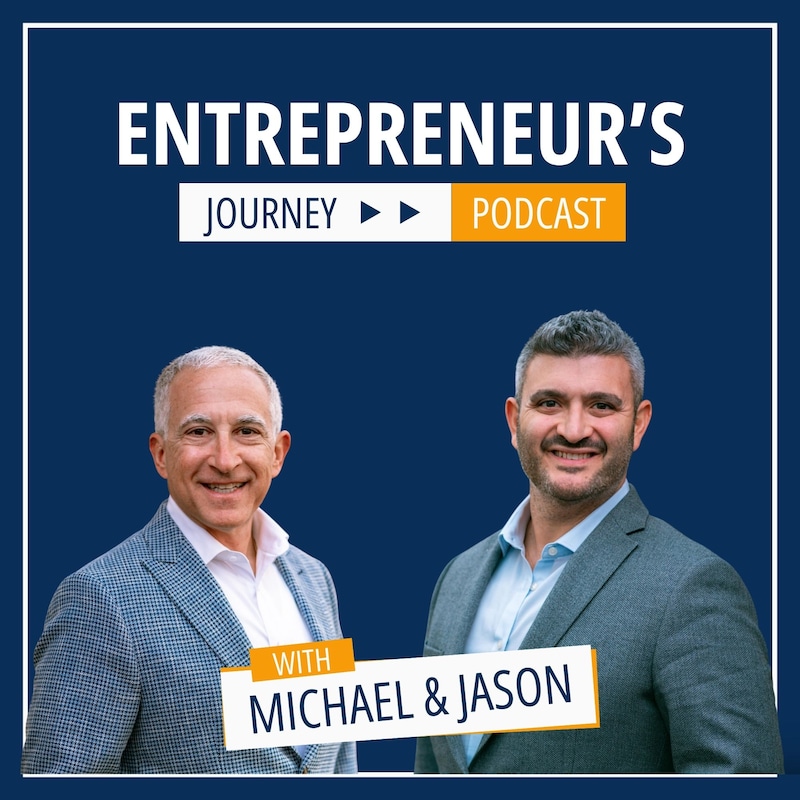
Welcome back to The Entrepreneur’s Journey. In this episode, Michael Pallozzi is joined by entrepreneur Tom Howard to discuss his path from sweeping floors in the trades at age 15 to owning a portfolio of companies across multiple industries. Tom shares how he approached the risk of buying his first struggling business, learned to empower leaders instead of controlling every decision, and built companies that can operate without him. They also discuss acquisition strategies, knowing when “enough is enough,” teaching the next generation about business and wealth, and using entrepreneurship as a vehicle to strengthen local communities.
Tune into this episode to also learn:
- Why Tom believes aspiring entrepreneurs should quantify the actual risk of going into business for themselves.
- How giving leaders clear goals, incentives, and decision-making authority can create companies that operate independently of the owner.
- Why the purpose behind an acquisition should be determined before the investment is made.
- How Tom approaches teaching his children about work, investing, entrepreneurship, and building their own wealth.
What we discussed
- [00:00:00] Introduction
- [00:01:30] Tom’s journey from sweeping floors as a teenager to owning approximately 12 companies and building businesses across multiple states.
- [00:03:19] How Tom’s upbringing, education, early mentors, and experience in the trades shaped his interest in entrepreneurship.
- [00:06:51] Quantifying the real risks of entrepreneurship and why fear of failure is often tied more closely to pride than financial consequences.
- [00:11:09] Tom’s leadership philosophy of establishing guardrails and goals, incentivizing leaders, and then getting out of their way.
- [00:12:54] The distinction between owning a company and running one, and how Tom structures his portfolio around professional operators.
- [00:16:19] Why different acquisitions require different goals, from dependable cash-generating businesses to companies designed for rapid growth and eventual sale.
- [00:19:00] Why Tom does not view entrepreneurship as something he needs to retire from and compares business to an activity he genuinely enjoys.
- [00:23:30] Tom’s views on generational wealth and why he prioritizes giving his children education, work ethic, and business skills over a large inheritance.
- [00:26:42] How Tom teaches his children to evaluate business opportunities through forecasting, return analysis, and presenting an investment case.
- [00:30:29] How Lee’s simplified its company values around serving customers, coworkers, and the community—and how community-focused marketing projects can create impact while strengthening a business.
3 Things To Remember
- Building a company that can operate without its owner requires leaders who are trusted to make decisions and take responsibility for outcomes.
- Every business investment should have a clearly defined purpose before the deal is made, because a long-term cash-generating asset requires a different strategy than a company being built for an eventual sale.
- Wealth can create opportunities for the next generation, but teaching children how to think, work, evaluate opportunities, and create value may be more important than simply transferring money to them.
Useful Links
Like what you’ve heard…
Learn more about HFM HERE:
https://hfmadvisors.com/working-with-hfm
Schedule time to speak with us HERE:
https://calendly.com/builtwealth-hfmadvisors/60min
Editing and post-production work for this episode was provided by The Podcast Consultant (https://thepodcastconsultant.com)