Shownotes
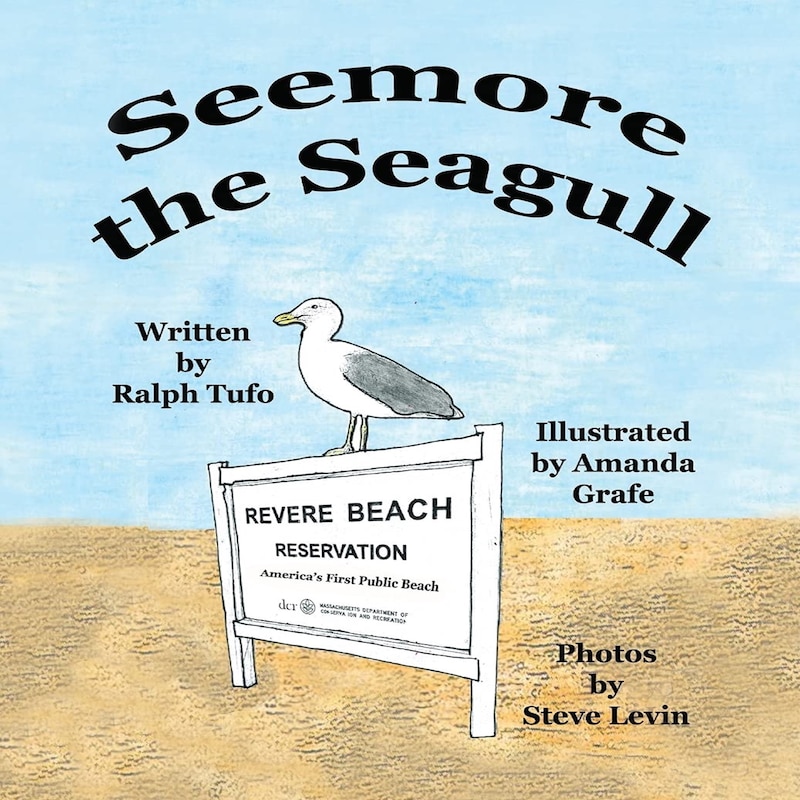
Ralph Tufo, author of the esteemed "Seemore the Seagull Tales," articulates the imperative need to impart lessons in kindness through children's literature.
His series, situated at Revere Beach, Massachusetts—the inaugural public beach in the United States—endeavors to teach young readers about acceptance, cooperation, and empathy towards individuals with disabilities, while also addressing bullying.
Throughout our dialogue, I glean insights into Ralph's journey from educator to author, as well as the serendipitous moments that sparked his creative process.
The conversation further illuminates the intersection of storytelling and music, as Ralph integrates original songs into his readings, enriching the overall experience for children.
Ultimately, this episode serves as a testament to the profound impact of children's literature and the enduring importance of fostering kindness in future generations.
Ralph Tufo's conversation delves into the intricate relationship between storytelling and musicality, highlighting how his background as a musician influences his craft as an author.
Tufo's books, characterized by their rhyming structure, draw upon traditional sea shanties and Irish melodies to create an immersive reading experience for children.
The narrative reveals Tufo's passion for integrating music with literature, as he performs songs that complement the themes explored in his books. He discusses how this duality not only enhances the storytelling process but also engages children on multiple sensory levels, fostering a deeper connection to the narratives.
Tufo's innovative approach extends beyond mere storytelling; it evolves into a holistic experience where music and literature intersect, thereby enriching children's understanding and appreciation of both forms of art.
Throughout the discussion, Tufo emphasizes the significance of fostering creativity and encouraging young minds to explore their own artistic expressions, whether through writing, music, or other creative outlets, thus nurturing a love for the arts in the next generation.
Takeaways:
- Ralph Tufo emphasizes the importance of teaching young individuals lessons in kindness through children's literature.
- The inspiration for the Seymour the Seagull series stems from Ralph's close proximity to Revere Beach and the unique interactions he observed there.
- Ralph articulates that his experience as a former teacher significantly informs his approach to writing children's stories.
- A notable aspect of Ralph's work includes integrating music into his storytelling, enhancing the engagement of young audiences with his books.
Links mentioned in this episode:
https://www.facebook.com/seemoretheseagull/
http://www.seemoretheseagull.com
Companies mentioned in this episode:
- Revere Beach
- Leaning Press
- Read the Signs
- Amazon
- Barnes and Noble
- Ella's Way
Mentioned in this episode:
From Idea to Bookshelf
Ralph Tufo, Be Kind
From Idea to Book
Transcripts
Hi, my name is Ralph Tufo and I am the author of the Seymour the Seagull Tales, three books that are set at Bevere Beach, Massachusetts, the first public beach in the United States.
Speaker A:And they all teach lessons in kindness.
Speaker B:Oh, terrific.
Speaker B:Thanks Ralph, for appearing on the Adventures in the Heart of Children's Book Authors podcast show.
Speaker B:Like Ralph mentioned, he's written a children's book series, Seymour the Seagull and I look forward to our conversation.
Speaker B:Ralph, before we jump into the details of your book series, can you tell us what it means to you being a children's book author?
Speaker A:I'm a former teacher.
Speaker A:I taught middle school all the way up to community college.
Speaker A:And my experience in teaching, I've noticed that there's a great need to teach young people lessons in kindness.
Speaker A:So that's what all three of my books do.
Speaker A:They focus on different aspects, one being to acceptance of diversity, learning how to cooperate with each other, supporting people with disabilities.
Speaker A:And also the last book, True Friends indeed deals with an anti bully thing.
Speaker A:When I go out and do readings at different arts and crafts festivals or at schools or at children's groups, it gives me that warm fuzzy feeling to see the kids really adapt to the stories.
Speaker A:And I also play music that I've written that goes along with books and I put perform.
Speaker A:It just gives me a really good feeling knowing that what I'm doing, spending a lot of time that has some effect.
Speaker B:Fantastic.
Speaker B:So tell us about, I know you mentioned off air that you can see the ocean from your home.
Speaker B:Tell us the inspiration behind your book series and how did it all start?
Speaker A:Well, that's a good point because it does deal with the ocean.
Speaker A:I'm right next to a here because beach.
Speaker A:I can see it from my windows.
Speaker A:And I usually walk from the beginning of Revere beach to like the middle and stop at Kelly's Roast Beef Seafood Restaurant.
Speaker A:And then I turn around, I did that one day and I stopped and to my left I noticed not less than three feet away is this big gigantic.
Speaker A:So you go looking at me and so I looked at him, he looked at me and this went for a couple of minutes and I'm thinking, oh yeah, I'm a bird watcher.
Speaker A:But he is a people watcher.
Speaker A:He's up on this wall looking at all the people go by.
Speaker A:What does he think?
Speaker A:What does he think of human nature?
Speaker A:And that sort of got me started on Seymour, who is S e m o r e. He sees more than the average seagull.
Speaker A:What does he think about what's going on in front of people.
Speaker A:And that inspired me to write the first book.
Speaker B:Isn't that the beautiful thing about being a children's book author?
Speaker B:And how your interpretation of this seagull and how you came up with his name, that's just fantastic.
Speaker B:Just fantastic.
Speaker B:You wrote your first book, and did it motivate you to say, you know what?
Speaker B:Seymour's got more stories to tell.
Speaker B:Give us some insight into that?
Speaker A:This is all coincidence, but, like, about a week later, I was sitting in the backyard of my friend who owns a bookstore, and this woman came who was a children's author.
Speaker A:She was bringing some of her books.
Speaker A:And then we got to talking.
Speaker A:I said, I had this crazy idea.
Speaker A:I don't know, somewhere down the line, I might write a children's book, see more seagull.
Speaker A:And she said, if you do, let me know, because I illustrate books, I'd be more than willing to illustrate it.
Speaker A:I said, okay.
Speaker A:And then she said, I'm also in connection with a publishing company, which I have my books and I'm sure didn't want to take you on.
Speaker A:It's a children's book publishing company called Leaning Press.
Speaker A:So at that point, I said, okay, I'm going to do it.
Speaker B:I contacted Read the Signs.
Speaker A:Yeah.
Speaker A:I said, this is all falling into place.
Speaker A:It wasn't like some grandiose plan I had.
Speaker A:And so then I talked to the publisher.
Speaker A:She was very excited about it.
Speaker A:And so I went ahead and wrote Seymour and His Ego.
Speaker A:Now all my stories rhyme.
Speaker A:And I.
Speaker A:That's a lot of that comes from being a songwriter and musician.
Speaker A:I did that and had a lot of success.
Speaker A:A lot of people liked it.
Speaker A:And then I was thinking about, what other lessons can I proceed with?
Speaker A:And then I thought about acceptance and awareness of how people have disabilities, how others should treat them.
Speaker A:And then I got the second idea with Seymour's brother Sidney, who got caught up in a hurricane and smashed his wing up against the wall at the beach.
Speaker A:And how other seagulls help him.
Speaker A:They made a sling out of kelp.
Speaker B:Okay.
Speaker A:And they made him, because he couldn't fly, the guardian of the seagull eggs.
Speaker A:And so when the predators came to try to steal the seagull eggs, he kicked sand in the face and started screaming, and the other seagulls came and chased him off.
Speaker A:And so it's hooray for Sydney, the hero of the beach.
Speaker A:That's the second idea, and that was very successful.
Speaker A:So I said, okay.
Speaker A:And then I.
Speaker A:It's down deep, from my experience with what I see, what's going on here in the usa and also my experience bullying.
Speaker A:And it really was like something's going to be.
Speaker A:Then I came up with the idea of laughing gull who come from down south, who fly up north when it gets to be too hot.
Speaker A:And so a laughing gull settles in Revere beach when the rest of the seagulls are herring gulls.
Speaker A:So one of the.
Speaker A:One of the herring gulls, Lucy, organizes a bullying crowd and they're going to chase her off or bully her or whatever.
Speaker A:And Seymour and Sidney come to her rescue and they talk about trying not to be too preachy but talking about bullying.
Speaker A:Anybody could be bullied.
Speaker A:And then Lucy, when she was a baby seagull, she couldn't make sounds and people made fun of her.
Speaker A:And so they pointed out.
Speaker A:How did that make you feel?
Speaker A:So the point is, I'm trying to get kids to see how it feels to be bullied without.
Speaker A:No, the two preachers.
Speaker B:Absolutely.
Speaker A:That's their.
Speaker B:Ralph.
Speaker B:I'm curious because I always talk to people and you're a real inspiration because the next question I have for you, I always talk about a children's book business.
Speaker B:I find that most children's book authors, they'll launch a book, they have a product, but they don't know how to build a business around it.
Speaker B:And that's why the average children's book over its lifetime only sells between 200 and 500 copies.
Speaker B:Even if you sold 500 copies, you'd never even break even.
Speaker B:I asked people about their children's book business and what they're doing to build a business.
Speaker B:A lot of people have a marketing plan, but a marketing plan generally is only 1/10 of a business book plan.
Speaker B:I looked at your website and I was just flabbergasted.
Speaker B:I just loved what you've been doing.
Speaker B:So I want to delve into your whole children's book business because I also have never had one take their book series and entertaining children through music.
Speaker B:Talk to us about your this whole approach because when I look at your.
Speaker B:Your website, it's very comprehensive.
Speaker B:Did you roll that out over a number of years and tell us how it started?
Speaker B:Was it the books first and then came the music and you kept building out from there.
Speaker A:The books came first and after about.
Speaker A:So we're like in the middle after the first book came out or owned a website and we've been updating it all of the time.
Speaker A:I have a person who designed the website, he does the updates.
Speaker A:I also have hired a person to work hard time to help Me with marketing and I give her the ideas and she follows through on them.
Speaker A:We meet periodically, a couple times a month.
Speaker A:And basically my publisher puts the books online at Amazon and Barnes and Noble and other places and handles the.
Speaker A:I say I want 50 books and she puts it in the order.
Speaker A:She handles the online sales as part of the publishing company.
Speaker A:But I sell the most books at.
Speaker A:And we're not in person because I'm a musician.
Speaker A:I sell them at the gigs I perform at.
Speaker A:I love that I also go to lately.
Speaker A:But like holiday arts and crafts fairs and farmers markets and things set up a table and that's where I sell the most books.
Speaker B:Do you play music when you're at the table?
Speaker A:Have it because it interferes with the people who are around you don't do that.
Speaker A:But I have done situations where like I've gone into schools and I've done readings and then I follow it up playing the Seymour the Seagull songs.
Speaker A:And I bring percussion instruments and they do like Jan, which really well.
Speaker B:I noticed you have an events tab on your website.
Speaker B:Are you now booking events because of your children's books?
Speaker A:Oh, yes.
Speaker A:That's what I'm trying to.
Speaker A:That's what we're working on.
Speaker A:This woman, Erica, we work on trying to book schools, private schools, where else?
Speaker A:Like homeschool collaboratives, summer camps, libraries.
Speaker A:And that is relatively not very successful.
Speaker A:I've only done about three of those.
Speaker A:But being a vendor at different arts and crafts and book fairs is very successful.
Speaker A:I sell some books online, not a great deal.
Speaker B:What's people's reactions when you're working your booth at the vendor fairs?
Speaker B:And you also mentioned that you have complimentary CDs that go with your books.
Speaker B:Tell us a little bit about that.
Speaker A:What I've been doing is if you buy three books, you get a free cd.
Speaker B:That's your book bundle offer.
Speaker A:Yeah.
Speaker A:And then also I offer.
Speaker A:We also have an activity book which my publisher designed, which is all like to put the color out of the illustrations so kids can color.
Speaker A:It's like a coloring book.
Speaker A:And then there's that kids games like word search, crossword puzzles, Amaze and different children's games and put them into this activity book.
Speaker A:So if they buy three of my books, I also.
Speaker A:You have the option of getting a free activity book that helps to sell.
Speaker B:The books, having that value added.
Speaker A:Yep.
Speaker A:And it's a pretty good value.
Speaker A:And I also sell the books less at these vendors sites, you know, like five to seven dollars cheaper than the list price.
Speaker A:So there's A real advantage to buying them for me personally.
Speaker B:Okay.
Speaker A:That's where I still make more money than send.
Speaker A:I don't make much selling them online.
Speaker A:Profit is not much.
Speaker A:You'll probably get to this.
Speaker A:But what we're working on is I wrote a musical based on the stories.
Speaker A:Seymour the Seagull Musical.
Speaker A:I recorded this CD with all the songs.
Speaker B:That's terrific.
Speaker A:Studio.
Speaker A:And so they're also available on Spotify and Amazon and so forth, but they can be purchased at Amazon as well or from me directly.
Speaker A:And so I'm using these songs with a script that's related to the content of three books.
Speaker A:So now what we're doing is trying to contact local theater groups to see if they will.
Speaker B:That's terrific.
Speaker B:Because you know what?
Speaker B:I remember as a teenager in high school, we would put on plays, of course.
Speaker B:And I think every high school does that.
Speaker B:And somebody just brought in the script and said, would you guys like to do this?
Speaker B:And we did it.
Speaker B:And so I'm not sure if you've ever approached drama teachers in schools, but it might be fun, or even junior high, for that matter.
Speaker A:We have approached local theater groups who put on children's performances.
Speaker B:Okay.
Speaker A:So I have what I call different grounds.
Speaker A:So second is like just local theater groups because it's a local setting.
Speaker A:Revere, Mass.
Speaker A:So we're doing that now.
Speaker A:And we're also going branching out to Massachusetts General.
Speaker A:And then the next round would be high schools.
Speaker A:A lot of high schools have summer camps and they put on performances.
Speaker A:And I've been to a few.
Speaker A:I've had a couple nibbles from two theater groups.
Speaker B:I'm glad you're sharing that because this is the first time I'm hearing that taking your children's book and actually turning it into a theatric performance.
Speaker B:That's just terrific.
Speaker B:And I'm just trying to give our guests some ideas on thinking outside the book covers.
Speaker B:Thank you for sharing that.
Speaker B:I notice you have a paperback and hard copies.
Speaker B:Why no ebook?
Speaker A:I asked a question to my publisher, and she seems to feel that the quality of the graphics don't come out as well on ebooks.
Speaker A:Is that what she said?
Speaker A:So then I didn't pursue it, but I could go back and ask her that again.
Speaker A:We determined that it's a workable approach.
Speaker A:I would definitely do it.
Speaker B:Right.
Speaker B:The reason I mentioned this is that I found that in the beginning, when a guest came on, I was purchasing a copy of their book.
Speaker B:And eventually my wife said, where are you going to put all these books?
Speaker B:So I Said, you know what, I better start downloading the ebooks.
Speaker B:And then what ended up happening is as I was downloading the ebooks onto my iPad, the color was coming out absolutely gorgeous.
Speaker B:And then when I started talking to people about their ebooks, most children's book authors don't sell a lot of ebooks, but what they do is they use them for promotions and they find that when they have an ebook, people tend to buy their printed copy book because it's nice to have the ebook if you're on a trip, but kids like to hold the book.
Speaker B:So I thought, interesting.
Speaker B:So I'm just throwing that out at you.
Speaker A:I think I'll go back and revisit that my publisher and see what she thinks because she has over 30 different authors.
Speaker A:What has been their experience?
Speaker B:I think the biggest thing is they get hung up on the book formatting because it's not the same book format as when you go to print.
Speaker B:But I was lucky.
Speaker B:I've written two children's book with my grandchildren and our book formatter for print, soft cover and hardcover is also the formatter for the ebook.
Speaker B:And he told me, rick, it's, it takes a different type of formatting.
Speaker B:And I had to pay a little bit more money for it.
Speaker B:But at the end of the day, I was pretty happy with the result.
Speaker B:I just mentioned that to you.
Speaker A:I'll look into that.
Speaker B:I want to talk to you a bit now that we're talking about your publishing company.
Speaker B:First of all, it's nice, you're extremely lucky and you, and I know you recognize that because most people when they look for a self published, hybrid publisher, they have to do a lot of work and some people get stung and all that kind of good stuff.
Speaker B:But you ran into a children's book author who had great experience and said, hey, Ralph, you should come with my establishing company.
Speaker B:So I know the story behind that.
Speaker B:But when it came to publishing your children's book, what was the biggest challenge or frustration for you?
Speaker A:I had no problem with actually the making of the book.
Speaker A:I liked the illustrations.
Speaker A:The publisher kind of served as an editor in some ways in terms of like real specific, minor, like grammatical things or spaces here and so forth.
Speaker A:The publishing came out, the book came out.
Speaker A:I was very happy with that.
Speaker A:It's afterwards, it is okay, yeah, Now I have the book.
Speaker A:Now what it's in the marketing and the sales.
Speaker A:It's really.
Speaker A:Anybody say that it's easy.
Speaker A:It's not.
Speaker A:It's every day you have to keep like Facebook postings, Instagram I've read a couple of books on marketing children's books.
Speaker A:I've hired someone to help me.
Speaker A:I've done videos on local cable.
Speaker A:I'm trying everything.
Speaker B:And it's ongoing.
Speaker A:It's ongoing and it's, it's.
Speaker A:You have to fight the battle of the demons of self doubt.
Speaker A:I think you all have to do that when you don't get results.
Speaker A:Is it's too easy to give up?
Speaker B:Yes.
Speaker B:And sometimes I think now again after hear about my 75th children's book author that I've interviewed.
Speaker B:And I find some people, I don't want to sound negative, but they settle for whatever happens.
Speaker B:And you know what?
Speaker B:I've talked to traditionally published children's book authors.
Speaker B:And whether you're an independently published book author, where you've done all the work and you've published it, or you're a hybrid self published author like yourself, or traditionally published, what I found is it still comes down to it's all up to you.
Speaker B:At the end of the day, the trick is to find maybe two or three things that you do well.
Speaker B:That's what I love about you being an entertainer and being able to tie that in.
Speaker B:That's just phenomenal.
Speaker B:And it's nice that you have that.
Speaker A:Skill, you know, that really helps a lot.
Speaker A:And the songs that are based on the stories, but they're of the styling of traditional sea shanties and Irish music because it's like nautical sounds.
Speaker A:I play the concertina and the accordion and the piano.
Speaker A:It has fiddle, it has penny whistle.
Speaker A:So it sounds nautical.
Speaker A:And that fits it to the books.
Speaker B:I love that.
Speaker A:Yeah.
Speaker B:Congratulations.
Speaker A:Thank you.
Speaker A:So it's like I say one other thing.
Speaker A:I don't know if we're going to mention this, but I'm a member of a writers collaborative called Ella's Way.
Speaker A:Early Learning leads to Acceptance.
Speaker A:It's a writing collaborative of about 34 different authors run by this woman, Sherry Serino.
Speaker A:And what we do is we donate books.
Speaker A:They all have lessons in kindness.
Speaker A:All right, so not so everybody their children's books that teach lessons in kindness and we donate books to like children's hospitals, literacy centers, places like that.
Speaker A:That's also a big part of what I'm involved in.
Speaker A:And we do great work.
Speaker B:Yes.
Speaker B:And you know what, Ralph, you're probably, I think my third or fourth guest from Alice Way.
Speaker B:Oh, wow.
Speaker B:Great.
Speaker B:So it's fun and all great people who come on.
Speaker B:I'm going to have to start flagging the authors that are coming to me from Alice Waite.
Speaker B:I Appreciate you mentioning that, because again, we're trying to help aspiring children's book authors, and if they can look at a way to keep motivated, to keep bringing their books to life, having that support piece is always so important.
Speaker B:So I appreciate you mentioning that.
Speaker B:I also wanted to talk to you about your illustrations because you mentioned that earlier.
Speaker B:And.
Speaker B:And I don't want to take away from that, because I think you have two illustrators.
Speaker B:You have Amanda and Jorie.
Speaker A:Yes.
Speaker B:So tell us about that experience and how do you work with two illustrators?
Speaker B:Because a lot of my children's book authors, we talk about how hard it is to find an illustrator, and then when we do, then we kind of stick with them.
Speaker B:But you've got two.
Speaker B:So tell us about that experience.
Speaker A:Like I told you, I met Amanda in the backyard of my friend's bookstore.
Speaker A:She did the illustrations for the first book.
Speaker A:She did a very good job.
Speaker A:But then she moved on into doing other things.
Speaker A:And so then I needed an illustrator for my second book.
Speaker A:And I approached the Winthrop Arc association, of which I am a member.
Speaker A:And the leader of that sent out a sort of like an email.
Speaker A:And the sister of Jory Mason saw that and she contacted me.
Speaker A:And then I contacted Juri and I took a look at her work.
Speaker A:And she's a great pastel painter and teaches pastel painting and won awards.
Speaker A:We went ahead and worked with her.
Speaker A:I worked with both illustrators.
Speaker A:You got a back and forth thing.
Speaker A:And painters and illustrators are what I call artistes.
Speaker B:Yes.
Speaker A:They have their work that they want and I have what I want, and usually it's me in the middle kind of thing, but most of the time they come up with, and I don't usually say anything else, ask some questions about the COVID in both books.
Speaker A:But it's give and take process.
Speaker B:And that's the whole thing is I find that with everybody is that once they find an illustrator that they can work with and have that dialogue with, they're providing you with some ideas, and you're providing them with what you're trying to visualize right now, having the first book, did that make it easier for Jori to do the second and third book?
Speaker A:Yes, I believe it did.
Speaker A:And also another thing I do with each book is in the back of the book are photos.
Speaker A:Some of them have been taken by my friend Steve Levin, who's a photographer about Revere Beach.
Speaker A:So he's taken pictures of scenes from Revere beach, the seagulls eating food out of the trash can in front of Kelly's Roast beef, the Sand Castle.
Speaker A:Revere has a international sandcastle festival every year and he's taken photos of sandcastles.
Speaker A:So we have all that information.
Speaker A:Photos of Revere beach, the sand castles.
Speaker A:So all of that was used by both illustrators because he did the.
Speaker A:Okay, yeah.
Speaker B:So that's interesting you should say that because I mentioned about are two books that we have in print and I co authored with my two granddaughters.
Speaker B:I have five grandchildren in total.
Speaker B:We've written 38 different stories.
Speaker B:We just haven't been the cost to illustrating that makes it pretty expensive to bring all the 38 to life.
Speaker B:But one thing that we did is exactly what you're describing, Ralph.
Speaker B:All of our stories are based on true stories in the Rocky Mountains.
Speaker B:Luckily, of course, nowadays we have this thing called the iPhone or smartphone.
Speaker B:I have thousands of pictures and we were able to build our adventure stories off of those pictures.
Speaker B:So thank you for sharing that because I think it's really important that aspiring children's book authors know there's so many ways that you can develop your story and then to actually use the pictures in your book as part of the inspiration.
Speaker B:I think that's pretty cool too.
Speaker A:Another thing that you can do, which I had done is I got all the PDFs from page by page from the publisher.
Speaker A:Then I made like a big storyboard with the photos blown up.
Speaker A:Also that when I do a reading or vendors event, I pull out the storyboards and they can see the kids walking by.
Speaker A:They see the pictures from the books.
Speaker A:It inspires them.
Speaker A:And then I have a little stuffed animal of Seymour all the kids love.
Speaker A:But I want to go up and hold them and hug them and all that.
Speaker A:So there's all these different kinds of things that you can do when you have to try some things, you try them out and.
Speaker A:Or after a while they just don't work.
Speaker B:Right.
Speaker A:We're about to go like with my part time assistant, we're going to do a 20, 25 year review.
Speaker A:What works, what doesn't work, where we go here because like I say, you got to keep trying things and not everything's going to work.
Speaker B:Absolutely.
Speaker B:I have to show you this, Ralph, because you got you.
Speaker B:You triggered something.
Speaker B:This is inside our second book, Hijinks at the Big Head Folk Music Festival.
Speaker B:If you notice, there's an owl and there's a bobcat.
Speaker B:Now what happened was we were going to this folk festival and we met some people who have become really good friends from Portland, Oregon.
Speaker B:And what ended up happening is they became characters in Our second book.
Speaker B:And I said to them, I can you pick an animal that lives in Oregon, and we'll make you that character?
Speaker B:So Linda picked the owl, and Tom picked the bobcat.
Speaker B:We're going to a 70th party for Tom, a birthday party.
Speaker B:And it's interesting because he doesn't know it yet, but I'm going to immortalize them through Canvas Print.
Speaker B:That's true.
Speaker B:I want you to think back a bit about success and when you first started your first book.
Speaker B:And we know the story behind it.
Speaker B:But tell us, how did you envision success when you first launched your book?
Speaker B:And what does success look like to you now that you have three books?
Speaker B:What's the difference?
Speaker A:I've got to be honest with you.
Speaker A:I don't consider myself a great business person.
Speaker A:I do it because you have to, but it's not.
Speaker A:If you were to ask me, what would you like to do?
Speaker A:Run a business, which having a book is running a business.
Speaker A:I wouldn't have picked that.
Speaker A:But when I wrote the book, be honest with you, I wasn't really thinking about success.
Speaker A:I just wanted to write the book.
Speaker A:Then later on, it dawned on me, wow, you're spending a lot of time and money doing this.
Speaker A:Maybe, you know, maybe you ought to think about how to promote the book.
Speaker A:And that's when I started the idea of trying to get the book.
Speaker A:I want to get the book out.
Speaker A:Books out there.
Speaker A:That's.
Speaker A:To me, that's success.
Speaker A:Getting the books out into the public, having kids read the books.
Speaker A:Kids or parents telling me they love Seymour, things like that.
Speaker A:All that to is success.
Speaker A:Monetarily speaking, it would be successful for me to actually break even.
Speaker A:I would consider successful.
Speaker B:Right.
Speaker A:I haven't yet.
Speaker A:I've sold a lot of books.
Speaker A:I've probably sold in terms of gross amount, probably about 13, $14,000 in books, maybe even 15,000.
Speaker A:But how much did it cost to get a $15,000 gross amount?
Speaker A:Probably at least 15,000.
Speaker A:If I sit and go over the numbers of what I'm bringing in and how much money I put out, I don't want to dwell on it because it wouldn't make me feel very successful.
Speaker A:So I have to look at success other than monetary success.
Speaker B:Absolutely.
Speaker B:And when I look at your website and I look at you being an entertainer and supporting your books through what you love to do, you're doing two things, if I'm not mistaken, that you like to do.
Speaker B:One is you're writing children's books because you now have three.
Speaker B:And you also like to Play music.
Speaker B:It seems to me that's a pretty full life in itself and can be very rewarding.
Speaker B:Like you said, it has to go beyond financial success if you're a children's book author.
Speaker A:To me, the biggest thing right now, and I would be feeling incredibly successful if this happened, if a theater company were to put on the musical.
Speaker A:I've written three other musicals right before that aren't related to children's books.
Speaker A:And I was.
Speaker A:Ended up being the producer.
Speaker A:And then one of them, I ended up having to be the director because the director had to leave.
Speaker A:And so I ended up being.
Speaker A:I do not want to play all on myself.
Speaker A:Hire a hall, do the auditions, hire a director.
Speaker A:I've been there, done that.
Speaker A:So I really want to get a theater group of some sort to put this on.
Speaker A:If that were to happen, I would feel extremely successful.
Speaker A:That's my ultimate goal.
Speaker B:And that's a fantastic ambition to have because you're the first one I've talked to that's thought of their children's book before in terms of a theatric performance and having a script taking your written words and then taking them those words and scripting them into a play.
Speaker B:That's pretty cool.
Speaker B:In terms of.
Speaker B:We were talking about writing.
Speaker B:Talk to us about your writing process, because not only are you a children's book author, but you're also a songwriter.
Speaker B:So talk to us about having those two elements to your writing.
Speaker A:All of my books run, which I think I'll attribute that to my experience in songwriting.
Speaker A:I've written probably 40 songs or more.
Speaker A:I have over the course of time.
Speaker A:I've been on 11 different CDs now.
Speaker A:CDs.
Speaker A:Of course, no one seems to buy them anymore, but.
Speaker A:So my experience with writing really helps a lot.
Speaker A:And like everything else, it starts with one little idea.
Speaker A:And then you just build on it.
Speaker A:And then build on it.
Speaker A:Take a break, go back, build on it.
Speaker A:What if this, what if that?
Speaker A:So I can't say that.
Speaker A:Oh, I wrote the whole thing in a week.
Speaker A:It takes me, I don't know, probably about six months to write it.
Speaker A:And then I show it to other people.
Speaker A:I get feedback, and most of the time I tell them, at this point, I'm asking for feedback.
Speaker A:I'm not looking for major surgery.
Speaker A:I'm looking for minor surgery.
Speaker A:I've experienced with playwriting before, where you send your script to friends and they come up.
Speaker A:Some of them come up craziest ideas, like, well, you need to have.
Speaker A:You need to have ghosts.
Speaker B:But I'm curious.
Speaker B:Ralph when you're actually doing your writing and you said you like to do it in rhyme, are you.
Speaker B:Do you also have a melody playing in your head as you're doing this?
Speaker B:As a musician, I'm curious for the.
Speaker A:First song, Seymour the Seagull, definitely.
Speaker A:I had that in mind, actually, what I did.
Speaker A:No, is it reverse?
Speaker A:I took the book, the beginning of the book of the first Seymour Seagull, and I turned that into Seymour Seashell.
Speaker B:And then.
Speaker A:So I think the writing comes first in a rhyme.
Speaker A:Sometimes there's a melody in the background.
Speaker A:Yeah.
Speaker A:And then I convert it into a song.
Speaker A:I have my guitar player who we do like a preliminary recording at his home studio before we brought it to a conventional coin studio.
Speaker A:So we work on it.
Speaker A:It's all chipping away.
Speaker A:I would say you get one idea, you build on it, and then you build on it some more, and it leads to another idea into another one, and you keep going.
Speaker A:And then, you know, you have a.
Speaker B:That's a great skill because I can say I'm a children's book author, but I've never had.
Speaker B:Because I'm not a songwriter, I'm not a musician.
Speaker B:I don't have a melody ever playing in my head.
Speaker B:So I was always curious on, as a musician, having a melody and building out a rhyme from.
Speaker B:And words from there.
Speaker A:Like I said, I was keeping in the tradition of Irish music and sea shanties.
Speaker A:And I actually used, like on the cd, I used four different melodies of traditional Irish music.
Speaker A:A couple of them were from Turlock O', Carolyn, I think, believe they lived in the 13th century or something like that.
Speaker A:Beautiful harpist.
Speaker A:And I used Gentle Maiden and another song that I put into the Regime Beach Lullaby that I used to see Shani from Australia to use, based that melody on a song.
Speaker A:We're all in the same boat.
Speaker A:And so all the lyrics are mine, but four of the melodies came from other sources.
Speaker A:The rest are all melodies that I created.
Speaker A:And it's a give and take.
Speaker A:I can't say I have an ultimate system.
Speaker A:Things just sort of come to me.
Speaker A:There are times I get ideas and I.
Speaker A:All the time, and they're coming in.
Speaker A:And a lot of times I say, please, no, not now.
Speaker A:No, please.
Speaker A:And then they won't leave me alone.
Speaker A:Oh, no, I don't want to do that.
Speaker A:I don't want to write that.
Speaker A:I want to.
Speaker A:Still there.
Speaker A:Okay, I'll write it.
Speaker A:I'll start it.
Speaker A:Okay.
Speaker A:And then I start.
Speaker A:It's all say, I'm going to write a book.
Speaker A:This year doesn't happen.
Speaker B:I want to pick up on that.
Speaker B:So advice for aspiring authors.
Speaker B:What advice would you give an aspiring author who is trying to get started and thank you because you're the first musician I've talked to.
Speaker B:I'm certainly looking for what your thoughts on this.
Speaker A:An aspiring writer.
Speaker B:Okay.
Speaker A:First of all, believe in yourself.
Speaker A:You have talent.
Speaker A:Not everybody writes a book.
Speaker A:Stick with it.
Speaker A:Don't give up.
Speaker A:Work on it on a daily basis.
Speaker A:Look at small accomplishments, sometimes with trusted friends.
Speaker A:Share your work, but don't get discouraged.
Speaker A:It's very easy to get discouraged.
Speaker A:Okay.
Speaker A:And then keep looking at as you develop, whether you want to rhyme the book or not.
Speaker A:What's the point of your writing?
Speaker A:What are children going to get out of this?
Speaker A:Why is it valuable?
Speaker A:What type of illustrations are you looking for to match your story with style?
Speaker A:Because all different kinds of illustration styles what best matches your book content.
Speaker A:And then you could go looking like for different art associations.
Speaker A:If they have any recommendations for artists, try a couple look at what books they've done before trying to figure out what kind of budget you're willing to spend.
Speaker A:You could seek out children's publishing companies like Leaning Rock Press is a publishing company I work with.
Speaker A:She looks for additional books.
Speaker A:So does not harm you in any ways to approach.
Speaker A:I think approach children's book authors don't spend a lot of money on an agent to try to shuffle your book.
Speaker A:Do it yourself because they'll charge you thousands of dollars and I believe it'll come from God.
Speaker A:You got to do it yourself.
Speaker B:Right.
Speaker B:And that's what we talked about earlier.
Speaker B:Whether you're independent, hybrid, self or traditional, there's still all this pressure on you as the children's book author to get out there and make it happen.
Speaker B:And I love how you said that.
Speaker B:Thinking all the way through on how you're going to support your book and.
Speaker A:Realize too you're doing a great thing.
Speaker A:This is like your legacy.
Speaker B:Yes.
Speaker A:Your books are going to be around after you're gone.
Speaker A:Absolutely.
Speaker B:And that the beautiful thing I was talking about, I've co authored with with two of my granddaughters so far in our print books.
Speaker B:And then we've co authored with all of our grandchildren in all of our stories.
Speaker B:We've recorded 11 of the stories in their voice.
Speaker B:Wow.
Speaker B:Yeah.
Speaker B:So that's fun.
Speaker A:That's a great thing.
Speaker B:Encouragement for readers.
Speaker B:Talk, talk to people about why should they purchase and read your books.
Speaker A:I think they're very well done.
Speaker A:I'm not trying to pat myself on the back But I've spent a lot of time working on writing the content, the fact that they rhyme.
Speaker A:I think the message in the book.
Speaker A:A lot of the books are fun.
Speaker A:They're fun first.
Speaker A:There's like seagull games that they're doing.
Speaker A:They're racing their same castle.
Speaker A:The animals are putting on us, seeing off of other people's plates and stuff.
Speaker A:So there's fun first and then there's a message to try to fit in the stories that I think are worthwhile messages about kindness in various aspects.
Speaker A:And the illustrations are good.
Speaker A:They're great artists.
Speaker A:And then the photography back.
Speaker B:I love how you've added value added to your books.
Speaker B:Again, it's just that encouragement for aspiring readers to know that it's more than just a children's story.
Speaker B:It's.
Speaker B:You actually put the story behind the story in your children's book.
Speaker A:Yeah.
Speaker A:And I would say to other.
Speaker A:Talking about.
Speaker A:You were talking about other writers.
Speaker A:Think about that.
Speaker A:What else you can do that would help to promote your book?
Speaker A:That's something that you can focus on too.
Speaker A:Try to get that going.
Speaker A:Actually, before your book comes out, you're going to do a book release.
Speaker A:First thing you know how to get.
Speaker A:You want to get the local paper in on that.
Speaker A:You want to get Facebook and Instagram and making a lot of contacts on Facebook and do all that kind of preliminary groundwork.
Speaker A:And then when your book is done and you have a book release, it isn't, okay, I did the book.
Speaker A:I did the book release and that's it.
Speaker A:No, it's a starting point.
Speaker B:Right.
Speaker B:It's just the beginning.
Speaker B:Final thoughts.
Speaker B:Is there something, Ralph, I.
Speaker B:You think you're like, you've shared so much.
Speaker B:So is there any final thoughts you thought, oh, maybe I wish Rick would ask me that question.
Speaker B:Either for readers or for aspiring authors.
Speaker A:That's a good question.
Speaker A:Maybe the question is, what keeps me going?
Speaker B:Oh, terrific.
Speaker A:Because like I say, the demons of self doubt are lurking as soon as you wake up in the morning.
Speaker A:Why are you doing this?
Speaker A:Why?
Speaker A:Blah, blah, blah.
Speaker A:All the negative stuff here, making a whole lot of money, blah, blah, blah, blah, blah.
Speaker A:But then I say, okay, people like, like my books.
Speaker A:Kids love it.
Speaker A:They go, they want to go to Revere beach, see Seymour, you know, I hear this stuff and grandparents saying, ah, that my granddaughter loves the book.
Speaker A:They love, you know, this I want the next book and like the songs.
Speaker A:So that's what keeps me going.
Speaker A:Any little element of what I consider success will keep me going.
Speaker A:The grandiose.
Speaker A:Oh, I'm going to be a famous writer and, well, I'm going to make millions of dollars.
Speaker A:Forget.
Speaker A:I don't even consider that to be in the picture at all.
Speaker B:I really appreciate you sharing that because we talked about a lot of people.
Speaker B:It's the passion of having a finished Bubbless book in their hand and touching the pages.
Speaker B:But then you've got to ask yourself, what now?
Speaker B:What's going to keep me going now that I've got my published book in my hand?
Speaker A:You need to think of that ahead of time.
Speaker B:Yes.
Speaker A:You need to get something going.
Speaker A:Okay, my, my book's coming out in April.
Speaker A:What am I doing January through April to get ready for it?
Speaker A:And what's going to happen after that?
Speaker B:Great point.
Speaker B:Thank you.
Speaker B:Ralph, thank you so much for being a guest on the Adventures in the Heart of Children's Book Authors Podcast.
Speaker B:Your generosity of time and insight will significantly benefit aspiring authors and readers, and we promise to provide our audience with links to Ralph's social media and his book and his website is awesome.
Speaker B:Folks, you've got to go there and there's value added there.
Speaker B:If you've enjoyed this episode, please hit the subscribe button to listen to future episodes and feel free to share this episode with anyone inspired by or who enjoys hearing about Ralph and his children's book series, Seymour the Seagull.
Speaker B:Thank you, Ralph.
Speaker A:Thank you, Rick.


