Shownotes
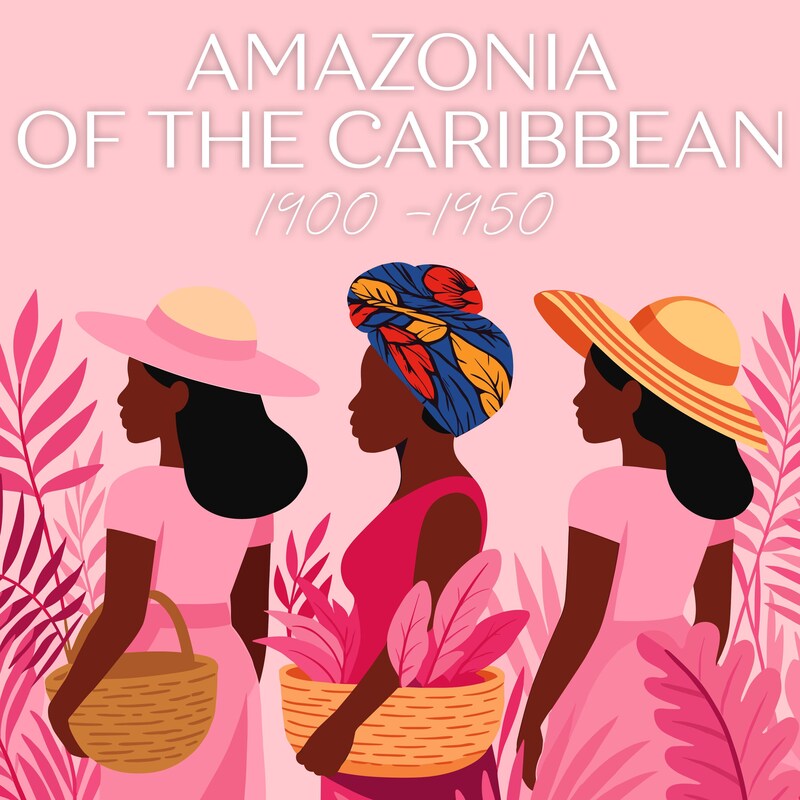
In Amazonia of the Caribbean, we explore the early 20th century on St. Eustatius, when migration and hardship gave rise to a powerful matrifocal society. With men away at sea, in oil fields, or in war, women anchored homes, raised children, ran farms, and led communities.
Through oral histories and expert insights, we uncover how station women without titles or formal authority became the foundation of resilience. From backyards to bakeries, their leadership shaped a cultural legacy of quiet strength, enduring care, and generational survival. Their story is not mythology—it’s the living truth behind the phrase “the women held the island together.”
—
Produced by Simpler Media
Transcripts
>> Mr. Richardson: It's one of the lowest, lowest periods of
Speaker:Stacia's history. And that
Speaker:population low of 900
Speaker:is. It's almost like an
Speaker:island of, you know, the Greek myth of
Speaker:the Amazonians, the island with only women.
Speaker:>> Unidentified (Podcast Host): Welcome to Whispers of the Past. I'm your host,
Speaker:Filovit. And this is Caribbean Amazonia.
Speaker:Before emancipation, enslaved women on
Speaker:synthesis bore children with no promise of
Speaker:family and no guarantee of stability.
Speaker:Their families were scattered by cells,
Speaker:their love lives controlled by their oppressors.
Speaker:But in the absence of the patriarchal protection,
Speaker:something extraordinary took the
Speaker:matriarchy from the ashes of
Speaker:slavery station. Women rose
Speaker:not with speeches or uprisings, but through
Speaker:kitchens, gardens, classrooms
Speaker:and songs. They became
Speaker:leaders not by title, but by
Speaker:necessity. By
Speaker:1900, Stacia had become what
Speaker:anthropologists call a matrifocal
Speaker:society, a place where women were
Speaker:the anchors of the home economy and
Speaker:spirit. This was not a gentle
Speaker:emergence. It was forced through trauma.
Speaker:Generational wounds passed down from slavery.
Speaker:What scholars now call post traumatic slave
Speaker:syndrome left men often absent by
Speaker:force or by need. And women carried a weight,
Speaker:and they did. They tilted the
Speaker:land, they raised each other's children. They
Speaker:remembered when the world wanted them to forget.
Speaker:They didn't just maintain society, they
Speaker:redefined it. In this episode,
Speaker:we turn to the years 1900 to
Speaker:1950, a time when
Speaker:Stacia's population dwindled, its
Speaker:economy faltered. This is a story of
Speaker:survival through presence, a story of strength,
Speaker:not in the battlefield, but in the backyard, the
Speaker:bakery and the classroom. This
Speaker:is the Amazonian of the Caribbean.
Speaker:To begin, we turn to Mrs. Sutikao, a long
Speaker:term resident of this island and one of the founders of
Speaker:the center of archaeological and research, who
Speaker:describes this time period in Stacia's history.
Speaker:>> Ms. Sutekau: During that period of time, a lot of the
Speaker:people who stayed on the island were the grandmothers, the
Speaker:aunties and the wives of people who
Speaker:did not have a chance to get money elsewhere, who
Speaker:took care of their children. So the women were
Speaker:predominant here. You would have
Speaker:a predominantly matriarchal, uh, society
Speaker:living here. There were some men, older
Speaker:men particularly, and the men who were
Speaker:fishermen and the men who were also
Speaker:involved with agricultural section of the
Speaker:island, they were still here.
Speaker:We had to feed ourselves. We actually
Speaker:started growing a lot of potatoes and we were
Speaker:supplying a lot of the Caribbean with potatoes.
Speaker:Our potatoes were exceptional. They were very,
Speaker:very good. Uh, most of the trade was being
Speaker:done by ships between the island. The Blue
Speaker:Peter being the most famous ship that was trading
Speaker:here, down from here, St. Martin, down to
Speaker:Kuristan it was also a
Speaker:time when I'm sure
Speaker:that the people here on the
Speaker:island suffered greatly, particularly
Speaker:during World War II. This is a part of
Speaker:Stacia's history that unfortunately has not
Speaker:been explored the way it should, as World
Speaker:War II within the whole Caribbean has not been explored
Speaker:the way it was. We have to remember
Speaker:we were Free Dutch, but we were
Speaker:being surrounded by nations. The French
Speaker:nations around us outside of St. Martin,
Speaker:all Vichy islands. So it was not
Speaker:easy for us to get supplies and materials and everything
Speaker:into station. There are a lot of
Speaker:wonderful stories out of Anguilla how, um,
Speaker:the Anguillans helped us by dropping off
Speaker:supplies and materials to us
Speaker:as they passed by from their trips
Speaker:from St. Kitts to Anguilla so that we would
Speaker:have supplies on St. Eustatius.
Speaker:Um, so it was really
Speaker:low population, huh? Time m. Not a lot of
Speaker:opportunity on the island itself,
Speaker:and, uh, a time when we were working
Speaker:elsewhere.
Speaker:>> Unidentified (Podcast Host): As Mr. Tsutaka recalls, the early 20th
Speaker:century brought with it a shrinking population and
Speaker:a growing hardship. Amidst the
Speaker:scarcity, women became the lifeblood of
Speaker:grandmothers, wives and sisters who
Speaker:stayed behind while others left in search of
Speaker:work. These women didn't just keep things
Speaker:going, they kept the island alive.
Speaker:Their quiet persistence carried their community
Speaker:through a time the world barely noticed.
Speaker:With migration drawing men away first
Speaker:to oil fields in Aruba and Curacao, and
Speaker:later some to wartime service and oversea
Speaker:labor, the rhythms of daily life
Speaker:fell into the hands of those who remained.
Speaker:They worked the land, they raised children,
Speaker:and they traded across island's waters,
Speaker:preserving not just a fragile economy, but a whole way
Speaker:of life. This was merely survival.
Speaker:It was transformation. Out of
Speaker:absence grew autonomy. And in the face of
Speaker:hardship, Stacian women quietly reshaped
Speaker:the island, not in the image of colonial
Speaker:rule, but through matriarchal strength.
Speaker:What emerged, as Mr. Richardson, the
Speaker:island's heritage inspector described, was something
Speaker:mythic in nature. An Amazonian
Speaker:of the Caribbean. Not a legend of warriors
Speaker:with weapons, but a living lineage of
Speaker:women who, who led through labor, kinship
Speaker:and power.
Speaker:>> Mr. Richardson: Yeah, um, there's a period where the population is
Speaker:going to be 900.
Speaker:Um, and it's 900 also because
Speaker:there's a lot going on. Many people
Speaker:left, many people are working, remote.
Speaker:And guess who stayed behind? It's the women
Speaker:that stayed behind with the families, with their mothers, with their
Speaker:children, and very few men on the island.
Speaker:And I think it's one of the lowest, lowest
Speaker:periods of Stacia's history.
Speaker:And that population low of 900
Speaker:is it's almost sad because as you
Speaker:go into the document and you go into society at
Speaker:the time, it's almost like an
Speaker:island of, you know, the Greek myth of
Speaker:the Amazonians, the island with only women. And it
Speaker:kind of reminds me of that period because the island is
Speaker:really, if you look at the population split,
Speaker:it's 900, but there are about 700 and
Speaker:something women.
Speaker:Um, and what does that do to society
Speaker:today? Or what did that do to society back then?
Speaker:>> Unidentified (Podcast Host): By the 1930s, Stacia's population had
Speaker:dropped just to 900. And of these, nearly
Speaker:80% were women. A society
Speaker:shaped not by planning but by migration,
Speaker:poverty and the long echoes of colonial
Speaker:neglect. What grew into a
Speaker:vacuum was not simply resilience, it was
Speaker:reinvention.
Speaker:Anthropologists might call this a, uh,
Speaker:matrifocal society where homes
Speaker:revolve around mothers, grandmothers and
Speaker:female kins, and where caregiving,
Speaker:decision making and heritage passes through
Speaker:the matrilineal line. But on
Speaker:synthesis, it went a step further.
Speaker:Matriarchy was not just a social pattern, it was
Speaker:a survival strategy.
Speaker:This pattern emerged across the Caribbean in the wake of
Speaker:slavery. Centuries of, uh, family
Speaker:ruptures, forced separation
Speaker:and economic displacement left women
Speaker:as the central, often sole and pillars
Speaker:of family life. As men migrated
Speaker:for work, first to plantation, later
Speaker:to oil refineries, women remained.
Speaker:They raised children, tended farms,
Speaker:passed down traditions and held entire
Speaker:communities together with limited means but
Speaker:limitless resolve.
Speaker:Faced with absence, women created
Speaker:continuality. They raised children,
Speaker:often not just their own, but their cousins,
Speaker:neighbors, godchildren.
Speaker:They grew food, led church groups and
Speaker:told stories that weren't found in any books, but
Speaker:lived through ancestral lines. They kept
Speaker:things going when there was nothing left to hold
Speaker:onto but each other. And
Speaker:that's why we titled this episode Amazonian of the
Speaker:Caribbean. Not to suggest some ancient name for
Speaker:this period, but to recognize something that history
Speaker:books often ignore.
Speaker:In Greek mythology, the Amazons were a
Speaker:tribe of fierce women warriors, independent,
Speaker:self governed and capable of defending their
Speaker:own. They were seen as an inversion of the
Speaker:patriarchal norms. A society where women led
Speaker:and protected themselves. On, um,
Speaker:Stacia, there were no swords or shields, but
Speaker:there was power. Women fought not
Speaker:through conquest, but through consistency.
Speaker:They claimed their children as their own. When history tried
Speaker:to say otherwise, they stood at the center of
Speaker:households, not as exception, but as the
Speaker:rule. This wasn't mythology, it was
Speaker:everyday life, a quiet revolution
Speaker:forged in silence, survival and
Speaker:strength. Mr. Richardson
Speaker:continues.
Speaker:>> Mr. Richardson: So it's quite interesting how things would then
Speaker:eventually, um, redevelop. And even
Speaker:to this day, you still see the, there's a
Speaker:strong willingness in women
Speaker:on the island, a sort of entrepreneurship,
Speaker:a sort of drive to do better. But there's also
Speaker:the maternal side effects of that
Speaker:independence. And it's so funny is because
Speaker:I believe that Caribbean women, or women from
Speaker:stages in particular,
Speaker:um, were already emancipated
Speaker:for women's rights way before women rights became a
Speaker:thing for the wealthy women in Europe. They were
Speaker:already fulfilling that role 100 years
Speaker:prior here on the island, um,
Speaker:because no man, um, um, um,
Speaker:dare to tell the station lady 100 years ago,
Speaker:um, that they cannot do something. If you go deep back into
Speaker:slavery, you would see that many men were
Speaker:considered breeders for the structural
Speaker:family of the women. And the women were about
Speaker:producing strong, healthy kids, like I said earlier.
Speaker:And you would see, as time goes along
Speaker:and slavery is abolished, something
Speaker:that's been instilled in you for about 200 years is hard
Speaker:to get out. This would then lead to women
Speaker:being that, you know, I am the head of the
Speaker:household, I'm responsible for my kids and my family,
Speaker:basically, you don't need a man. And what you will
Speaker:also see on that period in Stacia's history
Speaker:that married women, children carry their
Speaker:name, um, that many Stacia
Speaker:last names though, um, the women are
Speaker:married or maternal last names
Speaker:being given to sons and daughters even though they're
Speaker:married, because then they're still, you see that this
Speaker:structure of 200 years of enslavement kind of
Speaker:instills into the women's mind that, hey,
Speaker:before they were my kids and
Speaker:you were just the dad, you were just the donor, and now they're
Speaker:still my kids.
Speaker:>> Unidentified (Podcast Host): This worldview shaped by centuries of enslavement
Speaker:wasn't just emotional, it was structural.
Speaker:What we now understand as post enslavement syndrome
Speaker:refers to multi generational trauma inherited
Speaker:from slavery. Not only the physical
Speaker:brutality, but the forced dismantling of
Speaker:family systems, the denial of autonomy and
Speaker:the disruption of identity. Under
Speaker:slavery, Caribbean families were torn
Speaker:apart. Fathers were often sold
Speaker:away or stripped of their rules, and
Speaker:mothers left to protect and provide alone. They
Speaker:became the emotional and functional core of the
Speaker:household. That adaptation was
Speaker:born of survival. It didn't vanish with
Speaker:emancipation. It was passed on,
Speaker:unspoken, inherited and
Speaker:lived.
Speaker:Even after 1863, the
Speaker:systems that replaced slavery still meant
Speaker:that men were away, away to
Speaker:plantations, to oil fields, at
Speaker:sea, keeping them at a distance.
Speaker:And so women led because they had no other
Speaker:choice. They learned to stretch food,
Speaker:teach lessons, heal wounds, bury
Speaker:the dead, and raise children in their image.
Speaker:On Stacia that leadership was not temporary.
Speaker:It became the foundation.
Speaker:And this is what scholars mean when they speak of the
Speaker:trauma's long shadow. Not as
Speaker:something broken, but as something reshaped.
Speaker:Women turned absinthe into agency. They
Speaker:became mothers, not just of children, but of
Speaker:community. And yet, some
Speaker:dimensions of this inheritance,
Speaker:transgenerational trauma, remains
Speaker:difficult to acknowledge. What might appear
Speaker:today as tough love or emotional distance
Speaker:or fractured kinship structures may in fact
Speaker:carry the echoes of survival strategies.
Speaker:Responses shaped by generation, forced to adapt
Speaker:under systems of dehumanization.
Speaker:These behaviors, while sometimes misunderstood,
Speaker:can be traced back to coping mechanisms developed
Speaker:in the wake of disrupted family life and denied
Speaker:autonomy. And that's why
Speaker:matrifocality on synthesis was
Speaker:more than a tradition. It was a response, a
Speaker:quiet resistance, a legacy of care
Speaker:rooted in generations who had to rebuild
Speaker:everything history tried to erase.
Speaker:>> Mr. Richardson: You know, and you see that that kind of development
Speaker:really forms, unfortunately, the family
Speaker:structure. And then you see that this would also
Speaker:lead to women leading, of course, with the Dominican
Speaker:sisters in that society, of course, because now you
Speaker:have these women again. And I think that's. It's an
Speaker:interesting discussion. Because nuns are not
Speaker:married.
Speaker:>> Unidentified (Podcast Host): While men held political office, it was the women
Speaker:who sustained the island's social fabric. In absence
Speaker:of formal authority, they became informal
Speaker:powerhouses, guiding community life with
Speaker:structure, consistency, and care.
Speaker:The Dominican sisters, arriving as
Speaker:missionaries, played a quiet but transformative
Speaker:role in this evolution. Though they were not
Speaker:native to Stacia, their presence,
Speaker:being celibate, independent, and
Speaker:often deeply embedded in education and
Speaker:healthcare, offered a powerful model of
Speaker:female leadership outside of marriage or
Speaker:motherhood. For many station women,
Speaker:these nuns mirrored their own realities.
Speaker:Women navigating a society shaped by
Speaker:absinthe, migration and historical
Speaker:trauma, yet holding it together through
Speaker:service and devotion. Their leadership was
Speaker:not enforced through doctrine, but lived through example,
Speaker:discipline, compassion, and public
Speaker:trust. In this, they became not just
Speaker:spiritual figures, but social architects
Speaker:alongside the local women who carried Stacia through
Speaker:war, poverty, and post emancipation
Speaker:rebuilding.
Speaker:>> Mr. Richardson: So what influence of an, uh, independent nun
Speaker:that's married to Christ will have on
Speaker:these previously enslaved society of
Speaker:women who now kind of feels the same
Speaker:way? These are my kids.
Speaker:So you see the kind of adverb effects of
Speaker:different influences definitely coming into Stacia
Speaker:society, you eventually are going to see this
Speaker:period of oppression really creates strong,
Speaker:dominant women. And you also see
Speaker:in the region, um, you know, oftentimes
Speaker:people, even if you look at
Speaker:today's politics, this colonialism
Speaker:structure eventually will create the
Speaker:former Netherlands and till east to have about
Speaker:eight female prime ministers. You know,
Speaker:quite a lot. Oftentimes, uh, overlooked part
Speaker:of history when the Netherlands as the main
Speaker:country in this play still
Speaker:today, it hasn't produced one. So it shows you what
Speaker:will actually, um, what women will do. And
Speaker:many of the social structures that you will eventually
Speaker:get into the 20th century, such as the establishment
Speaker:of an artisans
Speaker:committee, the establishment of a community
Speaker:center, even to the establishment of proper
Speaker:burial in public spaces like the public
Speaker:cemetery, these will all come out of
Speaker:initiatives from local women. And
Speaker:you will see that local statio women will even
Speaker:challenge the status quo for equal rights, for
Speaker:equal pay. So when it comes to the
Speaker:position of women, especially from the Caribbean,
Speaker:you would see that coming out of slavery, it creates
Speaker:a kind of woman dominated world
Speaker:also on an island. Because I don't think many people
Speaker:realize that the empowerment, that dominance of
Speaker:women, the lack of the family
Speaker:structure due to slavery would eventually
Speaker:create, um, schools being run by
Speaker:women, hospitals being run by women, libraries,
Speaker:police oftentimes being run by women.
Speaker:Even though the government structure was male
Speaker:dominated, for quite a long time, the social
Speaker:structure was woman dominated.
Speaker:>> Unidentified (Podcast Host): This inheritance of uh, independence did not
Speaker:arrive suddenly. It was built over
Speaker:generations. From the trauma of forced
Speaker:breeding under slavery to the isolation brought
Speaker:by war and migration station women
Speaker:carried the burden and the gift of
Speaker:continuality. They did not merely
Speaker:maintain society, they reshaped it.
Speaker:They founded schools, organized health
Speaker:clinics, led unions, and preserved oral
Speaker:history in their hands. Care became
Speaker:a form of governance, memory became
Speaker:strategy. This leadership was not
Speaker:a wartime measure or a temporary solution.
Speaker:It evolved into cultural foundation,
Speaker:one that quietly echoes across the Dutch
Speaker:Caribbean, influencing islands near and
Speaker:far. And this wasn't just a
Speaker:theory. It was a lived reality.
Speaker:As Governor Alita Francis reminds us, the
Speaker:patterns of matriarchal strength she witnessed in in the
Speaker:1960s and 70s were not new.
Speaker:They were legacies passed down from women who had raised
Speaker:families in the wake of slavery and amidst
Speaker:economic displacement. While
Speaker:men migrated in search of work, women
Speaker:remained, anchoring households, nurturing
Speaker:children and shaping the future. With every meal
Speaker:prepared, every lesson taught and every
Speaker:story retold, they this wasn't just
Speaker:survival, it was authorship.
Speaker:The rise of female leadership in Stacia didn't
Speaker:break from history. It emerged from
Speaker:was the evolution of practices born in bondage
Speaker:transformed into tools of empowerment.
Speaker:Caribbean women, denied formal power,
Speaker:claimed another kind, the power to shape
Speaker:lives, futures and nation.
Speaker:>>
know the situation that still exists today,
Speaker:where there were men who had multiple families,
Speaker:and it still exists today. Most of the men
Speaker:migrated to Aruba and Curacao. They
Speaker:migrated to work in the oil industry,
Speaker:Lago and Shell. And so
Speaker:when I tried to reflect back on those days, the
Speaker:women were actually in charge. They were left behind,
Speaker:took care of the children, but they also had to work. They were
Speaker:women actually doing manual work just to be
Speaker:able to support their families along with
Speaker:what their spouses would send back from
Speaker:Aruba or Curacao to support the family.
Speaker:And also in those days, women played a prominent role in
Speaker:agriculture. I remember then we had the Dutch
Speaker:farmers that would come to St. Eustatius
Speaker:and the road that we know now as Concordia
Speaker:Road, on which the carnival
Speaker:um, village is located. If you would look at all
Speaker:those homes, they were generally the same types of
Speaker:homes. Those were the homes that were built by the
Speaker:farmers. And, um, back then,
Speaker:my grandmother came to Stacia,
Speaker:um, to work in the farms. Of course, she
Speaker:originated from St. Kitts, and there she was
Speaker:a farmer in the cane fields. And she
Speaker:got the opportunity to migrate to Saint Eustatius
Speaker:and she worked seasonally with the Dutch farmers.
Speaker:That is why the property over which
Speaker:Wayne Air and all other aircrafts land here on
Speaker:St. Eustatius, that area is called the farm because it
Speaker:was, um, the farm ground of the
Speaker:farmers.
Speaker:>> Unidentified (Podcast Host): While women led at home in the fields and
Speaker:across community life, the deeper strength of
Speaker:Stacia rested in its values,
Speaker:quietly interwoven customs that held
Speaker:the island together when resources were scarce
Speaker:and families were stretched across seas.
Speaker:But what did leadership look like in the
Speaker:everyday? What were the rhythms of
Speaker:respect, the unwritten rules that lived
Speaker:in voice, gesture and timing?
Speaker:Anthropologists speak of social fabric,
Speaker:but on, um, Stacia, that fabric was stitched daily by
Speaker:hand. That discipline would love, corrected with
Speaker:care and expected accountability from
Speaker:every child, no matter whose they were.
Speaker:This wasn't just culture. It was survival
Speaker:strategy, a form of intergenerational social
Speaker:scaffolding developed in response
Speaker:to the fractures of slavery and the, uh, desperate caused
Speaker:by migration. In the absence of formal
Speaker:institutions, community became the
Speaker:institution. And within it, every
Speaker:elder health authority, every
Speaker:child was watched not just by their mother, but
Speaker:by the community. To take a glimpse into
Speaker:this world, we turn to Mr. Burko, a
Speaker:respected elder in the Station community, known for
Speaker:preserving the island's history through stories and
Speaker:folklore. Coming of h in the
Speaker:1930s and 40s, his reflection
Speaker:offered not just nostalgia, but a rare,
Speaker:grounded portrait of society held
Speaker:together not by wealth or policy, but by
Speaker:respect, memory and mutual
Speaker:care.
Speaker:>> Mr. Burko: Parents was more
Speaker:cautious and
Speaker:guiding. You know,
Speaker:for me then, parents now,
Speaker:where everything now for me is kind of loose
Speaker:but in those days I was a
Speaker:big young man, 19 years and my
Speaker:cousins come to visit from Aruba
Speaker:and you can imagine I'm uh,
Speaker:19 years old and
Speaker:in the evening time if I go in the afternoon time,
Speaker:if I go out with them, 9 o'clock
Speaker:I had to be home. And if we come
Speaker:home a, ah, little before and we stay outside by the
Speaker:gate talking, when that
Speaker:9:00 time come, my mother would just come,
Speaker:she said, well, you know, it's time to be
Speaker:now it's 9:00.
Speaker:You can't do that to the 20 child,
Speaker:you know, I don't care how small he is,
Speaker:he tell you what he have to tell you and he going to
Speaker:continue doing what he have to do. But
Speaker:it was not so with us. And if
Speaker:the neighbor's children, sometimes we
Speaker:would go by the neighbor and pray till up
Speaker:to a certain time. But when you see getting
Speaker:up on 9:00, then the mother will
Speaker:take us and bring us
Speaker:down and you'll hear her saying, yes, I'll
Speaker:bring the children and we will go
Speaker:in. And if the others come by
Speaker:us, when you see that time come, my
Speaker:mother would take them, carry them, make sure
Speaker:that they gone home. So, and the
Speaker:neighbors wasn't far apart, we was all in one
Speaker:cluster. But from our door here
Speaker:to that door there, my mother would take
Speaker:and they would take us. And you'll just hear
Speaker:s, uh,
Speaker:machi or safer
Speaker:any of the neighbors that you was by, they
Speaker:will take you home. That time of the
Speaker:night. As we got a little older then, Cool
Speaker:Corner was run by Mr.
Speaker:Punt and just selling
Speaker:drinks and you know,
Speaker:candies and stuff like that.
Speaker:But we couldn't dare leave from
Speaker:home and go and sit on his
Speaker:counter. Our parents never
Speaker:allow us to do that with the bigger
Speaker:men there talking, whatever they're
Speaker:talking. We could not do
Speaker:that. If you have a
Speaker:penny a stiver then and you
Speaker:wanted to get candies, you go in, you buy your
Speaker:candies, but you have to leave.
Speaker:You couldn't hang around. That's the difference
Speaker:between and now as a
Speaker:child if I go and cross the road and an elderly
Speaker:person said to me, em, where you going?
Speaker:You done tell them to end your business.
Speaker:You tell them where you're going. And if he was
Speaker:doing something that didn't know that your
Speaker:parents would not tolerate,
Speaker:they would talk to you and
Speaker:if you try to retaliate they will take
Speaker:you and give you a good flogging,
Speaker:a um, good weapon. And you couldn't go
Speaker:home and tell Your parents,
Speaker:because they said going to tell the
Speaker:parents what happened and what caused
Speaker:them to do what it did. They never ill treat
Speaker:you, but they give you a good flogging
Speaker:until you go home and they
Speaker:will come behind you and tell your parents
Speaker:what took place. That can happen
Speaker:today. I can recall,
Speaker:um, Queen Juliana, when she
Speaker:came on a visit. She came
Speaker:to switch on the electricity. The
Speaker:electricity came in the 50s. And where
Speaker:the dive shop is now in that
Speaker:building there is where they had the first set
Speaker:of generators in that building.
Speaker:And the bigger part of that
Speaker:place is where. And they used to have guards down
Speaker:there every night. They had guards
Speaker:staying there night and day. So when the
Speaker:little boats come in, somebody was there
Speaker:to control, uh, and
Speaker:the other section where they have their
Speaker:gift shop and stuff like that. Now
Speaker:that used to be where the
Speaker:farmers would store all their provision
Speaker:when they shipping to Curacao and Aruba.
Speaker:When the ship come in, they take them down in bags and
Speaker:they pile them up there. Then they ship
Speaker:them to Curacao and Aruba and those
Speaker:islands in those days.
Speaker:And it used to be a lot of stuff
Speaker:inside was pack and what couldn't go
Speaker:inside the pack outside. And it was
Speaker:taken those by robots. Tasha used to
Speaker:produce a lot of provision yams and
Speaker:sweet potato, sugar cane.
Speaker:Name it. We had food in those days.
Speaker:It wasn't like now all the way you pass on the
Speaker:road, coming to me on both
Speaker:sides of the road, the farmers used to have planting
Speaker:and the women used to work with them.
Speaker:Work some, some work.
Speaker:And the wives would be there working
Speaker:and the children all doing their portion.
Speaker:The smaller ones had. The children had
Speaker:to go and tend to the animals, milk
Speaker:the cows and stuff like that, tie
Speaker:them out and. And then in the afternoon
Speaker:you had to take them for water. It uh, was like the
Speaker:Roman animals now, you know, there was,
Speaker:well control. If you come to the museum, I
Speaker:can show you the stakes that my father
Speaker:used for staking out the cows.
Speaker:So the main cows were staked out. And if a
Speaker:cow pulled a steak and it goes in somebody's garden,
Speaker:they understand that, um, that something
Speaker:went wrong. And
Speaker:so it was. If it
Speaker:was done intentionally, they would bring
Speaker:it to the pound here. The police station was here, where
Speaker:the fort is now. And
Speaker:they would take, they had a pen outside,
Speaker:like where um, the building, they store in that
Speaker:building now the library used to be
Speaker:upstairs and. But they had a
Speaker:pen. And so
Speaker:many people take the
Speaker:animals that went in their garden
Speaker:or whatever, take them there, they
Speaker:would put them there and then the Owners will have to go and pay a
Speaker:small fee to get their
Speaker:animals out. And that fee,
Speaker:I don't know what they did with it. You know,
Speaker:I guess maybe they give it to the owners as a
Speaker:child. I don't know what they read it. But they had to
Speaker:pay to get their animals out. Now that they
Speaker:didn't go to receive their
Speaker:animals, then the police will sell it
Speaker:for a small fee to anybody
Speaker:who wanted to buy it. And
Speaker:the dogs was not allowed to run up and
Speaker:down like dogs now. I mean, I don't see any
Speaker:really to that extent that would be.
Speaker:But they all, every year they had to
Speaker:buy a, uh, medal. And the
Speaker:dog will bear that medal until the next
Speaker:year. Then they buy a next one. It
Speaker:was very interesting.
Speaker:>> Unidentified (Podcast Host): What Mr. Burkle offers is more than memory.
Speaker:It's a living record of how order, discipline
Speaker:and neighborly care once held a community
Speaker:together. But behind those everyday
Speaker:customs were deep histories, sometimes
Speaker:spoken, often silence. Because
Speaker:not everything was told and not everything could
Speaker:be. As we shift from the rhythms
Speaker:of daily life to the shadows of, um, inherent
Speaker:memories, we hear from Mrs. Rivers,
Speaker:another respected elder in the station community
Speaker:who spent her career in service as a nurse.
Speaker:Her reflections carry us into the quiet
Speaker:space where collective memory meets
Speaker:cultural omission. What did communities say
Speaker:about the history of enslavement and what remained
Speaker:unspoken? Many spoke about how
Speaker:things used to be about cooking on stoves, living
Speaker:without electricity, farming and survival.
Speaker:But often there was little conversation around
Speaker:the emotional and generational impact of slavery
Speaker:itself. Its presence lingered more in
Speaker:the practice than an explanation.
Speaker:Across Stacia, survival was passed down
Speaker:not always through storytelling, but through quiet routines,
Speaker:through skills, through gestures of care.
Speaker:The memory of enslavement wasn't always
Speaker:narrated. It was lived,
Speaker:adapted, and at times
Speaker:silenced. And in that way, the past
Speaker:continued, woven into daily life not
Speaker:through declarations, but through quiet
Speaker:endurance.
Speaker:>> Mrs. Rivers: I learned part of it in school, but I heard
Speaker:him. Yeah, they spoke a lot about it. How, um, this. This
Speaker:used to be and that used to be and what we used to
Speaker:use and for
Speaker:instance, like no wash machine.
Speaker:No, no electric
Speaker:ironing more.
Speaker:And where they used to
Speaker:cook.
Speaker:>> Mr. Burko: Cook.
Speaker:>> Mrs. Rivers: And we used to cook on. Outside
Speaker:on stones
Speaker:and. Well, I didn't have much of that
Speaker:because I was more in the electricity
Speaker:type time. But my mother and they
Speaker:grew up with stones, Firestone
Speaker:and cooking oxide and
Speaker:baking. Baking. I know lot cuz my mother used to
Speaker:bake. We had a bakery there
Speaker:and she would make bread for the community
Speaker:and cake and pies and
Speaker:all those Types of things she used to,
Speaker:we used to make. They would speak, you know,
Speaker:they would say, but not everything. Only maybe a few
Speaker:pieces of things in between. In between.
Speaker:Me, not even my grandfather because I
Speaker:remember my mother's father. Uh, I was
Speaker:old enough to know him growing up. Old
Speaker:enough to know him and
Speaker:what he used to teach us and so forth. But
Speaker:he never said anything about
Speaker:growing up.
Speaker:>> Unidentified (Podcast Host): What we've witnessed in this episode are not just personal
Speaker:memories. They are blueprints of a society
Speaker:that rewrote the rules. A, uh, community
Speaker:where power lived in mother's hands, not
Speaker:governors. Where dignity was taught in
Speaker:silence. And where resistance looked like feeding your
Speaker:neighbor from your own garden. These
Speaker:stories remind us that freedom is not always
Speaker:loud. Sometimes it's a woman holding
Speaker:her family together. Sometimes it's
Speaker:a girl learning to read from her grandmother.
Speaker:And sometimes it's the quiet act of saying,
Speaker:these children, they're mine. When
Speaker:history tried to say otherwise,
Speaker:station women turned a fragmented past
Speaker:into a foundation from post
Speaker:emancipation grief. They built matrilineal
Speaker:strength from migration and war.
Speaker:They created new rituals of care. And through
Speaker:it all, they resisted the invisibility
Speaker:imposed by colonialism. Not through
Speaker:confrontation, but through creation.
Speaker:Their legacy lives in Stacia today.
Speaker:In every grandmother, in every
Speaker:woman who leads without waiting to be
Speaker:asked. In every child raised
Speaker:by a community. They are the
Speaker:Amazonian of the Caribbean.
Speaker:So we ask, what does it
Speaker:mean that so many Caribbean women were
Speaker:emancipated in action before they were ever
Speaker:emancipated on paper? And what
Speaker:would it mean for the world if we valued
Speaker:care as much as we valued conquest?
Speaker:If we honored mothers of history with the
Speaker:same reference that we give to men?
Speaker:As we conclude this episode, we are
Speaker:constantly reminded how the seeds sown by women
Speaker:still shape the soul of modern day
Speaker:Stacia. Because history
Speaker:isn't something we remember, it's something
Speaker:we inherent. And the past,
Speaker:it never truly ends. It
Speaker:echoes.
Speaker:>> Mr. Burko: Sa.