Shownotes
✨ Update: Since this episode was recorded, Virginia Evans has been longlisted for the Women’s Prize for Fiction for The Correspondent. Congratulations to Virginia ✨
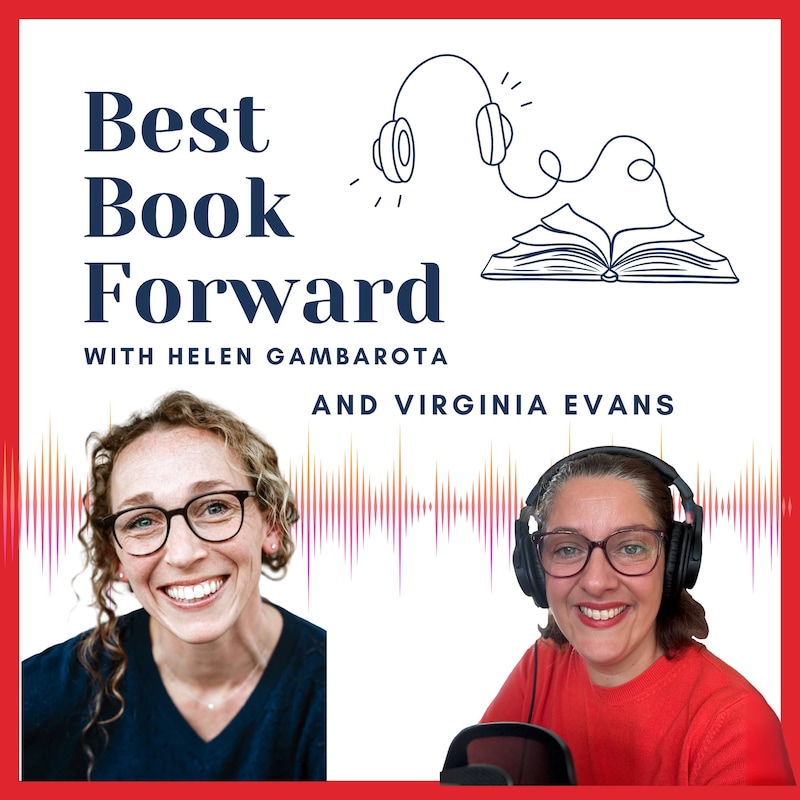
In this Christmas bonus episode of Best Book Forward, I’m delighted to welcome back Virginia Evans author of The Correspondent.
Virginia reveals how the incredible success of The Correspondent has felt after so many years of rejection, she shares the moments that will stay with her forever, a little insight into what she’s currently working on as well as giving a glimpse into her family life at Christmas.
Of course, no episode of Best Book Forward would be complete without some irresistible book recommendations to add to your festive reading list. Here’s everything we discussed:
📚 Books by Virginia Evans
✨ Books Mentioned
- Heart the Lover by Lily King
- The Unlikely Pilgrimage of Harold Fry by Rachel Joyce
- Whistler by Ann Patchett
- Land by Maggie O'Farrell
- The Offing by Benjamin Myers
- Now We Shall Be Entirely Free by Andrew Miller
- The Land In Winter by Andrew Miller
- Cook Like A Pro by Ina Garten
Boutique Book Breaks
Boutique Book Breaks - UK Retreat for Book Lovers. Hosting small groups, with author events at luxury hotels. Use code: 'BestBook' for £50 off the next weekend, 6-8 March 2026 in the New Forest.
For more details visit... https://www.boutiquebookbreaks.com/
I really hope you enjoy listening to this episode as much as I loved recording it.
Tomorrow, I’ll be sharing the last episode in our Christmas Chapter series; I hope you’ll join me again.
In the meantime, if you’ve enjoyed this episode, please subscribe, rate, and review Best Book Forward, and don’t forget to tell your friends... it really helps new listeners discover the show.
See you tomorrow, and happy listening. 🎄
Listen & Subscribe Now:
https://best-book-forward.captivate.fm/listen
To stay in touch with Best Book Forward news please follow me on Instagram @bestbookforward or visit my website: https://bestbookforward.org/
Transcripts
Welcome back to Best Book Forward, the Christmas chapter.
Speaker A:Today I'm delighted to be bringing you another special episode, this time with the incredible Virginia Evans, author of the Correspondent, one of my favourite reads of this year.
Speaker A:Virginia and I last spoke on the podcast back in June when she joined me to talk about the Correspondent, her journey to publication, her friendship with Ann Patchett, and of course, the five books that have shaped her life since then.
Speaker A:It has been incredible to watch the success of the Correspondent.
Speaker A:It has become a huge word of mouth hit and the Times have recently named it one of their books of the year and the Washington Post also named it the feel good novel of the year.
Speaker A:Virginia joins me today to talk about what this success has meant to her.
Speaker A:We also chat about what she's working on at the moment and get a little glimpse into what Christmas time and her family looks like like.
Speaker A:So let's get into it.
Speaker A:Grab yourself a cuppa and somewhere comfy to sit and let's give Virginia a warm welcome back to the show.
Speaker A:Virginia, hi.
Speaker A:Welcome back.
Speaker A:I'm so thrilled to have you here again.
Speaker B:Helen, it's great to be with you again.
Speaker B:It's such a treat.
Speaker A:We've just been having a lovely chat and I was thinking we should have saved some of that for this podcast.
Speaker A:But we were so excited to chat to each other, we just sort of dived right in to celebrate how brilliant the Correspondent is.
Speaker B:Thank you.
Speaker A:So shall we start by telling anyone who hasn't picked up the Correspondent, which I'll hold up, this is a proof copy of the UK version what it's all about.
Speaker B:Yes.
Speaker B:Well, firstly, it's just so fun to be back.
Speaker B:It was really fun the first time we recorded the podcast together, so I was excited to be able to do it again.
Speaker B:The Correspondent is a book about a woman named Sybil Van Antwerp.
Speaker B:She is in her early 70s when the book begins and she is a prolific lifelong letter writer.
Speaker B:So the story, you sort of drop into her life on her birthday or just after her birthday and she is writing a letter to her brother.
Speaker B:And so from there you're just kind of reading, I mean, really what you're reading is her correspondence between her, you know, her relationship with her brother or her relationship with friends and strangers.
Speaker B:And so the book, though, it starts when she's in her 70s, sort of tells the story of her life and there's a few things happening, you know, from the beginning that she has an eye problem, that an eye condition and it is rendering her slowly blind.
Speaker B:And you know that she's dealing with some unresolved grief and some conflict from her past.
Speaker B:And so really, as you read the letters, you are piecing together what happened in her life and what's.
Speaker B:What's continuing to happen in her life.
Speaker B:So it's sort of a.
Speaker B:The book is sort of a portrait of her life, like a puzzle, and it's all told through the letters that she receives or sends.
Speaker A:It's so clever.
Speaker A:Just before we came on, I was picking up my copy and looking back, because it's been a while since I've read it, and I was like, it is so clever how much you get from just these letters of this whole really quite extraordinary life of this incredible woman.
Speaker A:And I just love it.
Speaker A:Virginia.
Speaker A:I could happily pick it up again, actually.
Speaker B:Thank you.
Speaker A:We were just talking about how the book is sort of.
Speaker A:When did it come out?
Speaker B:I think it came out April 29th in the US.
Speaker B:It might have been the same day in the UK or early May, late.
Speaker A:Yeah, we spoke in June, I think it was.
Speaker A:So it must have already been out then when we.
Speaker A:We spoke.
Speaker A:Yeah, we'll just say I'm now sort of starting to see more reviews popping up.
Speaker A:I feel like people are really starting to sort of pick it up again, which is amazing in chatting to people who have just loved it.
Speaker A:And it's sort of had a real impact on its readers.
Speaker A:So I'd love to know, now that you've had some time to sort of reflect on Sybil being out in the world, what is it do you think that readers are connecting to with the correspondent?
Speaker B:That's such a good question.
Speaker B:And I, at this point, point, I've been on book tour and I've gotten to talk to a lot of people.
Speaker B:I do receive a lot of mail from readers and, you know, so I've had so many interactions about the book and it's been so surprising, you know, just to see what the book evokes for people or.
Speaker B:Because the book is about her whole life.
Speaker B:It covers so.
Speaker B:So many topics and so many parts of life and so many different joys and sorrows and triumphs and tragedies.
Speaker B:It kind of covers a lot.
Speaker B:So I think maybe no matter who you are, I think most people can find a touch point in the book that they can, that they'll say to me, oh, this was like me, or this was like my mother, or, you know, this experience happened to me, or some.
Speaker B:There's just a lot of variety.
Speaker B:I think that is part of it.
Speaker B:I also think.
Speaker B:I think really the book is a book about human connection and.
Speaker B:And hope.
Speaker B:I think there's just something about the book.
Speaker B:It's not.
Speaker B:It's not a happy go, lucky book.
Speaker B:I would say it's.
Speaker B:It's a sad book.
Speaker B:I would say the book is primarily on the topic of grief, but it's a story that makes you feel.
Speaker B:I think it makes you feel like you're going to be okay.
Speaker B:You know, if you read the book, it makes you think, okay, even though things in life are hard and everyone's life is hard, we'll be okay.
Speaker B:And I think that is probably what resonates with people.
Speaker B:I just know that when I was writing the book, that was what I was wanting to read.
Speaker B:And so that's what I wrote.
Speaker B:And I think that that is something that feels good to read.
Speaker B:You know, not something that feels sappy or saccharine, but something that feels, I don't know, like hopeful, joyful in the face of reality.
Speaker A:I guess I was thinking about that and I was thinking.
Speaker A:I think in the times we're living in, like, a lot of our connection can be on social media.
Speaker A:It's quite quick replies and things.
Speaker A:I think actually when you pick it up, there's probably this nostalgia of actually writing and receiving letters as well.
Speaker A:But I think it is a very hopeful book.
Speaker A:It is very sad as well, but it does sort of.
Speaker A:Yeah, it's.
Speaker A:It's heartwarming.
Speaker A:It makes you feel hopeful.
Speaker A:And I love listening to people talk about it because it's so.
Speaker A:I always think it's so interesting how words on a page can move somebody so much.
Speaker A:And it really.
Speaker A:People just love Sybil and her story and the way it's.
Speaker A:I think especially the way it's told, it's just so clever.
Speaker A:We talked about it last time.
Speaker A:I was like, you know, the challenges of sort of putting it together just of.
Speaker A:Blows my mind how you did it, but it is amazing.
Speaker B:I think.
Speaker B:I think you're right.
Speaker B:I think there's something.
Speaker B:The combination of what the book is about.
Speaker B:I remember hearing one time I heard Ann Patrick give this interview where she said people can be really critical of her work, that they say it's too happy or it's like too nice, too kind.
Speaker B:And that.
Speaker B:That's not real life.
Speaker B:But I've heard her say in interviews, but that is my experience of living, is that people are kind and.
Speaker B:And people do mean well, and there's so much good in the world.
Speaker B:And I just think that's true.
Speaker B:And I think a lot of modern fiction is heavy on horribleness.
Speaker B:You Know, like the bad things that are the plot, the.
Speaker B:The plot drivers, like murder, you know, like murder or, you know, problems, destruction, climate change, you know, all that stuff that makes for kind of a compulsive story.
Speaker B:But my, my life doesn't look like that.
Speaker B:My life looks like sort of normal people doing their best and making mistakes, but doing their best.
Speaker B:And so I think, I don't know, she said her.
Speaker B:I remember her saying her life is full of people, people who are kind.
Speaker B:And I, and I always think about that.
Speaker B:And so there is something about this book that's.
Speaker B:That I don't think it.
Speaker B:I think it.
Speaker B:To me, it sort of evokes my life experience of the people that I have met and known in a way.
Speaker A:I guess.
Speaker A:Yeah.
Speaker A:And I think, you know, as a reader, I mean, obviously I'm not gonna say I don't.
Speaker A:I was gonna say I don't like a good murder, but I mean, I.
Speaker B:Love a good murder.
Speaker A:That's really wrong for a Christmas special.
Speaker A:I love a good.
Speaker A:I do, I really do, you know, and I do love those books.
Speaker A:But sometimes when I'm reading, I am reading to escape.
Speaker B:Yeah.
Speaker A:And you know, we see all that stuff on the news and things.
Speaker A:So, I mean, I always say I do believe there is more good in the world than anything else.
Speaker A:And it's.
Speaker A:How lucky am I?
Speaker A:That's been my experience.
Speaker A:But yeah, I think the kindness in the book is just.
Speaker A:It's just lovely, you know.
Speaker A:You know how much I love your book.
Speaker B:You're the best.
Speaker A:So it has been a huge hit.
Speaker A:You know, it's a bit of a word of mouth success.
Speaker A:It has hit many best sellers lists.
Speaker A:It was a BBC Radio 2 book club.
Speaker A:The Washington Post described it as the feel good novel of the year.
Speaker A:You're just saying.
Speaker A:The Times put it as one of their top reads of the year as well, which is incredible.
Speaker A:It has just.
Speaker A:Well, it was nominated in pretty much every category in the Best Book Forward awards, including lots of nominations for non fiction, which we were just talking about.
Speaker B:The book is fiction, everyone.
Speaker B:It's not nonfiction.
Speaker B:It's a big story.
Speaker A:Yeah, it's funny, isn't it?
Speaker A:I was saying, I was like, it wasn't just one.
Speaker A:So I was like, people really think that this is real, which I quite love.
Speaker A:And it has also just won the best audiobook on the Best Book Forward awards as well.
Speaker A:So congratulations.
Speaker A:That's amazing.
Speaker A:When we spoke before, you talked about how your journey to publication wasn't easy.
Speaker A:You know, you did face a lot of Rejection you had to really sort of fight through to bring this beautiful book into our lives.
Speaker A:How does it feel now that it's out there and everyone loves it?
Speaker A:What's that like for you, Virginia?
Speaker B:You know, I was just talking to my husband about this.
Speaker B:This weekend we went away after Thanksgiving, and I just told him, I have felt this way all along, and it still feels this way.
Speaker B:It's so surreal.
Speaker B:I feel like I am watching this thing happen to someone, and I'm thrilled.
Speaker B:I think this lucky woman who wrote this book and, you know, it's selling and it's changing her life, and then it's me, it's me, it's my life.
Speaker B:And I. I feel.
Speaker B:I have felt from.
Speaker B:I mean, the day we sold the book to Crown, I have just felt so thankful and so just really grateful to primarily not be trying and failing anymore.
Speaker B:That's what I feel grateful for.
Speaker B:That there's.
Speaker B:I think for all the years that I was trying, it was just this very loud noise, which is the best way I can describe it, of desiring to get a project across the finish line to publication and to not be a failure.
Speaker B:You know, you.
Speaker B:You got to keep.
Speaker B:Come on, you can do this.
Speaker B:You can do this.
Speaker B:You know, this.
Speaker B:Just push.
Speaker B:And I.
Speaker B:And now.
Speaker B:And so really all I wanted was to publish.
Speaker B:Like, I didn't.
Speaker B:It wasn't.
Speaker B:The ambition was not to be on a bestseller list or to have good sales.
Speaker B:That really wasn't.
Speaker B:Probably wasn't even, like, on my radar.
Speaker B:Um, and so the fact that sort of feel like I got everything I wanted the day it was published, you know, and now it's sort of this.
Speaker B:It's kind of snowballing, and I. I almost feel like I don't even.
Speaker B:Nobody needs me to make it sell now.
Speaker B:I can just sort of, like, go back into hiding.
Speaker B:And I am overwhelmed.
Speaker B:I don't.
Speaker B:I can't absorb it.
Speaker B:I don't feel like I have a good frame of reference for it.
Speaker B:And, you know, people will contact me or call me and say, you're on the Times, or you're, you know, you made the New York Times.
Speaker B:And I sort of think, like, that's great.
Speaker B:It's so hard to, like, feel.
Speaker B:Feel it.
Speaker B:But I'm trying to feel it because I'm thinking, like, this is a once in a lifetime thing.
Speaker B:I mean, I know I'll keep writing books, but the chances of a book I write again, doing this well is, like, probably slim.
Speaker B:I mean, I'm not saying it couldn't happen, but I'M not expecting this to happen anytime I write a book.
Speaker B:And so I'm trying to absorb it and feel it.
Speaker B:And there have been a few times where I'll have these moments like I bought myself a piece of art because I was like, I'm going to celebrate.
Speaker B:I'm going to sell, you know.
Speaker B:And so there.
Speaker B:There are some times where I am trying to, like, let it sink in, but it is hard time.
Speaker B:I was.
Speaker B:I was saying to my husband, I think because it was so many years of failure, my expectation is failure is.
Speaker B:Was always kind of.
Speaker B:I sort of learned to.
Speaker B:Failure felt normal to me.
Speaker B:The succeeding does not feel normal.
Speaker B:And it feels hard for me to sort of switch my brain into that mode.
Speaker B:But I am trying.
Speaker B:Trying to enjoy it and drink nicer, you know, drink nicer wine occasionally.
Speaker A:But everything.
Speaker A:When we talked about it last time, I was really struck because you were very young when you were writing and getting these rejections.
Speaker A:And I think a lot of people would take a first no and be like, okay, I'm barking up the wrong tree.
Speaker A:Let's do something else.
Speaker A:And, you know, I know you have a very supportive family and everybody around you, but it is a solitary endeavor, so to sort of be doing it on your own, have knockbacks and sort of keep coming back.
Speaker A:It's so impressive that you didn't just thank goodness you did.
Speaker A:But I can imagine how hard that is then to sort of switch from.
Speaker A:Because how many years do you think you were writing the Chorus?
Speaker B:I started writing my first novel when I was 19, and when I sold.
Speaker B:I sold the correspondent on my 37th birthday, so 18 years.
Speaker B:And now, you know, I just.
Speaker B:I'm 39 now, so.
Speaker B:But, yeah, I think.
Speaker B:Yeah, it was.
Speaker B:I think there's something about it that.
Speaker B:Because it's solitary and because the failure was somewhat solitary, although my husband shared a lot of it with me, you know, he was very aware, very present.
Speaker B:But, you know, just.
Speaker B:It starts to build into who you are as a person, I think, in a good way and a bad way.
Speaker B:You know, all of the failure and all of the rejection for so long, it starts to be, you know, I was having that experience from when I was 19 to when I was 37.
Speaker B:It's like my whole young adult life was a sense of failure and inability to execute the, you know, execute the thing that needs executing.
Speaker B:And so it probably is hard for me to.
Speaker B:I probably live with some imposter syndrome now with this book.
Speaker B:Sort of like, oh, it's not that good.
Speaker B:It can't Be that good.
Speaker B:I mean, I, there's something about it that is.
Speaker B:I would love to be able to release into the universe and just sort of like own what it is now and who.
Speaker B:And who I am.
Speaker B:But it is challenging in some ways.
Speaker A:But I think it's hard.
Speaker A:I mean, it's very hard to sort of.
Speaker A:I mean, my sister and I were talking about this.
Speaker A:Like, accepting compliments is a very hard thing to do.
Speaker A:When we, before we came on to record and you were like, did you see the times?
Speaker A:Like, it's like we were chatting and there was like just this look of joy on your face and I was like, I'm so happy for you.
Speaker A:But if you were meeting somebody in a dinner party and they had said, you know, what do you do?
Speaker A:Would you be like, oh, I wrote a little book, or would you be able to be like, I wrote this amazing book.
Speaker A:It's doing really well.
Speaker B:I would absolutely say I'm a writer and that's all I say, you know, and I, and I think, like, I want to be it.
Speaker B:That is the funny thing.
Speaker B:I want to be able to fully step into this moment.
Speaker B:But there is something innate in me that probably never fully could.
Speaker B:Although I also think there's something about that that I'm grateful for that I'm grateful that this didn't happen to me when I was 25.
Speaker B:And then I'm walking around on my high horse expecting, you know, expecting that my life is going to be some like unbroken, you know, stream of go signs.
Speaker B:Then I would be insufferable.
Speaker B:Although I'm kind of insufferable at this point anyway.
Speaker A:But with that whole imposter syndrome thing, I mean, I always say I'm terrible for, you know, I actually have little post it notes sort of just on my desk of things to sort of remind myself when I have like doubt about things.
Speaker A:But it's, I think it's something to really sort of.
Speaker A:Yeah, it's because it's not holding you back, but it's, it's taking away the enjoyment, isn't it?
Speaker A:As you're saying, like, you know, just being able to go off and buy your art and be like, I'm celebrating, like, because it is such an incredible achievement.
Speaker A:Why shouldn't you be out and sort of, you know, we're all loving your book.
Speaker A:We want to see you out there and enjoying it as well.
Speaker A:So go buy some more art.
Speaker B:My husband, you said that.
Speaker A:Okay, so when you look back then, from publication to now, are there any moments that are just so Special, you know, that, you know, you're always going to remember them.
Speaker A:What are those moments for you, Virginia?
Speaker B:I have a few.
Speaker B:I mean, one of my, one of the most memorable moments was when I got to come to England.
Speaker B:When the book came out there I had never been.
Speaker B:And we recorded our podcast when I was there, just being able to, you know, pull up to the Penguin Random House tower, be brought in, you know, and there's my book and there's champagne and it's this whole team of people in a city that I've read about in hundreds of novels and always wanted to see.
Speaker B:And just that, that feeling.
Speaker B:I'll never forget that I'll never forget being.
Speaker B:I stayed in this little hotel in Kensington and I'll just remember kind of going back to my room and just laying on the bed and thinking, I can't believe this is happening to me.
Speaker B:That really stands out.
Speaker B:I will never forget when the book made the New York Times bestseller list.
Speaker B:The first time my editor called me and she said, are you sitting down?
Speaker B:And I said no.
Speaker B:And she said, what are you doing?
Speaker B:And I said, I said, I'm eating a cheese stick.
Speaker B:Do you have those in the uk?
Speaker B:Like a cheese, like a long string of cheese, which is a classic that children.
Speaker A:Yeah, yeah.
Speaker B:So I was, it was like 5:30 and I was making dinner and I was eating a cheese stick and I said, I'm cooking dinner and we're doing homework and I'm eating a cheese stick.
Speaker B:And she said, well, you need to sit down because you made the New York Times.
Speaker B:And, and that was really, really special to have that experience.
Speaker B:And there, I would just say that this, what stands out is the people I've met.
Speaker B:I mean, I feel so blown away by the opportunities I've had to meet people like you and other podcasters and other authors that I've met now because of this book.
Speaker B:I was on a panel with Lily King and that was amazing.
Speaker B:I mean, just amazing.
Speaker B:And now we're friends and we text and send voice memos, you know, and that was really neat.
Speaker B:And yeah, it just all, it's just all very it all, every moment.
Speaker B:I mean there's so many moments, but those stand out.
Speaker B:I was in New York City on my birthday for some book related things and my husband came with me and we just had this day of sort of, you're famous, even though I'm not.
Speaker B:And I wasn't, definitely wasn't yet.
Speaker B:But it was fun to be up there for that reason and feel like we're here because My book.
Speaker A:And.
Speaker B:And.
Speaker B:And then there's been some things with a movie that is maybe in the works.
Speaker B:And so.
Speaker B:I know.
Speaker B:And so when I got that news, I. I remember where I was.
Speaker B:The phone call.
Speaker B:I. I was on book tour in Connecticut and I got this call and I just think there just have been some real Cinderella.
Speaker A:Oh, okay.
Speaker A:I'm so excited because I was like, I'm gonna go back and talk about this.
Speaker A:But now the movie is just like.
Speaker A:Well, because we talked about that on our last episode and we were saying Meryl Streep and we were like, manifesting.
Speaker A:So I need to up my manifesting.
Speaker A:Right.
Speaker A:Manifesting.
Speaker B:Just keep manifesting.
Speaker A:Okay.
Speaker B:It's on, like, pretty good feet.
Speaker B:The.
Speaker B:The.
Speaker B:The movie is like, in a.
Speaker B:Pretty good.
Speaker B:It's not.
Speaker B:I'm not saying there is a movie, but I'm just saying.
Speaker B:Yeah, the thought of a movie is in a good position in.
Speaker A:Yeah.
Speaker B:In the world.
Speaker B:In the atmosphere.
Speaker B:So I'm pretty excited about that.
Speaker A:Everyone who's listening, you need to start manifesting this.
Speaker A:It would be amazing.
Speaker B:It would be a great movie.
Speaker B:It would be.
Speaker A:It would be.
Speaker A:And actually, I had a random thought the other day and I was like, I could also see it as like, a really lovely theater production as well.
Speaker A:I don't know how they would do it, but it could be really lovely, couldn't it?
Speaker B:I think it would be great.
Speaker A:I think it would be.
Speaker B:Be great.
Speaker A:Yeah.
Speaker A:Because there's a couple, like.
Speaker A:I don't know if you've read the Unlikely Pilgrimage of Harold Fry by Rachel Joyce.
Speaker B:Have not read it, but I have it to read.
Speaker B:You have to my stack.
Speaker A:Bump it up.
Speaker A:But that's just been made into a musical that's going into the West End as well, which I really want to go and see.
Speaker A:It's had amazing.
Speaker A:Yeah, yeah.
Speaker A:Come back to London.
Speaker A:We'll go together.
Speaker A:Okay.
Speaker A:So I mentioned at the beginning that the Correspondent has just won best audiobook in our awards.
Speaker A:And Virginia, people are messaging me and they are basically bullying me and demanding that I go and listen to it.
Speaker A:They're like, it is an incredible production.
Speaker A:You have to listen to it.
Speaker A:So I will be going back and listening to it.
Speaker A:I know you've listened to it, and I know there's a lot of different actors playing the various roles.
Speaker A:What was your experience like of listening to it for the first time?
Speaker A:How was that?
Speaker B:That's a great question.
Speaker B:I was so excited when they told me that it was going to be a full cast.
Speaker B:I just thought.
Speaker B:I just think that is magical and it evokes like a BBC radio play or something.
Speaker B:So that was really exciting and it was honestly very challenge.
Speaker B:I've.
Speaker B:I've never heard my work read.
Speaker B:I actually, I did have one long form essay audio published which.
Speaker B:And had a similar experience listening to that where it was a little bit jarring because you write something in the way that you think it.
Speaker B:And I think, you know, when I'm.
Speaker B:When I'm writing a novel or an essay or whatever, but typically fiction, I'm always sort of.
Speaker B:I'm not actually reading it out loud, but I'm reading it out loud in my mind to see how it sounds and how the words play, especially with dialogue, but also just the.
Speaker B:It's almost, it's.
Speaker B:I've actually never really given this a lot of thought, but I think it's something about hearing it in my mind to make sure it kind of has this readability and beauty to the, to the language and so, so.
Speaker B:But the way I write it, it has my own pauses, inflections, cadence, my own nuances that I put on in my mind.
Speaker B:Hearing the audiobook was jarring because it's not read the way I wrote it, which is not wrong, it's just how it is.
Speaker B:And it made me actually give a lot of thought to the fact that we all read books differently too, you know, and how I, how I read.
Speaker B:And I've had this experience too.
Speaker B:If I've been reading a book and I switch to the audio, how all of a sudden I feel like, oh, that wasn't how I thought it was being read.
Speaker B:You know, maybe I'm reading it in a serious way, but the narrator is reading it with humor or whatever the thing is.
Speaker B:So I did have a bit of that experience and I thought, I enjoy audiobooks, I'm not a huge audiobook listener, but here and there.
Speaker B:And I did think it was a little bit of a jarring experience, but I did listen because I wanted to hear everybody's role.
Speaker B:And it was, it was really fun and, and they cast these people accurately.
Speaker B:So, you know, they cast a Syrian man for the Syrian character.
Speaker B:They cast, you know, they cast the right.
Speaker B:They cast a Scottish woman for the Scottish woman.
Speaker B:And so I just think they did a really good job and it was really fun to hear those inflections and voices and stuff.
Speaker B:So I was really pleased.
Speaker B:And I mean, the people have raved about the audio.
Speaker B:People love the audio and it sells, it just sells so well.
Speaker B:So that's really great.
Speaker A:I mean, as I say, it's like normally when I do book awards and like people are sort of sending their nominations, they'll just write, you know, the book title.
Speaker A:It's amazing.
Speaker A:It's amazing.
Speaker A:You have to go and listen.
Speaker B:Okay.
Speaker A:I mean, I do.
Speaker A:I feel like I've been bullied into like being the only one.
Speaker B:Okay.
Speaker A:So I will do.
Speaker A:I guess they're very different projects, aren't they?
Speaker A:You know, if you think about a movie or whatever, you.
Speaker B:I guess.
Speaker A:Do you have to look at them all as sort of slightly different lives of the book?
Speaker B:Yes.
Speaker B:And I think I have always felt very open handed with any of the other.
Speaker B:The book, the physical book that you read is mine and that's my work and that's mine.
Speaker B:And I want to stand, but that's what I care about.
Speaker B:Being perfect in my eyes.
Speaker B:You know, I want it to be what I want it to be.
Speaker B:But I feel once I hand it off to somebody to make an audio production or once I hand it off to somebody to make a movie, theoretically, or if I handed it off to somebody to make a.
Speaker B:Even, even the COVID like, even the COVID art, that feels like that's not my job.
Speaker B:I mean, my job is the story.
Speaker B:And I think I feel very happy for it to take on whatever it takes on, to have whatever face it has.
Speaker B:I feel very at home with that.
Speaker B:That what I did, my job is done.
Speaker B:And now I'm writing a new book and that's what my focus is on.
Speaker B:So whatever happens with the Correspondent beyond the book that I wrote, those 300 pages is fine.
Speaker B:I feel fine about that.
Speaker A:So you nailed your job.
Speaker A:Let me.
Speaker A:Let's face it, it's a brilliant, brilliant read.
Speaker A:If we look back at the Correspondent and there's so many amazing characters, would you ever consider maybe revisiting one of those characters and telling their story?
Speaker A:Or do you think the correspondence just.
Speaker B:Sort of gonna be.
Speaker B:I don't have plans to do that.
Speaker B:And I will say one of the characters in the Correspondent plays a very minor role in my book I'm writing now, which is kind of fun.
Speaker B:I won't say who, but that will be a fun.
Speaker B:Like, I like that as a reader to find those Easter eggs of, you know, past lives of other characters in the next book.
Speaker B:But I think there are several of the stories that would make a good story.
Speaker B:You know, I think the story of Harry Landy's life would be a good story.
Speaker B:I think.
Speaker B:I think there are several people in the book that would have their own great story, but that's kind of the whole point of the book, not that there's a point, but the whole conceit of the Correspondent is that no matter how normal and simple and boring and totally like small someone's life seems, it's a story.
Speaker B:It's a whole story.
Speaker B:And so I think that could be true for any, any of the people that Sybil interacted with.
Speaker B:But I don't have plans to make a Elizabeth Strout world of like, yeah, the book about this one, and they're all like, intercon.
Speaker B:That's not.
Speaker B:I don't have that in my plans.
Speaker B:But I do think you could.
Speaker B:Yeah.
Speaker A:Yeah.
Speaker A:I mean, I think there's so many that people would be happy to sort of go back and learn more about, myself included.
Speaker B:Who would you want?
Speaker B:Who would you want?
Speaker A:I mean, all of them.
Speaker A:I. I just love being in this world and actually.
Speaker A:But I say that, I mean, I'm quite happy where everyone was left.
Speaker A:I don't sort of like, oh, I want to know.
Speaker A:You know, it's not that I have like a sort of frustration of like, oh, I wish I knew what had happened there.
Speaker A:I'm just greedy.
Speaker B:I just want more.
Speaker A:I just want more.
Speaker A:When we last spoke, something I really enjoyed listening to you talk about was your incredible friendship with Ann Patchett and how supportive she's been.
Speaker A:She shared a video recently about the Correspondent and saying that people are.
Speaker A:She's getting a lot of letters about the Correspondent, which I just think is hilarious.
Speaker A:But I think it's probably that people, you know, have picked up on that, you know, that she, she has supported somebody and it is incredible that she's done that.
Speaker A:But people are writing to you as well, aren't they?
Speaker A:And what are they saying?
Speaker B:Yes, I, Yeah, that was.
Speaker B:I felt so bad for, for books.
Speaker B:I'm like, oh, they're.
Speaker B:They're mail slot.
Speaker B:It's all my fault.
Speaker B:I published their address.
Speaker B:Yeah.
Speaker B:But I think, yeah, I do get a lot of letters.
Speaker B:A lot of letters.
Speaker B:I get a lot of emails.
Speaker B:I get a lot of messages from people through Instagram and, you know, different channels.
Speaker B:Mostly just people writing to say how lovely things.
Speaker B:I loved the book.
Speaker B:You know, it reminded me of someone or it reminded me of myself or it was such a great reading experience.
Speaker B:I mean, people are, I would say 90% of the time, very lovely.
Speaker B:I do get some, some weird things.
Speaker B:People don't, you know, people feel the freedom.
Speaker B:It's very civil of people to say this was good, but this was not good.
Speaker B:And I just think it, I.
Speaker A:It may.
Speaker B:I I don't even mind.
Speaker B:I sort of feel like.
Speaker B:Well, yeah, I mean, I feel critical of books that I read, too.
Speaker B:So it is funny that people write to me, like, what was the thing?
Speaker B:Oh, I got a letter.
Speaker B:Yeah, I read a letter a couple days ago, and this, I think it was a man.
Speaker B:And he said, I loved the book.
Speaker B:You know, it was just great.
Speaker B:And I.
Speaker B:It was emotional, blah, blah.
Speaker B:He said really lovely things.
Speaker B:And he said, I have one problem with the book.
Speaker B:And the problem is that I thought it was too.
Speaker B:Do you say, like, coy or too sort of, like, cute that she was going blind.
Speaker B:And as she was going blind, her, like, eyesight was opening to her, like.
Speaker B:Like internally.
Speaker B:And it's really funny because I didn't do that on purpose.
Speaker B:I mean, it wasn't like I thought, I'm going to have this gimmick where she's going blind, but actually she's starting to see.
Speaker B:I mean, it's just how the story unfolded and the blindness.
Speaker B:The fact that she was going blind was more of a.
Speaker B:A craft of telling a story for, like, a ticking time clock.
Speaker B:Like, there's something that makes you have to turn the pages.
Speaker B:Like, there's a sense of a timeline, you know, like a.
Speaker B:A countdown to some end.
Speaker B:And it just.
Speaker B:Honestly, the letter made me laugh because I thought, how clever was I?
Speaker B:Like, I didn't even mean to do.
Speaker B:I wasn't trying to do that, you know, but.
Speaker B:But he.
Speaker B:He was.
Speaker B:He said it just seemed too cute.
Speaker B:And I said, why?
Speaker B:I mean, I didn't say anything.
Speaker A:I just thought.
Speaker B:I wasn't even trying to.
Speaker B:But I feel like it's funny that it worked out.
Speaker A:I mean, it's actually.
Speaker B:Yeah, this is.
Speaker B:There's a few political statements in the book which are very minor and I feel like, are largely shared by many Americans of sort of, like, bafflement by the politics of the time.
Speaker B:And I've gotten some lash, some lash back about that and.
Speaker B:But mostly, I mean, mostly people say lovely, lovely things.
Speaker A:So we'll just take those ones or just pop them over there.
Speaker B:I passed them over to Mark, my husband.
Speaker B:I'm like.
Speaker A:I think it's.
Speaker A:I mean, as you say, it is very civil.
Speaker A:But I just think it's so strange, isn't it, when people are like.
Speaker A:I mean, good for them.
Speaker A:If that's what you need to do.
Speaker A:Off you go.
Speaker B:That's.
Speaker B:That's great.
Speaker B:I'm all yours.
Speaker B:My feelings aren't hurt.
Speaker A:I think you have to have thick skin.
Speaker A:Don't you just sort of let those things just go.
Speaker A:So given that the Correspondent has been so successful, so well loved, how has that affected your writing, your next project?
Speaker A:And are you able to share any news with us?
Speaker A:I mean, you've spoken a little bit about what you're working on or.
Speaker B:I'm working on a novel.
Speaker B:It's a.
Speaker B:It's about the making of a movie.
Speaker B:So it's.
Speaker B:It's about.
Speaker B:I mean, this is what I'm working on now.
Speaker B:I mean, like if nobody ever sees it.
Speaker B:If you listen to this, 10 years, it's still not there.
Speaker B:It just was.
Speaker B:Didn't work and I scrapped it.
Speaker B:It's about the making of a movie based on a classic novel.
Speaker B:And it's kind of set in a few different places, but a little bit in London, a little bit in Oxford, a little bit in Scotland, a little bit in different places.
Speaker B:And it has been interesting trying to, you know, find my feet again with writing.
Speaker B:I think part of the experience that the Correspondent has been, which was distracting enough just mentally for me that it was going to come out and I was anticipating it and excited and also nervous and sort of disbelieving.
Speaker B:And then in the summer when it kind of ramped up and.
Speaker B:And then I.
Speaker B:Then they scheduled me for a book tour, which wasn't originally part of the plan.
Speaker B:And now I'm.
Speaker B:I've been booked into lots of things and I am traveling more and having more speaking engagements.
Speaker B:It's very.
Speaker B:It's been very like distracting from the quiet creative life.
Speaker B:And I don't know, I mean, I'm learning as I go.
Speaker B:I mean, I don't know if it's something where in the future, if I publish another book, you know, Lord willing that I would say okay.
Speaker B:For those months following publication, you don't try to write something new.
Speaker B:You just sort of ride the wave and talk about the book that's out and let your brain rest.
Speaker B:But it's hard for me.
Speaker B:I have been a Everyday writer for 20 years and so it's.
Speaker B:I just never wanted to stop.
Speaker B:I didn't want to take a break.
Speaker B:And so after we sold the Correspondent, I wrote the first draft of a different novel.
Speaker B:And it took.
Speaker B:It was painstaking.
Speaker B:It took me like 18 months for a really rough, kind of horrible first draft.
Speaker B:And I got to the end and I felt like I don't want to do this right now.
Speaker B:And so I put it to the side.
Speaker B:And then I started writing this new thing which has actually felt more like I found my beat and find my way.
Speaker B:Found my way of being.
Speaker B:But I've really had to.
Speaker B:It's been such a learning experience.
Speaker B:I saw a headline recently where Zadie Smith said something like, if you want to write a book, you have to put down your smartphone.
Speaker B:And I think that's.
Speaker B:I've said to Mark a million times, it's my phone that's killing me.
Speaker B:It's the being reachable, it's the email to the phone, it's the social media to the phone.
Speaker B:It's the way that I reach for my phone because it's always giving me that hit of contact or something.
Speaker B:And so actually, this month, my family observes Advent.
Speaker B:And part of my Advent observance is to not be on social media for the month.
Speaker B:And I think that will be really good for my brain to kind of power down and get back to some more of the foundational levels of how my brain needs quiet and focus to, you know, to write good, to do good work.
Speaker B:I remember when I was in Trinity studying with Claire Keegan, she said, when she said, you need to go on walks with nothing in your hands.
Speaker B:Just go on a walk without headphones, without your phone, without a friend.
Speaker B:Just go walk in the wilderness by yourself, with silence.
Speaker B:And I.
Speaker B:And I find she's right.
Speaker B:She's really right.
Speaker B:So I am trying to find my way.
Speaker B:I do think the book I'm writing now has the thing that it takes to become something good.
Speaker B:So I'm hoping to kind of follow that.
Speaker A:Watch this face then.
Speaker A:It's so true, isn't.
Speaker A:I think the phones are in so many ways a brilliant thing, but they are.
Speaker A:We just are filling every moment, aren't we?
Speaker B:Yeah.
Speaker B:You know, you get on a train and you see everybody's on their phone or standing in line and nobody just stands there and looks around anymore.
Speaker B:I think.
Speaker B:I mean, I want to chuck it into the.
Speaker B:Into the lake.
Speaker B:I. Yeah.
Speaker A:Kind of hate.
Speaker B:I kind of hate it.
Speaker B:But I am also kind of hooked to it.
Speaker A:So, yeah, I've started when I'm working in here of having to put my phone in the kitchen because I will be like, oh, let me just check that.
Speaker A:And then I sort of.
Speaker A:I mean, like the ADHD brain.
Speaker A:I'm like, what else?
Speaker A:But I actually have to move it out because I can't be trusted.
Speaker A:Yeah.
Speaker A:To not sort of.
Speaker B:Yeah.
Speaker A:Go down that rabbit hole with it.
Speaker A:So, yeah.
Speaker A:I mean, that's a whole other story though, isn't it?
Speaker A:So in a minute, we're going to take a look back at the books you chose last time.
Speaker A:But before we do that.
Speaker A:I just want to tell listeners about a book break that I've recently been on.
Speaker A:I spent the day on a Boutique Book Breaks weekend and honestly it was the perfect escape.
Speaker A:I didn't want to leave.
Speaker A: ext one is happening in March: Speaker A:Whether you're traveling alone or with a friend, you can expect to find a group of like minded women, your new book friends enjoying a luxurious setting, author talks, spa treats, delicious meals, country walks, cosy nooks in the private reading lounges where you can curl up your book and fully unwind.
Speaker A:I mean, what could be better?
Speaker A:I was only there for a day and I felt like I'd found bookish heaven.
Speaker A:So if this sounds like your cup of tea, I've got some some great news.
Speaker A:Emma from Boutique Book Breaks has very kindly offered Best Book Forward listeners a 50 pound discount on your stay.
Speaker A:Simply use the code BESTBOOK and you'll find all the details in the show notes below.
Speaker A:Last time we spoke, Virginia, you picked these five books as the books that had shaped your life.
Speaker A:So I'm going to just run through them now and see whether they.
Speaker A:I mean we didn't speak that long ago, but we'll do it.
Speaker A:So your first choice was Stoner by John Williams, the Firm by John Grisham, Rebecca by Daphne du Maurier, One by One in the Darkness by Deirdre Madden and the Dutch House by Ann Patchett.
Speaker A:How any you'd swap out or any you'd add?
Speaker B:No.
Speaker B:What a great list.
Speaker B:I need to rewrite those down because people have asked me on other interviews and I've given different lists but I think that's the best.
Speaker B:I think that's.
Speaker A:Thank you, thank you for giving it to me.
Speaker A:I will email it back to you.
Speaker A:Please do.
Speaker B:Yeah, please do.
Speaker B:Actually just reread One by One in the Darkness this year and it just gets better.
Speaker B:It gets better every time I read.
Speaker A:It and I was looking at your listened.
Speaker A:Patrick, how excited are you for her new one?
Speaker B:Okay, Helen, listen, have you got a proof?
Speaker B:No, Listen to this.
Speaker B:This is gonna.
Speaker B:This is the best thing that's ever happened to me.
Speaker B:Listen everyone who's listening?
Speaker B:This is the happiest I could be.
Speaker B: ,: Speaker B: ,: Speaker B:On my 40th birthday, you know where I'll be?
Speaker A:Oh, I'm reading.
Speaker A:I was very lucky.
Speaker A:I got proof of land I'm halfway through, and it is so, so beautiful.
Speaker A:It is one like, I literally, from about 5:00', clock when I start making the kids dinner, I'm like, everyone go to bed.
Speaker A:I don't go to bed.
Speaker A:I want to get back in.
Speaker B:Oh, I'm so jealous.
Speaker B:But I kind of like, I want to buy it in the store that day, but I also desperately hope somebody sends me a proof, but they probably won't, but if they do, I'm gonna read it.
Speaker A:I mean, I literally, I opened the envelope and I was like, yeah, that can't wait.
Speaker A:Straight in.
Speaker B:So jealous.
Speaker A:I know.
Speaker B:Okay, well, that's.
Speaker B:Yeah.
Speaker B:So those are my.
Speaker B:I'm excited about both of those books.
Speaker A:Oh, that's great.
Speaker A:On your fourth.
Speaker A:But it's amazing, isn't it?
Speaker A:Both the big ones out in that year as well.
Speaker A:Oh, okay.
Speaker A:So I know you love to read as well.
Speaker A:So what have been your standout reads for this year, Virginia?
Speaker A:Have you read anything that you'd like to share with us?
Speaker B:Yes, I have a few.
Speaker B:I have made a few notes.
Speaker B:You actually, I'll start.
Speaker B:I'll go from sort of light to heavy.
Speaker B:We'll do.
Speaker A:Okay.
Speaker B:I think you and I talked about the flat share by Beth o', Leary, and I loved that book.
Speaker B:That felt like.
Speaker B:Felt like a reading experience that I sort of always am looking for, which is, you know, good, solid content, but sort of enjoy, like fun, enjoyable, get through.
Speaker B:And that is how I felt about that book.
Speaker B:And so that was one of my.
Speaker B:That was one of my most enjoyable reads this year.
Speaker B:I loved Heart the Lover.
Speaker B:I know everyone loved Heart the Lover, but especially getting to be on the panel with her.
Speaker B:We got to talk about our two books at the same time.
Speaker B:And now we've become friends.
Speaker B:And so that book sort of means a lot to me.
Speaker B:By Lily King.
Speaker B:I read the Offing by Benjamin Myers, and I loved that book.
Speaker B:It was sort of idyllic, but also heavy.
Speaker B:There's a.
Speaker B:There's an older woman character in the story who has a little bit of a Sybil quality, which is obviously a quality I really enjoy.
Speaker B:So I loved that.
Speaker B:And then I think I read this very end of last year, but it's Now We Shall Be Entirely Free by Andrew Miller, and he's now up for the booker for the book.
Speaker B:Yes.
Speaker B:And so I.
Speaker B:That was.
Speaker B:That was probably my favorite.
Speaker B:We Went on a trip to Scotland last fall and Now We Shall Be Entirely Free is kind of set in the Outer Hebrides and it's a, a, it's sort of a page turning journey book and I loved that book and so I didn't realize that his new, that it was him that had this book book on the list.
Speaker B:And so I got my copy and now I'm reading it and I'm loving it.
Speaker B:It's very.
Speaker B:Some books to me feel are.
Speaker B:I feel like books have a temperature and some books feel really warm and some books feel cool or even cold and there's something about his voice and that feels very cold but sharp like such a sharp cold.
Speaker B:And so I love reading seasonally.
Speaker B:So right now I'm reading the Land in Winter and I'm about a third of the way through and I love it.
Speaker A:I've heard it's amazing actually.
Speaker A:So.
Speaker A:And it's nice to read something seasonally, isn't it?
Speaker A:I think if you are doing that, um, earlier in this season, Frances Quinn, author of the Lost Passenger, picked when I asked her what her standout reads were for the year, the Correspondent was one that she.
Speaker A:Absolutely, yeah.
Speaker A:She spoke about how much she loved it.
Speaker A:And so, so yes, thank you.
Speaker A:Okay, we're going to move on to some festive questions then.
Speaker A:So the holidays are probably the one time of the year when somebody is likely to pick up a pen and write a card.
Speaker A:So if you were sending a card and a copy of the Correspondent, you could send it to anyone.
Speaker A:Who would you like to send it to?
Speaker A:Who would you like to read?
Speaker A:The Correspondent?
Speaker B:I have, I have had a sort of longing for so many years to be, to know and be known by Ina Garten, the American sort of cooking figure.
Speaker B:Do you know Ina Garten?
Speaker A:Yeah.
Speaker B:Okay, I'm going to send, I'll send this to you offline.
Speaker B:Ina Garten, she's also called the Barefoot Contessa and she writes these amazing cookbooks and then she does these sort of, there are these films, short films of her kind of cooking with other well known public figures and sort of the conversations and, and she's, she's probably, I don't know how old she is.
Speaker B:Her memoir came out this year.
Speaker B:Maybe she's in her 60s, 70s, I'm not sure.
Speaker B:But she, I have been cooking from her cookbooks pretty exclusively since I was like 20.
Speaker B:And I love her and I love her personality and I have always thought, I just wish, I wish, wish, wish I could meet her and have an excuse to talk to her.
Speaker B:And so she's the person I would choose.
Speaker A:Let's send it to her.
Speaker A:I mean, I don't have her address to give to you.
Speaker B:No, I know.
Speaker A:I don't know how I'm gonna make that happen.
Speaker B:I know I would.
Speaker B:So.
Speaker B:And actually, her.
Speaker B:Her cookbooks are published by the same group I'm published by, and I have asked, can I get in contact with her?
Speaker B:And I think she sort of probably keeps a, you know, a reasonable.
Speaker B:She's very, very, very well known here in the US So she probably keeps her life as private as she can.
Speaker B:But I've always thought, oh, if I could have, like, cook with her, just stand with her in the kitchen with the glass of wine for, like, one evening, I could be so happy.
Speaker B:So.
Speaker A:Oh, okay.
Speaker A:Manifesting.
Speaker A:Manifesting.
Speaker A:Okay.
Speaker A:So what's the one thing you must have at Christmas?
Speaker A:A song, a movie, a food or tradition that makes you feel like it really Christmassy?
Speaker B:Yes.
Speaker B:So my family.
Speaker B:I've got.
Speaker B:I've got two siblings, and we sort of have this rhythmic sort of Christmas tradition, which is that on the 23rd, we call it Christmas Eve Eve, and we are all together, and we do one meal.
Speaker B:And during that meal, so my sister hosts one, and then I host.
Speaker B:You know, we take turns hosting Christmas Eve and Christmas Eve Eve, and we make 200 peanut butter and jelly sandwiches for this homeless ministry in our city.
Speaker B:And we.
Speaker B:We all get around the island in my sister's kitchen, and we.
Speaker B:And all the children, all of our children, and we make this assembly line of peanut butter and jelly sandwiches.
Speaker B:And, you know, I've got the peanut butter.
Speaker B:Okay.
Speaker B:I've got the knife for cutting.
Speaker B:And then we put them in the bags.
Speaker B:And then on Christmas Eve, we go deliver them to this homeless shelter.
Speaker B:So they serve a hot meal on Christmas Eve, but then as they're leaving, they hand them one of these, you know, peanut butter and jelly sandwiches.
Speaker B:And that's really just fun to, you know, take a moment to do something.
Speaker A:Yeah.
Speaker B:Physical, you know, that feels like serving other people than ourselves.
Speaker B:And then we have this big meal, and then the next day is Christmas Eve, and we kind of do it a different traditional meal.
Speaker B:And then we all kind of do Christmas morning.
Speaker B:So I just.
Speaker B:The rhythm of those kind of two days, it feels like that's what we do.
Speaker B:That's kind of how we do it.
Speaker A:So I would say that that's so lovely.
Speaker A:I mean, I always laugh at peanut butter and jelly because I'm English, my husband's American, and I'm like.
Speaker B:Is it not an English thing?
Speaker A:No, no, no.
Speaker B:It's just an American thing.
Speaker A:Yeah, well, I think so, but.
Speaker A:So, I mean, the twins are funny because my daughter quite likes it.
Speaker A:My son's like, nope.
Speaker B:Wow, I did not know that was just an American thing.
Speaker A:Okay.
Speaker B:I mean, it's kind of weird.
Speaker A:You guys love it, and I'm happy for that.
Speaker A:And what a lovely thing to do.
Speaker A:That's just so lovely.
Speaker A:Okay.
Speaker A:Finally then.
Speaker A:I know the written word wins for you, but if we were to treat this podcast episode as a voice note to your readers, what message and wish would you like to send them to take them into the new year?
Speaker B:I love this question.
Speaker B:I.
Speaker B:My greatest wish for any book lover reader, you know, is that we will all continue to find the books that we cannot put down.
Speaker B:I wish that for all of us over the holidays that you and I and all of these listeners to your podcast, Helen, will keep finding those books.
Speaker B:And I know it's different for everyone, but what I'm always looking for is that experience where you insert kind of like you dive into this world on the first page, and from right then you're gone and you can't stop.
Speaker B:It's like what you were saying with Reading Land.
Speaker B:You can't wait until the dinner is cooked because you can go back and kind of immerse yourself.
Speaker B:And I think as we were talking about, we live in this very distracted moment in time in society where.
Speaker B:Where our attention is so split and so fractured by getting contact all the time.
Speaker B:And so I'm always hoping that there will be that thing that supersedes that.
Speaker B:You know, something that is more appealing to me than picking up my phone is finding a book that I can't put down.
Speaker B:So may we all.
Speaker B:May we all find more of those reads.
Speaker A:That is a beautiful wish.
Speaker A:And I think over the busy Christmas period, maybe we also find the time where we can hide away with them.
Speaker B:Closet.
Speaker B:Go get in a closet.
Speaker A:Exactly.
Speaker A:Well, do you know?
Speaker A:I do.
Speaker A:And this is, like, the one thing I love about this time of year.
Speaker A:So I shut the door, and when anyone knocks, I'm like, I'm busy wrapping.
Speaker B:I'm gonna use that.
Speaker A:It's the perfect.
Speaker A:It's the perfect thing.
Speaker A:They must look on Christmas Day and like, why is it taking her so long?
Speaker A:I mean, it's taken her a month to wrap this.
Speaker B:You're like, I have a lot of gifts to give.
Speaker A:Exactly.
Speaker A:And they're perfectly wrapped.
Speaker A:But it's the perfect time because that.
Speaker A:No.
Speaker A:Do all come in.
Speaker B:Oh, and they won't come in because they don't want to ruin the.
Speaker B:The prize.
Speaker A:Exactly.
Speaker A:That's my gift to you.
Speaker B:I receive it.
Speaker B:I receive it.
Speaker A:Oh, Virginia, it has been such a joy to chat to you again.
Speaker A:Thank you so much.
Speaker A:I've loved it.
Speaker B:I have too.
Speaker B:Helen.
Speaker B:Happy holidays.
Speaker B:Merry Christmas.
Speaker B:It's great to talk to you.
Speaker B:And I will be happy to join you for any seasonal specials ever.
Speaker B:I'm happy.
Speaker A:I would love that.
Speaker A:Let's do it.
Speaker B:Sounds good.
Speaker B:Take good care.
Speaker A:Please tell me you loved that conversation as much as I did.
Speaker A:I feel like I've just been sat catching up with an old friend.
Speaker A:I absolutely loved that conversation so much.
Speaker A:I really hope you've enjoyed it.
Speaker A:If you haven't read the Correspondent yet, you are missing out on such a brilliant read.
Speaker A:So do treat yourself and maybe use my tip of pretending to be rapping so you can dive straight into it.
Speaker A:All of the books that we've mentioned are listed in the show notes.
Speaker A:And as always, if you are enjoying the show, I would be so grateful if you could take the time to rate, review and subscribe.
Speaker A:And most importantly, tell your friends all about it.
Speaker A:I'll see you tomorrow when I'm back with another Christmas chapter and another author.
Speaker A:And I really hope that you'll join me for that episode too.
Speaker A:Thanks for listening.



