Shownotes
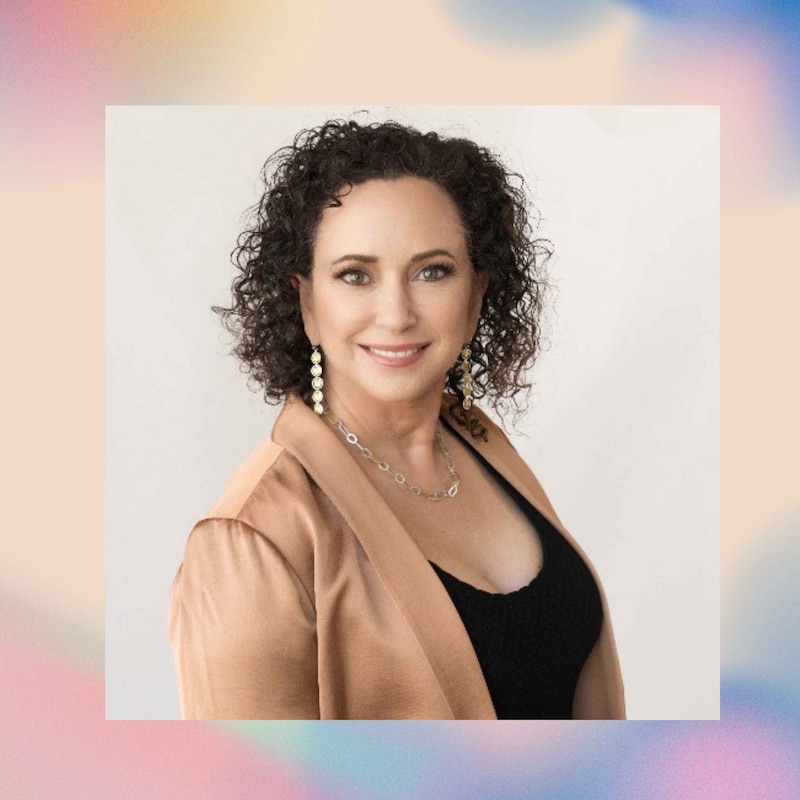
Today, we're diving into the transformative journey of building real confidence with our incredible guest, Simone Knego. With her wealth of experience as an international speaker, author, and confidence expert, Simone shares her insights on reconnecting with our worth and navigating the chaotic beauty of life. She reveals her unique framework, the Real Method, which empowers individuals to embrace their failures, respect themselves, and live without limits. We’ll explore her personal stories, including her inspiring climb of Mount Kilimanjaro, and how they shaped her understanding of self-worth. Get ready for a conversation filled with authenticity, practical tools, and a dash of humor that might just help you redefine what confidence means in your own life.
Engaging and thought-provoking, this episode of Narrative Voices features Simone Knego, whose journey from self-doubt to self-assurance is both inspiring and relatable. With her upcoming book 'Real Confidence', Simone introduces listeners to her 'Real Method', a roadmap for individuals seeking to reclaim their worth and lead fulfilling lives. Throughout the conversation, she reflects on pivotal moments that shaped her understanding of confidence, including her ascent of Mount Kilimanjaro, which served as a powerful metaphor for overcoming life's challenges. Simone's candid sharing of her struggles, including the impact of societal expectations on self-perception, resonates deeply. One standout message is her belief that confidence is not an inherent trait, but a skill that can be developed through practice and perseverance. The episode offers practical exercises and mindset shifts that listeners can implement immediately, fostering a sense of empowerment. With a focus on authenticity and realness, Simone encourages us to embrace our failures and to prioritize self-respect, ultimately leading to a more fulfilling and purposeful life. This episode is a must-listen for anyone looking to bolster their confidence and redefine their personal narrative.
Takeaways:
- The podcast emphasizes the importance of authentic self-expression, encouraging listeners to embrace their unique journeys and experiences.
- Simone Knego discusses her 'Real Method', which focuses on self-respect, learning from failures, and pursuing personal desires without limits.
- Listeners are reminded that confidence is a skill built over time, not a fixed trait that one either possesses or lacks.
- Simone shares her insights on navigating self-doubt and the value of vulnerability in conversations with others during difficult times.
- The conversation highlights the necessity of self-care, particularly for women balancing multiple responsibilities like family and career.
- The hosts underscore the idea that living without limits involves rejecting societal pressures and recognizing one's inherent worth.
Links referenced in this episode:
- https://simoneknego.com/method-how-to-build-confidence/
- https://simoneknego.com/
- https://simoneknego.com/book/
5geQe5QhWX0LQMnhRzOi
Transcripts
Welcome to Becoming Bridge Builders, the podcast where we explore stories and strategies that help you connect faith, purpose and impact. I am your host, Keith Haney. Today I am thrilled to introduce a guest who knows what it means to live boldly and authentically.
Simone Canego is an international speaker, award winning author and confidence expert who helps high achievers reconnect with their worth and lead more meaningful lives.
Her best selling book, the Extraordinary Unordinary Youth and her globally ranked podcast, Her Unshakable Confidence, which she co hosts with her daughter, have inspired audiences worldwide. Simone is a two time TED Talk speaker, featured on abc, NBC and cbs, Entrepreneur and Yahoo. News.
She's also the creator of A Real Method of the Real Method, a framework for building lasting competence from the inside out.
Her upcoming book, Real A Simple Guide to Go From Unsure to Unshakeable launches in February and offers practical tools to quiet self doubt and lead with clarity and self respect.
From summoning Mount Kilimanjaro to raising six children and navigating a beautiful chaos of everyday life, Simone brings authenticity, perspective and heart to everything she does. Simone, welcome to the podcast.
Simone Knego:Thank you. I'm excited to be here.
Keith Haney:That is a mouthful of accomplishments. I'm looking forward to talking to you.
Simone Knego:Thank you. It's always funny when someone reads it and you're like, ooh, yeah, okay, we can just put two things on there
Keith Haney:maybe, but then you wouldn't be nearly as impressive. Yeah.
Simone Knego:Yeah. Thank you.
Keith Haney:So I'm going to ask you my favorite question, Simone. What's the best piece of advice you've ever received?
Simone Knego:To go for it, no matter how scared I was. To do it anyways. To do it scared.
Keith Haney:Yeah. That mountain thing would do me, I'll tell you that.
Simone Knego:You don't know until you try. You know, I mean, I was not a mountain climber or hiker or whatever. That was brand new to me. But I did it scared and I did it well.
Keith Haney:Congratulations on that accomplishment. I know it took a while to prepare to do that and it's quite an accomplishment. So great. Congratulations.
Simone Knego:Thank you.
Keith Haney:So let's talk about your new book titled Real Confidence, A Simple Guide to Go from Unsure to Unshakeable. What inspired you to write this book?
Simone Knego:So I am someone who really struggled with self doubt for the majority of my life. I had this facade up that I was strong, that everything was great and on the inside I was, you know, struggling like crazy.
And Kilimanjaro was actually a big turning point in my life because it really helped me realize what I was capable of and that I didn't need to worry about what anybody else was thinking, that I didn't need to compare myself to other people, that I am exactly where I need to be. And that transformation really had me kind of take a step back and say, okay, how did I get here? From really struggling to making this big change?
And that's where the real method came out of. And so the book is based on my real method, which is respect yourself, embrace your failures, ask yourself what you want, and live without limits.
And so the whole book is. It's broken into four sections. It's personal stories, very vulnerable stories as well, and exercises, frameworks to really help people move forward.
Building confidence. Because confidence is a skill that you build. It's not something you either have or you don't. It's something that you build.
Keith Haney:I love that we hear that word confidence a lot, especially today, and especially in just life in general. But you say it's more than feeling good about yourself. How do you define real confidence?
Simone Knego:So it's so interesting, because on the podcast that I have with my daughter, that's the question that we ask every single person that comes on. You know, how do you define. Define confidence? What does confidence mean to you?
And every single person has a different answer, which is what makes it amazing, right? I mean, confidence is what it is for you.
And for me, it's really about feeling comfortable with who you are, no matter who you're with, no matter where you are. So it's not changing yourself for anybody or anything.
Keith Haney:I love that. I'm curious, as you prepared for that climb in Mount Kilimanjaro, what steps did you have to do, overcome, to feel confident you can make this track?
Simone Knego:Yeah, that was pretty hard. So I, first of all, preparing, right? Getting myself in the best shape of my life. I think with whatever we do in life, that preparation is key, right?
If we're stepping into something new, even when you're afraid, if you prepare for it, it makes it one step easier.
So I worked out like crazy, and then I had to work on my mindset, because that was really the biggest obstacle in my life was the way I talked to myself, the way I saw myself, and so really focusing on the words that I would say to myself, because your thoughts become your reality, your words become your reality. The more you say negative things to yourself, the more you believe them, and that's how you act.
And so for me, it really was about telling myself that I'm capable of every step of this. Now, was it easy? No, it Wasn't easy, but you know, I, it was a constant reminder, like, you've got this one more step, one more step.
Keith Haney:So you've created a, the real method, a framework for lasting confidence. Can you break down what the real stands for and how it works?
Simone Knego:Okay, yeah. So let's, let's go through all the steps. So respect yourself, embrace your failures, ask yourself what you want, and live without limits.
So I started with self respect because I think that's foundational to anything we do. We?
You know, I remember as a kid being taught to respect my elders, my peers, but never once do I remember being taught that the most important person to respect is myself. So the idea of self care and setting boundaries and making sure that your cup is full, right. We, we always worry about everyone else.
I mean, especially for me as a parent, you know, everybody else has to be taken care of first, but that's not always beneficial, right? If we're leaving ourselves behind, like we have to take care of ourselves as well.
So, you know, we, and also we talk a lot about demanding respect from people. Like when we walk into a room, we're going to demand respect from. For me, it's about demonstrating it, right?
If I demonstrate respect to myself, that's how people are gonna treat me. But if I don't, then the way they're gonna treat me is a way I don't wanna be treated.
So I need to respect myself first and then I can go into the second part. So the second part is embrace your failures.
You know, we have been as a society, I think that we have focused on that failing is, makes you a failure. If you failed at something, you're a failure. And failure is, first of all, it's a bump in the road. Second of all, it's a learning experience.
So failure is absolutely part of success. It's not mutually exclusive of it. And so I think we have to completely look at that differently and go out and fail.
If you go out and fail, it means you're trying, it means you're doing things. If you're not failing, it means you're sitting there doing nothing, right? So it's good to fail. It is good to fail.
So it's really changing our mindsets on what failure is. Because it's not a stop sign, it's not a, oh, you can't do this again. It's like, oh, what did I learn? Right? So failing is learning.
Keith Haney:I love that.
I just had a guest on my podcast who works in the tech industry and she said that what we learned in tech is fail quickly because it's cheaper to fail quickly as opposed to, you know, drawing out this. This project or this new program or this new computer thing. Fail quickly, learn from it, and move on. So I like that.
And when I was in the parish, there was a book came out by John Maxwell, failing Forward. And it gave permission to fail, like you just said, because you grow from that.
And so in our organization, we always said we're gonna do a lot of things, we're gonna try a lot of things, we're gonna fail at a lot of them. But it's okay if you fail because we're learning from it and we're growing. So I like that that's part of your. Part of your plan.
Simone Knego:Yeah, I mean, it's huge. I mean, again, for me, when I was younger, uh, failure meant like, you're done, right? Don't. Don't try again because you're not good at that.
And that's not what it means. It means, like, you just have to try something a little bit differently. And.
But it is a hard one to get over because society tells us that, ooh, if you fail, ooh, what will other people think? Who cares what anybody else thinks? Right?
Keith Haney:Right.
Simone Knego:If you're being a good person, who cares?
Keith Haney:I. I'm curious, too. As you think about that one, that can really impact your first one, too. Their whole respect or something.
If you're so caught up and not able to learn to respect, failure really becomes harder because it really does impact you very, in a very personal way if you're. If you see yourself as a failure. So I think that's always. Those two kind of play off each other really well.
Simone Knego:Yeah, absolutely. And, you know, thinking about failure, it's not that you don't acknowledge it. Right.
Obviously we say, learn from it, but it's that feel all the emotions. Right? I mean, we can be angry about stuff, we can be sad, we can scream it out, whatever we need to do. But then pick a date and move forward.
Because if you keep focusing on what happened in the past, you're going to stay in the past. So it's really about, like, okay, feel the emotions because you don't want to stuff it down and then say, okay, I'm done. I'm moving forward.
Keith Haney:All right, so what's next?
Simone Knego:Ask yourself what you want. So this is a hard one. Most people do everything for everybody else, right? And we rarely sit back and say, is this what I really want?
Is this what I want to be doing? Is this what I love you Know, am I happy in this situation?
And it's really interesting, especially I've found with women that they don't have an answer to that question. The majority of the ones that I've talked to, well, nobody's asked, Nobody's ever asked me that before.
I mean, I, you know, I'm a stay at home mom and this is what I do. I take care of the kids. Well, what do you want? I have no idea.
And so I always say to think back to when you were a child, right, the child that wanted to be the rock star, the astronaut, the whatever, the actor. That child still exists. And it's figuring out the things that you can do in your life to kind of fill that, that piece.
I'm not saying go out and quit your job tomorrow, but what I'm saying is that there are things that you can do on the side, right, that really can make you happy. So volunteer work. Maybe you were an artist and you gave it up because you had to get that job.
I mean, there's so many things that you can do to really go back to what you wanted when you were a kid. And, you know, these days you can honestly make a career out of anything. It is like crazy how you can make money these days.
Keith Haney:It's very true. How much of that one is impacted or is impacted by the balance you have to do as a mom of six and a career person at the same time?
Simone Knego:Yeah, I mean, mom guilt is real. So, yeah, it's hard because.
But I've realized over time that I do have to put myself first in certain situations because I'm not gonna be easy to be around if I don't get any sleep or, you know, if I, whatever, whatever the situation is. Like, I need time for myself. I take 15 minutes a day. I mean, the kids are almost grown now. I have one still left at home.
But 15 minutes a day, even when they were younger, that was my thing to say. Okay, I'm not, I'm not adulting right now. I'm, you know, I need my, my mind break. And that always really worked for me.
And I'll have people say to me, oh, my gosh, I cannot find 15 minutes in my day to do anything for myself. And then I'm like, well, how long did you scroll on your phone today? Oh, yeah. Okay, well, there you go right there.
And why not do something that's actually gonna make you feel better? You know, you're scrolling on your phone. You are not making yourself feel better.
You're looking at what everybody Else is doing and thinking that you're not doing enough, right?
Keith Haney:And what's the last one?
Simone Knego:Live without limits. So we limit ourselves from the second we wake up until the minute we go to bed.
And you know, we're not good enough, we're not smart enough, we're not rich enough, we're not pretty enough, whatever the words are, we're not enough. And you know, when I was younger, I used to, there was a time period where I was a stay at home mom.
And the way I would talk about myself was, oh, I'm just a stay at home mom. I'm just Rob's wife. I'm just a volunteer, really justifying my existence. Everything we do, everything we are, that makes up us.
And so why should we minimize anything? And you know, I know it's very common for stay at home moms to get this label of.
And they put the label on themselves half the time too that oh, they sit around and eat bon bons all day. Okay, I can tell you that did not happen in my house. If there was a bon bon, the kids would take it before I could even see it.
So, you know, but you know, that idea that we, the way we look at ourselves, the way we talk to ourselves, the way we treat ourselves, it's honestly, when you really think about it, it's pretty crazy. Like we talk to ourselves in a way for majority of people that we would never talk to our best friend.
The mean things that we say to ourselves, the mean things we think about ourselves, we would never do that to someone we loved, right? We would never do that to our best friend. But we need to be our own best friend because we're going to live with ourselves for the rest of our lives.
And so it's really about changing how you talk to yourself and how you talk about yourself.
Keith Haney:Have you discovered, as I'm sure there's not a single answer but this, but is there one of these four that people seem to struggle with the most? And if so, why?
Simone Knego:So once they get going, I would say first is the self respect piece because they struggle with it, because they don't see it that way, right? They're like, oh no, I do those things. And then when you really get down into it, they're like, oh wait, no, I don't.
But I would say I think the hardest one is asking yourself what you want. Because you know, we believe that we have to do. I mean, this was me too. Like I have to do what I have to do. Like this is it.
Like I don't get a choice in things like, this is my every day, this is my day. This is what I do, this is what I do. But it's not true. Like, we do get to sit back and say, wait, what do I want?
Like how, how do I want to show up every day?
And you know, with when my kids were younger, it was, oh yeah, you gotta be at every game, you gotta be at every, you know, play, you gotta be everywhere all the time. And you know, it's okay to miss a few things. Right. You have to prioritize.
Everybody talks about having a balanced life and I don't believe in balance at all. Because you're setting yourself up for failure. Yeah, nothing is ever going to be perfectly balanced.
And so there are days that are going to be more focused on your family, maybe more focused on you, and then there are days that are going to be more focused on your work. But when we say, oh yeah, I want a balanced life, you're already telling yourself that, you know, you're not going to be able to do it.
So I prefer to say prioritize, See, see what you really need in the moment instead of focusing on something that to me is not attainable.
Keith Haney:I find that your method is quite unique and it's different from a lot of the quick fix confidence tips you see online. So kind of tell us how what you discovered and what you worked on is different than kind of the false.
You know, pick yourself up by your own bootstraps. Confidence things you kind of see or just kind of walk us through how you see yours as being different.
Simone Knego:Yeah, I think it's because it's really about being real. Right. Being exactly who you are. We're not faking it until we make it right. We're not pretending.
We don't go out there and say, oh, everything's perfect. Right. That's not life. I mean, I don't know one person in my life that doesn't struggle with something. Right.
Everybody struggles with something, but we always try to pretend that we're okay because we don't want to show weakness. Well, guess what? That doesn't really work. And so as soon as you.
For me, like every time I've had a conversation with someone where I've talked about what I'm struggling with, it's truly amazing the response I get because all of a sudden they'll start sharing as well. And you know, we're, for some strange reason in this world, we are so worried about what everybody else thinks, that that's how we live our Lives.
So yeah, really focusing on being authentic. And I really talk about the idea of not faking it until you saying it, until you become it. Right.
The idea that the, the words that we say about ourselves and to ourselves, like we can build ourselves up every day. Like, who wants to wake up every morning and say, you know what? I'm going to have the worst day ever. But that's what we do to ourselves. Right?
Keith Haney:Right.
Simone Knego:So I mean, why don't, why don't you try tomorrow and wake up and say, I'm gonna have the best day ever and these are the things I'm going to do. And if I don't accomplish everything today, that's okay because that's what tomorrow's for.
Keith Haney:Exactly. I love that.
As you think about writing this book, what are some simple things that people can learn, exercises from your book that they can apply today to begin to build that quiet self confidence. The quiet, that self doubt, I should say.
Simone Knego:Yeah. So I'll give you one little mindset hack that I like to use that has really helped me because we all have that voice in our head, you know that?
I call it the what if Whisperer. Oh, what if they judge you? What if you fail? What if you're not enough? You know, what if you're dressed inappropriately?
Whatever it is, you know, the what if. What if, what if? And so my mindset hack has a very creative title. It's called Control Alt Delete.
So back in the day, it's what you would use to when to reboot a frozen computer. Now it brings up Task Manager. I don't know what Task Manager means, but that's what it does now. So what I use it for is our minds.
Because sometimes our minds freeze too, right? We spiral in self doubt. We get stuck in the comparison game. So Control is about awareness, right?
We have those thoughts coming into our head and we have to start being aware of them because they're not real. Right. It's the story that we're telling ourselves. So is it helpful most of the time? Not. Is it making us feel bad most of the time? Yes.
So Control is the awareness piece. Alt is alternative. Tell yourself a better story instead of telling yourself you can't do something. Yes, you can. Watch me. Right.
Instead of saying, what if I fail? How about when I succeed?
Again, the more you say positive things to yourself, and it's not about toxic positivity, it's about reality because you are capable of these things. It's just you like to talk yourself down so that you don't believe it. And finally, delete. Delete the habits and beliefs that don't serve you.
Delete the apologies. Delete the idea that you're not enough. Delete the idea of waiting until you feel ready. I love to say that, especially when I work with clients.
Waiting until you feel ready is like waiting for IKEA instructions to actually make sense. It is not going to happen. Okay, do it now. Take action. Now.
Keith Haney:I used to live in Chicago, so I'd always pass by the IKEA store. I didn't go in it, but I just always passed by it. So you work a lot with people, and I'm curious. I'm sure you get this enough from people.
A lot from people. I'm not enough. How do you help them move from I'm not enough to I'm capable and worthy?
Simone Knego:Yeah. Well, my first question is, why aren't you enough?
Keith Haney:Mm.
Simone Knego:Like, why do you think that? Okay. Yeah.
I mean, so when you start with putting it back on them to say, explain to me what your idea is of being enough, and explain to me why you feel that it isn't enough. Because I think most of the time it's this comparison, right? We're looking at everybody else and thinking, well, why isn't our life like that?
But the issue there. There's two parts of an issue there. One is we're usually comparing ourselves to something that doesn't even exist, right?
We look at someone's shiny moments. We look, oh, my gosh, this person just got a huge raise. Well, we have no idea what's happening in the rest of their life, right? Who knows?
They could be in the middle of a divorce as well. So we always look at everybody else and think that, oh, their life is so much better.
And when you start having real conversations with people, you realize that it isn't. Right. And the other thing you realize is that there was a guy who. And I have to look up his name, but he did this. He decided. He was in corporate.
He decided to quit.
And he wanted to have like 10,000 coffee shop conversations with just random people to kind of find out about their lives, what they were doing and if there was a common theme. And the one common theme he found is that nobody knows what they're doing. Nobody has it all together.
And I think that's hilarious because we're always so worried about everybody else, right? And the second part of that problem is that when we compare ourselves to others, like, they don't even know that it's happening, right?
So you're sitting there Comparing yourself. The other person isn't even thinking about you. Right. So, so often we're so looking at, oh, my gosh, what if they judge me? What if they. This.
They're not thinking about you. Right. They have their own issues in this world. But we love to build up this big story in our head that, oh, my gosh, what's going to happen?
Nothing's going to happen.
Keith Haney:So tell us about the podcast you do with your daughter. What led to you guys doing a podcast together?
Simone Knego:Yeah, so one out of my six children will talk to me in a podcast. That's pretty good. Actually. Actually, one of my oldest daughter came on for one episode, and she said that was the worst thing ever.
She will never do it again. It is way too stressful for her. But we. So my.
The daughter that I have the podcast with, Olivia, she was diagnosed with Crohn's when she was 16 years old. And that was one of those moments where, you know her. Her life plan. She's a lawyer. She's in law school right now. She's second year in law school.
And she was like, I just want to eat around the world. Like, that's what I want to do. I want to travel the world and eat all the weird things. Okay.
And then she got this diagnosis, and she was, of course, devastated.
And so the first thing we talked about was that you have to feel all the emotions, and then you pick a day and you move forward, just like we talked about with failure. And it was fascinating to watch how well that worked. I was like, do it all. Scream, cry, whatever you need, you know? And they put her on, like, a.
We call it the white trash diet. It was, like, white bread, white rice, mashed potatoes, everything. Like, there was no vegetables. There were no meats.
And so she was like, oh, my gosh, is this going to be the rest of my life? And I'm like, no, it is not going to be the rest of your life. But that's exactly what she did. She.
She picked a date, she moved forward, and she hasn't looked back since. And so we have really fun conversations. We started doing Instagram lives, like, just talking about whatever we were dealing with.
And then we said, why don't we make it official? Let's start a podcast. And so it's been two and a half years now, and we drop an episode every Tuesday. It's called Her Unshakable Confidence.
And the goal was to get her there quicker than I did. Right. To help her build confidence so that she feels like she can get back up when she falls. And it's working pretty well. It's pretty fun to watch.
She actually, one of the other students in her class said, you know, when the teacher calls on you, you always seem so confident. Why is that? And she said, oh, I have a podcast with my mom. I. I practice. I. I'm. I'm, you know, have to think on my feet all the time.
I was like, oh, that's pretty good.
Keith Haney:That's so cool. So we're going to dive a little bit into you, a little bit more into you.
Was there a time in your life when you felt completely unsure and what helped you become unshakable?
Simone Knego:Mm, for I. For a long period of time. So if we go back to high school.
I had an abusive boyfriend in high school for three years, and that really set me down the path of self doubt. And I did not address it. Like, I. When I finally ended the relationship, I stuffed it down right? I was. I have amazing parents.
My dad passed away in:And so I didn't. I shoved it down. I mean, my husband knew about it, my kids knew about it, but I've never told anybody else about it.
And I realized, you know, in my 40s, and I'm 53 now, that I never addressed it. And this is one of the reasons that I struggle so much, because I just let it kind of fester and didn't talk about it.
And for me, and this isn't true for all women, but for me, it was such a relief when I started talking about it. And the other thing I found was that when I started talking about it, other women were willing to share their stories as well.
And that connection, I think, is huge. So that was the beginning of my unsure and so many, so many years of being unsure. And, you know, my big transformation was really Kilimanjaro.
I mean, I had another moment before that where I was at an event, and this. They played this video by Colby Calais, and it's called Try, and it's about peeling off the layers and really showing your authentic self.
And I'm sitting at this table, and I was never a crier, and that was the facade that I put up. I'm strong. I'm strong, I'm strong. And I just burst out my crying.
And I was with some of my closest friends, and they're like, oh, my gosh, what do we do with her, like, we. We don't know what happens here because she does not cry.
And that was a moment where I kind of said all of the things that I struggled with, and I think it really kind of knocked them back a little bit because, you know, I had been, you know, acting. I had been performing my confidence for so long. And so that was. That was the big piece.
And then Kilimanjaro was the realizing what I was capable of and, you know, really. And confidence is. You know, as I said, it's a skill, but it's something that I work on all the time. Right.
It's not that all of a sudden I say, oh, I'm fully confident and I don't have to ever do it again. Like, wouldn't that be great if that. What's. That's what happened when you went to the gym.
Like, you go one time, and then you never have to go back again. Cause now you're fit. But it's. It's the same thing with your mind. You have to work on your mindset all the time.
And, you know, it's those shifts that really help you say, okay, yes, I am capable of this.
Keith Haney:Wow. So who do you hope picks up this book and reads it?
Simone Knego:Every person in the world. No, and buy it, right? Yeah. Yeah, buy them all. It's really made for women. I mean, trust me, men should read it too.
Because I think a lot of times we have wives, we have daughters, we have sisters. And really understanding a different perspective, I think is always really helpful.
But I had originally thought that I was writing it for women more my age, but I actually think it's important for girls in their twenties to read it as well, because that was such a hard period of my life because I didn't come to grips with things that happened to me earlier. And so I think that women in general, I think, will really take away a lot from this book.
Keith Haney:If you think about kind of your daily practice, what is one confidence building thing you do every day or daily?
Simone Knego:Yeah, I do positive affirmations every day. I do a couple before I even get out of bed. When I open my eyes and I'm like, oh, my gosh, I'm so tired. No. Okay, here we go.
We're gonna have a great day. Like, what's it gonna be?
And, you know, when I'm brushing my teeth, when I'm standing in front of the mirror, and this was a really hard one for me at first was to really look myself in the eye and say positive things about myself, you know, at first, it was, like. It was very awkward, but over time, I'm like, yes, I got this. And. But it's so important. Every day. I do. I am.
Statements I do, you know, depending on what I'm doing that day. Like, yes, you're capable of this. You know, you've got this. Whatever. Whatever I need in the moment to kind of move me forward.
The other thing I do, actually, is evening gratitudes as well. So at the end of the day, even if. If it's a crappy day, there is going to be at least one thing that I am thankful for every day.
Most of the time, it's like 20 things, but I. I want to make sure that I end my day that way, because I sleep better, right? If I go to bed happy and thankful, then I'm gonna sleep a lot better than if I go to bed to bed with a. Well, that was the crappiest day ever.
So, you know, the way I. The way I start my day is the way I like to end my day, like, really bringing things back together.
Keith Haney:I love it. So I love to ask my guest this other question, my other favorite question. What do you want your legacy to be?
Simone Knego:I want my legacy to be that I raised good humans. I mean, if I can change, you know, help change the way women see themselves, that's huge for me as well.
But the biggest thing is for me to have, you know, these amazing humans that go out in the world and change the world.
Keith Haney:Awesome. So on season six, we have a new thing, and that's a surprise question. Pick a number between one and ten for your surprise question.
Simone Knego:Ooh, lucky number seven.
Keith Haney:Ooh, here we go. What is your greatest regret?
Simone Knego:You know, I actually don't have any regrets because I feel like everything I've done has brought me to this moment in time. You know, I've been asked many times, like, if you could go back in time and talk to your teenage self, what would you tell her? But I don't.
I really think that everything I've done has brought me here, and I try to live life without regrets. That's why I'm so willing to take action, especially now, because someone said something the other day about, like, the average lifespan is 78 years.
Now, subtract your age from that. That's what you have left. And I was like, oh, my Gosh, I have 25 years left. Like, don't tell me that.
So I really want, like, to really jump in for all of it and really enjoy all the moments and really do all the things because my husband and I always say that when we want to slide into home plate, like we want to make sure that we've done everything we want to do and slide into home plate so that we don't ever feel like we regret missing out on anything. So maybe that's a, it's a very convoluted answer to the question because I don't think I answered it because I really don't have regrets.
Keith Haney:That's good. That's good. So as we wrap up, if you were talking to 25 year old female right now, what would you like to tell her as a leave a message for?
Simone Knego:Well, I would start with that. You know, we, we so focus on change in our lives, right? We need to change different things. We need to change the way we look so that we fit in.
We need to make sure we have the bigger car and the bigger bank account, all those things. But really what we need to take a step back and do is change the way we see ourselves.
So the idea that you don't need to change who you are, you need to change the way you see yourself and understanding, like there are going to be bumps in the road, but to keep going and not let fear hold you back. I mean, there's so many amazing things that are ahead for, you know, if I'm talking to a specific 25 year old woman for you, right?
But you have to embrace them. Right? And you can't say, oh, I'm not capable of that. Yes, you are. And the answer is, watch me. Yes, I can do that.
Keith Haney:That's awesome. Simone, thank you for sharing your wisdom and writing a book that empowers us to lead with clarity and courage.
Your upcoming book, Real Confidence is a practical guide for anyone ready to move from unsure to unshakeable.
For our listeners, you can find more about Simone on our podcast on her unshakable confidence and our new book in the show notes ahead which comes out. When is it coming out again?
Simone Knego:February 17th.
Keith Haney:February 17th. Today's episode inspired you. Please subscribe and share it with a friend. Leave us a review. It helps more people discover becoming bridge builders.
Until next time, keep building bridges that help bring people together and lead with confidence that lasts. Simone, thanks so much for being a guest.
Simone Knego:Thank you so much.





