Shownotes
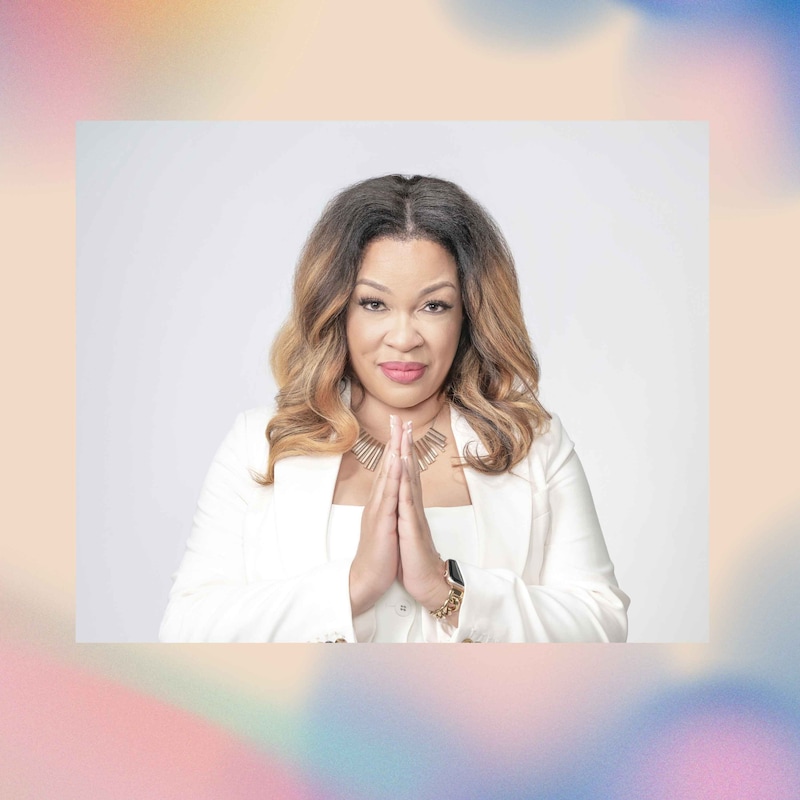
Transformative leadership takes center stage as we welcome L. Michelle Smith, a dynamic force in executive coaching and cultural communication. With extensive experience as a Fortune 100 advisor and an upcoming book titled "10 Leadership Lessons from the Black Church," Michelle blends science and cultural insights to inspire leaders toward meaningful change. We dive deep into the foundational concepts of call and response, a powerful framework rooted in African traditions and prevalent in both spiritual and secular contexts. Through our conversation, we explore how these cultural practices can foster resilience, accountability, and hope in leadership, proving that effective leadership isn't just about authority but about connection and collaboration. Join us as we uncover strategies to elevate our leadership game and reshape organizational culture for the better.
Exploring the intersection of culture, science, and leadership, the conversation delves deep into the transformative power of embracing one’s roots while striving for excellence. L. Michelle Smith, a seasoned executive coach and author, draws on her extensive experience in communications to highlight how cultural frameworks, particularly those of the Black church, can inform and enhance leadership practices across diverse organizations. As she recounts her journey of growth, Michelle emphasizes the importance of acquiring skills and experiences along the way—advice from her father that resonates throughout her narrative. By incorporating principles of positive psychology and neuroscience, she reveals how understanding the human mind can lead to more effective leadership. The discussion pivots around the concept of 'call and response'—a practice rooted in African traditions and prevalent in Black church culture—showcasing its relevance as a leadership model that fosters engagement and accountability. With rich anecdotes and strategic insights, this episode encourages leaders to adopt a holistic approach to development, one that is as much about emotional intelligence as it is about professional competency.
Takeaways:
- Effective leadership intertwines science and culture, fostering trust and connection in organizations.
- L. Michelle Smith emphasizes the importance of collecting skills and tools throughout one's career journey.
- The concept of call-and-response serves as a powerful framework for leadership development and community engagement.
- Gospel music exemplifies how hope, perseverance, and resilience are integral to effective leadership practices.
- Implementing cultural traditions from the Black church can create more emotionally intelligent and innovative leaders.
- Humility in coaching involves asking powerful questions that allow clients to discover their own answers, rather than providing solutions.
Links referenced in this episode:
Transcripts
Welcome back to Becoming Bridge Builders where we explore practices and mindsets that help leaders build trust, connection and real change.
Speaker A:I am your host, Keith Haney.
Speaker A:Today's guest, Elle Michelle Smith changes organizations for the better by transforming lives and leadership of executives with the power of science and culture.
Speaker A:She's a bestselling award winning author, a Fortune 100 suite advisor, an IFC credentialed global executive professional coach.
Speaker A:She's the CEO and founder of Nosilos Communications LLC, a media consultant company that develops high performing executive leaders.
Speaker A:You've seen her across local, national, international Media.
Speaker A: arperCollins in the winter of: Speaker A:She hosts a Culture Soup podcast heard in 70 plus countries with over 350 episodes and she brings more than 25 years as an elite award winning strategic communicator at a global agencies, an AT&T VP before 30, SMP before 40, and a former agency chief executive.
Speaker A:We welcome her to the podcast.
Speaker B:Thank you so much for having me, Keith.
Speaker A:It's good to have you all looking forward to this conversation.
Speaker B:Absolutely.
Speaker A:So I'm going to ask you my favorite question as we get started here.
Speaker A:What's the best piece of advice you've ever received?
Speaker B:Hmm.
Speaker B:And that's not hard to remember.
Speaker B:It came from my dad.
Speaker A:Oh, okay.
Speaker B:My father, James E. Smith, told me, don't worry about what it is you want to do for a living.
Speaker B:And this was to me when I was in high school and in college because I couldn't figure it out right away.
Speaker B:And he said, whatever you do, whatever jobs you take, whatever careers you end up in and remember, just to gain the skills and get the tools and collect them along the way.
Speaker B:He was not wrong.
Speaker B:Because right now, in this very moment, I am using every talent and gift and skill that I've collected along the way.
Speaker A:Well, with that impressive resume, I can see you listened.
Speaker B:I did, I did.
Speaker B:And it's interesting because I talk about this in my last book.
Speaker B:Yes, please.
Speaker B:7 Ways to say I'm Entitled to the C Suite.
Speaker B:My mom and I were taking a trip out to Texas Christian University where I got my undergraduate degree and my master's degree.
Speaker B:Of course, at this point I did not know that because I was last minute, because another college had declined me, because I actually was awarded the Presidential Scholarship.
Speaker B:And when I showed up to register, they said, we must have gotten this wrong.
Speaker B:So apparently I look white on paper.
Speaker A:Oh my goodness.
Speaker B:And I showed up in all of my blackness.
Speaker B:And they were like, we can't help you.
Speaker B:Ultimately, we ended up on the highway going down I30 west to Texas Christian University.
Speaker B:TCU, go frogs.
Speaker B:And my mom was saying to me, you better figure out what it is you want to.
Speaker B:You want to get your degree in, because this is going to cost us a lot of money.
Speaker B:TCU back then cost a lot.
Speaker B:Not as much as it does now, but much more than the other college where I was going to go.
Speaker B:And so, under duress, I was told to figure it out.
Speaker B:And ultimately, because I had written an essay that I thought was pretty good, and it is what ultimately got me into tcu, I figured I'd pick up on writing and whatever.
Speaker B:Writing, wherever writing took me was where I was going to go.
Speaker B:And I would try everything out along the way.
Speaker B:From radio.
Speaker B:I was on the radio at tcu.
Speaker B:I wrote for the magazine.
Speaker B:I wrote for the TCU Daily Skiff, which is their newspaper.
Speaker B:I was writing everything.
Speaker B:And ultimately I found a way to make money, and that was in strategic communication.
Speaker B:So I have more than 30 years in that area.
Speaker A:Wow, that is great.
Speaker A:I always love writing.
Speaker A:I think writing is a way to kind of touch in, especially telling stories is a way to kind of communicate deep truths, connect with people in ways that you typically would not connect with them.
Speaker A:So I always appreciate people who can take the gift of writing and turn that into something powerful.
Speaker B:Absolutely.
Speaker B:It's been that for me.
Speaker A:So let's get into a little bit about your background, your credentials, your unique infusing applied sciences, positive psychology, and neuroscience with culture.
Speaker A:What moment convinced you that these domains belong together in leadership development?
Speaker B:Well, the first one, culture.
Speaker B:And of course, you can't separate culture from history, but the first one, culture has always been.
Speaker B:Always been one of those topic areas that I just loved.
Speaker B:And before I left graduate school, I knew that I wanted to be a subject matter expert.
Speaker B:Expert on the topic.
Speaker B:And I put it on the list of six things that I wanted to accomplish before I died.
Speaker B:I guess I wouldn't call it a bucket list, but it was something that I wanted to do in my career for sure.
Speaker B:The applied sciences didn't come until in my early 50s, and that's because as I was writing and speaking as part of my business after I left AT&T, I wanted to make sure that as I was on this mission to help more people of color, women.
Speaker B:Women of color, get to the C suite, that I had a way to put action behind the words.
Speaker B:For me, it wasn't enough to just Write about it or speak about it, I needed to be doing something about it.
Speaker B:And that's what I did.
Speaker B:I decided to look into executive and personal coaching, but not like the Internet coach that you come across every five minutes on social media.
Speaker B:I wanted to make sure that I had the credentials to sit across the table from a C level executive or one that wanted to be.
Speaker B:And a part of that training was in applied positive psychology.
Speaker B:And as you continue to do continuing coaching education, and this is how you know the difference between a professional coach and one that's just on the Internet calling themselves one, you actually have credentials and you continue to study.
Speaker B:We are required by our credentials to continue to learn.
Speaker B:And as a part of my continued learning, I went on and got informed in neuroscience.
Speaker B:And the reason for that was if I was going to help these executives get where they wanted to go, it wasn't enough for me just to talk about my experience, which was legitimate.
Speaker B:But as a coach, we're going to be asking powerful questions to pull that, you know, forward motion from them.
Speaker B:I needed to understand the science behind that, and I also needed to understand what behavioral changes actually took.
Speaker B:Because the only person that you could really control is yourself.
Speaker B:Even if everything around you is going bonkers, it's really up to you.
Speaker B:And I also understood that everything that happens, that you want to happen, even goal getting, even the behavioral changes, it happens between your ears.
Speaker B:So I needed to understand what was going on with the mind.
Speaker A:I've done a lot of coaching myself.
Speaker A:How do you resist the temptation to try to fix your client?
Speaker A:Because it's always so tempting when you're trying to ask powerful questions and they're not, they're not getting there.
Speaker A:It's like if I just tell them the answer, they would get there so much sooner.
Speaker A:But as a coach, that's not your role.
Speaker A:So how do you resist that temptation?
Speaker B:It's a posture.
Speaker B:You have to go into these sessions understanding that you don't know everything.
Speaker B:And this is the power of coaching.
Speaker B:The real true coaching is that we ask the questions that open the doors to an array of answers.
Speaker B:And if I just gave you my answer, I'm limiting you to my knowledge.
Speaker B:So that posture puts you in state of humility.
Speaker B:It really should, that you don't know all of the answers.
Speaker B:And some of the science that we've uncovered with positive psychology is that you are more motivated if you feel you came up with that answer yourself, meaning the client or the leader.
Speaker B:But then also you're apt to make better decisions when you have an array of them in front of you.
Speaker B:So this process isn't just qa, qa, qa.
Speaker B:It's me asking these rich, powerful, open ended questions that allow you to think.
Speaker B:And one of the things I always tell my daughter, who's 13 years old, when I ask her a question, if the answer flies out of her mouth, I don't know.
Speaker B:That typically means that you haven't given your brain a chance to think.
Speaker B:You may not know right then.
Speaker B:But if you think, you may get to an answer and you may get to several.
Speaker B:And that's what we're trying to do.
Speaker A:I love that.
Speaker A:So let's get into the culture.
Speaker A:We talked about culture to start out this conversation.
Speaker A:For listeners who are new to the tradition.
Speaker A:What is call and response in the black church?
Speaker A:And why is that such a potential powerful leadership framework that you use?
Speaker B:Sure.
Speaker B:So the term call and response really means that a leader is saying something or they're moving in one way and whoever's in the room with them or nearby, they follow with something that's said or some type of movement.
Speaker B:Now I want to broaden this for a second.
Speaker B:It isn't just in the church.
Speaker B:Hip hop uses call and response.
Speaker B:In fact, Kurtis Blows was the first rapper to use it in a recorded hip hop album.
Speaker B:And it was called the Breaks.
Speaker B:You listen to the Breaks and you'll hear him rap and you'll hear the people come in after him and it's that back and forth, back and forth.
Speaker B:But there's always a leader and they're always followers.
Speaker B: desert in Africa long before: Speaker B:But when they traced it, they found that there were tribes of people using the same format where someone would say something or sing something and the group around him would respond.
Speaker B:I'm using it as a title for a leadership book that is found in the business aisle.
Speaker B:It's the first of its kind to actually use this cultural staple, this cultural.
Speaker B:It's in pop music.
Speaker B:It's not just in music, it's in spoken word as well.
Speaker B:I'm using this so that people get the idea that someone leads and someone follows.
Speaker B:And it's the very foundational basis of leadership.
Speaker B:Now, the other side of that is as you read the book, you will find there is an invitation at the end where I make a call and I'm waiting for my readers to respond so that we can start a conversation and solve for some of the things we found in the book, in the research.
Speaker A:I love that.
Speaker A:So give us the 32nd thesis of the call and response book.
Speaker B:Okay, so it's called call and 10 leadership lessons from the Black Church.
Speaker B:Where did that come from?
Speaker B:Well, as I went on my speaking career after I left AT&T, actually, let's go back a little bit more.
Speaker B:I was still at att almost seven years to the date of the release of this book, this happened.
Speaker B:I filled in for one of the officers at, AT and T to speak, and it went over really, really well.
Speaker B:In fact, the social media manager came to me and said, you know, you generated 25 million impressions in just that 45 minutes.
Speaker B:You were standing there.
Speaker B:It was shocking to me.
Speaker B:It was really shocking to me.
Speaker B:Now, I had spoken before.
Speaker B:I'd spoken in lecture situations at colleges.
Speaker B:I had been on panels before, but never before had I delivered a keynote that was new for me.
Speaker B:And I just took the materials that I had used at Howard University maybe three months before and fashioned it into this presentation where there was storytelling, there was walk up music, there was all sorts of things to engage people.
Speaker B:And I said this couldn't be true.
Speaker B:25 million impressions, Mo.
Speaker B:No, it's probably more like 2,500.
Speaker B:No, Ma', Am, 25 million.
Speaker B:Well, there are probably about 150 people in the room.
Speaker B:To me, it seemed uncanny.
Speaker B:But as I was pondering that, someone else walked up to me and said, where did you learn to speak like that?
Speaker B:Now, mind you, I hadn't done a keynote like that before.
Speaker B:So in my mind, I hadn't considered where I learned to speak and my background as a media trainer, communications trainer for C level executives, getting them on the platform and ready to go.
Speaker B:I just said, well, you know, I'm a media trainer.
Speaker B:I've done this for corporate executives all of my career.
Speaker B:And it didn't sit right with me, Keith.
Speaker B:It didn't sit right with me.
Speaker B:I kept revisiting that week over week, like that couldn't be right.
Speaker B:And as I sat with it, guess what?
Speaker B:I determined.
Speaker B:I was 14 years old when I was asked.
Speaker B:Not even asked.
Speaker B:I call it voluntold.
Speaker B:We use that word in the book.
Speaker A:Exactly.
Speaker B:I was voluntold.
Speaker B:To teach an adult Sunday school lesson, to teach that class every second Sunday like clockwork.
Speaker B:There were doctors, attorneys, PhDs, educators, nurses, the crim of the crop in this Sunday school class.
Speaker B:So that meant you had to get it right.
Speaker B:And if you didn't, because this was the routine everybody who turned a certain age had to Take on an adult Sunday school class on that second Sunday, if you weren't delivering.
Speaker B:And they were kind, you know, they'd amen, baby.
Speaker B:You know, and then if something didn't quite go right, they'd whisper to the Sunday school administrator and say, can you take her over to the side and work with her?
Speaker B:And that's what they did.
Speaker B:They'd work with us and put us right back in.
Speaker B:And then after Sunday school, we'd have our Sunday school reconvening and we'd stand there in front of the entire Sunday school and give the high points.
Speaker B:So it hit me, I was like, I learned, I learned to speak in my church.
Speaker B:But then I wondered, having little people do big jobs in adult roles, was that something happening in every church or was it unique to the black church?
Speaker B:So anecdotally I just started asking around and every time I talked to someone, they would say, oh yeah, oh yeah.
Speaker B:I remember standing up when I was 7 years old and introducing the guest preacher in the pulpit, like, wow, this is crazy.
Speaker B:So I decided to look into what leadership lessons we took away from the black church that were unique to other experiences.
Speaker B:And a part of that research was a survey that I did with 155 high performing black executives.
Speaker B:And thank you to the Executive Leadership Council for indulging me and giving me access to their fellows.
Speaker B:I'm an adjunct instructor for their institute.
Speaker B:And after I finished up a workshop, I delivered this survey and all of them took it.
Speaker B:76% of them said that they got their first leadership lessons from the black church.
Speaker B:And from that research I was able to identify 12 altogether.
Speaker B:But I put 10 in the book 10 leadership lessons.
Speaker B:And I asked them which ones they learned the most.
Speaker B:And with the results of that survey, I got the ranking order of those 10 that appear in the book, from top to bottom, from the beginning to the end, they're there in ranking order.
Speaker B:In ranking order.
Speaker B:So faith and purpose comes up first.
Speaker B:Economic empowerment comes in at 10.
Speaker B:All that to be said, all 10 of those lessons make a beautiful framework that I take away from it.
Speaker B:I call it the Leadership Revival framework because ultimately what we want to do, as I interviewed many of the other leaders that are in the book, we want to create more leaders like them because we found that they were emotionally intelligent, they were courageous and they were innovative.
Speaker B:And the framework looks like this.
Speaker B:There are probably about three or four of each of the leadership lessons in each one of these three categories.
Speaker B:Self work, relationship work and world work.
Speaker B:And that's where you give the Impact.
Speaker A:So walk us through those 10 leadership lessons, because I'm curious.
Speaker A:As I'm listening to this, I'm also.
Speaker A:I'm thinking two things in my head, and I'm trying to organize what I wanted to ask you first, because I did grow up in a black church.
Speaker A:But I'm wondering for those who did not and are kind of going, I still don't get what a call and response is.
Speaker A:And could you.
Speaker A:For those who don't or have not, maybe didn't realize they were being part of the call and response.
Speaker B:Can we demonstrate one right now?
Speaker A:Yeah, yeah, demonstrate.
Speaker A:That's what I was going to ask you to do.
Speaker A:Yeah.
Speaker B:Okay.
Speaker A:God is good all the time.
Speaker B:And all the time, God is good.
Speaker B:That is call and response.
Speaker A:Yeah.
Speaker A:And I don't think people realize that when you think about it, because my first thought, if you haven't heard that, you're probably going, what if I say the wrong thing?
Speaker B:Well, you know, here's the thing.
Speaker B:Science calls it neural coupling, right?
Speaker B:And the reason for that is that there's some intuition that happens.
Speaker B:And there's something that black folks have in community in the United States that a lot of people don't have, and that is shared experience, especially through suffering.
Speaker B:And it's the epigenetics that's etched on our DNA that allows us to know what's coming before it comes.
Speaker B:So there are some things that we do intuitively when we're in community, thanks to a concept called social cohesion, which really only speaks to that experience, that share generation over generation, that unspoken.
Speaker B:If you notice, in many situations, not just the black church, we can be in community.
Speaker B:We can be all of a sudden in a group of people and know exactly what to do.
Speaker B:I'll give you a great example of that.
Speaker B:I saw some video after a SZA concert.
Speaker B:You know, S Z?
Speaker B:A sza.
Speaker B:Yeah.
Speaker B:Okay.
Speaker B:It was after a SZA concert.
Speaker B:Now, I'm emphasizing this because this was not church.
Speaker B:Okay.
Speaker B:They were coming from the SZA concert, and they were all walking down these stairs, and there were a bunch of people and they were shoulder to shoulder.
Speaker B:It was probably very uncomfortable, and it was moving slowly.
Speaker B:Someone starts singing Melodies from Heaven from Kirk Franklin.
Speaker B:And why did all those hundreds on hundreds of people start singing that song in perfect harmony?
Speaker B:They could have.
Speaker B:They could have recorded that album that night coming out of the SZA concert.
Speaker B:And it's because of this social cohesion.
Speaker B:It's a shared experience that we've all had when we come together with.
Speaker B:We know what to do.
Speaker B:And that call and response, I know I just gave you one of the more cliche ones, but when you think about hooping, you know, the foundational.
Speaker B:I call it the black people's haka, right?
Speaker B:And I've never ever heard people from New Zealand say anything bad about the haka.
Speaker B:But you will hear some of us say, oh, it's just too emotional.
Speaker B:But hooping is actually based on call and response.
Speaker B:They can growl or they can grunt or they can holler and the people holler back.
Speaker B:That's call and response.
Speaker B:And it really is something that comes from the inside and you know what to do.
Speaker B:So when musicians use it in their music, when Michelle Obama uses it in her speech, gosh, one of the first persons we remember hearing that.
Speaker B:And we talk about the black presidential candidates over the years because there's a common thread of hope in all of their platforms and perseverance.
Speaker B:Jesse Jackson, the Reverend Jesse Jackson was like the quintessential call and response guy.
Speaker B:I am somebody, right?
Speaker B:He would say, I am.
Speaker B:And they say somebody, right, somebody.
Speaker B:And everybody would repeat.
Speaker B:So that's what call and response is.
Speaker B:You can see it in music.
Speaker B:You can see it in rap, you can see it in, you can see it in pop music.
Speaker B:Some of the pop cultural music icons are using call and response.
Speaker B:They may not know what it is, but they picked it up from our culture.
Speaker B:And let me just say, when you see the title, 10 Leadership Lessons from the Black Church, is that subtitle.
Speaker B:You should know that because I have written this book, 10 from an idea of taking history and culture, testing it with applied science.
Speaker B:This is the part that opens it up to everyone.
Speaker B:So if you haven't had this experience, you can still build the muscle to get to the leadership theory.
Speaker B:So this isn't just nostalgia and me talking about running down the halls as a 12 year old, dodging the Sunday school superintendent before it's time to get into church.
Speaker B:I do do some of that.
Speaker B:But you will see that when we talk about these stories, we bring in the science.
Speaker B:I'll give you a great example of the science.
Speaker B:So gospel music is very special not simply because it was born in the black church.
Speaker B:Thank you very much.
Speaker B:National Baptist Convention, where, you know, Thomas Dorsey introduced the soprano alto based tenor gospel choir and they sung this form of gospel music where you had these triads or chords that kind of led out in the music.
Speaker B:And we won't get into musical theory, but there are some things that are definitely special and unique about gospel music that make it gospel music.
Speaker B:But we're going to hone in on the message here for a second.
Speaker B:The message is a little bit different from what you'd hear in a typical hymn or even Christian contemporary music.
Speaker B:What is it?
Speaker B:You might say this common theme of overcoming adversity.
Speaker B:Sometimes it's implied.
Speaker B:Sometimes it's just how I got over.
Speaker B:Sometimes it's about, oh, gee, Lord, be with me through this trouble and this trial.
Speaker B:Right.
Speaker B:And because of that, shared that social cohesion that happens.
Speaker B:Gospel music is powerful in that it gives us hope.
Speaker B:Those themes of hope are tied to that adversity.
Speaker B:Hope is very integral to perseverance and resilience.
Speaker B:So as we're singing these songs, and let's say we repeat in the vamp, which is rewiring the brain, by the way, that's how we learn the hippocampus in the back of our heads.
Speaker B:It grows every time we learn.
Speaker B:And the reason why it grows is because we repeat things over and over and over.
Speaker B:And that's how we learn.
Speaker B:That's how Grandmama could sing a Mahalia Jackson song or hum it, and it would help her to make it through.
Speaker B:It's one thing to say that's spiritual.
Speaker B:And, yeah, it is spiritual because God made it that way.
Speaker B:But when you understand the science that he put in place, that's what makes it powerful.
Speaker B:So you have so many of these cultural norms, cultural traditions within the black church that many of us have written off as, oh, it's just regular.
Speaker B:Oh, that's just home.
Speaker B:Or you'd have some people say, it's just emotional.
Speaker B:We just don't want to do that at all and walk away from it when what was happening then is powerful.
Speaker B:And I've proven that.
Speaker B:That these are the things that you need to be some of the best leaders out there.
Speaker A:I love that.
Speaker A:And I wanna go back to something you said.
Speaker A:Cause I think it really underscores so much of what I think you just talked about.
Speaker A:And there's that word hope.
Speaker A:And I think that's one of the things that does separate black music, black hymns, or gospel music from regular hymns, is that I think a lot of times there's hope contained in it.
Speaker A:But it's like the foundation of almost every song is hope.
Speaker B:Yes.
Speaker A:Because you cannot get through this life if you do not have hope.
Speaker A:I just preached about that last week.
Speaker A:It was like, if you think about the people who were going to the North Pole, they were able to get through the cold, the bitter cold, the sense of struggle, because they had a hope that the North Pole was real.
Speaker A:And for Christians, we have the same thing.
Speaker A:We have an understanding that we get through daily life because there's a hope that we are.
Speaker A:We're aiming toward and going toward.
Speaker B:Go ahead.
Speaker B:Yes.
Speaker B:So hope theory is in the book, and we talk about what it composed is composed of.
Speaker B:There is pathway thinking, and that allows you to think strategically about all the ways you could get out of whatever adversity.
Speaker B:Right.
Speaker B:And then there is the kind of thinking, the pathways thinking, and then you have the strategic thinking.
Speaker B:All of this implies that hope isn't hope without a plan.
Speaker B:And most people will say, don't get my hopes up.
Speaker B:And that's exactly what you want to do, because hope says, I am going to plan something, and I can persevere towards anticipation, anticipating that things are going to be okay.
Speaker B:What we're talking about here is the very beginnings of a growth mindset where you've taken the adversity and you still are looking for a way.
Speaker B:And people with growth mindsets can do that.
Speaker B:If your mind is fixed, you can't see a way out, and you think you failed and you won't turn to hope.
Speaker B:Hope without a plan is a wish.
Speaker B:It's a wish.
Speaker B:Now let me give you a little bit more neuroscience.
Speaker B:This is even more fun.
Speaker B:Neuroscience says that you need at least three positive emotions to overturn a negative mood.
Speaker B:So in gospel music alone, and you could probably get all 10 of them in some of the songs, but in gospel music alone, you could get at least three.
Speaker B:Okay, let's go with inspiration.
Speaker B:That's an easy one.
Speaker B:Let's go with hope.
Speaker B:Let's go with joy.
Speaker B:You get at least three of those in every gospel song.
Speaker B:You might get love.
Speaker B:You may even get pride.
Speaker B:Right?
Speaker B:That's one of positive pride.
Speaker B:You get three of those, and you've overturned a negative mood.
Speaker B:If you're repeating it over and over again, guess what you're doing.
Speaker B:You're rewiring your brain, and suddenly you have an abundance mindset instead of one that is not.
Speaker A:I love that.
Speaker B:So there's science at play here.
Speaker B:We just haven't recognized it.
Speaker B:And that science opens it up to everyone to say, how do I build muscle in this area?
Speaker A:So I was gonna ask you this.
Speaker A:Let's get into, what are your 10 lessons in the book that you want us to learn from the black church?
Speaker B:Okay, so I'm not gonna give away all of them.
Speaker A:No, no, we don't wanna do that.
Speaker B:I'll give you some of them.
Speaker B:All right.
Speaker B:I'll give you some highlights.
Speaker B:Faith and purpose is number one.
Speaker B:Science says that faith in something gets everybody motivated in moving towards their goals.
Speaker B:Now, if you're having faith in God, great.
Speaker B:That's the secret sauce for us Christians, right?
Speaker B:But faith in something helps.
Speaker B:Purpose is important, too, because if you don't find your purpose, you don't know your why, you don't.
Speaker B:You don't have context.
Speaker B:And you'll waffle around and you won't know which way to go.
Speaker B:It's hard to have direction.
Speaker B:Faith and purpose is the number one leadership lesson that these 155 black leaders said that they got from church, from the black church.
Speaker B:Let's go to one that's probably pretty obvious, but probably not as obvious.
Speaker B:I'm not sure.
Speaker B:For some people speaking and storytelling.
Speaker B:I told you, I learned to speak in the black church.
Speaker B:I wasn't the only one speaking.
Speaker B:Shows up as number three in the list.
Speaker B:And what we're seeing there is not just being able to present yourself and present your thoughts clearly, but that storytelling is woven in there.
Speaker B:And much like the call and response, that's something that's foundational.
Speaker B:It's almost tribal.
Speaker B:It builds our community.
Speaker B:But from a science perspective, your brain is able to remember things better when you paint pictures with words.
Speaker B:So if you have a dollar bill and it has 13 letters in the serial number, and I gave you like 10 minutes to look at it and I took the dollar bill away, it'd be hard to give me back all 13 of those numbers.
Speaker B:But if I said, look at the 13 numbers and letters and tell me a story or use a story to remember them, you'll be able to get those out much easier.
Speaker B:Now, your team would be able to remember it better, too.
Speaker B:Because in storytelling, there's often aspects of relatability.
Speaker B:It causes people to lean in because they can relate, or it's so amazing, they're just inspired.
Speaker B:Here we go with these positive emotions again.
Speaker B:If you get those going in the right direction, people are going to remember, People are going to be inspired, people are going to be motivated.
Speaker B:So we talk about presentation in standing up in church, too.
Speaker B:In the black church, it wasn't just about saying the speech.
Speaker B:In many cases, they were so flowery, they were so creative, they made it rhyme.
Speaker B:They use acronyms, they use flagging.
Speaker B:They use all of these things that we know today make a keynote exciting and something that you want to lean in and hear more of.
Speaker B:We learned this modeled after these black preachers.
Speaker B:You think of the many, and you're a pastor right now.
Speaker B:You probably tell me about some.
Speaker B:And I'm curious, maybe you could let me know who are some of the pastors and preachers of yesteryear that you really admire based on the way they speak or they spoke?
Speaker B:And what about the way they spoke made you lean in?
Speaker A:There are a lot.
Speaker A:One of the things I remember early on in ministry was I wanted to improve in preaching because I was pretty nervous starting out.
Speaker A:And so my sermons were about seven minutes long.
Speaker A:Cause I was so nervous.
Speaker A:I was just trying to get through before I forgot what I wrote down.
Speaker A:But it was.
Speaker A:Tony Evans was one I listened to because I wanted to learn.
Speaker A:I knew he was one of the best of the best at that time.
Speaker B:He's good.
Speaker A:And so what I did is I wanted to sit and study and pick apart what he did well and try to replicate that.
Speaker A:Not his style, but just kind of diagnostically pull it apart and go, okay, he does some storytelling here.
Speaker A:He does some of this here.
Speaker A:And that makes an effective preacher.
Speaker A:So I studied a bunch of different preachers to kind of figure out what are the things I can take and utilize and make my own.
Speaker B:Yeah, Tony Evans is a great example of how you can use storytelling and also bring in the data.
Speaker B:And when I say data, I'm thinking about the scripture and how he pieces together, you know, the hermeneutics and all of this good stuff that preachers do.
Speaker A:Right.
Speaker B:But then also he makes it very applicable.
Speaker B:And he's able to do this in such a way that draws you in, even though it's.
Speaker B:I would say it's.
Speaker B:It's a little professorial, wouldn't you say?
Speaker B:It's.
Speaker B:It's a little.
Speaker B:Little highbrow compared to some others that you might hear.
Speaker B:But it's relatable and you can lean in and listen and learn very easily.
Speaker B:Who might you name who's not like.
Speaker B:I mean, Tony Evans is his own.
Speaker B:He's in his own category.
Speaker B:Right.
Speaker B:Who else might you name?
Speaker A:This wasn't early on, but I started listening to the potter's wheel because he had a different way of.
Speaker B:Potter's house.
Speaker A:Yeah, Potter's house.
Speaker A:A different format, too.
Speaker A:I also listened, and this wasn't a black preacher, but I remember listening to Bill Hybels a lot, too, because he had a unique way of communicating.
Speaker A:So I studied so many different people because my church body's mostly white.
Speaker A:So I couldn't dive full into Tony Evans and my congregation that was so mixed.
Speaker A:So I had to try to kind of piece together, like the best of opposite worlds to kind of create my own.
Speaker B:Well, you know, this is a really good point.
Speaker B:I'm glad we're here.
Speaker A:Yeah.
Speaker B:Because this gives me further definition for the black church.
Speaker B:I need to explain a little bit more.
Speaker B:What if I told you that it's less about race and more about culture?
Speaker A:Oh, I agree.
Speaker B:Yeah.
Speaker B:Because every church with a black pastor and a black congregation isn't necessarily right in this tradition of the black church.
Speaker B:Right.
Speaker B:So there's some aspects to it.
Speaker B:And I quote Dr. Henry Louis Gates Jr.
Speaker B:In the book.
Speaker B:He actually did the epigraph, too.
Speaker B:It came from his book the Black Church.
Speaker B:This is our story, this is our song.
Speaker B:He also had a PBS documentary.
Speaker B:Right.
Speaker B:But he describes the black church as these bodies that had much to do with the civil rights movement.
Speaker B:So from a historical point of view, it's denominational.
Speaker B:So we could add National Baptist in some aspects of those usa, I think there's.
Speaker B:Of America.
Speaker B:There's some factions of those.
Speaker B:Right.
Speaker B:These are the ones that found themselves moving away from the Evangelical Southern Baptist, you know, which is predominantly white.
Speaker B:Right.
Speaker B:Then you've got the AME and the cme, the African Methodist Episcopal, Christian Methodist Episcopal that came away from that Methodist body that was predominantly white.
Speaker B:And the reason why that was happening was because injustice in the pews, they don't want to be treated the way they were treated Monday through Friday, Saturday, on a Sunday, they wanted to freely worship.
Speaker B:So they went and did their own churches.
Speaker B:The other COGIC Church of God in Christ, which comes from the Apostolic Pentecostal Church.
Speaker B:Right.
Speaker B:Those are the only three.
Speaker B:And when you think about that, you're like, well, that leaves a lot of black churches out there that aren't necessarily in the tradition.
Speaker B:You're absolutely right.
Speaker B:I wrote an article on my sub stack that talks about when Martin Luther King Jr. Was just getting his stride in the civil rights movement and how he was coming up against a lot of friction in the National Baptist Convention.
Speaker B:Of course, you know that story, the progressive Baptists, and they're a part of that black church tradition, too, emerged because it broke off from the National Baptist Convention.
Speaker B:The reality is, and I say this to a lot of younger generation that says, well, the black church really isn't the black church he used to be.
Speaker B:I want to know who you're calling the black church.
Speaker B:First of all.
Speaker B:We want to know who that is.
Speaker B:But even back then during the civil rights movement, there were plenty of black churches that did not participate.
Speaker B:And when I say black churches, I'm saying those are black pastors and black congregations.
Speaker B:That did not participate in the movement for many of the same reasons as they do today.
Speaker B:One, some may think it's not safe.
Speaker B:Right?
Speaker B:We all saw what happened to Jeremiah Wright during the Obama campaign.
Speaker B:That's in the book, too.
Speaker B:Suddenly, when we have cameras and we're streaming and we're putting on YouTube, you could end up on Good Morning America.
Speaker B:That's what happened.
Speaker B:And that prophetic voice that comes booming from our pulpits can get hampered because of that.
Speaker B:During Martin Luther King's days, my pastor, Caw Clark, who's gone on to glory, he was the only one in the Dallas area brave enough to have the man in this pulpit for this very reason.
Speaker B:It was only.
Speaker B:Let's see, it was 56.
Speaker B:So when did the church bomb in Alabama happened?
Speaker B:58.
Speaker B:Only two years away from the little girls that got bombed in the church.
Speaker B:That was the period they were living in.
Speaker B:So you had black churches that were afraid of speaking the same truths.
Speaker B:Right.
Speaker B:Speaking in social justice.
Speaker B:Other reasons there are people that don't believe that social issues belong in the pulpit, which is striking to me, because black liberation theology, you can really separate social justice, especially when it comes to the gospel.
Speaker B:If you're going to talk about making sure that the poor spirit, the poor heart are taken care of, I believe it's a part of the gospel.
Speaker B:But do you have those folks that say, well, we don't want that mixed into our sermons?
Speaker B:So you're going to have some black preachers that don't do that.
Speaker B:And they are distinguishing themselves away from the black church tradition, which actually would make a lot of people think about where they're in church right now.
Speaker B:Is this where we want to be?
Speaker B:And the only reason why I raised that is because after George Floyd, we saw a lot of generation Z and also younger millennials questioning who found themselves in white evangelical churches, or they found themselves in multicultural churches, which are most often backed by a lot of white evangelical churches.
Speaker B:You can speak to this better than me.
Speaker B:But they weren't seeing anyone speak out about what happened to George Floyd.
Speaker B:And they wonder, this is a multicultural church.
Speaker B:Wouldn't this be welcome?
Speaker B:Maybe not.
Speaker B:Are you really where that might happen?
Speaker B:Or maybe they go to another black church and they don't hear anything that happened to me.
Speaker B:You'll see it in the book.
Speaker B:I was a member of a church for about two years in.
Speaker B:In the middle of the 20 years I spent in my church, where I am now, I went to this one church for two years, and I did not hear any social justice.
Speaker B:And when things are going on in the ether like that, or even post election where you had the 92% that were like, what just happened?
Speaker B:And then they show up in church and it's not addressed.
Speaker B:When MLK Day falls on Inauguration Day and your pastor is silent, it erases you.
Speaker B:Some people feel erased.
Speaker B:So I'm saying this to say there are white people and Hispanic people and Asian people in black churches that are in the black church tradition.
Speaker B:And you have black folks that are walking outside of that black church tradition, which means to me, it's more cultural than it is about race.
Speaker A:Yeah, you're right.
Speaker A:And I was gonna ask you this because I'm thinking, you know, the black church is kind of known for being spiritual and civic, but how do we translate that leadership in a secular and global organization without losing our authority?
Speaker A:Because we.
Speaker A:You are walking an interesting line now of how do you live out the gospel?
Speaker A:How do you still care for your community?
Speaker A:How do you still speak to issues around?
Speaker A:I've gone to a lot of churches, black and white, and I'll give you an example.
Speaker A:I was at a church one Sunday where it was a weekend when I think it was a shooting happened.
Speaker A:It was the next weekend after the shooting.
Speaker A:It happened in the church, Joel Osteen's church this Sunday before, and it wasn't mentioned.
Speaker A:I was in church when the incident happened on October 7th with Israel.
Speaker A:It wasn't mentioned in church.
Speaker A:It's hard for me as a pastor because I don't have a church of my own right now.
Speaker A:I just go to on Sunday morning and I worship in a few.
Speaker A:But when things happen in society that we just ignore as a church, I have a hard time with.
Speaker A:Not that we have to make a political stand about it, but not even mentioning it in the prayers, to me seems like we're just out of touch.
Speaker A:And is it just me who's going?
Speaker A:Why didn't we at least pray for this situation?
Speaker B:Exactly.
Speaker B:And that's where I found myself in this situation I was telling you about.
Speaker B:I was watching the day, the Sunday before Inauguration Day, and it was MLK Day two.
Speaker B:And I also talk about how technology is really impacting the way these leadership lessons happen.
Speaker B:I was doing what a lot of people do.
Speaker B:I was flipping between churches to see who was going to say what right.
Speaker B:And the mere fact that someone who stood for what he did, meaning mlk, and this other person who doesn't stand for that, although he might say he does, would seem that people in your congregation, no matter what color they were in they were, would need to hear some little word of wisdom.
Speaker B:That's all I'm calling it a word of wisdom.
Speaker B:Right.
Speaker B:You didn't have to claim to be for this one or against that one.
Speaker B:But there were people there that were bewildered.
Speaker B:They didn't know what to think.
Speaker B:You know, isn't that the church's place to bring some context and some wisdom to a situation?
Speaker B:And between the two churches that I watched, and both of them were black pastors, predominantly black congregations, one just whisked right past the moment and said, oh, yeah, tomorrow is inauguration day.
Speaker B:After showing a whole MLK video.
Speaker B:Tomorrow's inauguration day.
Speaker B:Pray for it.
Speaker B:That's where they left it.
Speaker B:And even this congregation that isn't used to hearing a prophetic voice, you could tell they were silent.
Speaker B:And that will give you some call and response.
Speaker B:This congregation would, in this situation, deathly silent.
Speaker B:I flipped over to the other church.
Speaker B:They happen to have MLK III on a panel after their MLK video.
Speaker B:And the question that pastor asked of MLK the third what would your dad.
Speaker B:What might he say to us about moving forward in this moment?
Speaker B:He didn't say he was for.
Speaker B:Against anybody.
Speaker B:He just said, how do we move forward?
Speaker B:That's the kind of nuance that I need to.
Speaker B:I need to personally have in my church.
Speaker B:And you'll see in that whole narrative, I actually end up back at my church because of that critical moment, because I felt like I needed more.
Speaker B:And I also believe the gospel speaks of more than what that other church was giving at that point.
Speaker B:So, yeah, it's interesting.
Speaker B:And I think I read in your bio that you're a Lutheran.
Speaker B:Yes, that's right.
Speaker B:And it's interesting because I have 30.
Speaker B:Well, there are 22 now ambassadors that are busy getting the word out about this book.
Speaker B:And most of them are black.
Speaker B:Not everybody's churched.
Speaker B:Not everybody's saved.
Speaker B:And that's what's interesting about this book.
Speaker B:And I'm seeing everybody gather around this book because they're able to see that there is a viable leadership framework that they can learn from in it.
Speaker B:But what I was going to mention is at least 2 of the people who are in this group said that they grew up or spent some time in the Lutheran Church as black people.
Speaker A:Interesting.
Speaker B:And someone tried to explain to me why that was historically, but.
Speaker B:And I don't have any authority on it, maybe you do.
Speaker A:Well, you know, I think it was one of the first churches that was reaching out to African Americans that was not Southern, typical Southern Baptist.
Speaker A:So we Have a long history of, especially down south, of starting a Lutheran school in Alabama in Selma, Alabama, actually, that was raised up.
Speaker A:A lot of black pastors came out of that church body in Selma, and we had a huge, huge uprising of just black leadership from that church in Selma, Alabama.
Speaker A:First black college came out of that Lutheran college was in Selma.
Speaker A:So a lot of black pastors trace their history back to the Deep South.
Speaker A:I see.
Speaker B:Well, that's a neat little historical nugget.
Speaker B:Yeah, I always wondered about that when I heard that there were several black Lutherans.
Speaker A:Yeah.
Speaker B:Yeah.
Speaker A:So I'm curious.
Speaker A:Go ahead.
Speaker B:I was going to give you another leadership lesson.
Speaker A:Yeah, go ahead.
Speaker B:You asked for 10 and I gave you two.
Speaker B:So I'm going to give you one more.
Speaker B:Let's do perseverance.
Speaker B:That's a really good one.
Speaker B:And there's conversation around how hope ties to perseverance, to, of course, the.
Speaker B:The anticipation that you need to push you forward.
Speaker B:But I make the statement that perseverance is resilience with feet.
Speaker B:Right.
Speaker B:Resilience is almost a state of being.
Speaker B:You.
Speaker B:You've been, but you're not broken.
Speaker B:But you've learned this resilience.
Speaker B:I call it a burden of resilience because it comes through the lessons you learn in adversity if you allow it to learn it.
Speaker B:So taking it into perseverance is one more step forward.
Speaker B:That's.
Speaker B:That's saying I'm putting my resilience to action.
Speaker B:I'm going to push through.
Speaker B:And as the black church, the older folks in the black church would say, I'm going to keep on keeping on.
Speaker B:And how you actually do that, despite what's going on around you, it's that I'm going to move anyhow.
Speaker B:It's the.
Speaker B:Anyhow, I'm going to do it anyway.
Speaker B:I'm going to do it anyhow.
Speaker B:And how you use grit to push you through trying times.
Speaker B:And these are the things that people need right now.
Speaker B:Tease.
Speaker B:When you think about the kind of harsh leadership paradigms that are out there right now.
Speaker B:People in this return to office getting ultimatums.
Speaker B:Okay.
Speaker B:Or people getting lay up, laid off in more inhumane ways.
Speaker B:I had clients that woke up one morning because it was still remote.
Speaker B:Right.
Speaker B:Hybrid to log on their computers and their credentials didn't work.
Speaker A:Wow.
Speaker B:And next thing you know, their phone's ringing and it's hr.
Speaker B:And that was their last day.
Speaker B:That was their last moment, you know, with the job.
Speaker B:Inhumane, more authoritarian, do as I say type of spirits that are inhabiting these organizations all the Way up to our government.
Speaker B:And it's my way or the highway that's going on.
Speaker B:And what I'm really trying to push here is we need to return to more heart centered leadership.
Speaker B:And that's what we're seeing in these examples of leaders whose stories that I tell throughout the book.
Speaker B:And each of the leaders show up in different chapters.
Speaker B:On the chapter on accountability, you'll see Cynth Marshall.
Speaker B:She's the recently retired CEO of the Dallas Mavericks, formerly of AT&T.
Speaker B:She's a former colleague of mine.
Speaker B:I know her pretty well.
Speaker B:And while she's known for bringing some order into situations that we're not the most inclusive, we're not the most diverse, that's what she's known for.
Speaker B:I know her as someone who is one of the queens of accountability.
Speaker B:And when I say accountability, which is actually another leadership lesson, I gave you four.
Speaker B:When I say accountability is self accountability, it starts with you first.
Speaker B:It starts on the inside when you're able to hold yourself accountable.
Speaker B:And let's say everyone did.
Speaker B:How different would the world be?
Speaker B:How different would your team be?
Speaker B:How different would your organization be if everyone had that internal locus of control to hold themselves accountable, to do what they say they're going to do, to show up when they say they're going to show up, to live with integrity?
Speaker B:And you do that by modeling it.
Speaker B:And that's what she did.
Speaker B:She modeled that.
Speaker B:That's how she got the Mavericks organization back in shape after that scandal.
Speaker B:It was enough.
Speaker B:It was one thing to say, oh, yeah, we made sure that we had, you know, at least 50% of the women of the leadership to be women.
Speaker B:That's great, okay.
Speaker B:But how she pulled that off was holding herself accountable and modeling that so that others would hold themselves accountable too.
Speaker B:And these are the stories that people are going to hear.
Speaker B:They're going to read and they're going to say, okay, well, how do I grow my muscle and accountability?
Speaker B:And that's where that book opens up and says, this is for everybody.
Speaker A:Yeah, I heard her speak a couple years ago at a global leadership summit in Chicago.
Speaker A:It was phenomenal.
Speaker B:She's amazing.
Speaker A:So I love to ask my guests this question.
Speaker A:What do you want your legacy to be?
Speaker B:Impact.
Speaker B:One word.
Speaker B:Impact.
Speaker B:I see that we're living in a time, especially with social media, where more people are trying to get visibility.
Speaker B:And just put it frankly, people want to be famous.
Speaker B:Even if it is on their own platform, they want to be famous.
Speaker B:That's not for me.
Speaker B:What I want to do is to Hear from other people, or know that what I wrote, what I spoke about, what I researched and served up transformed somebody, impacted somebody in some way.
Speaker B:That's what I'd like for my legacy to be.
Speaker A:I love it.
Speaker A:So on season six, we have a new thing, a surprise question.
Speaker A:Pick a number between 1 and 10 for your surprise question.
Speaker B:7.
Speaker B:The number of completion divided.
Speaker A:What's the worst job you've ever had?
Speaker B:Okay.
Speaker B:Huh.
Speaker B:All right.
Speaker B:I called it Purgatory.
Speaker B:I won't name the company.
Speaker B:It wasn't quite hell.
Speaker B:It definitely wasn't heaven.
Speaker B:But I was in the middle.
Speaker B:And it was in one of these time frames where I took the job, not knowing if it was something I wanted to do.
Speaker B:And mind you still taking my dad's advice to take the skills, you know, take the tools and build the skills and keep it moving forward.
Speaker B:I was there probably a year and I was supposed to be joining as a senior copywriter in advertising.
Speaker B:And they told me that I was going to be writing these flowery marketing pieces, you know, for window dressings, you know, to talk about valances and shears and give beautiful descriptions to sell the catalog items.
Speaker B:And what I ended up doing when I got there was Egyptian towels.
Speaker B:999.
Speaker B:There were preprints in the, in the newspaper.
Speaker B:You know, you open it up and it's a sales sheet.
Speaker B:Right.
Speaker B:And it was horrible.
Speaker B:Now that you know how I like to write, I mean, I've been writing for a living as a journalist, you know, as a speechwriter for some of the biggest CEOs and C level executives out there.
Speaker B:I've used my writing for impact.
Speaker B:And to me, that was not impact.
Speaker B:So you like your Egyptian cotton sheets and towels.
Speaker B:So what?
Speaker B:Right.
Speaker B:And during that time, I had a boss that didn't like, I guess, the mere fact that I was there.
Speaker B:They started hiring from the outside when you had people who had made it all the way up, from shoe salesman to management.
Speaker B:Right.
Speaker B:But the leadership knew if they were going to grow, they need to shake things up and bring people in from the outside.
Speaker B:So here I am.
Speaker B:And I didn't look like a lot of the people that were there.
Speaker B:And so automatically she just had it out for me.
Speaker B:And so what she was doing was she go into these computers.
Speaker B:And this is before the Internet was the Internet, but we still did very rudimentary email and you could get online, but there weren't very many browsers out there.
Speaker B:And.
Speaker B:And when you were at this company, you were behind a firewall and they had an intranet she would go in and put errors in my writing before she turned it into the boss.
Speaker B:Now, that would make you think you're crazy, right?
Speaker B:You know, you did it one way and then you're getting called in because of the errors in your.
Speaker B:And I said, wait a minute.
Speaker B:Well, my dad taught me how to program computers at a very young age.
Speaker B:And I was teaching myself HTML before it was a big thing.
Speaker B:And when I got bored, that's what I would do.
Speaker B:I would code.
Speaker B:So one day I said I should be able to get into this software and figure out what's going on with the versions of my preprints.
Speaker B:And that's what I did.
Speaker B:I went in, I found the code, I brought it down, and I found the versions.
Speaker B:And I was able to go into the computer and find the versions.
Speaker B:And what she didn't realize was her initials were beside every version she touched.
Speaker A:Oh, my goodness.
Speaker B:But you could see where I did mine, and you could see where it was correct.
Speaker B:And you could see.
Speaker B:So I went into the boss's office and I said, I need to call such and so in, if you don't mind, because she's been sabotaging my work.
Speaker B:And I said, I'll show you.
Speaker B:And I just laid out the preprints all over the thing.
Speaker B:And when she came in, her face just was like.
Speaker B:And so he asked her, why'd you do it?
Speaker B:He said.
Speaker B:She said, well, I just didn't like her.
Speaker B:She came from the outside, and she's new and she's.
Speaker B:And she's fancy.
Speaker B:She wears these clothes, and I just didn't like her.
Speaker B:So she ended up.
Speaker B:They didn't fire her.
Speaker B:They put her on another team, on another.
Speaker B:And so anyway, by the time we got that resolved, I was beginning to get offers from the global agencies where I ended up for 15, 20 years of my career.
Speaker A:Wow.
Speaker A:That's amazing.
Speaker B:Yeah, so that's the job I hated the most.
Speaker A:I can understand why.
Speaker A:So where can people connect with you?
Speaker B:Yes, best place to connect with me is either on LinkedIn or Instagram.
Speaker B:You can go to [email protected] n lmichellesmith.
Speaker B:And that's Michelle with two L's.
Speaker A:Or.
Speaker B:Or you can find me on Instagram at lmichellesmith.
Speaker B:Of course, my website is elmichellesmith.com.
Speaker B:you can find out more about the book at ellemichellesmith.com callandresponse and you spelled.
Speaker A:Out a N D. Thank you, Michelle.
Speaker A:If this conversation resonated, here's how you go deeper Pre order follow ups for call and response 10 leadership lessons from the Black Church.
Speaker A: th in: Speaker A:Bring a friend into this conversation and learn more about leadership from Michelle.
Speaker A:Connect with Michelle at the website she listed below her coaching, speaking and leadership development work at no Silos Communication, LLC and find her podcast and the Cultural Soup podcast.
Speaker A:Wherever you listen to podcasts, if you're leading a team, pilot, one call response Practice this week and tell us what changed you and how you implemented that in your organization.
Speaker A:If you're new here to subscribe ask you to subscribe to Coming Bridge Builders.
Speaker A:Please leave a rating and a review of the show and share this episode with someone who resonates with you, who's a leader.
Speaker A:Tell them how to lead with courage, with science, and with culture.
Speaker A:I am Keith Haney.
Speaker A:Keep building bridges until next time.
Speaker A:Again, thank you Michelle for bringing such great content to the show.
Speaker B:Thank you so much for having me, Keith.
Speaker B:It.






