Shownotes
Welcome back to Late Boomers! We're your hosts, Cathy Worthington and Merry Elkins, and today we're diving into a topic that's close to our hearts—and so important to living our best third act: Fitness After 50. Whether you're just entering this milestone or already thriving in your 60s, 70s, or beyond, this episode is packed with inspiration, practical advice, and real stories to help you stay strong, independent, and energized at every age.
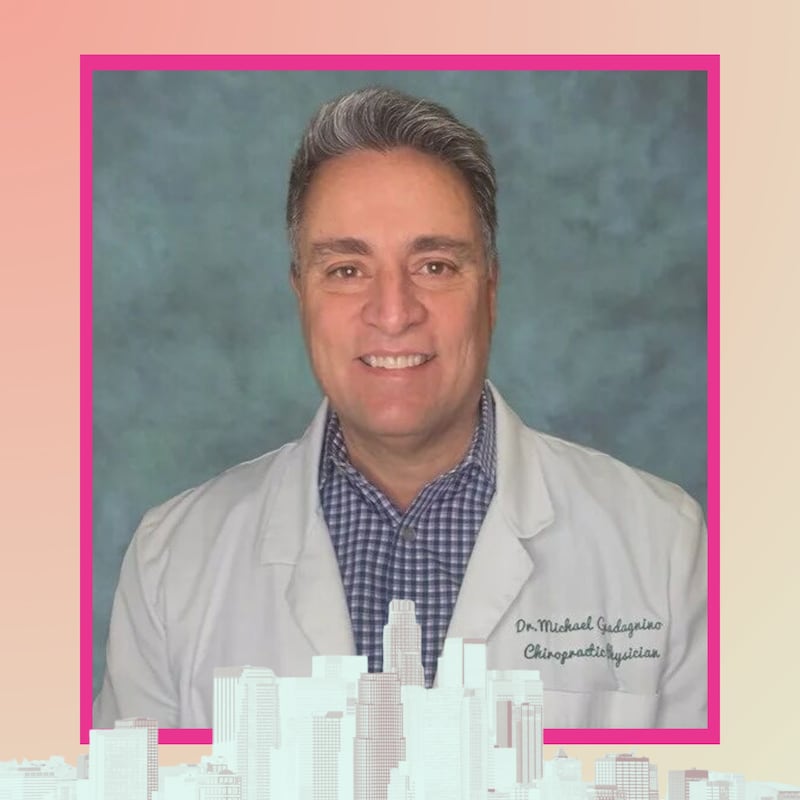
We sit down with Michael Guadagnino, author of Fitness Over 50, 60, 70, and Beyond, who shares his passion for helping boomers unlock their potential through movement—no matter their starting point. Michael sheds light on why the habits we build post-50 make such an impact on our longevity, happiness, confidence, and daily independence. We also bust some damaging fitness myths, talk about the power of functional strength, and get actionable tips for building a routine that feels good—without intimidation.
Key Takeaways:
- It’s Never Too Late: Michael’s story about Joan Campbell, who began exercising at 59 and was still swimming into her 90s, is proof that transformation is possible at any age.
- Ditch the Comparison Game: The most important shift is to listen to your own body, stop comparing yourself to others, and build your unique path to fitness.
- Functional Fitness Is the Goal: We discuss why being able to move well in daily life—not just in the gym—matters so much as we age.
- Strength Training Matters: Especially for women, building muscle is critical for balance, metabolism, and fall prevention, but getting started doesn't have to be overwhelming.
- Start Simple, Start Small: You don’t need fancy equipment or a gym membership—Michael gives great examples of calisthenics, resistance bands, and walking.
- Mindset Makes the Difference: Embracing aging, letting go of fear and negative self-talk, and celebrating small wins can transform how you approach fitness.
- Move More, Sit Less: Michael’s motto, “Movement is life,” underlines how important it is to simply keep moving, stretch, and keep blood flowing—even just a few times a week.
Ready to Take the First Step?
Michael’s advice is to pick one simple thing you can do today—whether it's a short walk, a few chair exercises, or writing down a small goal. Progress, not perfection, is what counts!
If you found this episode motivating, please subscribe, rate, and leave us a review. Share Late Boomers with a friend who's ready to feel stronger and more confident in their third act. For more insights and to connect with us or our guests, visit lateboomers.us. You can also find us on YouTube and all major podcast platforms.
Thank you for listening, for moving, and for living boldly with us!
With love,
Cathy & Merry
Mentioned in this episode:
Late Boomers is part of the eWomenPodcastNetwork.
Transcripts
Welcome to Late Boomers, our podcast guide to creating your third act with style, power, and impact.
Merry Elkins [:Hi, I'm Cathy Worthington, and I'm Merry Elkins. Join us as we bring you conversations with successful entrepreneurs, entertainers, and people with vision who are making a difference in the world.
Cathy Worthington [:Everyone has a story, and we'll take you along for the ride on each interview, recounting the journey our guests taken to get where they are, inspiring you to create your own path to success. Let's get started.
Cathy Worthington [:Hello everyone and welcome to Late Boomers, the podcast where we talk about living fully, boldly, and well in the second half of life.
Merry Elkins [:I'm Cathy Worthington and I'm Merry Elkins. We're so glad you're here with us today.
Cathy Worthington [:Merry, one thing we talk about a lot on this podcast is how aging doesn't have to mean shrinking, shrinking your life, your energy, or your possibilities.
Merry Elkins [:Oh, so true. And today's topic is a big one for our listeners: fitness after 50. Because whether you're 55 or 65 or 70 or beyond, how you move your body directly affects how you feel every single day.
Cathy Worthington [:And it's not just about looking good, but that's nice too. It's about strength, balance, mobility, mental clarity, confidence, and staying independent.
Merry Elkins [:And let's be honest, many of us didn't grow up with great fitness role models. We were busy raising families, building careers, and putting ourselves last.
Cathy Worthington [:Yeah, which is why we're especially excited about today's guest who focuses— specifically on what fitness looks like as we age, what matters, what doesn't, and what actually works.
Merry Elkins [:Our guest today is Michael Guadagnino, author of Fitness Over 50, 60, 70, and Beyond. Michael has dedicated his, his work to helping people stay strong, capable, and confident at any age of life and any stage of life.
Cathy Worthington [:Michael, welcome to Late Boomers. We're so happy to have you.
Michael Guadagnino [:Thank you for having me.
Merry Elkins [:So Michael, let's start at the beginning. What inspired you to write Fitness Over 50, 60, 70, and Beyond? And was there a moment when you realized this age group needed a very different approach?
Michael Guadagnino [:I have always been a fitness, uh, person myself, my, my whole life. And as I start to work my way up these age— this age bracket, uh, up after 50 towards 60. I, I realized, especially during the pandemic, that many people who were fit did better than those who were not fit. Let me explain. During the pandemic, people who were overweight, didn't take care of themselves, didn't eat right, maybe didn't take supplements, the whole gamut, they didn't have the same success rates as those who, who did. So I was inspired at that time to do something. And, and the inspiration came as I joke a lot in the, in the shower. I said, I, lemme write a book.
Michael Guadagnino [:So I put, uh, 2 years of time into writing this book. This book is filled with, uh, 200 scientific citations. It's not a biology book. It's a, it's a fun, it's, uh, easy to understand, easy to relate to book. And it helps to get people geared to after 50 to even they haven't taken care of themselves in the past to start, to start now. Mm-hmm.
Cathy Worthington [:Well, so many people think fitness has an expiration date. So what are the biggest myths you hear about exercising after 50?
Michael Guadagnino [:The biggest myths are people feel they don't think they can. You know, the biggest myth is a lot of people accept, uh, the, let's say for the lack of a better word, the, the, the degeneration process that it's okay to just let yourself go, just to just, end up with a, on a lot of medications and end up just allowing your body to, to not function as it did as you were younger. Um, I try to fight that myth to say that you can improve, you, you can still build muscle, you still can be healthy, you still can work your immune system. It just takes a, a little turn into where you're at, where, where you, what you're thinking is. And, uh, to begin that process of, of eating right, of exercising, of thinking positive. And, uh, and it shatters that myth as, as people start the process.
Cathy Worthington [:Hmm.
Merry Elkins [:I, I think you might have answered my question, but if you'd elaborate, cuz if someone's listening right now and thinking it's too late for me, what would you want them to know?
Michael Guadagnino [:It's never too late. Um, in my book I talk about a, a, a lady by the name of Joan Campbell. At 59, she began exercising where she had never exercised before. She's starting to have grandkids, and she wanted to, uh, be around for them and be able to, to play with them. And so she started off easy and started doing some swimming. And before you knew it, she was swimming laps, she was being competitive, she, she was swimming races for, for older individuals. And then now she's in her 90s, and she still swims. And she swims 1,500-meter laps under an hour.
Cathy Worthington [:Wow.
Michael Guadagnino [:So it can be done. We gotta to, to believe, believe it can be done and just start that process.
Cathy Worthington [:That's a long haul, but not everybody can do that. But tell us how fitness after 50 differs from fitness in your 30s or 40s. What should we stop doing and what should we focus on instead?
Michael Guadagnino [:Yeah, I would say the, the biggest difference is to listen to your body. Um, you know, I work out, I exercise, and then sometimes my, my kids come over, or my son, I'll work out with him, and he's in his 20s, and I realize I'm not in my 20s. I realize I'm older, but that's okay.
Cathy Worthington [:Rude awakening.
Michael Guadagnino [:If you're someone who's exercised for a long period of time, you could probably do more than someone who's just starting. But it's finding that niche, finding that spot, that sweet spot of what you can do, and listening to your body, and, and be getting there and, and working your way Work your way up, working your way through the, uh, up the ladder, so they say.
Cathy Worthington [:But what do you like to see people stop doing?
Michael Guadagnino [:I like to see them stop comparing themselves to others. That's the big thing. That's how you get hurt. That's how you injure yourself. That's how you, you don't, um, continue to progress and continue to, to become more fit. You might be in a gym and you see someone there who's exercised their whole life and throwing heavy weight, lifting heavy weights, running long distances, and you just, you feel like you can't do that. You're not that person. Don't compare yourself.
Michael Guadagnino [:Do what you can do and build yourself that up that way. That's, that's, that's the big thing I would say. I, I don't tell people not to do certain exercises, of course, unless they have a tendency to injure themselves doing one thing or another. But other than that, there, there should be, um, You shouldn't put a block, you shouldn't compare yourself to, just to other people.
Merry Elkins [:Mm-hmm. That's good advice. And if they do injure themselves, what do you advise?
Michael Guadagnino [:Again, listening to your body. The first thing is, it's a, if it's an injury, you need to stop and get it checked out and see what the problem is, what caused it. Sometimes people can't do certain exercises. They can only do exercises, um, within a certain parameter. And that's okay. It's finding— there's so many different things you can do and cannot do. Some people, again, I go back to Joan. She swam.
Michael Guadagnino [:She was not comfortable lifting weights. She was not comfortable running. So it's just really finding that sweet spot, what works for you and, um, what you can do to, to prevent injury and, uh, which after recovering from injury. So it's, it's really, it's, it's, again, it's not a cookie cutter. It's more of a listen to your body, listen to your doctor, listen to your trainer, and, uh, finding what works.
Merry Elkins [:So you talk about functional fitness. Can you explain what that means and why it's so important as we age?
Michael Guadagnino [:Functional fitness is basically, um, activity— activities of daily living. You know, as we get older, you still wanna be able to get up and get out of the bed without back pain. You still would like to be able to go to the restroom, participate with, with your kids. You don't have to be a world-class athlete, but it's just that function of the daily living that we, that sh— we, we would like.
Cathy Worthington [:Well, let's talk about strength training too. Many boomers, especially women, are intimidated by it. So why is strength training critical as we get older?
Michael Guadagnino [:I always tell people with exercise, you don't have to take on the whole gamut. Start small. And one thing I, I, I talk about in my book, which the best way to do it is to, to journal, write down, write down your goals, write down it, and then work your way backwards, reverse engineer. And then just slowly, as you reverse engineer, you slowly pick up one thing at a time. Whether, whether today be, I'm just gonna walk around the block. Next week, I'm going to walk around the track or, or whatever it may be. It just write things down. And we see in front of you, you have obvious, you have the opportunity to not be as intimidated as walking into a gym and seeing a lot of people or being overwhelmed by, I've gotta do this, I have to do that.
Michael Guadagnino [:You, you don't. I tell people, if you lose 1 pound a week, it seems like people, they, they, my patients will say to me, I only lost 1 pound, but 1 pound a week is 4.5 pounds a month is 50 pounds in a year. So it's— wow. Yep. It's, it's not— yeah, it's the point of being intimidated is it's not overwhelming yourself with situations, with ideas or ideals. And it goes back to comparing yourself. Uh, journal, write, write down the, uh, your steps, reverse engineer your goals and take it one step at a time.
Cathy Worthington [:Ah.
Merry Elkins [:I love that. Well, let's talk about balance and fall prevention, which is so important as we age, and they're huge concerns for our listeners. What are some of the simple, effective ways people can start improving their balance right now?
Michael Guadagnino [:Uh, improving balance starts with strengthening your muscles. A lot of research has shown that aging and longti— longevity are enhanced with stronger, more dense muscle tissue. So exercises for your muscles will help with your balance. As we get older, the, the, one of the biggest issues is, as, as I'm sure as we heard, is people falling, breaking their hips or breaking out other, other bones. And you want to, you obviously you wanna prevent that, but the, the best way is through just doing some, some, some strengthening for your muscles, whether that be deep knee bends to help strengthen, uh, your, your legs. Uh, there are exercises you could do with your eyes open, eyes closed. Again, make sure you are, um, in a safe environment with someone who can help you. But those things help with your balance.
Michael Guadagnino [:Balance is, is really key and it all stems down and comes, comes from keeping that your muscle tissue strong, dense, and, and pliable.
Merry Elkins [:Mm-hmm. Mm-hmm.
Cathy Worthington [:Well, how much exercise do we really need? People hear so many conflicting messages. What's realistic and sustainable for someone over 50?
Michael Guadagnino [:You know, you, you don't have to really exercise every day, but 3, 4 times a week of exercise. And exercise can, can consist of stretching. It can consist of yoga, swimming, just walking, after dinner walks. It doesn't have to be locking yourself in a weight room or locking yourself in a specific, you know, exercise environment. It's just, Exercise comes in many different, different ways. And by, again, find that sweet spot, what works for you. Again, if you, if you do something 3 or 4 times a week, that's, that's good. That's, it's, but it's, it's sitting in the chair.
Michael Guadagnino [:It's, it's not getting much mobility. One of my chapters is called Movement is Life. It's important to move. It's, it's important to, to stretch. It's important to let your, your lungs breathe fresh air. It's important to get all the, the blood flowing. So, so how much is enough? You know, it's 3 to 4 times a week. I, I, I would say on average.
Michael Guadagnino [:Hmm.
Merry Elkins [:So yeah. Uh, what role does mindset play in staying fit as we age? And how do people get past the fear or old injuries or negative self-talk?
Michael Guadagnino [:You know, aging hap— aging is normal. Age— aging, you know, embrace it. Embrace the wisdom, embrace the, the knowledge. Um, everybody doesn't get to age, so it's, it shouldn't be fearful. It should be something to look forward to. There are obstacles, understanding them, staying fit will help you achieve them. Staying fit will allow you to, if you have grandchildren, to play with your grandchildren, to be there for the graduations and, and other events. So, uh, it shouldn't be feared.
Michael Guadagnino [:It should, it should be embraced.
Cathy Worthington [:Mm-hmm. Well, for those dealing with joint pain, arthritis, or past injuries, how can they exercise safely without making things worse?
Michael Guadagnino [:It's best to work with someone, either a doctor or a trainer, to help show you what you can and can't do without— what your range of motions are. But there are things such as chair yoga. I've had patients in their 90s and I've referred them for chair yoga. For, exercise in the water, water aerobics. It comes in— exercise comes in many stripes. And even if it's just walking, if it's just, you know, walking in, in, in a park or just enjoying nature, it comes in many different, different ways. And injury, joint pain shouldn't hold you back. I mean, if it hurts to exercise your, your hips, Exercise your shoulders.
Michael Guadagnino [:It's, it's finding ways around it. There's, there are so many different exercises out there. In my book, I talk about the many different types of exercises and, um, yeah, help people kind of choose, choose what fits, choose what their flavor is. Great.
Merry Elkins [:So, um, I think you may have answered this, but, um, maybe you have another idea you can add to this because if someone wanted to start today without a gym membership, or fancy equipment, what would you say would— should be the first step? A simple one.
Michael Guadagnino [:The first step, I, I would tell people to, um, just do some calisthenics. You know, start— you don't need the fancy equipment. You could just start doing some push-ups in your house, jumping jacks, sit-ups. There are things you could do without the equipment. You could get yourself a set of They have the elastic, the, like the rubber, uh, bands and you could do exercises with those. Mm-hmm. There's so many, I, I explain those too in my book. There's so many different, uh, exercises you could do without needing all that equipment.
Cathy Worthington [:And finally, Michael, what does fitness for life really mean to you and what's the bigger picture beyond workouts?
Michael Guadagnino [:Fitness for life is being able to allow your body's natural genetic makeup to have its full expression for however it is that you are, your body is geared to live. Not only adding years to your life, but life to your years, being able to function, being able to be present. And, you know, one of the fears I, I feel, or I, I, I've seen with patients, and I'm sure it happens to a lot, quite a few people, they become a burden. They don't want, they don't want to become a burden to other people. And to allow for independence throughout your life. Um, to me, that's what just fitness for your whole life, fitness for life is, is all about.
Cathy Worthington [:Mm-hmm.
Merry Elkins [:Yeah.
Cathy Worthington [:Yeah.
Merry Elkins [:That's— makes a lot of sense. Michael, this has been incredibly helpful and inspiring. Thank you so much for sharing your knowledge and your passion with us today.
Cathy Worthington [:And we want to remind our listeners that Michael Guadagnino is the author of Fitness Over 50, 60, 70, and Beyond. We highly recommend checking it out if you're serious about staying strong and independent for the long haul.
Merry Elkins [:Absolutely. And to everyone listening, thank you for spending part of your day with us.
Cathy Worthington [:If you enjoyed this episode, please subscribe, rate, and review Late Boomers, and share it with a friend who's ready to feel better, stronger, and more energized.
Merry Elkins [:For sure. And you can find us wherever you get your podcasts, and please subscribe to Late Boomers on YouTube.
Cathy Worthington [:Until next time, keep moving, keep growing, and keep living boldly.
Merry Elkins [:Thanks for listening to Late Boomers.
Cathy Worthington [:Thank you for joining us on Late Boomers, the podcast that is your guide to creating a third act with style, power, and impact. Please visit our website and get in touch with us at lateboomers.us. If you would like to listen to or download other episodes of Late Boomers, go to EWN Podcast Network dot com.
Merry Elkins [:This podcast is also available on Spotify, Apple Podcast, and most other major podcast sites. We hope you make use of the wisdom you've gained here, and that you enjoy a successful third act with your own style, power, and impact.


