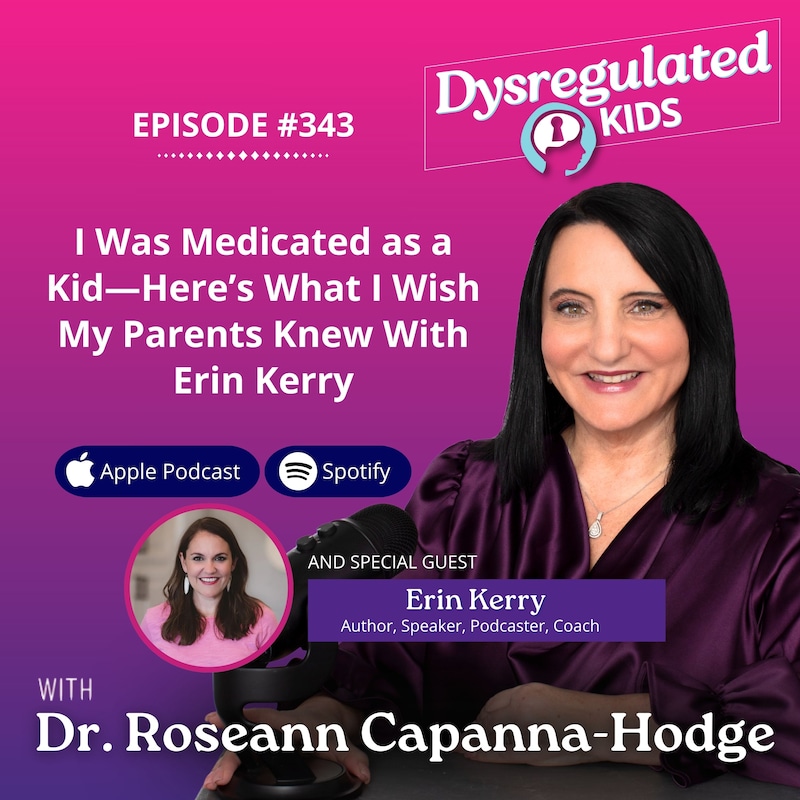
Medicated children often receive diagnoses and prescriptions before parents fully understand what's driving the behavior. In this episode, I sit down with Erin Kerry to discuss her experience being medicated, misdiagnosed, and ultimately finding a path toward healing beyond labels.
When a child is struggling emotionally, parents naturally want answers. But before a child is heavily medicated, it's important to explore whether infections, toxins, trauma, immune challenges, or nervous system dysregulation may be contributing to the symptoms.
In this episode, you'll learn:
• Why some children are medicated before root causes are identified
• How infections, toxins, and trauma can mimic psychiatric conditions
• Risks and considerations when using psychiatric medication
• Practical steps parents can take to advocate for comprehensive care
Could my child's symptoms be something other than a psychiatric disorder?
Sudden mood swings, anxiety, emotional outbursts, and behavioral changes can sometimes have underlying medical contributors, including:
• PANS/PANDAS
• Infections and immune dysfunction
• Mold or toxin exposure
• Trauma and chronic stress
• Nervous system dysregulation
Looking beyond labels can help families make more informed decisions.
Behavior is communication.
It's not bad parenting—it's a dysregulated brain.
What should parents know before a child is medicated?
Medication can help some children, but parents should understand the risks, monitor progress carefully, and ensure underlying contributors have been evaluated.
Erin shares how her family experienced worsening symptoms despite medication, highlighting the importance of asking questions and seeking second opinions when needed.
What can families do besides medication?
A whole-child approach may include:
• Sleep and nervous system regulation
• Nutrition and immune health support
• Trauma-informed therapy
• School accommodations and support services
• Collaborative care from qualified professionals
For many families, addressing foundational needs creates meaningful progress.
When should parents seek a second opinion?
If symptoms worsen, new concerns emerge, your child seems unlike themselves, or questions remain unanswered, it may be time to seek additional evaluation. Trust your instincts.
Trust your instincts. Parents know their children best.
Looking for natural ways to support your child's focus, behavior, and emotional regulation?
The Natural Solutions Quick Start Guide helps you take the first steps with confidence.
Need personalized next steps? Use the free Solution Matcher: www.drroseann.com/help
Learn more about Erin Kerry's work at www.erinbkerry.com
Dr. Roseann Capanna-Hodge helps parents understand emotional dysregulation in children and teaches practical nervous system regulation and co-regulation strategies through her Regulation First Parenting™ approach.